5 Garden Tasks to Avoid in Peak Sun
Avoid five heat-stressing garden tasks at midday, with safer timing and practical exceptions for wilting plants, emergencies, and containers.
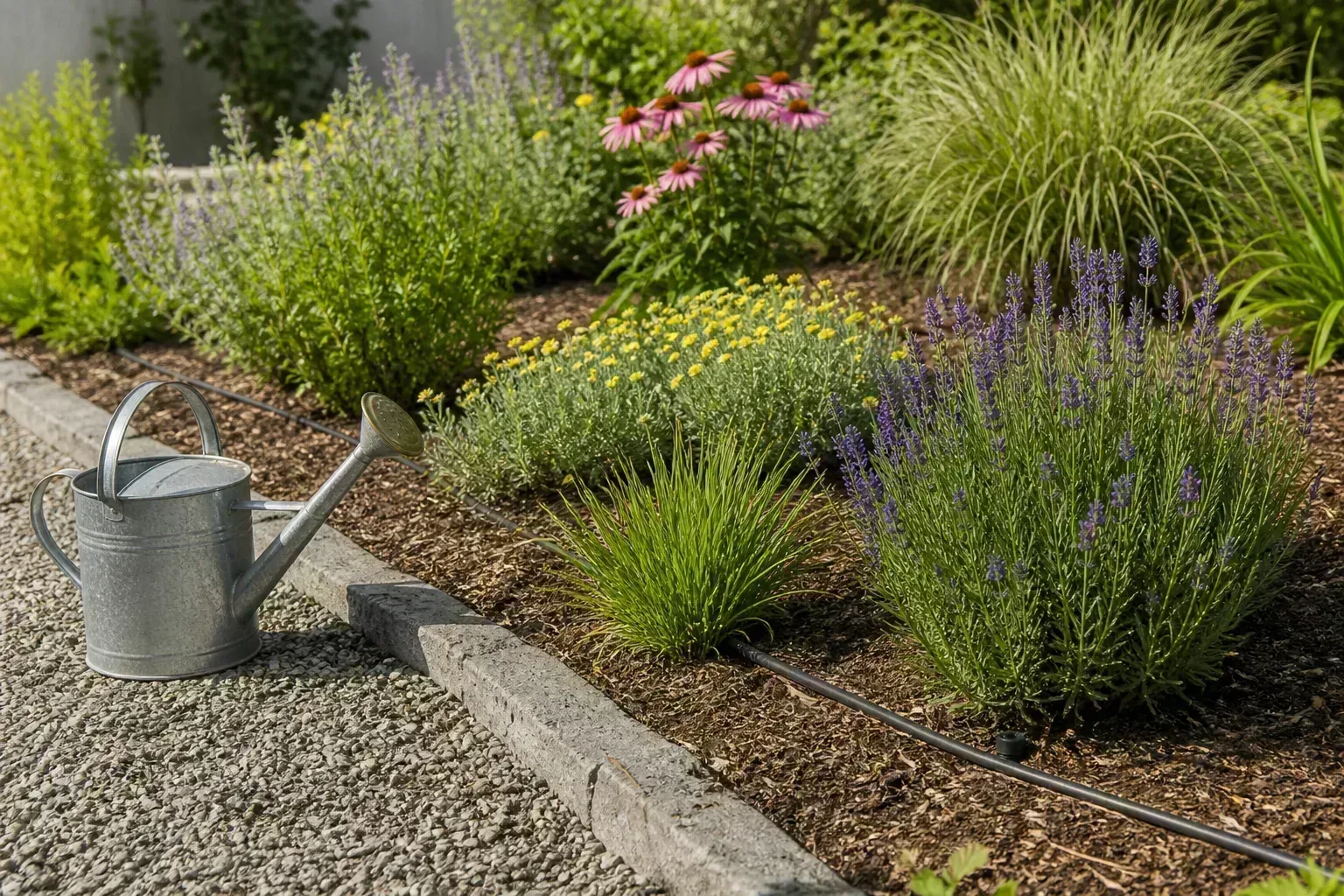
Peak sun is a poor time for several garden jobs, but “never” needs a little context. The risky combination is usually intense light plus high air or soil temperature, dry wind, low humidity, and a plant that has just lost roots, leaves, or access to water. A mild, cloudy afternoon is not the same as a 100°F heat wave, and a container can become urgent long before an established shrub does.
The safest default is to do disruptive chores in the early morning, on a cloudy day, or in the cooler part of the evening. The important exception is a plant that is actually drying out or collapsing: rescue watering takes priority over perfect timing. The University of Minnesota Extension recommends watering as early as possible in hot weather because evaporation is greater at the soil surface during the heat of the day; the RHS watering guide likewise recommends morning watering, slow deep application, and the soil as the target.
Peak sun is a plant-stress window, not a hard clock
Peak sun is the period when solar radiation and drying demand are highest, often late morning through mid-afternoon. Your clock time will vary with latitude, season, cloud cover, slope, reflected heat from paving, and whether the bed is sheltered or exposed. A west-facing balcony with black pots can be dangerous at 2 p.m. even when an open, mulched bed remains reasonably moist.
Plants lose water through transpiration while the soil loses it through evaporation. A healthy established plant can balance that exchange, but a freshly transplanted seedling has fewer working roots, a newly sown seed sits in a shallow moisture zone, and a heavily pruned plant has less leaf area to protect its tissues. During a heat wave, those margins shrink further, so the best timing is the one that reduces the number of stresses happening at once.
The plant’s setting matters as much as the forecast. A large shrub in deep, organic soil may tolerate a warm afternoon that would dry a small pot on concrete. Dark containers, raised beds with little soil volume, reflective walls, windy balconies, and south- or west-facing exposures all raise the urgency. Conversely, a humid, overcast day may let you complete a necessary job safely even if the calendar says summer.
Plant behavior matters too. A midday droop that disappears in the evening is different from a plant that stays limp after the air cools. A dry seedbed, a soft new transplant, and a shallow hanging basket deserve more attention than an established drought-tolerant perennial. Look at the soil, the root zone, and the plant’s recent history before treating the clock as the diagnosis.
Use three questions before you pick up a hose, trowel, fertilizer, or pruners:
- Is the plant or soil in immediate danger right now?
- Will this chore disturb roots, add soluble salts, expose tissue, or remove shade?
- Can the job wait until tomorrow morning or a cooler, cloudier window?
If the answer to the first question is yes, act on the emergency. If the second and third answers are both yes, postpone the chore.
1. Watering the soil in the hottest part of the day
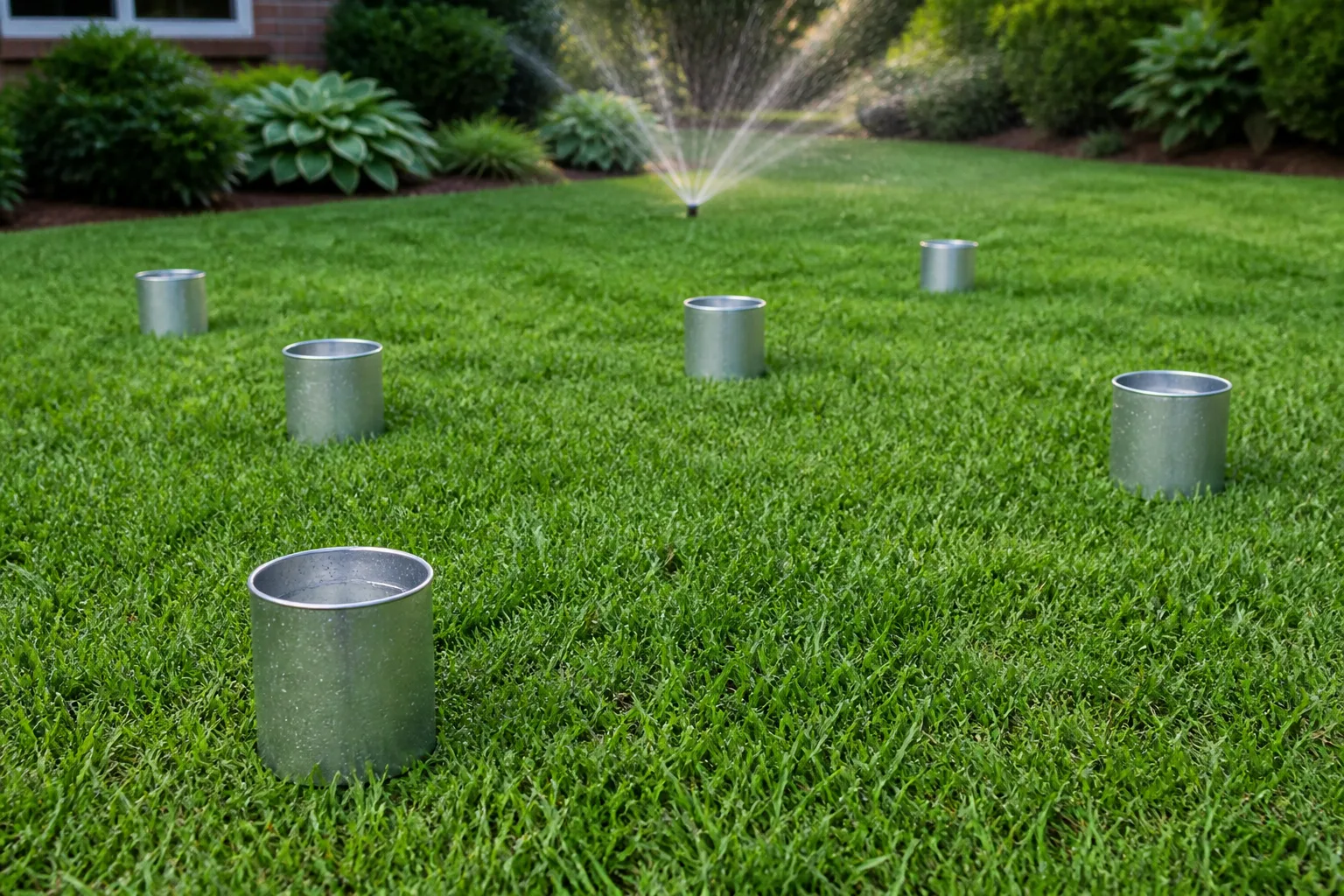
Routine midday watering is inefficient because a meaningful share of the water can evaporate from the soil surface before it reaches the active root zone. A quick sprinkle is especially weak: it wets the top layer, encourages shallow roots, and may leave the deeper soil dry by evening. The RHS recommends watering less often but more thoroughly, allowing the surface to dry between waterings where the plant and soil type permit.
That does not mean sunshine instantly turns every water droplet into a burning lens. A practical watering guide from Garden UK notes that the old magnifying-glass explanation is not the main concern for most flat-leaved garden plants. The better reasons to avoid routine midday watering are evaporation, poor penetration, runoff from hard soil, and wet foliage that can remain vulnerable to disease depending on the timing and climate.
What to do instead: water deeply and at the base
Make early morning your default. The plant begins the hot part of the day with moisture available, leaves have time to dry if they are accidentally splashed, and you can see whether the water is soaking in rather than running away. Early evening is a useful second choice when mornings are impossible, especially for a container that is dry after a hot day, but direct the water at the soil rather than spraying the canopy.
Water slowly enough to wet the root zone, not just the surface. For an established border plant, push a finger or soil probe several inches into the soil; for a newly planted tree or shrub, the root ball is the first priority. The RHS suggests checking that soil is moist around 6 inches deep for many borders, while container plants may need attention when the compost is dry just below the surface. The right depth is more reliable than a fixed number of minutes on a hose.
Mulch helps keep the timing from becoming an emergency every afternoon. Apply a loose layer of organic mulch around, not against, stems and trunks; it slows evaporation and moderates soil temperature. Drip lines, soaker hoses, and a watering can aimed at the soil are also more efficient than a high spray that wets leaves and the air.
If a plant is wilting at noon, water it anyway
Do not leave a genuinely wilted plant dry until evening just to obey a rule about peak sun. First check the soil below the surface. Some plants droop temporarily at midday as a water-conservation response even when the root zone is moist, so watering every afternoon can create soggy soil and root problems. If the soil is dry and the plant is limp, water the base slowly and thoroughly, then give it temporary shade if possible.
Containers, hanging baskets, seedlings, and new plantings are the exceptions most often missed. Their small soil volume or limited root system can dry rapidly, and a second watering may be justified during extreme heat. Better Homes & Gardens’ heat-wave guidance makes the useful distinction that heat can require more water while still making overwatering a separate risk: check moisture rather than watering by panic.
2. Transplanting seedlings or dividing plants
Moving a plant at peak sun combines root disturbance with immediate demand for water. Roots may be torn or separated, fine root hairs can lose contact with soil, and the plant may not replace the lost water as quickly as leaves release it. That is why a seedling can look healthy at the nursery table and collapse within an hour of a hot, sunny transplant.
Avoid planting, potting up, or dividing during a heat wave when the job is optional. Southern Living’s heat-wave guidance recommends waiting for cooler weather for major root disturbance, and BHG similarly advises avoiding planting and transplanting when temperatures are extreme. A cloudy day is often safer than a sunny one even if the air temperature is not dramatically lower.
When the plant must move, choose early morning or late afternoon, prepare the new hole or pot first, and moisten the receiving soil. Water the seedling or root ball before lifting it so the roots start hydrated, but do not work in mud that smears and seals the soil. Keep as much of the root ball intact as possible and handle a seedling by its leaves or root ball rather than squeezing the stem.
Reduce transplant shock before and after moving
Indoor-grown seedlings need hardening off before they meet full outdoor exposure. Utah State University Extension recommends beginning that acclimation at least about two weeks before planting out, starting in shade and gradually increasing time in sun. Skipping that step can make a plant look “sunburned” or wilted even when the transplant itself was technically done well.
After planting, water immediately to settle soil around the roots, then keep the root zone evenly moist without making it perpetually soggy. The Utah State seedling and transplanting guide emphasizes morning or cloudy-day transplanting, moisture around new roots, and more frequent irrigation until establishment. Add temporary shade cloth or move a container to bright shade for the first few days if the plant is tender.
Do not fertilize a freshly stressed transplant as a reflex. New leaves are not proof that the roots can handle a strong nutrient solution, and a plant that is still recovering needs stable moisture and moderate light before it needs a growth push. Wait until it shows recovery and follow the label for the crop and product.
3. Direct-sowing seeds into hot, dry soil
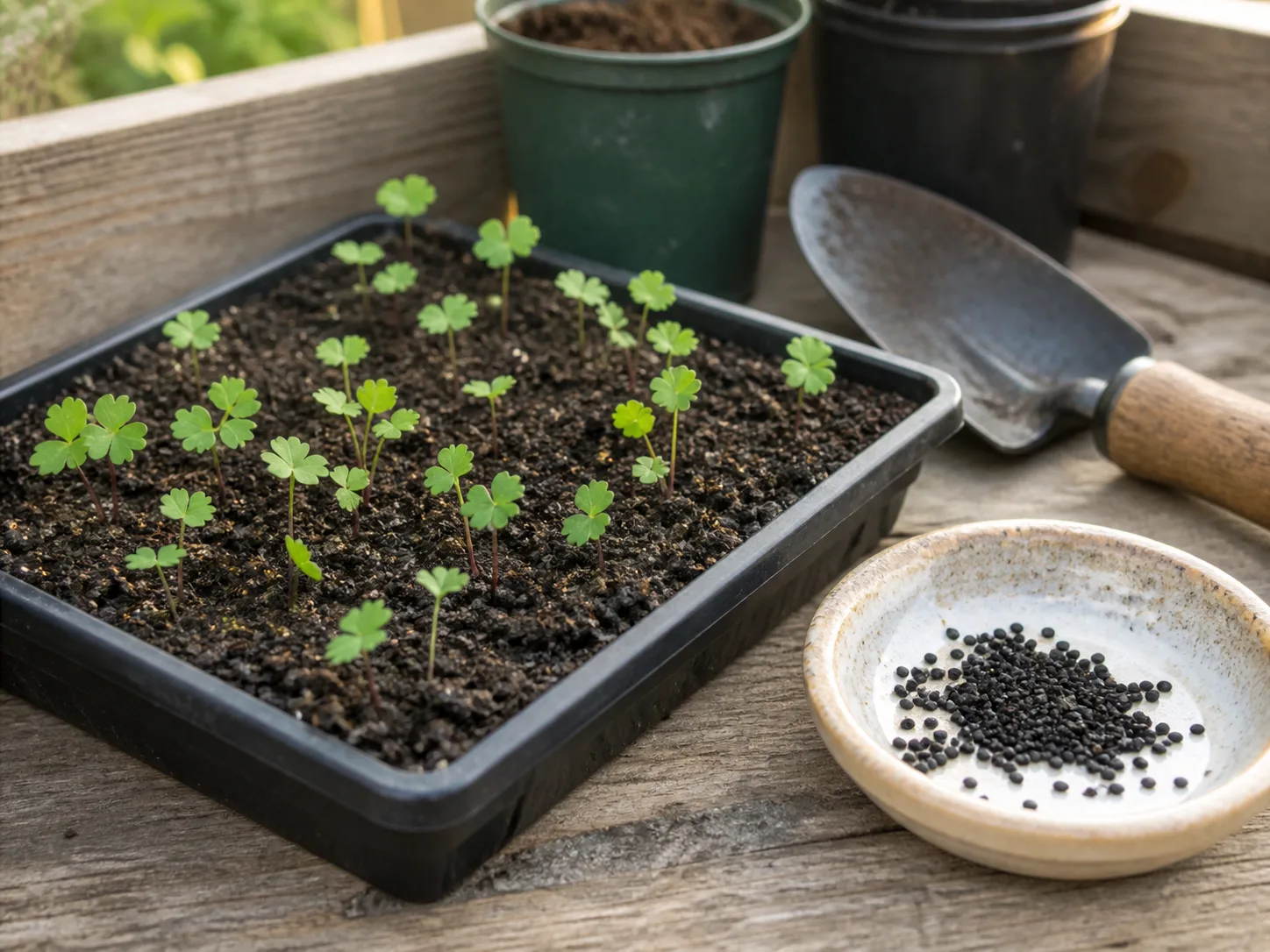
Seeds need a narrow combination of moisture, oxygen, temperature, and depth. Peak sun can dry the top few millimeters before a seed imbibes enough water, create a crust on fine soil, or push the seed zone above the crop’s preferred germination temperature. A seed packet’s “warm soil” instruction does not mean “sow into the hottest soil you can find.” Different crops tolerate very different temperatures.
Avoid sowing during the hottest, driest part of the day when the bed is exposed and you cannot protect the surface. Plant in the morning while the soil is cool and already prepared, or in the evening after the soil surface has begun to cool. If a sowing window is weather-driven, the solution is not to wait for a perfect date; it is to create a stable microclimate for the first few days.
Protect the seed zone until germination
Before sowing, moisten the bed to the depth the roots will occupy rather than flooding the surface. Place seed at the packet’s depth, firm the soil lightly for contact, and cover the row with a thin layer of mulch, shade cloth, or a breathable row cover if the crop and weather allow it. The cover should reduce drying without trapping excessive heat against the soil.
Check the bed at least once a day, and more often for shallow-sown crops in a hot, windy site. Use a gentle rose on a watering can or a fine spray that does not wash seeds into a trench. Keep the seed zone consistently moist, not saturated; waterlogged mix excludes oxygen and can rot seeds before they emerge.
For indoor seed starting, control the temperature of the growing medium rather than relying on a sunny window. USU Extension notes that incorrect temperatures, overwatering, underwatering, and planting too deeply can all contribute to poor germination. Once seedlings emerge, light and airflow become just as important as moisture; a hot, dim, stagnant tray can produce weak growth even if the seeds sprout.
Warm-season crops are the main reason not to turn this advice into “never sow in summer.” Beans, squash, basil, and other heat-loving plants may need warm soil to germinate, while lettuce, spinach, and some cool-season crops can stall or bolt when the seed zone overheats. Match the sowing date and protection to the crop’s germination range, then use shade or a light cover to prevent a hot afternoon from pushing the soil past that range.
4. Applying fertilizer to heat-stressed plants
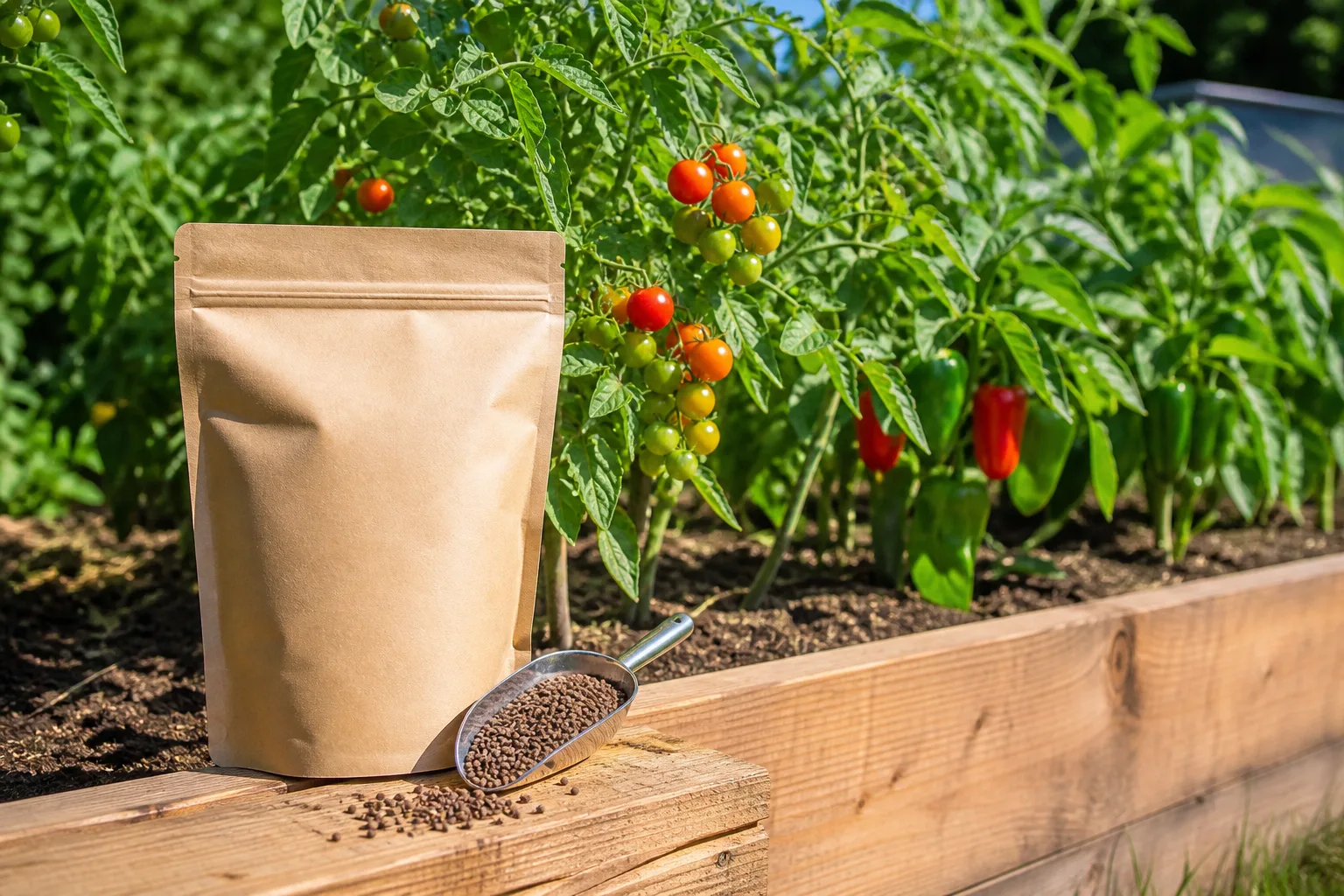
Heat stress can look like a nutrient problem, but adding fertilizer is rarely the best first response to limp leaves, leaf curl, or stalled growth in hot weather. A plant under water stress is trying to balance water loss, not asking for a concentrated dose of salts around already vulnerable roots. Fertilizer on dry soil can draw water away from root tissues and damage fine roots; foliar products can mark or burn leaves when sunlight and heat are intense.
During a heat wave, postpone routine feeding, especially granular fertilizer scattered onto dry soil or a strong liquid feed applied to a wilted plant. BHG reports that plants do not absorb fertilizer effectively during severe heat and places the threshold for particular caution around temperatures above 90°F; Southern Living also warns that fertilizer can burn roots or green tissue when it is not watered in correctly. These are useful guardrails, not a universal temperature law for every species or product.
Do not confuse fertilizer timing with pesticide timing. Sprays have their own label restrictions for temperature, sun, drift, and pollinator safety, and a pesticide should never be used off-label to solve a heat-stress symptom. If a pest problem is urgent, read the product label and choose the safest permitted window rather than improvising a stronger mix.
When fertilizer is appropriate again
Resume feeding after the hottest spell has passed, the soil is reliably moist, and the plant is showing active recovery. Start with the product label’s rate; “a little extra to help it bounce back” is a common route to salt injury. Seedlings are especially easy to overfeed. Utah State Extension advises that a diluted program is safer than excess fertilizer, because lush, succulent growth can be weak and more attractive to pests and disease.
If you suspect a deficiency, confirm the pattern and consider a soil test instead of guessing from one yellow leaf. Older leaves, new leaves, veins, and whole-plant color point to different possibilities, while drought, root damage, or compacted soil can block nutrient uptake without a true shortage. Correct water and root conditions first, then feed for a reason.
5. Heavy pruning and shaping
Heavy pruning removes part of the canopy that shades stems and soil and that powers recovery through photosynthesis. Fresh cuts also create exposed tissue at the same time the plant is losing water quickly. In a heat wave, a large shaping cut can turn a plant that was coping into one that cannot keep its remaining tissues hydrated.
Postpone major reshaping, hedge reduction, renewal pruning, and large-scale deadwood removal until cooler weather or the plant’s proper pruning season. The right season also depends on whether the plant flowers on old wood, new wood, or a seasonal flush, so “summer pruning” is not one universal prescription. Use the plant’s growth cycle, not just the temperature, to decide the long-term timing.
There is also a difference between a small maintenance cut and a canopy-changing job. Removing one crossing twig from a well-hydrated shrub is not equivalent to reducing a hedge by a third or stripping lower leaves from a tomato. The larger the proportion of living foliage removed, the more valuable it is to wait for cooler conditions and the plant’s normal pruning window.
The exceptions: damage, disease, and safety
Heat is not a reason to leave a broken branch hanging over a path or a diseased stem spreading into healthy tissue. Remove dead, broken, or clearly diseased growth when waiting would create a larger problem. Make clean cuts with a sharp, sanitized tool, remove only what is necessary, and avoid turning an emergency cut into a full makeover.
Light deadheading is usually a smaller intervention than structural pruning, but even then, avoid stripping healthy leaves from a plant that is already heat-stressed. If you must prune in warm weather, work early or late, keep the plant hydrated, retain enough foliage to shade the interior, and monitor it during the next several days. BHG’s heat-wave advice makes the same important distinction: emergency removal of damaged or diseased stems is different from unnecessary pruning.
A better daily garden schedule during hot weather
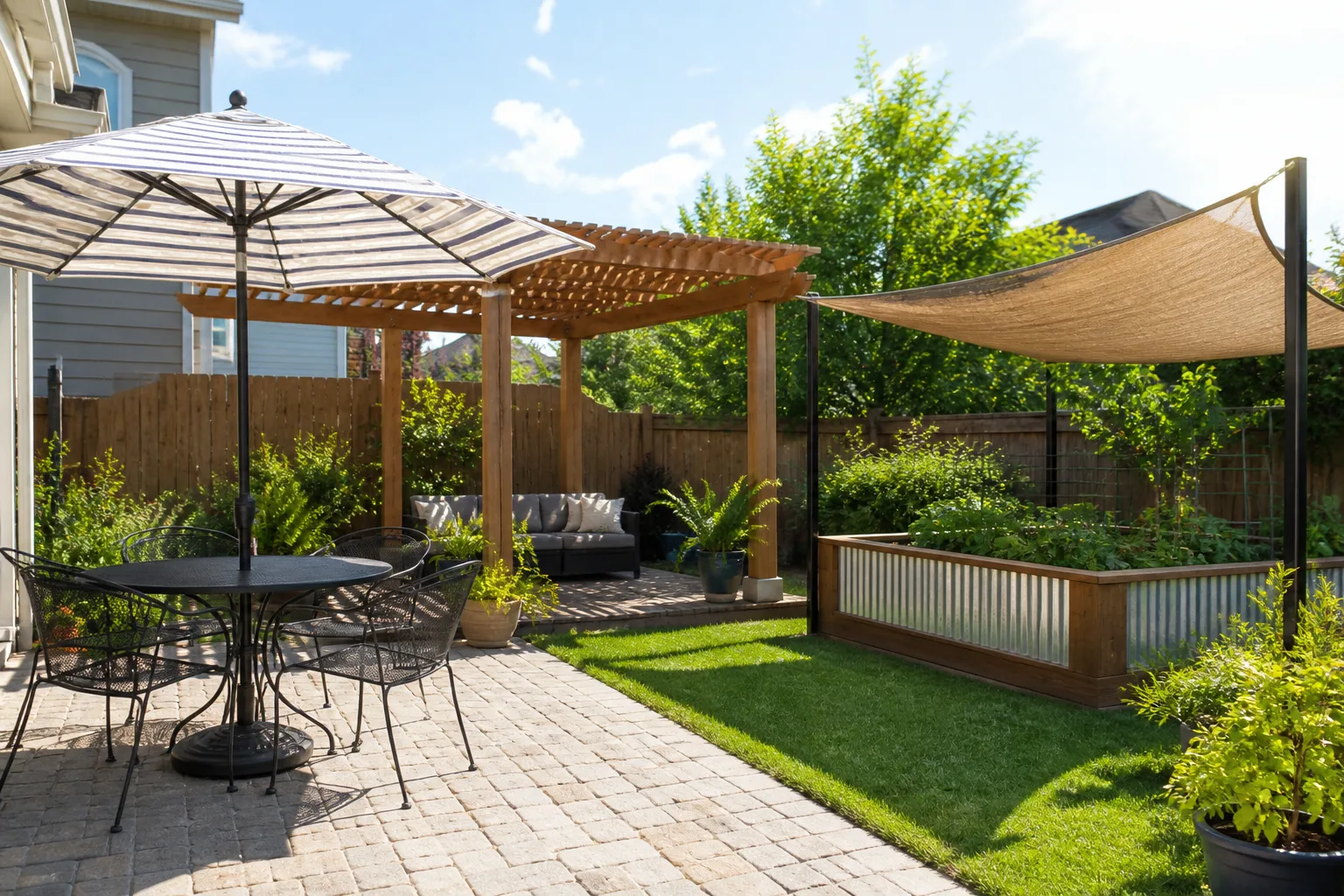
The easiest way to avoid peak-sun mistakes is to move the work instead of relying on willpower after the garden is already stressed.
- At dawn: Check containers, hanging baskets, seedlings, and new transplants first. Feel the soil below the surface, then water the root zone deeply where it is dry. Harvest tender produce and make any unavoidable sowing or transplanting decisions before the day heats up.
- During the cool morning: Finish routine weeding, tying, staking, mulching, and small maintenance cuts. Set up shade cloth, repair a drip line, and check that irrigation is actually wetting the intended bed rather than a path.
- At peak heat: Observe rather than disturb. Move portable containers to bright shade, add temporary protection to tender plants, check for wind damage, and refill water for yourself. Avoid turning a heat emergency into a root, salt, or canopy emergency.
- In the evening: Water dry soil at the base, inspect new transplants, and do light cleanup if needed. Avoid soaking foliage late in humid weather, and postpone any job that would expose a large amount of tissue until a safer window.
Mulch, shade, and irrigation improvements make this schedule easier. A correctly applied mulch layer reduces surface drying, shade cloth can protect seedlings during establishment, and drip or soaker systems deliver water without requiring a midday hose session. These changes are more useful than trying to memorize one perfect hour for every garden.
Protect yourself as well. Wear a hat, take water breaks, stop when you feel dizzy or unusually weak, and save heavy digging or hauling for cooler conditions. A plant-care schedule that causes heat illness is not a successful schedule.
How to decide whether a chore can wait
Use this quick triage before doing a task in direct afternoon sun:
- Wait if the chore is optional, removes healthy canopy, disturbs roots, or applies fertilizer to a dry or heat-stressed plant.
- Move it to early morning, late afternoon, evening, or a cloudy day if the task must happen soon.
- Prepare first by moistening soil, setting up shade, gathering tools, and making the new planting hole before lifting a plant.
- Act now if a container is truly dry, a new transplant is collapsing, a branch is dangerous, or disease is advancing. Use the smallest effective intervention.
- Recheck after watering or shade. If a plant remains wilted while the soil is moist, stop adding water and investigate roots, heat damage, pests, or disease.
The same rule works in a balcony container, a raised vegetable bed, and a mature border: postpone avoidable stress, but do not postpone rescue. Weather, soil, plant maturity, and water-holding capacity matter more than a rigid clock.
Conclusion
Peak sun is the wrong window for routine watering, root disturbance, direct sowing, fertilizer, and heavy pruning because each job adds a different stress to plants already managing heat and water loss. Schedule those chores for early morning, late afternoon, evening, or a cloudy day whenever the plant is stable enough to wait.
The practical rule is simple: delay disturbance, not rescue. Water a genuinely dry plant, protect a new transplant, remove a dangerous or diseased branch, and then make the next intervention smaller and better timed. With deep root-zone watering, mulch, temporary shade, gradual hardening off, and a little attention to soil moisture, your garden can get through hot weather without turning every sunny afternoon into a crisis.



