Grow Snapdragons: Planting, Bloom & Rust Tips
Grow snapdragons from seed or nursery packs with zone-aware timing, soil prep, deadheading, rust prevention, and fall rebloom tricks for longer color.
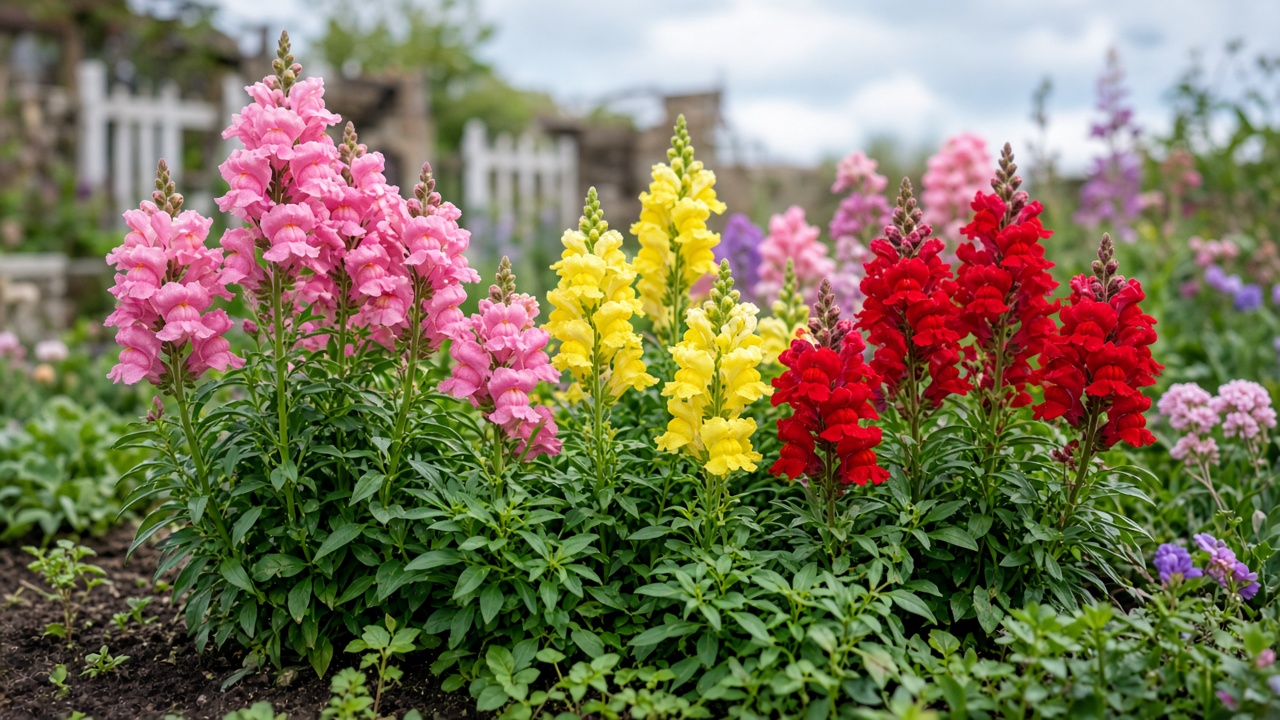
Snapdragons (Antirrhinum majus) are the cool-season annual that still feels like a classic cottage-garden flower: upright spikes of saturated color in spring, often a quiet summer, then a second act when nights cool again. The common name fits the flower—each two-lipped bloom looks like a tiny dragon’s snout, and heavier bees land on the lower lip and force the “jaws” open to reach nectar inside. NC State Extension describes the corolla as strongly two-lipped and zygomorphic, which is why the flowers read as faces lined up on a stem.
Garden snapdragon is native to southwestern Europe and the Mediterranean and belongs to Plantaginaceae (the plantain family), not the old figwort grouping many older references still list. In cultivation it is usually treated as an annual or short-lived tender perennial: hardy in USDA zones 7–10 as a perennial stem base, but grown as a bedding plant everywhere colder or anywhere summers run hot and long. Missouri Botanical Garden notes plants are winter hardy to zones 7–10 yet “usually grown as an annual” in climates like St. Louis, where protracted hot summers make sustained bloom difficult.
Snapdragons at a glance
Mature height ranges from about 6 inches to 4 feet, depending on cultivar, with a typical spread of 6–12 inches. Flower colors include white, yellow, pink, red, orange, peach, purple, and many bicolors. Bloom often starts in early spring and can continue to frost in mild seasons, with a common mid-season slowdown when days stay hot. UF/IFAS lists bloom as spring and fall in northern zones and fall through winter in the South when planted at the right time.
Snapdragons attract hummingbirds and butterflies, tolerate deer in many gardens, and work as bedding, edging, containers, wall pockets, and cut flowers. NC State Extension tags the species as hummingbird- and butterfly-friendly and deer-resistant. The flowers are technically edible but bitter—fine as a garnish, not as a salad base.
For pet households, NC State lists snapdragon as non-toxic to dogs, cats, and horses, which makes it a safer bedding choice than many spring bulbs—but still treat ornamental plants as off-limits for curious pets that chew stems.
Annual, perennial, or both?
The honest answer depends on your winter lows and your summer heat, not the label on the six-pack. Snapdragon is a short-lived herbaceous perennial that often becomes woody at the base in mild climates. RHS describes it as a short-lived perennial with upright or scrambling stems up to about 2 m in ideal conditions, though most garden cultivars stay shorter.
In zones 7–11, plants may overwinter with mulch and bloom again, but performance usually drops after the first year—first-year plants are the most floriferous. Missouri Botanical Garden observes that even when snapdragons overwinter, they are inexpensive enough that many gardeners simply repurchase each spring for peak color. In zones 3–6, expect to treat them as cool-season annuals unless you overwinter cuttings indoors.
Lifespan and self-seeding
Left alone, snapdragons often set seed capsules after bloom. Seed may self-sow in loose, open soil, giving you volunteer seedlings the following spring—especially where winters are mild and bare soil stays undisturbed. Self-sown plants won’t always match the parent color in mixed plantings, but they can fill gaps at no cost. If you want a precise color scheme, deadhead before capsules dry or pull volunteers early.
Choose the right type for your space
Snapdragon shopping goes wrong when height and habit don’t match the job. Commercial cultivars are grouped by size:
- Dwarf (roughly 6–12 inches): edging, window boxes, front-of-border color. Examples include compact lines such as ‘Snapshot’ and ‘Montego’ types listed by NC State Extension.
- Intermediate (about 12–24 inches): mixed beds and mid-border vertical accents.
- Tall (24–36+ inches): back-of-border drama and cutting gardens; may need staking in part shade.
Height groups and named series
Series names rotate at garden centers, but a few habits repeat every year:
- Rocket series: reliable tall mix, roughly 2–3 feet, still common in bedding packs.
- Madame Butterfly: ruffled double flowers on stems suited to bouquets.
- Tutti Frutti: shorter plants with speckled or striped blooms.
- Candy Tops: low 6–8 inch solids for edging.
- Chandelier: trailing habit for baskets and wall pockets—closer to the “Chinese Lanterns” trailing strain UC IPM mentions for hanging baskets.
Read the tag for days to bloom and height at maturity, not just flower color. A tall Rocket planted as front edging will need constant pinching and still look leggy by June.
Light, temperature, and site selection
Snapdragons bloom most heavily in full sun to light partial shade. UF/IFAS lists full sun to partial shade; Missouri Botanical Garden recommends full sun with moist, rich, well-drained soil. They prefer cool nights—roughly down to about 40°F—and daytime temperatures in the 60s–low 70s°F for peak flower production. When sustained heat arrives, many plants pause bloom even if they stay alive.
Choose a site with morning sun and afternoon protection if your summers spike above 90°F regularly. Avoid heat traps: south-facing brick walls, paved courtyards, and dark containers that bake roots. Good air movement reduces foliar disease but isn’t a substitute for keeping leaves dry.
Managing the summer bloom pause
A mid-summer bloom stall is normal—not a sign you failed. When spikes fade and new buds stop forming:
- Cut back spent plants to within a few inches of the ground after the first heavy flush (UF/IFAS suggests about five or six nodes above ground when the first flowers fade).
- Water deeply at the crown, not over the foliage.
- Fertilize lightly when the second wave of buds shows.
- Shift pots to afternoon shade if containers overheat.
Fall color often rivals spring when nights cool again. In mild-winter regions (zones 9–11), a fall planting can flower through winter until spring heat returns.
Soil, planting, and spacing
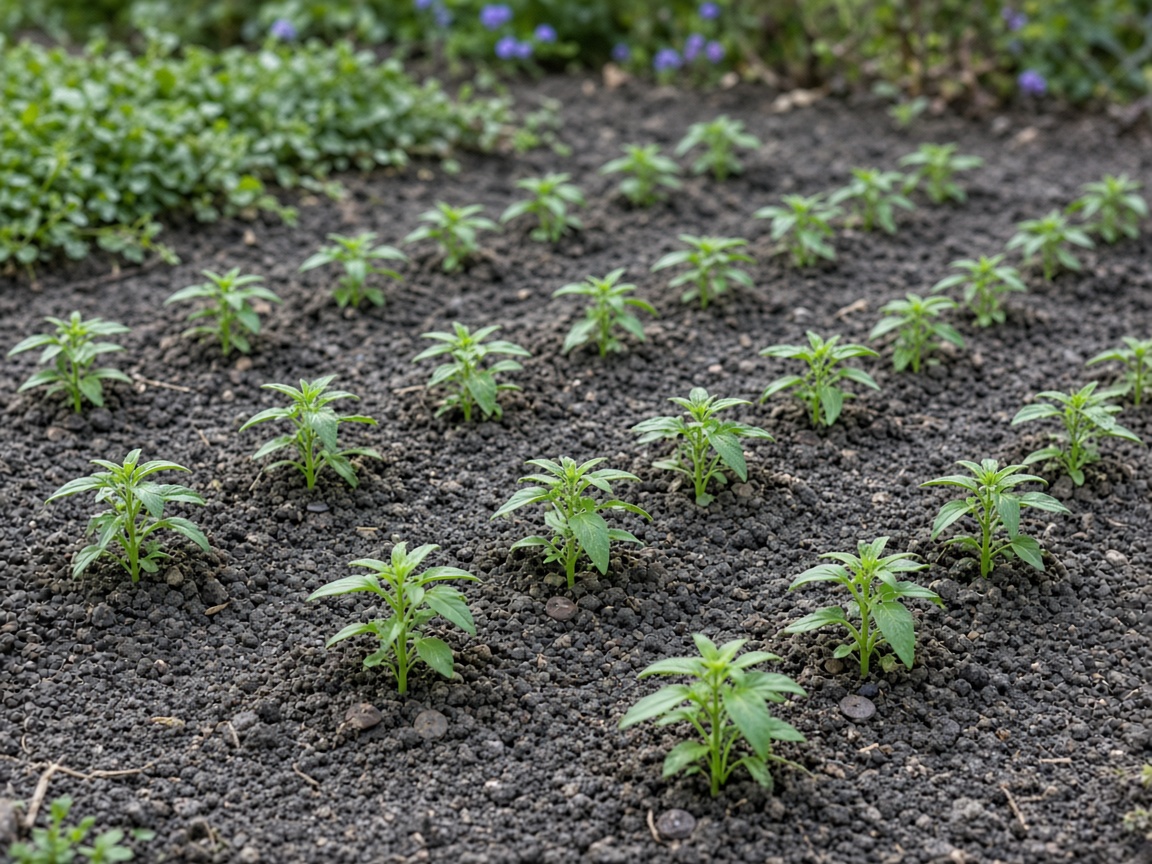
Snapdragons want moist, fertile, well-drained soil with a slightly acidic to neutral pH—about 6.2–7.0 is the usual target. They tolerate clay, sand, or loam if drainage is real, not theoretical. UF/IFAS notes adaptability across soil textures when the site drains and stays slightly acidic.
Before planting, work in compost or aged organic matter. Avoid fresh manure that can burn young roots. In heavy clay, raise beds or amend with compost to prevent winter sog that rots crowns.
Spacing: set plants 6–10 inches apart for solid color blocks without crowding (UF/IFAS). Tall types in rich soil may need 18 inches to limit rust and lodging. Plant at the same depth as the nursery cell—never bury the crown.
Planting times (transplants) from UF/IFAS regional guidance:
- Zone 7: April; September
- Zone 8: January–March; October–December
- Zone 9: January–February; October–December
- Zones 10–11: January–February; November–December
North of zone 7, plant after the last frost for spring bloom, or start indoors 6–10 weeks earlier. South of zone 7, fall planting is often the better show.
When buying six-packs, choose stocky plants with healthy white roots—not a solid root brick—and avoid packs with yellow flecks on leaves (early rust). Missouri Botanical Garden recommends purchasing rust-resistant cultivars when available.
Watering and feeding
Snapdragons have low drought tolerance and languish in dry heat. NC State Extension emphasizes moist soil and warns they struggle in summer heat. After establishment, aim for about 1 inch of water per week from rain or irrigation, more in sandy soil or containers.
Water at the base and avoid overhead sprinkling, especially late in the day—wet foliage overnight invites rust and gray mold. Let the top inch of soil dry slightly between waterings once roots are active; constant sogginess causes root rot.
Feed when the first flower buds appear. A balanced 10-10-10 at label rates for flowers—or a slow-release organic fertilizer mixed at planting—supports bloom without the soft, aphid-attracting growth excess nitrogen causes. If you cut plants back hard for a second flush, apply a light second feeding when new buds swell.
Deadhead spent spikes by snipping the stem just above a leaf node. Regular deadheading extends the season; leaving seedheads on tells the plant its job is done.
Pinch young transplants when they have several sets of true leaves to force branching. Pinching delays first bloom slightly but produces fuller plants—especially important for tall types in windy sites.
Grow snapdragons from seed
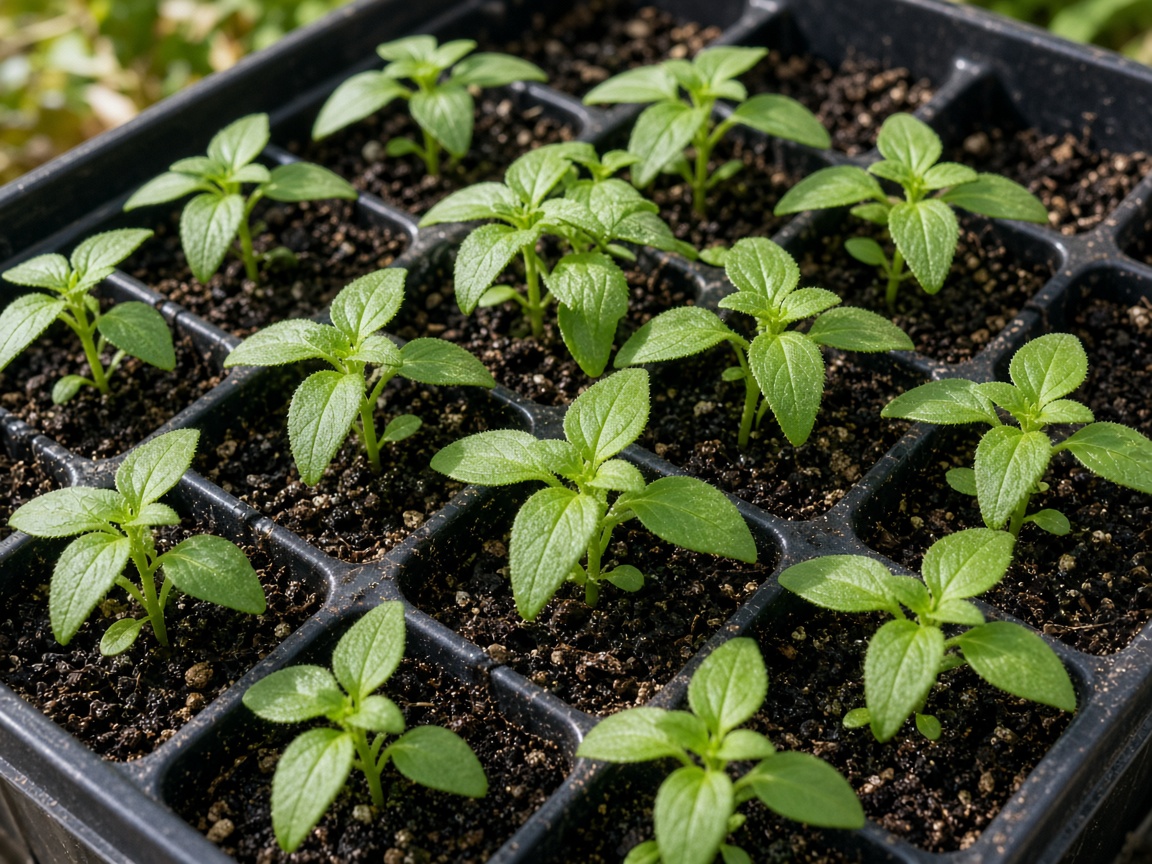
Seed is inexpensive and opens cultivars packs don’t carry, but snapdragons are slow compared to marigolds. From germination to bloom typically takes 2–3 months, which is why many gardeners start indoors.
Indoor start and transplant timing
- Start 6–10 weeks before last frost (Missouri Botanical Garden); UF/IFAS suggests 6–8 weeks before landscape transplant.
- Use sterile seed-starting mix or fine potting soil. Press seeds onto the surface—they need light to germinate. Do not bury deeply.
- Provide bright light 16 hours daily (LED grow lights or a very sunny window). Cover with a dome until seedlings emerge, then vent daily.
- Keep medium evenly moist, not waterlogged. Germination often takes 1–2 weeks at cool room temperatures.
- When seedlings have about six true leaves, pinch the tip to branch.
- Harden off outdoors for a week, then plant when frost danger passes—or two weeks before last frost if you accept light frost protection (Missouri Botanical Garden notes young plants tolerate light frost once acclimated).
Direct sow in mild climates a few weeks before last frost where soil is workable. Winter sow in milk jugs in zones with cold winters for natural stratification. In the Deep South, sow in fall for winter-spring display per UF/IFAS month tables.
Containers, mass plantings, and cut flowers
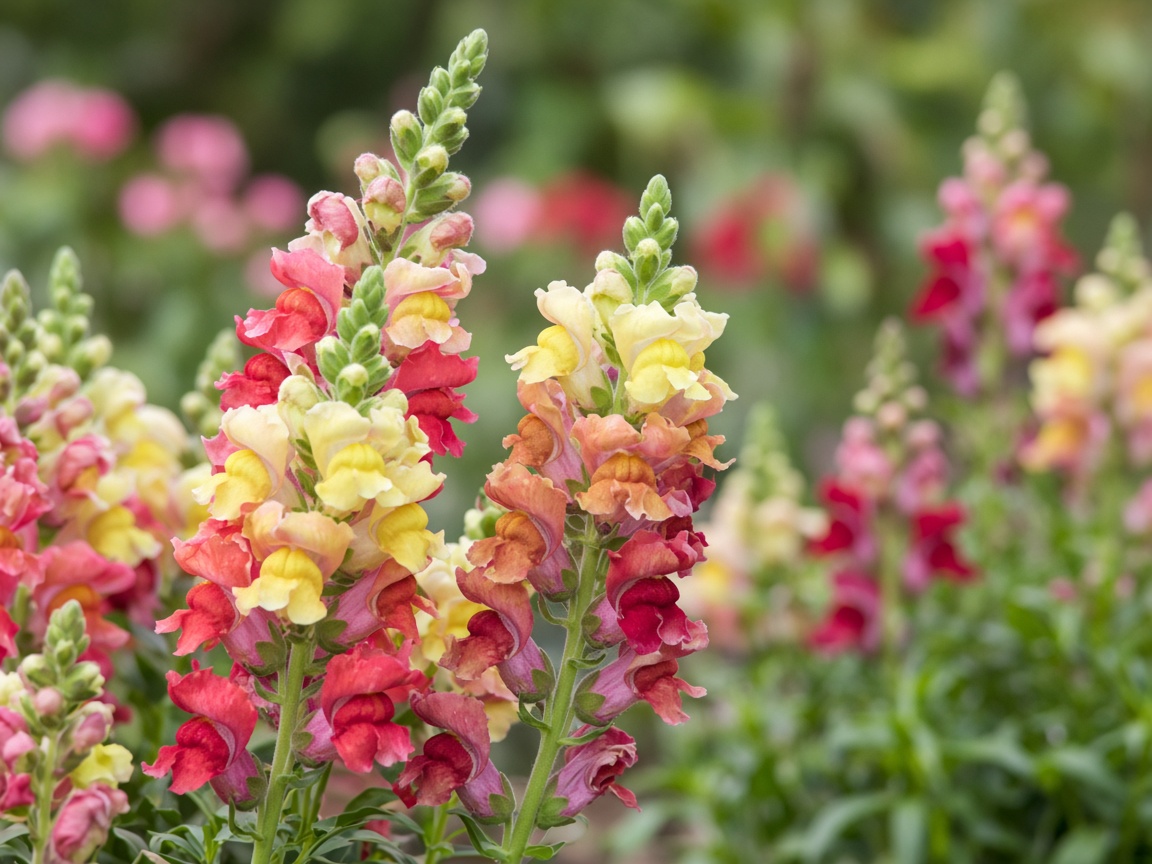
Snapdragons excel in pots, window boxes, and troughs if you match habit to container depth. Dwarf and intermediate types outperform tall Rocket-style plants in shallow bowls unless you stake. Use quality potting mix with drainage holes; container soil heats faster, so plan extra water checks in spring warm spells.
In beds, plant in drifts of one color for impact rather than single dots. Pair upright snapdragon spikes with mounding partners—petunias, diascia, or lobelia—for contrast in height and texture.
For cut flowers, harvest in the morning when lower buds on the spike are opening. Strip leaves that would sit below water, use a clean bucket of lukewarm water, and recut stems under water. Ruffled doubles such as Madame Butterfly types give florist-style stems on longer cultivars.
Propagation from stem cuttings
Stem cuttings work when you want to overwinter a favorite color without grow lights for seed. In late summer or early fall:
- Cut a 2-inch stem section below a leaf node from healthy, non-flowering shoots.
- Remove lower leaves; dip the cut end in rooting hormone if you have it.
- Insert in moist seed-starting mix; cover with a humidity dome or bag.
- Root at bright indirect light until you feel resistance when tugged gently.
- Grow cool and bright indoors through winter; plant out after last frost.
Cuttings are slower than buying packs but preserve exact cultivar traits mixed seed cannot.
Overwintering and end-of-season care
In zones 8–11, fall-planted snapdragons may flower through winter; mulch around crowns in zone 8B if hard freezes threaten. UF/IFAS notes plants sometimes survive and flower through winter in 8B.
Where plants are treated as annuals, pull them after hard frost or when rust overtakes the bed. Do not compost heavily infected foliage—bag and discard to reduce spores.
If overwintering perennials in zone 7+, apply ** mulch after soil cools**, keep crowns dry, and expect thinner bloom year two. Taking cuttings in fall is often more reliable than hoping for a second spring show.
Pests, rust, and troubleshooting
UC IPM lists aphids, spider mites, whiteflies, leafminers, caterpillars, slugs, and a long disease roster including rust, botrytis, downy mildew, powdery mildew, root rots, and wilts. NC State Extension highlights rust as the signature problem, plus mold, leaf spots, downy mildew, and root rots.
Rust (Puccinia antirrhini) shows as yellow flecks on upper leaf surfaces that develop brown or black pustules. Missouri Botanical Garden is blunt: if rust appears, grow snapdragons elsewhere the next year—rotation matters because spores persist. Prevention beats cure: resistant cultivars, wider spacing, morning watering, and never working wet plants.
For aphids and mites, start with a strong water spray on terminals; escalate to insecticidal soap or horticultural oil on cool mornings if infestations persist. Avoid broad pesticides that kill pollinators on open blooms.
Wilting, rust flecks, and leggy stems
Wilting with brown tips in July usually means heat and dry roots, not necessarily disease. Move containers to shade, water deeply, and cut back hard to prompt fall rebloom—don’t chase the problem with more fertilizer in 95°F weather.
Yellow flecks turning rusty mean fungal rust—remove affected leaves early, improve airflow, and plan a different bed next season. Fungicides are a last resort for high-value cut-flower rows, not typical home bedding.
Leggy toppling plants in shade need more sun or staking. Pinch earlier next year and choose dwarf types for dim sites.
Conclusion
Snapdragons reward gardeners who think in cool seasons, not calendar hype: pick the right height class, plant while nights are chilly, water at the crown, deadhead through spring, cut back after the first flush fades, and expect a quieter summer before fall color returns. Buy rust-resistant stock when you can, rotate beds if orange pustules appear, and treat the plant as a short-lived perennial at best—a spectacular annual at worst. Nail those habits and Antirrhinum majus delivers dragon-jaw blooms, hummingbird traffic, and stems worth cutting from early spring until frost.



