10 Hard-to-Grow Vegetables and What to Grow Instead
Find out why 10 vegetables are hard to grow, from artichokes to spinach, and choose easier substitutes for a short season, small space, or steadier harvest.
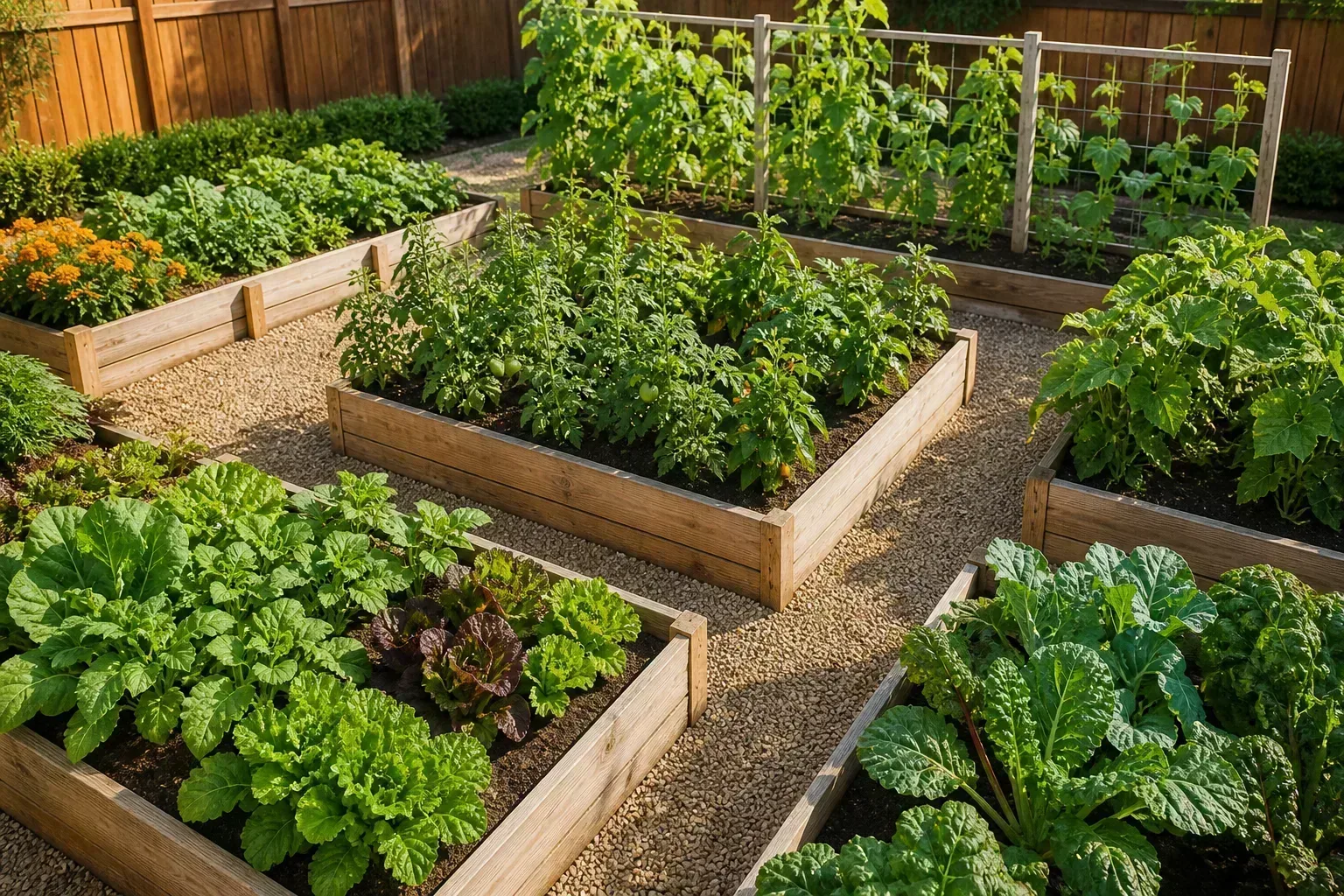
“Hard to grow” does not mean impossible—or that you lack a green thumb. It usually means a vegetable has a narrow timing window, needs a long season, occupies a bed for years, or reacts quickly when water or pollination is off. A crop that is frustrating in a hot, short-season garden may be straightforward somewhere with a long, mild spring.
The ten crops below—artichokes, asparagus, bell peppers, Brussels sprouts, cauliflower, celery, cilantro, corn, eggplant, and spinach—are challenging for different reasons. For each, the useful question is not simply “Can I grow it?” but “What does this crop ask of my garden, and is that the part I can reliably provide?” You’ll find ways to improve your odds and alternatives chosen for a specific payoff: a quicker harvest, less space, a cooler-season fit, or fewer timing demands.
When is a vegetable actually hard to grow?
A vegetable becomes difficult when its needs and your conditions repeatedly miss each other. Four constraints explain many disappointing harvests:
- Season length: The plant needs more frost-free time than your garden gets. Peppers and eggplants, for example, may grow leaves and flowers but run out of warm weather before many fruits ripen.
- A narrow temperature window: Some crops prefer cool growth and bolt or stall as heat builds; others need genuinely warm soil and nights.
- Time and space: A perennial bed or a tall, widely planted crop can tie up a small garden for longer than the harvest justifies.
- Consistency: Celery and cauliflower are less forgiving when growth is interrupted by dry soil, cold snaps, heat, or transplant stress.
That makes difficulty relative. Sun exposure, soil drainage, wind, container size, and the timing of your first and last frosts can change the result. Even within one region, a sunny sheltered bed and a windy shaded plot may have different planting windows. Treat general calendars as starting points; use a local extension or regional growing calendar for dates, then adjust for your own site.
Make a quick season map before you choose a substitute. Note when the bed gets direct sun, where water tends to drain or collect, and when frost usually arrives; then compare the crop’s days-to-maturity estimate with the time you actually have. Seed-packet maturity is a planning estimate, not a promise, and transplanting can shorten the outdoor phase without changing a plant’s need for warm weather. If a crop repeatedly runs out of season, an earlier variety may help—but if the site is shaded or the bed stays cold, changing the calendar alone will not fix it.
Match the crop to your biggest constraint first
Before replacing a crop, identify what went wrong. If you got lots of leaves but no mature fruit, season length or temperature may be the issue. If heads stayed small or split, look at interrupted growth and moisture. If only the edge plants on a corn row filled out, pollination layout may matter more than seed choice. One targeted change is more informative than changing the variety, fertilizer, watering, and planting date all at once.
Also decide what you want from the bed. Are you after a fresh snack, a large harvest to preserve, a particular flavor, or a low-effort crop for a child’s first garden? The easiest substitute is the one that meets that goal under your conditions—not necessarily a close botanical or culinary match. If the original crop is a favorite, consider growing just one plant as an experiment while giving most of the bed to a reliable crop.
Crops that demand a long commitment
Perennial vegetables can be rewarding, but their payoff arrives on a different schedule from a quick annual harvest. Ask whether you can reserve the space and wait before planting them.
Artichokes need the right winter and spring
Globe artichokes are perennial thistles in climates where they can survive winter, but they do not behave like a dependable perennial everywhere. Cold and wet winters can damage plants; in colder areas gardeners may grow them as annuals or protect them. They also need a long enough growing period to establish and produce edible flower buds. Utah State University Extension notes the importance of frost sensitivity and early planting for its regional conditions, and distinguishes annual-suitable ‘Imperial Star’ from ‘Green Globe,’ generally grown over multiple years (USU Extension’s artichoke guide). That is a useful example of why variety and local climate matter, not a universal planting calendar.
If you try artichokes, choose a variety and growing method recommended for your area, give the plant full sun and well-drained fertile soil, and decide in advance whether you can overwinter it. Don’t keep waiting for buds if the plant is still establishing or your season is too short. For a quicker, lower-commitment harvest from the same bed, try bush beans or beets; neither tastes like artichoke, but both return edible food without asking you to reserve a perennial spot.
Asparagus rewards a permanent bed, not a quick harvest
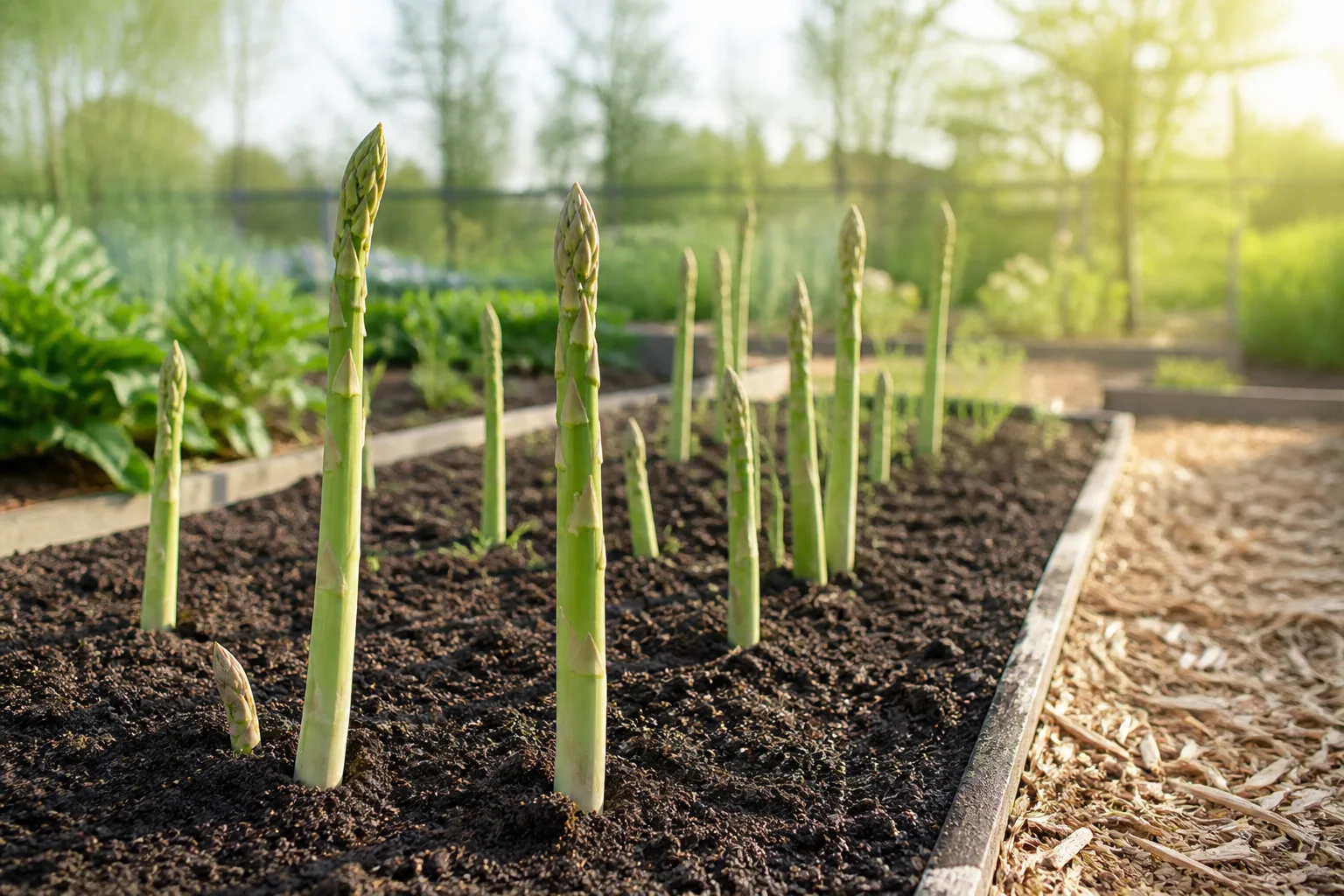
Asparagus is a long-term project. The crowns need to establish before you take a substantial harvest, and the bed is expected to remain in place for years. The RHS describes asparagus as a herbaceous perennial and gives a two-to-five-year maturity range, depending on the growing approach and conditions (RHS asparagus profile). Harvesting heavily from young plants can weaken the stand just when it needs to build reserves.
Choose a permanent, sunny, well-drained location where roots will not be disturbed by digging for other crops. Follow the crown or seed supplier’s local guidance, and be patient with the first seasons. If you have no bed you can dedicate, grow peas or leaf lettuce instead: they use a short window and can be replaced by another crop. If what you want is a perennial edible, herbs in containers can offer repeat picking without committing a whole bed, though they are not a substitute for asparagus spears.
Cool-season crops can still miss their window
“Cool-season” does not mean that a crop can be planted whenever it is cool. The challenge is often getting plants established early enough to mature before heat, long days, or a hard freeze changes the conditions.
Brussels sprouts take months and room
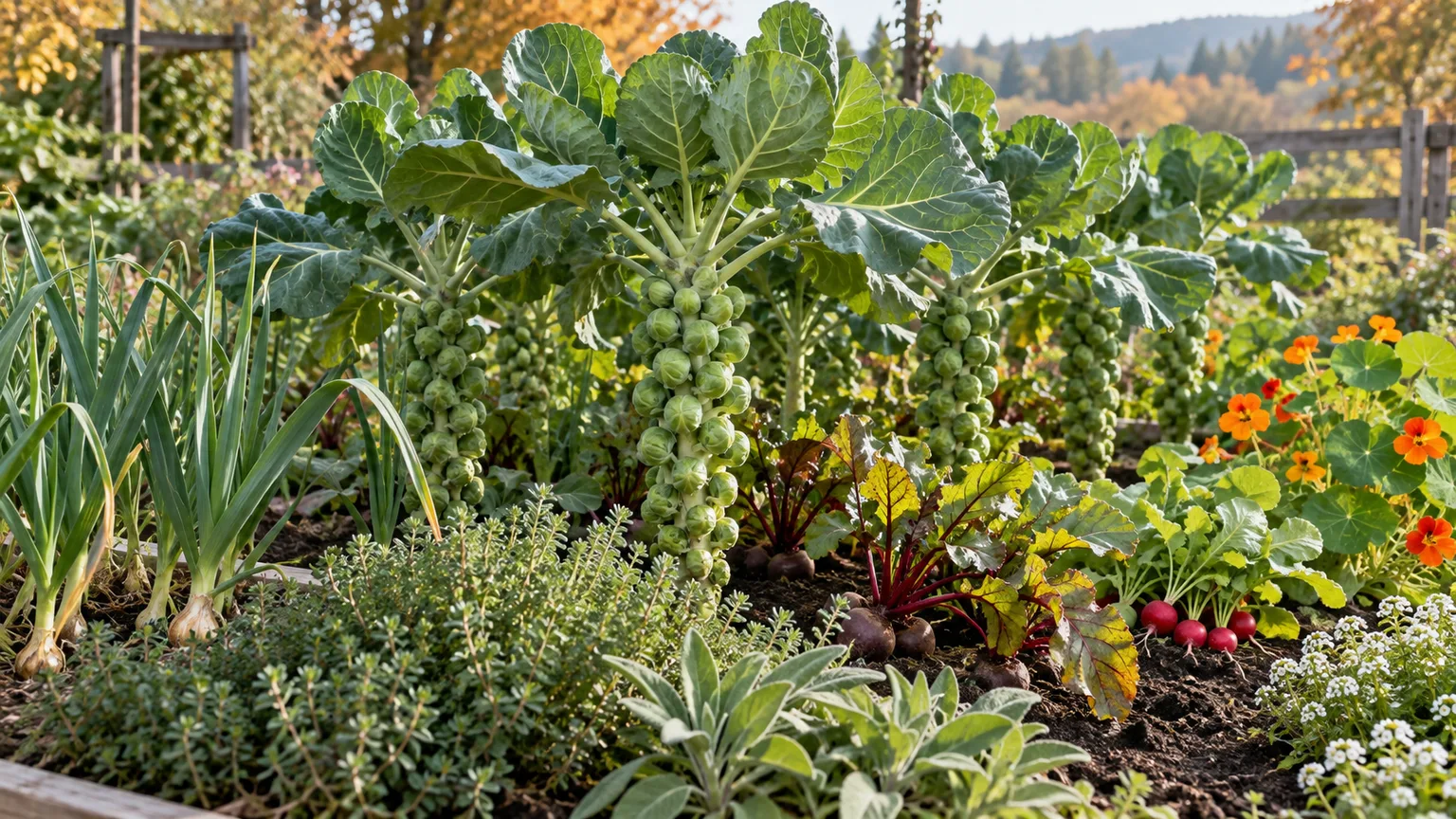
Brussels sprouts are slow, substantial plants. Their long path from sowing to harvest ties up space, and their best flavor and development depend on getting the timing right for your local season. The RHS describes them as a crop that occupies the garden for months, with varieties and sowing dates affecting when sprouts are ready (RHS Brussels sprouts growing guide). A plant that is still building leaves when warm weather returns may not give the firm, well-spaced sprouts you expected.
Work backward from your local harvest season using the seed packet and a regional calendar, and check the mature plant spacing before sowing a full row. Water consistently during dry spells and support tall plants if wind is a problem. For the same broad payoff—a substantial cool-season harvest—cabbage can be simpler to plan because each plant produces one main head rather than a long series of sprouts. It is not pest-proof or climate-proof, so use a locally suitable variety and protect young brassicas where pests are common. In a tiny bed, quick lettuce or radishes may be a better use of space.
Cauliflower punishes interruptions
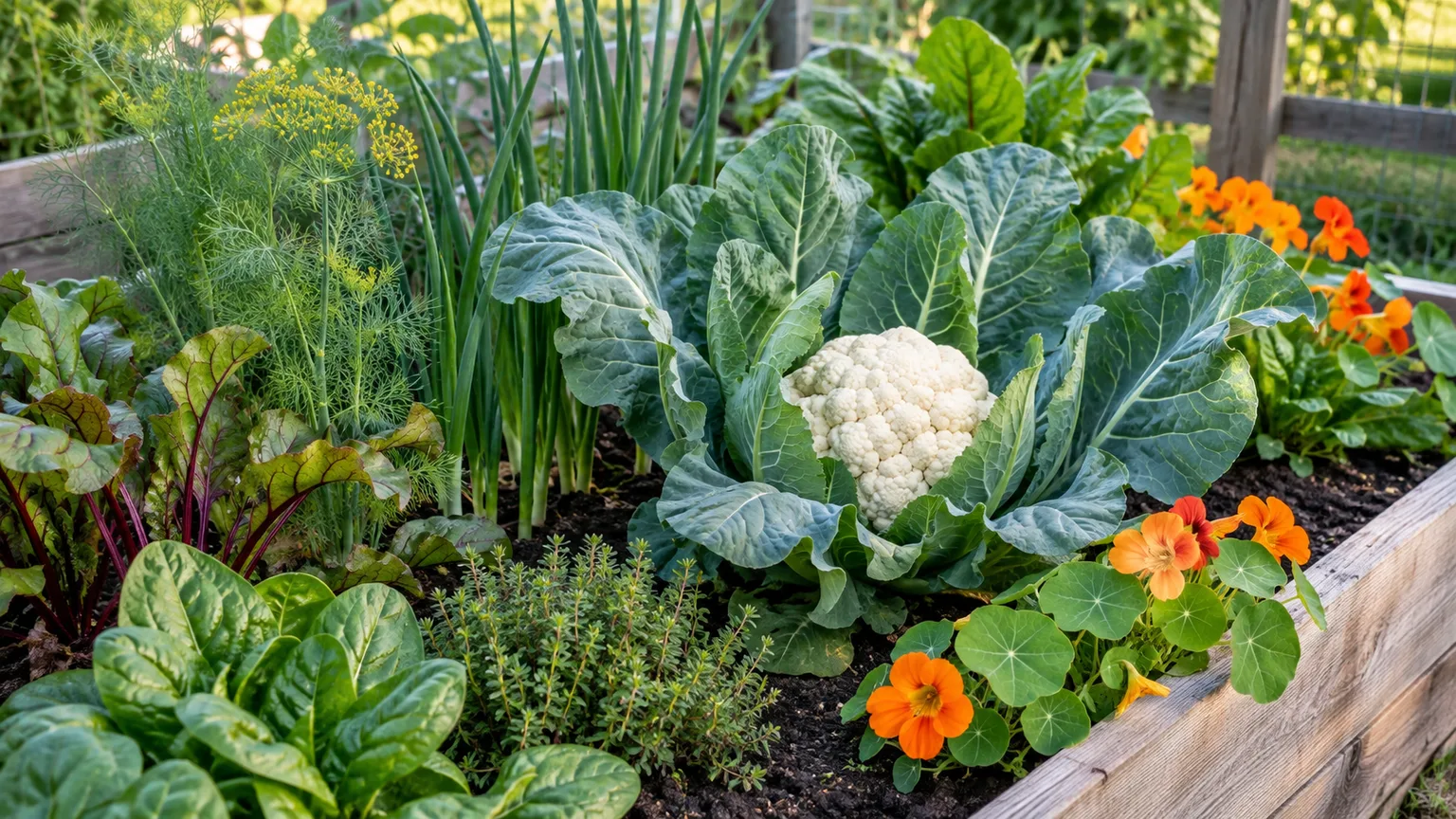
Cauliflower needs steady growth to form a good head. A young plant checked by cold, drought, heat, root disturbance, or other stress may produce a small head, form one unevenly, or bolt before it reaches the size you wanted. Timing matters as much as care: choose a variety for the season you can actually provide, and transplant only when conditions suit it.
Keep the root zone evenly moist without leaving the soil waterlogged, and avoid rough handling when setting out transplants. If a head has started to form, follow the variety’s directions for protecting it from sun if needed. For a less exacting head crop, try kohlrabi or cabbage; for a faster, more forgiving leafy harvest, choose leaf lettuce or chard. Those swaps do not reproduce cauliflower’s texture, but they reduce the need to hit such a precise head-forming window. Practical growing references also flag cauliflower’s sensitivity to growing conditions (Epic Gardening’s difficult-vegetable guide).
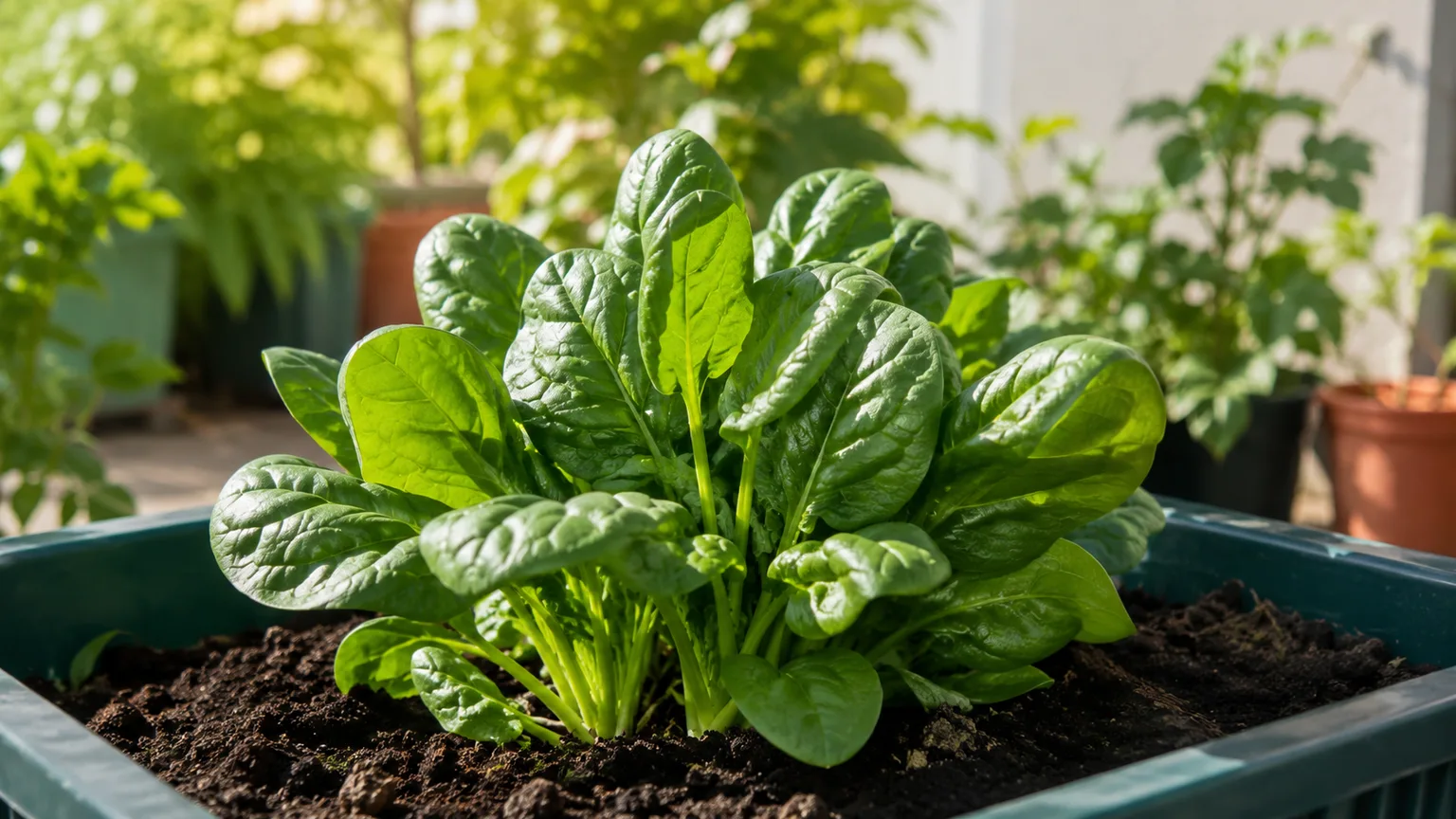
Spinach is easy—until the season changes
Spinach can germinate and grow quickly, yet a good leaf crop may be brief. Warm weather and changing day length can encourage plants to bolt—to send up a flower stalk—after which the leaves often become less tender. The RHS notes that bolting is more likely in hot, dry conditions and that sowing times vary with region (RHS spinach growing guide). A packet labeled “easy” cannot override a spring that turns hot early.
Sow small batches in the cool part of your local season rather than planting the whole packet at once. Keep moisture steady, harvest outer leaves promptly, and try another sowing when conditions return to a suitable range. For a longer leafy harvest in warmer weather, Swiss chard is a useful alternative; for genuinely hot conditions, Malabar spinach is a different, heat-loving vine rather than true spinach. Choose according to the weather and the kind of leaf you want.
Warm-season crops need a long stretch of heat
Warm-season vegetables can look healthy while quietly losing the race against autumn. Starting them too late outdoors, choosing a slow variety, or planting into cold soil can cost weeks that the plant cannot recover.
Bell peppers need enough warm days, not just sun
Peppers like warmth, but bright sun alone is not enough. Cool soil and chilly nights slow growth; a short season can end before a plant produces and ripens the amount of fruit you hoped for. Utah State University Extension’s regional planting guidance recommends daytime temperatures around 75–85°F and nights above 60–65°F for peppers, illustrating why a frost-free date alone may not mean a bed is ready (USU pepper and eggplant planting guidance).
A pepper may flower late, then set green fruit that has too little time to change color. The fruit is still edible at a mature green stage for many varieties, but it may not have the sweetness or color you were waiting for.
Use a variety suited to your region and start with sturdy transplants if your season is short. Set them outdoors only when local conditions are warm enough, and protect plants from cold nights early in the season. Avoid pushing lush leafy growth with excessive nitrogen at the expense of fruit. If you mainly want a reliable summer harvest, bush beans can produce edible pods over a shorter window and do not have to ripen through several fruit stages. They need warmth too, so wait for suitable soil temperatures and sow in batches rather than treating them as frost-proof.
Eggplant struggles when summer is too short
Eggplant is another heat-loving crop that needs time. Utah State University Extension notes that eggplant needs a long growing season and grows poorly in cool conditions in its regional guidance (USU eggplant growing guide).
In a short or cool summer, young plants can sit still, then begin flowering only after much of the season has passed. Seedlings started too late, oversized crowded starts, or cold nights after transplanting can further delay them. In regions with a long hot season, the same crop may be far less demanding.
Choose an early-maturing variety recommended for your climate, start seeds early enough indoors if that is standard locally, and transplant only after cold conditions have passed. Give plants sun and room for airflow; don’t mistake slow early growth in cool weather for a need to overfeed. In a short season, zucchini or bush beans can be a more reliable warm-weather harvest, though zucchini needs space and regular picking. For a compact bed, leafy greens planted in the cool season may outperform either warm-season option.
Crops that demand close moisture or timing
Some vegetables fail less because of a single dramatic mistake than because a small interruption arrives at the wrong time. For these crops, the simplest improvement is often to stabilize the growing conditions or spread sowings across the season.
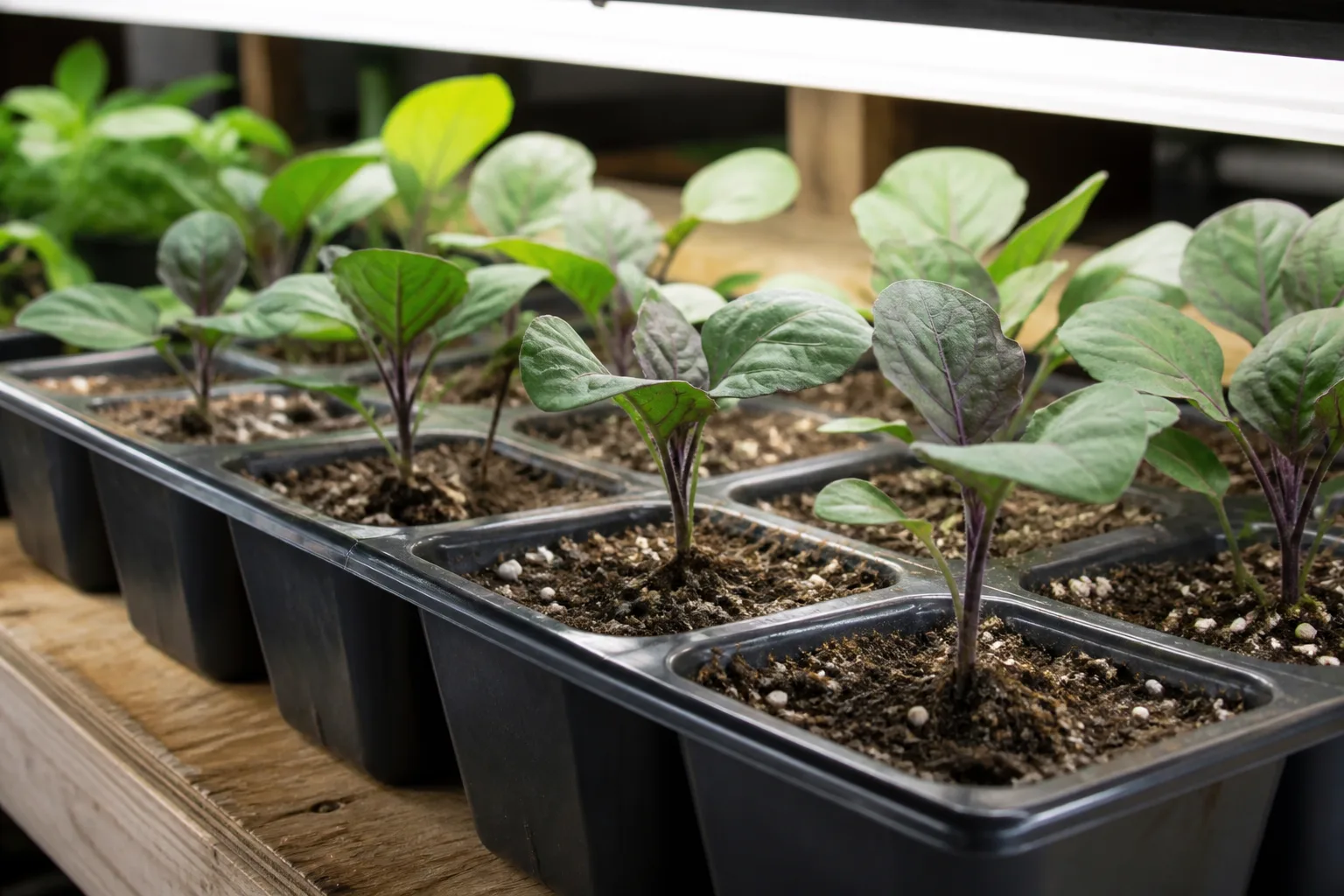
Celery needs steady water and early planning
Celery has a long growing period and a reputation for needing consistent moisture. Epic Gardening’s growing guidance likewise identifies steady moisture, adequate sun, and a suitable cool-but-not-cold season as important to celery’s growth (Epic Gardening’s difficult-vegetable guide).
If growth repeatedly slows during dry spells, plants may stay small or develop poorly. It also takes advance planning compared with direct-sown crops: starting and transplanting at the right time matters, especially where the season is short. Don’t assume a big dose of fertilizer can make up for missed weeks or dry soil.
Prepare fertile soil that holds moisture while still draining, mulch to reduce swings, and water the root zone regularly. Start with a variety and calendar suited to your region. If you want crunchy harvests with less time and watering attention, leaf lettuce or radishes are easier to fit into a short cycle. For a leafy green that tolerates a wider range of conditions, chard is another option. None has celery’s crisp stalk or flavor, so choose it for ease rather than expecting an exact replacement.
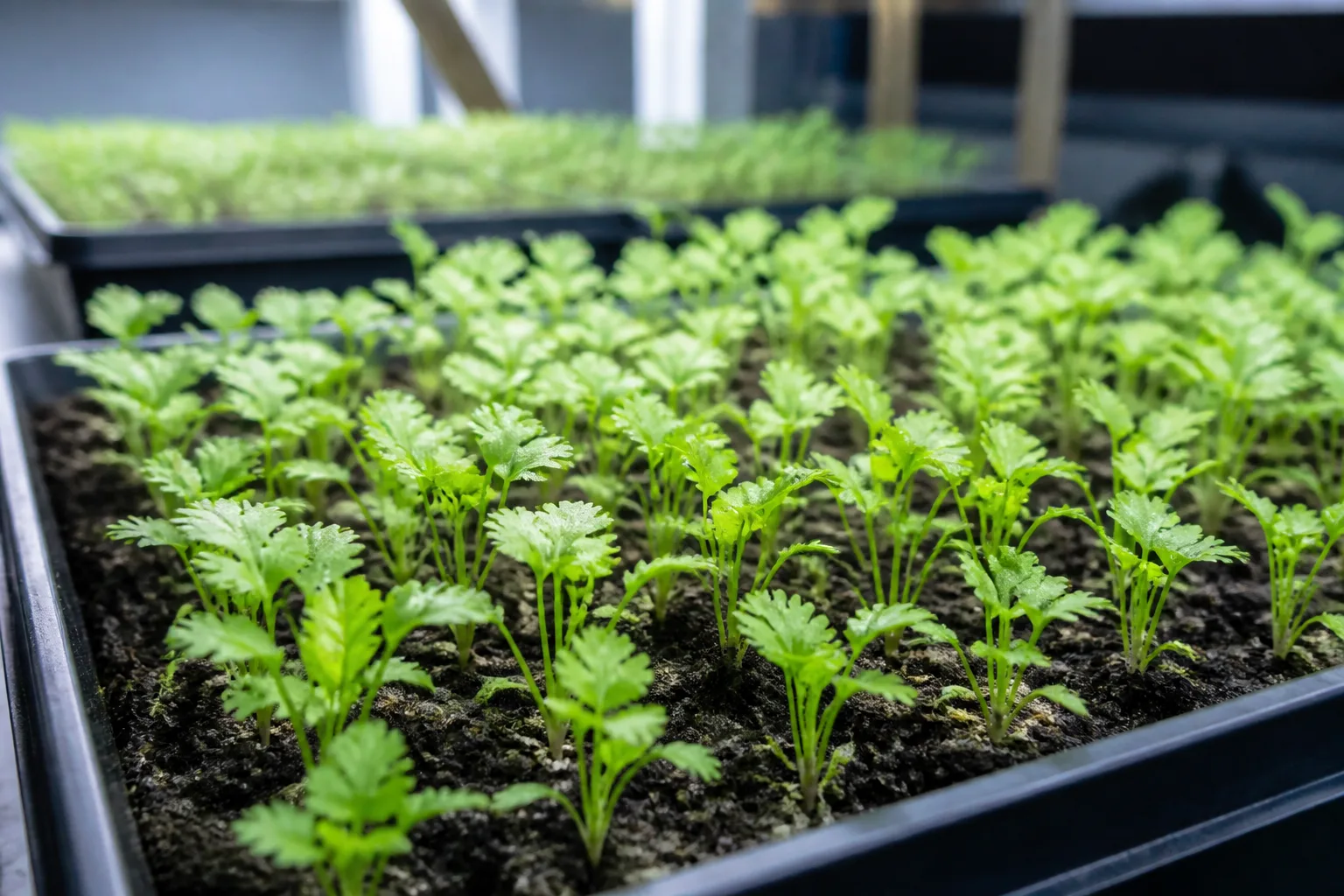
Cilantro bolts when warmth arrives
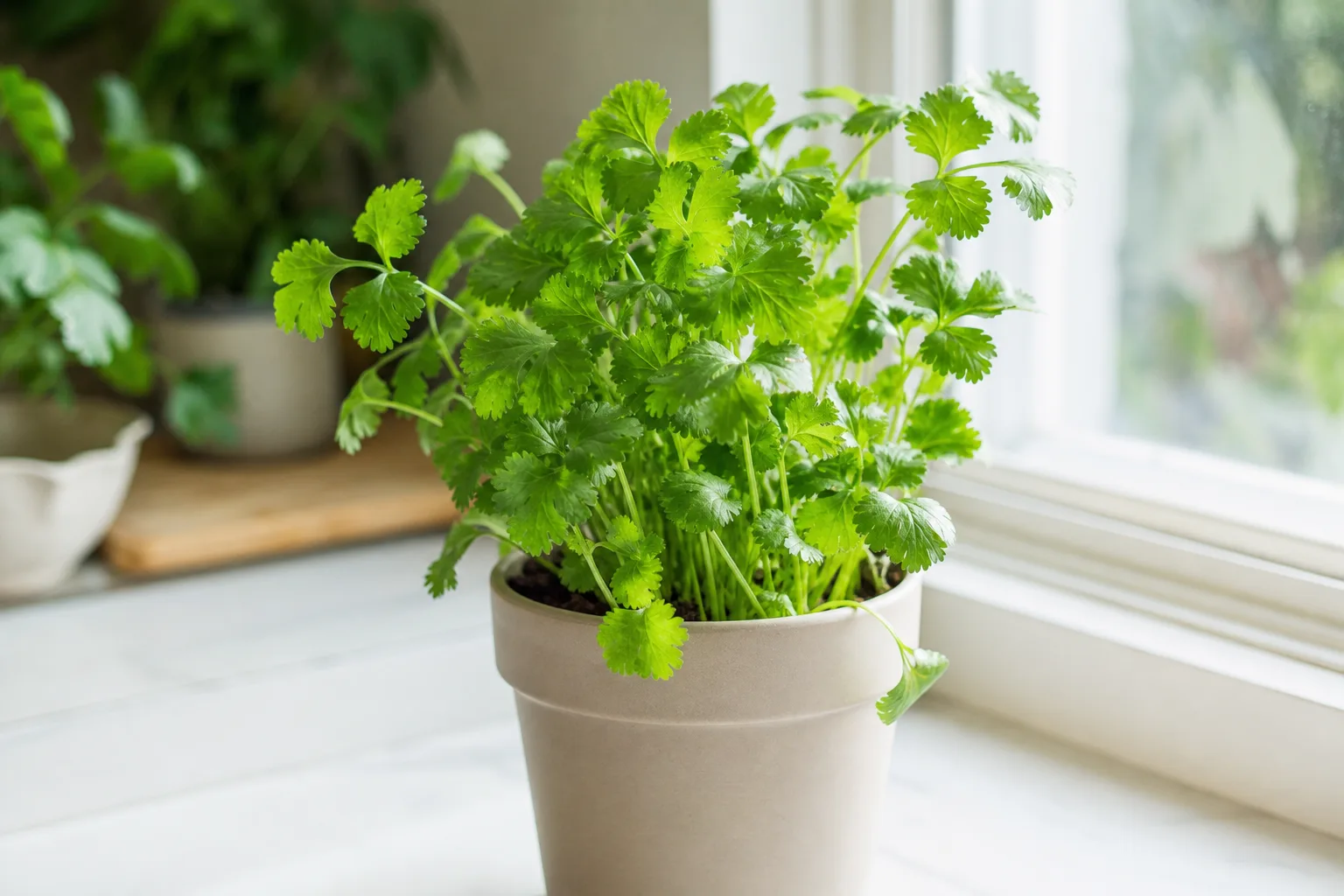
Cilantro is not always difficult to germinate; its frustrating habit is bolting just as you want a steady supply of leaves. Heat and longer days can shift plants toward flowering and seed production. Utah State University Extension recommends timing and repeat sowings around the cooler periods in its regional guidance, and discusses slow-bolting cultivars for leaf harvest (USU cilantro guide). Exact dates are not portable across climates, but the principle is: sow when your weather favors leaf growth, not on a fixed calendar copied from another region.
Plant a small patch every couple of weeks during a suitable cool window, keep it evenly watered, and harvest leaves while plants are young. Let a few plants flower if you also want coriander seed. If summer has arrived, parsley can fill some of the fresh-herb role for cooks who are flexible about flavor; it is not a cilantro substitute in every dish. Alternatively, pause sowing and return to cilantro when cooler conditions come back.
Corn is hard in a small bed because of pollination
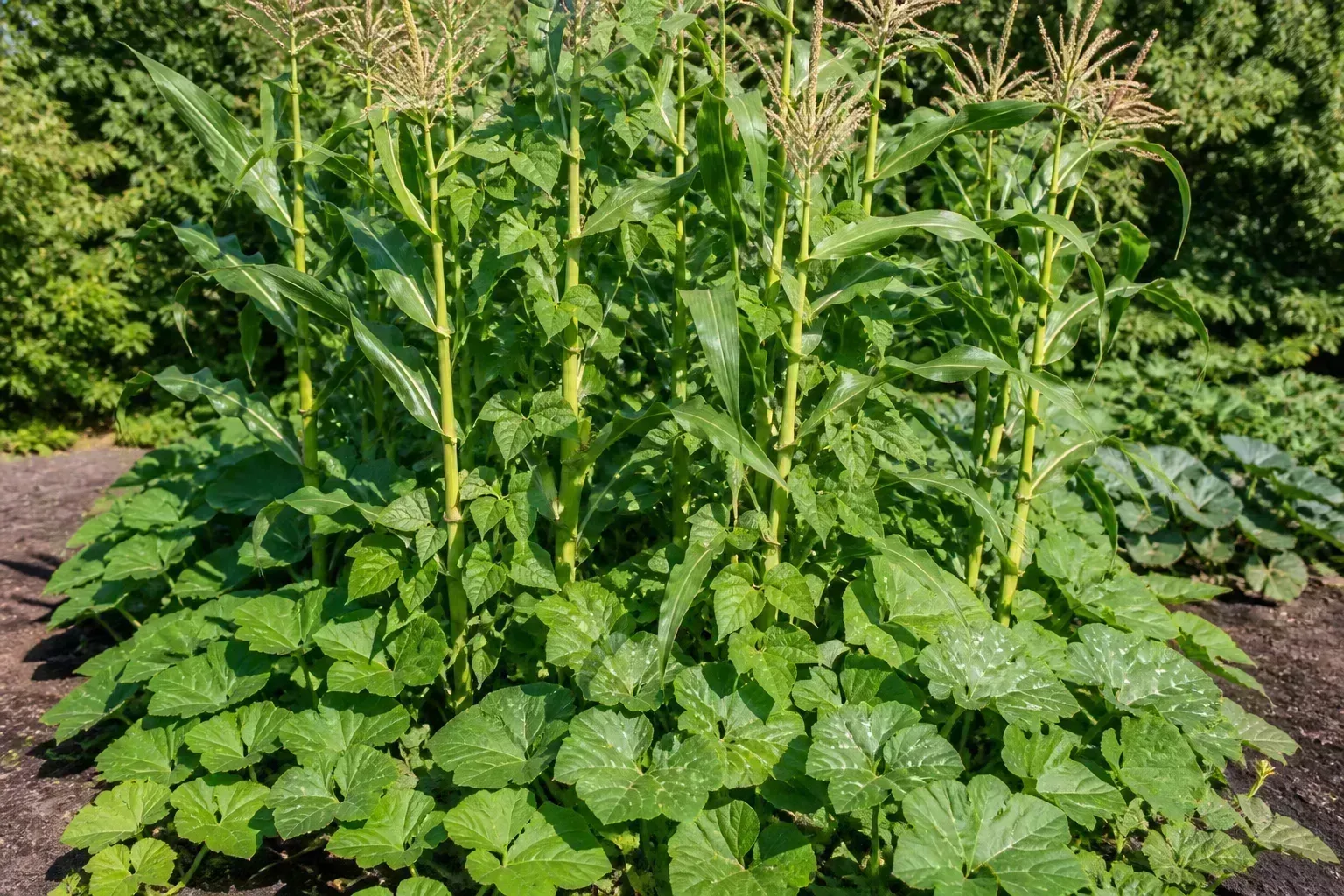
Sweet corn is wind-pollinated. Pollen must reach the silks on developing ears, so a single long row or only a few isolated plants can produce poorly filled ears. North Carolina State Extension advises waiting until soil has warmed to about 60°F before planting and growing corn in blocks or multiple rows; it also explains why planting enough plants together improves pollination (NC State Extension’s corn profile). Those recommendations are a useful starting point, but variety, space, and local climate still matter.
Before buying seed, check whether your garden can fit a block of plants at the spacing on the packet, in full sun, without shading crops you care about more. Sow into warm soil and avoid disturbing roots after seedlings are established. If you have room for only a handful of plants, do not expect a full, reliable ear from each one; choose another crop or grow corn as a deliberate experiment. Bush beans, lettuce, or compact roots usually make more productive use of a small bed. A Three Sisters planting can show corn in a mixed planting, but it does not remove corn’s need for enough nearby plants and good pollination.
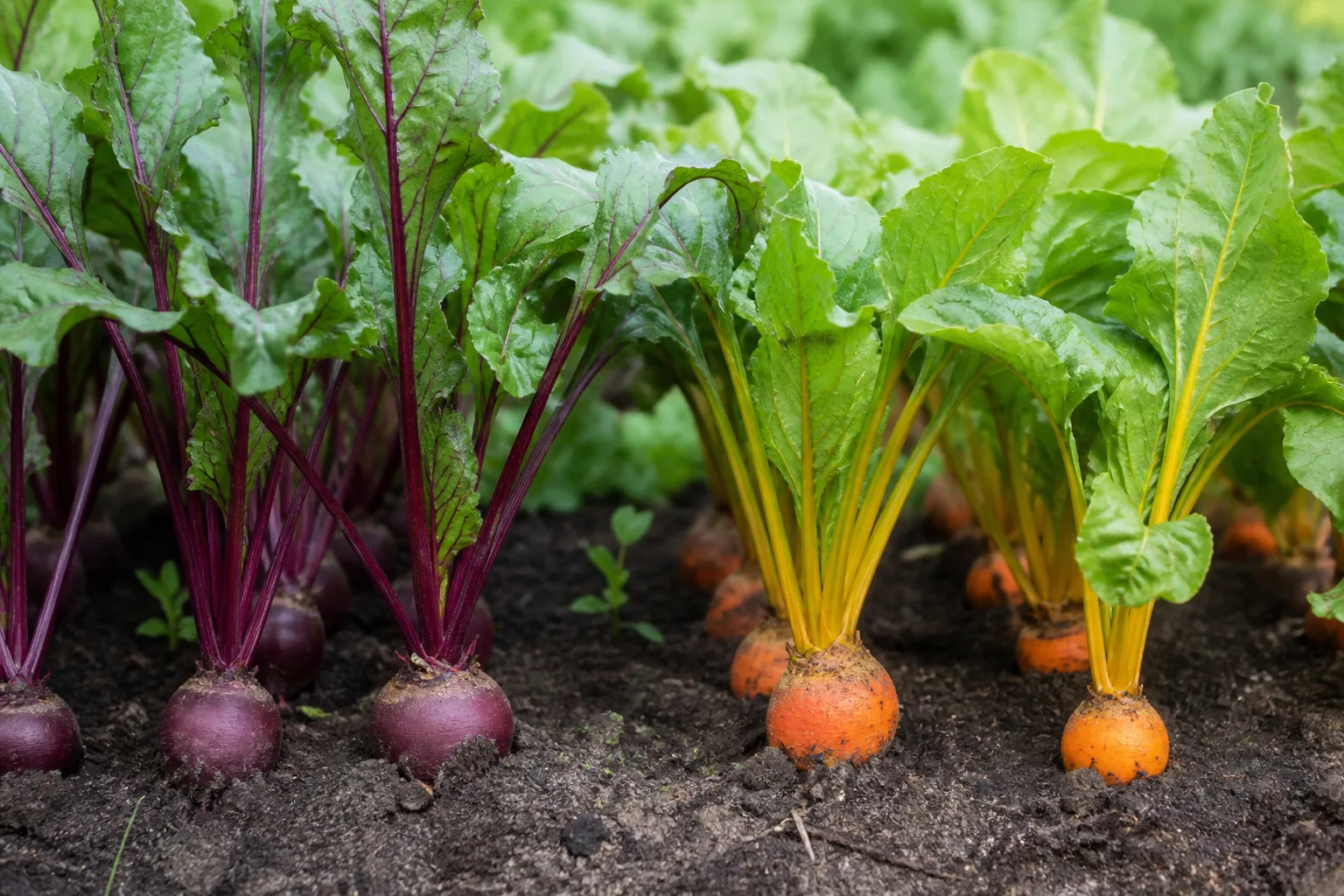
Six easier vegetables matched to a garden goal
“Easy” still depends on season, pests, and care. These are useful starting points because they give a relatively direct harvest, can fit into small spaces, or let you sow more than once. Local conditions still decide when they work best. GrowVeg’s beginner-crop guide similarly emphasizes choosing crops that fit the gardener’s season and situation rather than assuming one universal list (GrowVeg’s easiest vegetables guide).
| If you want… | Try… | Why it may fit better | Watch for… |
|---|---|---|---|
| A fast leafy harvest | Loose-leaf lettuce | Harvest individual leaves and make repeat sowings | Heat can shorten the harvest; provide shade or return in cooler weather |
| A warm-season crop in a small bed | Bush beans | Compact plants can produce a useful pod harvest without a trellis | Wait for warm soil; pick regularly |
| A crop that stores well | Beets | Both roots and tops are useful, and sowings can be staggered | Thin seedlings so roots have room |
| A quick root crop | Radishes | Often ready quickly and easy to fit between slower crops | Hot weather and crowded sowing can make roots woody or misshapen |
| A cool-weather climbing crop | Peas | A productive spring or fall crop where the season suits them | Give support to vining types; heat ends the window |
| A leafy crop with a longer picking period | Swiss chard | Pick outer leaves over time, and plants often tolerate warmth better than spinach | Needs room and regular moisture; protect from local pests |
If you need something close to the original crop, choose the substitute by use, not name. Cabbage offers a dense cool-season head but not cauliflower’s texture; parsley gives fresh green leaves but not cilantro’s citrusy character; beans provide a dependable summer harvest but not the sweetness of corn. These distinctions help avoid the familiar disappointment of choosing a crop that is “easy” but does not solve the problem you actually had.
A low-risk trial plan for next season
Use one season to learn which constraint is real before redesigning the whole garden:
- Choose one difficult crop to test. Keep the rest of the bed productive with crops you already trust.
- Write down the likely bottleneck. Examples: too few warm days for peppers, dry spells during celery growth, or not enough room for a corn block.
- Change one major variable. Try an earlier variety, a better planting window, a block instead of a row, or more consistent moisture—not all at once.
- Plant a small backup. Sow beans, lettuce, or another locally suitable crop nearby so the bed still produces if the experiment disappoints.
- Record dates and results. Note sowing, transplanting, first harvest, weather, and what failed. The next year, you can tell whether the crop needs a different variety, a different season, or a different garden.
For dates, prioritize your local extension service or a regional planting calendar over a generic national schedule. A frost date is useful but not the whole story: soil warmth, nighttime temperatures, day length, and the exposure of your particular bed can all affect whether a crop gets the window it needs.
Judge the trial by the part you were trying to improve, not only by total pounds harvested. For a pepper, record when the first fruit set and how many reached the color you wanted before frost; for corn, check whether ears filled to the tip; for spinach, note how long you harvested tender leaves before bolting. Those observations tell you whether the crop is worth another try and which single adjustment is most promising. If the same limitation remains—too little warm weather, too little room, or a daily watering demand you cannot meet—switching crops is a practical garden decision, not a failure.
Conclusion
The hardest vegetables to grow are usually the ones that ask for something your garden cannot reliably provide: a long warm season, a cool uninterrupted window, steady water, a permanent bed, or enough neighboring plants for pollination. Artichokes, asparagus, peppers, Brussels sprouts, cauliflower, celery, cilantro, corn, eggplant, and spinach are all possible in the right conditions—but none is a mandatory test of gardening skill.
Start by naming the constraint, then choose whether to adjust your method or grow something better suited to your space and season. A small trial keeps the crop you love in reach; an easier backup keeps the garden rewarding while you learn.