How to Grow Bear’s Breeches: Planting, Care & Control
Before planting bear’s breeches, check its light, soil, mature size, and root spread. Then follow practical steps for better blooms, care, and propagation.
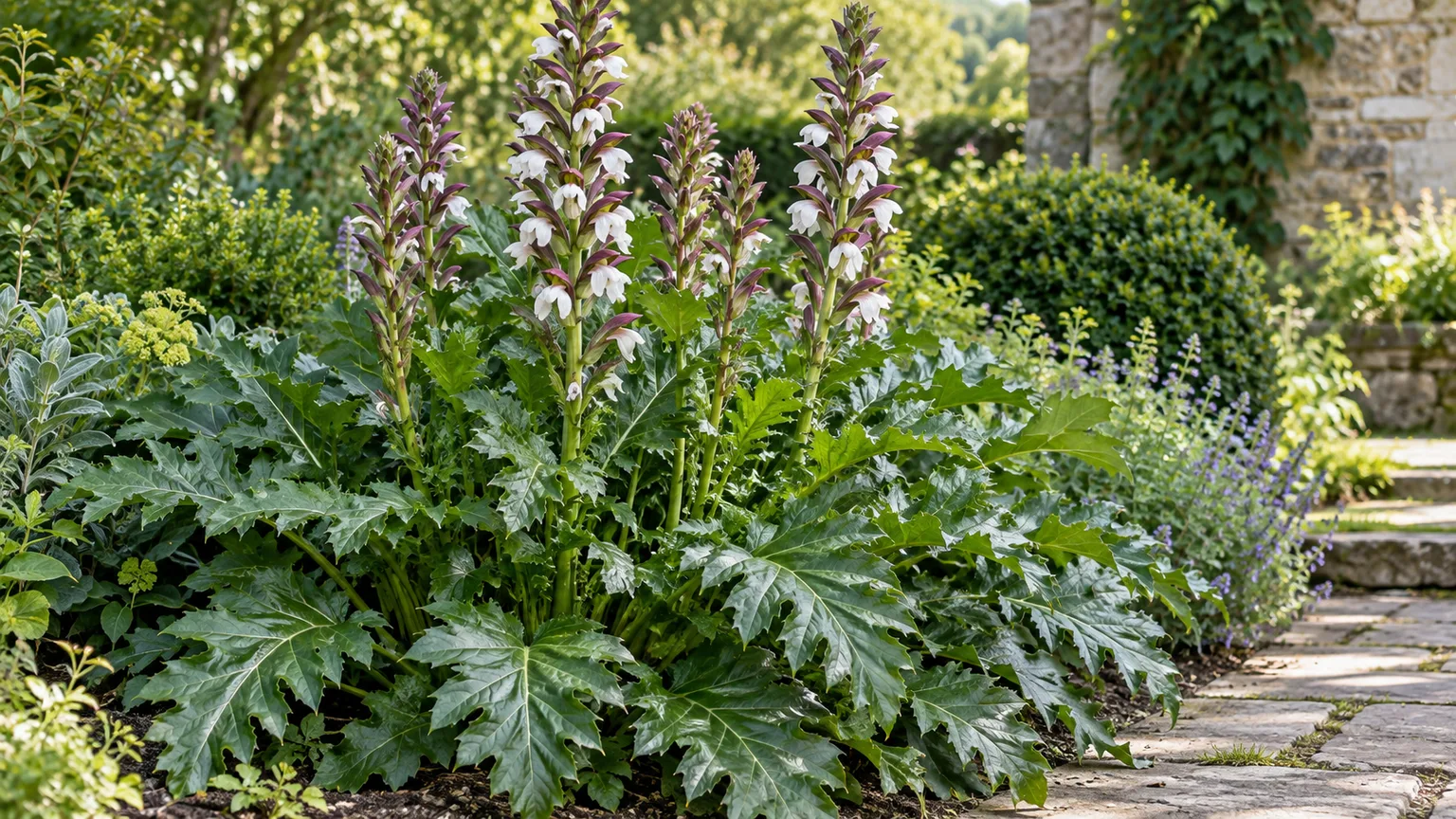
Bear’s breeches (Acanthus mollis) is a bold perennial for a gardener who wants big, deeply cut leaves and tall white-and-purple flower spikes. It grows best in fertile, well-drained soil with sun or partial shade, but its roots spread and resprout from fragments, so the right site matters more than an elaborate feeding routine. Plant it where a broad clump can stay for years, and use a physical boundary or a large container if you need to limit its reach.
Quick Facts and Mature Size
| Detail | What to expect |
|---|---|
| Botanical name | Acanthus mollis |
| Plant type | Herbaceous perennial |
| Foliage | Large, glossy, deeply lobed leaves in a basal mound |
| Flower | Upright spikes of white flowers with dusky purple bracts |
| Mature size | Commonly 3–4 feet of foliage; flower stems can reach 5–6 feet |
| Light | Full sun to partial shade; some afternoon shade in hot climates |
| Soil | Fertile and well-drained; avoid winter waterlogging |
| U.S. hardiness | Often listed for USDA zones 7–10; confirm local performance |
| Spread | Clump and underground roots can expand beyond the original crown |
Expect its main display to come from the leaves even when it does not flower. The foliage forms a broad mound, then flower stalks rise well above it in late spring or summer, with timing shifting by climate. NC State Extension lists a 2- to 3-foot foliage width and flower stalks as tall as 5 to 6 feet; the Royal Horticultural Society profile gives a mature spread and height of about 1 to 1.5 meters and notes that plants may take two to five years to mature. Those are useful planning ranges, not a promise that the roots will stay inside that footprint.
Decide Whether Bear’s Breeches Fits Your Garden
This is a good choice for a generous border, a contained bed, or a large pot where a strong foliage plant can be the focal point. It is a poor fit for a narrow mixed border, a small bed packed with delicate perennials, or a spot where you may need to dig it out in a few years. The leaves are dramatic, but roots left in the soil can send up new shoots after the visible clump is removed.
Different references describe the underground growth in different terms. NC State Extension says the plant spreads by rhizomes; the RHS warns that shoots can emerge from deep roots left behind. In practice, the useful rule is the same: assume the root system will extend beyond the visible crown, and treat every piece of root left during division or removal as a possible new plant. A new shoot a short distance from the crown may be a runner or a root fragment, not a separate seedling.
Check local invasive-plant resources before you buy. The Invasive Plant Atlas of the United States identifies bear’s breeches as exotic in the United States and cites an Oregon listing source; its distribution information is incomplete, so this does not establish a ban or status for every state or county. Ask your local extension office or invasive-species program about current regional guidance, and do not assume a plant that is sold at nurseries is appropriate everywhere.
If your site passes that check, make a containment choice before planting: a bed bounded by hardscape, a suitable root barrier installed to its instructions, or a large pot. Barriers reduce wandering roots but do not make the plant maintenance-free; inspect the edges and remove shoots promptly. If none of those options fits, choose a different architectural perennial rather than planting bear’s breeches in an open bed and hoping to move it later.
Choose a Site With Enough Light and Room
Choose the position before you loosen the soil. An established clump is awkward to lift, and small root pieces left behind can grow again. A site that is sunny enough for flowers, drains after rain, and has a defined edge will prevent more problems than a perfect fertilizer schedule.
Sun and Shade
Bear’s breeches tolerates full sun and partial shade. In a cool-summer region, a sunny site can support strong growth and flowering; where afternoons are hot, partial shade or protection from intense afternoon sun helps keep large leaves from scorching. It can survive in deeper shade, but expect fewer or weaker flower spikes. If the plant grows healthy leaves but rarely flowers, first check how much direct light it receives before adding fertilizer.
The Pacific Horticulture plant profile describes A. mollis as most successful in partial shade where summers are hot, while full sun suits cooler summer areas. That regional distinction is useful: “full sun” is not a universal prescription when the same plant is grown across very different climates. Aim for bright light and adjust for heat rather than placing it in deep shade simply to keep the leaves lush.
Soil, Drainage, and Spacing
Give the roots depth, fertility, and drainage. A deep loam enriched with mature compost is a reliable starting point, but the plant can grow in several soil textures if excess water drains away. Do not put it in a low pocket that stays saturated through winter; cold, wet soil is a greater risk than ordinary dry spells after establishment. If the site is heavy clay, improve a broad planting area and correct runoff rather than filling only the planting hole with a loose mix that can collect water like a basin.
Leave several feet around the foliage mound and more room if you want the plant to form a large colony. A 3-foot foliage footprint can become a larger occupied space as roots extend, so avoid threading it between small plants that you hope to keep pristine. Keep its edge away from lawns or beds where stray shoots will be hard to see, and remember that a paved edge only helps if roots cannot bypass it beneath or around the hardscape.
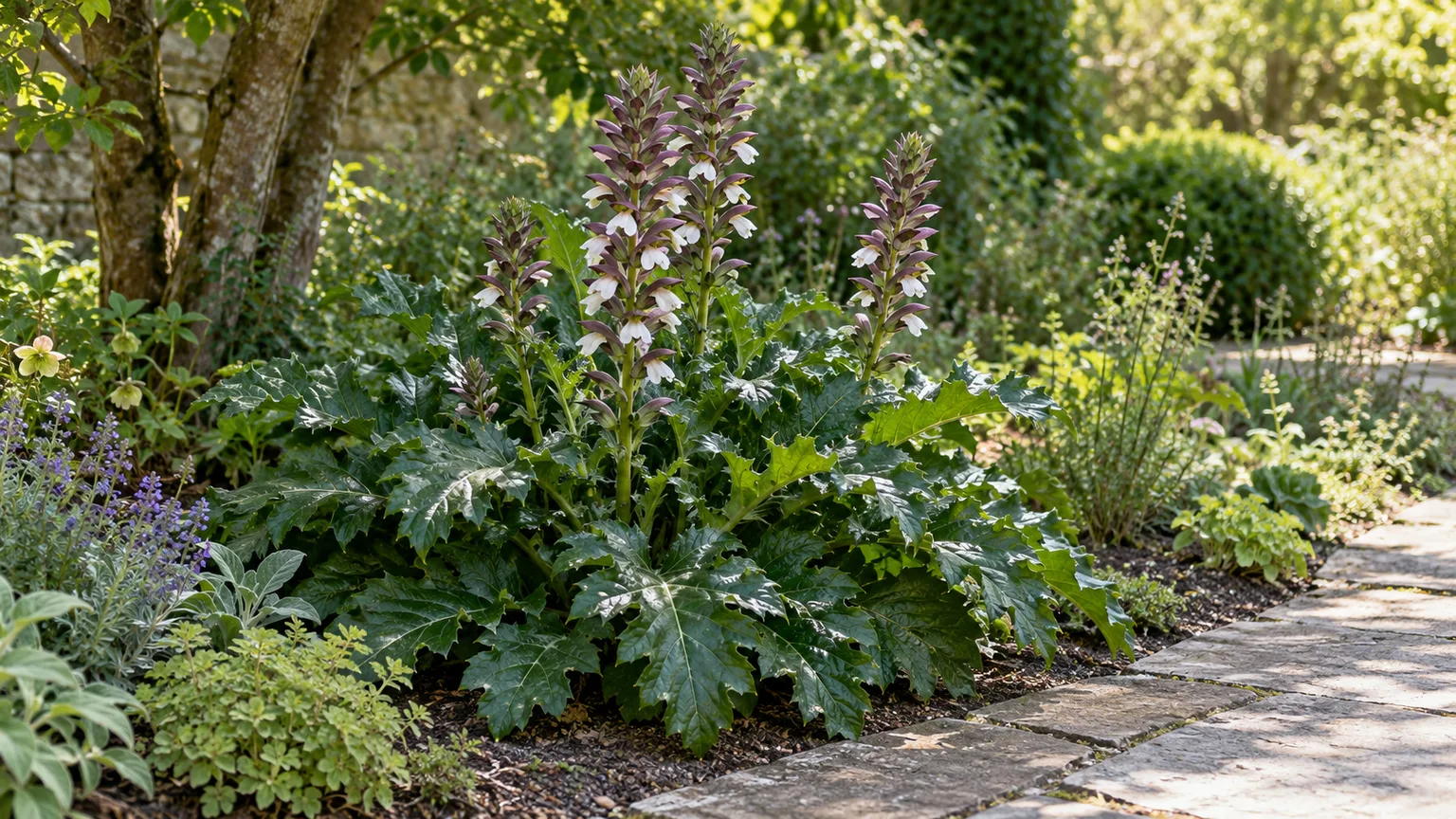
Planting a Nursery Plant
Plant in spring or early autumn, when the soil is workable and the plant can establish without peak heat or frozen ground. In a region with cold, wet winters, spring planting gives the roots more time to settle before winter. Water the nursery pot first so its root ball holds together, then set it at the same depth it grew in the pot; burying the crown deeper does not make the plant more stable and may encourage rot.
Dig a hole as deep as the root ball and about twice as wide, loosen the sides, and blend a modest amount of compost into the surrounding soil if it is poor. Set up any root barrier before lowering the plant. Backfill, firm lightly, and water slowly until the soil is evenly moist. Add a thin mulch layer to moderate soil moisture, keeping mulch clear of the crown so it does not stay wet against the base.
Do not install several plants close together to get an immediate mass effect. One mature clump is already substantial, and extra divisions multiply the containment work. Mark the plant’s edge in your garden plan, note where the roots could travel, and check that its future flower stems will not block a path or smother neighboring plants.
Watering and Feeding Through the First Seasons
Water newly planted bear’s breeches deeply when the upper soil begins to dry. The goal is to wet the root zone, then let excess drain; frequent shallow sprinkling encourages shallow roots and can keep the crown damp. During the first growing season, check soil moisture during hot or windy stretches rather than following a rigid weekly calendar. A plant in sandy soil may need attention sooner than one in moisture-retentive loam.
Once established, the plant tolerates dry periods, but prolonged drought can make the foliage wilt or die back for a time. That response does not always mean the roots are dead. If the soil is very dry, water thoroughly and wait for the plant to respond; do not compensate by keeping it permanently soggy. In hot climates, a layer of organic mulch can slow moisture loss without replacing drainage.
Bear’s breeches is not a heavy feeder when planted in reasonably fertile ground. A light spring top-dressing of compost is generally enough. If growth is weak and the soil is poor, use a balanced garden fertilizer according to its label, but do not keep adding nitrogen to a plant that already makes abundant leaves. Extra fertilizer will not fix deep shade, waterlogged roots, frost-damaged flower buds, or a plant that is still too young to bloom.
Why Bear’s Breeches May Not Bloom
A mature plant usually flowers in spring or summer, but its foliage can look impressive for years before it produces a dependable display. The RHS lists two to five years to maturity, and the NC State profile places bloom from spring into summer. First confirm that the plant is Acanthus mollis and established; young seedlings can take several years to reach flowering size.
Next, assess the site. Deep shade often supports leaves without many flower spikes, so increase available light if you can do so without exposing the plant to harsh afternoon heat. Review winter drainage as well: a cold, saturated root zone can weaken a plant, while a late frost can damage emerging buds or flower stems in a susceptible year. If the plant has recently been moved or divided, give it time to re-establish instead of dividing it again in hopes of forcing a bloom.
If foliage is healthy and the plant is established, avoid the reflex to feed heavily. Check for slug damage on emerging buds, make sure the crown is not buried under mulch, and consider whether a neighboring shrub or tree has reduced the light since you planted it. The University of Maryland Extension’s frost guidance explains that late freezes can damage tender flower buds and reduce that year’s display; when the stems are lost, the plant may recover without flowering again until the next season.
Pruning and Winter Care
Bear’s breeches does not need frequent shaping. Remove damaged foliage when it is clearly declining, and keep the crown open enough that old leaves do not form a soggy mat. In mild climates, leaves may remain attractive through winter; in cold climates, they may be damaged or die back. Follow the plant’s condition in your region rather than cutting every clump to the ground on one fixed date.
After Flowers Fade
Cut old flower stalks at the base once the display is finished. If you do not want seedlings, remove the stalks before the seed capsules dry and split. The seed capsules can eject seeds, so leaving a finished spike in place may create another route for spread in addition to underground roots. Clean and discard seed heads rather than shaking them over the bed.
After flowering, remove only leaves that are badly damaged, diseased, or in the way. A full summer haircut may be useful in some hot regions where the foliage goes dormant, but it is not a universal requirement. If the leaves are healthy, leaving them in place lets the plant keep photosynthesizing and avoids exposing the crown unnecessarily.
Protecting the Crown in Cold Winters
For the first winter after planting, apply a loose mulch layer after the soil cools, especially where winter temperatures regularly approach the edge of the plant’s hardiness range. In colder gardens, maintain this protection each winter and use a well-drained site; insulation cannot compensate for water sitting around the roots. In spring, wait for new growth before cutting away winter-damaged leaves so you can see which parts of the crown are still active.
The USDA zone range listed by NC State Extension is 7a through 10b, but a zone label does not account for every garden’s drainage, wind exposure, snow cover, or freeze-thaw cycles. Treat hardiness as a starting point, check local experience, and consider a related species if your winters are colder or wetter than A. mollis reliably tolerates.
Pests and Leaf Diseases
Slugs and snails are the pests most likely to leave obvious damage, especially on soft new leaves and flower buds. Look for irregular holes and silvery trails, then inspect under mulch, boards, or dense debris at dusk or early morning. Hand-pick pests where practical and reduce damp hiding places around the crown; avoid injuring the fleshy leaves while removing damaged material.
Powdery mildew can coat leaves with pale, dusty growth. Leaf spots may appear as dark or brown lesions, sometimes with yellow margins. These symptoms are unattractive but do not automatically mean the plant is dying. Remove heavily affected fallen leaves, clean pruning tools between diseased plants, and give the clump enough space for air to move through it. Water the soil rather than repeatedly wetting the foliage, while keeping the root zone from becoming chronically dry or saturated.
The RHS profile notes susceptibility to powdery mildew, and NC State Extension lists occasional slug, snail, and mildew problems. Treat the cause you can identify instead of spraying a home-made mixture across the whole plant. If a disease spreads quickly or the diagnosis is unclear, take a clear photo or sample to a local extension diagnostic service before choosing a treatment.
Propagating Without Spreading It Farther
Propagation is simple because pieces of root can grow into new plants; that is also why removing an unwanted clump can be difficult. Decide whether you truly want another plant before you take cuttings. If your goal is to contain an existing specimen, do not wound roots casually or rototill the area: fragmentation can turn one clump into multiple shoots.
Division and Root Cuttings
The least disruptive option is to take a rooted side section with visible leaves rather than lifting and splitting the entire mature clump. Work in spring or autumn when the plant is not under heat stress. Use a sharp spade to cut around a small outer section, lift it with roots attached, and replant immediately at the same depth. Water it in and keep the new division evenly moist while it establishes. Expect the parent and division to pause or look untidy after disturbance.
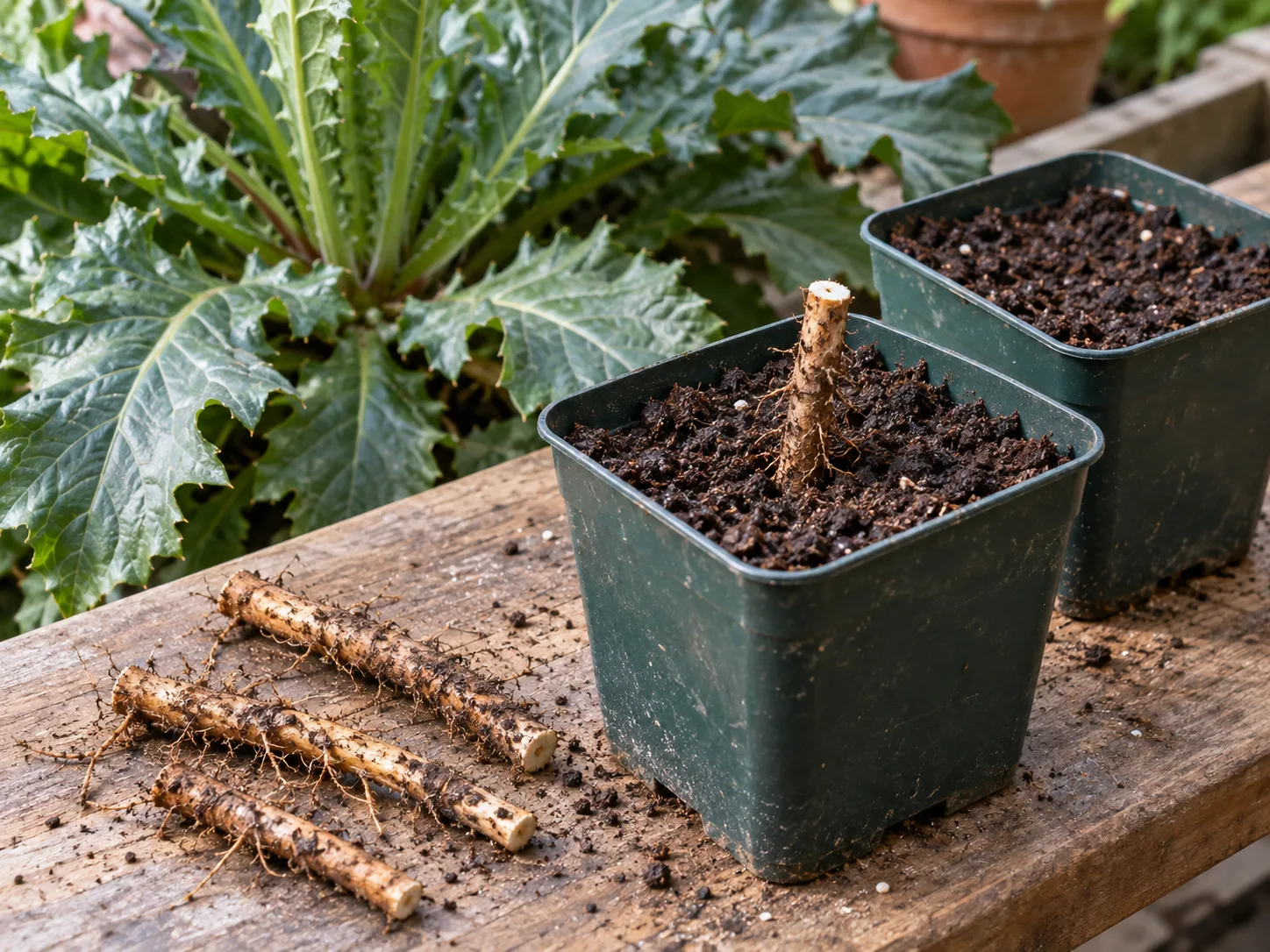
Root cuttings let you produce plants from small pieces, but they also increase the chance that overlooked roots will resprout in the original bed. A Pacific Horticulture guide to Acanthus mollis describes taking root cuttings in late fall or early winter and growing them vertically in a cutting mix. If you try this, label the pots, keep the medium lightly moist rather than waterlogged, and wait until new shoots and roots are established before planting outside. Use a clean knife and only take material from a plant you are permitted to propagate.
Growing From Seed
Seed is slower than buying a plant or taking a division, but it lets you raise a new specimen without digging through the parent’s root system. Gather ripe capsules before they split and sow fresh seed in a small pot of seed-starting mix. The Pacific Horticulture profile recommends soaking ripe seed briefly and notes that seedlings need at least a couple of years to flower. Germination and flowering time vary, so do not discard a pot simply because seedlings are not immediate.
Keep seedlings protected while they form a sturdy root system, then transplant them to their permanent contained site. If you are trying to prevent self-seeding, remove flower spikes before capsules open and check nearby soil for volunteer seedlings. Do not sow seeds directly into an unrestricted border unless you are prepared to monitor and remove new plants.
Growing Bear’s Breeches in a Container
A large, deep pot can make the plant easier to contain and is useful on a patio or beside a hardscape edge. Choose a sturdy container with drainage holes and enough weight and volume to support a wide leaf mound and tall flower stalks. Fill it with a quality potting mix that drains freely; ordinary garden soil is too dense for many containers and can stay wet around the roots.
Water when the mix begins to dry below the surface, then let the pot drain completely. Container plants dry more quickly than in-ground plants, so check more often during hot weather, but never leave the pot standing in a saucer of water. Refresh the potting mix or move up one container size when roots fill the space and water runs straight through without wetting the root ball.
A pot limits underground spread only while the roots remain inside it. Watch for shoots at drain holes and cracks, and do not dump used potting mix containing root pieces into an open bed. In colder regions, protect the container from repeated deep freezing because roots in a pot are more exposed than roots in the ground. Container growing controls one risk; it does not remove the need for water, drainage, winter, and size planning.
Types and Cultivars to Consider
Check the botanical name on the label, because “bear’s breeches” can refer to several Acanthus species. The familiar A. mollis has broad, glossy green leaves and white flowers hooded by dusky purple bracts. Acanthus spinosus has narrower, more deeply cut, spiny-edged leaves and can produce more flower spikes; its sharper foliage is a practical consideration near paths or play areas. The BBC Gardeners’ World guide also lists variegated A. mollis ‘Whitewater’ and the hybrid ‘Summer Beauty’ for gardeners looking for leaf or flower variation.
Hungarian bear’s breeches is sold under names including Acanthus hungaricus and A. balcanicus. Kew’s Plants of the World Online entry for A. hungaricus accepts that name and lists A. balcanicus as a synonym. A Fine Gardening profile of Hungarian bear’s breeches describes it as hardier than A. mollis in the author’s garden, but local winter performance still varies. If cold tolerance is your priority, ask a regional nursery or extension office which labeled selection has proved dependable nearby.
Common Mistakes to Avoid
- Planting it before checking local guidance. A plant that is easy to buy may still spread aggressively or appear on a local invasive list. Check first, then choose a species and containment plan.
- Assuming the leaves show the full footprint. The visible rosette is not a reliable boundary for the roots. Give it space and inspect for shoots beyond the crown.
- Putting it in deep shade and expecting flower spikes. Leaves may tolerate shade better than flowers. Improve light if practical, while protecting the plant from scorching afternoon heat.
- Treating “drought-tolerant” as “never water.” Young plants need consistent moisture as they establish. Mature plants tolerate dry spells but can wilt or go dormant during prolonged drought.
- Keeping the crown wet. Compost and mulch help, but a soggy planting hole or mulch piled against the crown invites decline. Drainage matters more than adding a thicker mulch layer.
- Moving a mature clump as a routine fix. Deep roots and leftover fragments can leave regrowth in both the old and new sites. If you must remove it, dig carefully, avoid rototilling, and revisit the area for new shoots over subsequent growing seasons.
- Propagating without a destination. Each division or root cutting creates another plant that will need room and containment. Take cuttings only when you have a suitable permanent place for them.
Conclusion
Bear’s breeches rewards the right garden with architectural leaves and dramatic flower spikes, but it is not a plant to tuck into any open space. Give it bright light, fertile soil that drains well, water while it establishes, and a permanent site where its roots can be contained. Before buying or propagating it, check local invasive-plant guidance and decide how you will manage the spread; that one decision makes the rest of its care straightforward.



