How to Grow and Care for Cranberry Hibiscus
Learn how to grow cranberry hibiscus with the right light, moisture, pruning, feeding, propagation, container care, edible-leaf harvest, and winter plan.
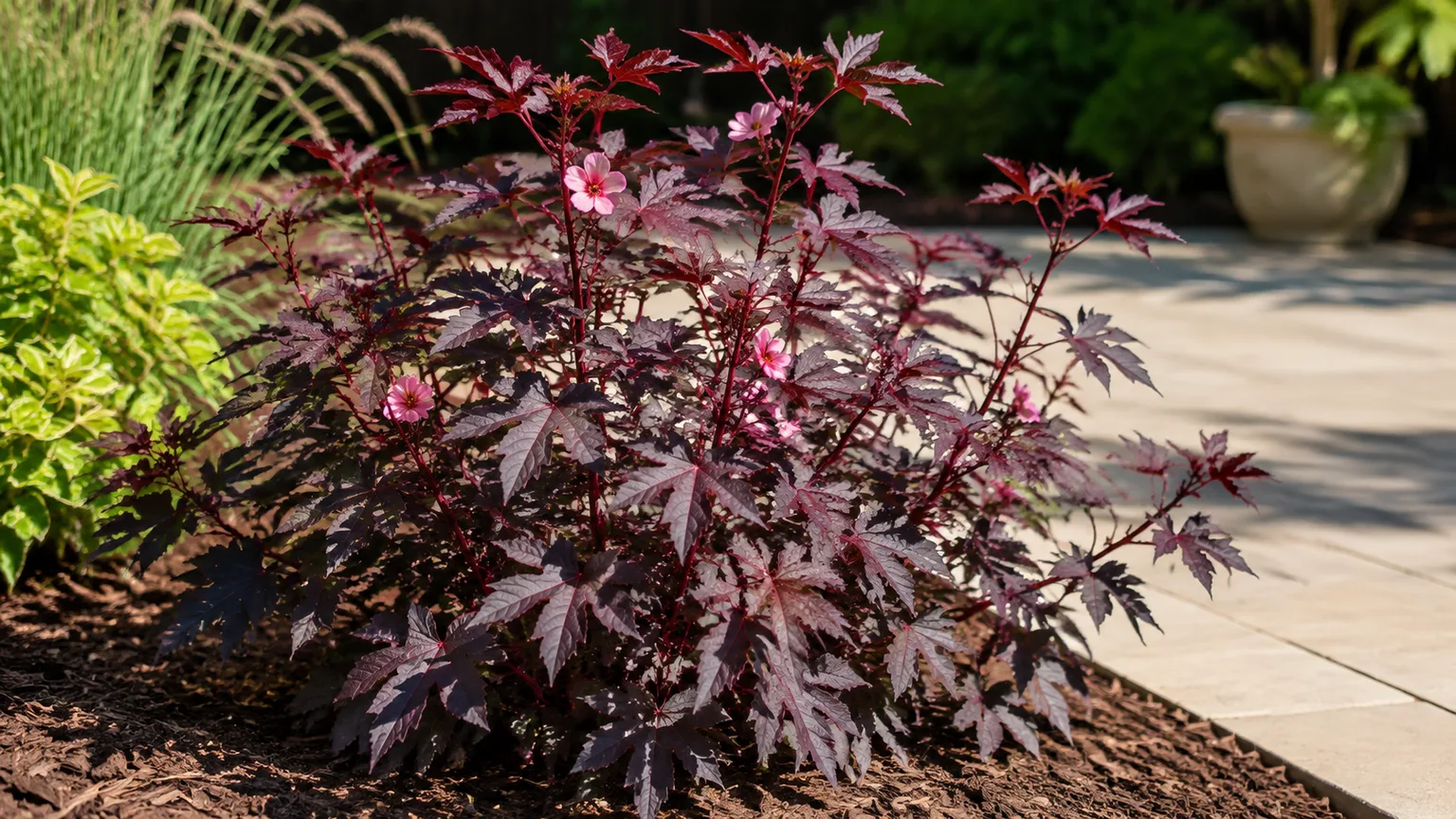
Cranberry hibiscus (Hibiscus acetosella) is grown as much for its foliage as for its flowers. The fast-growing plant makes a bold backdrop of burgundy, wine-red, or purple-maroon leaves, then produces small hibiscus flowers as the days shorten. It is also useful in an edible landscape: young leaves and tender shoots have a tart, sorrel-like flavor.
The care is straightforward once you plan around two facts: this is a heat-loving tender perennial, and its roots want moisture without stagnant water. Give it strong light, fertile soil, regular tip pruning, and a frost plan. In colder regions, treat it as a summer annual or preserve a smaller plant or cuttings rather than expecting an outdoor return.
What Cranberry Hibiscus Is and What to Expect
Common names include cranberry hibiscus, African rosemallow, false roselle, red-leaved hibiscus, and maroon mallow. It is native to tropical eastern Africa and belongs to the mallow family, Malvaceae. NC State Extension describes it as a tender perennial sub-shrub with rapid growth, a somewhat sparse habit, deep red-purple foliage, and flowers on new growth. (NC State Extension)
Expect an upright plant that is often 3 to 5 feet tall and about 2 to 2 1/2 feet wide when regularly pinched, though an unpruned, well-watered plant can become substantially taller and wider. The leaves may be unlobed or deeply palmate, depending on the cultivar, and they can look surprisingly like a burgundy Japanese maple from a distance. Its flowers are attractive but not usually the main reason to grow it: they are relatively small, short-lived, and can be partly hidden by the foliage.
That growth pattern makes cranberry hibiscus useful in three different ways. Plant it at the back of a sunny border for color, grow it in a large pot where pruning and winter movement are easier, or harvest the shoot tips repeatedly as a leafy green. Decide which job matters most before you plant, because a plant managed for tender leaves will be cut more often than one left to make a tall flowering screen.
Is Cranberry Hibiscus a Perennial in Your Climate?
For reliable outdoor perennial culture, use USDA Zones 9 through 11 as the practical range, with NC State listing it specifically for Zones 9a through 11b. Even in that range, “perennial” does not mean frost-proof. A mild winter may leave an established plant mostly intact, while a freeze can burn the foliage, kill upper stems, or take the plant back to the crown. (NC State Extension)
In Zone 8, consider it marginally perennial: a protected courtyard or warm wall may help, but annual culture or winter cuttings are safer. In Zones 7 and colder, grow cranberry hibiscus outdoors after the soil warms, then either move a manageable container indoors, root cuttings, or let the plant finish as a seasonal annual. ECHOcommunity describes the plant as a short-lived perennial in subtropical and tropical climates and an annual in cooler climates, which is a more useful expectation than a simple perennial label. (ECHOcommunity)
Your microclimate still matters. Frost duration, wind, wet winter soil, proximity to pavement or a building, and whether the crown sits in a low cold pocket can change the result within the same hardiness zone. If losing the plant would be disappointing, make two or three cuttings before the first serious cold instead of betting everything on outdoor survival.
When to Plant Cranberry Hibiscus
Plant outdoors after the last frost, when nights are reliably mild and the soil has warmed. In a short growing season, starting with a rooted cutting or established nursery plant gives you more time to build the leafy framework before fall. In frost-free tropical and subtropical climates, planting can be more flexible, but the plant still establishes faster during warm, actively growing weather.
Avoid planting a small transplant directly before a cold snap or a stretch of saturated rain. Cranberry hibiscus grows quickly when warm, but a newly disturbed root system is less able to handle cold, wind, or waterlogged soil. For a container, wait until you can keep it in a bright, sheltered location and move it under cover if the forecast turns cold.
Acclimate nursery plants gradually if they were grown under shade cloth or indoors. Give them a few days of bright morning sun and protection from the strongest afternoon exposure, then increase direct light as the leaves adjust. This reduces scorch without committing the plant to a permanently dim location.
Pick a Site for Deep Burgundy Color
Choose a site with at least six hours of direct sun for the strongest foliage color and best flowering potential. NC State lists full sun as the preferred exposure; Gardenia likewise recommends full sun while allowing some afternoon shade in very hot climates to limit leaf burn. (Gardenia)
Light partial shade is useful when afternoons are brutally hot, dry, and reflective, but deep shade creates a different plant: stems stretch, branches stay thin, and burgundy leaves may become greener or duller. If your plant is tall, open, and leaning toward one direction, assess light before adding fertilizer. More food cannot compensate for inadequate sun.
Give the plant room for sideways growth and good airflow. A protected position near a fence or wall can reduce wind breakage, but do not wedge it into an airless corner where wet leaves dry slowly. For a single specimen, allow about 3 to 4 feet of room; for a denser, frequently harvested hedge, plants can be spaced closer, around 2 to 3 feet, if you still leave enough airflow between branches.
Prepare Soil That Holds Moisture but Drains
Cranberry hibiscus prefers fertile soil that stays evenly moist but does not remain saturated around the crown. ECHOcommunity gives a useful target pH of 6.1 to 6.5 and emphasizes rich, fertile, well-drained soil; a soil test is more useful than guessing with repeated amendments. (ECHOcommunity)
Improve a heavy bed by working mature compost through the planting area and correcting drainage at the site level. Do not turn a poorly draining hole into a small bathtub by filling it with rich soil while the surrounding clay still holds water. If water remains in the hole for hours after irrigation, plant in a raised bed, on a gentle mound, or in a container with a reliable drainage hole.
The crown should sit at the same level as the nursery soil, or just slightly proud of the surrounding grade in a wet climate. Keep mulch a few inches away from the stems. A 2- to 3-inch layer of organic mulch helps moderate root temperature and slows evaporation, but mulch piled against the crown keeps the base damp and can hide stem problems.
Planting Cranberry Hibiscus in the Ground
Dig a hole no deeper than the root ball and only somewhat wider. If the plant is root-bound, loosen circling roots at the outer edge without tearing the entire root ball apart. Set the plant so the top of the root ball is level with the soil surface, backfill with the excavated soil amended with compost if needed, and water slowly until the soil settles.
For the first few weeks, check moisture near the root ball rather than watering by the calendar. A transplant can look wet at the surface while the original root mass is dry inside, especially when the surrounding soil has a different texture. Water deeply when the top inch or two begins to dry, then let excess water drain away.
Do not fertilize immediately with a strong granular product. Let the plant settle and begin producing new growth first. A light layer of compost or a modest, label-directed feed is less likely to stress newly transplanted roots than repeated high-nitrogen applications.
Growing Cranberry Hibiscus in Containers
A container is often the smartest choice when you live outside Zone 9 or want easy access for harvesting. Use a pot with a drainage hole and a loose, well-drained container mix; do not use garden soil alone, which can compact and stay wet in a pot. Start with a container slightly larger than the root ball, then move up when roots fill the mix rather than jumping immediately to an oversized pot.
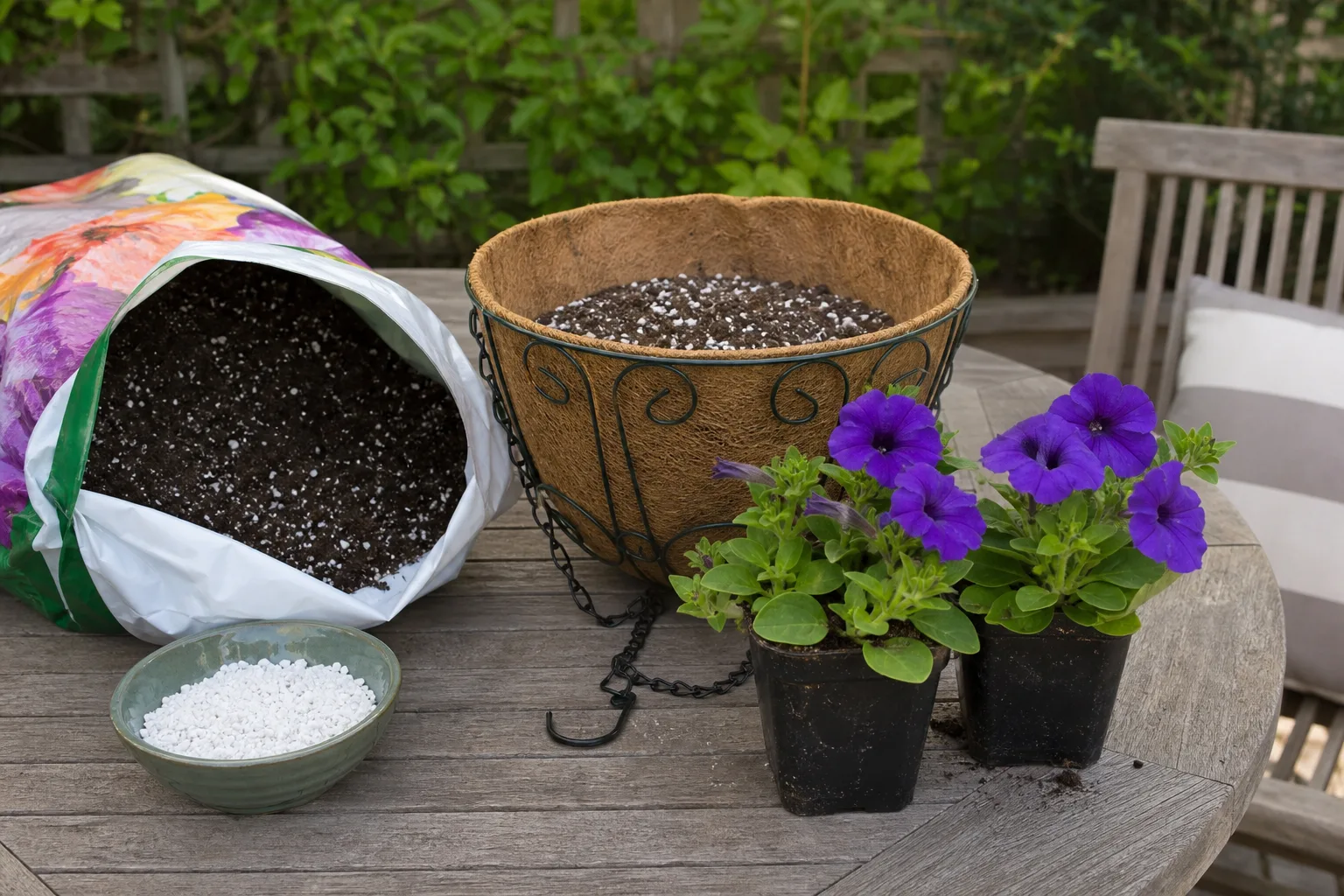
An established cranberry hibiscus needs a stable, heavy container because the top growth becomes tall and catches wind. A 7- to 15-gallon pot is a practical range for a mature, frequently pruned plant, with more volume useful in hot climates or when you cannot water often. Larger soil volume also makes moisture swings less severe, but it makes moving the plant indoors harder, so choose a size you can actually handle before autumn.
Pots dry faster than beds, especially when dark containers sit on hot paving. Check the mix with your finger or by lifting the pot, and water thoroughly when the upper layer has begun to dry. If water runs straight down the sides, the mix may have pulled away from the pot or become hydrophobic; re-wet slowly in several passes instead of assuming one quick splash reached the roots.
Container plants usually need more frequent feeding and pruning than in-ground plants. Pinch early, stake a tall specimen before it flops, and rotate the pot every week or two if growth leans toward the light. In cold regions, a smaller mother plant or rooted cutting is usually easier to overwinter than a six-foot container shrub.
Watering: Keep Roots Moist, Not Saturated
Water cranberry hibiscus regularly during active growth, but replace the vague rule of “keep it wet” with a soil check. The goal is a root zone that is moist several inches down and beginning to dry near the surface before the next thorough watering. Water at the base, soak the root zone, and let the bed or container drain completely.
Heat, wind, pot size, and plant size change the schedule. A large in-ground plant in mulched soil may need deep watering once or twice a week during a dry spell, while a small pot on a sunny patio may need checking daily. Containers can require more than one watering on exceptional hot days, but only if the mix is actually drying; automatic daily watering in a slow-draining pot is a direct route to root rot.
Drooping does not always mean thirst. Check the soil first, then inspect whether the pot is draining. A plant that wilts in wet soil is more concerning than one that wilts in dry soil because saturated roots cannot supply water normally. Correct drainage and root health before increasing irrigation.
Feeding for Leaves, Flowers, or Both
Feed during the warm growing season when the plant is actively making leaves and stems. Start with compost and use a balanced, label-directed fertilizer rather than assuming more nitrogen will produce a better plant. Excess nitrogen can create soft, overly leafy growth that is more difficult to support and may be less useful if your goal is flowering.
If you want a harvest plant, steady moderate growth is the target. Feed after watering so dry roots are not exposed to concentrated salts, and reduce or stop feeding when cool weather slows growth or when the plant is being moved indoors. Container plants lose nutrients through repeated watering and may need more regular, weaker applications than plants in beds, but follow the product label and account for any compost already in the mix.
Flowering is triggered partly by shortening day length, so fertilizer alone cannot force a northern plant to bloom before frost. NC State notes that cranberry hibiscus flowers on new growth and commonly blooms in late summer, fall, and sometimes winter; a cold climate may simply end the season before the short-day response has time to show. (NC State Extension)
Pruning for a Bushy Plant
Start pruning before the plant becomes a tall, bare-stemmed pole. When a young plant reaches roughly 18 to 30 inches, pinch or cut the growing tip just above a leaf node. New side branches should emerge below the cut. Let those branches extend, then tip-prune again to build a wider framework.
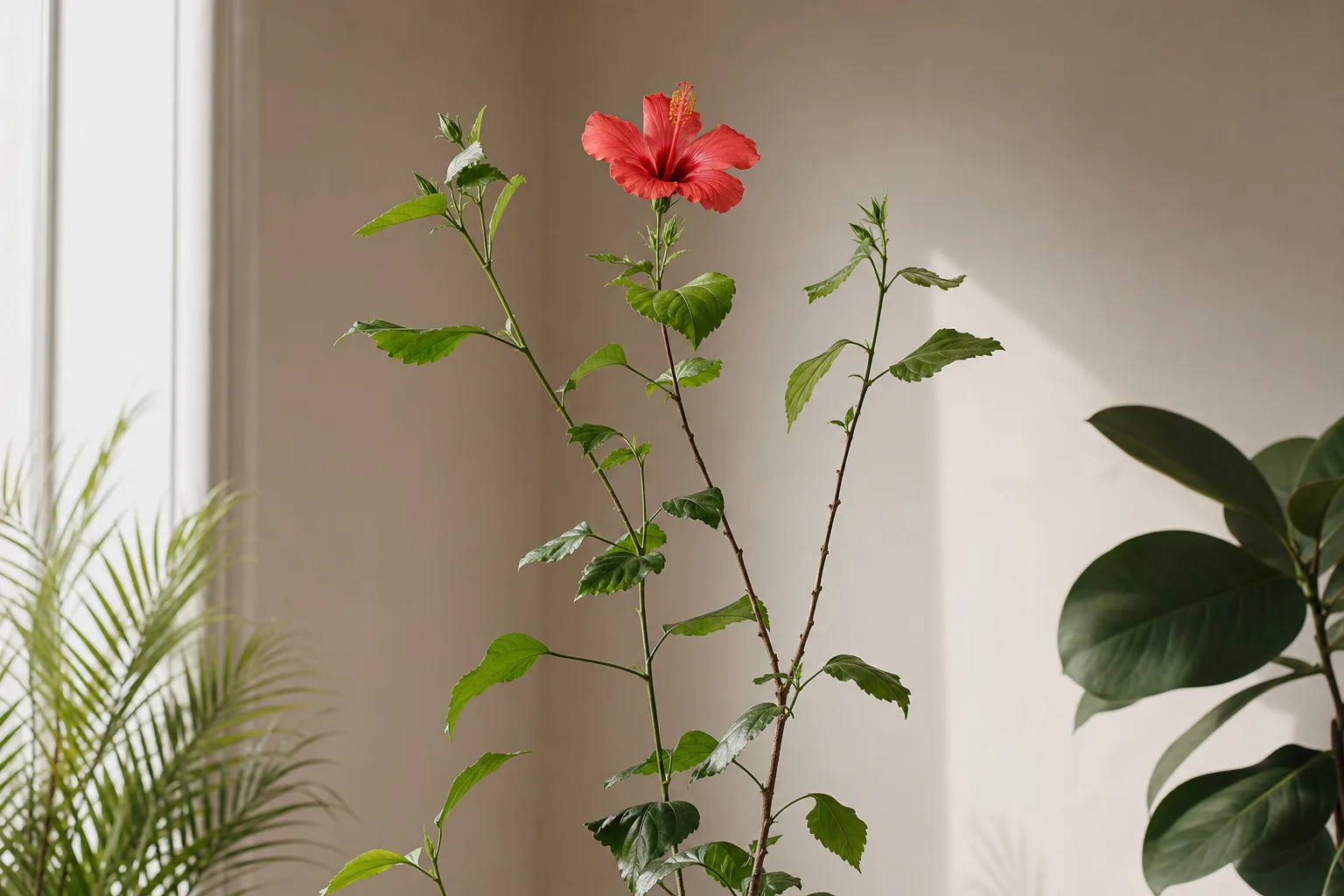
For edible use, harvest the upper 4 to 8 inches of vigorous shoots rather than stripping isolated mature leaves. That cut-and-come-again approach removes tender material for the kitchen while encouraging lateral branches and creating more future harvest points. For an ornamental specimen, make fewer cuts and remove only wayward, crossing, weak, or damaged stems.
Use clean, sharp pruners and cut just above a node so the remaining stem has a clear place to push. Do not remove every growing tip at once; leave enough leafy growth for the plant to keep producing energy. Staking can help temporarily, but a plant that is repeatedly leggy usually needs more light and earlier pinching, not a taller stake.
How to Prune After Frost Damage
Do not make a hard cut immediately after a frost if the stems are only discolored. Cold damage can continue to show for several days, and living tissue lower on the stem may still push new growth. Wait until freeze danger has passed, then scratch a small section of stem or make a single test cut: green, firm tissue is alive; brown, brittle tissue is not.
Remove dead tissue back to healthy wood and clean up collapsed leaves, but avoid cutting living lower stems simply because the top looks ugly. In warm zones, an established crown may resprout after top dieback. In cold zones, use the damaged plant as a source for any viable cuttings only if the remaining tissue is healthy, and keep a separate backup next season.
Flowering: Why Fall Can Be the Main Event
Cranberry hibiscus is a short-day plant, so the lengthening nights of late summer and fall can trigger flowers. This is why a northern gardener may grow a spectacular leafy plant and see few or no flowers before the first frost, while a warm-climate gardener may enjoy blooms later into the year. The flowers are usually pink, red, burgundy, or copper-toned and can be partly hidden among the leaves.
To give flowering a fair chance, provide strong light, steady moisture, and enough time in warm weather. Avoid severe pruning just as the plant is preparing to bloom because the flowers appear on new growth and a hard cut resets the timeline. If foliage is lush but flowering is absent, check light and temperature first; adding more fertilizer is rarely the first fix.
Propagating Cranberry Hibiscus from Cuttings
Stem cuttings are the quickest way to preserve a favorite plant before winter and produce a genetic copy of a cultivar. NC State lists both seed and stem cutting propagation, and its plant profile notes that fall cuttings can be rooted in water or soil. (NC State Extension)
- Choose a healthy, non-flowering shoot with flexible but not extremely soft growth.
- Cut an 8- to 12-inch section with clean pruners, then remove the lower leaves and any flower buds.
- Place the lower portion in water or insert it a few inches into a damp, airy potting mix. Rooting hormone is optional; it can help consistency but is not a substitute for warmth and moisture control.
- Keep the cutting warm in bright, indirect light. Covering it loosely with a clear bag or dome can slow moisture loss, but leave enough air exchange to discourage rot.
- Refresh water regularly if using the water method, or keep soil lightly moist rather than saturated. Tug very gently after a few weeks; resistance suggests roots, while new growth is a stronger sign that the cutting is established.
- Pot rooted cuttings individually, then harden them off before moving them into direct outdoor sun.
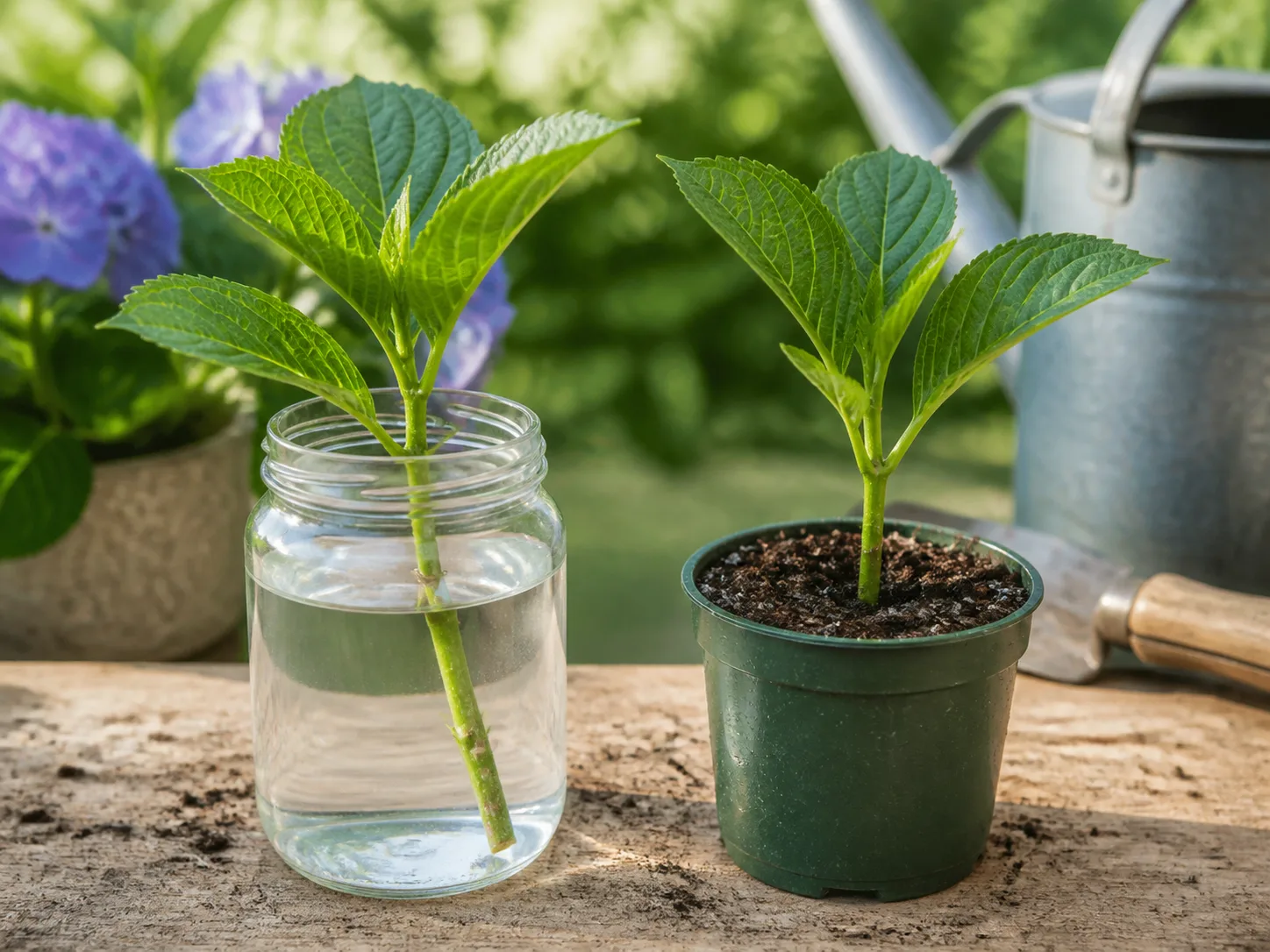
The common cutting mistake is taking a large, flowering branch and keeping it constantly wet. Large cuttings lose water quickly, while flower production diverts energy. Smaller, healthy, non-flowering tips usually transition more easily, and several modest cuttings are better insurance than one oversized piece.
Starting Cranberry Hibiscus from Seed
Seed is useful when you want many plants or do not need an exact copy of a cultivar. Sow seeds lightly in a sterile seed-starting mix, keep the mix evenly moist, and provide warmth and strong light after emergence. Start indoors several weeks before your last frost if the outdoor season is short, then pot seedlings on as roots fill their first container.
Seedlings may vary in leaf color, shape, height, and flowering behavior. If a named cultivar is important, choose a cutting or a nursery plant instead. Move seedlings outdoors only after frost danger passes, and harden them off gradually so tender leaves do not go from indoor light to hot afternoon sun in one step.
Overwintering Cranberry Hibiscus
The easiest winter strategy depends on your climate and your space. In frost-free areas, mulch the root zone and monitor cold forecasts. In zones where light frost is possible, protect a valued in-ground plant with frost cloth and wait to prune until the damage is clear. In colder zones, bring a container indoors or root cuttings before temperatures fall.
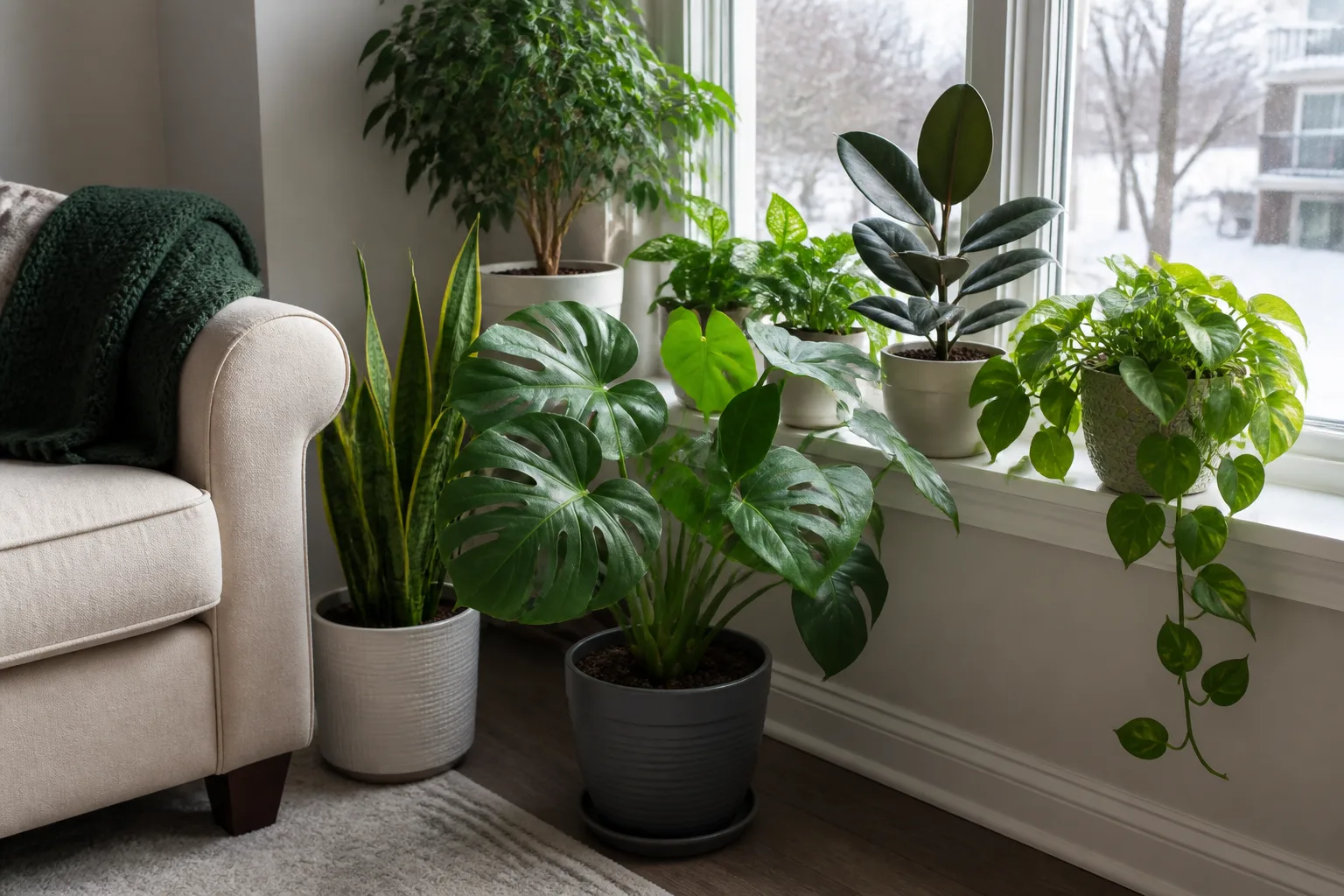
For a plant growing in the ground, pot it while the soil is still warm rather than waiting for a freeze. Dig carefully to keep as much of the root ball intact as possible, use a pot only slightly larger than that root ball, and place it in a loose, well-drained mix. This approach reduces transplant shock and makes the plant easier to manage indoors. (This Is My Garden)
Bring the plant inside before prolonged temperatures below about 50°F, especially if the soil is cooling. Give it the brightest warm location available, away from heating vents and cold drafts. Expect some leaf drop when light, humidity, and temperature change; that does not automatically mean the plant is dying.
If the plant stays active indoors, it will need more water than a semi-dormant plant, but never water on a fixed summer schedule. Reduce irrigation as growth slows while keeping the root ball from becoming completely dry. Inspect stems and leaf undersides for aphids, mites, mealybugs, and whiteflies before the plant joins your houseplants, and isolate it while you monitor for pests.
Delay major pruning until spring unless you need a few light cuts to fit the plant indoors. In late winter or early spring, prune to shape and encourage fresh branching, then move the plant outdoors gradually once nights are consistently warm. Start with a protected bright spot for a few hours, increase exposure over a week or more, and only then return it to full sun.
Pests, Root Rot, and Other Problems
Cranberry hibiscus is generally robust, but fast, soft growth attracts familiar sap-feeders. Aphids, mealybugs, thrips, whiteflies, and spider mites are most likely when plants are stressed, crowded, or moved indoors. Japanese beetles and other chewing insects may also leave holes or skeletonized leaves outdoors.
Start with inspection rather than a blanket spray. Look under leaves, along tender tips, and around leaf axils. Remove a small number of visible insects by hand or with a water rinse, improve airflow, and isolate indoor plants. If a pesticide is needed, use only a product labeled for the plant and the intended setting; if you harvest leaves, follow the label’s edible-crop and preharvest requirements. Do not eat foliage treated with a product that is not labeled for food crops.
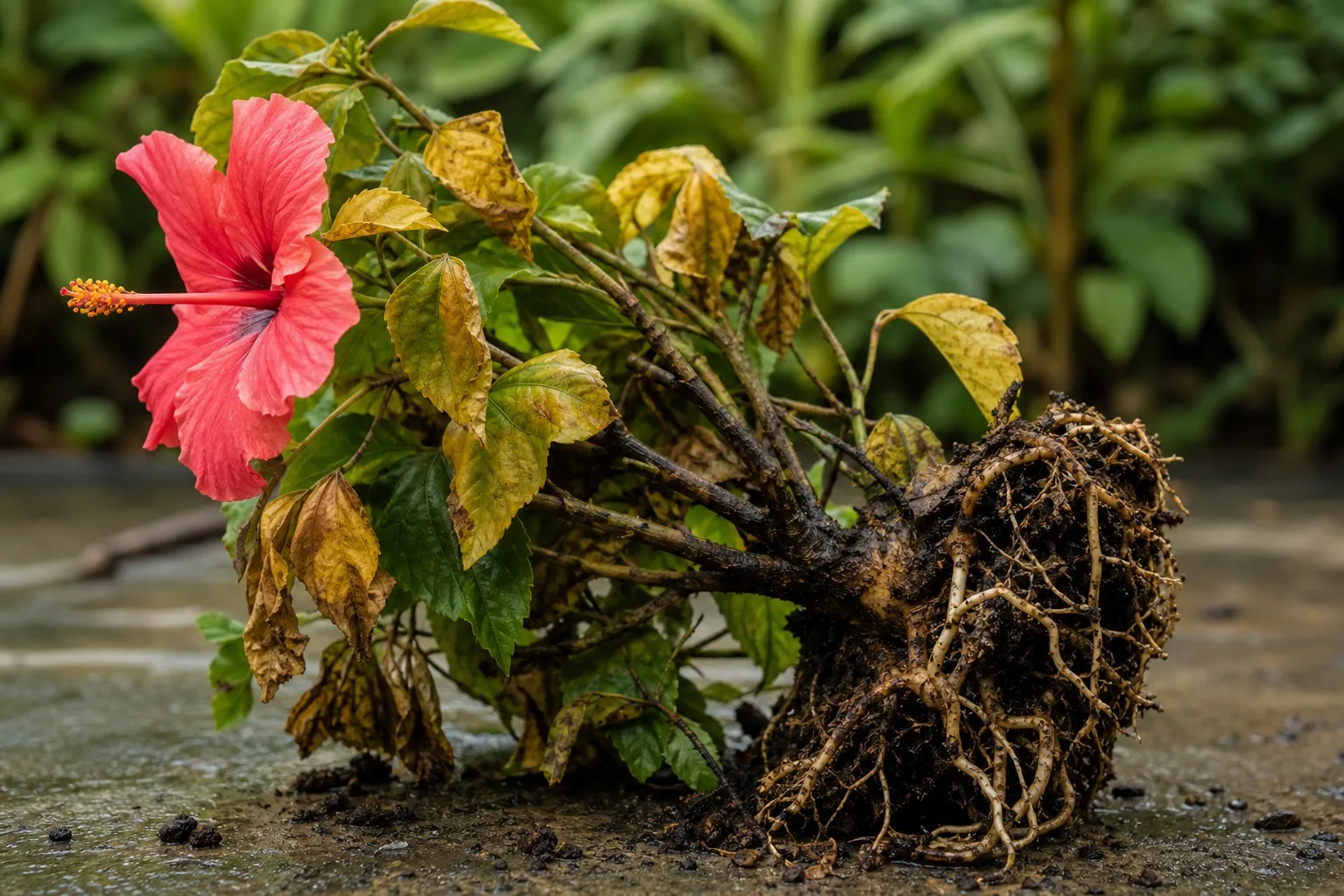
Root rot is more often a drainage problem than a simple “too much water” problem. Symptoms can include persistent wilt despite wet soil, yellowing, a sour smell, slow growth, and dark or mushy roots. Stop watering, confirm that the drainage hole is open, and inspect the roots if the symptoms persist. Remove clearly rotted material, repot into fresh airy mix, and correct the container or site that kept the roots saturated.
Diagnose Problems by Pattern
- Leggy stems and duller leaves: increase direct light, then pinch growing tips. Do not expect fertilizer to fix shade.
- Wilting with dry soil: water deeply and check the plant again after a few hours. If the pot dries daily, increase container volume or provide temporary shade from reflected heat.
- Wilting with wet soil: stop routine watering and investigate drainage or root damage before adding more water.
- Brown or black foliage after a cold night: wait for the weather to stabilize before pruning; frost damage may be limited to the tips.
- No flowers by early fall: confirm light and warmth, then consider the plant’s short-day flowering habit and the length of your season.
- Chewed leaves: inspect at dusk or early morning for beetles and caterpillars; remove pests and protect new growth while avoiding unnecessary broad-spectrum sprays.
Harvesting and Using the Edible Leaves
Harvest only when the plant is correctly identified and grown as a food crop. Young leaves and tender shoot tips are the most pleasant to eat, with a tart flavor closer to sorrel or lemony greens than to sweet cranberry. Older leaves become firmer and are better chopped or cooked. GreenDreams describes repeated tip harvest as a way to keep the plant producing both tender greens and branching growth. (GreenDreams Florida)
Use young leaves raw in small amounts in salads, or cook them into stir-fries, soups, sauces, rice dishes, and other preparations where a bright acidic note works. The flowers can add color to drinks, but cranberry hibiscus is not the same crop as roselle. Roselle (Hibiscus sabdariffa) is grown especially for its enlarged fleshy calyces; cranberry hibiscus is primarily valued as a leafy green.
“Edible” does not mean “medicinal,” and it does not mean every person should eat unlimited amounts. Correct identification matters, pesticide residues matter, and published growing accounts note that these greens contain oxalates that vary with plant age, genetics, and growing conditions. If a clinician has told you to follow a low-oxalate diet, ask for advice before adding the leaves to regular meals. GreenDreams also cautions against treating plant compounds as a substitute for medical treatment. (GreenDreams Florida)
Harvest after the morning dew dries, rinse well, and start with a small culinary portion the first time. If you want flowers as well as leaves, stop heavy tip harvesting on a few selected stems so they have enough time to mature and bloom.
Cranberry Hibiscus Varieties Worth Growing
‘Red Shield’ is a familiar form with deep burgundy foliage and a strong ornamental presence. ‘Panama Red’ has bright red, deeply dissected leaves and flowers, while ‘Panama Bronze’ leans toward purple-bronze foliage. ‘Jungle Red’ is another deeply cut form suited to a tall, tropical-looking display.
‘Haight Ashbury’ is often chosen for borders and containers, and ‘Mahogany Splendor’ and ‘Maple Sugar’ are valued for dark foliage. Names and mature size can vary by nursery and growing conditions, so judge a plant by its actual growth habit and the label’s information rather than assuming every cranberry hibiscus will stay compact.
If you are buying for eating, choose plants sold and grown for edible use, ask whether they have been treated with systemic pesticides, and grow your own backup from cuttings only after the parent plant has been grown under food-safe practices. If you are buying for flowers, favor a form and climate with enough warm season remaining for short-day blooming.
Conclusion
Cranberry hibiscus rewards a simple rhythm: plant it after frost in full sun, keep the soil moist but well drained, feed moderately while it grows, and pinch early so the plant branches instead of becoming a lanky tower. Its deep foliage makes it worthwhile even when a short northern season ends before flowering, and its tender leaves add a second use when the plant has been grown and identified as a food crop.
Treat winter as a planning problem, not a surprise. Gardeners in Zones 9–11 can protect the crown and watch for regrowth, while colder-climate growers should keep a movable container or root cuttings before the first hard freeze. With that backup in place, you can grow cranberry hibiscus for color, late-season flowers, pollinators, and harvestable greens without asking one plant to survive conditions it was never built to handle.