How to Keep Outdoor Plants Thriving Indoors for Winter
Learn which outdoor plants to bring inside, when to move them, how to quarantine pests, and how to manage light, water, dormancy, and spring hardening.
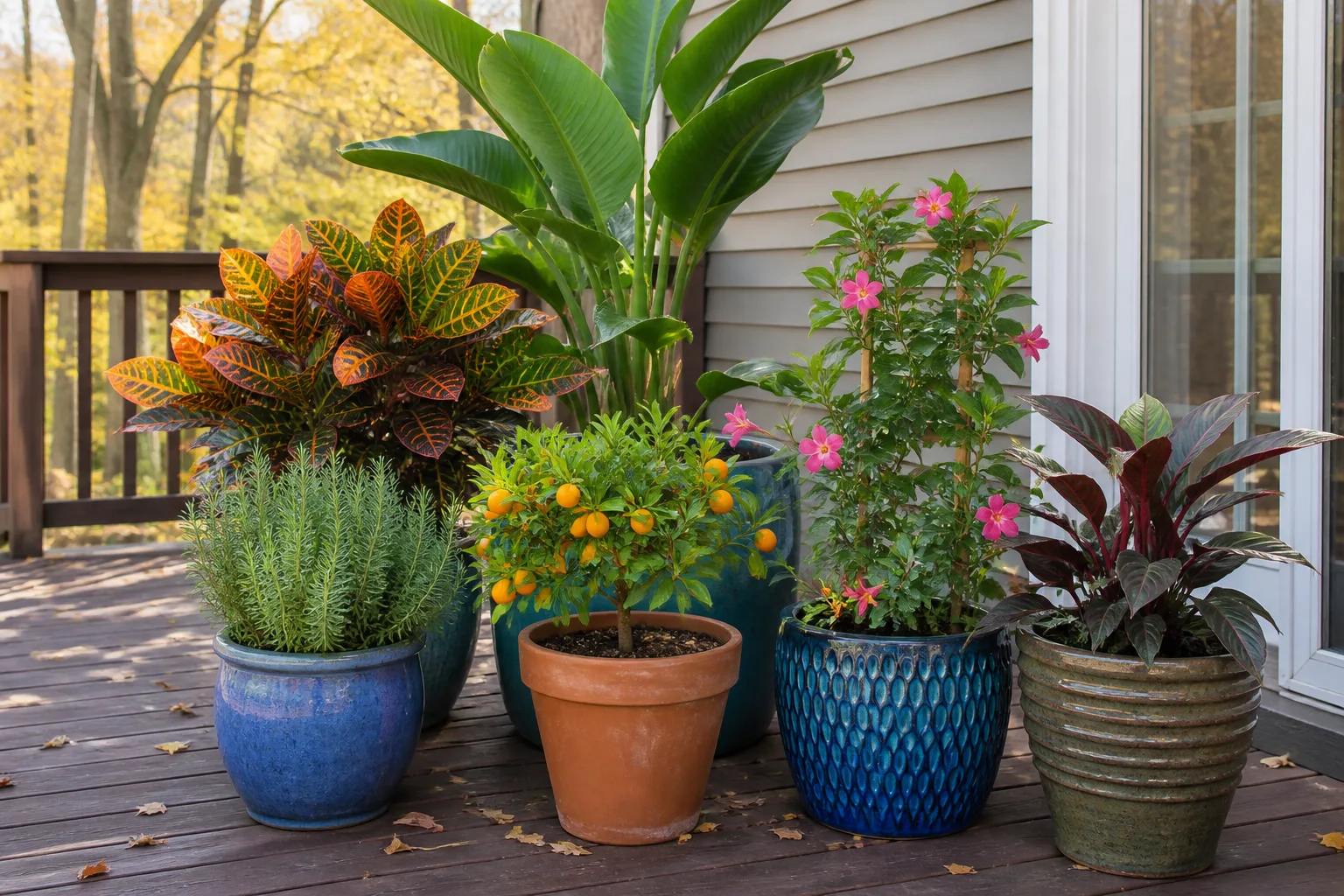
The safest way to keep outdoor plants thriving indoors is to decide what kind of winter each plant needs before you move a single pot. A basil plant, a tropical hibiscus, a potted fig, and a hardy perennial may all be standing on the same patio, but they should not receive the same indoor treatment.
Use three questions to sort them: Will this plant keep growing with warmth and light? Does it need a cool dormant rest? Or is it hardy enough to stay outside with root protection? That decision prevents the most common overwintering mistake—putting a temperate plant in a warm living room, then watering it as if summer never ended.
Container roots are more exposed to temperature swings than roots in the ground. The Brooklyn Botanic Garden’s overwintering guidance notes that even plants hardy in a region can be vulnerable in pots, while plants that rely on winter chill may perform poorly if kept warm all season. Bring in the plants that truly benefit, give them a matching environment, and let the rest follow a different winter plan.
Start With the Right Winter Plan
Overwintering can mean continuing active growth indoors, holding a plant in a cool semi-dormant state, or protecting a container outside. “Indoors” is not automatically better. A bright, heated room can save a tropical plant but disrupt the seasonal rhythm of a deciduous shrub; a dark, freezing shed can work for a dormant plant but slowly weaken one that needs to photosynthesize.
Before the weather turns, make a quick inventory. Write the plant name, whether it is in a pot or the ground, its hardiness range if known, whether it bloomed or fruited this year, and how much space and light you can actually offer. Mark each pot active, dormant, or outdoor-protected. If you cannot provide the conditions behind a label, choose a smaller cutting or accept that the plant may be a poor candidate for indoor overwintering.
Sort Your Plants Into Three Winter Paths
Tender plants that keep growing indoors
Tropical foliage plants, tender annual herbs, coleus, many geraniums, tender fuchsias, and some hibiscus can continue growing indoors when they receive enough light and warmth. These are the plants most likely to benefit from a sunny window or grow light, although they may still pause or shed leaves while adjusting.
Treat this as a new growing environment, not a protected version of the patio. Outdoor light is usually much stronger than light inside a house, air movement changes, humidity falls near heating systems, and the root ball dries differently. The plant may survive the move but grow more slowly, stretch toward a window, or lose older leaves while it reallocates energy.
Temperate plants that need a cool rest
Many temperate perennials, deciduous shrubs, and some fruiting plants use shorter days and cooler temperatures as signals to slow down or enter dormancy. A potted fig, gardenia, rosemary, lavender, or borderline-hardy shrub may need a cool porch, unheated garage, basement, greenhouse, or cold frame rather than a heated kitchen.
This category needs careful identification. Gardenias are evergreen and can stay active with warmth and light, but some cultivars still respond badly to abrupt changes. Figs may drop leaves naturally and need less water once dormant. A plant label, local extension office, or nursery growing guide is a better authority than a universal “all plants come inside” rule.
Cool storage should be frost-free, not necessarily comfortable for people. Epic Gardening’s container-overwintering guide describes roughly 30–40°F as a useful range for dormant potted perennials, with occasional moisture checks. The exact safe minimum depends on species and cultivar, so treat that range as a planning reference rather than a guarantee.
Hardy plants that should stay outside
A hardy perennial or shrub usually has a better seasonal outcome outdoors, especially when it needs winter chilling to flower or fruit. What changes in a pot is root exposure: an above-ground container lacks the insulating soil mass around an in-ground root system. In cold climates, you may need to sink the pot into the ground, group it beside a building, wrap the container, or surround it with mulch instead of carrying it into the house.
The Brooklyn Botanic Garden suggests choosing container plants rated substantially hardier than the local zone when they must remain outdoors. That is a useful risk-reduction principle, not a promise. A sheltered, large container in a mild winter can outperform a small terracotta pot on a windy rooftop even when both labels show the same hardiness.
Choose the Move Date From Temperature and Plant Type
The calendar is only a reminder to start watching the weather. Move tender tropicals and frost-sensitive annuals before the first frost, and do not wait for a blackened leaf or collapsed stem to prove that the forecast was serious. Homes & Gardens gives about 45°F as a practical cue for tender plants, while half-hardy plants should be protected by the first frost warning for the area; the correct trigger remains species- and climate-dependent (Homes & Gardens’ overwintering guidance).
Use the forecast’s overnight low, not the afternoon high. A sunny 68°F day does not protect a warm-season plant from a 39°F night. Check the exposed location where the pot sits—on a balcony, roof, or open deck it may cool faster than the temperature shown for a nearby official station.
Give yourself a preparation window of several days. Move a sun-loving plant first to bright shade or filtered light, clean the pot, inspect the foliage, and set up its indoor spot before the cold night arrives. If a surprise frost is imminent, protect the plant immediately and do the gradual transition afterward; a perfect acclimation schedule is less important than avoiding irreversible freeze damage.
Inspect, Clean, and Quarantine Before Plants Enter
Outdoor plants carry more than soil. Aphids can hide in new growth, scale can sit along stems, spider mites can start on the undersides of leaves, and slugs or ants may shelter under pot rims. Indoors, there may be no rain or predators to interrupt their spread, and nearby houseplants can turn one overlooked pot into a collection-wide problem.
Do the intake outdoors or in a separate utility area. Rinse sturdy foliage with a gentle stream, remove dead leaves and weeds from the soil surface, and inspect leaf axils, undersides, stems, pot rims, drainage holes, and saucers. Do not use a forceful spray on delicate leaves or flowers. If you see pests, isolate the plant and identify the problem before choosing a treatment; for any pesticide or insecticidal soap, follow the product label for indoor use, crop safety, and reapplication.
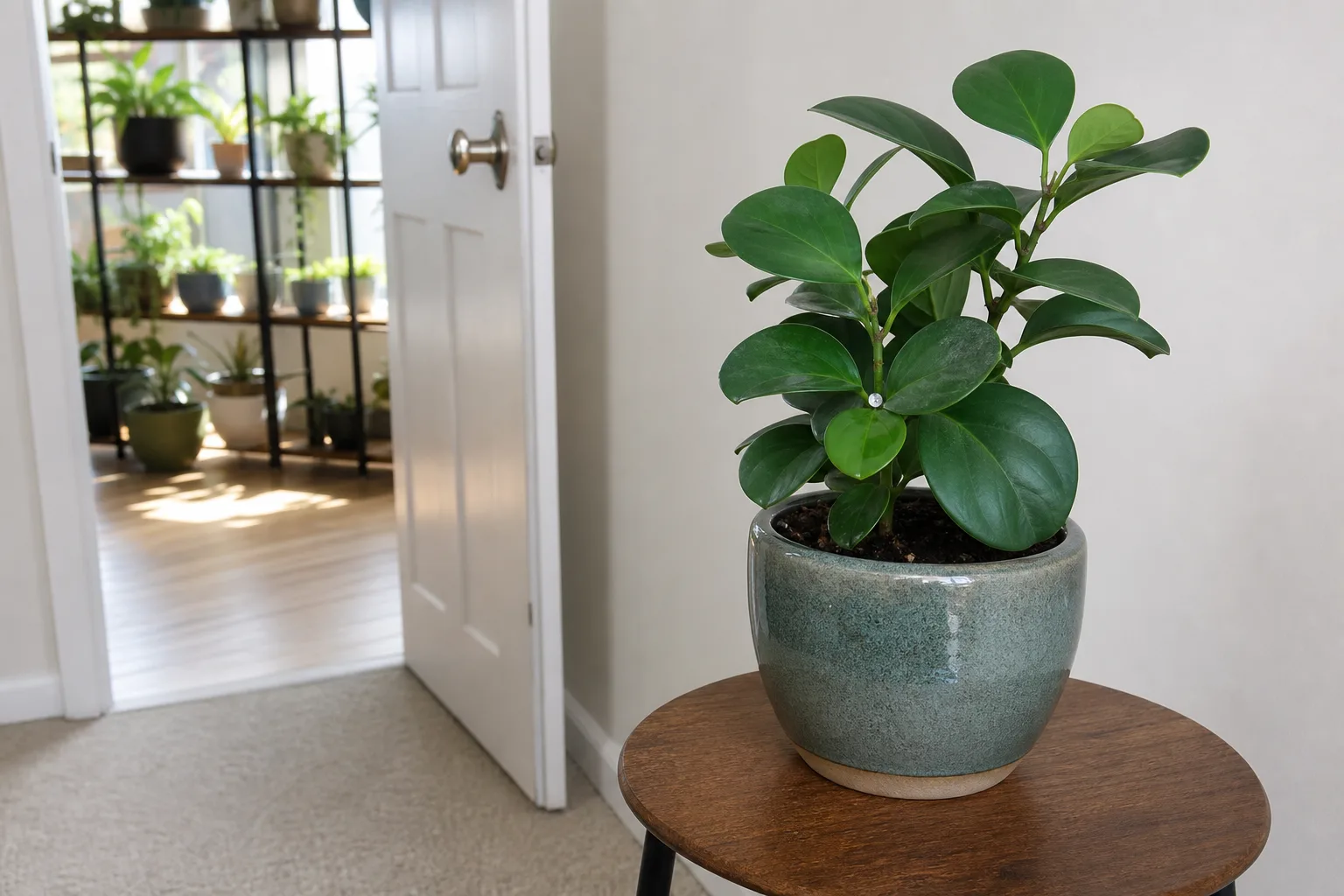
Quarantine is not the same as placing a plant three inches away from the others. Use a separate room or a genuinely distant area for at least the first week, and check it again several times. Eggs and crawlers may not be obvious during the first inspection. A plant with a heavy infestation, severe root rot, or a history of repeated treatment may not be worth bringing into a tightly packed indoor collection; taking a clean cutting can be the lower-risk way to preserve the cultivar.
Changing all the potting soil is not automatically necessary and can add root disturbance at the worst time of year. Remove contaminated surface debris, repot only when the mix is diseased, waterlogged, or full of pests, and never move garden soil into indoor containers simply because it is available. Use a clean container and an appropriate sterile potting mix if a repot is genuinely needed.
Acclimate Outdoor Sun and Wind Before the Move
A plant does not experience “temperature” as the only change. It also loses the intense light, breezes, rain, and wide day-to-night fluctuations that shaped its outdoor leaves. Bringing a plant from full sun straight into a dim corner can trigger leaf drop or weak new growth; moving it from a breezy patio to a stagnant, heated room can make pests and fungal problems harder to notice.
For healthy plants that are not facing an immediate frost, shift the pot to a protected, partly shaded location for about one to two weeks. Homes & Gardens recommends a shadier pre-entry period for plants moving from bright outdoor conditions. Use the longer end of that range for a plant coming from harsh afternoon sun or a windy roof, and the shorter end when cold weather is approaching.
This is a reduction in light, not a reason to starve the plant. Keep checking soil moisture and avoid placing the pot in standing rain. Remove spent flowers and damaged leaves, but postpone heavy shaping until you know whether the plant is meant to stay active or go dormant.
Build the Winter Landing Zone
The landing zone should be ready before the plant arrives. Put a saucer under every pot, confirm that drainage holes are open, and leave enough space to inspect each plant without moving an entire shelf. Keep plants away from radiators, forced-air vents, fireplaces, cold glass, and exterior doors that create repeated hot-cold swings.
Set up an active-growth room
Active plants need the strongest usable light you can provide. A bright south- or west-facing window can work for sun-loving herbs and many tender annuals, but glass, winter sun angle, overhangs, and cloudy weather all change the result. Put the plant close enough to the window to receive light without letting foliage touch cold glass, and rotate it weekly if growth leans.
If the plant stretches, produces unusually small leaves, or loses color, add a grow light rather than immediately adding fertilizer or water. Keep the fixture at the distance recommended for that light and plant, use a timer for a consistent day length, and provide a dark period. A grow light is a supplement for insufficient light, not a cure for soggy roots or cold drafts.
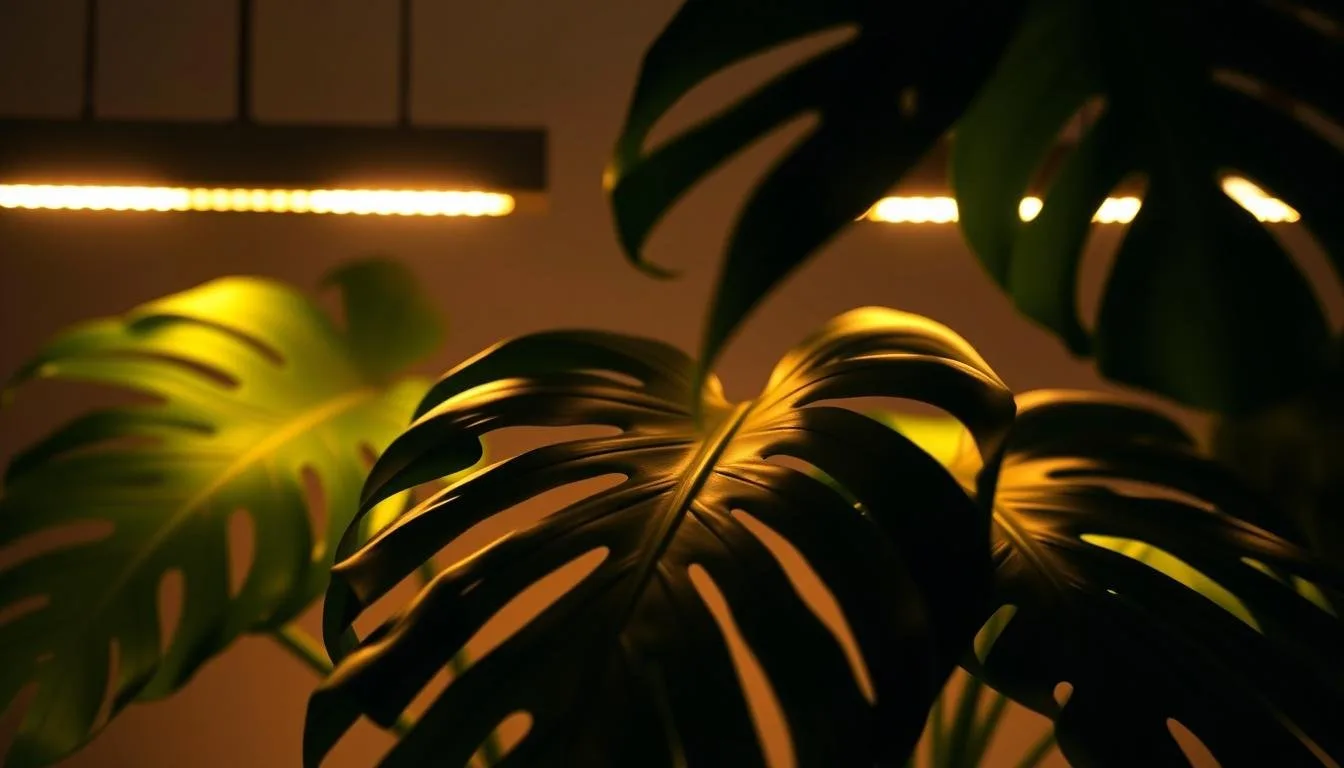
Group plants loosely so air can move around their foliage. Humidity may be lower in a heated home, but raising humidity without ventilation can create a damp, pest-friendly pocket. A room humidifier monitored with a hygrometer is more predictable than constant misting, and no humidity method should leave a pot sitting in water.
Set up a dormant space
Dormant plants need protection from freezing more than they need a living-room makeover. An unheated garage, basement, shed, greenhouse, or cold frame can work when it stays above the plant’s safe minimum and does not flood, freeze solid, or fluctuate wildly. A dark space is acceptable for a truly dormant deciduous plant; a semi-dormant evergreen or a plant showing new growth needs some light.
Stand pots off a freezing concrete floor if possible, cluster them to reduce exposed surface area, and keep them away from a garage door or drafty window. Do not seal plants in airtight plastic. Condensation and trapped wet foliage can encourage rot, while a protected room still needs occasional ventilation during mild weather.
Terracotta deserves extra caution. Porous clay can absorb water and crack during freezing conditions, so move vulnerable clay containers to a frost-free space or use a more freeze-tolerant container for plants that must remain outside. The container itself can fail even when the plant would have survived the temperature.
Give Active Plants Enough Winter Light
“Bright indirect light” is not a universal indoor location. It may mean a plant is a few feet from an unobstructed window, while a room across the house receives far less usable light. Judge the plant by what it does over several weeks: compact new growth and stable leaf color suggest the setup is working; long gaps between leaves, leaning stems, pale new growth, or persistent leaf drop suggest a light problem or another stressor.
Sun-loving outdoor plants often need supplemental lighting indoors. This is especially true for basil, citrus, peppers, geraniums, and flowering plants that you expect to keep producing. If a plant is being held dormant, do not force it into active growth with a warm room and a lamp unless you can also meet its water and nutrition needs.
A window can be both too weak and too harsh. A plant moved from outdoor sun may scorch when placed against a hot, unfiltered pane, while a plant near a cold pane can suffer temperature stress. Sheer curtains, a little distance, or a brighter-but-not-hot position can make the transition more stable.
Water by Growth and Soil, Not by Calendar
Winter watering is where many healthy plants are lost. Once a pot leaves the open air, rainfall stops reaching it, but evaporation and plant demand may also fall. A dormant plant in a cool room may need water only occasionally; an actively growing plant beside a bright window or heat source may dry sooner.
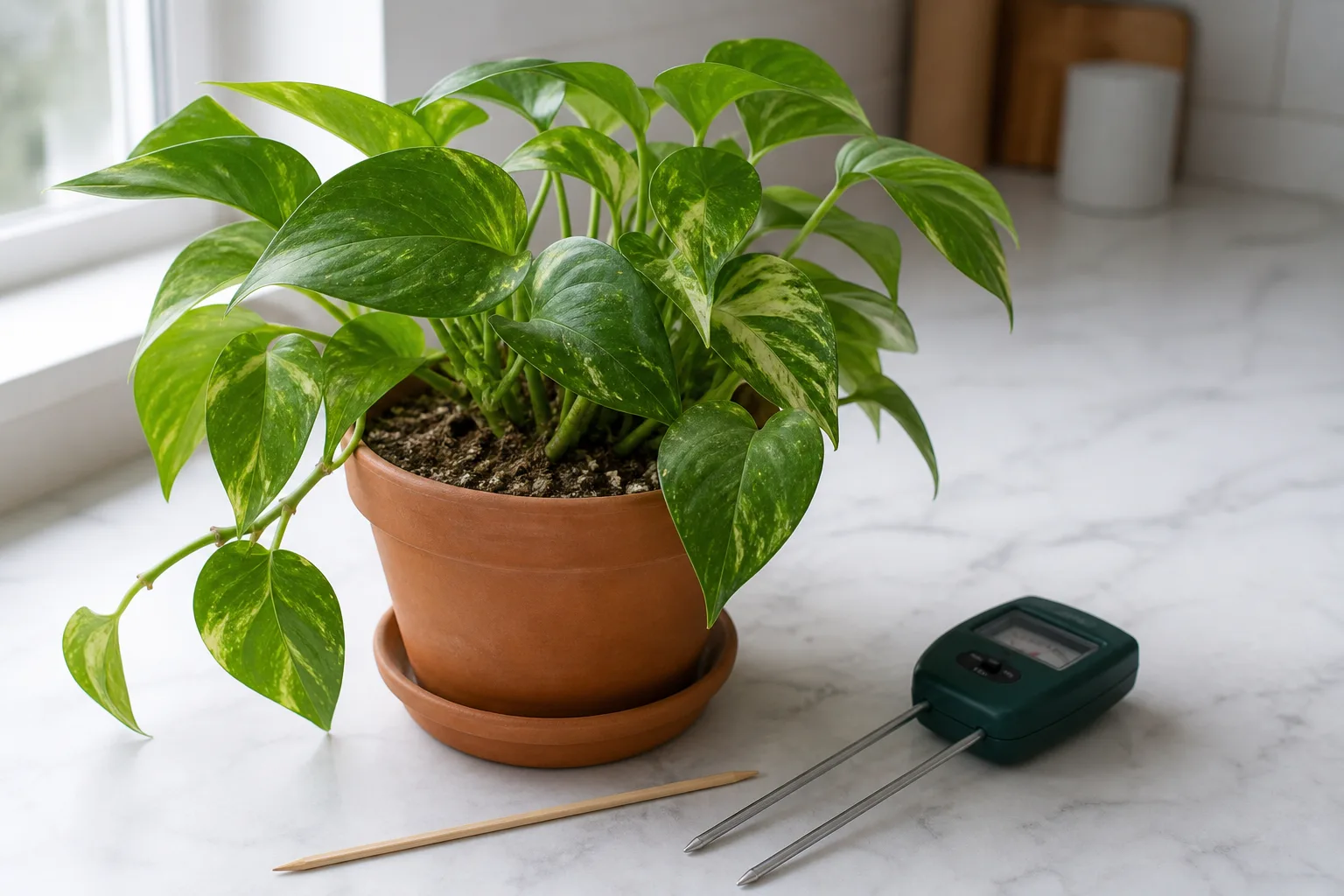
Check the soil before watering. Push a finger into the upper few inches, lift the pot to compare its weight with a recently watered pot, or use a moisture meter as a secondary clue. If the mix still feels cool and damp, wait. If the plant is wilted but the soil is wet, do not assume thirst; inspect roots, drainage, light, and temperature instead.
When water is needed, water thoroughly until some drains from the bottom, then empty the saucer. A small splash on a fixed schedule can leave the upper mix wet while the root ball remains unevenly hydrated. Constantly wet soil deprives roots of air and raises the risk of root rot, a concern emphasized in both Homes & Gardens’ winter-care guidance and the practical watering notes from Wilson Bros Gardens.
Do not let a leafless plant’s old summer schedule control winter care. When foliage drops, transpiration and water use fall too; keep watering because the calendar says so and the roots may sit wet for weeks. Dormant plants should remain slightly moist rather than bone-dry, but “slightly moist” is a condition to check, not a fixed number of cups.
Read the first symptoms after the move
Leaf drop during the first weeks can be a temporary response to the change in light, humidity, temperature, and airflow. Remove leaves that are fully dead, reduce watering to match the remaining foliage, and look for new growth or stem firmness before declaring the plant lost. A leaf drop that continues with stretched new growth points more strongly to low light; sudden collapse in wet soil points to root trouble.
Yellow leaves are not a diagnosis by themselves. Check whether the soil is wet, whether the oldest leaves are affected, whether the plant is near a vent, and whether pests are visible. Crispy edges can come from dry air, drought, hot glass, salt buildup, or root damage. Treat the cause you can verify rather than stacking several fixes at once.
If you see fine webbing, stippling, sticky residue, cottony clusters, or raised brown scale, isolate the plant again. Early detection and repeated label-directed treatment are safer than spraying a whole collection “just in case.”
Pause Fertilizer and Time Pruning Carefully
Do not fertilize a plant simply because it has moved indoors. Dormant and slow-growing plants cannot use a full summer feeding program, and fertilizer salts can accumulate when watering is reduced. Homes & Gardens advises waiting until spring growth resumes before feeding overwintered plants.
There is one important distinction: a tropical plant kept warm under strong light may remain actively growing. Once it is clearly producing healthy new leaves—not merely stretching or trying to recover—resume a conservative feeding routine suited to that species and container mix. Follow the fertilizer label, and do not compensate for weak light with extra nutrients.
Pruning follows the same logic. Remove dead, diseased, or badly damaged tissue, but avoid a dramatic haircut unless the plant’s winter method calls for it. Taking cuttings from healthy coleus, impatiens, or geranium before frost can be smarter than forcing a huge outdoor specimen into a small room. Deciduous dormant shrubs can tolerate more structural pruning at the appropriate season, while a plant that needs spring flowers may lose its display if you cut off developing wood.
Adjust the Plan for Common Outdoor Plant Groups
Herbs split quickly by type. Basil is a warm-season annual that needs strong light, warmth, and careful watering to keep producing. Rosemary and lavender prefer sharp drainage, strong light, and restrained watering; keeping either in a dark, wet room is a recipe for decline. If a plant is too large for the space, preserve a clean cutting where the species roots readily rather than sacrificing the whole collection to crowding.
Geraniums and fuchsias can be kept as active plants in bright conditions or held more slowly in a cool, bright space, depending on the cultivar and the goal. If you want winter flowers, supply the light and water needed for active growth. If you only want a head start for spring, cool conditions and less water may be more appropriate.
Figs, citrus, and gardenias need more careful judgment. Citrus generally needs light and warmth if it is to remain active, and it may attract scale or mites indoors. A deciduous fig may lose leaves as it enters dormancy; do not place it in a hot, dim room and then water it heavily. Gardenias can be challenging because they dislike abrupt environmental changes and may drop leaves or buds; a stable, bright, humid-but-ventilated location is more useful than frequent moving.
The Royal Horticultural Society’s advice on tender plants is a useful reminder that bringing a plant inside is only one winter-protection method. When moving a large or hardy specimen is impractical, outdoor shelter, insulation, mulch, or wrapping may be better—provided the plant’s species and local weather make that approach appropriate. Covers need ventilation and staged removal in spring; trapped moisture can rot crowns and stems.
Harden Plants Back Outdoors in Spring
The return trip can undo a successful winter if you rush it. Indoor foliage grown under weaker light is tender, and a plant that has spent months in still air can be damaged by direct sun and wind. Wait until the plant’s minimum temperature is safe for its species and the local frost risk has passed; a warm afternoon alone is not enough.
Start on a mild, overcast day or in bright shade for a few hours. Bring the pot back inside overnight. Over the next several days, extend the outdoor time and introduce gentle morning sun before stronger afternoon exposure. A seven- to ten-day schedule is a reasonable starting point, but stretch it longer for tropicals, tender new growth, or a plant that already lost leaves.
Watch the foliage after every stage. If leaves bleach, curl, scorch, or wilt despite moist soil, step back to brighter shade for another few days. Once the plant can stay outside through a full day and the nights remain reliably safe, move it to its final position and resume care based on outdoor light, wind, and rainfall rather than its winter routine.
Plants that were dormant need a separate restart. Gradually increase light and watering as buds swell or new shoots appear, but protect early growth from a late frost. For pots overwintered outdoors under mulch or wraps, remove heavy protection in stages on mild days. The RHS recommends staged removal or a dull day so plants can acclimatize rather than jumping from shelter to exposure.
Conclusion
Keeping outdoor plants alive indoors through winter is mostly an exercise in matching the plant to the right kind of protection. Tender annuals and tropicals usually need light, warmth, and active-growth care. Temperate plants may need a cool, frost-free rest. Hardy plants in containers may be better served by insulation and shelter outdoors than by a warm room.
Move before damaging frost, reduce outdoor stress gradually when time allows, quarantine every incoming pot, and let growth status determine light, water, fertilizer, and pruning. Then reverse the process in spring with a patient hardening-off period. The goal is not to make every plant look like summer in January; it is to deliver each plant healthy enough to resume strong growth when its season returns.



