How to Grow and Care for Lemon Thyme in Any Garden
Learn how to grow lemon thyme for fragrant leaves and flowers: choose a cultivar, plant it in fast-draining soil, water by conditions, and prune safely.
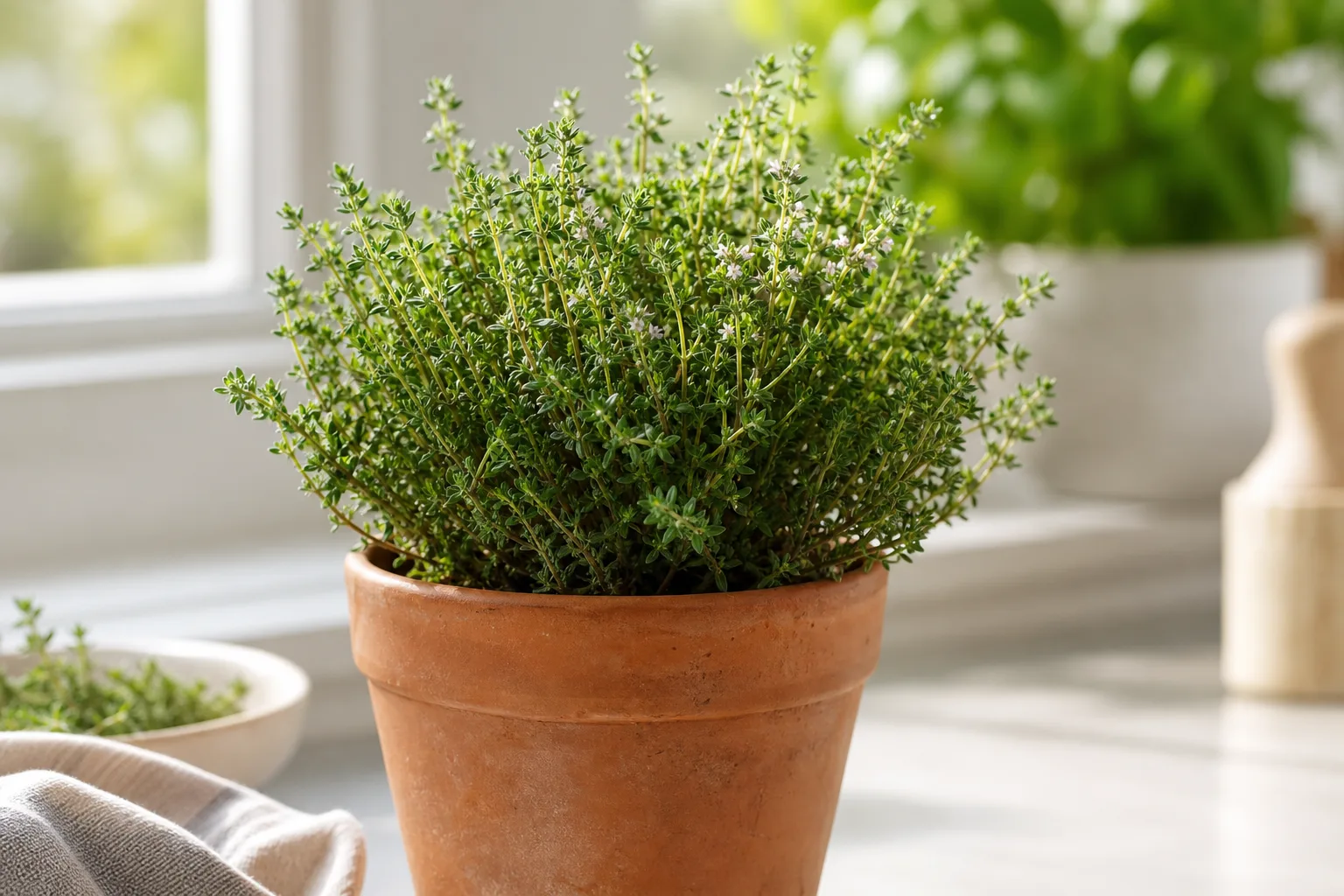
Lemon thyme earns its place twice: its small leaves bring a clean citrus note to food, and its compact, often flowering mound fits an herb bed, gravel garden, or sunny pot. It is forgiving when its roots stay on the dry side, but it can decline quickly in heavy, waterlogged soil or a shaded spot. Start by choosing the right plant and the driest sunny place you have; those two decisions solve more problems than a complicated feeding or watering schedule.
The label may read Thymus citriodorus or Thymus × citriodorus. NC State Extension uses the latter and treats lemon thyme as a distinct species; the RHS lists T. citriodorus as the correct name. Since references differ, choose by cultivar, lemon scent, and growth habit rather than rejecting a plant over its botanical label. NC State Extension and the RHS profile show the naming variation.
Lemon Thyme at a Glance
| Growing factor | Practical target |
|---|---|
| Plant type | Woody-based, evergreen perennial herb in the mint family |
| Typical habit | Compact mound or spreading clump; cultivar determines the shape |
| Approximate mature size | About 6–12 inches tall and up to 12–24 inches wide, depending on cultivar and conditions |
| Light | Full sun; aim for at least six hours of direct light |
| Soil | Lean, sandy or gritty, and sharply drained |
| Water | Keep new roots lightly moist as they establish; let established plants dry between deep waterings |
| Container | Drainage holes are essential; a modest, wider pot works well |
| Flowers | Small pink to lilac flowers, usually in late spring or summer |
| Uses | Culinary leaves, edging, rock gardens, containers, and pollinator plantings |
Treat these sizes and winter limits as guides, not guarantees. NC State describes lemon thyme as a low mound for sunny, well-drained sites and lists container and pollinator-garden uses. Cultivars vary, so check the label before choosing a permanent spot. Its plant profile distinguishes lemon thyme from common and creeping thymes.
Start With the Right Plant
The common name “lemon thyme” covers plants sold under different species and cultivar labels. The scent should be unmistakably citrusy when you rub a leaf gently between your fingers; if the plant smells mainly earthy or peppery, it may be common thyme rather than the lemon-scented selection you intended. A nursery label with a cultivar name gives you more information about leaf color and eventual shape than the common name alone.
Read labels by aroma and growth habit
Some lemon thymes form a small upright mound suited to frequent kitchen harvesting, while others sprawl lower and work better as edging or groundcover. Cultivars such as ‘Archers Gold,’ ‘Doone Valley,’ ‘Silver Queen,’ and ‘Variegata’ are grown partly for gold, silver, or cream-edged foliage; that ornament can be just as important as the flavor. North Carolina State’s plant profile lists several of these cultivars, and the RHS notes that lemon-scented selections range from low growers to mounded shrubs. The RHS thyme-growing guide recommends comparing aroma, foliage, and habit when choosing among thymes.
For cooking, choose a strongly scented plant with stems you can reach easily. A low cultivar suits a path edge or rock garden but is harder to harvest cleanly. Ask the nursery about culinary use and expected spread; names and availability vary by region.
A nursery start is the simplest choice for one or two plants because it gives you an immediate, correctly labeled specimen. Choose a plant with several healthy green tips, a firm base, and no sour smell from the potting mix; avoid a specimen whose lower stems are black or mushy. You can also root a cutting from a plant whose flavor and foliage you already like, which is often better than gambling on an unnamed seed packet.
Pick a Sunny, Dry Planting Site
Lemon thyme needs a warm site with strong direct light. Aim for at least six hours of sun each day; in a partly shaded bed it may survive, but stems often stretch toward light and the mound can become open rather than compact. A hot, sunny edge of a path or a south- or west-facing container position is usually more suitable than a cool corner beneath shrubs.
In very hot regions, afternoon shade may keep a new pot from drying too fast, but deep shade is not a substitute for sun. Indoors, use the brightest window available or a grow light; a dim counter will lead to stretched, weak growth. Epic Gardening’s lemon thyme guide also emphasizes strong light.
Soil and drainage come first
The more important soil question is not “How rich is it?” but “How quickly does excess water leave?” Lemon thyme tolerates lean ground better than dense, persistently damp soil. Sandy, gritty, shallow, or rocky soil can suit it, while heavy clay and low spots that stay wet after rain are poor candidates for a permanent planting.
Check the site after heavy rain. If water pools or soil stays wet, use a raised bed or pot instead of trying to amend the whole area. A little sand rarely fixes clay and can make it denser; in containers, mix grit or perlite into potting medium rather than using garden soil.
Lemon thyme grows in a range of soil reactions, so do not add lime or sulfur without a soil test showing a reason. The RHS describes thyme as suited to free-draining soil and recommends grit in container compost; its advice is more useful here than chasing a precise pH number for a small herb bed. The RHS growing guide also recommends raised beds or containers where heavy soil stays damp.
Plant Outdoors Without Burying the Crown
Plant a nursery-grown lemon thyme in spring after the last expected frost, once the ground is workable. In regions with mild autumns, an earlier fall planting can work if the plant has time to root before cold weather, but spring is the safer choice where winters are severe or wet. Space plants about 8–12 inches apart for a compact edging or 12–18 inches apart if the cultivar is expected to spread; use the label’s mature width to refine that spacing.
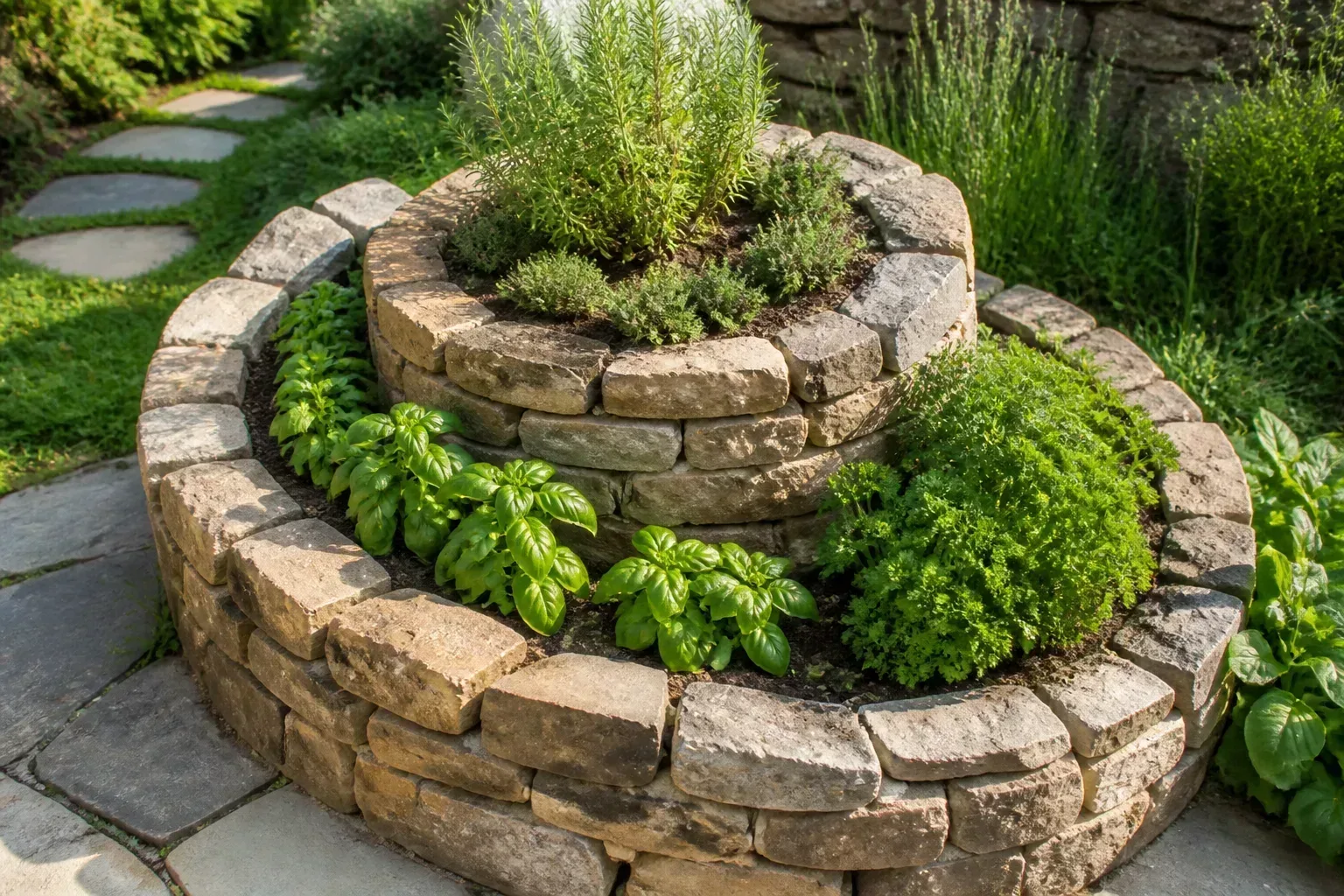
Water the nursery pot first, then loosen only tightly circling roots. Plant at the same depth, keep stems above soil, and water to settle the root zone. While roots establish, prevent the original root ball from drying out completely but let the surface begin to dry between drinks.
Planting at the original depth and matching spacing to the variety help prevent crowding and crown rot. A thin grit top-dressing can lift low stems off damp soil, but keep the crown uncovered. RHS planting guidance recommends containers or raised beds when ground stays damp.
Grow Lemon Thyme in a Container
A pot is often the best solution when garden soil is heavy, winter rainfall is persistent, or the planting needs to sit close to the kitchen. Choose a pot with several open drainage holes and enough width for the selected plant’s mature habit. The RHS gives a minimum container size of about 6 inches across and 4 inches deep for one thyme; a pot around 8–10 inches wide is a more forgiving starting size for a single specimen because it dries less abruptly and leaves room for growth.
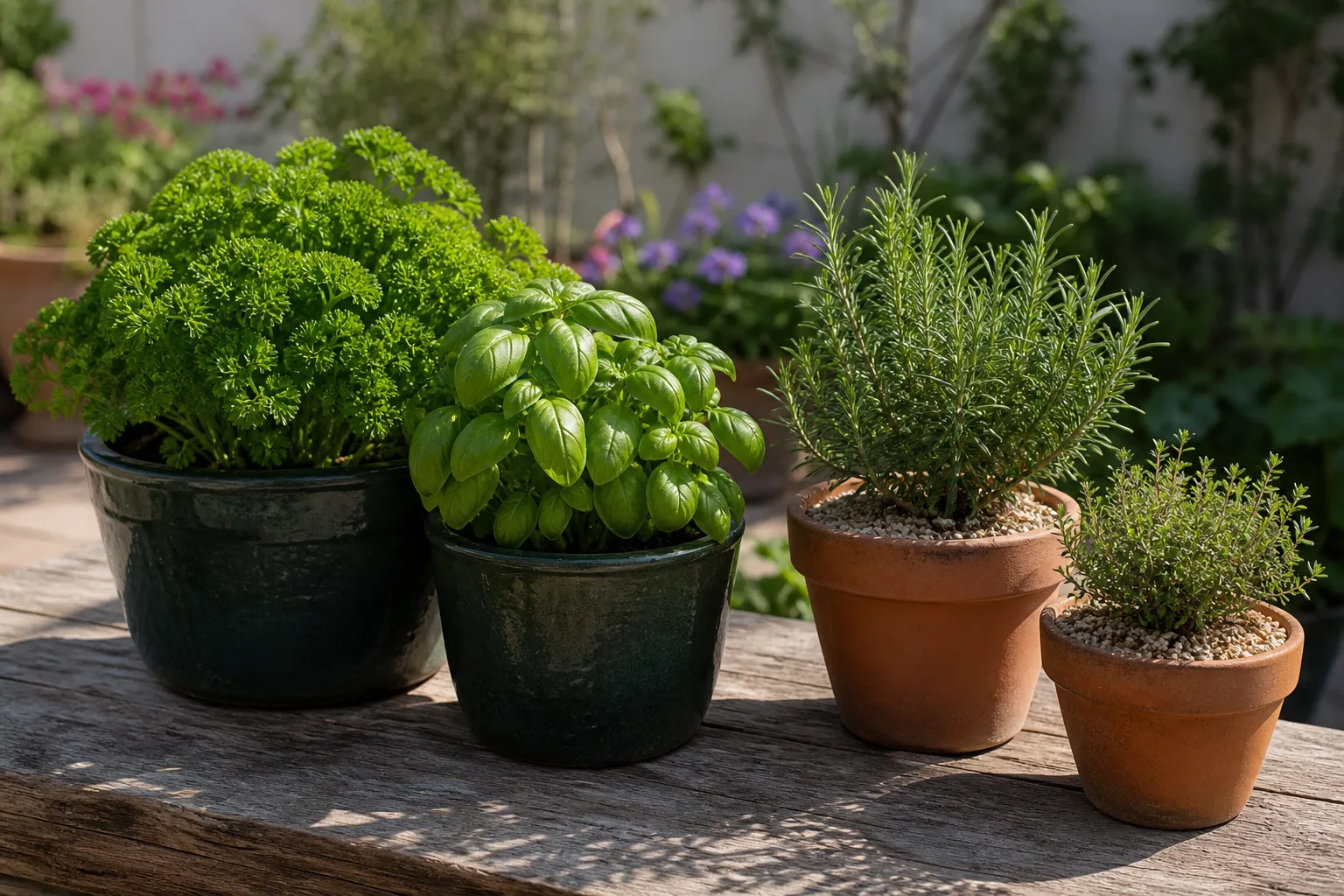
Use free-draining potting mix, adding grit or perlite if it stays wet too long. Stones in the bottom do not replace drainage holes; raise the pot slightly and empty its saucer after watering.
Check containers more often because their root zones warm and dry faster. Feel a couple of inches below the surface or lift the pot; when the mix has dried, water until it drains, then let the pot empty fully. Terracotta dries faster than plastic, so adjust checks to pot material and weather.
Indoor lemon thyme still needs strong light and airflow. A bright window, modest watering, and space around the foliage limit stretched growth and persistent dampness; a cool, bright porch may be better than a warm, dim room in winter.
Water According to Roots, Not a Calendar
There is no reliable universal schedule such as “every two weeks” because a plant in a raised bed during a hot summer dries differently from one in a cool clay garden or a small terracotta pot. During the first few weeks after planting, check the soil more often and water when the root zone begins to dry; new roots cannot yet reach moisture beyond the original nursery ball. Once established, allow the soil to dry between thorough waterings and give extra water only during a genuine prolonged dry spell.
For an in-ground plant, inspect the root zone rather than the dry surface. If soil a couple of inches down is still cool and damp, wait; when it dries, water deeply and let it drain. Shallow, frequent sprinkling keeps the crown damp.
For pots, check more often in heat and wind. Soil that stays wet for days, yellow lower leaves, or a soft dark base points to excess moisture. The RHS identifies wet conditions as a root-rot risk, and Penn State Extension notes that established thyme needs little watering.
Skip Heavy Fertilizer
Lemon thyme does not need the feeding routine used for leafy annual herbs such as basil. In reasonably fertile garden soil or fresh potting mix, skip fertilizer in the first season and watch the plant. If it is making compact, healthy growth, additional feed adds work without solving a problem.
If an old container plant slows after several seasons, refresh some mix or give a light balanced feed during spring growth. Skip late-season fertilizer. Pale leaves call for a check of light, drainage, and roots first; feed cannot repair rot.
Prune for New Growth, Not Bare Wood
Light pruning keeps lemon thyme compact and removes spent flower tips, but aggressive reshaping can leave a woody shrub with no buds from which to recover. Trim lightly in spring or soon after flowering, using clean snips to shorten green, leafy growth above a visible leaf junction. Keep some fresh foliage on every stem instead of shearing all the way down to bare brown wood.
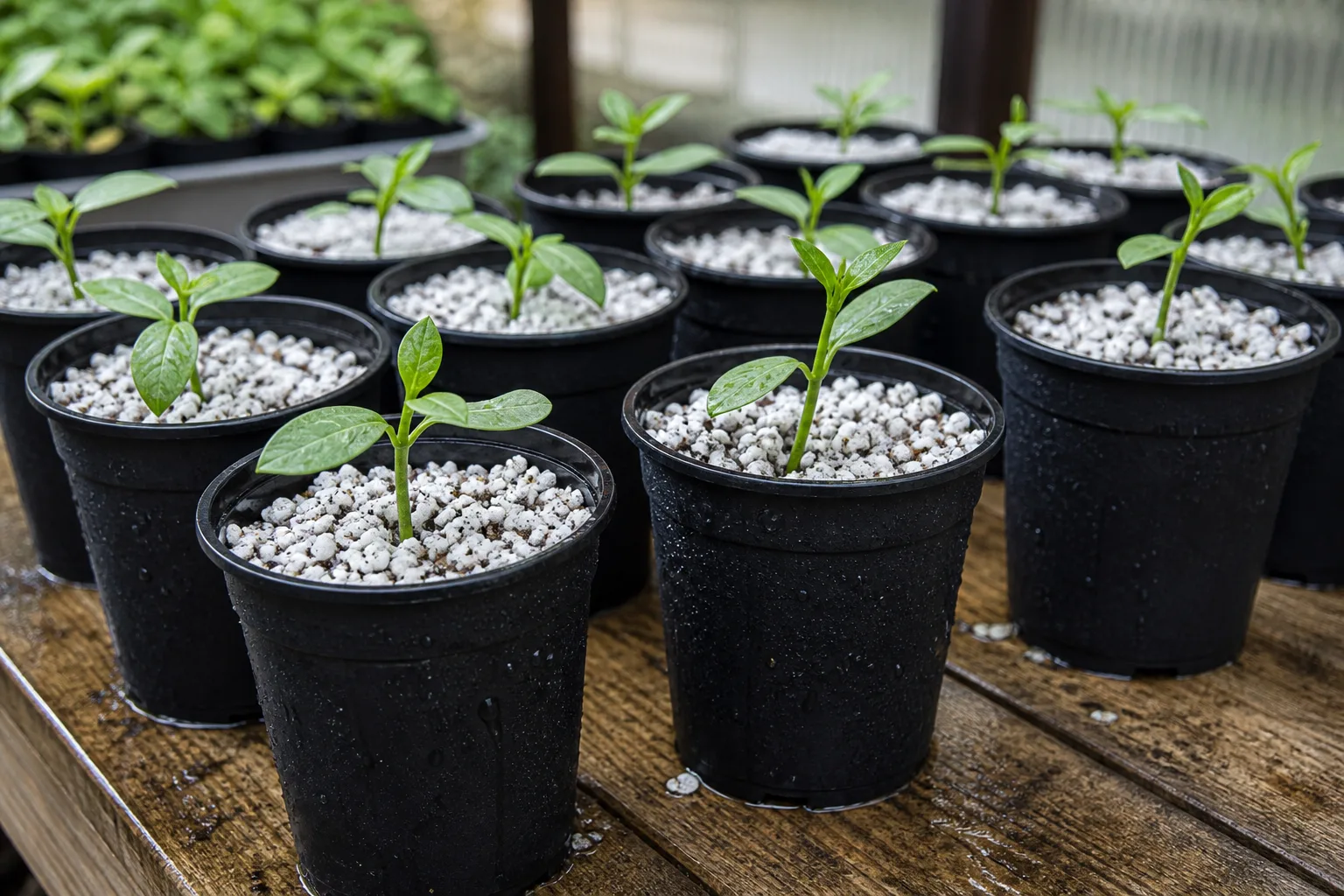
Harvesting sprigs already provides light pruning. If the plant gets leggy, check sunlight and crowding; a haircut will not fix either cause. After flowering, remove spent tips but leave leafy growth in place.
Older thyme often develops a woody center and becomes sparse with age. The RHS cautions that hard pruning into old wood may not produce new shoots, so replacing the plant with a rooted cutting is generally safer than cutting it back to a stump. If you want to experiment with a deeper spring trim, do it on a small portion of the plant first and keep a backup cutting rather than risking the entire specimen. RHS pruning guidance favors light trims and replacement when shrubby plants become straggly.
Harvest Leaves and Flowers Without Weakening the Plant
For the cleanest flavor, gather leafy tips during active growth, especially in late spring and early summer before stems become coarse. Harvesting in the morning after dew has dried is a sensible routine for keeping sprigs clean and aromatic, but you do not need to wait for one precise day or refuse a useful harvest because the plant has started to bloom. Lemon thyme flowers are also edible and can be used as a mild, attractive garnish.
Use scissors to clip leafy stems just above a pair of leaves or a branching point. Take a small amount often instead of stripping the entire mound, and do not cut low into bare woody sections. A young plant should be allowed to establish before you start taking substantial harvests; if it was planted this spring, pinch or snip only a few tips until it has filled out with new growth.
Fresh leaves work well with fish, poultry, vegetables, beans, marinades, and citrus-forward dressings. Add them late in cooking when you want the lemon fragrance to remain distinct, or use a few flowers as a finishing garnish. For longer storage, dry clean sprigs in an airy, shaded place and keep the leaves in an airtight container once fully crisp; alternatively, strip the fresh leaves and freeze them in small recipe-sized portions. The RHS notes that young thyme growth has the best flavor and that flowers share the leaves’ flavor. The RHS harvest guide supports harvesting throughout the year when foliage is available, with fresh growth particularly useful.
Propagate a Reliable Copy of Your Plant
If you like the exact scent, leaf color, and shape of a lemon thyme cultivar, use vegetative propagation. A cutting, layer, or division is a genetic copy of the parent, while seedlings can vary, especially when the parent is a named cultivar. That difference matters when you bought a golden-leaved selection or a plant with a specific compact habit.
Root soft tip cuttings
Take a 3–4 inch cutting from healthy, non-flowering green growth in spring or early summer. Remove the leaves from the lower part of the stem, insert it into a small pot of moist, free-draining propagation mix, and place it in bright light out of direct midday sun while roots form. Keep the medium slightly moist, not saturated; a clear cover can conserve humidity, but lift it regularly so the cutting gets fresh air and does not stay wet.
After several weeks, test gently for resistance; new leaves alone do not prove the cutting has roots. When it holds in the mix and resumes growth, acclimate it to outdoor sun and wind. Gardener’s Path describes spring cuttings as a way to preserve a selected plant.
A low stem touching soil may root naturally; sever and transplant it once rooted. Division also works on a broad, healthy clump, but each section needs sound roots and leafy stems.
Sow seeds when cultivar identity is not essential
Seed can be useful if you want several plants for a border, but germination and early growth are slower and seed may not reproduce a named cultivar faithfully. Sow on the surface of fine seed compost because the seeds are small, keep the tray warm and evenly moist, and give seedlings strong light once they emerge. Thin or transplant them after they develop several true leaves, then harden them off before they go outdoors.
Do not keep a seed tray waterlogged; seedlings can fail from excess moisture. The RHS says seed-grown thyme may take about a year to establish for harvest, while Penn State notes that some seed-grown thyme takes several years. For a predictable lemon scent, buy a named start or root a cutting. RHS and Penn State Extension explain the seed trade-off.
Protect Lemon Thyme Through Winter
Lemon thyme may remain evergreen in mild climates and lose some leaves or pause growth where winters are colder. The NC State plant profile lists a hardiness range of USDA zones 5a through 8b, but zone labels are not a promise that every cultivar will survive every winter. Cultivar, wind exposure, snow cover, container size, and—especially—whether the roots sit cold and wet all influence the result.
Winter protection starts with drainage, not thick wet mulch. Keep the crown clear of leaf piles and, in rainy regions, consider temporary shelter. Move pots under an eave or near a wall while keeping drainage holes open; avoid a heated, dim room.
Container roots are more exposed to cold than garden roots. If your cultivar is near its cold limit, shelter or insulate the pot while leaving drainage open and water sparingly during dormancy. The RHS warns that wet winter soil can rot roots, so a hardiness rating is not a guarantee. RHS winter advice and NC State’s hardiness listing are useful regional references.
Diagnose Common Lemon Thyme Problems
Most problems reflect a mismatch between lemon thyme’s dry-site preferences and its growing conditions. Check stems and soil before treating foliage: brown leaves can signal wet roots, a dry pot, cold injury, or normal aging. Change one condition at a time.
Read brown, yellow, and stretched growth as clues
- Yellow leaves with wet soil or a soft base: Suspect overwatering or root rot. Stop watering, empty the saucer, and let the mix dry; if a container plant smells sour or has mushy roots, remove the damaged roots and repot into fresh, airy mix. In the ground, move a valuable plant to a raised, well-drained position if the site stays wet.
- Dry, crisp leaves in a small pot: Check the root ball before assuming the plant wants a permanent increase in water. A root-bound plant or fast-drying terracotta pot may need a larger container or more frequent checks during hot weather; water thoroughly when the mix has dried, then allow drainage.
- Long, thin stems and a loose center: Increase direct light and reduce crowding. Do not compensate for shade with fertilizer or constant pinching; move the pot to a brighter location or take cuttings and restart it in a better site.
- Brown inner stems on an older plant: Some woody growth is normal as thyme ages. If the center is bare and the plant does not reshoot after light trimming, propagate healthy outer stems rather than cutting deeply into old wood.
- Fine webbing or tiny insects on young tips: Inspect the undersides of leaves and isolate a container plant if needed. Rinse off small pest populations and improve airflow; avoid spraying edible foliage with a product unless its label specifically permits use on herbs and follow the label exactly.
The RHS describes established thyme as trouble-free in sunny, well-drained conditions, and NC State flags root rot in wet soil. Check drainage and light before investigating pests. Aphids or spider mites can occur, but correct growing conditions first. NC State Extension and RHS problem-solving guidance stress dry, airy conditions.
Use Lemon Thyme in the Kitchen and Garden
Lemon thyme brings a more citrus-forward aroma than common thyme, making it useful when you want a hint of lemon without adding extra liquid or sharp acidity. Strip leaves from tender stems for salad dressings, marinades, roast vegetables, poultry, or fish; use whole sprigs to infuse oil or a pot of beans, then remove the woody stems before serving. Flowers can be eaten too, although their flavor is subtle and they are most useful as a garnish.
In the garden, place it beside a sunny path, at the front of a dry border, or in a movable pot near the kitchen. Let some flowers bloom for pollinators, and clip lightly for reachable shoots. It can share a dry container with rosemary, sage, or oregano, but not with moisture-loving herbs if their watering needs would keep thyme wet.
Do not rely on a planted thyme as a mosquito repellent or a cure for garden pests. A scented leaf is not the same as a tested repellent, and claims that one herb protects all nearby vegetables go beyond the evidence. Grow lemon thyme for its flavor, form, and flowers.
Conclusion
For reliable lemon thyme, choose a clearly scented cultivar, give it at least six hours of sun, and plant it where water drains freely. Establish nursery plants with enough moisture to root, then shift to deep, occasional watering based on the soil; pots need more frequent checks but still need a drying interval. Lightly trim leafy stems, harvest often without stripping the mound, and keep your pruning cuts out of bare old wood.
If you are unsure whether your site is too wet, grow lemon thyme in a pot or raised bed before committing a whole border. Root a cutting when you want to keep the exact fragrance and foliage of a plant you like, and protect it through winter by keeping the root zone dry. These simple choices make lemon thyme useful as a kitchen herb and attractive in a sunny garden for years.



