How to Grow and Care for Oxalis Plants
Oxalis care depends on species. Identify yours, plant its corms or rhizomes correctly, manage seasonal rest, and troubleshoot drooping or yellow leaves.
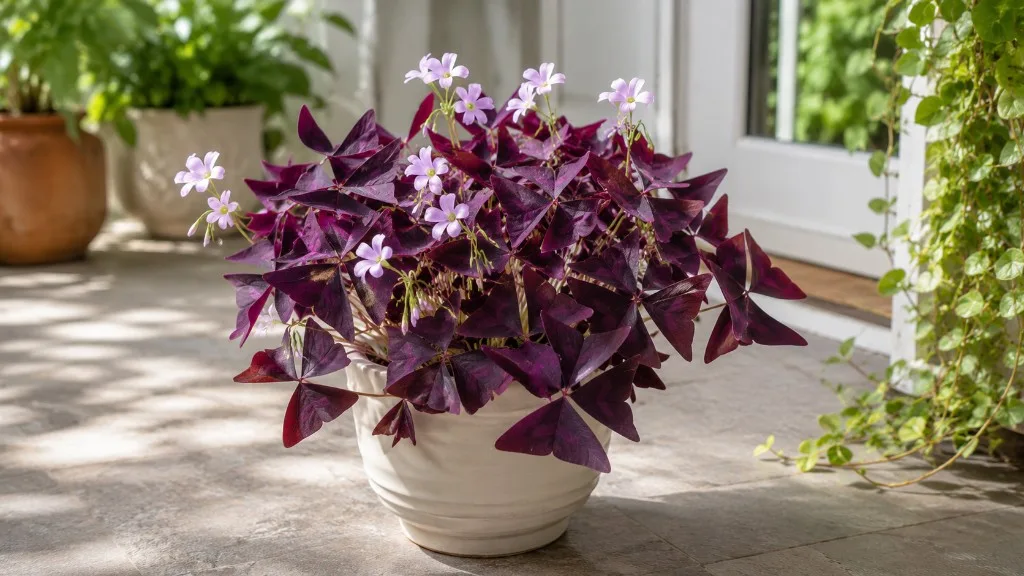
Oxalis care starts with one question: which oxalis do you have? The genus includes ornamental houseplants, seasonal flowering plants, and species that appear as garden ground covers or lawn weeds. The Royal Horticultural Society notes that Oxalis species may be annual or perennial and can have fibrous, bulbous, or rhizomatous underground growth, so their care and spread are not interchangeable (RHS Oxalis profile).
For a potted purple shamrock, give it bright light, a draining mix, and water when the upper soil begins to dry during active growth. If it loses its leaves as heat rises, check the underground rhizomes before deciding it has died. For an oxalis growing in a garden bed, identify the species before planting more; some spread readily and can become difficult to remove.
Start with the species on the label
Look for the botanical name on the nursery tag or order page. “Oxalis,” “shamrock,” and “wood sorrel” are broad common names, not a complete care label. A purple potted plant is often Oxalis triangularis, while a plant with green leaves, yellow flowers, or a creeping lawn habit may be a different species with a different seasonal cycle.
If the label is missing, compare several traits at once: leaf color and shape, flower color, whether stems creep or grow upright, and whether the plant has visible bulbs, corms, or rhizomes. These clues can narrow the possibilities, but a photo from a local cooperative extension or a botanical identification service is safer than guessing when you are deciding whether to plant a wild oxalis outdoors.
Purple shamrock and other ornamental oxalis
Purple shamrock, O. triangularis, is a common indoor ornamental grown for its triangular purple leaflets and pale flowers. Horticultural references describe its underground storage growth differently: the Missouri Botanical Garden calls it cormous and describes fleshy corms or rhizomes, while the RHS lists it as bulbous. Retail labels may simply say “bulbs,” so use the species-specific planting instructions rather than assuming every Oxalis has the same structure (Missouri Botanical Garden Plant Finder; RHS profile). Its leaflets can fold at night or when disturbed, a normal response described by the Missouri Botanical Garden—not a reliable sign that it needs water.
Other ornamental oxalis may be sold as corms or bulbs and may follow a different growth season. Flower color, foliage, underground structures, and active season can all vary, so use the exact name on the package to determine planting depth, outdoor hardiness, and when the plant grows or rests. BBC Gardening’s archived plant finder describes O. purpurea as a compact, non-spreading flowering oxalis, another reminder that one species’ behavior does not define the whole genus (BBC Gardening’s Oxalis profile). For care focused specifically on purple shamrock, see our purple shamrock growing guide.
Wood sorrels and spreading garden species
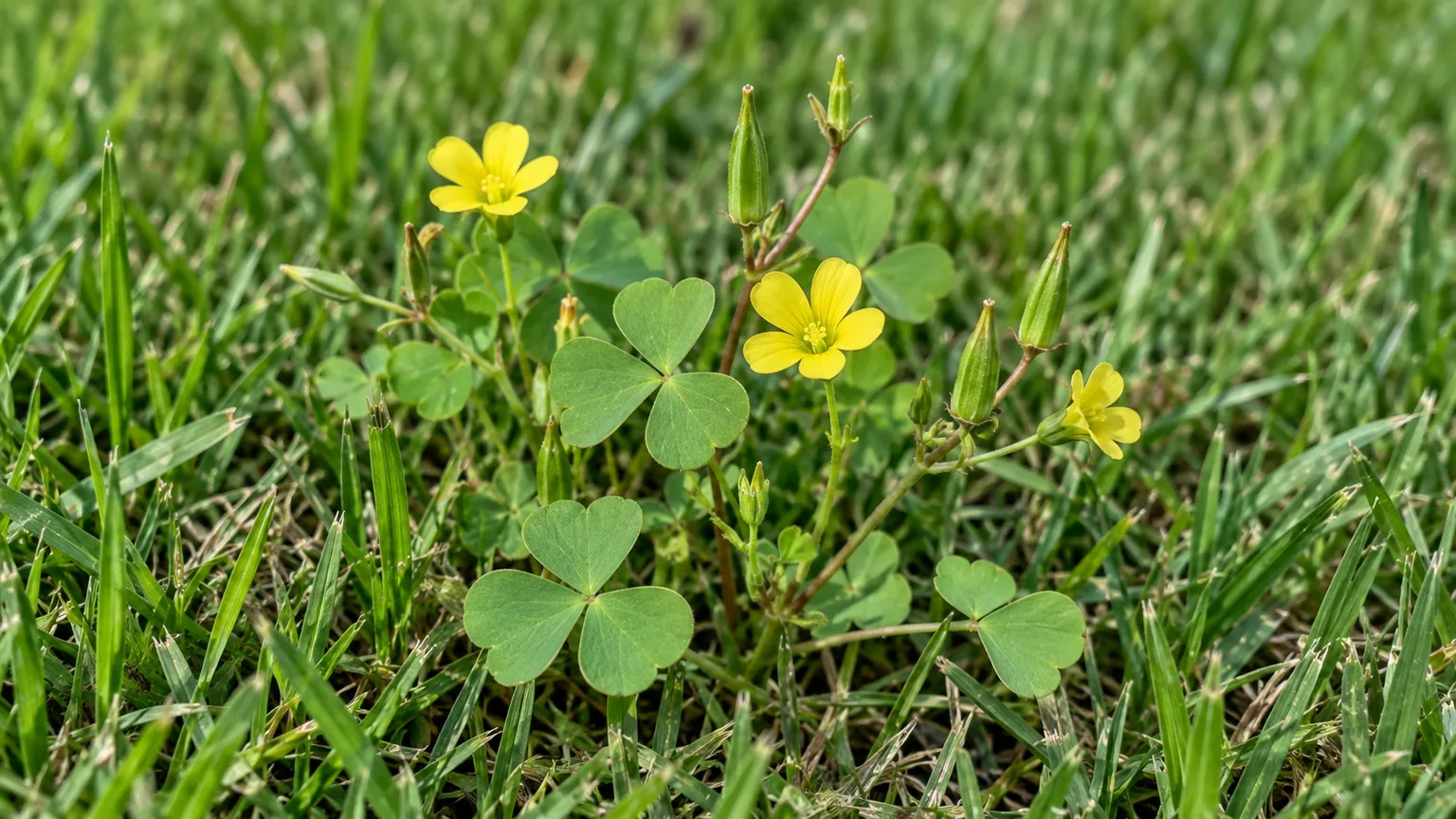
Low-growing wood sorrels may be intentional ground covers or unwanted lawn plants, depending on the species and location. The RHS describes different spread mechanisms among common problem species: O. corniculata can creep and set seed, while O. debilis and O. latifolia can spread by bulbils, with O. latifolia also producing rhizomes. That UK guidance is useful for recognizing growth forms, but local invasive status must be checked where you live (RHS guidance on Oxalis). This is a different management concern from keeping one purple shamrock in a pot.
Oxalis is not the same genus as clover, Trifolium. Both may have three leaflets, but oxalis leaflets often have a pronounced heart-shaped notch and its flowers are usually small and five-petaled; clover more often has rounded leaflets and clustered flower heads. Do not identify a plant from one trait alone, especially before using a weed treatment or moving soil.
Choose an indoor pot or an outdoor site
Container growing is the simplest option when you do not know the species’ local hardiness or spreading behavior. It also makes it easier to move a tender oxalis away from frost or intense summer heat. A drainage hole is essential; a decorative cachepot can surround the nursery pot, but empty water that collects in the outer container.
Plant directly in the garden only after checking the botanical name against local extension or invasive-plant guidance. A species sold as an attractive ground cover may travel beyond its bed by seed or underground parts. If you want the flowers without the risk of an expanding patch, grow it in a contained pot and remove seed-bearing stems before they mature.
USDA hardiness guidance applies to the named species, not the entire genus. Even when a species is listed for your zone, winter wetness, wind exposure, snow cover, and the drainage of the planting site can change whether it survives. In colder regions, treat an unverified oxalis as a container plant until you have reliable species-specific information.
Give oxalis the right light
Most commonly grown oxalis do best in bright light, but the amount of direct sun depends on species and climate. Indoors, an east-facing window or a bright position near a south- or west-facing window can work; filter hot afternoon rays if leaflets bleach, curl, or crisp. Outdoors, morning sun with afternoon shade is a useful starting point in hot-summer areas.
Light also affects the shape of the plant. A potted shamrock that stretches toward the window, produces sparse stems, or loses strong leaf color may need a brighter position. Epic Gardening recommends morning sun with protection from hotter afternoon exposure for container oxalis, while the RHS lists partial shade for O. triangularis; both support a bright position with afternoon heat moderated in warm climates (Epic Gardening; RHS profile). Move an indoor-grown plant outdoors in stages rather than setting it straight into midday sun, which can scorch foliage before it acclimates.
A few hours of direct sun can support compact growth and flowers, but do not treat “full sun” as a universal instruction for every species. A woodland oxalis and a sun-tolerant flowering type come from different habitats. If your plant wilts only during the hottest part of the day while its soil is damp, reduce heat exposure first instead of adding more water.
Use loose soil and a pot that drains
Oxalis needs soil that holds some moisture while letting excess water escape. The RHS describes O. triangularis as preferring moist but well-drained conditions, and Epic Gardening recommends loose mix rather than compacted soil for container-grown oxalis (RHS profile; Epic Gardening). For a houseplant, start with a quality all-purpose potting mix and add perlite or fine bark if the mix stays dense and wet for days. Garden soil is usually too heavy in a small container and may compact around the roots or underground storage organs.
Choose a pot with an unobstructed drainage hole and room for the root system, not a container several sizes too large. Oversized pots hold more wet mix than a small plant can use, so the center can stay saturated even after the surface appears dry. Terracotta dries more quickly than plastic or glazed ceramic; use that difference to match the pot to your watering habits and room conditions.
For an outdoor bed, loosen compacted soil and improve drainage before planting rather than putting a layer of gravel at the bottom of a planting hole. Compost can improve the soil structure, but it will not fix a site that stays waterlogged. If rainwater pools around the planting area, choose a raised or naturally free-draining spot or grow the oxalis in a pot.
Plant corms and rhizomes at the right time
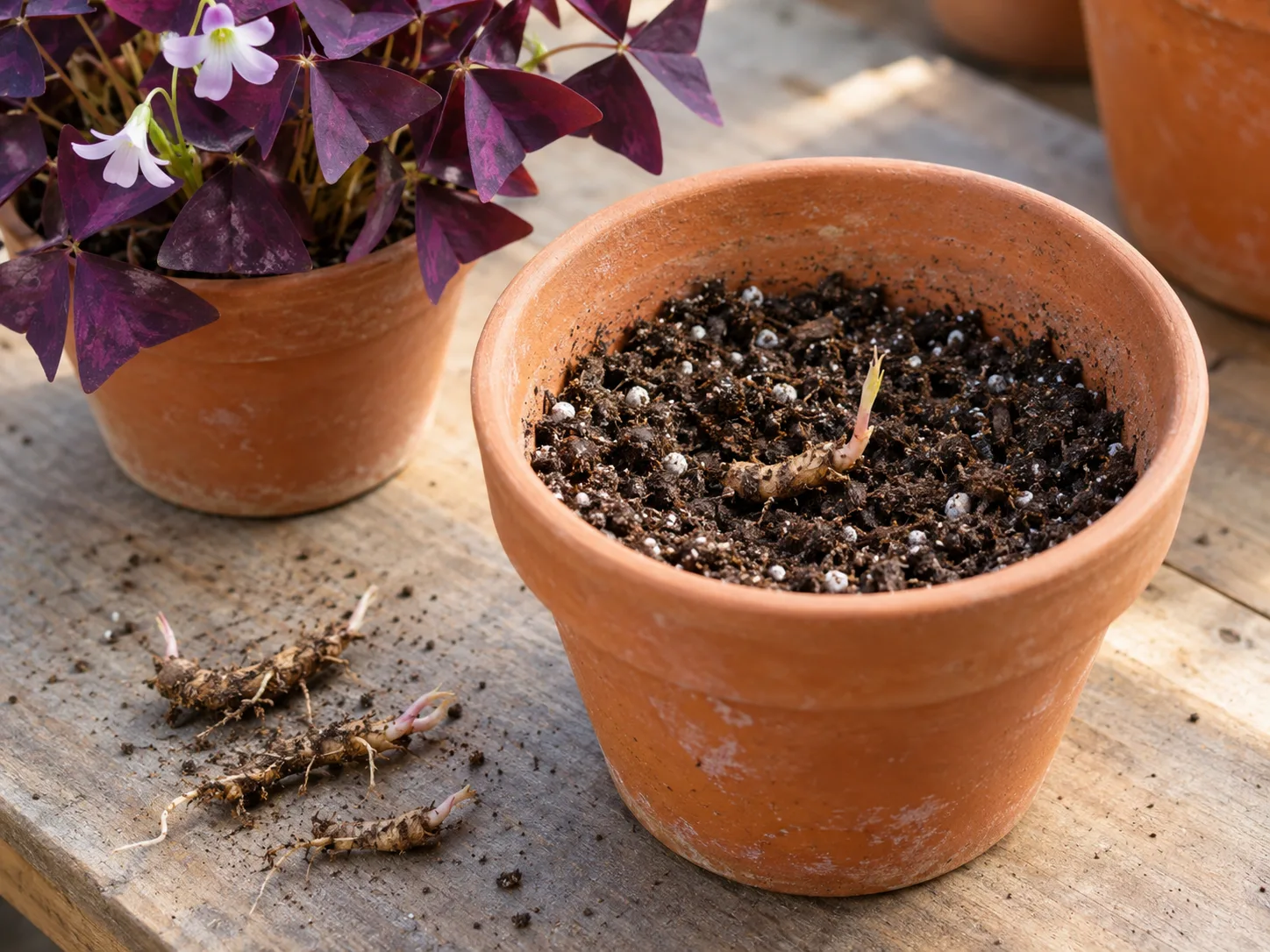
First confirm what you bought. A bare dormant oxalis may be sold as a corm, bulb, tuber, or rhizome even when those terms are used casually. The underground structure varies by species, so follow the nursery’s species-specific instructions when they are provided rather than applying one depth or orientation to every oxalis.
For a labeled package, use its planting depth and season as your starting point. In a pot, place dormant pieces in fresh, lightly moist mix with room for new growth; use drainage and avoid soaking a container of leafless storage organs. If the package describes a pointed end or growing tip, orient it as directed. If not, avoid cutting or dividing dry pieces just to create a visible “top.” Horticultural references use more than one term for the storage growth of O. triangularis, so the label and supplier directions are more useful than a universal rule about what counts as a bulb or which end faces up.
Water lightly after planting, then wait for signs of growth before returning to a normal watering routine. Keep the pot warm enough for the named species and place it in bright light once shoots emerge. A dormant oxalis can take time to sprout, so do not repeatedly dig it up to check progress; maintain modest moisture and check that the container is not staying soggy.
Water by growth stage, not by the calendar
A fixed schedule such as every seven days is unreliable because pot size, light, temperature, mix, and species all affect drying. During active growth, aim for evenly moist but well-drained mix. Water thoroughly when the surface layer begins to dry, then let excess drain; the RHS and Epic Gardening both emphasize moisture with adequate drainage for cultivated oxalis (RHS profile; Epic Gardening). Empty the saucer rather than allowing the pot to sit in standing water.
Check the mix with a finger or wooden skewer before watering. If it feels cool and damp below the surface, wait and check again; if the upper layer is dry and the pot feels light, water until you see runoff. Smaller containers and warm bright windows dry faster than large pots in cool rooms, so use the plant and soil as the schedule.
Outdoor oxalis has the same need for drainage, but rainfall and soil texture matter more than a houseplant interval. Newly planted pieces need enough moisture to establish, while established plants may need little supplemental water in cool or rainy weather. In prolonged heat, check the root zone rather than wetting the foliage on a timer.
Overwatering is especially risky when the plant is dormant or nearly leafless. The foliage may no longer be using much water, but the underground rhizome or corm can still rot in persistently wet soil. Reduce watering as growth slows and avoid leaving water in a saucer, cachepot, or low garden spot.
Tell dormancy from rot before intervening
Some oxalis naturally rest for part of the year, and heat or drought can trigger a pause in others. Epic Gardening notes that dormant plants may appear to be dying and recommends sharply reducing water because the plant takes up little during that period. A purple shamrock may lose foliage in summer, then return when conditions favor new growth; other species can follow different cycles, so use the label and the plant’s history rather than assuming every oxalis rests in summer (Epic Gardening).
Normal daily leaf folding is different from seasonal dormancy. If leaves close in the evening and reopen in daylight, that movement is a normal response to changing light. Dormancy affects the whole plant over a longer period: foliage yellows, dries, and may disappear while healthy underground growth remains.
Before discarding a bare pot, inspect one underground piece gently. Firm tissue without a sour smell is more consistent with dormancy; soft, dark, hollow, or foul-smelling tissue suggests rot. Also consider what happened first: gradual dieback after heat or a normal seasonal shift differs from a rapid collapse after repeated watering into heavy soil.
If the storage organs are firm, remove fully dead leaves, keep the pot on the dry side, and wait for the species’ active season. Do not fertilize a leafless plant or try to force it back with repeated soaking. If pieces are mushy, remove the damaged material and replace saturated mix; healthy sections can be replanted in clean, draining soil.
Match temperature and winter care to the species
Indoor oxalis generally prefers comfortable room temperatures and protection from hot air vents, cold drafts, and sudden temperature swings. Epic Gardening’s container guide notes that heat above 80°F can call for shade and that cooler conditions can coincide with dormancy; treat those figures as practical signals for the plants discussed there, not a universal threshold for every Oxalis species (Epic Gardening). A plant beside a winter window may be exposed to cold glass at night even if the room feels warm. Move it back from the pane if the foliage is chilled, and do not place it above a radiator where the mix can dry rapidly.
Outdoor hardiness varies widely across Oxalis species. A tender ornamental grown in a pot can be brought indoors before frost, while a locally hardy species may survive in the ground if the site drains well. Check the species name and local minimum temperatures rather than relying on a genus-level zone range.
If your oxalis goes dormant outdoors, keep the site from becoming waterlogged during its rest. In a cold region, a pot is easier to protect than a garden bed: move it to a frost-free location appropriate for the species and reduce watering while it is leafless. Avoid storing an unknown oxalis in a warm, dark room with wet soil, which can encourage weak growth or rot.
Feed only while the plant is growing
A healthy oxalis in fresh potting mix often needs less fertilizer than a gardener expects. If you feed a potted plant, use a balanced houseplant fertilizer diluted according to the label during active growth; light feeding is optional for established plants (Epic Gardening). Do not apply it to dry roots, and flush the mix occasionally with plain water if mineral salts accumulate on the surface.
Stop feeding when leaves fade and growth pauses. Dormant roots cannot use a routine dose the way an actively growing plant can, and excess salts remain in the pot. Resume a light feeding schedule only after new growth is established; fertilizer cannot substitute for brighter light, suitable drainage, or a correct seasonal rest.
For outdoor plants, compost incorporated into the bed can support soil structure and steady growth. Avoid repeated high-nitrogen feeding when the plant’s foliage is already vigorous, especially for a species you are trying to keep contained. More fertilizer may produce leaves without improving flowering or controlling spread.
Understand flowers and leaves that fold
Oxalis flowers are generally small and five-petaled, with color depending on species. Flowering is most likely when the plant receives suitable light and is growing in the season appropriate to that species. A plant that is resting, heat-stressed, too dark, or waterlogged may produce few or no blooms.
Many oxalis leaves fold or lift as light fades and reopen when light returns. The Missouri Botanical Garden notes that O. triangularis leaflets fold at night or when disturbed, while the RHS says Oxalis flowers often close in dull weather and at night (Missouri Botanical Garden Plant Finder; RHS profile). Botanists call this light-responsive movement nyctinasty. It is not a sign that leaves need to be sprayed, touched, or watered; avoid handling the plant repeatedly to test the response.
If a flowering oxalis stops blooming, check the basics in order: confirm the species, make sure it is in its active growth phase, then assess light and root-zone moisture. Do not add strong fertilizer as a first response. It cannot make a dormant plant bloom and may worsen stress if the soil is already too wet or salty.
Prune, repot, and divide without stressing the plant
Oxalis usually needs only cleanup pruning. Remove yellow or fully brown leaves at the base once they are spent, and cut flower stems after blooms fade if you do not want seed to mature. Leave healthy green foliage in place; it is feeding the underground plant even when the leaves look sparse.
Repot when the container is crowded, the mix has broken down, roots are circling heavily, or water runs through without wetting the root ball. Choose a pot with drainage only modestly larger than the current one. Repotting during the start of active growth is usually easier on the plant than disturbing it in deep dormancy.
When repotting, slide out the plant and look at the underground structure before teasing anything apart. Separate only healthy sections with roots or viable growing points, and discard soft or diseased pieces. Replant at roughly the same depth and water enough to settle the mix without leaving it saturated.
Propagate by dividing healthy underground growth
Division is a straightforward propagation method for many cultivated oxalis; the RHS lists seed and division for O. triangularis, and Epic Gardening describes division as the quickest way to make more mature container plants (RHS profile; Epic Gardening). Work when the plant is beginning active growth so you can see which pieces are viable. Brush away loose soil, separate natural clusters gently, and use a clean blade only when a connection will not pull apart without tearing.
Pot each division in a small draining container rather than a pot much larger than its roots. Keep it in bright indirect light and allow the mix to dry slightly at the surface between waterings. A newly divided piece may pause before making leaves, so do not compensate by keeping it wet.
Seed propagation is possible for some species, but it is slower and may not reproduce a named cultivar exactly. If you want more of the same ornamental plant, use the method recommended for its species or cultivar and label each pot. Never spread seed or discarded plant parts into a natural area.
Troubleshoot drooping, yellowing, and pests
Drooping is a symptom, not a watering instruction. Check the soil first: dry mix with limp leaves points toward thirst, while wet mix and a sour smell suggest root or rhizome trouble. If the soil is only moderately moist and leaves droop during a hot afternoon, move the plant out of harsh sun and reassess when temperatures cool.
Yellow leaves can come from ordinary aging, the start of dormancy, waterlogged roots, sudden exposure to strong sun, or a pest problem. Look for a pattern: a few old leaves fading while new growth appears is different from widespread yellowing in a wet pot. Remove only spent leaves and correct the cause instead of stripping the whole plant.
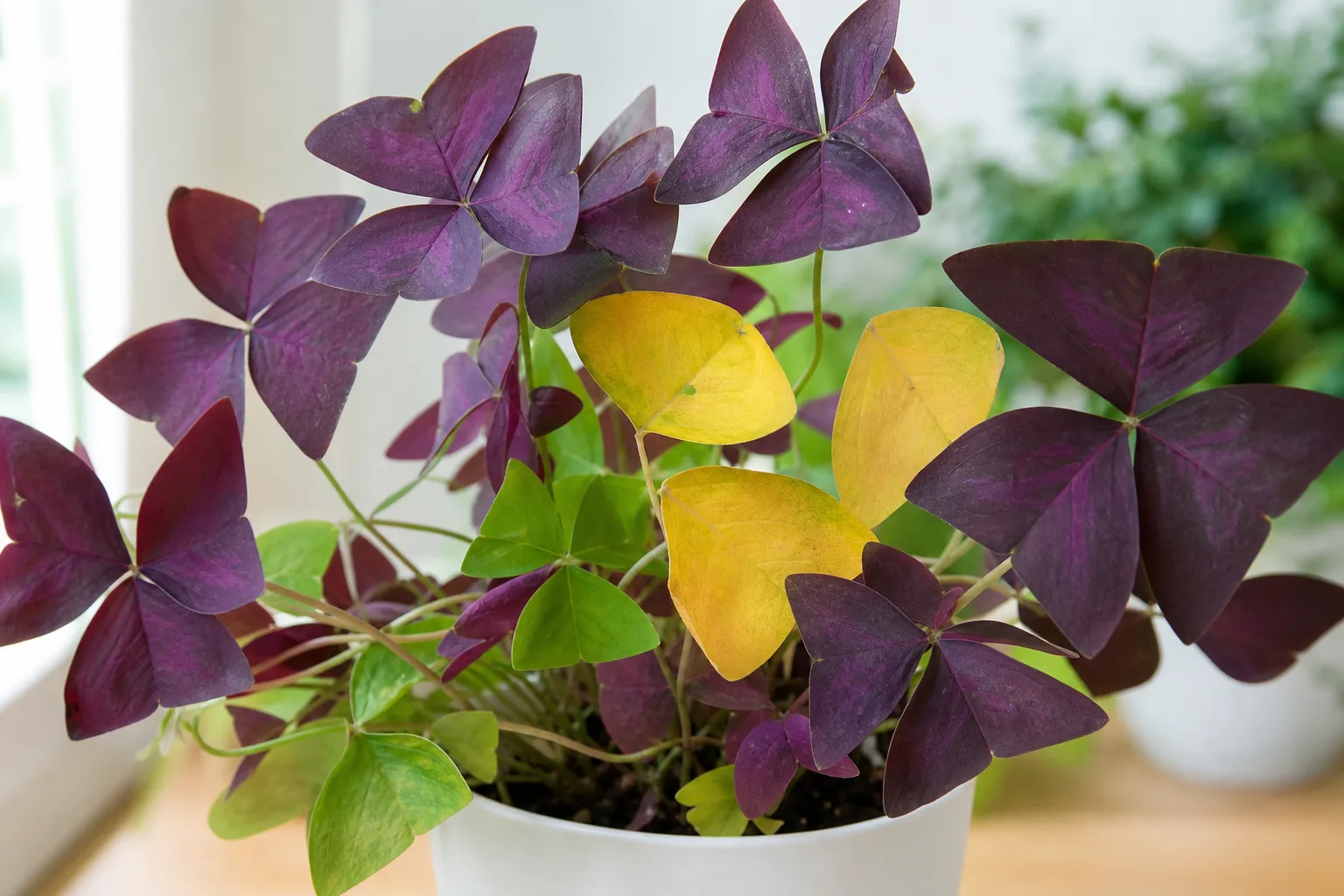
Thin stems and small leaves often signal insufficient light. Move the plant closer to a bright window gradually, rotate the pot, or use a grow light if natural light is limited. Brown, crisp edges can indicate hot sun, dry air, or a root problem; compare the symptoms with soil moisture and recent changes before increasing watering.
Aphids, spider mites, and whiteflies can affect oxalis, particularly when a plant is stressed or crowded; Epic Gardening lists these among pests that may feed on it (Epic Gardening). Inspect leaf undersides and stems, isolate a visibly infested pot, and remove badly damaged foliage. If you use a treatment, follow the product label for the plant and pest; do not apply a pesticide as a preventive without identifying the problem.
Check pet safety and outdoor spread
Keep oxalis away from pets that chew plants. The ASPCA lists Oxalis species as toxic to dogs, cats, and horses because they contain soluble calcium oxalates. Its shamrock entry notes salivation and tremors among clinical signs and says kidney failure is rare in dogs and cats; contact a veterinarian or the ASPCA Poison Control Center if a pet eats the plant (ASPCA Shamrock Plant profile). Do not assume a plant is safe because it is sold as a shamrock or because some human food references mention wood sorrel.
Outdoor spread is a separate concern from indoor care. Some species set seed, creep along the soil, or produce underground bulbils; others are compact ornamentals. The RHS recommends identifying which species is present because the spread mechanisms differ, and BBC Gardening’s archived O. purpurea profile provides an example of a non-spreading form (RHS Oxalis guidance; BBC Gardening). Before planting an oxalis in a bed, check local invasive-plant lists or ask your cooperative extension which species are appropriate in your area.
If you already have unwanted oxalis in a lawn, identify it before choosing a removal method. Pulling leaves alone may leave rooted pieces or seed behind, and control recommendations differ between lawn weeds and cultivated ornamentals. The Oxalis weed identification and control guide covers that separate problem; keep a potted shamrock’s care routine distinct from lawn-weed treatment.
Conclusion
Oxalis is easier to care for once you stop treating the genus as one plant. Read the species label, match light and winter protection to that species, use a draining pot or site, and adjust water to whether the plant is actively growing or resting. If foliage disappears, check the underground growth before you discard the pot; if you plan to grow oxalis outdoors, check local spread guidance first. Those few decisions prevent the most common losses while helping you enjoy the clover-like foliage and flowers without guessing at every change.



