Plants Rabbits Will Not Eat: Lower-Risk Choices
Build a lower-risk garden with plants rabbits tend to avoid. Get choices for edible beds, sunny borders, shade, and woody landscapes—plus honest limits.
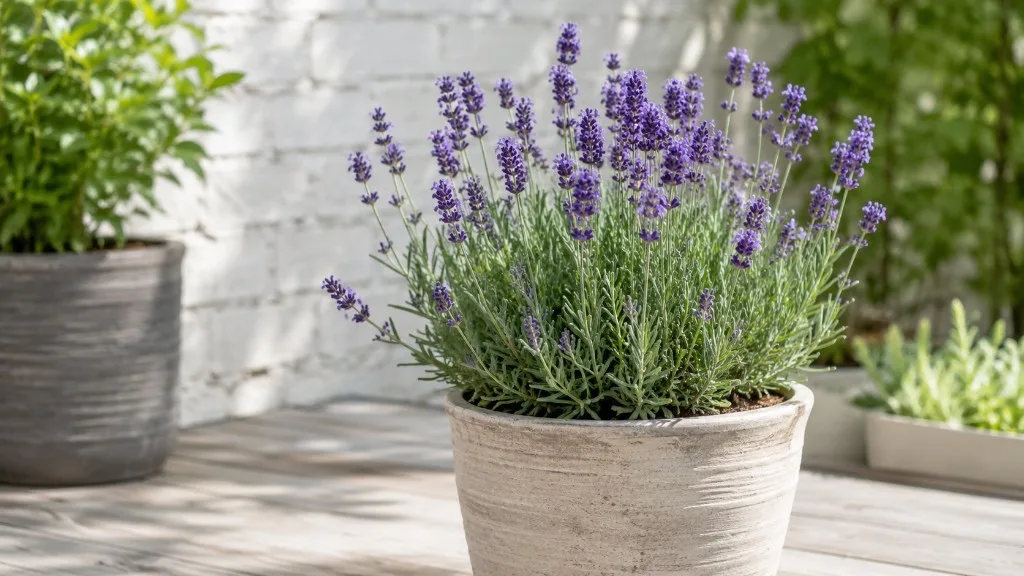
Quick answer: no garden plant is completely rabbit-proof
There is no plant that rabbits will never eat in every garden. Aromatic herbs, coarse or fuzzy foliage, prickly plants, many alliums, and some bulbs are often less appealing, so they can lower browsing risk when they suit the site. But “rabbit-resistant” means a plant is passed over more often, not that it is protected from a hungry rabbit.
For a practical starting list, try chives, sage, rosemary, or thyme in sunny, well-drained spots; alliums and daffodils in ornamental beds; yarrow, penstemon, or salvia in a sunny border; and juniper or spruce for evergreen structure. Penn State Extension’s regional list and the Royal Horticultural Society’s rabbit-resistant plant guide include many of these candidates, while Colorado State University Extension emphasizes that no list is foolproof. Plant them for their shape, bloom, food, and site fit first; add physical protection around crops or new plants you cannot afford to lose.
What rabbit-resistant actually means
Rabbit-resistant lists describe tendencies observed in a region or garden, not a biological guarantee. A species may be ignored in one yard and sampled in another because rabbit numbers, food availability, season, and plant age differ. The RHS warns that recently planted specimens and soft spring growth can be eaten even when the same plant is left alone later in the year.
Lists also disagree. Zinnia and marigold, for example, show up on some lower-browse lists but are also reported as rabbit favorites in other gardens. A horticultural expert quoted by Birds & Blooms specifically cautions that what works in one garden may fail in another, and recommends diversity rather than betting the whole bed on a single plant.
A list can also combine different species, cultivars, and garden conditions under one common name. Treat each recommendation as a testable candidate: the cultivar sold locally may have softer foliage, bloom at a different time, or be planted in a more exposed spot than the example in a regional guide.
The goal, then, is not to find an invulnerable species. It is to put plants rabbits tend to pass in the places where they fit, reduce the amount of tempting young growth at exposed edges, and protect the small number of plants that matter most. For a detailed profile of perennial choices, see our guide to rabbit-resistant plants; this guide expands the shortlist to edible crops, bulbs, annuals, and woody plants.
Why rabbits ignore some plants and eat others
Rabbits often prefer leaves that are tender, moist, and easy to reach. Strong aromas, prickles, spines, tough or leathery leaves, and some bitter or milky sap can make a plant less attractive, but none of those traits creates a reliable barrier. Colorado State University Extension lists these characteristics as common deterrents and still warns that a hungry animal may eat almost anything.
Plant age changes the equation. A mature rosemary shrub may be left alone while its new shoots are clipped, and an established perennial may tolerate nibbling that would kill a small transplant. Rabbits also browse differently as conditions change: tender spring growth and winter bark can become targets when other forage is scarce.
This is why using a list without checking your site often disappoints. Pennsylvania Extension organizes candidates by moisture and sun, and the RHS recommends looking at what survives in neighboring gardens. A plant’s local performance and your planting conditions matter more than a generic “rabbit-proof” label.
Fast choices by garden need
Use this table as a shortlist, not a promise. The examples come from regional extension and horticultural-society lists; verify them against your climate, soil, and local browsing pressure before planting a whole bed.
| Garden job | Lower-risk plants to consider | Main limitation |
|---|---|---|
| Sunny herb edge | Chives, sage, rosemary, thyme, oregano | Fresh shoots and new transplants can still be nibbled |
| Edible perennial bed | Asparagus, globe artichoke, established rhubarb | Seedlings are vulnerable; species and climate suitability vary |
| Spring ornamental display | Daffodils, ornamental alliums, grape hyacinths | Bulbs can be region- and species-specific; protect fresh shoots if rabbits test them |
| Sunny flower border | Salvia, yarrow, penstemon, blanket flower, ornamental grasses | Some annuals on resistant lists are eaten elsewhere |
| Part-shade planting | Astilbe, barrenwort, dead nettle, lady’s mantle | Match water needs; shade does not prevent browsing |
| Evergreen framework | Juniper, spruce, fir, boxwood, some hollies | Young shrubs and thin bark still need guards |
Penn State’s Pike County list includes a broad mix of flowers, herbs, vegetables, evergreen plants, and shrubs. Colorado State’s Gilpin County list groups choices by soil moisture and exposure, which is useful because the same rabbit-resistant plant may fail if it is planted in the wrong conditions.
Both lists reflect their own regions and plant selections; neither turns a preference into a guarantee. Use them to generate candidates, then cross-check hardiness, mature size, invasive status, and water needs with a local extension office or botanical garden before buying.
Herbs and edible crops that are usually less appealing
Aromatic herbs for beds and pots
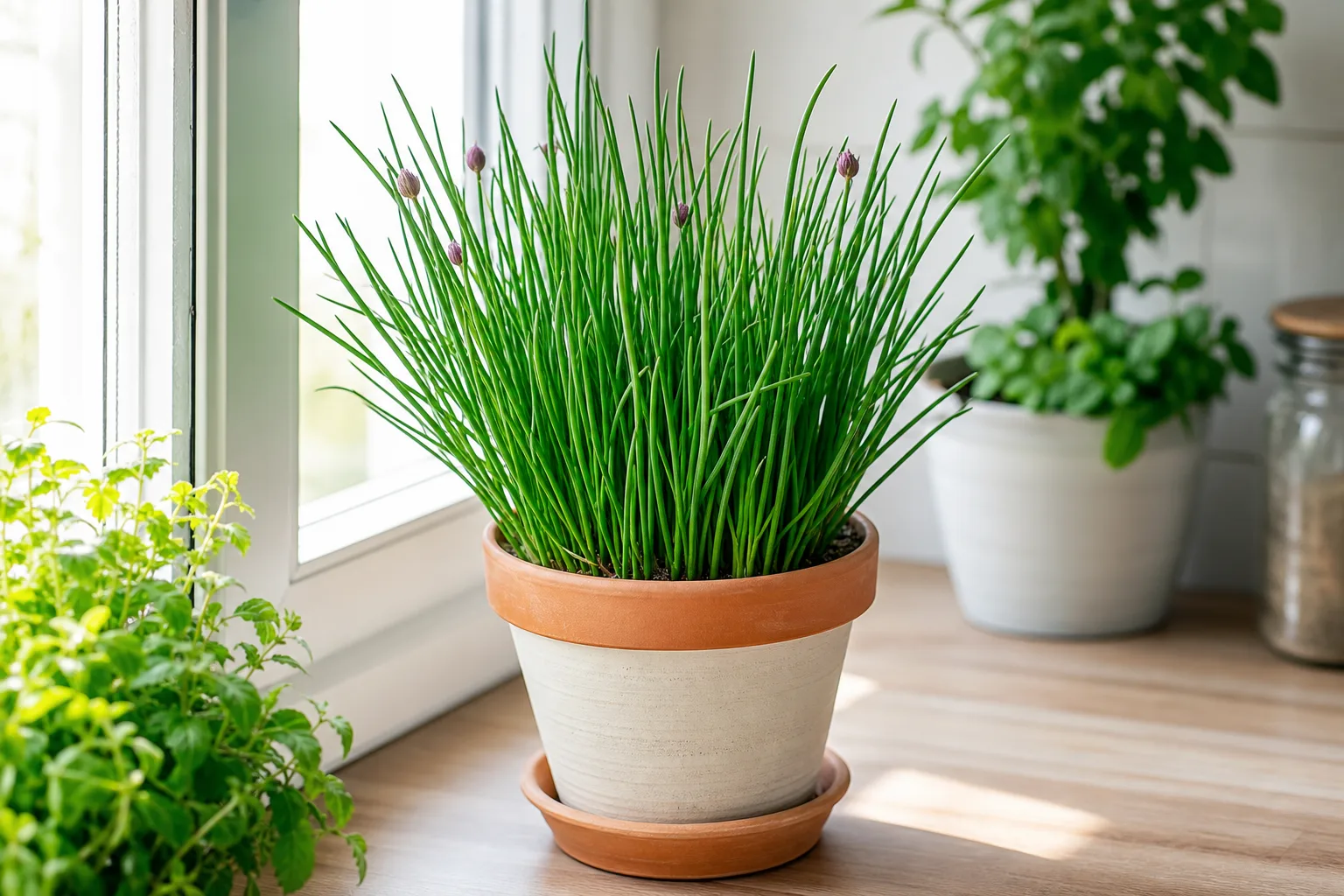
Chives, sage, rosemary, thyme, and oregano are useful first choices for sunny herb beds because their foliage has a strong aroma and they can share a well-drained site. Chives and oregano spread over time, while rosemary and many sages need more winter protection in colder regions. Check the plant’s climate and mature size before using it as a low border.
Aromatic does not mean protected. Rabbits may nibble fresh spring growth or sample a plant when there is little else to eat.
Keep a small mesh cover over newly planted herbs until they establish, and reserve fencing for any edible crop that must produce reliably. Gardening Know How’s overview also notes that scent and tougher foliage can reduce interest, while emphasizing that young plants remain more vulnerable.
Vegetable crops with more caveats
Penn State Extension’s regional list includes asparagus, globe and Jerusalem artichokes, leeks and onions, potatoes, summer squash, and tomatoes among plants considered less attractive to rabbits in its area. That can help you plan a mixed edible garden, but it is not a promise that every crop or cultivar will be left untouched. Seedlings and transplant leaves are still tender, and crops vary in taste, texture, and timing.
If you want the highest odds of harvesting food, use plant choice as a secondary tool. Start with chives, onion-family plants, or established asparagus where they suit your cooking and climate, but put row cover or a low fence around lettuce, peas, beans, and other favorite crops. You can use a cover until plants are larger, then remove it when pollination or harvest access matters.
Consider how long the crop stays exposed. A short-lived salad bed can be protected with a removable cover, while asparagus and rhubarb occupy the same spot for years and need a layout that allows regular harvest and maintenance.
Choose crops you would grow anyway, then solve access with a cover or fence. Planting a vegetable solely because one regional list ranks it as less attractive can leave you with a crop you do not use and no reliable protection for the one you do.
Do not use a plant’s toxicity as a pest-control plan. Colorado State University Extension notes that toxicity may discourage browsing but also warns that hungry animals can eat poisonous plants. Choose edible crops for food value and protect them physically; our guide to plants rabbits commonly eat helps identify higher-risk crops.
Annual flowers, bulbs, and perennials
Annuals for color with a local trial
Ageratum, cleome, flowering tobacco, snapdragon, and verbena appear on some rabbit-resistant annual lists. They can give a sunny or partly sunny bed varied color, but these recommendations are especially inconsistent from one source to another. Birds & Blooms’ horticulture advice notes that even marigolds, often described as resistant, are eaten in some yards; zinnias likewise appear on both resistant and susceptible lists.
Try one or two annuals in a small area before buying enough to fill a large border. Keep the first planting close to the house or another place you can check, and record which plants are browsed over several weeks. If rabbits sample them, replace the plant based on what thrives locally instead of repeating the same recommendation from an unfamiliar region.
Bulbs and long-lived flowers
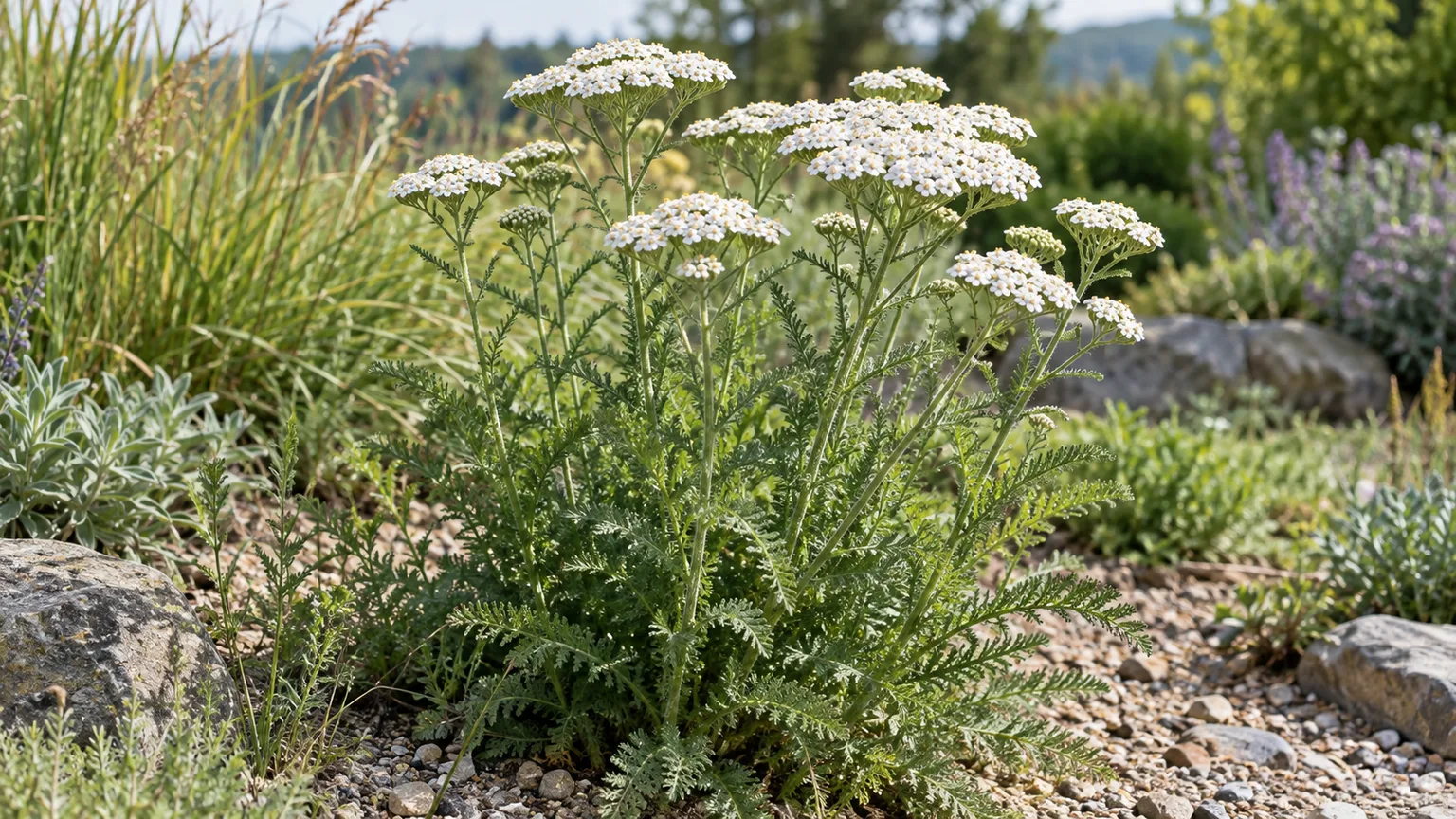
Daffodils and ornamental alliums are common lower-browse choices, as are some irises, peonies, yarrow, salvia, penstemon, and ornamental grasses. The RHS list includes daffodils, alliums, and many perennials; Penn State and Colorado State also list several of these groups. Species, cultivar, and local pressure still matter, especially during spring emergence when new leaves are soft.
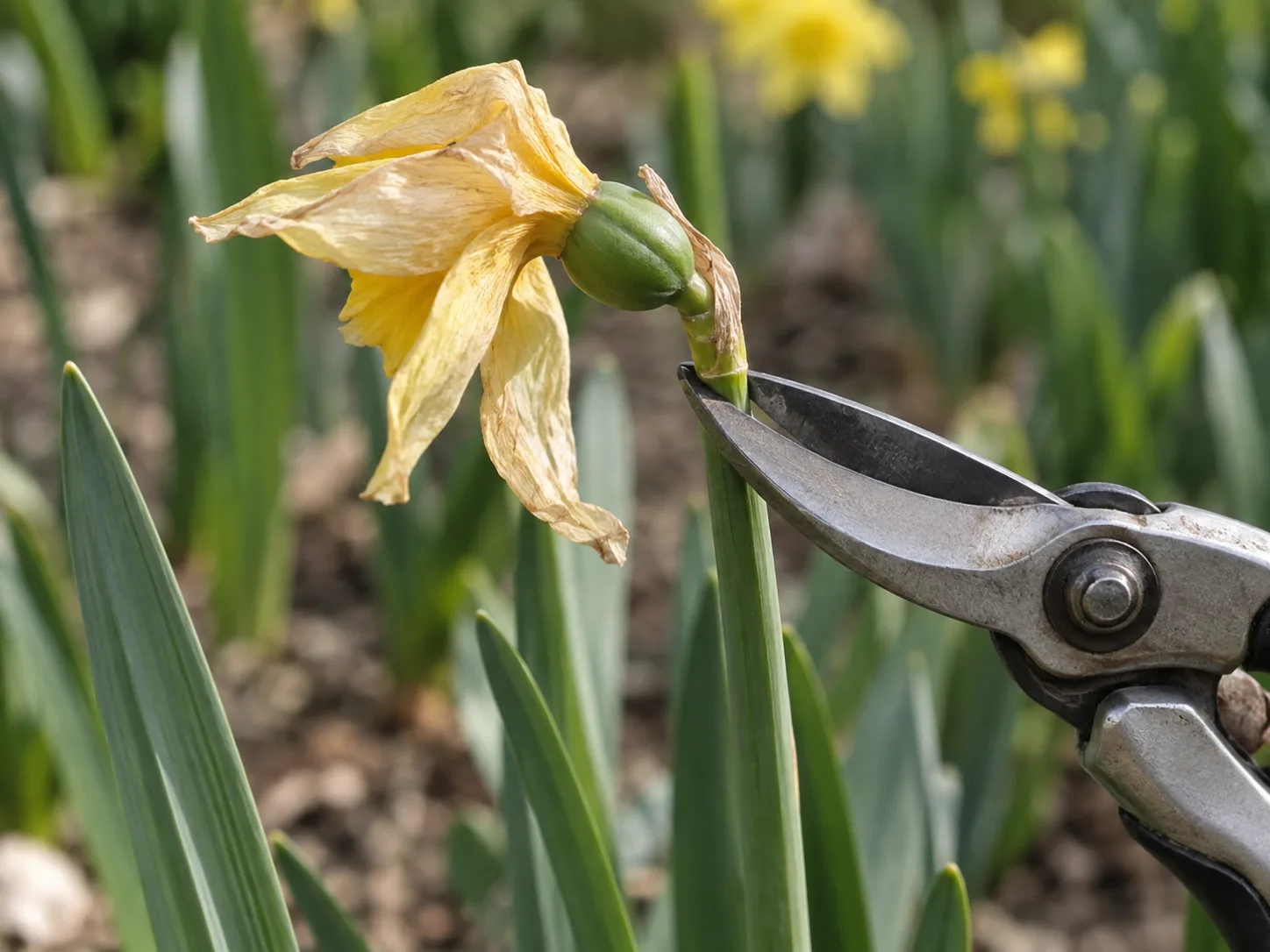
The bulb itself and its foliage are not the same target. Rabbits may leave an underground bulb but eat the shoots or flowers, so do not assume that planting a bulb means the display is protected. Use a light mesh cover over a new planting if rabbits have already browsed other spring bulbs in the yard.
For a flower bed, combine several growth habits instead of planting one large block of a single “resistant” annual. A mix of bulbs, aromatic herbs, coarse-leaved perennials, and grasses gives rabbits fewer uniform rows of tender growth and gives you more than one kind of seasonal interest. Our rabbit-resistant perennial guide covers site fit and care for selected long-lived choices.
Shrubs and trees that often fare better
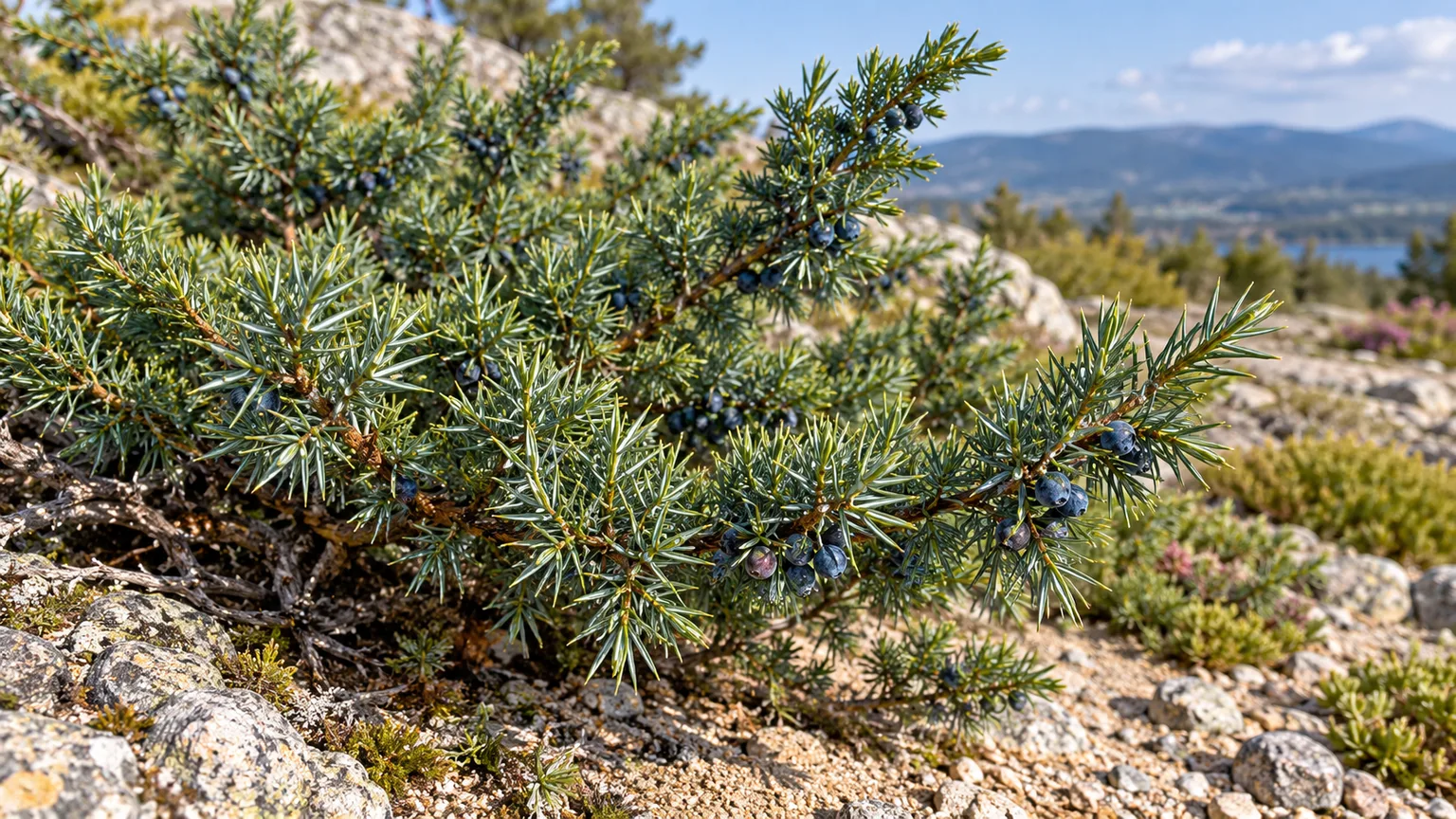
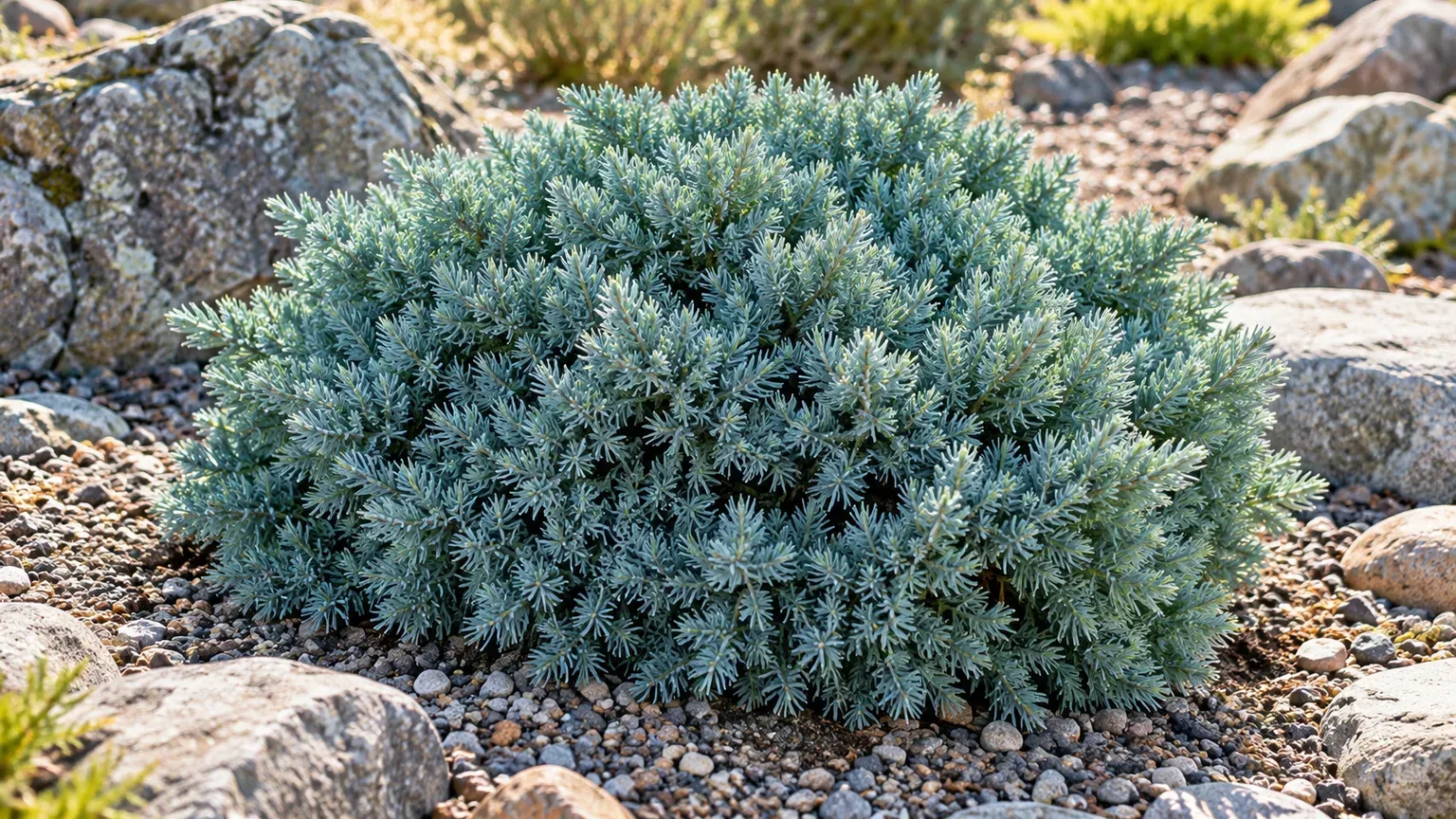
Evergreen conifers such as spruce, fir, and pine, along with junipers, boxwood, holly, and mountain laurel, appear on several rabbit-resistant lists. They can provide year-round structure when the site and climate suit them. Avoid choosing a species only because it appears on a list; check its mature size, soil needs, winter hardiness, and whether it is suitable for your region.
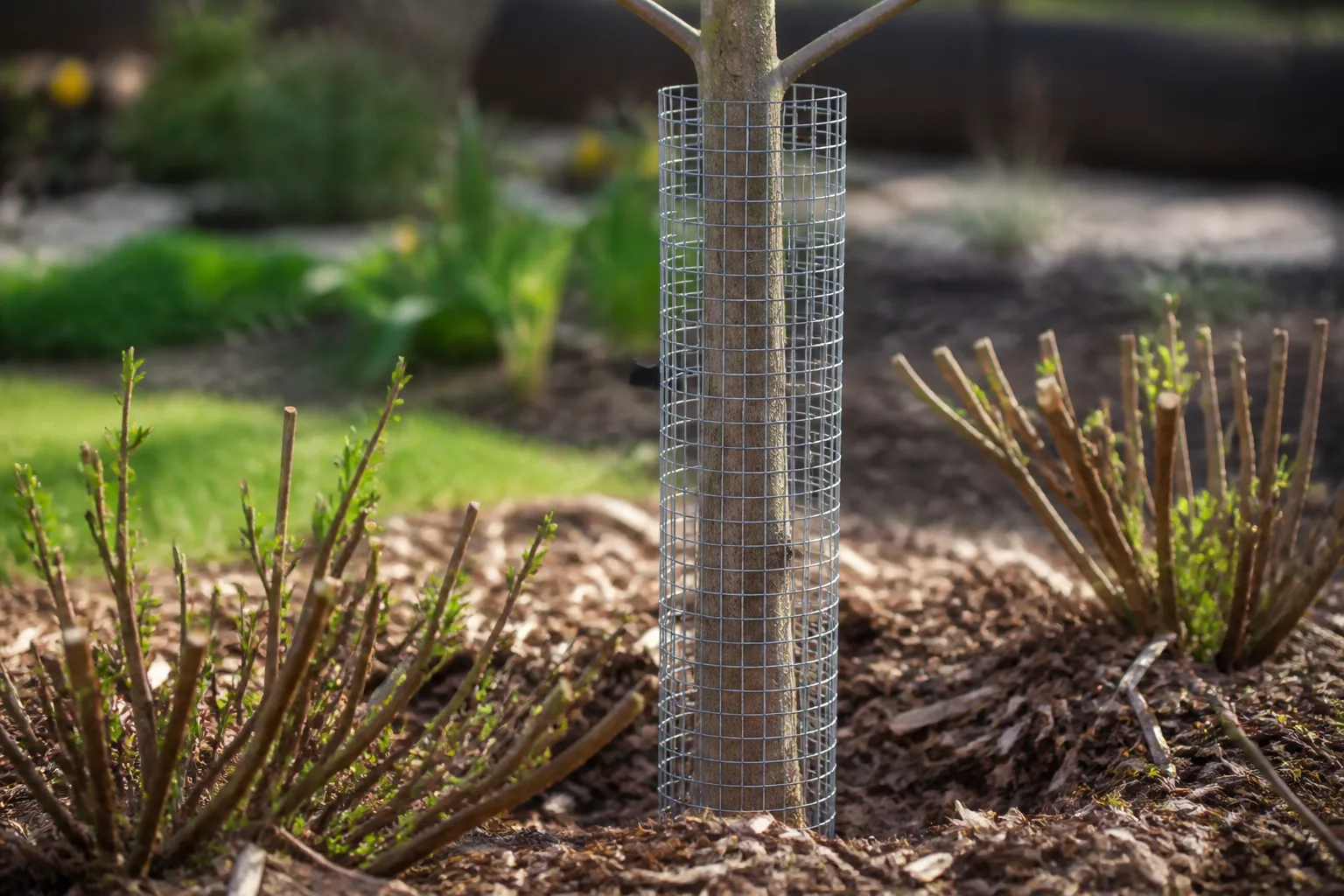
Young woody plants need special attention. Rabbits can feed on bark and low branches in winter, and snow cover can let them reach higher than they could in summer.
Put a ventilated trunk guard or wire cylinder around a young tree or shrub, keep it from rubbing the bark, and check it as the trunk grows. A list of low-browse trees does not replace protection for a valuable new planting.
Some shrub recommendations are regionally constrained. For example, a plant that thrives in a cool, moist Pennsylvania site may struggle in a hot, dry western garden, and some popular shrubs can be invasive or restricted in particular locations. Prefer native or locally recommended species where possible, and use your state or county extension list for the final choice.
Also separate foliage browsing from bark damage. A shrub can be ignored in summer and still lose bark or low stems in winter, especially when snow raises the effective feeding height.
Before choosing a specimen for a boundary, ask whether you can protect it during establishment and whether it can recover from occasional clipping. A guard around the trunk and an open, inspectable planting area may matter more than choosing the “best” species on a list.
Match plant choices to site and season
Sunny, dry beds
For a sunny, fast-draining border, consider thyme, sage, lavender, yarrow, penstemon, salvia, and selected ornamental grasses. These plants share some traits that rabbits may find less appealing, but they also need good light and drainage; they are not good candidates for a damp, shaded corner. Start with two or three species that fit your climate rather than treating the list as a ready-made design.
A sunny herb edge can combine chives and thyme at the front with sage or rosemary behind. If you want flowers as well, add yarrow or salvia in a place where mature plants have room to spread. Use a low barrier while new starts develop, then monitor them through spring growth and late-season dry spells.
Shade and moisture
For a moist or partly shaded bed, regional lists include choices such as astilbe, barrenwort, dead nettle, lady’s mantle, and some hellebores. Match the plant to the actual shade level: dense dry shade under a tree is different from a cool, moist border beside a downspout. Poor site fit can weaken a plant and produce the kind of tender replacement growth rabbits find easy to browse.
Use local guidance to refine this group, because moisture and winter conditions vary widely. Colorado State’s plant list is organized by sun and soil moisture for mountain communities, while the RHS list gives a much longer UK selection; compare both with your own climate rather than importing a plant that is unfamiliar or poorly adapted. Also check whether a shade-tolerant plant is appropriate under the actual tree canopy: dry roots and competition for water can make even a rabbit-resistant choice struggle.
Arrange beds from the outer edge inward
Think about exposure as well as plant traits. A border beside brush, a stone wall, or dense evergreen cover may be visited more often than a bed near a frequently used doorway.
Put plants that have already proved less appealing along exposed edges, but keep vegetables, new starts, and favorite flowers closer to the house or behind a barrier. This is a risk-management layout, not a scent-based force field.
Mix growth forms so the planting remains useful if one candidate fails: a low edging herb, a middle layer of perennials, and a few shrubs or grasses for structure. Leave enough spacing for mature plants and airflow rather than crowding them to make a “rabbit wall.”
A packed row can be difficult to inspect and may hide damage until a plant has been clipped. Keep the layout simple enough to compare plant performance: repeat a few candidates in two locations, then note whether browsing follows the plant, the site, or both.
Protect young plants and high-value crops
Even a mature plant that rabbits usually pass may be vulnerable right after transplanting. The RHS specifically cautions that recent plantings and soft spring growth can be eaten; Colorado State Extension also reports greater risk for new transplants. Watering and good establishment help a plant recover from minor browsing, but they do not stop an animal from returning to it.
Use temporary mesh over seedlings, a small wire cage around a prized perennial, or an individual trunk guard for a young woody plant. For crops you need to harvest, a fitted fence or row cover is more dependable than planting herbs around the bed and hoping their scent will repel a rabbit. For barrier setup and monitoring, see how to keep rabbits out of the garden.
Test a short list in your own yard
Start with three to five plants that meet your garden’s needs and appear on a regional extension or horticultural-society list. Plant a few in a visible area, protect them while they establish, and leave a small portion exposed only if you can tolerate the risk. Compare damage after new growth, drought, and winter rather than making a decision from one calm week.
Keep a simple record of the plant name, cultivar, location, planting date, and any browsing. If one species is repeatedly eaten, remove it from your personal “lower-risk” list, even if a national article calls it rabbit-resistant. If another survives multiple seasons, use it more confidently in that site and recommend it to neighbors with similar conditions.
Record what the damage looks like and when it happens. A plant clipped close to the ground, damage appearing overnight, and rabbit tracks or droppings nearby may support a rabbit hypothesis, but other wildlife can browse too.
If you are unsure, observe the area before replacing plants or choosing a deterrent. Correctly identifying the animal makes your trial more useful: a plant that rabbits ignore may still be eaten by deer, slugs, or insects.
Look at surrounding habitat as well. Rabbit activity often concentrates near brush, hedges, or dense cover, and an exposed border may have lower pressure than a sheltered bed near a fence. Move susceptible crops closer to the house or behind a barrier, and reserve the outer edge for plants that have already proved less attractive locally.
Plant choices and shortcuts not to rely on
Do not assume that a strong scent, prickly leaf, toxicity, or “deer-resistant” label makes a plant rabbit-proof. Deer and rabbits do not have identical preferences, and some products or tactics advertised for deer may be ineffective against rabbits. If you do use a repellent, follow its label and treat it as one layer of protection, not as a replacement for a barrier around important plants.
Avoid buying a large quantity of one annual based on a list that does not specify a region or plant age. Also avoid using toxic plants as a deliberate deterrent or as a substitute for a fence; hungry animals may still sample them, and people and pets share the same garden space. When in doubt, ask your local extension office for a list tested in your county and protect the vulnerable plant until you have direct evidence.
Conclusion
The most useful plants rabbits often leave alone include aromatic herbs, many alliums and daffodils, selected flowers and perennials, and some evergreen trees and shrubs. None is guaranteed, and young transplants or soft spring growth can still attract browsing. Use a regional list to build a shortlist, then match each plant to sun, drainage, and winter conditions.
Plant for the garden you want, not for a promise that rabbits will never visit. Use less-preferred plants to reduce risk in the broader landscape, and protect tender vegetables, new transplants, and valuable woody plants with physical barriers. A few seasons of observation will tell you more about your yard than any universal “rabbit-proof” list.