32 Raised Garden Bed Design Ideas That Work
Compare 32 raised garden bed ideas for patios, slopes, small yards, renters, and food gardens, with sizing, soil, drainage, and safety advice.
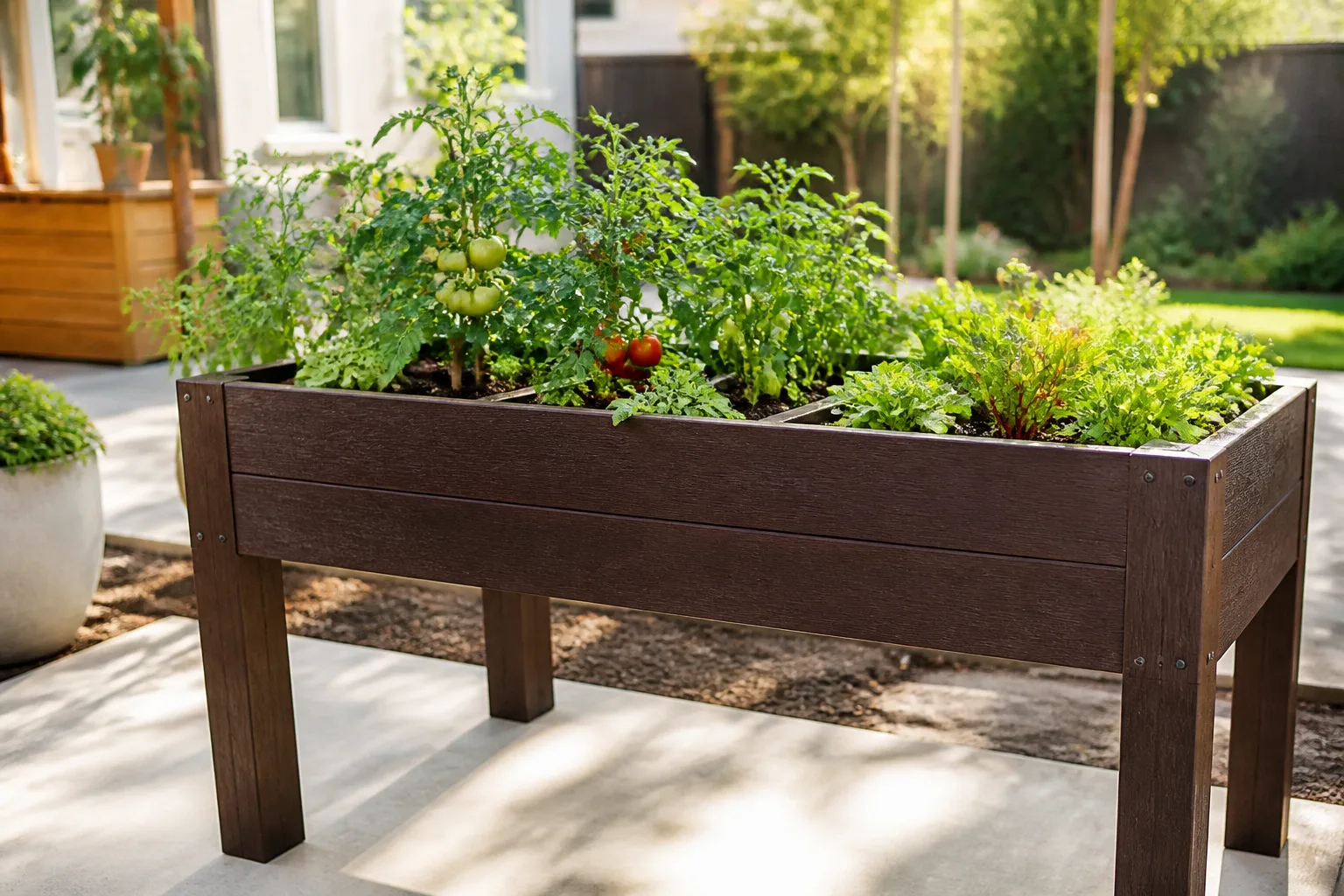
A raised bed can be a simple rectangle of untreated lumber, a galvanized stock tank, a grow bag on a patio, or a carefully engineered terrace on a slope. The best design is the one that suits the site and the gardener: it leaves enough room to reach every plant, drains after rain, holds the right soil volume, and does not create more watering or structural work than you can maintain.
Use these 32 ideas as a design menu rather than a vote for one style. First decide whether the bed will sit on open ground or a hard surface, how much direct sun it gets, and which crops you want to grow. Then choose the material, height, shape, and support that solve the actual problem.
Choose the Bed Before You Choose the Look
An open-bottom bed sits on prepared soil and can be relatively shallow because roots may continue into the ground. A closed-base planter, grow bag, trough, or table bed is a container: it needs drainage holes, a stable surface, and enough depth for the crop. University of Delaware Cooperative Extension notes that raised beds are especially useful over compacted, rocky, paved, or contaminated ground, but a frame does not automatically fix poor drainage or bad soil.
Check Sun, Reach, Drainage, and Weight
Most fruiting vegetables need at least six hours of direct sun. Watch the site from morning through afternoon; a fence or balcony wall can remove the light that matters most. For access, keep a bed about 3 to 4 feet wide when you can reach both sides, and 18 to 30 inches wide when it touches a wall or fence. Utah State University Extension gives the same practical reach limit. Do not make a tall bed merely for appearance: the extra soil warms and dries quickly, and a filled container can be much heavier than it looks.
Match Depth and Materials to the Crop
Lettuce, radishes, herbs, and many annual flowers can use a shallow bed. Tomatoes, peppers, beans, and cucumbers need more root volume, while carrots and parsnips need unobstructed depth. A 6- to 12-inch open-bottom frame suits many shallow crops; a closed container should provide the full usable root depth rather than relying on a thin decorative layer over gravel or plastic. The RHS recommends planning higher beds with extra watering in mind.
32 Raised Garden Bed Ideas
Small Footprints and Flexible Containers
1. Classic 4-by-8-foot bed. This efficient rectangle is large enough for intensive planting but still reachable from both long sides. Use two 4-by-4-foot sections if a center path or crop rotation will make maintenance easier.
2. Narrow fence-line bed. A bed 18 to 30 inches wide turns a side yard into a growing strip. Put low crops toward the path and keep tall plants from shading the fence-side edge.
3. L-shaped corner bed. An L fits around a patio or fence corner, leaving a useful open space in the middle. Keep each arm narrow; a deep inside corner becomes a forgotten pocket of weeds.
4. U-shaped kitchen garden. A U gives you reach from the central path and creates a defined room for herbs, greens, and cut flowers. Keep the opening wide enough for a hose, cart, or wheelbarrow.
5. Keyhole bed. A circular or rounded bed with a notch lets you reach the center without stepping into soil. It is attractive for herbs and salad crops, but the inner curve must remain wide enough for a hand trowel.
6. Grow-bag garden. Fabric bags are lightweight, portable, and useful for renters or temporary sunny spots. They dry faster than large beds, so group them near water and do not move them after they are saturated.
7. Rolling planter box. Add locking casters and a shelf for tools to make a raised planter movable. Use it for herbs or compact peppers, not a giant tomato that can make the box top-heavy.
8. Milk-crate modules. Food-safe crates can become small, portable planting units when lined with a breathable material. They suit greens and herbs; their limited volume makes them poor choices for large fruiting crops.
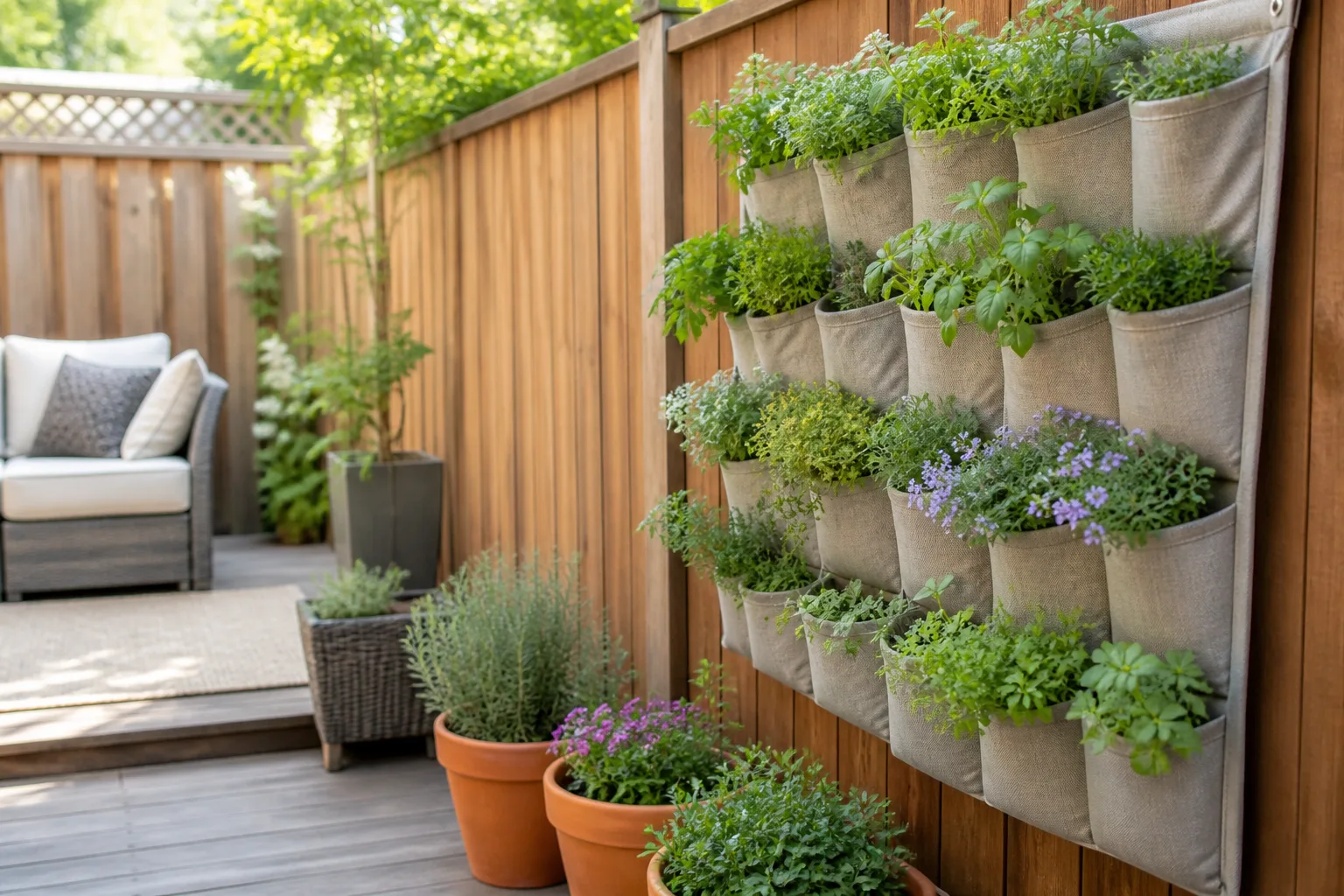
9. Window boxes. Long boxes work well for parsley, chives, thyme, lettuce, and trailing flowers. Secure them properly and make sure runoff will not stain a wall or fall onto a walkway.
10. Rail planters. Balcony rails can host compact herbs and flowers, but verify the rail attachment and building rules before adding wet soil. Wind exposure and rapid drying are more important than the planter’s appearance.
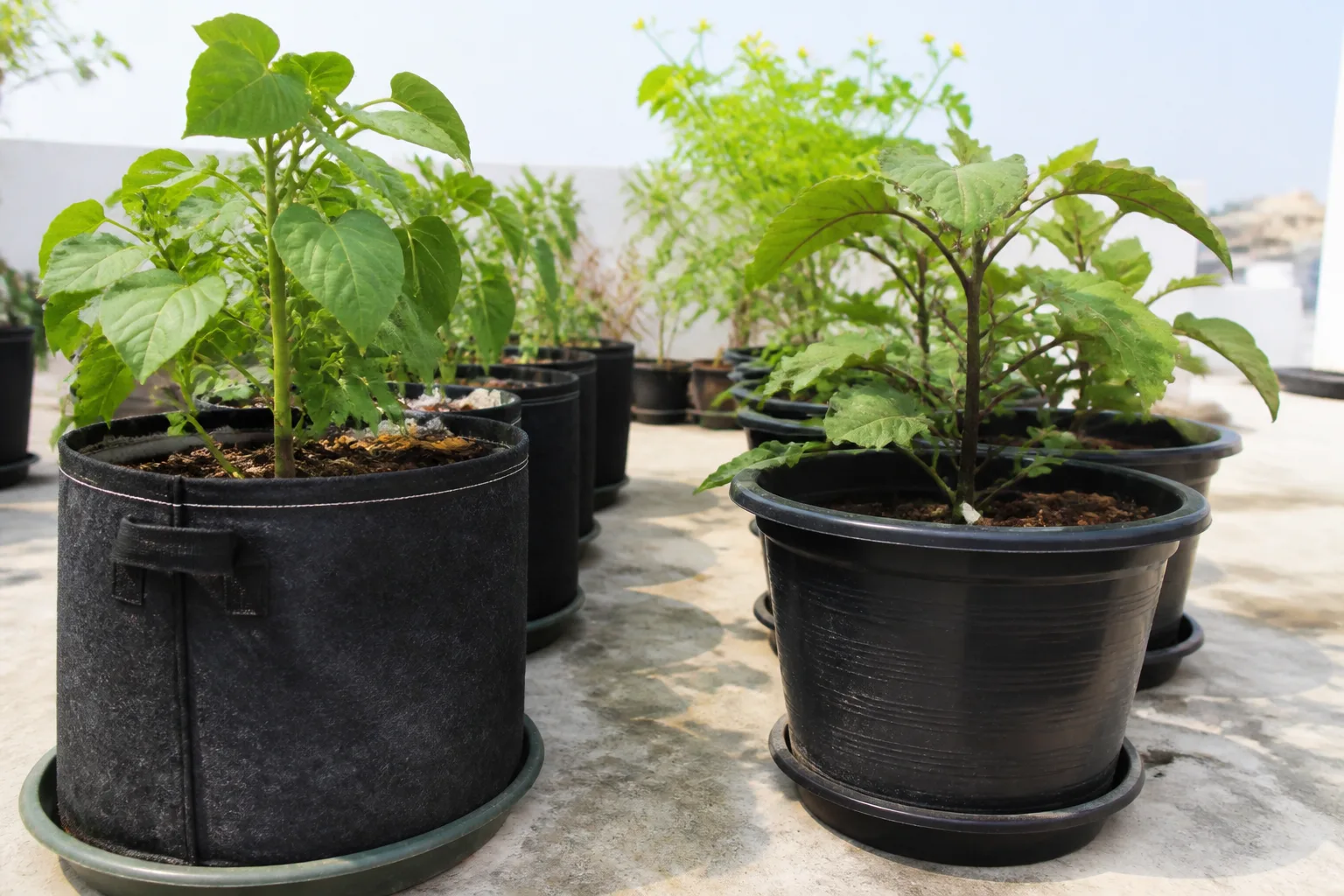
11. Trough bed. A stock tank or animal trough creates a durable, modern container with generous soil volume. Drill or confirm drainage holes, insulate the hottest metal sides if needed, and remember that the filled tank is extremely heavy.
12. Half-barrel planter. A sound barrel gives a rustic look for herbs, strawberries, or a compact ornamental edible planting. Line only when the lining is suitable for the intended crop, and never leave standing water at the base.
Structural and Architectural Beds
13. Untreated lumber rectangle. Cedar, untreated fir, or another durable, known wood makes a straightforward frame. Avoid mystery boards, painted scraps, and lumber with an unknown treatment history when growing food.
14. Corrugated-metal bed. Metal panels framed with wood heat quickly in spring and create a crisp industrial style. They may also heat and dry the edge faster, so check soil moisture during hot weather and protect sharp cut edges.
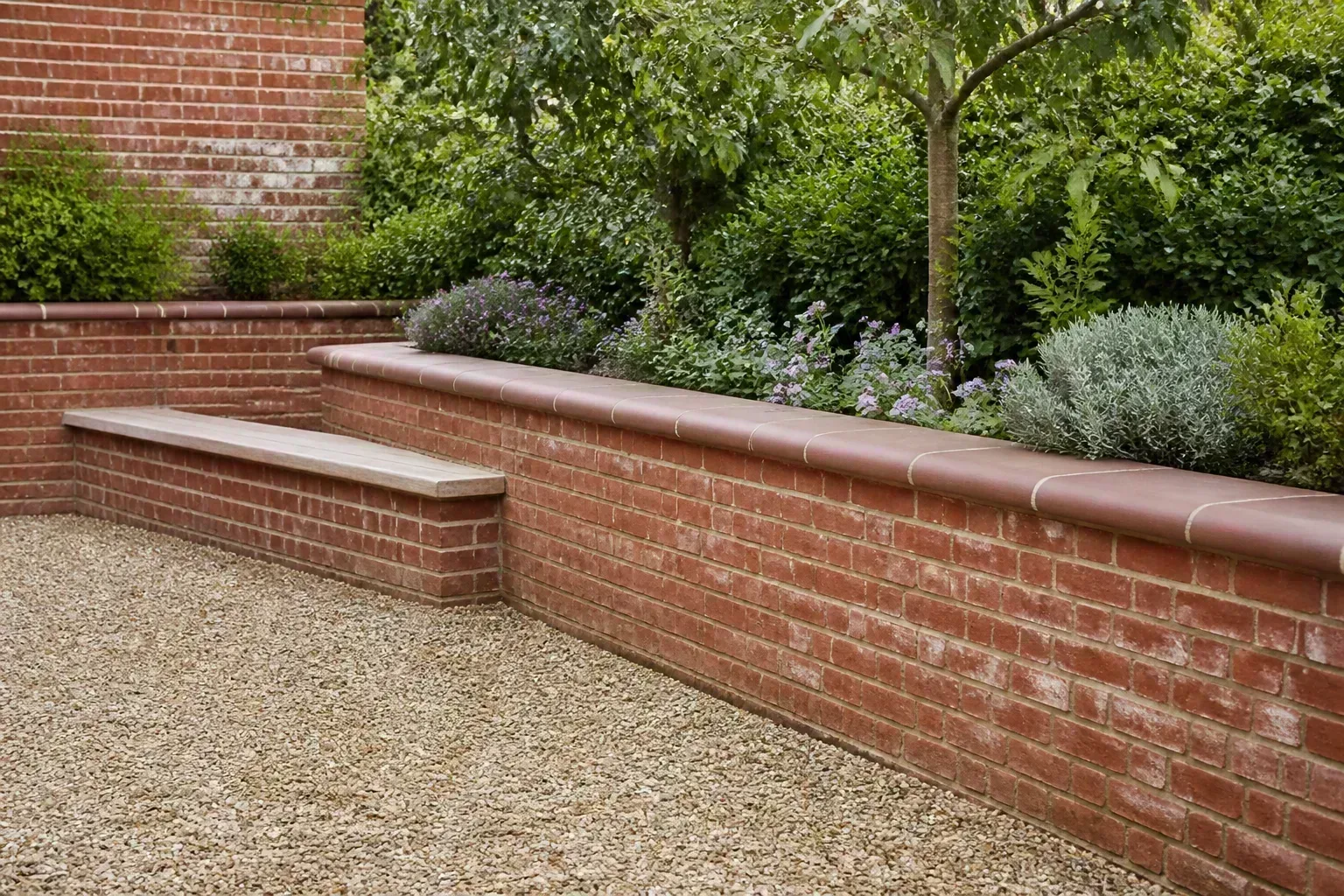
15. Brick perimeter. A single course of brick defines a low open-bottom bed without much carpentry. Build on a level base and use mortar or suitable masonry adhesive if the wall is tall enough for soil pressure to matter.
16. Dry-stacked stone bed. Stone blends into a natural landscape and can last for years. It is best for low edges; a tall retaining wall needs proper drainage and structural planning.
17. Cinder-block bed. Blocks are modular and their openings can hold shallow herbs or flowers. Test the soil rather than assuming the material will change it, and do not stack unstable courses on a slope.
18. Cob or stone herb spiral. A spiral increases planting area vertically in a small footprint and creates warm, dry upper pockets and moister lower pockets. Use it for herbs with similar light needs, not as a substitute for a deep vegetable bed.
19. Pallet-frame bed. Reclaimed pallets can provide partitions or a vertical planting surface, but use only clearly marked, heat-treated wood and avoid pallets that are blank or marked with chemical-treatment codes.
20. Reclaimed-table bed. An old table can become a waist-height herb planter, but its legs must handle the weight of wet soil. Seal or protect the wood without allowing coatings to contact edible soil unless they are appropriate for that use.
21. Drawer planter. Old drawers create a playful tiered display for flowers and shallow herbs. They are short-lived outdoors, so use them as replaceable containers rather than structural beds.
22. Bed with an integrated bench. A seat along one edge makes weeding and harvesting easier and turns the garden into a place to pause. Make the bench load-bearing and keep its back or edge from shading the crops.
Vertical, Accessible, and Multi-Season Designs
23. Trellised back edge. Put a flat trellis on the back or north edge for peas, beans, cucumbers, or small-fruited vines. Install and anchor it before planting; a mature vine can pull on a weak frame.
24. Arch between two beds. Two narrow beds with an overhead panel create vertical growing space while keeping the walkway open. Harvest overhead crops often and anchor both sides against wind.
25. A-frame trellis bed. An A-frame gives climbers two faces and can be folded or removed between seasons. Choose light vines for a small frame and reserve heavy squash or melons for stronger supports.
26. Hoop-house bed. Hoops over a bed support frost cloth, insect netting, or shade cloth. Keep ventilation adjustable; a covered bed can overheat quickly on a sunny day.
27. Tiered stair-step bed. Terraced boxes make a slope usable and allow different crops on different levels. Each wall needs a stable base and a path for water so the upper tier does not wash out the lower one.
28. Table-height accessible bed. A raised table planter can reduce bending for gardeners who prefer seated or standing access. Limit it to crops with shallow or medium roots and confirm that legs and joints can hold saturated soil.
29. Edimental bed. Mix kale, rainbow chard, basil, peppers, nasturtiums, and edible flowers with ornamental foliage. This is a good front-yard compromise, but keep any sprayed ornamental plants clearly separate from food harvests.
30. Straw-bale bed. Straw bales can serve as a temporary growing system for herbs and flowers after conditioning. Use clean straw, not hay with unknown herbicide exposure, and expect the structure to decompose rather than last like masonry.
31. Culvert-ring bed. A short section of a large culvert can form a circular planter. Smooth sharp edges, provide drainage, and use it only where the material is appropriate for the crop and climate.
32. Tree-stump planter. A hollowed stump gives a natural home to shallow-rooted flowers or herbs while it decomposes. It is ornamental and temporary; do not rely on it for crops that need consistent deep soil.
Build the Soil, Drainage, and Irrigation Correctly
Fill an open-bottom bed with healthy topsoil amended with finished compost, rather than pure compost. A container needs a lighter, well-draining mix that still holds moisture. Do not fill the bottom with a layer of gravel as a shortcut: it reduces root volume and does not solve a sealed container’s drainage problem. Instead, use a container with adequate holes and keep them clear.
Line the bottom only for a specific reason. Hardware cloth can deter burrowing animals in an open-bottom bed; landscape fabric can separate soil from a clean hard surface. Avoid impermeable plastic under an outdoor bed unless the design includes a real drainage outlet. A bed that cannot drain is a basin, no matter how tall its sides are.
Water the soil, not the leaves, and check moisture a few inches below the surface before watering again. Drip lines or soaker hoses are efficient for permanent beds; hand watering may be simplest for three grow bags. Mulch around established crops to slow evaporation, keeping it away from stems. Tall metal, shallow boxes, and windy balconies typically need more frequent checks than a deep open-bottom bed.
Avoid the Raised-Bed Mistakes That Waste Money
Do not build before measuring sunlight, paths, and hose access. Do not make a bed wider than your reach, or taller than your back and budget require. Do not place a filled planter on a balcony, roof, or deck without checking the surface and load limits with the responsible building professional. Do not use tires, painted wood, chemically treated pallets, or mystery salvaged materials for food crops when their history is unknown; choose a safer material.
Avoid crowding a small bed with large pumpkins, sprawling melons, corn, or multiple indeterminate tomatoes. Give climbers a support, keep perennial mint in a container, and plan succession crops so a finished radish or lettuce row can be replanted. Finally, leave room to walk, inspect the underside of leaves, and repair irrigation. A bed that photographs well but cannot be reached is not an efficient design.
Conclusion
The most successful raised garden bed is a carefully matched system, not a decorative box. Choose the footprint from your reach and available light, choose the depth from the crops, and choose the material from the surface, budget, climate, and expected lifespan. Add vertical support when air space is available, use containers when mobility matters, and reserve engineered terraces for slopes that truly need them. With honest drainage, sound soil, and a watering plan you will actually follow, even a small raised bed can become a productive and attractive part of the garden.