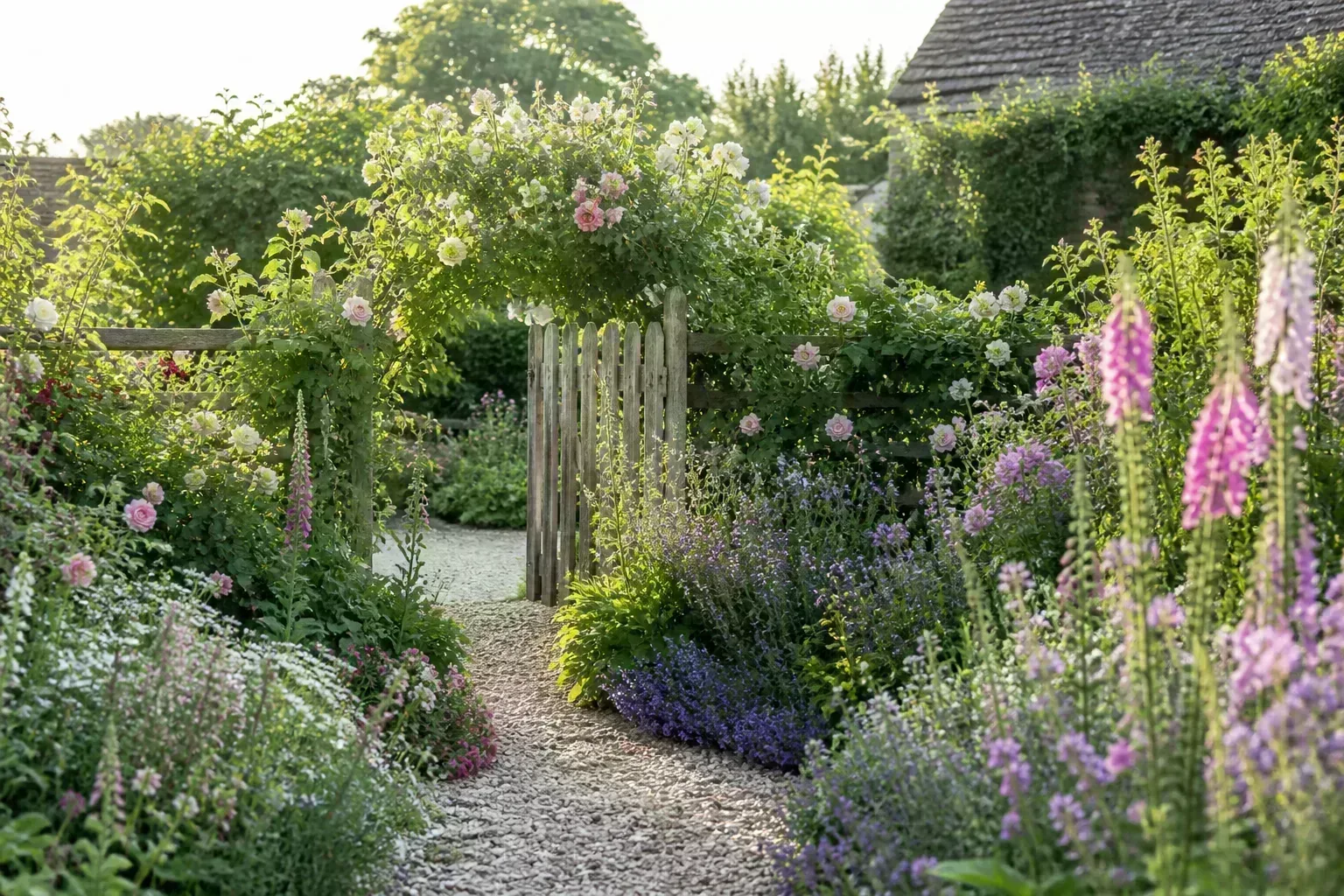
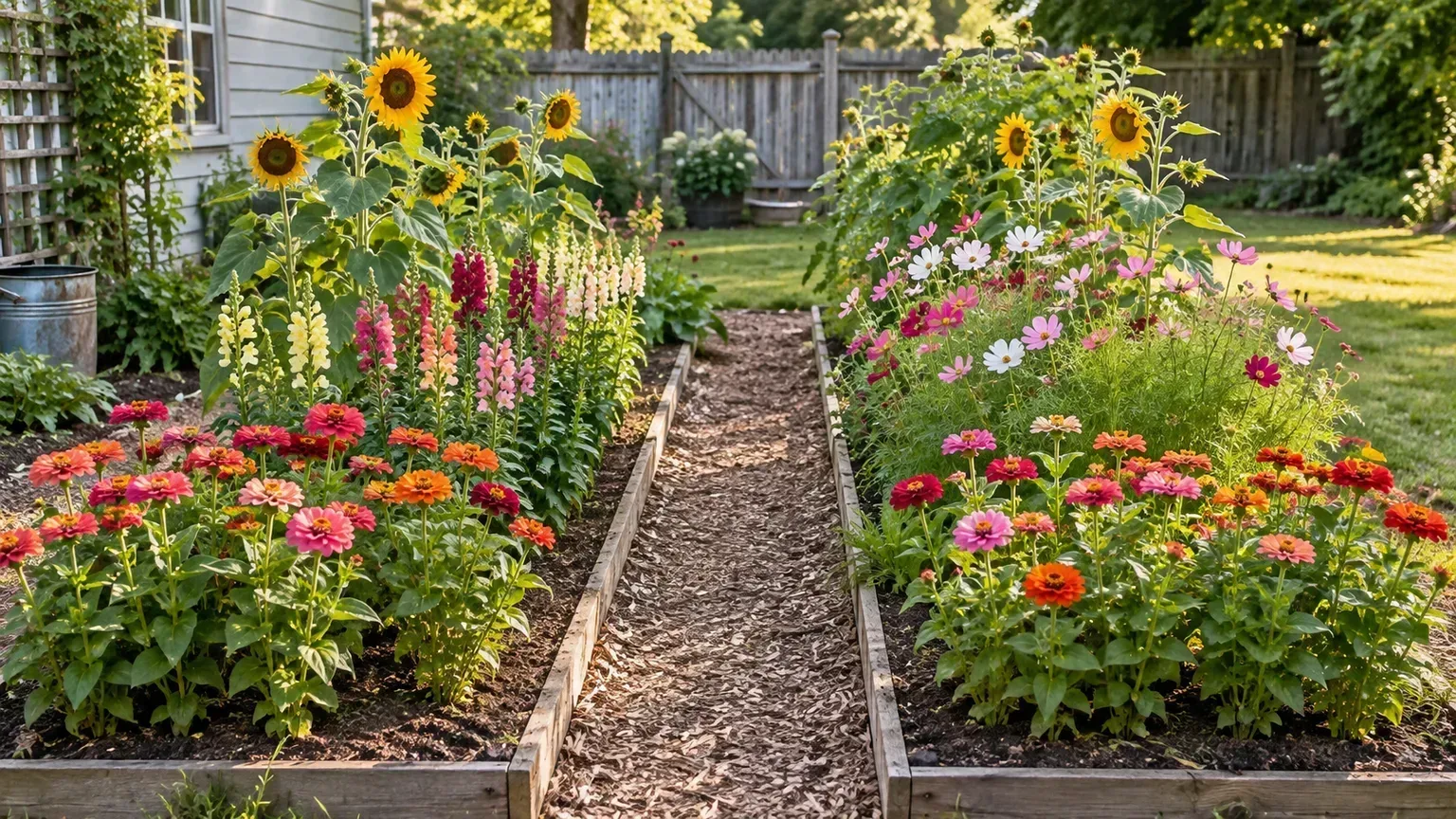
10 Retro Yard Trends Making a Comeback
Ten retro yard trends returning in 2026—from gravel courtyards to bullnose coping—with install costs, trade-offs, and which ideas fit a modern yard vs. a period home.
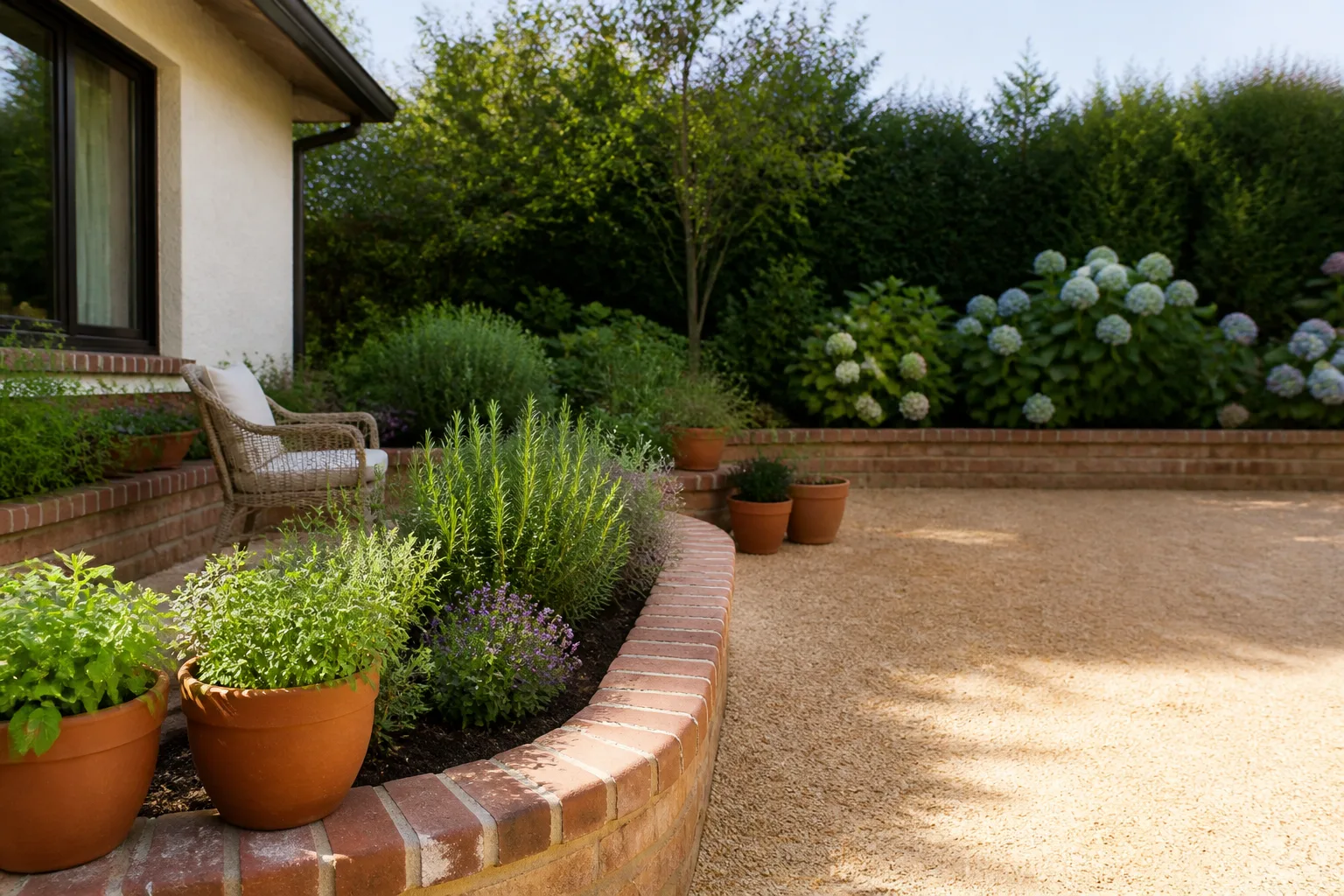
Walk through a suburban yard in the late 1960s or early 1970s and you would see gravel courtyards, chunky herb pots by the back door, brick planters with rounded cap edges, wicker on the patio, and lilacs or hydrangeas doing privacy work without a cedar fence in sight. Minimalism pushed much of that texture out for decades. In 2026, the pendulum is swinging back—not as stage-set nostalgia, but as a practical answer to drought pressure, outdoor entertaining, and yards that feel too flat and too gray.
The ten retro yard trends below are the ones designers and landscapers keep naming when they talk about texture, low-water hardscaping, and rooms outdoors. Each trend includes what it costs, what it takes to maintain, and how hard it is to undo if you regret it. That last point matters more than most trend articles admit—especially for gravel.
Why Texture Is Replacing Minimalism in Backyard Design
Minimalist yards won on maintenance marketing: clean lines, fewer plant species, large slabs of concrete, and mulch beds that read neat from the street. They also aged poorly in hot, dry climates where bare hardscape radiates heat and thirsty lawn pockets fail. Gravel, stone, brick, and layered planting put visual depth back into the yard while reducing irrigated turf.
UF/IFAS landscape planning guidance starts with knowing your yard—regional climate, sun and shade at different hours, soil type, and how water drains across the lot (UF/IFAS ten planning tips for design). Retro trends only work when they match those site facts. A gravel courtyard in a flood-prone low spot is a different project than the same courtyard on a well-drained patio pad.
Texture also solves a social problem minimalism created: outdoor spaces that photograph well but feel cold when you sit in them. Individual chairs, herbs you can smell, and softened wall caps make a patio feel occupied by people, not by furniture catalog staging.
Borrow the Look or Restore the Original Bones
Two different readers land on “retro yard trends” articles. One owns a 1968 ranch or midcentury home and wants to restore garden bones that were original or period-appropriate. The other lives in a 2010s build and wants to borrow retro cues without pretending the house was always there.
| Goal | Lean toward | Skip or soften |
|---|---|---|
| Restore a period property | Old-school privacy plants, bullnose coping, brick planters, sand-set paths | Ultra-sleek conversation pits that fight the architecture |
| Borrow texture on a modern home | Gravel zones, potted herbs, mismatched furniture, one formal hedge axis | Full Euro symmetry if the façade is already busy |
| Low budget this season | Potted herbs, wicker accents, gravel in a small courtyard | Sunken conversation pit (construction project) |
| Low maintenance long term | Sand-set stone paths, PE wicker, limited hedge length | Large clipped boxwood parterres |
Before you buy materials, answer three questions UF/IFAS emphasizes: who uses the yard (kids, dogs, guests), how much maintenance time or money you truly have, and how water moves during storms (UF/IFAS ten planning tips for design). Retro charm does not forgive poor drainage.
1. Gravel Courtyards and Decomposed Granite
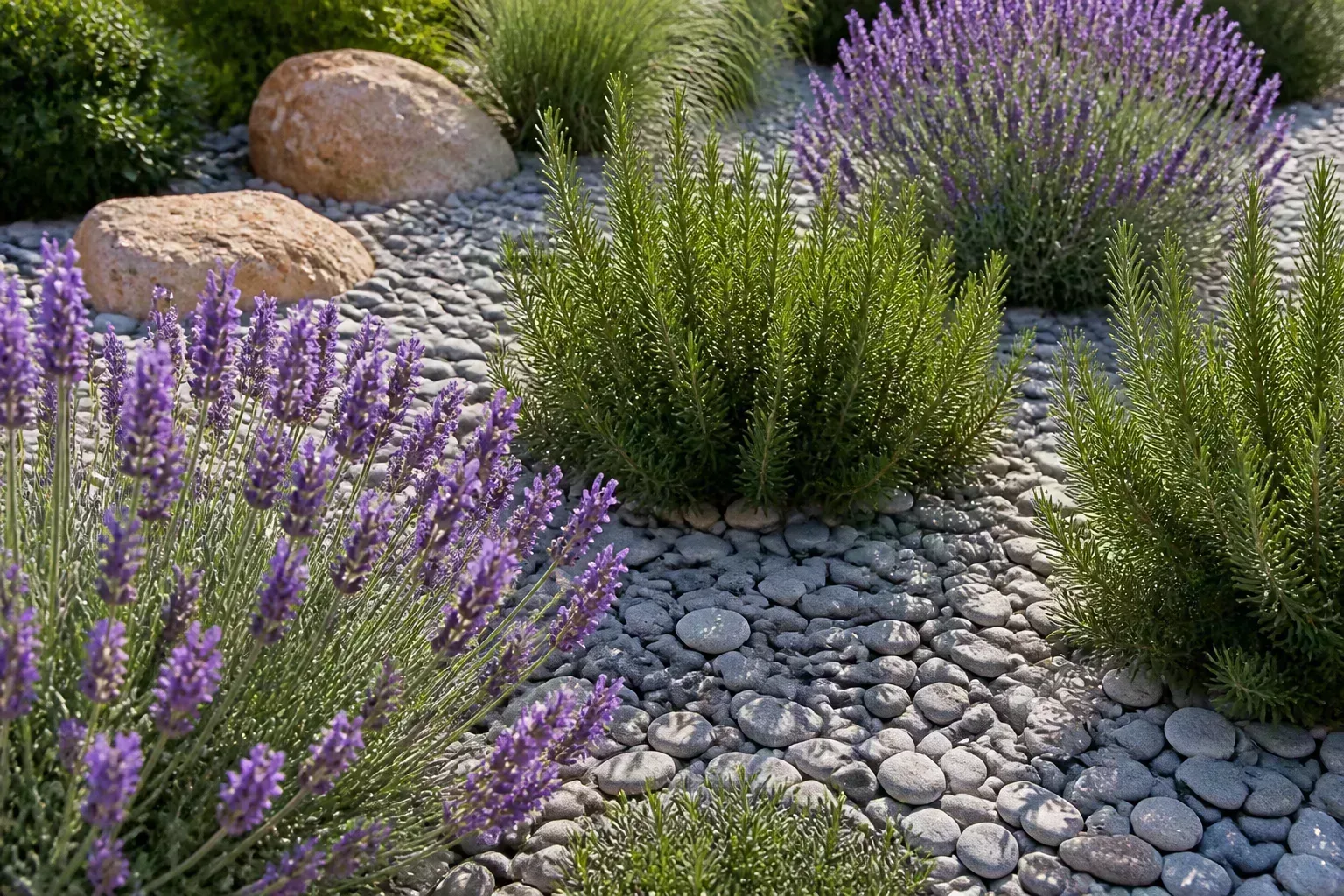
Gravel courtyards and decomposed granite (DG) surfaces were standard in Mediterranean and midcentury plans because they are permeable, inexpensive per square foot, and quiet underfoot. They read textured without demanding weekly mowing. In 2026 they are back as low-water hardscaping that still feels garden-like when paired with pots, a bench, or a single shade tree.
Install is not “dump and spread.” Compact a sub-base, use edging to keep stone in its footprint, and separate gravel from planting soil with a physical barrier. Without edging, stone migrates into beds, into lawn, and eventually into soil where it is miserable to remove. Landscape architect Molly Sedlacek’s firm ORCA notes that homeowners are rediscovering permeable, sand-set, and loose surfacing because solid concrete cracks into one long flaw—gravel and DG avoid that monolithic failure mode.
Budget: Low to moderate for install (often $3–$8 per square foot DIY for gravel in many U.S. markets, higher for DG with proper base and edging). Reversal difficulty: high. Gravel works into the soil profile over years; converting to lawn or pavers later means screening, skimming, and often replacing topsoil. Factor removal labor—not just install cost—if you might change course.
Best for: Borrowing the look on a modern patio extension, side yard, or courtyard where irrigation reduction matters. See our no-grass backyard ideas guide for broader lawn-replacement sequencing.
When to skip: Heavy dog traffic (paw irritation and scattered stone), steep slopes without containment, HOA rules that ban loose surfacing, or low spots that pond after rain.
2. Sand-Set Stone Instead of Poured Concrete
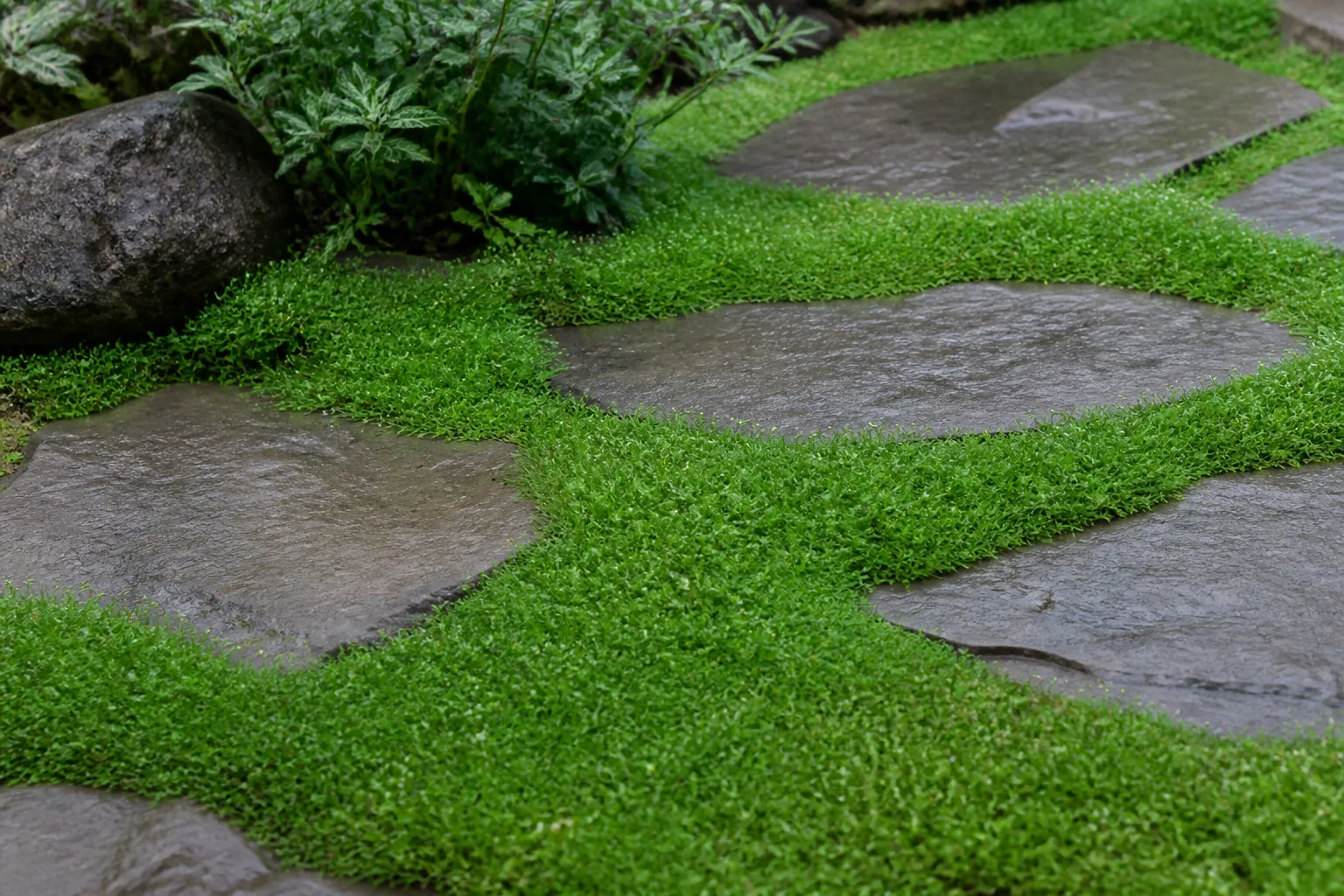
Poured concrete paths and patios are fast to install and easy to hose off, but they telegraph every crack and stain. Sand-set stone—individual flagstones or pavers on a compacted gravel and sand base—was the retro default before monolithic slabs took over suburbs.
Sand-set installs cost more labor per square foot than a single pour, but each unit can be lifted and replaced. Stone develops patina; concrete develops fault lines. Sedlacek’s comment on permeable, sand-set materials versus solid concrete captures the design logic: character versus uniform wear.
Base prep is the whole game. Decorative stone on bare dirt shifts, weeds, and heaves. UF/IFAS illustrates gravel-and-paver walkways as linked outdoor rooms—not scattered accent rock (UF/IFAS ten planning tips for design). Match stone scale to stride length on paths; on patios, leave consistent joint widths so chairs sit level.
Budget: Moderate (material + labor). Reversal difficulty: moderate—harder than furniture, easier than gravel embedded in soil if beds were edged properly.
Best for: Both restoration and modern yards needing permeable connectors between seating zones. Pair with landscape design for beginners if you are drawing the first plan.
3. Outdoor Conversation Pits
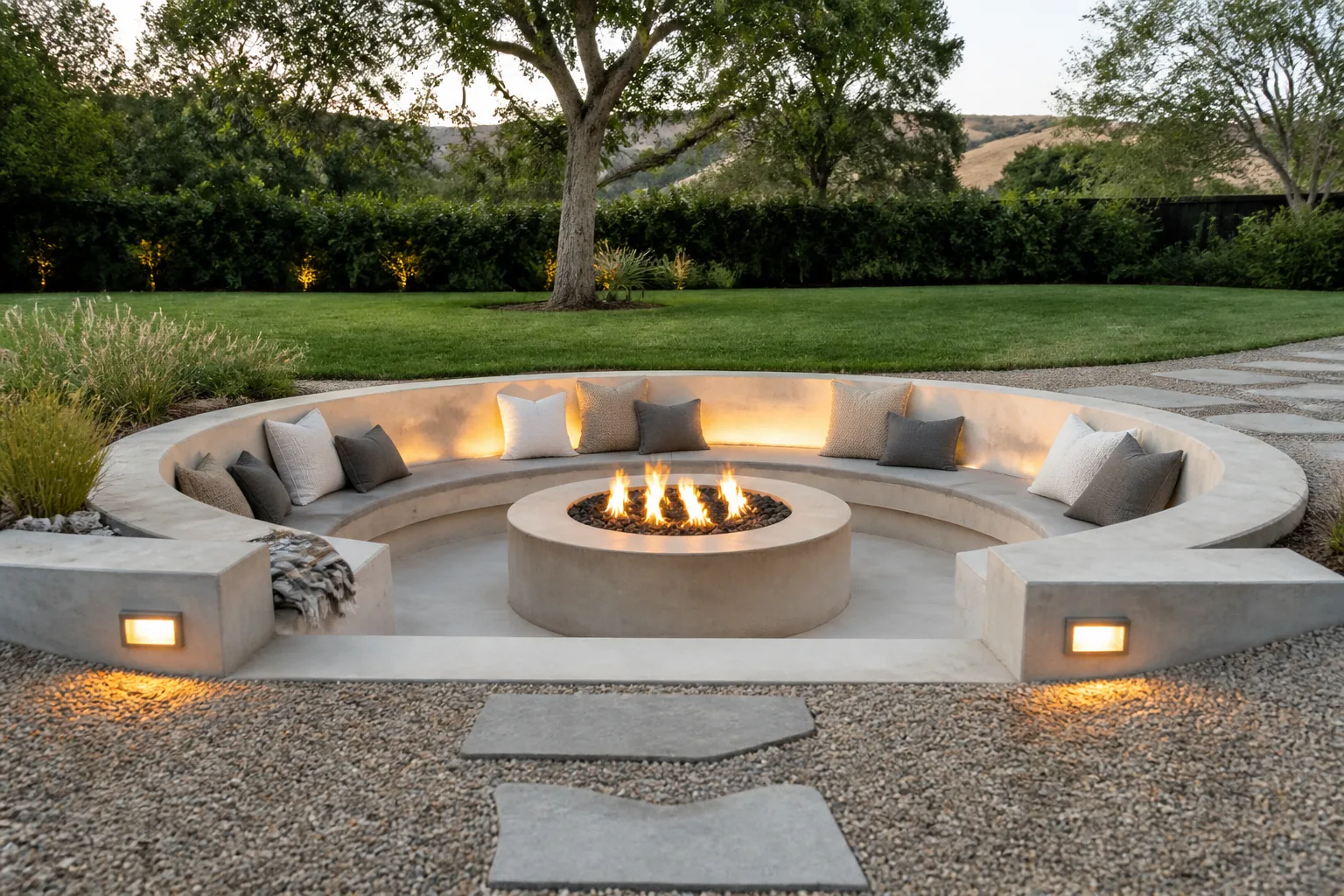
Indoor sunken conversation pits from the 1960s migrated outdoors with cleaner lines, built-in benches, low-voltage lighting, and gas or wood fire features at the center. The result is a social room that faces inward—exactly how midcentury indoor-outdoor plans wanted yards to work.
This is not a furniture upgrade. It is excavation, retaining structure, drainage, and often gas line or venting work. Budget closer to a small patio rebuild than to a sectional purchase—often mid four figures to low five figures installed, depending on depth, utilities, and local codes. Check fire feature setbacks, overhead clearances, and burn bans in your municipality before you sketch a pit.
Drainage first: A sunken seat area that ponds is unusable eight months a year. Plan weep gravel, drain tile, or slope to a daylight outlet. Built-in cushions need outdoor-rated foam and quick-dry covers; otherwise you are storing seat pads every storm.
Budget: High. Reversal difficulty: high—you are filling a hole and rebuilding grade.
Best for: New builds, major renovations, or homes that already have patio infrastructure and a flat, well-drained zone.
When to skip: Small urban lots with code limits on fire features, yards with tree roots where digging is restricted, or families that need flexible open lawn for sports.
4. Wicker and Natural-Woven Outdoor Furniture
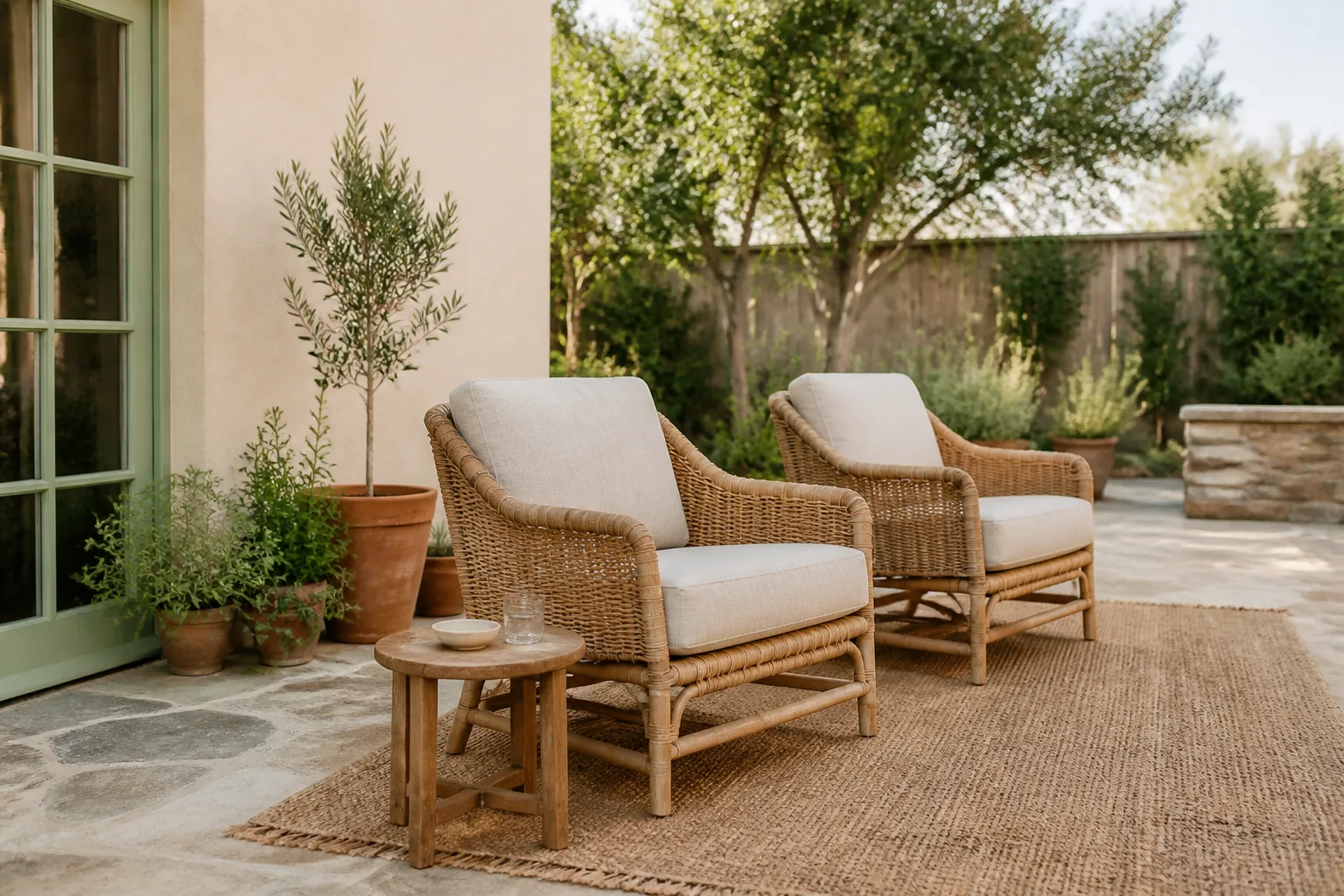
The 1970s leaned on wicker, rattan, and woven natural fibers because they felt organic against brick and wood. The trend today is the same texture story—warmth against hardscape—but material science has moved.
Natural wicker and rattan need covered porches or seasonal storage unless you accept weathering and mildew risk. PE rattan (resin wicker) with powder-coated frames is the practical outdoor version: UV-stabilized weave, rust-resistant frame, cushions with outdoor foam. Landscape designer Kristen Kelly notes that natural materials are driving the look again; your job is picking the version that matches how exposed your seating is.
Layer pillows for color, set pieces on an outdoor rug, and mix wood side tables so the grouping does not read like a hotel patio. Wicker works especially well with gravel and brick—rough against rough.
Budget: Low to moderate per chair; higher for quality frames and cushions. Reversal difficulty: low—sell or move furniture.
Best for: Borrowing retro feel without construction. Works on existing patios covered in patio garden ideas.
5. Potted Herbs at the Kitchen Door
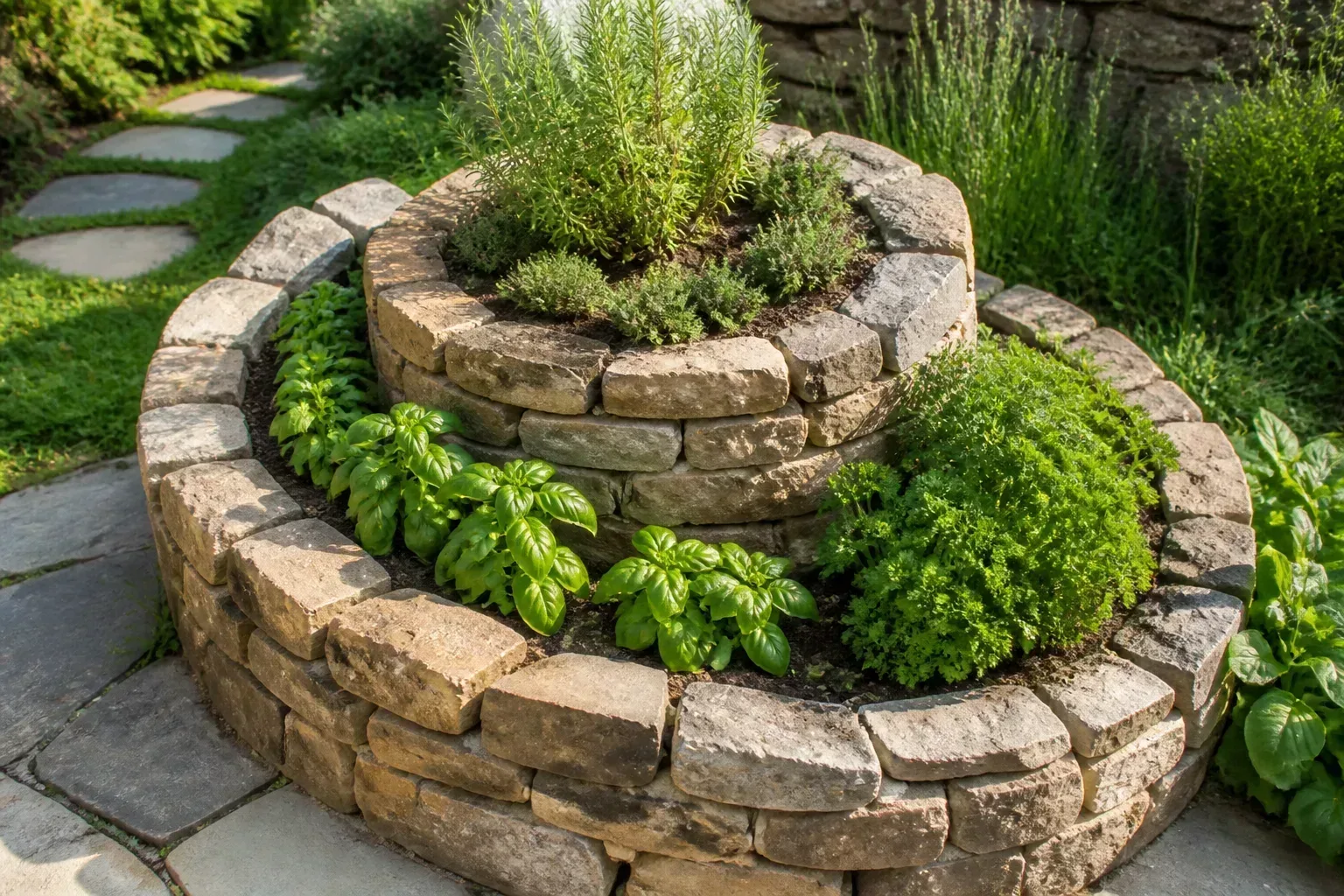
Potted herbs are the most period-authentic and least expensive trend on this list. Basil, rosemary, mint, and thyme lined sunny ledges in 1970s patios because cooks could step outside, clip, and return to the pan. That logic still holds.
Group pots by sun and water needs, not just Instagram symmetry. Rosemary and sage want sharp drainage and full sun; mint wants its own pot—it spreads through bed soil aggressively. Use terracotta or glazed pots with drainage holes; elevate pots on feet in rainy climates so roots do not sit wet.
Budget: Very low—often under $50 for pots and starts. Reversal difficulty: trivial.
Best for: Every audience. For layout inspiration beyond pots, see herb garden ideas.
6. Old-School Privacy Plants

Before cedar-panel fences became default, lilac, camellia, hydrangea, delphinium, and magnolia did privacy and structure work. They are back because homeowners want screens that feel like gardens, not stockade walls.
Kristen Kelly highlights older hydrangea cultivars like ‘Tardiva’ and layering Magnolia grandiflora into hedges for instant “always been here” texture. That only works if you respect mature size and your USDA zone (USDA Plant Hardiness Zone Map). A magnolia hedge planted on a 4-foot strip will outgrow the space in five years.
| Plant | Role | Caveat |
|---|---|---|
| Lilac | Spring scent + loose screen | Needs cold winters for bloom; space for air flow |
| Camellia | Evergreen winter flowers | Morning sun, afternoon shade in hot climates |
| Hydrangea (panicle or legacy cultivars) | Summer structure | Match species to sun; bloom color varies with soil on some types |
| Delphinium | Vertical color spike | Staking and slug pressure in wet springs |
| Magnolia grandiflora | Tall evergreen screen | Large mature footprint—plan width |
Budget: Moderate for young plants; high for mature specimens. Reversal difficulty: moderate—removing trees and hedges is labor, not shopping.
Best for: Restoration projects and anyone building a layered privacy screen instead of a single fence line.
7. Brick Planters, Benches, and Outdoor Kitchens
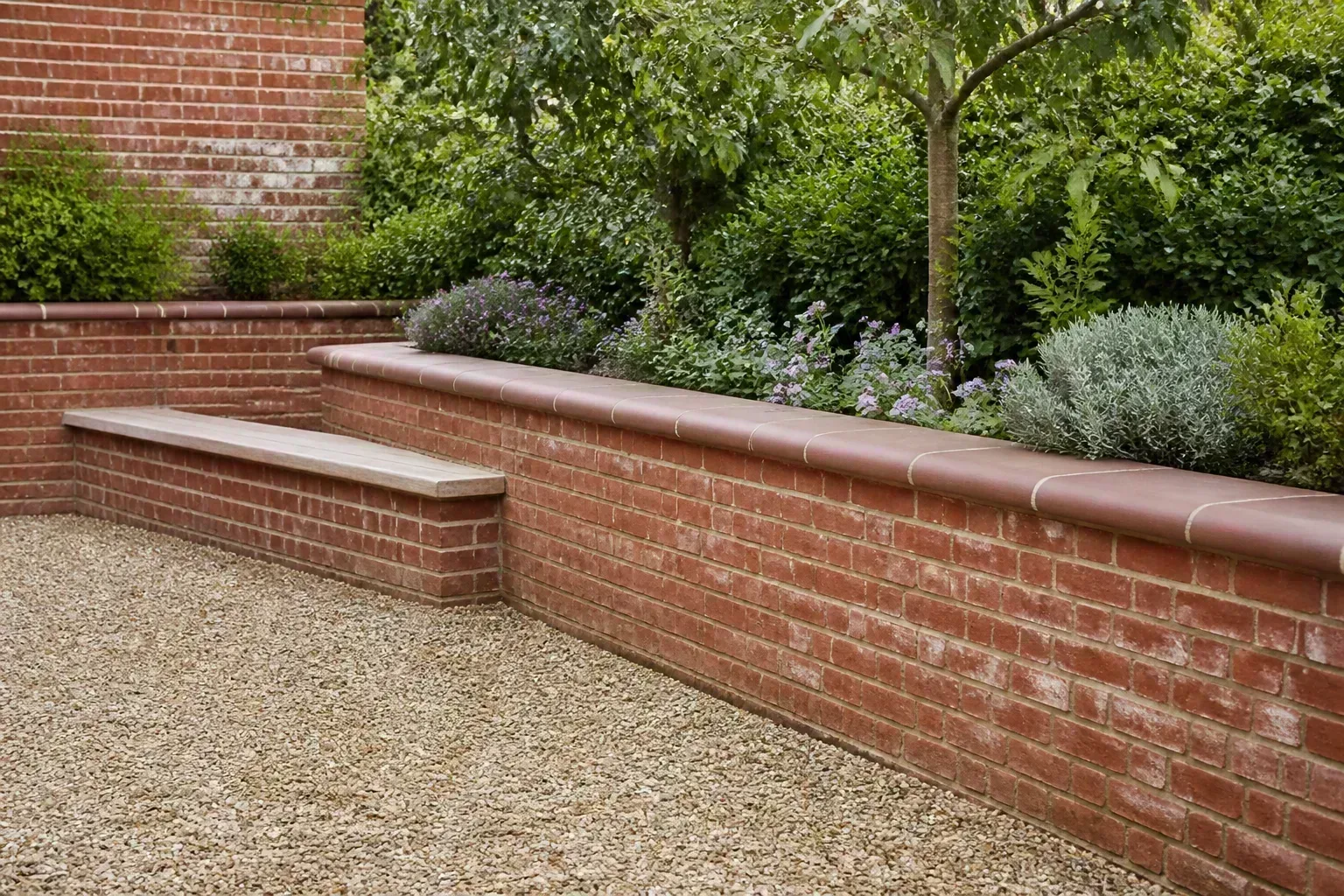
Exposed brick surged in the 1970s as warehouses and older commercial buildings converted to housing; outdoors, brick read handmade and permanent. Today brick shows up in planters, bench bases, outdoor kitchen islands, and low walls—monolithic shapes that anchor a yard.
Brick costs more than poured concrete for small elements but less than natural stone, and confident DIYers can build low planters with proper footings. In freeze-thaw climates, set footings below the frost line and use mortar rated for exterior wet/dry cycles—otherwise caps spall and walls lean.
Sedlacek’s observation that brick makes gardens feel grounded matches how brick visually weights a space compared to floating composite decking. For edging and border patterns, our brick edging ideas guide goes deeper on installation options.
Budget: Moderate per element. Reversal difficulty: moderate to high for mortared structures.
Best for: Homes with brick or warm-toned architecture; courtyards where one strong planter defines the room.
8. Individual Outdoor Furniture Arrangements
Matched modular sectionals that lock into one L-shaped blob dominated the 2010s patio market. Retro logic—and Kelly’s current observations—favor individual chairs, benches, and side tables arranged for conversation paths rather than TV viewing.
Individual pieces let you add one good chair this year and another next season, which spreads cost and lets the layout evolve. Mix wood, wicker, and metal within a color palette so the grouping feels collected, not accidental. Leave gaps for traffic routes; UF/IFAS treats yards as linked rooms—walkways should pull people through (UF/IFAS ten planning tips for design).
Budget: Flexible by design. Reversal difficulty: low.
Best for: Borrowing retro lounge culture on any existing hardscape.
9. Euro-Style Formal Gardens
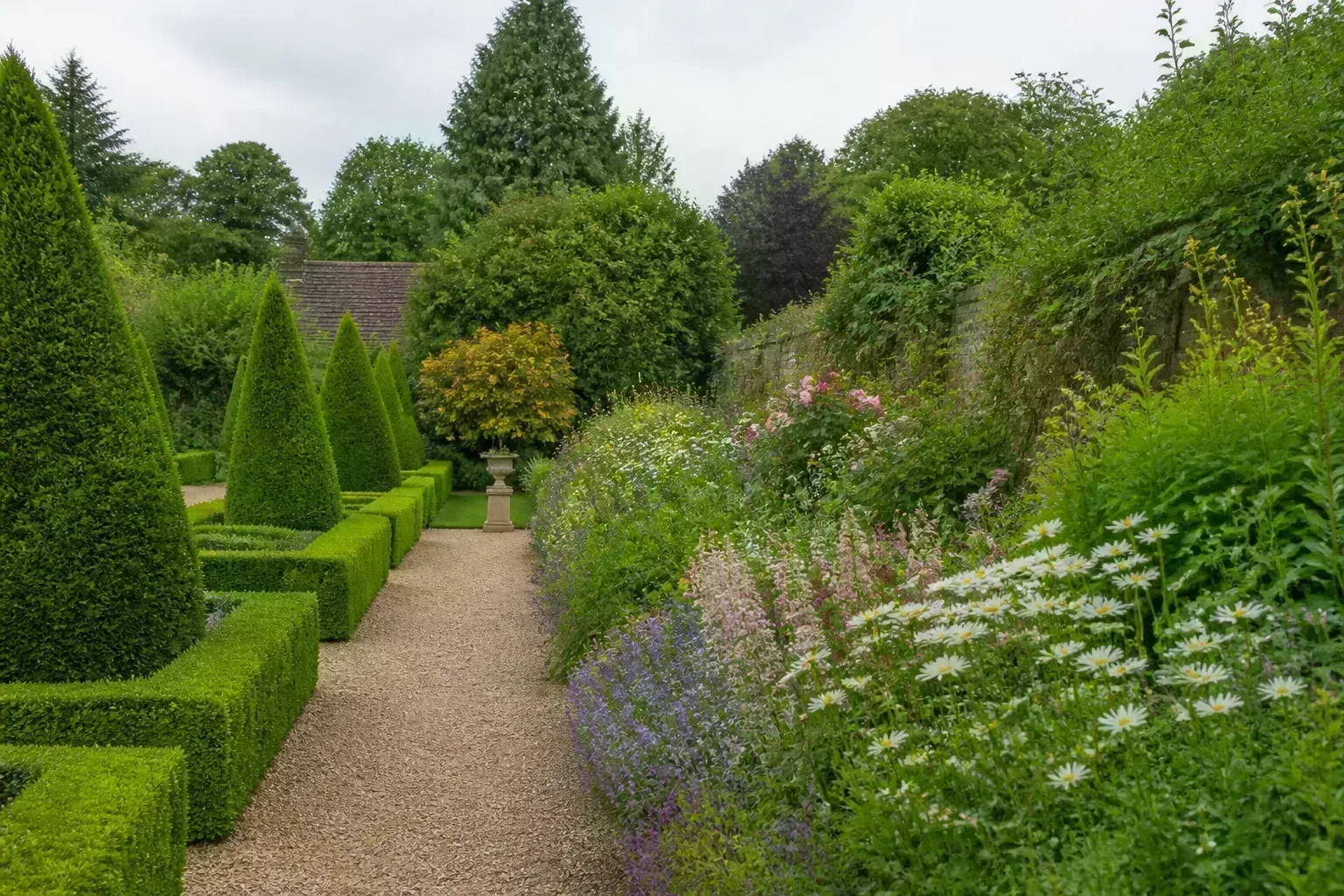
European-style formal gardens—symmetry, clipped boxwood or yew, straight axes, and parterre logic—pulled flat suburban lawns toward old-world structure in the 1960s and 1970s. They are returning as an alternative to minimalist “one shrub species + mulch” front yards.
RHS front-garden guidance stresses structure, repetition, and clear lines visible from the street (RHS front garden design). A single symmetrical axis from the door can read formal without maintaining an entire palace garden.
Honest maintenance math: clipped hedges need trimming several times per growing season in humid climates if you want crisp lines. A 40-foot boxwood run is a hobby—or a landscaping bill. Start with one symmetrical bed or a pair of matching planters before you commit to a full parterre. For broader style context, see English garden designs—formal European influence without copying every English cottage cliché.
Budget: Moderate upfront; ongoing time or service cost. Reversal difficulty: moderate—hedges can be removed, but years of woody growth are heavy work.
Best for: Wide façades, estate-scale lots, or front yards where curb appeal needs geometry.
10. Bullnose Coping on Walls and Steps
Bullnose coping is the rounded cap on top of a brick or concrete wall, planter, or step edge. It softens hard lines and sheds water away from vertical faces—why it framed 1960s backyard masonry.
Coping is a detail applied to another project, not a standalone feature. Specify bullnose profile when you build a low retaining wall, raised planter, or stair cheek wall. Retrofitting coping onto existing sharp edges is possible but fussy—caps must match thickness, overhang, and drip edge.
Garden historians note that midcentury design increasingly treated indoor and outdoor rooms as one plan; bullnose is a small physical trace of that integration—finished edges you would expect inside, repeated outside.
Budget: Low as an add-on to new masonry. Reversal difficulty: low if you are already rebuilding the wall.
Best for: Restoration where original walls had rounded caps; new builds that want polished courtyard masonry.
How to Layer Retro Trends Without Overbuilding
None of these ten trends require adopting every 1970s yard trope at once. The yards that feel intentional in 2026 usually combine one hardscape move, one planting move, and one furnishing move:
- Solve drainage and outline first—bed edges, downspout paths, and where gravel or stone actually belongs.
- Pick one permeable surface—gravel courtyard or sand-set path—not both fighting for the same traffic line unless zones are clearly separated.
- Add living texture—herbs if you cook, privacy plants if you need screening, hedges only if you will maintain clipping.
- Furnish last—individual chairs and wicker accents ship fast; conversation pits do not.
If gravel caught your eye, decide now whether you can live with long-term stone in the soil profile. If formal hedges caught your eye, calendar trimming before you plant forty linear feet of boxwood.
For budget sequencing on visible yard upgrades, our budget front yard landscaping ideas guide walks through spend order—outline, surfaces, then plants.
Conclusion
Retro yard trends in 2026 are not about cosplaying the 1970s. They are about texture, water-smart surfaces, and outdoor rooms that feel human after a long run of flat minimalism. Gravel courtyards and sand-set stone answer drought and cracking concrete. Potted herbs and mismatched chairs answer how the yard actually gets used. Old-school privacy plants and bullnose coping answer homes that want to look settled, not newly staged.
Choose trends that match your real job—restore original bones or borrow texture on a modern lot—and match each trend to drainage, maintenance time, and reversal cost before materials hit the cart. Two well-chosen retro moves beat ten half-finished trend gestures every time.