When to Stop Deadheading Flowers
Six plant signals tell you when to stop deadheading. Get a simple keep, cut, or monitor plan for seed heads, wildlife, and spring cleanup.
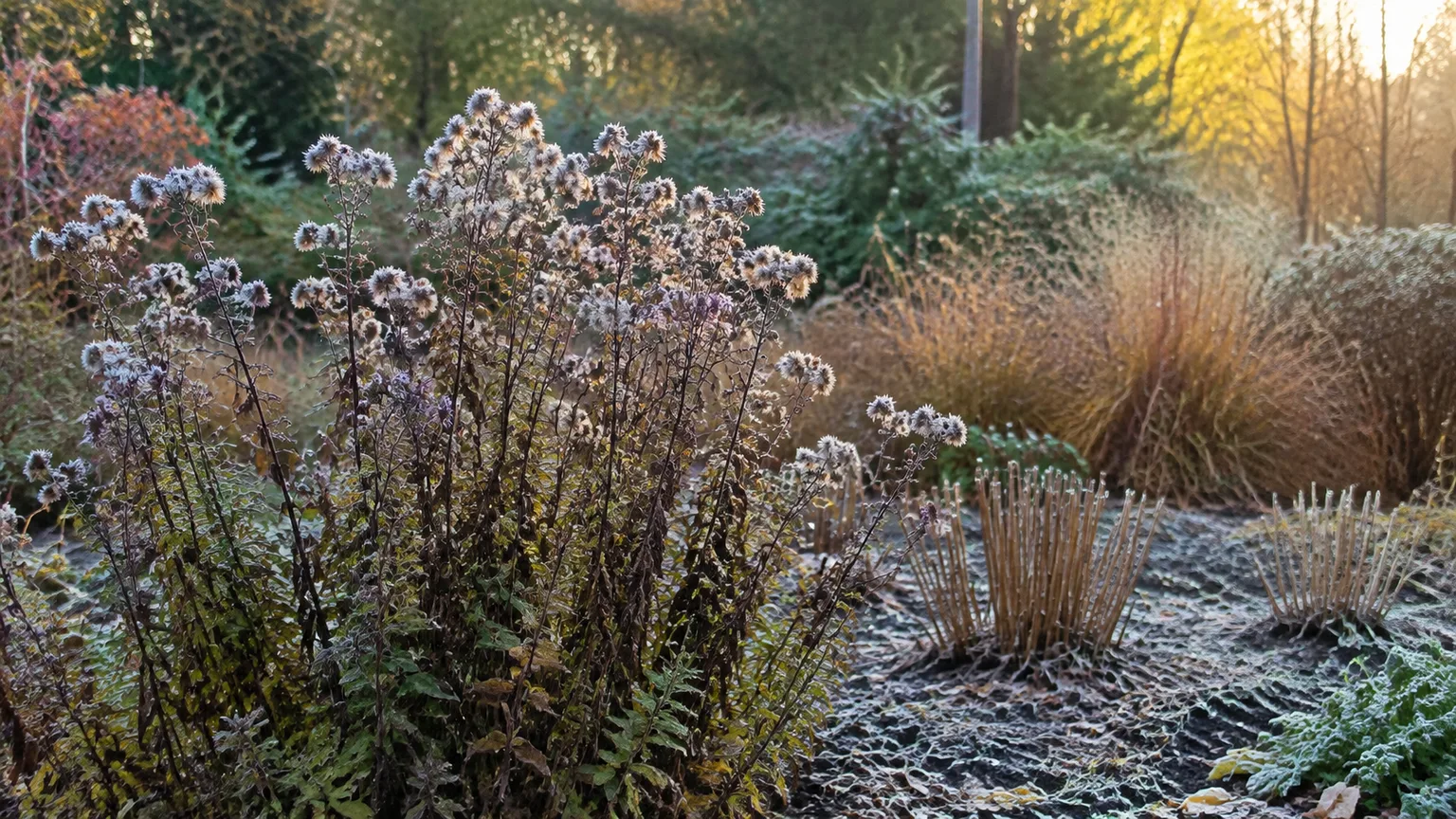
The right time to stop deadheading is not a date printed on the calendar. It is the point when a plant is no longer building a meaningful next flush of flowers and you would rather have it ripen seed, feed wildlife, hold winter structure, or prepare for dormancy.
Use the six signs below as a decision system. If a plant is still vigorous and full of unopened buds, keep removing spent flowers. If it is slowing down and forming seed structures, pause or stop. If it is fading because of drought or disease, diagnose that problem before you treat the decline as a seasonal signal.
The quick decision: keep cutting, pause, or stop
Keep deadheading when the plant is actively producing fresh buds, the foliage is green and firm, and your growing season still has enough warmth and light for those buds to open. This is common with annuals such as zinnias, marigolds, cosmos, and petunias during their main summer display, as well as repeat-flowering salvias, roses, and some perennial daisies.
Pause when the bed is mixed. Remove obviously spent heads from a plant that still has worthwhile buds, but leave a few of the earliest finished heads to see whether the plant is shifting into seed production. A pause is also useful when you want both a little more color and some food or structure later; you do not have to make the same choice for every stem.
Stop when several signals arrive together: the expected bloom window is closing, new buds are rare, growth has slowed, pollinators are no longer visiting, and seed heads or pods are visible. At that point, another round of cutting may make the bed look tidy without buying another flush of flowers. Letting selected heads remain can serve a purpose instead of becoming neglected maintenance.
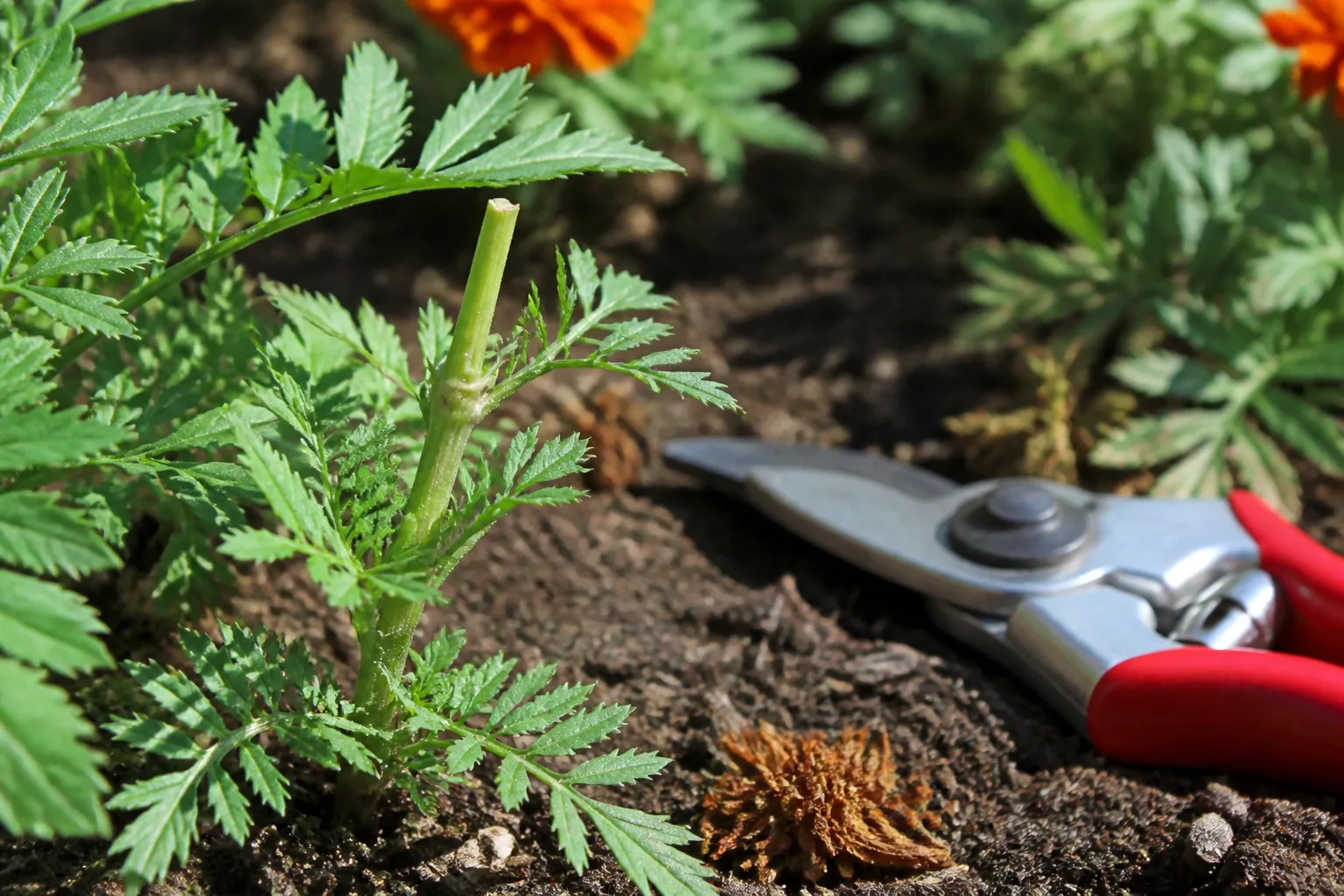
Sign 1: The season is closing for your plant
Shorter days, cooler nights, a first frost warning, or a stretch of intense late-season heat can all close a plant’s flowering window. The important clue is not that summer has officially ended; it is that your particular plant has stopped responding as it did a few weeks earlier.
An annual may continue flowering until frost because its whole strategy is to keep making flowers while conditions allow. A perennial may finish earlier, even while its foliage remains attractive, because it is moving toward dormancy. A plant in a mild climate may flower months longer than the same cultivar in a short-season garden. This is why “stop in September” is useful only as a rough prompt to inspect the plant, not as a universal rule.
Read frost, light, and heat as plant signals
Look at the forecast and the plant together. If a frost is likely within days, buds that are still tight may never open; removing every fading head will not create time that the weather has taken away. If nights are mild and the plant is still branching with healthy buds, continue selective deadheading even if the calendar says autumn.
Heat can create the opposite illusion. Calendula, sweet alyssum, and some cool-season annuals may pause during hot weather and resume when temperatures ease. Do not stop permanently because a heat-stressed plant has fewer flowers for two weeks. Check soil moisture, afternoon exposure, and the plant’s normal temperature range before deciding that its season is over.
Weather also changes the quality of a head. A flower battered by rain may look brown and collapsed, but that is not proof that the plant has entered dormancy. Remove a rotten head if it is becoming a wet source of decay; otherwise, let the plant dry and reassess the nearby buds in good light.
Sign 2: New buds are scarce or stalling
A healthy plant that once carried buds at every stem tip may begin producing only a few, and those buds may remain tight or drop before opening. That shift often means the plant is redirecting resources toward seed, storage, or dormancy—or that the growing conditions no longer support new flowers.
Trace the stem before you cut. If the few remaining buds are plump, green, and connected to firm foliage, remove only the clearly finished heads around them. If there are no new buds anywhere and most of the plant’s flowering stems are dry, stop treating deadheading as a rebloom strategy. The plant may simply be finished for the year.
Do not interpret every bud drop as a reason to leave all spent flowers in place. Drought, saturated soil, root damage, thrips, heat, and abrupt changes in light can also cause bud failure. Feel the soil several inches down, inspect the underside of leaves, and look for stem or leaf damage. A seasonal decision should follow a quick health check, not replace one.
One useful test is to compare two similar stems. Leave one finished head on a vigorous stem and remove the other from a stem with a visible side bud. Recheck in a week. If the cut stem pushes new growth while the untouched one begins swelling into a pod, you have learned what this plant is prioritizing under your current conditions.
Sign 3: Flowers are smaller, paler, or malformed
Late-season flowers are often less impressive than the first flush. Petals may be shorter, colors less intense, and flower heads smaller because light, temperature, water, and plant reserves have changed. If the plant remains generally healthy and the pattern affects the whole clump, it is a strong reason to stop chasing a display that is naturally winding down.
Malformed flowers require more care. One odd bloom after heavy rain is not necessarily a problem, but repeated distortion, streaking, sticky residue, or damaged petals can point to insects or disease. Remove affected material and inspect the plant before deciding whether to leave seed heads. A seed head from a sick plant is not automatically a benefit to the garden.
Green bracts, swollen ovaries, and papery coverings are especially important clues. They can appear before a dry brown pod, and they tell you that the plant has moved beyond the simple “spent petal” stage. Cutting at that point may still tidy the border, but it is no longer the same choice as deadheading a flower before seed begins to form.
The visual trade-off matters here. A small, faded flower can still be useful to a pollinator, but it may also be using space the plant could devote to seed. Decide what you value in that bed: a final flush, reliable volunteers, a winter silhouette, or a clean edge. There is no single correct answer for every garden.
Sign 4: Green growth is slowing or foliage is fading
When stems stop extending, leaves become less glossy, and lower foliage begins to yellow or die back after a normal growing season, the plant may be preparing for dormancy. That is the point to stop aggressive deadheading and let the plant complete its cycle. Perennials can store energy below ground while their tops decline; annuals may simply be approaching the end of their lives.
Fading foliage does not mean you should immediately cut the plant to the soil. Green leaves are still doing work, and plants with bulbs or storage organs need that foliage until it naturally yellows. Removing healthy leaves early can reduce the plant’s ability to replenish next year’s growth. Deadheading removes flowers; a full cutback removes a much larger part of the plant and should be treated as a separate job.
Separate normal dormancy from a garden problem
Normal seasonal decline is usually gradual and widespread across the plant. A problem is more likely when one section collapses suddenly, leaves show sharply defined spots, stems are soft at the base, or the plant fades while neighboring plants remain vigorous. Powdery mildew, leaf spot, crown rot, root stress, and severe drought do not become harmless just because autumn is approaching.
If disease is evident, remove the affected stems and leaves with clean tools, collect the debris, and follow local guidance for disposal. Do not put heavily diseased material into a cool backyard compost pile. Penn State Extension’s winter-bird guidance recommends leaving healthy seed-producing perennials standing from late summer, but that wildlife benefit does not outweigh spreading a disease through a bed. Penn State Extension’s winter guidance
Water stress also deserves a pause. A plant can look “done” after several hot, dry weeks and then recover when its root zone is rehydrated. Water deeply when the plant’s care needs call for it, correct drainage problems, and wait before removing a large amount of foliage. A plant that is failing for an environmental reason needs care, not an end-of-season haircut.
Sign 5: Pollinator traffic has moved on
Fewer bees, butterflies, and hummingbirds around a bed can signal that nectar-rich flowers are becoming scarce. It is not a perfect stop sign—pollinator activity changes with time of day, wind, rain, temperature, and the plants blooming nearby—but it helps reveal when the display is no longer serving its original purpose.
If a few late flowers are still being visited, leave those open blooms and remove only the collapsed ones. If the remaining heads are dry, no new buds are opening, and pollinators have moved to another part of the garden, you can stop deadheading and allow the plant to form seed. A mixed border is more useful when it offers different food sources in sequence rather than forcing every plant to look equally tidy on the same day.
The next seasonal food source may be seed rather than nectar. Penn State Extension lists coneflowers, Rudbeckia, Salvia, Coreopsis, sunflowers, asters, goldenrod, ironweed, mountain mint, and many grasses among plants whose seed heads can help birds through winter. Penn State Extension’s winter bird list That does not mean every cultivar is equally valuable or that every region has the same birds, but it is a good reason to leave a representative portion of healthy heads standing.
This is one part of a larger habitat picture. Penn State Extension notes that songbirds use both native-plant seeds and insects in a garden, especially during the breeding season, so retaining a varied planting is more useful than treating one seed head as a stand-alone bird-feeding system. Penn State’s bird-garden guidance
Keep the habitat claim modest. Leaving stems does not turn a small flower bed into a complete wildlife refuge, and birds still need water, shelter, and suitable food. It does mean your cleanup choices can preserve one more resource that would otherwise disappear into a bag.
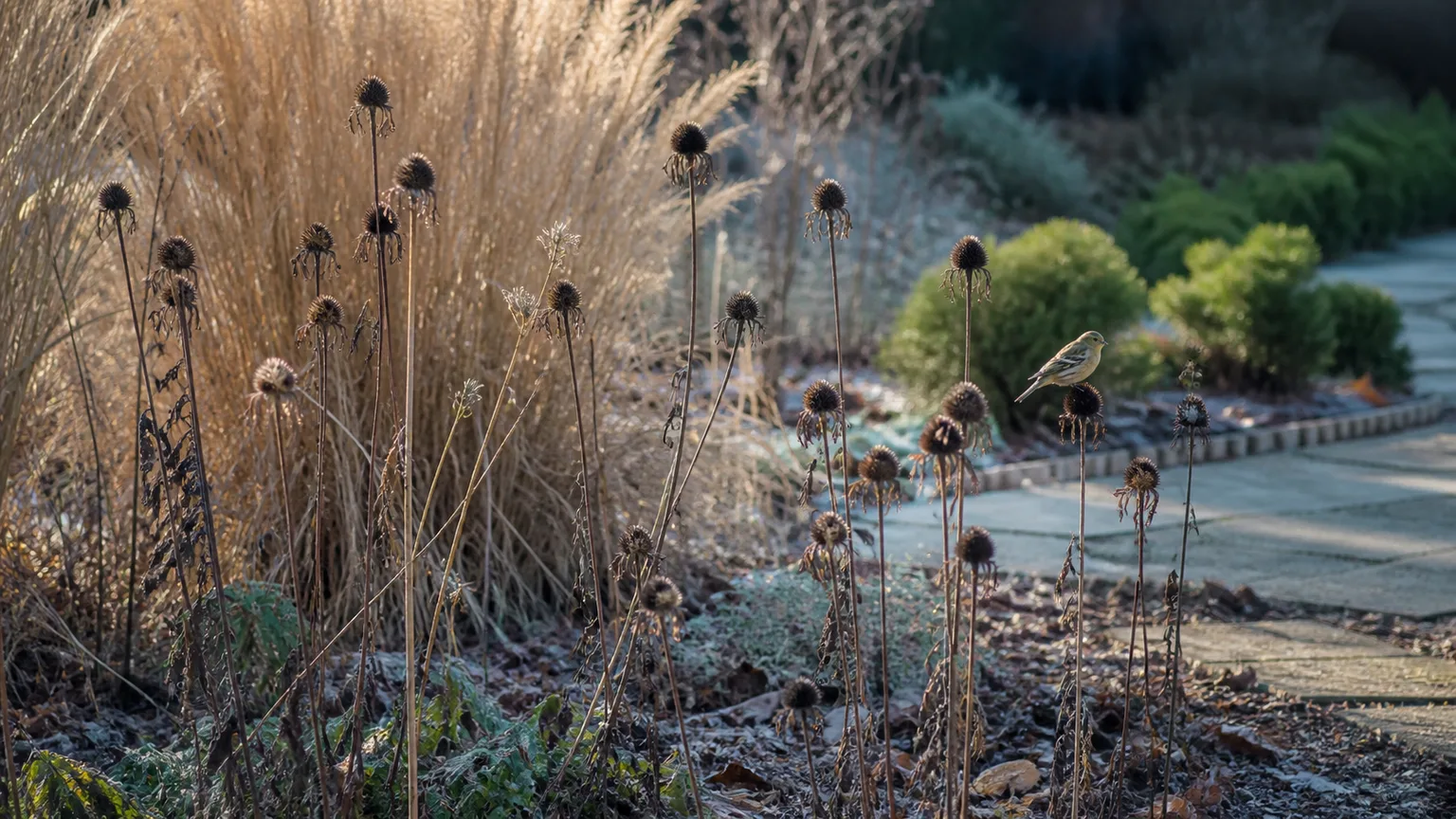
Sign 6: Seed heads, hips, or pods are already developing
This is the clearest visual sign that a plant has changed jobs. A spent flower’s center may swell, harden, turn from green to tan, or develop a papery capsule. Roses may form hips; poppies develop distinctive pods; coneflowers and Rudbeckia leave dark, textured centers; sunflowers hold seed in broad heads. Once you can see a developing seed structure, ask whether you want to harvest it, let it feed wildlife, or prevent it from spreading.
Do not confuse every pointed structure with a pod. Dahlias, for example, can carry spent heads that look like new buds, and many plants have green buds alongside maturing seed. Follow the structure to its stem and check whether it is attached to a healthy leaf or a fresh flower-bearing branch. If you are unsure, leave one for a few days and observe the change rather than making a large cut immediately.
What to leave for birds and winter structure
Leave healthy, upright seed heads on plants such as coneflower, black-eyed Susan, sunflower, aster, Coreopsis, goldenrod, and selected ornamental grasses when your goal is winter food or texture. Garden Gate’s perennial guide notes that purple coneflower can rebloom while still offering seed to birds, and that tall sedum, Joe-Pye weed, and other perennials can be left for winter interest. Garden Gate’s perennial deadheading guide
Leave hips on once-flowering or rambling roses when you want their color and fruit rather than another bloom cycle. Leave dried hydrangea heads when their winter form appeals to you and the cultivar’s pruning needs make spring cleanup the safer timing. For any plant, remove broken, collapsed, or diseased stems even if you are otherwise taking a naturalistic approach.
The best wildlife bed is not necessarily the messiest bed. You can keep the front edge tidy, remove stems that block paths, and leave the tallest seed heads toward the back. Grouping selected stems also makes spring cleanup faster. Kent & Stowe’s practical deadheading guidance similarly distinguishes plants that benefit from more flowering from plants valued for seed heads, hips, or winter interest. Kent & Stowe deadheading guidance
Should you stop deadheading every flower?
No. The useful decision is usually selective, not absolute. A single border can contain repeat bloomers that deserve another week of deadheading, annuals you want to reseed, bulbs whose foliage must remain, and plants that need disease cleanup. Treat each plant according to its lifecycle and your goal for that spot.
Let some annuals reseed on purpose
Stop deadheading calendula, poppies, nigella, cosmos, nasturtiums, or open-pollinated sunflowers when you want volunteers next year. Let several heads mature fully rather than leaving only one half-developed flower. This is especially helpful when the plant’s seed is large or obvious and the bed has open soil where seedlings can establish.
There are trade-offs. Volunteers may appear in paths, compete with smaller plants, or return in unexpected colors. Modern hybrids may produce little viable seed or seedlings that do not resemble the parent. In a short-season climate, seed may not mature before frost. Leave a controlled group, mark the area, and be prepared to thin seedlings in spring instead of allowing every head to scatter.
Protect perennial crowns and bulbs
A perennial’s dry flower stem is not the same as its living crown. If you cut for winter appearance, use sharp pruners and stay above the crown. If you are working with lilies, gladiolus, crocosmia, or other plants that rely on green leaves to replenish bulbs or corms, remove the spent flower stalk but leave the foliage until it yellows naturally.
This is also where the difference between deadheading and cutting back matters most. Deadheading is a small flowering-season cut. Cutting back is a larger dormant-season cleanup. The latter can be appropriate after a plant has fully died back, but it is not a substitute for reading the foliage, and it should not be used to force a perennial into dormancy.
A better end-of-season deadheading plan
Walk the garden with three outcomes in mind: keep, cut, and monitor. Keep healthy seed heads, hips, and attractive stems that support wildlife, reseeding, or winter form. Cut collapsed, diseased, invasive-spreading, or path-blocking material. Monitor plants with a few viable buds, uncertain structures, or foliage that may be stressed rather than dormant.
Divide the bed into keep, cut, and monitor
Start with the easiest cuts: remove flowers that are rotting onto healthy foliage, and trim stems that have broken into a walkway. Next, mark plants you want to leave with a small tag or mental note. Photographing the bed before winter can help you remember which dry stalks are intentional when the border looks less familiar in January.
For the monitor group, return after several dry days. Look for seed swelling, new buds, or continued green growth. If a plant is still flowering, deadhead only down to the next useful node or side shoot. If it is clearly making seed, stop cutting unless you are removing unwanted spread or disease.
Do not fertilize heavily to force late flowers. A late push of soft growth can be damaged by an early freeze, and extra fertilizer cannot correct a plant whose natural bloom window has ended. Make a note of what finished early, then adjust light, irrigation, spacing, or plant selection next season.
Handle diseased material differently
Keep healthy dry heads separate from gray, slimy, spotted, or mildew-covered debris. Disinfect pruners when moving between plants with suspicious symptoms, especially when a cut could transfer sap or contaminated residue. Do not shake diseased stems over the bed, because fallen debris is harder to locate and remove later.
Wildlife value is a reason to leave healthy habitat, not a reason to preserve every stem. A naturalistic garden still benefits from selective sanitation. Remove material that is clearly infected, and keep the remaining healthy stems standing where they can provide food and structure.
How to save seed without losing the bed
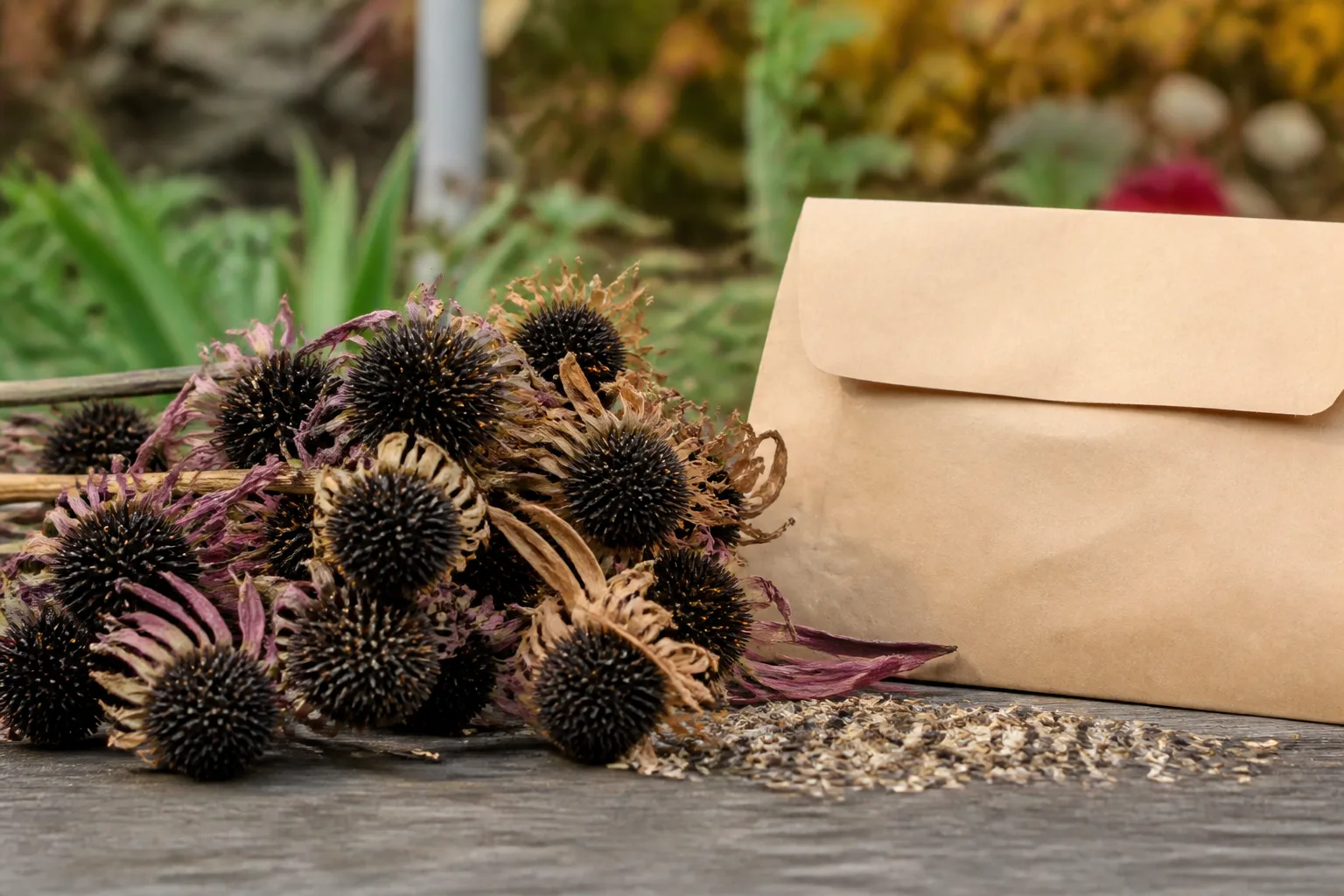
Choose a dry day after the seed head has matured but before it shatters. A mature head is usually dry and firm, and the seeds separate with gentle rubbing rather than feeling soft or green. Cut the head with enough stem to handle it, then place it in a labeled paper envelope or shallow tray in a dry, airy room.
Let the material dry completely before sealing it. Label the plant name, flower color if relevant, collection date, and garden location. Store the cleaned seed in a cool, dry, dark place. Avoid plastic bags when there is any remaining moisture; trapped humidity can turn a promising harvest into mold.
Expect variation. Seeds from hybrid flowers may not produce the same color, height, or flower form, and cross-pollinated plants can create surprises. If you want the exact cultivar, save seed only when the plant is known to come true from seed or buy fresh seed from a reliable source. Save more than you need, then sow a small test portion before relying on it for the whole bed.
Saving seed is not the same as letting every seed fall. Harvest some heads, leave some for birds, and remove others if volunteers would crowd the border. This three-way approach gives you future plants without surrendering control of the planting.
When to cut back after winter
For healthy stems left standing, late winter or early spring is often the easiest cleanup window. The timing should follow your local weather and the plant’s new growth: remove old stems before fresh shoots are damaged or hidden, but do not rush into the crown while the soil is cold and the plant is still dormant.
Cut back plants that have collapsed, become unsafe, or clearly need removal. Leave low basal foliage alone when it is still green and healthy. For bulb and corm plants, wait until foliage has completed its job. For plants that self-sow, thin seedlings after you can identify them rather than hoeing the bed blindly.
The spring check is also your chance to revise the system. If birds used one group of coneflowers heavily, leave a larger patch next winter. If a seed head scattered into a path, remove more of that plant before it ripens. If a border looked too bare, add winter-interest plants or evergreen structure rather than cutting every perennial shorter.
Conclusion
Stop deadheading when the plant tells you that flowering is no longer the best use of its remaining season: the bloom window is closing, new buds are scarce, flowers are declining, foliage is slowing, pollinators have moved on, or seed structures are forming. Those signals are strongest when they appear together.
Make the decision plant by plant. Keep cutting a vigorous repeat bloomer, let selected annuals reseed, leave healthy coneflowers and other seed-bearing perennials for birds, protect green bulb foliage, and remove diseased material promptly. A good end-of-season garden is not one with nothing left standing; it is one where every remaining stem has a reason to be there.



