Signs of Slugs in the Garden and How to Stop Them
Learn the six signs of slugs in your garden, confirm the culprit at night, and use a practical control plan that protects seedlings without damaging soil.
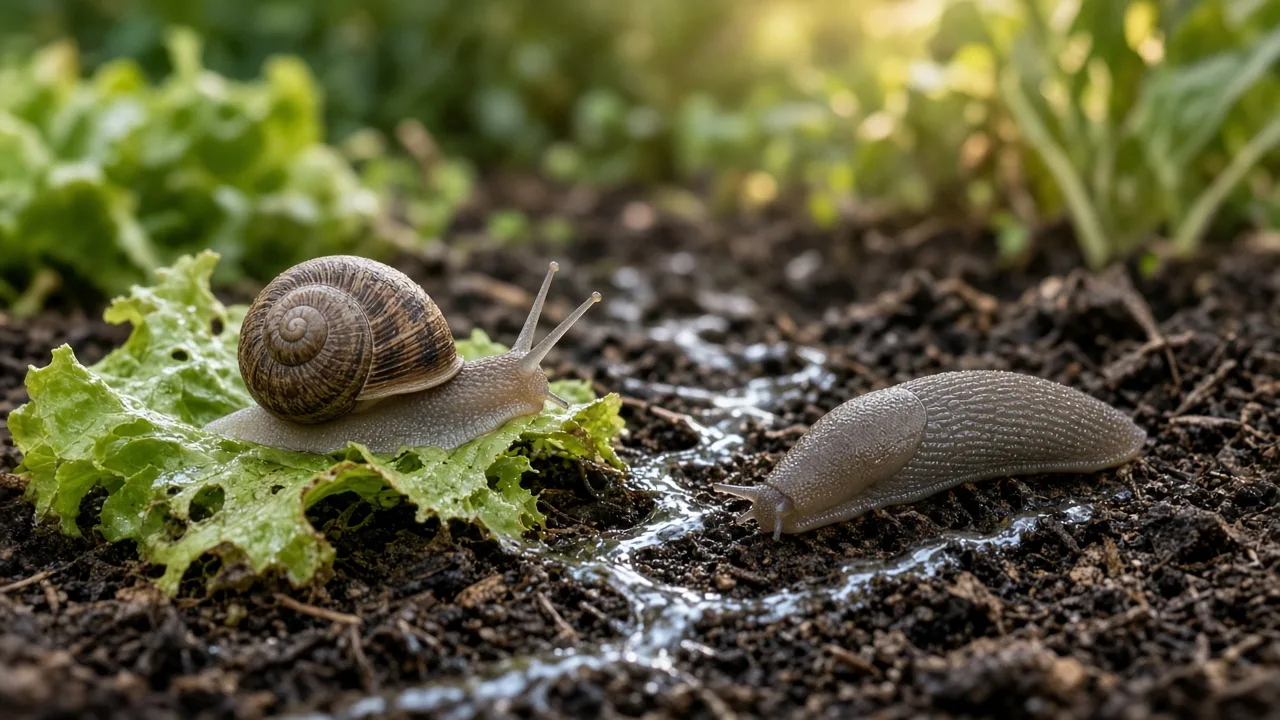
Slug damage is easiest to solve when you identify it before reaching for a remedy. Look for a combination of irregular holes, shiny slime trails, fresh damage on tender growth, and slugs or eggs in cool hiding places. One hole by itself is not proof: caterpillars, earwigs, beetles, rabbits, and even weather can leave similar-looking damage.
The quickest useful response is not to salt the bed or scatter a handful of pellets. Confirm the pest, protect the plants that can’t recover from one night of feeding, make the garden less convenient to cross, and then choose a control that fits the size of the problem. That sequence saves time and keeps a small slug problem from becoming a broad, unnecessary pesticide problem.
The short answer: confirm slugs before you treat
Slugs are soft-bodied gastropods that move on a muscular foot and leave mucus behind. They are most active after dark, during cool damp weather, or after rain; in hot, dry conditions they retreat under leaves, pots, boards, mulch, rocks, and other shelter. The strongest diagnosis is a pattern: fresh holes plus a silvery trail plus a slug found at the right time.
This matters because many gardens contain slugs that are not eating live plants. The Royal Horticultural Society notes that most slugs help break down dead organic matter and feed other wildlife, while only a small number of species cause serious damage to vulnerable plants. The goal is usually targeted protection, especially around seedlings, leafy greens, hostas, strawberries, and fruit resting on soil—not the impossible removal of every slug in the garden.
If you see one slug but no new damage, monitor. If you see repeated overnight damage and a trail that leads toward a plant, act now. If holes appear only on dry, exposed leaves and no slime is present after a damp night, investigate other chewing pests before treating.
Six signs that point to slugs
These signs become much more useful in combination. Walk the bed in daylight first, then repeat the inspection after dusk or early in the morning when slugs are moving.
Ragged holes with smooth, rasped edges
Slugs scrape plant tissue with a rasping mouthpart, creating irregular holes rather than neat cuts. The edges often look smooth instead of shredded, and the damage may begin on the lower leaves, tender growth, or the parts of foliage resting near damp soil. Utah State University Extension describes slug and snail feeding as irregular holes with smooth edges, but it also recommends looking for slime because other pests can imitate the feeding pattern.
A silvery trail on leaves, stems, soil, or hard surfaces
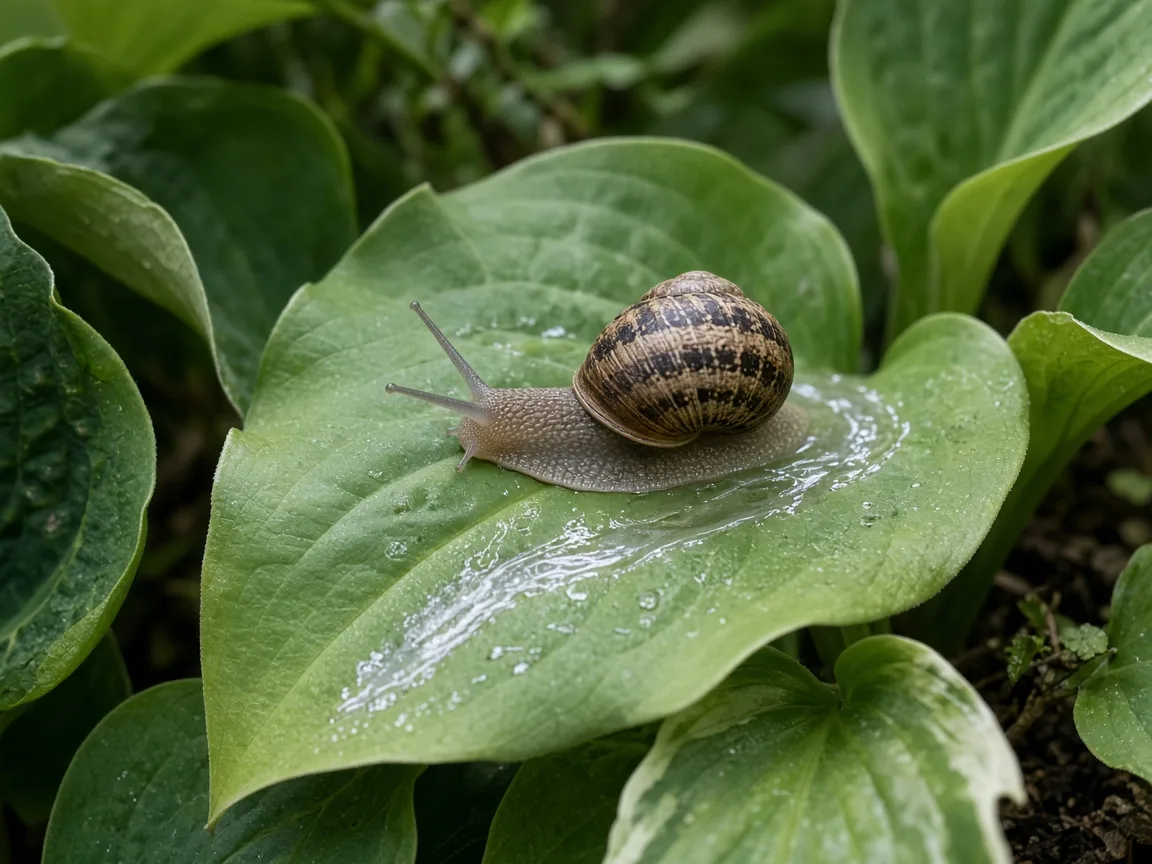
Slime is the most helpful clue because it records where the animal traveled. In the morning, check the leaf surface, the soil line, the underside of leaves, pot rims, edging stones, and the path between a plant and a nearby hiding place. A trail can dry to a shiny silver or translucent line, so it may be easier to see when the light hits it at a low angle.
Seedlings disappear or young stems look clipped
Slugs can remove a whole small seedling overnight because a newly emerged plant offers little tissue to spare. Look for a severed-looking stem, a plant that is present one evening and gone the next morning, or a row in which only the most exposed seedlings remain. Young lettuce, cabbage-family crops, beans, celery, and other soft growth deserve priority protection because they cannot outgrow repeated feeding.
Bites appear on fruit or vegetables that touch the soil
Strawberries, low tomatoes, squash, cucumbers, potatoes, and other produce can show shallow gouges or irregular holes where the fruit meets damp soil or mulch. Lift the fruit carefully and inspect beneath it rather than assuming birds or rodents are responsible. A slug may feed at the contact point and disappear before sunrise, leaving the fruit damage but no visible pest.
Small pale eggs occur in damp pockets
Slug and snail eggs look like translucent white or pale beads gathered in clusters. Check beneath pots, boards, stones, dense mulch, and pockets of moist soil; extension guidance describes clusters ranging from a few eggs to several dozen, depending on species. Eggs are evidence of a favorable hiding place, not proof that every nearby plant is being eaten, so use them to decide where to improve monitoring and sanitation.
Live slugs turn up under shelter
During daylight, search under plant pots, saucers, boards, fallen leaves, dense groundcover, compost edges, and garden debris. Colors and sizes vary, and snails may be present too; the obvious difference is that a snail carries a visible spiral shell while a slug usually does not. The RHS advice guide cautions that close identification can be difficult, which is another reason to focus on the damage pattern and not on guessing a species from color alone.
How to confirm the culprit in one night
When the diagnosis is uncertain, do one deliberate check instead of treating the whole bed. Water the garden in the morning if it needs water, wait until dusk, then use a flashlight to scan the soil line, leaf undersides, and the shaded side of containers. A mild, damp evening is ideal; a hot, dry night may produce a false negative because slugs are hiding.
Use a torch check and a simple board trap
Spend five minutes checking the plants with the newest damage. If you find slugs actively feeding, photograph the scene, note which plant was attacked, and remove the animals. If you find no slugs, lay a flat board, scrap of untreated lumber, or upside-down piece of cardboard on bare soil near the affected plants, leaving a small gap underneath. Inspect it the next morning and lift it every day for several days.
The board works because it creates the cool, dark refuge slugs already seek. GrowVeg’s slug guide also describes a covered board or shallow hole as a monitoring tool: if several slugs collect there, step up protection; if the trap stays empty while damage continues, search for caterpillars, beetles, earwigs, cutworms, birds, or mammals instead. A trap is not just a way to kill pests—it is a simple test that tells you whether your chosen control is aimed at the right animal.
A fast 48-hour response plan
Once slime or live slugs confirm the diagnosis, protect the plants most likely to be lost first. You do not need to rebuild the entire garden in one afternoon. Work from the most vulnerable plants outward, and reassess after two or three mornings.
Protect seedlings and change the watering window
Move trays of seedlings into a cold frame, covered shelf, greenhouse, or other slug-resistant enclosure if that is practical. For plants already in the ground, use a cloche, fine mesh, or a temporary physical cover that does not press against the foliage. Delay planting out until transplants have several sturdy leaves when you can; a larger plant has more tissue and a better chance of recovering from a few bites.
Water early in the day rather than late in the evening. Morning watering gives the soil surface and foliage time to dry before slugs become active, while evening irrigation can create a damp route between plants. Drip irrigation or a directed stream at the root zone can reduce wet foliage and unnecessary damp patches, but do not withhold water from a plant that is genuinely drying out; drought-stressed plants are not a good trade for slug control.
Prioritize the plants that are both vulnerable and valuable. One row of lettuce seedlings may justify a cover, while a mature, slug-tolerant shrub with two cosmetic holes may only need monitoring. This is a more realistic goal than trying to make every square foot of soil hostile to a normal garden animal.
Remove shelters without stripping the whole habitat
Clear dead leaves, discarded pots, loose boards, and dense debris immediately around plants that are being damaged. Thin back foliage that lies on wet soil, lift containers onto feet, and keep mulch from touching the crown of a seedling. These changes reduce the number of short, protected routes into the crop.
Do not interpret “remove hiding places” as “remove all organic matter.” Compost, leaf litter, logs, hedges, ponds, and other wildlife features support predators such as frogs, toads, birds, and ground beetles. Keep a habitat area away from the seedlings you are protecting, and make the crop zone easier to inspect. This creates a slug-managed zone rather than turning the whole garden into a sterile surface.
If you find egg clusters, expose or remove them from the immediate crop area where appropriate, then correct the shelter that allowed them to accumulate. Raking soil can also expose eggs to birds and other predators, but frequent disturbance can harm helpful organisms and soil structure, so reserve it for beds with a real slug problem rather than doing it routinely everywhere.
Control methods that hold up in a real garden
The most dependable plan uses several small advantages together: make the crop harder to reach, remove active slugs, reduce damp hiding places, and reserve bait for situations where those steps are not enough. The USU Extension guide describes slug control as an integrated mix of cultural practices, sanitation, hand-picking, barriers, traps, natural enemies, and bait stations because no single method works everywhere.
Hand-picking, traps, and physical exclusion
Hand-picking is the fastest low-cost reduction for a small bed. Go out after dark or early in the morning with gloves and a container. Repeat daily for several nights, then reduce the frequency once the number of slugs and fresh holes drops. Remove slugs from the crop area rather than tossing them over a fence; some can return, and moving them only shifts the problem. This hands-on approach is also consistent with Fine Gardening’s practical slug-management guidance, which treats control as a combination of methods rather than a single miracle product.
Board traps make hand-picking easier during daylight. Turn the board over, collect what is underneath, and reset it. You can also sink a covered container at the edge of the bed with the opening level with the soil and a small amount of beer or yeast-based liquid inside. Keep the rim just above soil level, use a loose cover to reduce rain and non-target catches, and empty the trap regularly. Place it at the edge rather than in the middle of a valuable crop so slugs are intercepted before crossing the bed.
Beer traps reduce local numbers but do not create a force field. They need maintenance, can attract slugs toward the area, and lose effectiveness when diluted or filled with debris. The USU guide notes that covered, deeper traps are more effective than shallow exposed pans, while BBC Gardeners’ World Magazine recommends checking and emptying beer traps regularly. Treat them as one tool in a short control sprint, not as permission to stop checking the plants.
Physical exclusion often beats a repellent. Use a fine mesh cover over seedlings, a cloche that reaches the soil, or a raised container whose leaves do not form a bridge to another pot. Copper bands and rings are sometimes suggested, but results are inconsistent: an RHS trial found no reduction in slug damage from several barrier materials in a realistic garden setting, and Gardeners’ World reports that copper tape has also performed poorly in a recent trial. If you try a barrier, keep it continuous, clean, and free of leaves or mulch bridges, then judge it by new damage rather than by the promise on the package.
When labeled bait is worth considering
Consider a commercial slug bait only after identification, covers, sanitation, hand-picking, and traps have not protected a high-value crop. Choose a product legally available where you live, read the entire label, follow the application rate, and keep bait away from children, pets, wildlife, edible plant parts, and water. Do not assume that a product labeled “organic” is harmless; the active ingredient, formulation, placement, and exposure route still matter.
Iron phosphate baits are often discussed as a lower-toxicity option than metaldehyde, and USU Extension notes that they can work under moist conditions. “Lower toxicity” is not the same as zero risk, however, and labels differ by country and product. Metaldehyde products can be especially dangerous to pets, so never use an old container or a hand-measured dose without checking the current label and local guidance.
Use bait in a protected station when the label permits it rather than broadcasting pellets through the entire garden. Keep a record of where it was placed, inspect the area, and stop when the crop is no longer showing fresh damage. If you grow food for sale, home remedies and off-label applications create different legal and residue issues from products labeled for that crop; ask your local Extension office before making a treatment part of commercial production.
Common methods to skip or treat skeptically
Do not spread salt over garden soil. Salt can kill a slug by drawing out water, but the same salt can injure roots, foliage, soil organisms, and future plantings. USU Extension explicitly warns that salt is damaging to plants and may build up in soil. If you encounter a slug on a hard path, deal with it away from the bed; never make a salt ring around a crop.
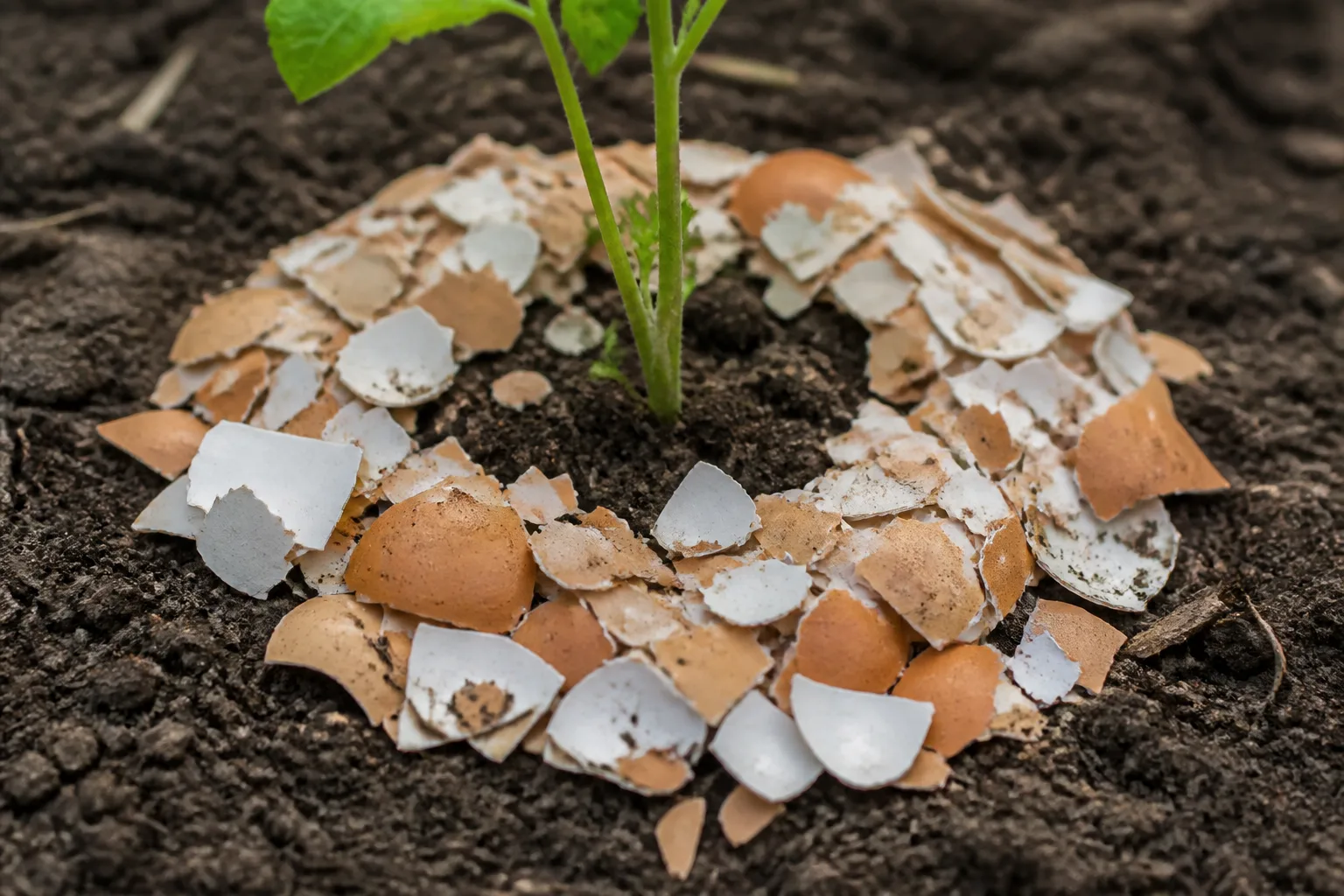
Do not treat eggshells as a reliable barrier. Coarse fragments may look formidable in a close-up photograph, but a thin, discontinuous ring breaks down as slugs travel through moist gaps. RHS guidance says many rough or sharp mulches, including eggshells, lack convincing evidence in real gardens, and GrowVeg recommends skipping eggshells because they are not sharp enough or practical enough to create a meaningful barrier.
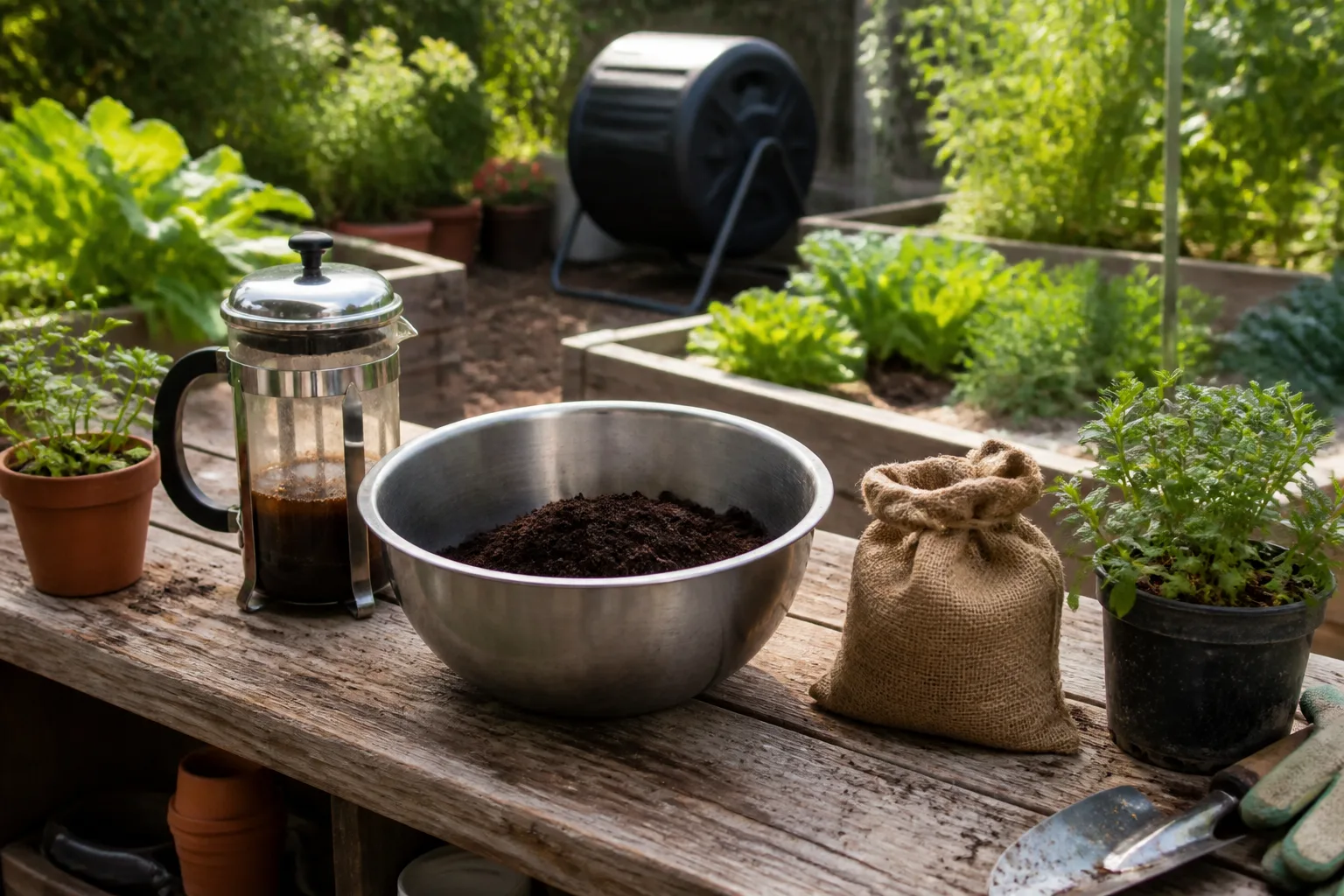
Be cautious with coffee grounds, ash, sand, wool, and homemade sprays. Some gardeners report short-term success, but performance changes with moisture, application depth, soil type, and the pressure coming from surrounding habitat. Ash can alter soil chemistry, coffee grounds can become a wet organic layer, and a spray strong enough to deter a slug may also stress tender foliage. Test anything plant-contacting on a small area first, avoid open flowers, and stop if leaf edges discolor or growth stalls.
Do not scatter bait and forget the garden. Pellets can be washed away, eaten by non-target animals, or applied where they do not reach the slugs. If the damage is actually from caterpillars or beetles, more slug bait simply delays the correct diagnosis. Recheck the plant, the slime evidence, and the board trap before escalating.
When to stop chasing every slug
You can scale down control when new holes stop increasing, seedlings are growing faster than they are being eaten, and the remaining slugs are staying in compost, leaf litter, or non-crop areas. A few slugs in a healthy garden do not automatically represent an infestation. They may be recycling dead material or feeding wildlife, and eliminating them all is neither realistic nor desirable.
Keep monitoring the plants that showed damage, especially after rain or a stretch of mild, damp weather. If damage returns, repeat the smallest effective step first: a cover for seedlings, morning watering, a board check, or a few nights of hand-picking. Escalate only when the evidence shows that the current layer is not protecting the crop.
If holes continue despite dry foliage, clean crop zones, and repeated night checks, broaden the diagnosis. Inspect leaf undersides for caterpillars, look for frass, check stems for cutworms, examine fruit for bird or rodent marks, and ask a local horticulture Extension service for help with a photograph. The fastest fix is often the one that stops treating the wrong pest.
Conclusion
The clearest signs of slugs are not holes alone but smooth-edged irregular feeding, silvery trails, overnight seedling loss, damage near damp soil, pale egg clusters, and slugs hiding under cool cover. Confirm the pattern with a night inspection or board trap before changing the whole garden.
Then protect the plants that need help most. Water in the morning, remove nearby shelters, cover young seedlings, hand-pick for several nights, and use edge traps or a carefully maintained barrier when they fit the situation. Skip salt, remain skeptical of eggshell folklore, and treat commercial bait as a labeled pesticide rather than a harmless shortcut. A targeted, repeatable plan will save more plants—and more beneficial garden life—than trying to win an impossible war against every slug.