22 Sunflower Companion Plants for Your Garden
Plan a healthier sunflower garden with 22 companion plants, smart shade and spacing ideas, pollinator tips, and realistic warnings about allelopathy.
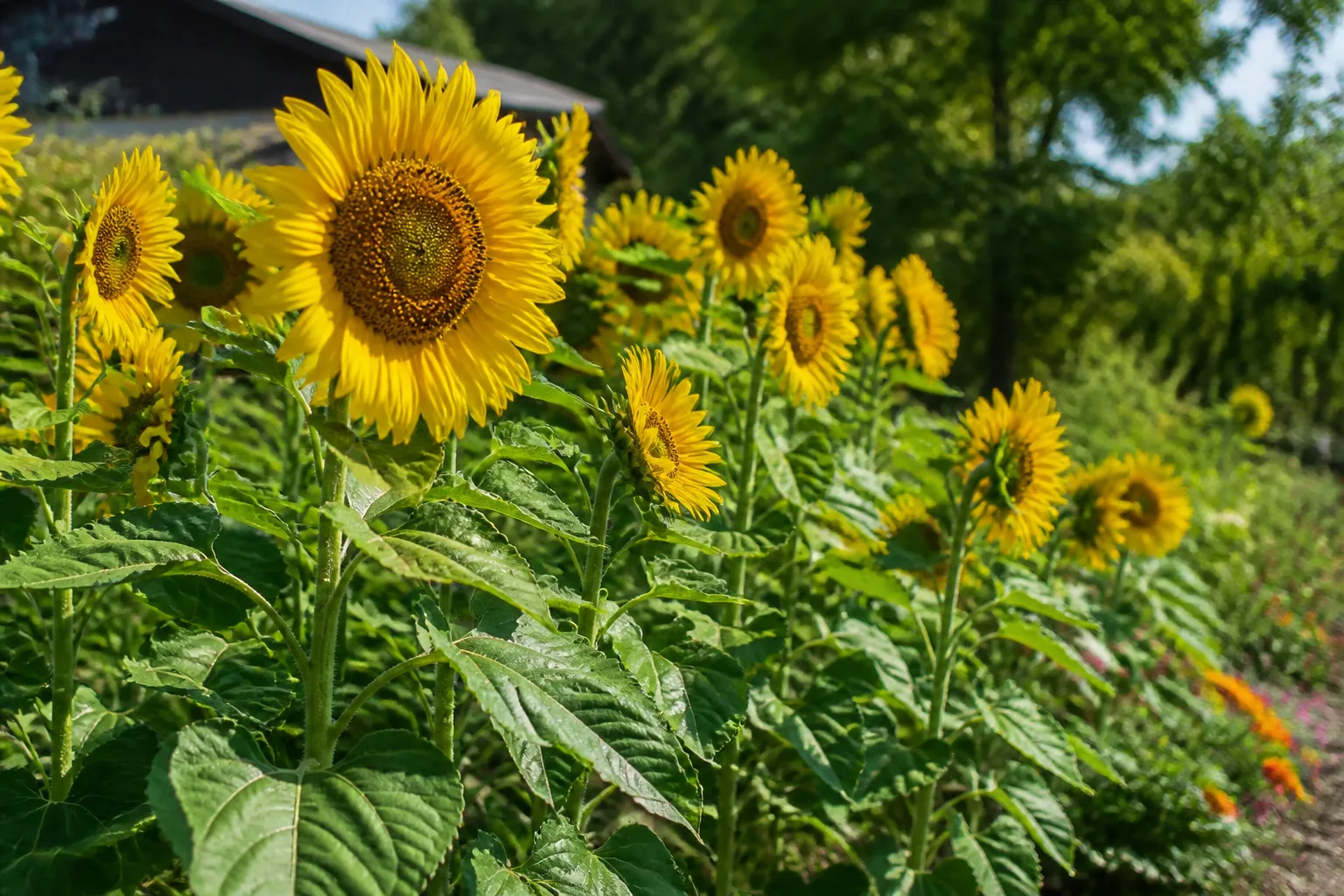
Sunflowers earn their place in a summer garden for more than their height and color. Their flowers offer nectar and pollen to bees and other insects, their seedheads feed birds, and their upright stems create a useful vertical layer beside crops that spread or stay low.
The best sunflower companion plants are not simply a list of plants that tolerate the same weather. They fit a particular job: a cucumber can use a mature stem as light support, lettuce can take advantage of carefully timed afternoon shade, and zinnias can keep flowers available after a single sunflower flush begins to fade. The pairing only works when you also manage sun, water, fertility, airflow, and the possibility of allelopathic effects from sunflower tissue.
Is companion planting with sunflowers worth it?
Yes, if you treat it as garden design rather than plant matchmaking. Sunflowers can help you layer a bed vertically, extend a pollinator corridor, use a sunny border as a windbreak, or give a heat-sensitive crop a short period of late-day shade. They cannot make a crowded bed uncrowded, replace a trellis for a heavy vine, or guarantee that pests will leave every neighboring crop alone.
The wildlife benefit is real but more specific than the usual “pollinator magnet” claim. The Royal Horticultural Society’s sunflower growing guide notes that sunflowers attract bees and other pollinating insects and that their seeds support birds and small mammals. A 2025 review in Frontiers in Plant Science also describes sunflowers as an important late-summer floral resource, while cautioning that a single abundant pollen source is not the same as a nutritionally diverse flowering garden.
That distinction changes how you plan. Pair sunflowers with several flower shapes and bloom times rather than expecting one row to feed every beneficial insect all season. Likewise, use a sunflower as a trap plant only if you are willing to inspect it for aphids and respond when pest numbers rise; a plant that draws insects can redirect pressure, but it can also become a pest reservoir.
How to choose a partner by job
Height, shade, and spacing
Start with the mature height of the sunflower on the seed packet, not the height of the seedling in your hand. A 30-inch branching cultivar and a 10-foot single-stem giant have completely different effects on a bed. Tall annual types can also become top-heavy, so the RHS recommends a sheltered position and sturdy support for many cultivars.
In the Northern Hemisphere, a row on the north side of a vegetable bed usually casts less useful growing-season shade onto shorter crops. If your goal is afternoon relief for lettuce or spinach, place the shade-casting row to the west or southwest of those greens and watch the actual shadow pattern for a few days. Gardens south of the equator should reverse those directional assumptions, and walls, fences, and neighboring trees can matter more than the compass on a small plot.
Water, fertility, and roots
Sunflowers are vigorous plants with a strong root system and a substantial demand for moisture while they are putting on height. Rich soil with organic matter helps, but “add lots of fertilizer” is not a companion-planting strategy: excess nitrogen can produce soft leafy growth, and a crowded bed can still run short of water even when the soil is fertile.
Use a shared watering zone for plants with similar needs, then leave enough root space for each crop. Shallow-rooted lettuce, chives, and onions can occupy a different layer from a sunflower, but that does not mean they need no water competition. Beans can fix nitrogen for their own use through root nodules; the benefit is not an instant fertilizer transfer to a sunflower growing beside them.
Pollinators and pest pressure
Sunflowers make a good anchor for a pollinator bed because their large heads are easy to find and can bloom when some spring flowers have finished. They are not a substitute for plant diversity, and they do not “repel” aphids, cucumber beetles, or squash bugs by existing nearby. Fragrant herbs and flowers may change insect movement, while sunflowers can attract predators and prey at the same time.
Keep a simple inspection routine: check the undersides of young leaves, the growing tips, and the flower stems once or twice a week. If a sunflower is covered with aphids, remove heavily infested growth where practical, wash small colonies off with water, and use the least disruptive control that fits the pest and crop rather than spraying the entire flowering bed.
22 companion plants, grouped by how they work
The 22 plants below are useful for different reasons. “Companion” means a workable neighbor under the right conditions, not a promise that the two plants will improve each other in every soil and climate.
Climbing and tall-crop partners
1. Cucumbers. Cucumber vines can use a sturdy, already-established sunflower stem as a living support, keeping some fruit and leaves off the soil. Introduce the cucumber after the sunflower is anchored and growing strongly, guide the vine gently, and keep a real trellis nearby for vigorous varieties or for areas with wind; a single stem is not a guaranteed structural substitute.
2. Pole beans. Pole beans are the most confusing sunflower pairing because they appear on both “good companion” and “avoid” lists. A living sunflower can support a light bean vine when the stem is thick and the bean is added after the sunflower has established, but an overloaded stem may lean or snap, and beans sown into fresh sunflower debris are a different risk; use an independent trellis if the bean harvest matters more than the experiment.
3. Lima beans. Bush lima beans can share a sunny bed without climbing, while runner types may use nearby support if they have room and the sunflower is well rooted. Give both crops consistent moisture during flowering, and do not assume that the bean will feed a nutrient-hungry sunflower quickly enough to replace compost or a soil test.
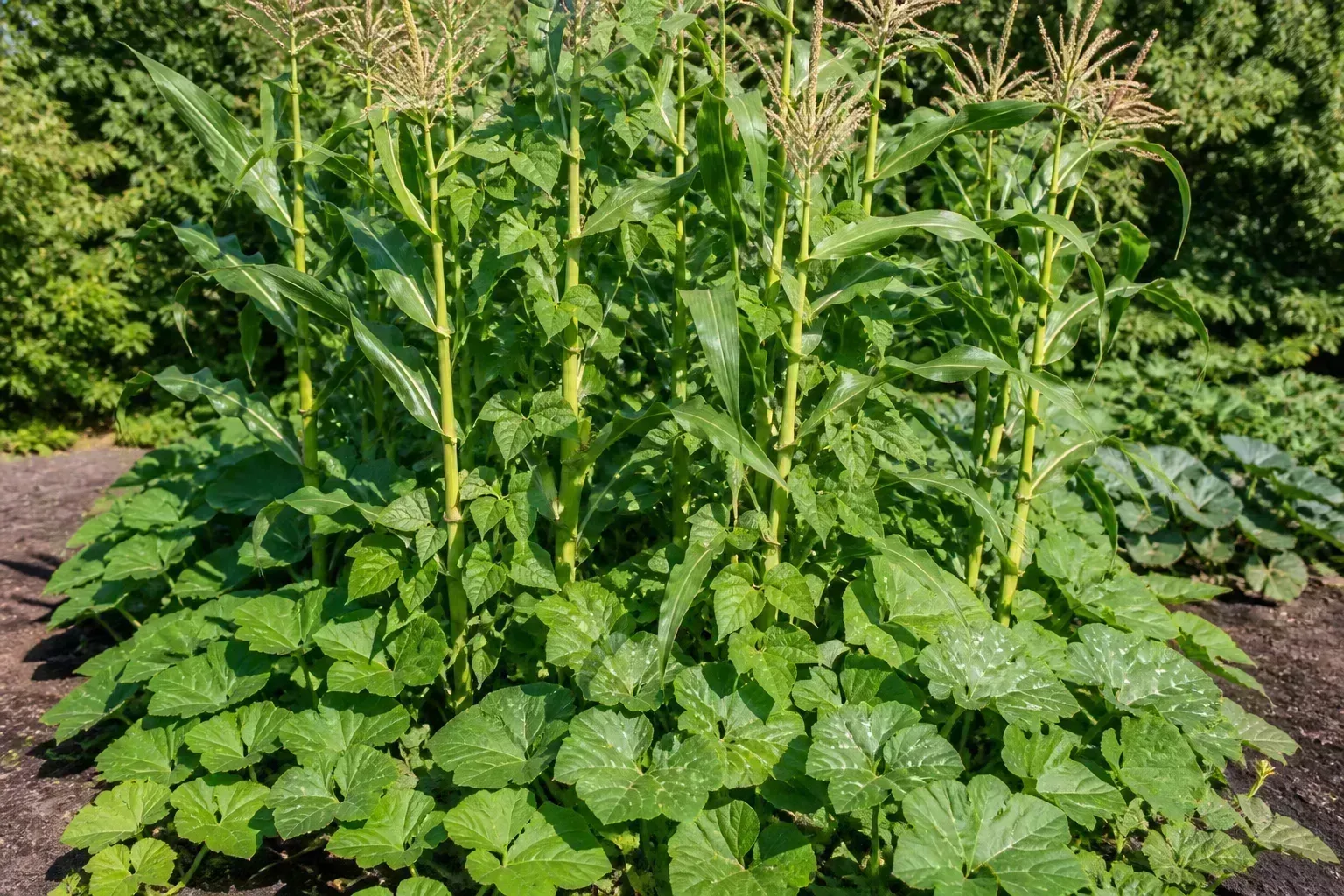
4. Sweet corn. Corn and tall sunflowers can share a broad, open bed when you choose varieties with similar timing and leave enough room for air movement. The benefit is structure and efficient use of vertical space, not bee pollination: sweet corn is primarily wind-pollinated, so dense rows that block airflow or compete for water are not automatically better.
A practical companion-planting guide from Gardening Know How makes a similar case for combining tall crops with scrambling vines and low groundcover. The useful lesson is the layering, not a fixed recipe: a small bed still needs enough room for each plant to reach light, water, and air.
5. Raspberries. A sunflower row can act as a seasonal visual screen or modest windbreak near raspberries, but it should not be treated as a trellis for woody raspberry canes. Keep the berry canes in full sun, give them their own support, and avoid placing tall sunflowers where they shade the fruiting zone or make harvest access awkward.
Cool-season and shade-timed crops
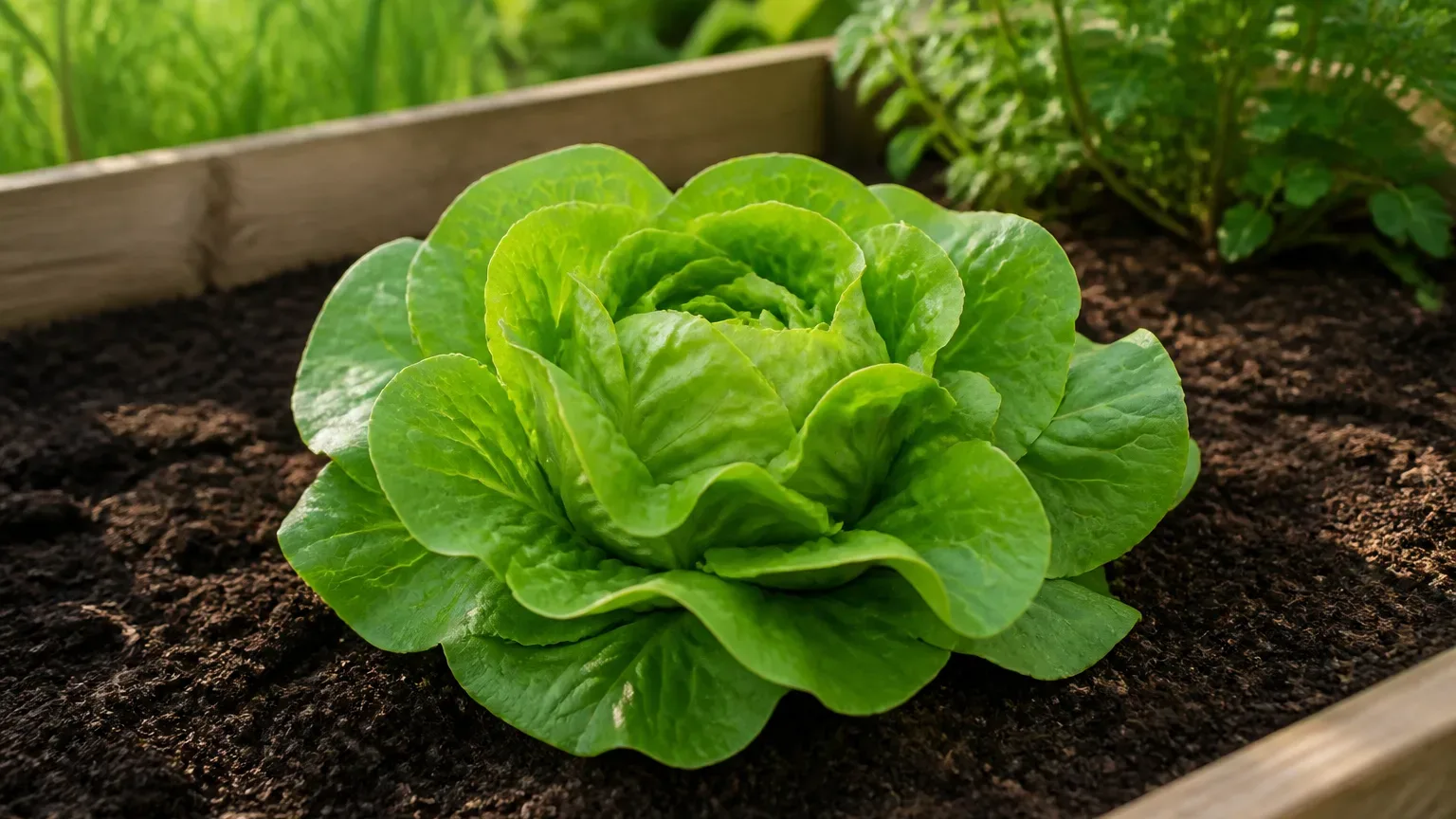
6. Lettuce. Lettuce is one of the best reasons to use a sunflower for timed shade rather than permanent shade. Sow or transplant lettuce where it gets useful morning light and relief from the hottest afternoon sun, but leave enough light for firm growth and keep the canopy open so humidity does not linger around the leaves.
7. Spinach. Spinach prefers cool conditions and tends to bolt as heat and day length rise. Use early spring or fall spinach as a short-term companion, or test a shaded summer sowing in a mild climate; in hot regions, sunflower shade may slow heat stress but cannot turn summer into spinach weather.
8. Carrots. Carrots occupy a lower root layer and can make good space-sharing partners when the soil is loose and deep. Put the sunflowers where their shadow does not remove most of the carrot bed’s light, and sow carrot seed into clean soil rather than immediately into a layer of chopped sunflower residue.
9. Beets. Beets tolerate a little afternoon shade and can fill the lower level of a sunflower border. They still need enough light for strong tops and roots, so use a row that receives morning sun and keep the sunflower stems far enough apart that the beet leaves are not pressed into a permanently damp canopy.
10. Turnips. Turnips work best as an early or late-season crop that uses the sunflower bed before or after the tallest canopy is at its peak. A late sowing can benefit from reduced afternoon heat, but direct-sow it in prepared soil and remove old sunflower stems rather than burying them in the seed row.
Warm-season fruiting crops
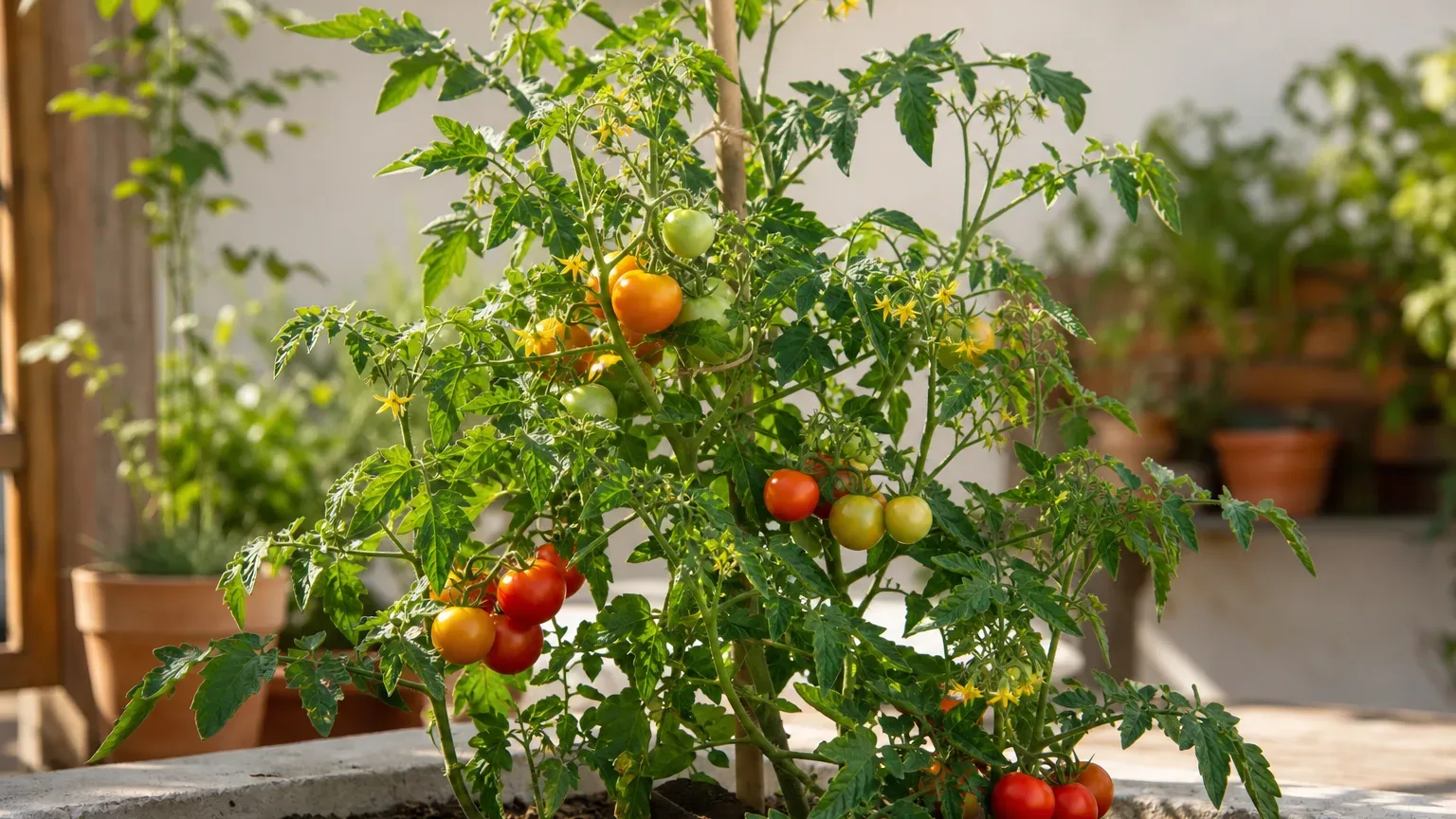
11. Tomatoes. Tomatoes can grow near sunflowers, but they should not be placed where a tall canopy blocks the afternoon sun needed for fruit development. Site the sunflower to the north of the tomato in the Northern Hemisphere, or separate the plants enough to preserve light and airflow; because both are hungry, moisture-demanding crops, prepare the bed well and do not pack them into one small planting hole.
12. Peppers. Peppers appreciate warmth and can benefit from a little protection from punishing late-day heat, especially in a hot, dry garden. Position them beside rather than underneath a giant sunflower, inspect both plants for aphids, and remember that a shaded pepper may produce less fruit if the shade lasts all day.
13. Summer squash. Squash leaves spread across the soil and can reduce evaporation and weed establishment around an open sunflower planting. Leave a generous gap around the sunflower crown, guide the vines away from paths, and avoid creating a dense, wet mat where lower leaves and stems stay damp after watering.
14. Pumpkin. Pumpkins are better as a perimeter companion than as a plant stuffed into the sunflower root zone. Place sunflowers around the edge of the patch to add height and flowers, then give pumpkin vines room to run; both crops are large feeders, so compost and irrigation coverage matter more than any supposed chemical or pest benefit.
Alliums, herbs, and nectar plants
15. Onions. Onions stay relatively low and fit along the edge of a sunflower row when they receive enough light to size up. Their scent may make the bed less attractive to some browsing animals, but it is not a reliable fence against deer or insect pests; grow them for their own harvest and space-saving habit first.
16. Dill. Dill flowers attract small beneficial insects, including hoverflies and parasitoid wasps, and its upright form fills a different layer from a sunflower. Let some plants bloom, but keep enough air between dill, sunflower foliage, and nearby vegetables to prevent a crowded, humid pocket.
17. Chives. Chives are compact, shallow-rooted, and easy to tuck near the outside of a sunflower bed. They provide edible flowers and foliage and may contribute scent diversity, but a row of chives will not control an aphid outbreak by itself; pair them with inspection and good airflow.
18. Basil. Basil and sunflowers share a preference for warmth, and a small amount of late-day shade can help basil in climates where it wilts or flowers too early. Keep basil on the bright side of the planting, harvest the tips to delay flowering if that is your goal, and avoid letting a giant sunflower dominate the herb’s entire light window.
Flower and berry partners
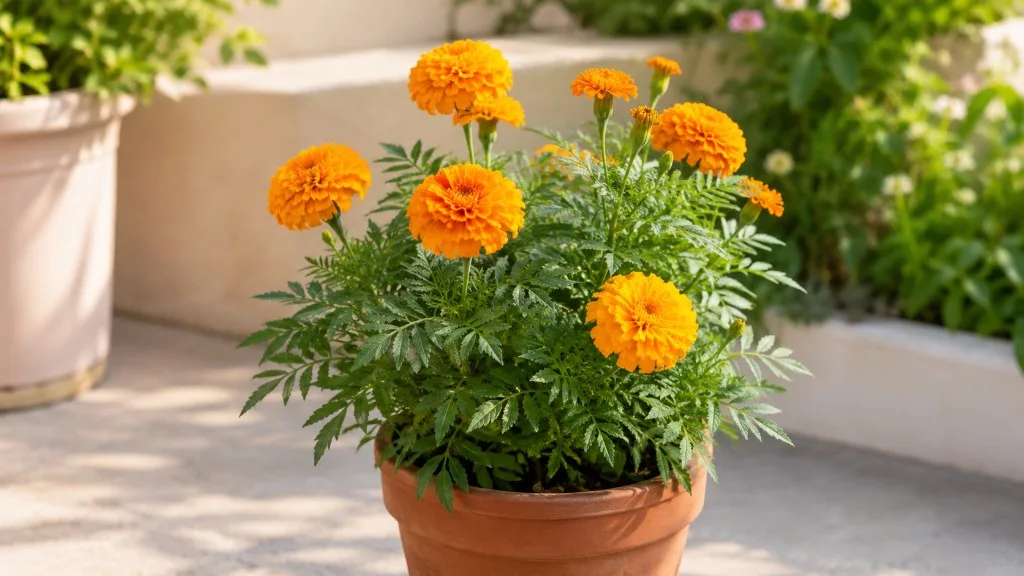
19. Marigolds. Marigolds add a low, bright flower layer and bring more blooms into the same bed. Their scent is often described as a pest deterrent, but the effect depends on the pest, the cultivar, and the scale of the planting; use marigolds as habitat and visual edging, not as a pesticide replacement.
20. Nasturtiums. Nasturtiums can spill over the ground as living cover and offer edible flowers in a sunflower border. They may also attract aphids, which is useful only if you monitor them and accept that a trap crop is a managed sacrifice rather than a magic shield for every plant nearby.
21. Zinnias. Zinnias are a strong visual and ecological partner for sunflowers because they extend the season of open flowers at a lower height. Choose a sunny position with good airflow and succession-sow them when appropriate for your climate so the bed continues to offer nectar after the earliest sunflower heads begin forming seed.
22. Blueberries. Blueberries can benefit from nearby insect activity during bloom, but they are woody shrubs with their own soil and spacing requirements. Keep sunflower roots and shade away from the blueberry canopy, maintain the acidic conditions blueberries need, and do not use a sunflower row to compensate for poor pollination or an unsuitable berry cultivar.
Plan the layout before you plant
Use compass direction and root-zone spacing
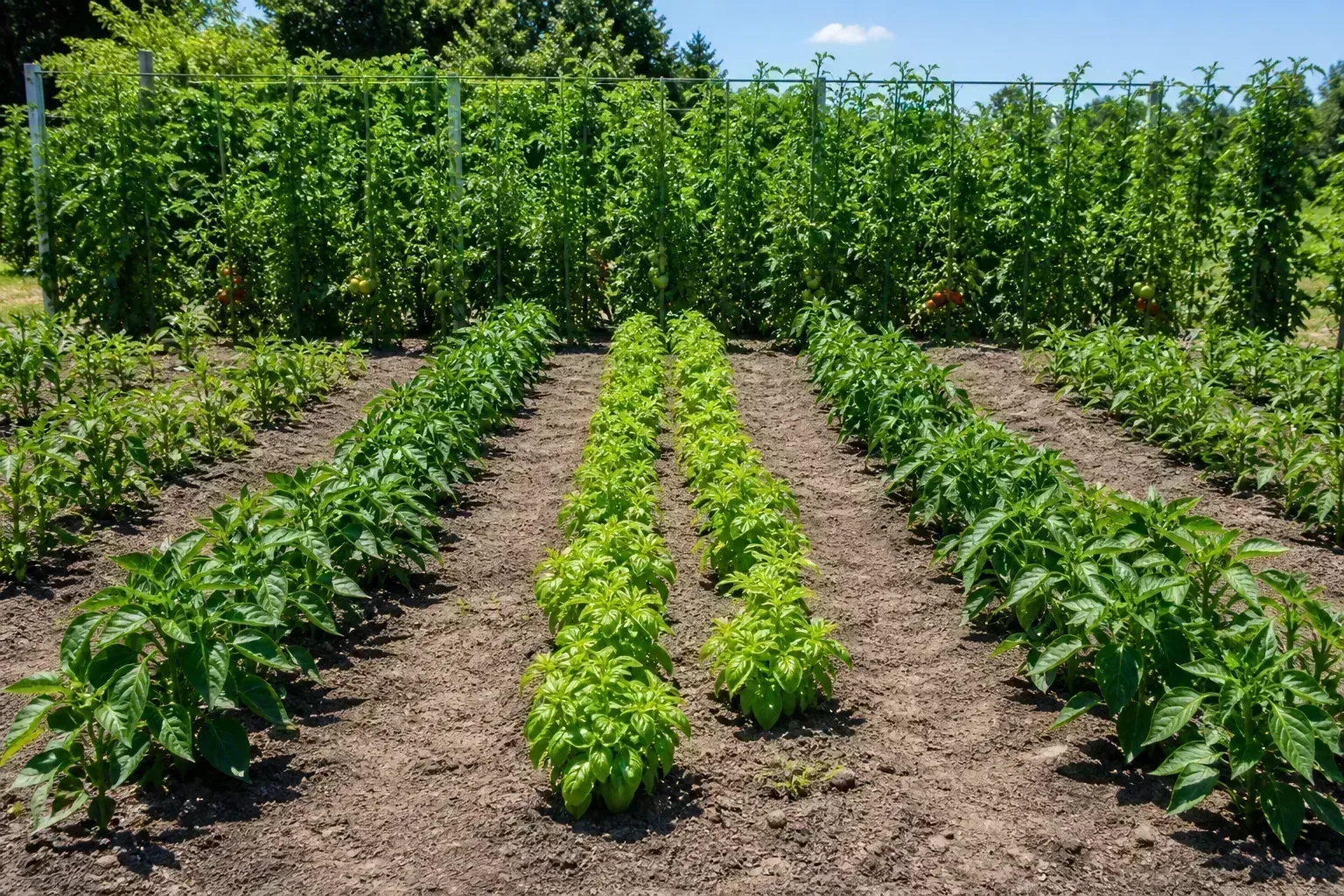
A useful planting plan starts with the shadow, not the companion name. The RHS guidance describes annual sunflowers from dwarf container types to giants above 3 meters, so a fixed “plant everything two feet apart” rule cannot fit every cultivar or bed.
| Garden job | Put the companion | Main guardrail |
|---|---|---|
| Light vine support | Near a mature, sturdy sunflower | Train gently and keep a backup trellis |
| Afternoon shade | East of, or in the afternoon shadow of, the sunflower row | Keep enough morning light for leafy greens or peppers |
| Pollinator border | Around the sunny edge with zinnias, marigolds, dill, or chives | Keep flowers blooming in more than one season window |
| Large vines | Outside the sunflower root crown | Leave room for squash or pumpkin to run |
| Tall crop grouping | In a broad row with corn or along a boundary | Protect airflow and water access |
| Berry or shrub neighbor | Nearby but outside the mature canopy | Do not trade fruiting light for a decorative screen |
For a small bed, plant tall single-stem sunflowers on the back or north edge, then step down through corn or tomatoes, herbs, and low flowers. If you want lettuce shade, make that a deliberate west-side pocket instead of shading the entire bed. This simple layering prevents the most common companion-planting mistake: creating a beautiful sunflower wall that hides every crop behind it.
Match the planting calendar
Sunflowers grow quickly once the soil is warm, but their seedlings are vulnerable to slugs, snails, birds, and late frost. Sow them directly after the local frost risk has passed, or start them only briefly in a deep container so the taproot does not become cramped; the RHS recommends hardening young plants before setting them outside.
Plant cool-season crops before the sunflower canopy becomes dense, then use succession sowing to replace lettuce, spinach, beets, or turnips as the first batch is harvested. For warm-season companions, let the sunflower establish first when you want a living support. A practical sunflower planting guide from Fryd also recommends thinking about plant spacing and staggered sowing, because later sunflower starts can extend the flowering period instead of creating one short peak.
Do not synchronize every crop just because the bed looks tidier that way. A cucumber planted too early can outgrow a young sunflower, while lettuce planted too late may be buried under leaves. The best sequence is often sunflower first, low or cool crop second, and sprawling vine last.
Plants to separate from sunflowers
Potatoes, fennel, and fresh residue
Sunflowers are allelopathic: their tissues can release compounds that affect the growth of some neighboring plants. Penn State Extension’s overview of allelopathy identifies sunflowers among common garden plants with this ability, but that does not mean a living sunflower acts like a universal herbicide or that every crop will fail beside it.
The risk is most worth managing around germinating seeds and fresh plant material. Keep potatoes out of the same tight bed if you have a history of poor emergence or stunting, and never use fresh sunflower stems, leaves, roots, or seed hulls as mulch around a sensitive crop. Fennel deserves its own space regardless of sunflowers because it can suppress nearby plants and becomes large and difficult to move once established.
The evidence on lasting effects is not as tidy as internet lists suggest. In a 2024 Ask Extension response, a Colorado Master Gardener noted that research had not established a specific lingering effect on every subsequent vegetable and recommended a soil test, observation, and trial rather than assuming permanent contamination. That is the useful rule: remove fresh debris, avoid immediate direct sowing into the residue zone, and judge the next crop by its actual performance.
Brassicas, strawberries, and other shade-sensitive crops
Kale, broccoli, cabbage, and other brassicas are not automatically forbidden neighbors. They may struggle if sunflower foliage creates stagnant humidity, if aphids build up on the sunflower, or if the crop is planted where it cannot get enough light. Give brassicas their own sunny row, maintain airflow, and inspect the sunflower before deciding that the plant family itself is the problem.
Strawberries are more straightforward: because they stay low, they are easy to shade and hard to harvest through a thicket of tall stems. Keep them in a bright, accessible bed rather than under a giant sunflower canopy. Black-eyed Susans and other Asteraceae can share an ornamental border, too; same-family cross-pollination matters mainly if you are saving seed, while shared pests and diseases are the more practical reason to avoid an overcrowded planting.
A second Ask Extension answer on sunflowers lists several potentially sensitive neighbors but also recommends resistant barrier plants and emphasizes that the distance needed depends on sunflower size and root spread. Treat those lists as reasons to design carefully, not as a universal ban on the entire vegetable garden.
A simple summer bed plan
For a productive mixed bed, begin with one row of tall, single-stem sunflowers along the back or north edge. Space them according to the cultivar’s mature width, install support at planting time, and leave a clear strip so you can water the roots and reach the stems without stepping into the bed.
Place tomatoes, peppers, or corn on the brighter side where the sunflower canopy will not block their key fruiting hours. Put lettuce, spinach, beets, and turnips in a short-season pocket that receives morning light, and use the sunflower row only for the amount of shade that actually improves their harvest window.
Add cucumbers or a light pole bean only after the sunflower is established, and keep a trellis ready. Let squash or pumpkins run toward the outside edge rather than through the sunflower crowns. Tuck onions, chives, dill, basil, marigolds, nasturtiums, and zinnias into gaps only after checking that the mature plants still have air around their leaves.
Water deeply at the root zone, mulch the surrounding soil without piling it against the sunflower stems, and inspect weekly for leaning, aphids, chewed leaves, and crowded foliage. If you want birds to feed on the seedheads, leave some plants standing; when you clear the bed, remove or thoroughly compost the residue and give direct-sown sensitive crops a clean, separate strip the following season.
Conclusion
The most successful sunflower companion planting is flexible. Use sunflowers as seasonal structure, timed shade, a pollinator stop, or a boundary crop, then choose each neighbor according to its actual needs. Cucumbers, beans, corn, leafy greens, warm-season vegetables, herbs, flowers, and berries can all fit somewhere in the plan, but not all belong directly at the sunflower’s stem.
Give tall plants room, keep fruiting crops in the light, let cool-season crops use shade only when it helps, and treat fresh sunflower residue with caution. If you plan by height, compass direction, root space, and planting date, the result is more productive—and far more predictable—than simply placing 22 plants together and hoping they become companions.