What to Do About Bolting Lettuce: 8 Simple Steps
Learn what to do about bolting lettuce: spot the rising flower stalk, salvage tender leaves, compare heat-tolerant varieties, and plan the next sowing.
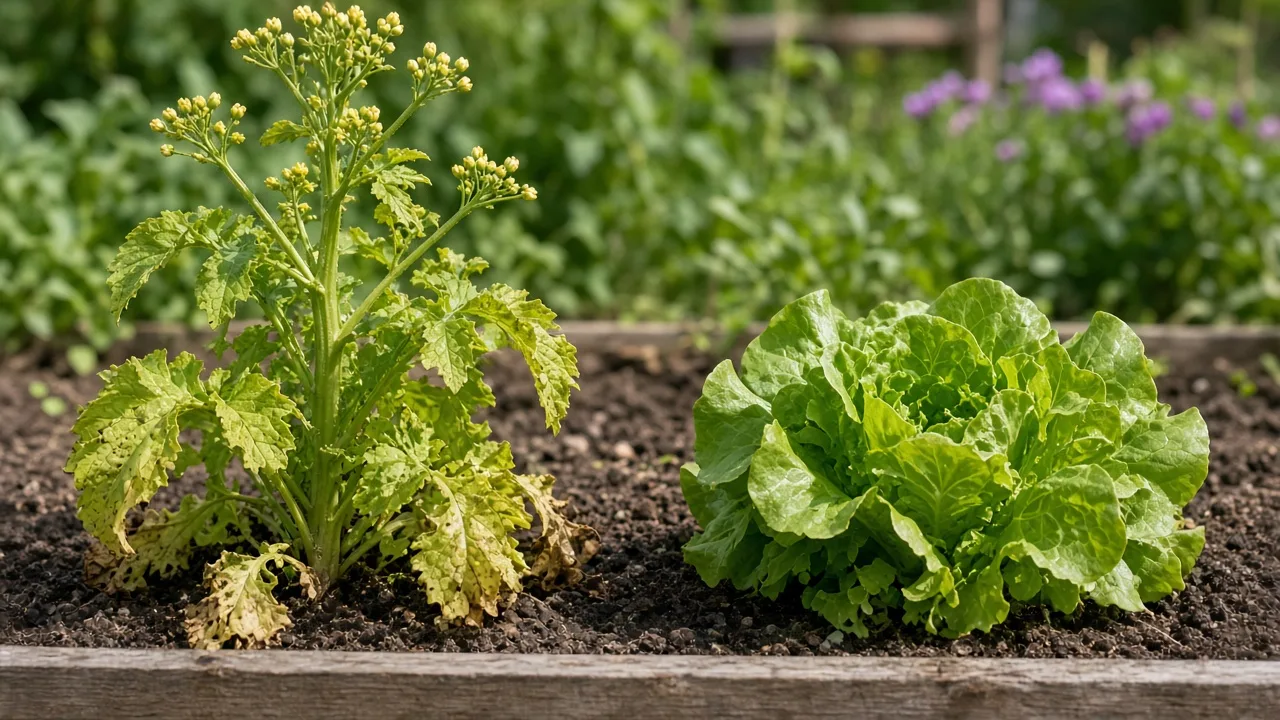
If a lettuce plant has started stretching upward, harvest any tender leaves you want now. A rising center and flower buds mean the plant is shifting from leaf growth to reproduction; shade and steady water may slow a plant that is only beginning to stretch, but they will not reset one that has committed to flowering. For a future crop, the most reliable combination is a suitable variety, a cool planting window, and several small sowings rather than one large spring planting.
Lettuce bolting is normal, but the timing can feel abrupt. A plant that looked compact last week may open into a tall, narrow shape after heat and long days build up, and the leaves often become bitter or coarse as the central stem develops. The useful question is not whether you can force that plant back into a head; it is whether its leaves still taste good enough to harvest, or whether your time is better spent planting a replacement.
How to tell bolting from loose or leggy lettuce
Healthy lettuce can have an open, upright shape, especially loose-leaf types and romaine. Bolting is different: the center elongates into a firm stem, the newest leaves become smaller and more spaced out, and buds begin forming at the tip or along branches. Once yellow flower clusters open, the plant is plainly in its reproductive phase, but you can often spot the change before the first bloom.
Check the plant’s center rather than judging by height alone. A loose rosette has leaves emerging close together from a low crown; a bolting plant has a stem that is rising above that crown, with leaves arranged along it. If the plant is tall but still making normal leaves and no central stalk or buds are forming, it may simply be a loose variety, crowded, or reaching for light rather than bolting.
Heat is a major lettuce trigger, and warm nights can add pressure. North Carolina State Extension describes about 60–65°F as a favorable range for vegetative growth and notes that prolonged high temperatures, particularly with warm nights, promote bolting; individual cultivars respond differently, so a single thermometer reading is not a universal deadline. Drought and plant age also affect flavor, so bitter leaves alone do not prove a flower stalk is already underway. (North Carolina State Extension’s lettuce production guidance)
Step 1: Harvest any leaves worth keeping now
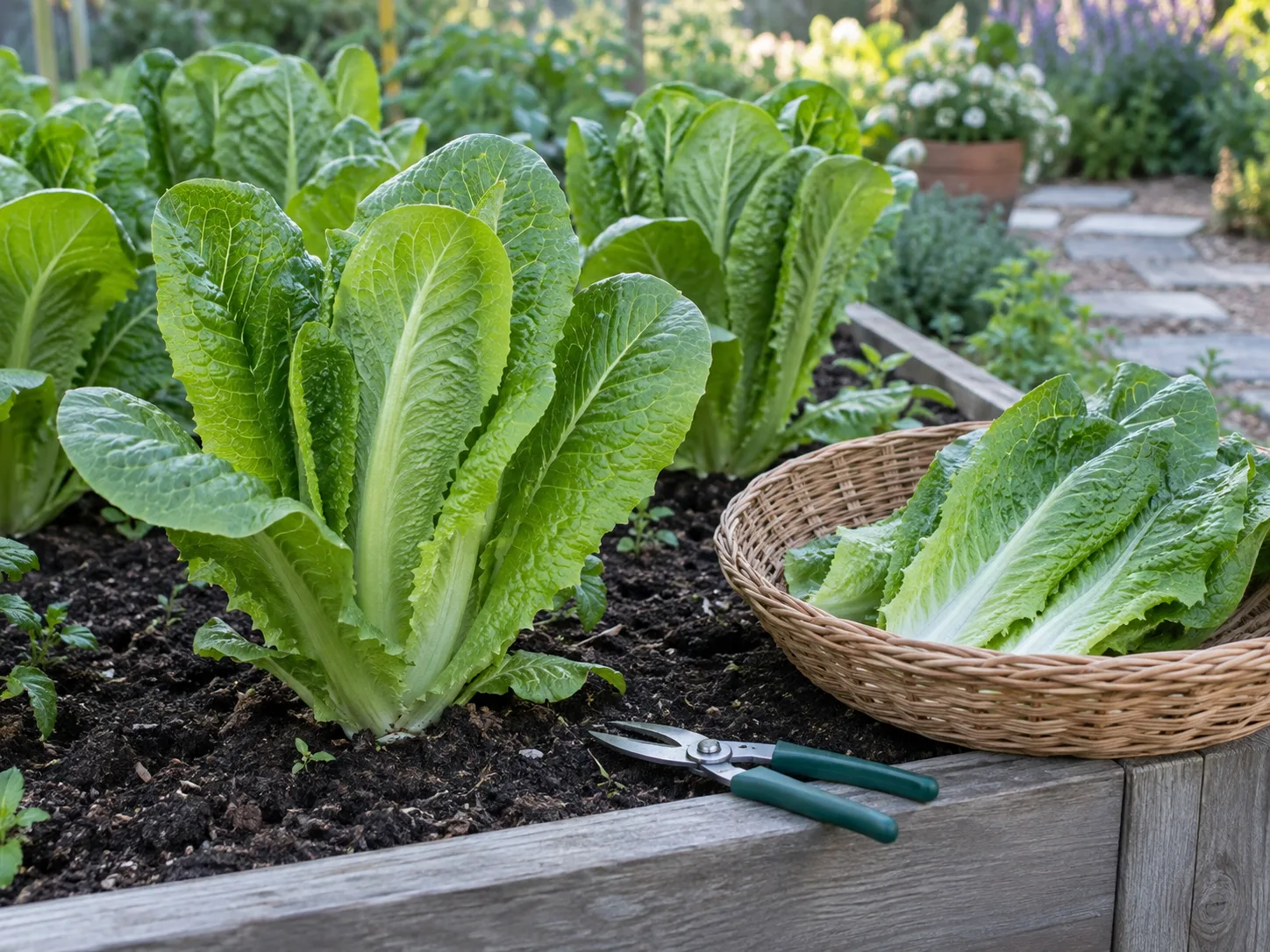
Before pulling the plant, pick a clean outer leaf and taste it. If it is still tender and pleasant, harvest the best leaves promptly, either one at a time or by cutting the whole plant just above the crown when you need a larger batch. The earlier you use them, the less likely you are to lose a usable harvest while waiting for the stalk to grow taller.
Do not wait for the plant to flower if the center is already lifting. Young outer leaves may remain usable while the inner leaves around the stalk are small, tough, or bitter; discard any slimy, damaged, or contaminated leaves. Bolting changes quality, not automatically food safety, so a clean leaf from a known edible lettuce plant can be judged as food on its condition and taste. Wash harvested leaves under clean running water and refrigerate them promptly.
Treat a cold-water soak as a way to crisp wilted greens, not a cure for bitterness. Chilling can temporarily firm up leaves that lost water after harvest, but it cannot reverse the plant’s move into flowering or reliably restore the flavor of a mature bolter. If a raw leaf tastes harsh, try a small cooked portion in a soup or sauté only if the bitterness suits the dish; otherwise compost it and save the bed space for a replacement.
Let taste and texture set the cutoff
Flavor often declines before the flowers fully open, and heat stress can make a non-bolting lettuce bitter too. The University of Minnesota Extension identifies heat and water stress as causes of bitterness and notes that age and flowering make lettuce significantly more bitter. That means a rising stem plus a change in taste is a strong reason to harvest soon, while one slightly bitter leaf from a dry afternoon is not enough to diagnose the whole plant. (University of Minnesota Extension on cool-season crop problems)
If you are feeding several people, sample a leaf from more than one part of the plant before deciding whether to cut it all. Outer leaves may still be mild when the center is turning fibrous, while a heat-stressed plant may taste bitter from the outside in. A quick taste test lets you salvage the good portion without insisting that every leaf deserves a place in the salad.
Step 2: Choose a slower-bolting lettuce variety
When you buy seed for a warm spring or summer garden, look for descriptions such as slow to bolt, bolt resistant, or heat tolerant. Those phrases indicate a relative advantage in specified conditions, not immunity to a hot spell, long days, or a dry root zone. If your current variety repeatedly bolts before it forms usable leaves, switching genetics is often more effective than trying to compensate with extra fertilizer.
Several regional trials offer useful starting points. UC Agriculture and Natural Resources reports summer success with ‘Jericho,’ ‘Red Cross,’ ‘Nevada,’ ‘Paradai,’ ‘Merlot,’ and ‘Year Round Bronze Oak Leaf’ in Sacramento-area plantings; a University of Delaware trial identified ‘Muir’ and ‘Nevada’ among the cultivars that maintained marketable flavor in a later, hotter summer planting. Results vary by location and season, so match a cultivar to local extension advice and your seed supplier’s notes rather than treating any list as a guarantee. (UC ANR’s warm-weather lettuce trials; University of Delaware’s summer lettuce trial)
‘Nevada’ is a Batavian type, ‘Jericho’ is a romaine, and ‘Red Cross’ is a loose-leaf lettuce; those examples show that heat tolerance is not limited to one lettuce shape. A seed packet’s cultivar name matters more than broad claims such as “romaine always bolts slowly” or “loose-leaf lettuce bolts first.” The crop type gives you a rough expectation, but breeding and local adaptation can outweigh the category.
Also separate slow bolting from slow bitterness. In a 2023 Delaware trial, some varieties that held their stalk longer still developed unacceptable bitterness under the hotter planting conditions, while the more heat-tolerant ‘Muir’ and ‘Nevada’ remained marketable in that late planting. If summer salads are the goal, read trial notes for both bolting and flavor, and keep a spring or fall crop as your backup. (University of Delaware’s 2023 summer lettuce evaluation)
Step 3: Time sowings for mild growing weather
Lettuce is a cool-season crop, so timing can do more than a late rescue treatment. Aim for the period when a plant can make most of its leaves before a stretch of hot days and warm nights arrives. In many climates that means an early spring crop and a second crop in late summer or fall; in mild coastal or high-elevation areas, the window may be longer, while hot-summer regions often get a better harvest in winter or early spring.
Use days to maturity on a seed packet as a planning estimate, then compare it with your local forecast pattern and extension planting calendar. A packet’s maturity count does not include every transplant setback, and growth can speed up or slow down with temperature. For a fall planting, count back from the average first fall frost using the seed company’s maturity range, then allow extra time for shorter, cooler days; do not sow into soil so hot that lettuce seed sits dormant.
Small, repeated sowings smooth out the feast-or-famine pattern. Plant a short row, a few cells in a tray, or a small container every two to three weeks while conditions are favorable, rather than filling the entire bed with lettuce on one date. The Royal Horticultural Society notes that succession intervals should respond to conditions; for lettuce, sowings can be closer together in warm, moist summer weather than in early spring. In a heat wave that prevents seedlings from establishing, pause and wait for a cooler stretch instead of repeating a batch that is likely to fail. (RHS guidance on successional sowing)
Experienced garden writer Lee Reich uses the same basic rhythm: start fresh transplants through the season and place summer lettuce in the shade of taller crops or a trellis. That approach is useful in a backyard because it layers lettuce into an existing bed instead of requiring a separate summer plot, though the best interval still depends on how quickly your local weather turns hot. (Fine Gardening’s season-long lettuce guide)
Use local calendars instead of copying a date from another climate. As one regional example, the University of Maryland Extension describes leaf lettuce as a spring-to-late-fall crop in Maryland with a July and August break, and recommends spring and late-summer sowing for a longer harvest. That gives gardeners a useful planning pattern—two cooler windows—without suggesting that those exact months apply everywhere. (University of Maryland Extension’s home lettuce guide)
Plan spring and fall around local conditions
For spring, sow as soon as your soil and local forecast allow steady growth, but protect young plants from severe cold and avoid leaving transplants in small cells until their roots become crowded. For fall, choose a planting date that gives the crop time to establish before cold weather, while using a shaded tray or bed if the soil is still hot at sowing. A simple local record—sowing date, cultivar, first warm spell, and day the first stalk appeared—will improve next year’s schedule more than a generic zone label alone.
Do not use USDA hardiness zone as a lettuce calendar. Hardiness zones describe winter minimum temperatures, not the date your spring turns hot, how long your summer nights stay warm, or whether a wall reflects afternoon heat onto a pot. A gardener in the same zone may have a shaded, breezy garden and a south-facing raised bed with very different bolting pressure.
Step 4: Start summer seedlings somewhere cool
Lettuce seed can be slow or uneven to germinate in hot soil. North Carolina State Extension gives 70–75°F as an optimal germination range and notes that higher soil temperatures can inhibit germination, while UC ANR reports poor germination in warm summer soil. For a summer sowing, start seeds in a shaded nursery bed or a small tray kept in a cooler location, then move germinated seedlings into bright light so they do not become weak and stretched. (North Carolina State Extension; UC ANR)
Keep the seed mix moist, not waterlogged, and check it daily during hot weather because small cells dry quickly. A tray can sit in bright indirect light while germinating, but once green shoots appear, give seedlings enough light to grow compactly and provide airflow. If the only available spot is an exposed, sun-baked bed, temporary afternoon shade over the seed area can protect emerging seedlings until they are established.
Transplant while seedlings are compact and their roots hold the plug together, rather than waiting until they are crowded or rootbound. Water the tray before planting, lift each seedling by its leaves or root plug instead of squeezing the stem, and water the new planting in. Transplant stress does not automatically cause bolting, but a plant already fighting heat and poor moisture has less capacity to keep growing steadily.
The old trick of covering wet summer soil with a board may cool the surface briefly, but it requires daily checks and can hide emerging seedlings or keep the seedbed too dark once germination begins. A shallow tray in a cooler spot or a lightweight shade setup is easier to monitor. The practical target is stable, moderate conditions for germination and bright, cooler growing conditions afterward—not a single hack that keeps a bed covered indefinitely.
Step 5: Reduce afternoon heat without trapping air
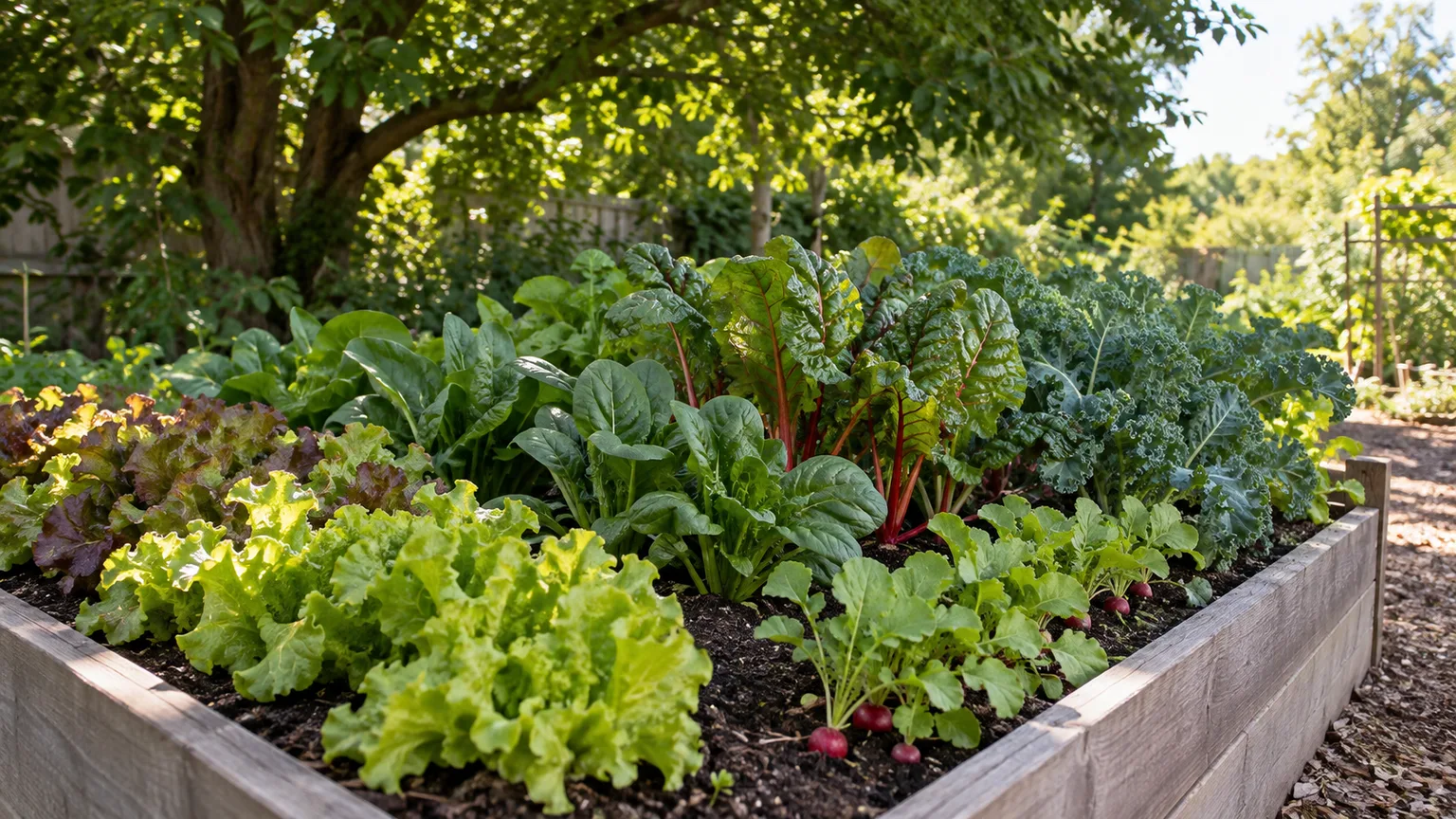
Give lettuce relief from the hottest afternoon sun, especially in containers and raised beds that warm quickly. A site that receives morning sun and light afternoon shade often keeps the leaves growing without exposing them to the most intense heat of the day. You can move a pot, use the shade cast by taller crops, or set up shade cloth above the bed.
Shade cloth works best when it is supported above the leaves and open at the sides. University of Delaware Cooperative Extension says about 30% shade cools many vegetables without blocking too much light, while 50–70% shade is sometimes used for very heat-sensitive lettuce; these are production guidelines, not a universal home-garden prescription. Start with partial afternoon shade or a lighter cloth in a humid or cloudy climate, then adjust if plants grow slowly or the bed remains hot. (University of Delaware Cooperative Extension on heat stress)
Choose between living shade and shade cloth
Living shade from corn, tomatoes, beans on a trellis, or a nearby tree can soften afternoon exposure, but it changes as the companion crop grows. Check that lettuce still receives enough light for compact growth and that its roots are not competing with a thirsty neighbor. A trellis on the west side of a bed can be more useful than one on the east because it blocks the stronger late-day sun while leaving morning light available.
Shade cloth gives you more control, but it should not sit directly on tender leaves or form a sealed tent. Leave space for air to move, fasten the cloth so wind cannot whip it against the crop, and remove or raise it if weather turns mild. A basic row cover and shade cloth are not interchangeable: a row cover can trap heat, while shade fabric is designed to lower light and heat load; use the right material for the job.
Shade buys time rather than changing the season. It can reduce leaf temperature and stress, but it cannot cancel a strong flowering response already underway. If a lettuce plant continues to elongate under shade, use the current harvest and start a new batch when the conditions become more favorable.
Step 6: Keep moisture even in the shallow root zone
Lettuce has a shallow root system and can wilt quickly when the upper soil dries. Check the bed before leaves droop: push a finger into the soil near, not against, a plant and feel whether the root zone is still cool and slightly moist. If the soil is dry a little below the surface, water slowly enough to soak the bed rather than wetting only the top dusting.
Frequency depends on soil, weather, and container size. A deep garden bed may need less frequent watering than a small pot; a hot, windy afternoon can dry the pot again after a morning check. Containers in summer may need checking daily, but that does not mean every container should be watered every day. Use the soil as your guide, and make sure the pot drains freely so the roots are not left in saturated mix.
Consistent moisture supports rapid leaf growth and helps the plant avoid one source of stress, but it is not a bolting antidote. North Carolina State Extension notes that lettuce needs steady soil moisture and that short dry periods can limit growth; the RHS likewise warns that water shortage can stop growth and prompt premature seed production. Water in the morning when practical so the plant enters the warm part of the day hydrated, and increase checks during hot or windy spells. (North Carolina State Extension; RHS watering advice)
Avoid two common swings: allowing the bed to become bone-dry, then flooding it, and keeping the soil constantly saturated because lettuce likes moisture. Both make root conditions less predictable. If you have sandy soil, containers, or a shallow raised bed, add organic matter before planting to improve water-holding capacity and check the bed more often; if water pools, improve drainage rather than watering less frequently without fixing the cause.
Step 7: Use mulch as a temperature buffer
Once seedlings are established, apply a loose layer of clean organic mulch to slow evaporation and moderate the soil surface. Straw, shredded leaves, or another light garden mulch can reduce the frequency of drying cycles while keeping soil from heating and cooling so sharply. University extension guidance on warm-weather lettuce recommends light mulch to retain moisture, and Delaware Extension notes that straw can cool soil and maintain moisture. (UC ANR’s warm-weather lettuce guidance; University of Delaware Cooperative Extension)
Keep mulch from pressing against the crown or covering tiny plants. A thin layer that you can still see through is easier to manage around low lettuce than a deep blanket that hides the soil and holds excessive moisture in rainy weather. Check beneath it before watering; mulch changes how quickly the top dries, so the usual schedule may become too frequent.
Mulch is a supporting measure, not a substitute for shade or a cool sowing window. It cannot prevent leaves from warming in direct afternoon sun, and it will not save a lettuce crop whose variety and planting date are poorly matched to the season. Use it to make moisture more even, then keep watching the center of the plant for the first sign of a rising stalk.
Step 8: Replace, pinch, or save seed by plant stage
Choose the next move based on how far the stalk has developed. If the plant has only begun to stretch and the leaves still taste good, harvest them and try afternoon shade, steady water, and a small early sowing of another variety. If the stalk is tall, buds are open, or leaves are strongly bitter, remove the plant to make space for a new crop rather than repeatedly cutting the stem and waiting for the old head to return.
When conditions remain hot, do not immediately sow another tray into the same exposed bed and expect a different result. Start seed somewhere cool, choose a more heat-tolerant cultivar, and transplant it into a partially shaded spot—or pause lettuce until the late-summer or fall window. If you need greens during the gap, use another crop suited to your current temperatures rather than treating lettuce as a year-round vegetable in every climate.
Know what pinching can and cannot do
Removing the first visible flower buds can sometimes extend the harvest briefly if the plant is only at the beginning of flowering and the leaves remain worthwhile. The University of Florida’s gardening guidance says flower removal may extend harvest by a few weeks, but Purdue Extension emphasizes that bolting cannot be reversed once flowering has begun. For lettuce, treat pinching as a short trial, not as a way to rebuild a head: cut the first bud cluster cleanly, then check the plant’s growth and taste again within a few days. (University of Florida IFAS on vegetable bolting; Purdue Extension on lettuce bolting)
If a new stalk rises or bitterness spreads, stop spending time on repeat pinching. A cut flower tip may make the plant look tidy, but the leaves and growing point have already received the reproductive signal. Remove it or let it flower; this is the point where replacement is a more reliable plan than continued pruning.
Leave one plant only if you want seed or flowers
A flowering lettuce plant still has a garden use. Leave one vigorous, healthy plant if you want to observe its blooms, provide a small food source for visiting insects, or collect seed for a later crop; remove competing plants that are taking up bed space. Do not keep every bolter out of guilt if you need room for the next planting.
If seed is your goal, let the flower heads mature and dry on the plant before collecting them, then label the seed with the variety and year. Seedlings from hybrid cultivars may not resemble the parent, and cross-pollination between nearby varieties can make saved seed less predictable. For a dependable named cultivar, buying fresh seed is often easier than saving from a mixed bed.
If you are not saving seed, pull the plant once the harvest is over and compost healthy material. Remove diseased plants separately according to local compost guidance. Clear the space, check whether the soil is dry or hot, and set up shade or moisture management before you sow again.
Why lettuce bolts despite good care
Good watering and shade lower stress; they do not guarantee that lettuce will stay leafy indefinitely. The plant’s variety, age, temperature history, and day length all shape when flowering begins. In a long-day season, the plant can start its reproductive transition before you see the stalk, and a sudden hot spell may speed up the visible stretch after the process is already underway.
Do not confuse lettuce with every other vegetable that bolts. Some biennials, including certain onion, cabbage, and root crops, may flower early after prolonged cold at a sensitive growth stage. University of California’s integrated pest management guidance separates those cases: for lettuce, flower-stalk initiation may be stimulated by high temperatures; for cole crops, prolonged cold can be a trigger. A few chilly spring nights are not usually the first explanation for a lettuce plant that is stretching as the weather warms. (UC IPM’s crop-specific bolting guidance)
If the bed receives regular water and the plant still bolts quickly, check the calendar and the seed packet before adding more fertilizer or watering more often. A late spring sowing may have reached warm weather at a vulnerable stage; a cultivar that performs well in a coastal trial may not do so in your inland heat; a cramped pot may warm and dry faster than your garden bed. Write down what happened, including the sowing date, cultivar, sun exposure, and first stalk date, and adjust one or two conditions next time so you can see what helped.
Conclusion
When lettuce bolts, take the good leaves while they are still tender, then decide whether the plant is worth a brief pinching trial, should be replaced, or deserves to flower for seed. Once a tall stalk is established, cutting it off will not reliably restore a compact, mild head.
For the next planting, choose a locally proven slow-bolting variety, sow while temperatures are mild, grow summer seedlings in a cool spot, give afternoon shade, keep the shallow root zone evenly moist, and mulch lightly after establishment. Small successions keep one plant’s short season from ending the whole lettuce harvest.



