When to Plant Fall Vegetables for a Good Harvest
Plan a productive fall vegetable garden with frost-date math, crop timing, transplant advice, succession planting, and practical frost protection.
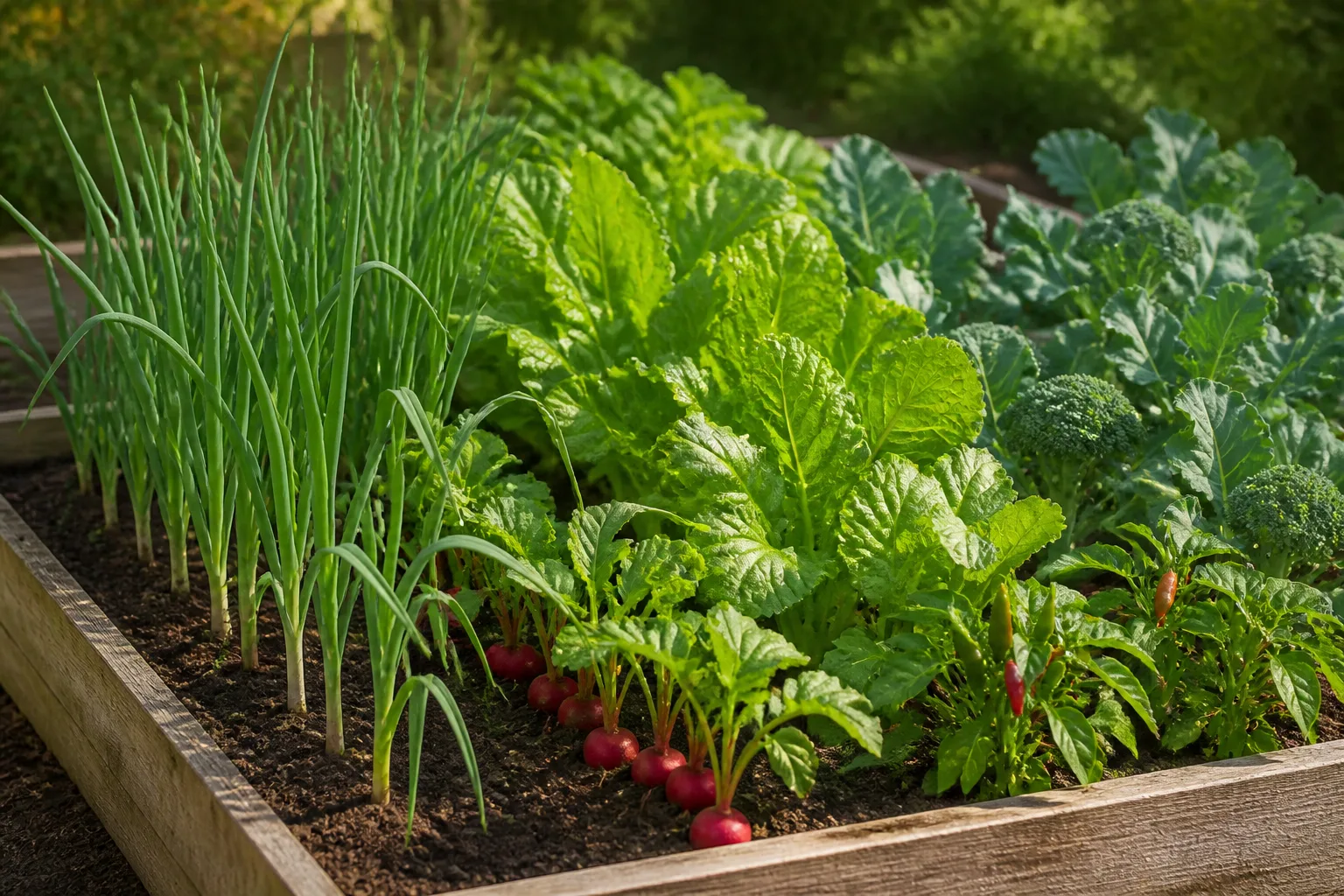
The best time to plant fall vegetables is not a universal date on the calendar. It is the date that gives a particular crop enough time to establish and reach a useful harvest before your weather turns too cold, with a little margin for the slower growth of late summer and autumn.
That is why “plant in September” can be sound advice in one garden and a wasted packet of seed in another. Start with your expected first fall frost, read the variety’s days to maturity, decide whether you are sowing seed or setting out a transplant, and then work backward. Once you use that sequence, the month labels become a helpful shortcut instead of a guess.
Use first frost and days to maturity to find your date
For a fall harvest, use this planning formula:
Latest practical planting date = expected first frost date − days to maturity − fall-growth buffer.
The first frost date is an average, not a promise. Use the expected date for your specific location, then allow extra time for a colder pocket, a cloudy stretch, slow germination, or a harvest that you want to reach full size rather than baby size. Penn State Extension identifies frost and freeze dates as the first step in planning a fall garden, and Utah State Extension’s local calendar shows why elevation can move a planting schedule by weeks even within one county. See Penn State’s season-extender and fall-vegetable guidance and the Utah State University fall garden calendar.
Imagine your first expected frost is October 20. A leaf lettuce variety lists 35 days to harvest, and you add 10 days for slower autumn growth. Count back 45 days: the target is about September 5. If you sow on September 15, you may still get baby leaves, but you have reduced your chance of a full head before cold weather. The goal is not mathematical perfection; it is to make the trade-off visible before you plant.
Add a fall-growth buffer
Seed-packet days to maturity are estimates produced under particular conditions. They may describe days from direct sowing, days from transplanting, or days from emergence, depending on the crop and company. Read the wording carefully instead of treating every number as interchangeable.
After midsummer, shorter days and cooler temperatures generally slow growth. A useful home-garden rule is to add about 10 to 14 days to the packet’s maturity time for late-season planting, then add more if your first frost is uncertain or the crop is slow to size up. BobVila’s fall-garden coverage and DripWorks’ succession-planting guide both use this kind of buffer when explaining late-season scheduling.
Do not apply the buffer mechanically to every harvest goal. Spinach, radishes, and baby lettuce can be harvested young, so their practical deadline may be later than the date needed for a mature root or head. Conversely, a head of cabbage or a large storage beet needs a more generous window. Write two dates on your calendar if necessary: first usable harvest and full-size harvest.
Decide between seeds and transplants
The words “days to maturity” become especially important when you change the starting method. If a broccoli packet says 60 days from transplanting, that does not mean you can sow a seed outdoors 60 days before frost and expect a mature head. Germination, seedling growth, and transplant recovery still have to happen.
Use direct sowing for crops that dislike root disturbance or move quickly: radishes, carrots, beets, turnips, spinach, peas, and many salad greens. Use transplants to buy time for broccoli, cabbage, cauliflower, kale, collards, and head lettuce when the remaining season is tight. The transplant must still be healthy and hardened off; a stressed plant can lose the time you thought you gained.
The Royal Horticultural Society’s transplanting guidance notes that roots should be established but not badly pot-bound, and that transplanting shock slows growth. It also distinguishes crops that transplant readily from roots such as carrots and parsnips, which are usually better left in place. In a short fall window, a vigorous plug plant can be the difference between a harvest and a bed of undersized leaves, but it is not a license to plant any crop after its deadline.
Translate the formula to your climate
Two gardeners can plant on the same day and experience completely different results. Your latitude, elevation, first hard freeze, autumn light, soil temperature, wind exposure, and the protection around the bed all influence how much growing time remains.
Short-season and cold-winter gardens
If frost arrives in September or early October, plan fall crops while summer is still producing. Start brassica seedlings indoors or buy young plants early; waiting for cool weather to appear can make the planting window disappear. Favor fast leaf lettuce, spinach, arugula, mustard, baby kale, radishes, turnips, and short-season beets rather than full-size crops with long maturity times.
Established plants often tolerate cold better than seedlings, but they need time to make roots before the first freeze. Utah State’s fall calendar lists direct-sown crops such as beets, carrots, kale, peas, radishes, spinach, and turnips in August, while broccoli, cabbage, and cauliflower transplants are scheduled later only after temperatures begin to cool. The exact dates belong to that region, but the principle travels: seed the quick crops earlier, then set out established brassicas once heat eases.
In very short seasons, define success narrowly. A row of baby spinach and a few radish harvests may be a better fall plan than a late attempt at large cauliflower. A low tunnel can improve the odds, but it cannot replace the time needed to grow a full head.
Mild-winter and frost-free gardens
Warm regions often have a longer fall and winter growing season, but the first obstacle may be lingering summer heat rather than frost. Lettuce, spinach, peas, and some Asian greens can fail to germinate in hot soil or bolt before the weather turns pleasant. Sow into a lightly shaded spot, use a temporary cover to hold moisture, or wait until evening temperatures begin to drop.
In areas with little or no frost, fall is not a single final harvest window. It can be the opening of the main cool-season garden. Sow small amounts of greens, roots, and herbs every two or three weeks, and use local planting calendars rather than northern frost arithmetic alone. The RHS guidance on sowing vegetables similarly emphasizes that different crops can be sown at different times and that regular small sowings help avoid gluts and shortages.
Even in a mild climate, winter rain can make a bed cold and waterlogged. A crop that survives low temperatures may still stall in saturated soil. Choose a sunny, well-drained position and reserve the wettest corner for a crop that tolerates it, not for the most valuable slow-growing brassica.
What to plant in late summer and September
Late summer is the most important planting period for a fall garden because crops need time to make leaves and roots before the low-light part of the season. Clear finished beans, cucumbers, or early potatoes promptly, refresh the surface, and sow the next crop while the soil is still workable.
Fast leafy crops
Leaf lettuce, spinach, arugula, mustard, mizuna, tatsoi, and baby kale are dependable choices when you want a harvest soon. Choose varieties described as quick, baby-leaf, cold-tolerant, or slow-bolting, but still check the maturity information. You can harvest outer leaves rather than waiting for a perfect head, which makes leafy greens more forgiving when your calculation is close.
Keep the seedbed evenly moist until emergence. In hot, dry weather, the top layer can crust or dry out between checks even when deeper soil is damp. A light row cover or shade cloth can reduce surface stress, but remove or vent it as soon as seedlings emerge so weak, stretched growth and excess humidity do not create a new problem.
Roots and quick harvests
Radishes are the best deadline crop because many varieties can be ready in roughly three to five weeks. They are useful when you have missed the ideal date for a slower vegetable, although they become pithy, hot, or split if left too long in inconsistent moisture. Sow short rows rather than a whole packet so the harvest matches what your household can eat.
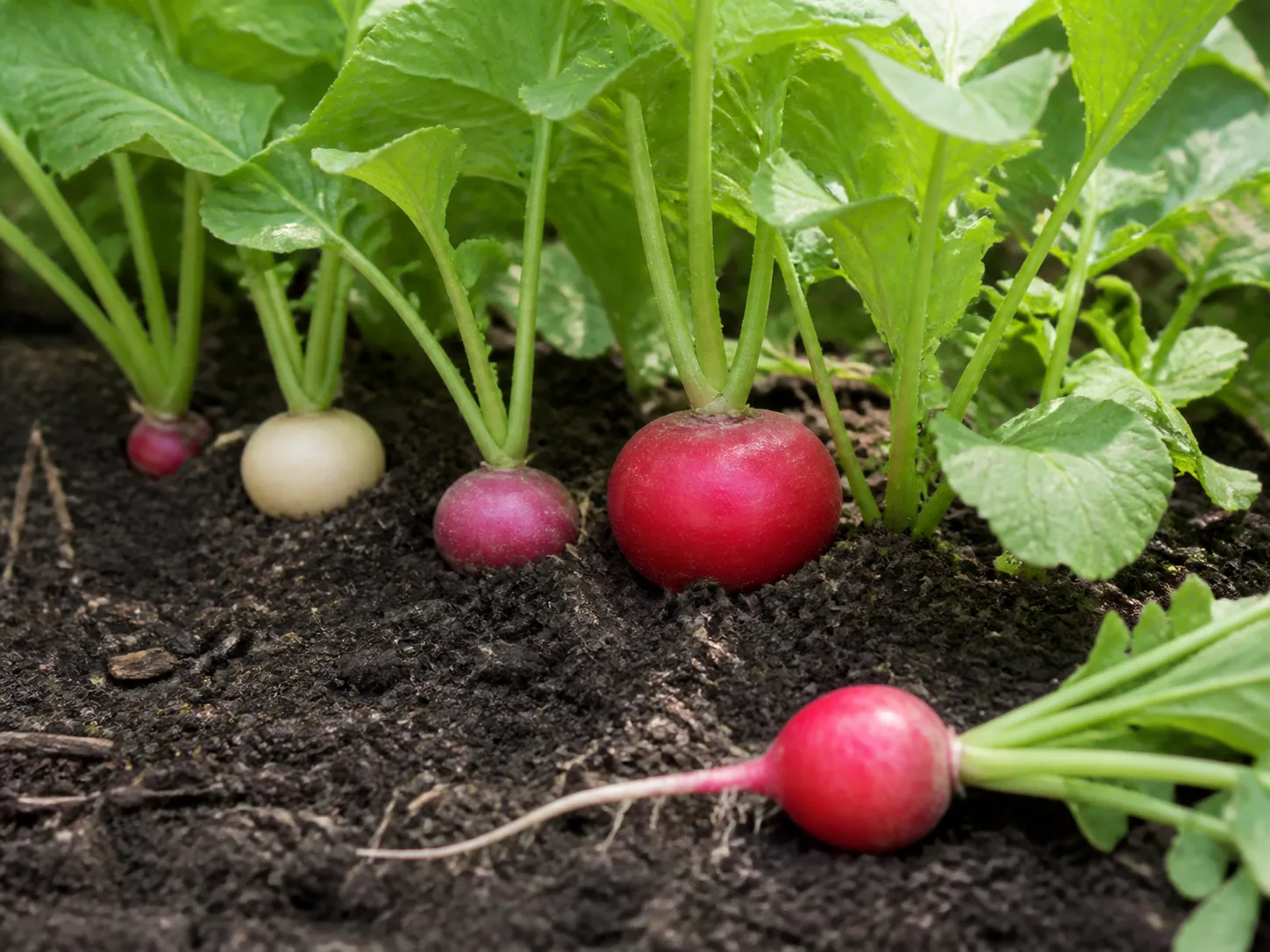
Carrots, beets, turnips, and kohlrabi need more time but tolerate cool weather well. Pick short-season cultivars and direct sow them into loose soil; thinning is not optional because crowded roots compete for moisture and remain small. In a tight window, harvest baby roots early and leave a second sowing to size up if the weather gives you more time.
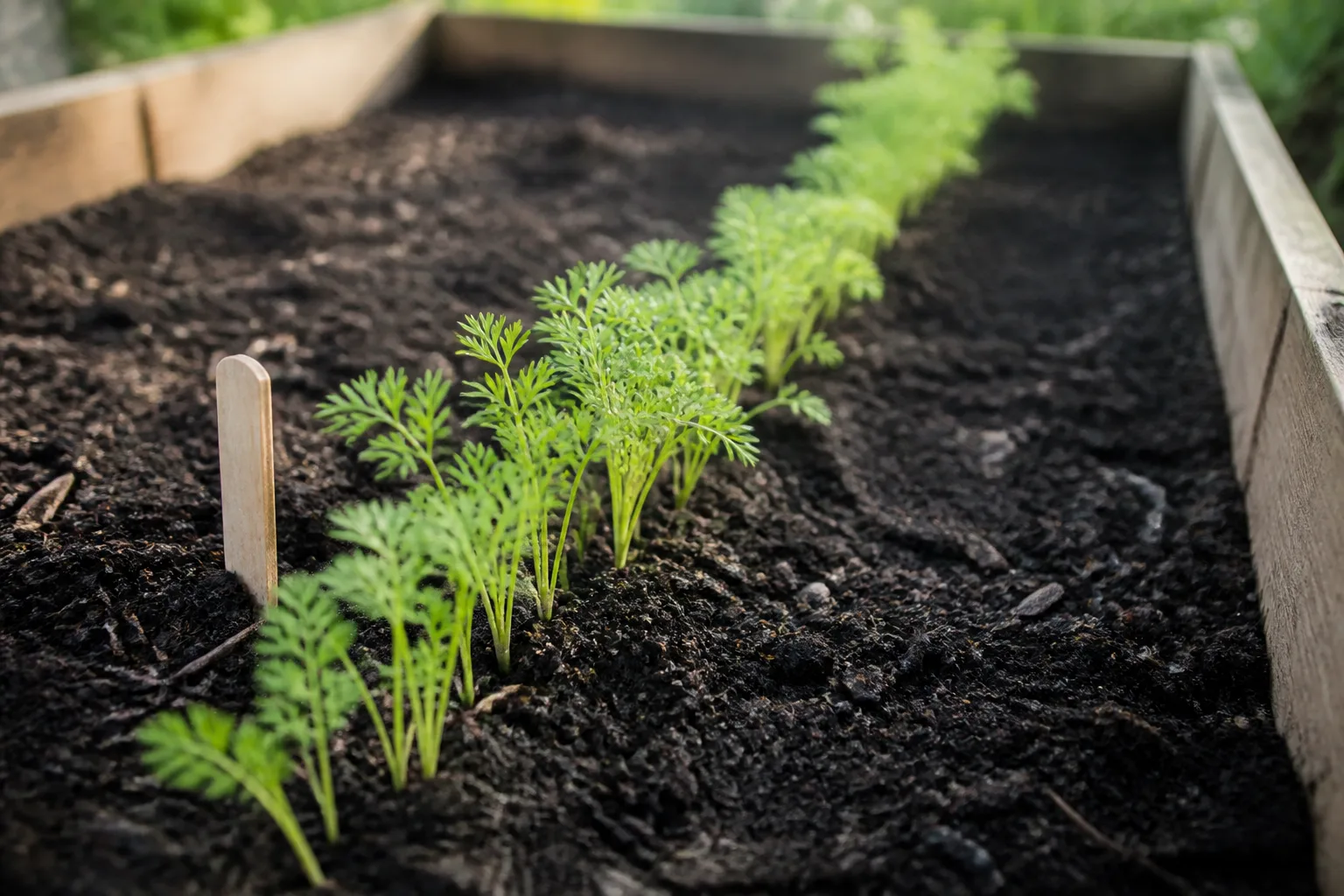
Peas can work in fall where enough cool days remain, but they are not a reliable November rescue crop in a cold climate. Their germination and early growth need time, and a hard freeze can end the crop before pods fill. Treat peas as a late-summer planting, not a last-minute winter vegetable, unless your local season is long.
What to plant in October
October is often the month when gardeners stop sowing annual vegetables and start planting crops whose main harvest will come later. Whether that works depends on where you live. In a cold area, October may be too late for a seed-grown head crop; in a mild area, it may be the start of a productive cool-season run.
Garlic, shallots, and overwintering onions
Garlic is different from lettuce or radishes because the autumn planting is usually an investment in next summer’s harvest. Plant cloves in well-drained soil during the local fall window, after the worst heat has eased but early enough for roots to develop before the ground freezes. The exact timing can range from early fall to early winter depending on climate and type.
Choose firm, disease-free planting stock, separate cloves just before planting, and set each clove with the pointed end up. Mulch after the soil cools to moderate temperature swings, but do not bury the bed under a wet, compacted layer that stays against the necks. The existing RHS guidance on growing vegetables for winter and its crop-planning material are useful reminders that overwintering crops are planned for staged harvests, not immediate maturity.
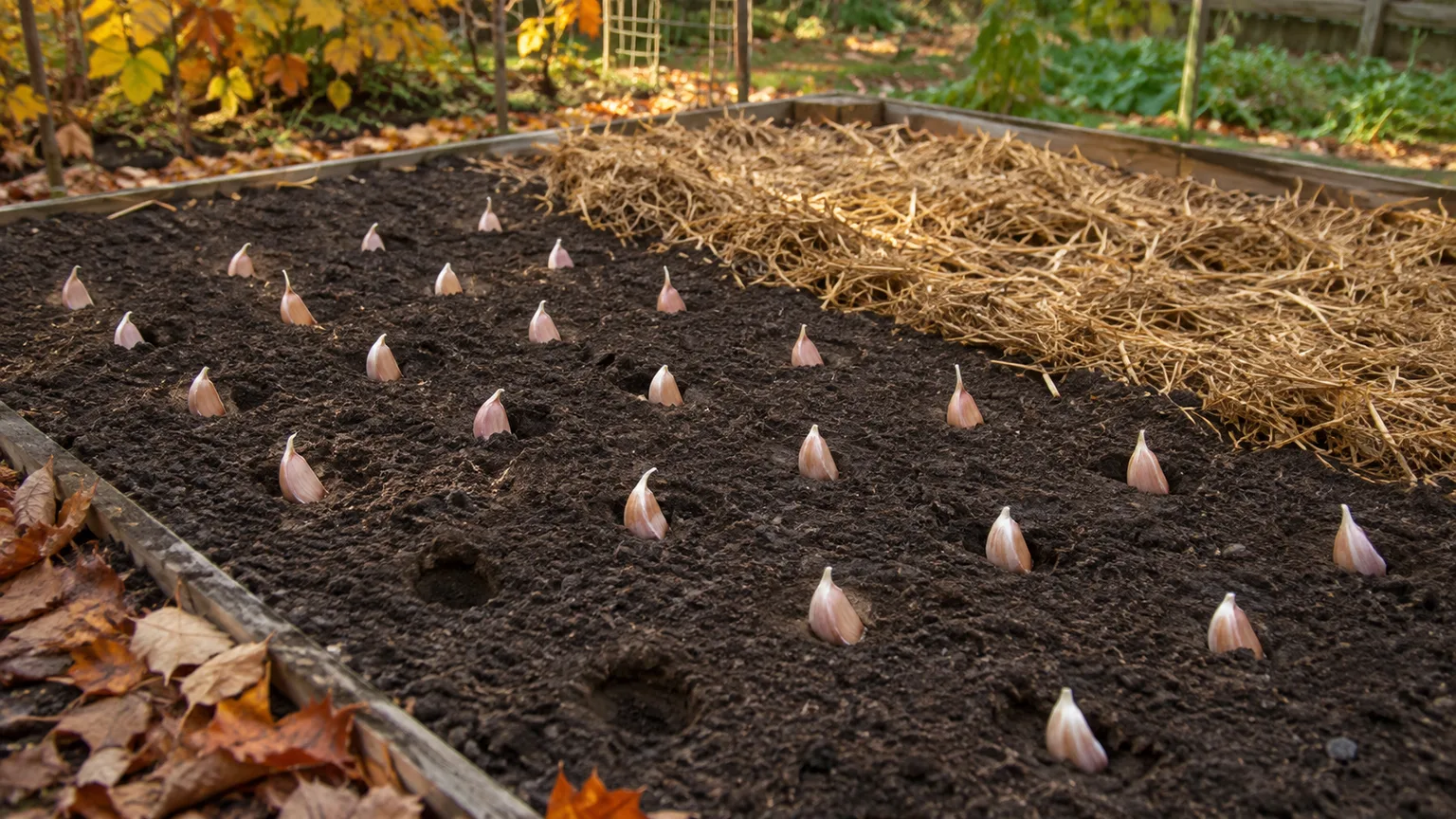
Shallots and short-day onions also need a climate-appropriate window. Do not use the phrase “plant onions in fall” without checking the type: day length, variety, and winter severity determine whether the crop makes bulbs, survives to spring, or simply rots.
Brassica transplants and established greens
Broccoli, cabbage, cauliflower, kale, and collards are best treated as two different jobs. Young plants set out early enough can establish, grow through cool weather, and produce a head or a steady leaf harvest. Seeds sown too late may germinate but never build enough size before light and temperature limit growth.
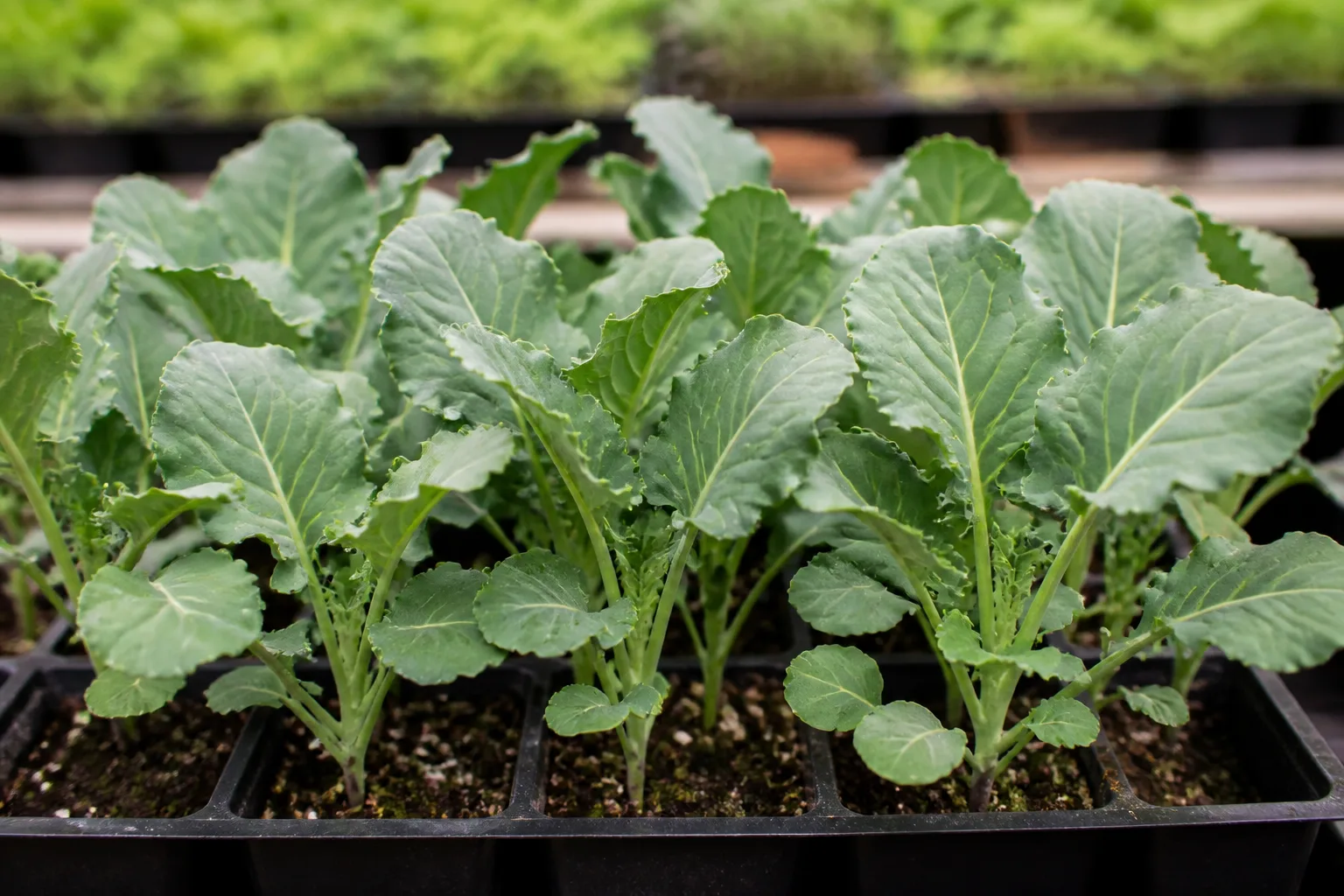
If you buy transplants, choose compact plants with strong color and roots that hold the mix without circling densely. Harden greenhouse-grown plants before planting, water the root ball and bed, and protect the first week from drying wind. The RHS explains that transplanting is a vulnerable stage because cold, drought, birds, slugs, and other pests can interrupt establishment; the practical lesson is to protect a transplant while it is buying back your calendar.
What to plant in November
November is a month of different realities. In a hard-freeze climate, outdoor sowing is usually limited to crops that mature quickly, crops that can overwinter small, or a protected bed. In a mild climate, November may be an excellent planting month for leafy greens, roots, peas, and brassicas.
Winter greens, radishes, and protected crops
For a late outdoor sowing, choose baby-leaf lettuce, spinach, mizuna, tatsoi, mache, mustard greens, scallions, and quick radishes where your remaining light and temperature allow germination. In a warmer area, plant larger selections too; in a colder area, think in terms of establishing a small plant that will pause and resume growth rather than promising a winter harvest in a week.
Microgreens are the honest answer when the outdoor deadline has passed. They can be grown indoors on a clean tray with adequate light and harvested young, giving you fresh greens without pretending that a late November carrot will become a full root before the soil freezes. A protected cold frame, greenhouse, or low tunnel can also shift the plan, but protection is most valuable when installed before the crop is already failing.
Use succession planting to spread the harvest
Succession planting means making several smaller sowings instead of one large planting. It can mean repeating lettuce every two weeks, replacing a finished summer crop with fall spinach, or sowing radishes in short rows so every harvest does not arrive at once.
For fall, succession planting is a way to manage uncertainty. Sow one row at your best calculated date, another seven to fourteen days later if the forecast and soil conditions still support it, and stop when the later row would miss the frost-and-maturity test. This gives you a chance at a late harvest without committing the whole bed to a gamble.
The RHS succession-sowing guidance recommends small, regular sowings for quick crops and warns that weather can make two plantings mature together. That is why a planting record helps. Note the date, variety, starting method, and first harvest; next year, you can adjust the interval based on your own bed rather than an abstract calendar.
Prepare the bed so fall crops start quickly
Fall crops do not need a complicated renovation, but they do need a fast start. Remove diseased plants and heavy crop debris, pull weeds before sowing, and loosen only the soil you need to plant. Working wet soil can destroy the air spaces roots need, especially in clay.
Add a thin layer of finished compost if the bed has carried a hungry crop, but do not bury tiny seeds under a thick, fluffy layer. The RHS seed-sowing guidance distinguishes seed compost from garden compost and emphasizes containers or modules when a crop benefits from protected early growth. For direct sowing, make a fine, firm surface, sow at the packet depth, water the row before or immediately after sowing, and label the variety.
The bed should receive as much sun as your site allows. Autumn sun is lower and weaker than summer sun, so a position that was bright in June can become shaded by a fence or tall crop in October. Orient rows so the shorter days and lower sun still reach the leaves, and avoid placing a fall bed behind a wall that blocks winter light unless the wall’s warmth is a deliberate part of your plan.
Protect plants without trapping heat or moisture
Protection is not one thing. Mulch insulates soil and moderates moisture; it does not warm leaves. Row cover reduces frost and wind exposure while allowing light and some air movement. Low tunnels create a larger protected row. Cold frames buffer temperature with a rigid, sun-warmed cover. Choose the lightest tool that solves the actual problem.
Use a breathable cover for a forecast light frost, anchor it so wind cannot lift it, and keep the fabric off delicate leaves when possible. Vent a tunnel or cold frame on sunny days. A sealed plastic cover can become hot enough to stress plants during the day and damp enough to encourage disease at night. Penn State’s season-extender guide describes low tunnels, cold frames, hot beds, and cloches as different tools with different setup and maintenance demands; season extension works best when you can monitor it, not when you install it and forget it.
Mulch after the soil has cooled, especially around overwintering garlic, onions, and hardy greens. Keep mulch a little away from plant crowns and stems so wet material does not sit against them. Before a freeze, water a dry bed thoroughly enough to protect roots from desiccation, but do not irrigate a saturated bed simply because the forecast is cold.
Know when it is too late for an outdoor crop
It is too late when the crop cannot reach a useful harvest after you count maturity time, the fall buffer, and the protection you can realistically provide. The answer is crop-specific: a baby radish and a storage carrot have different deadlines, and a kale plant that can overwinter is not the same as a broccoli plant that needs to form a head.
Use this quick test before planting a late crop:
- Find the first expected frost and, if relevant, the first hard freeze for your site.
- Read whether the packet’s days to maturity start at sowing, emergence, or transplanting.
- Add about 10 to 14 days for late-season slowdown, then add more for a long-season crop.
- Decide whether a light frost damages the crop or simply improves flavor.
- Subtract the total from the frost date and compare that date with today.
If the result is past, change the harvest goal. Sow baby greens, choose radishes, grow microgreens, buy a sturdy transplant, or move the crop under protection. Do not keep planting a slow crop because a warm afternoon makes autumn feel far away; the calendar is being shortened by light as well as temperature.
Conclusion
The reliable answer to when to plant fall vegetables is a calculation, not a month name. Start with your local first frost, subtract the variety’s days to maturity, add a realistic buffer for shorter days, and then choose the starting method that gives the crop enough time to establish.
Plant fast greens and roots in the earlier fall window, treat garlic and overwintering alliums as a separate long-term job, and use healthy brassica transplants when seeds would spend too much of the remaining season becoming seedlings. Sow in small successions, protect young plants from wind and frost, and switch to a faster or protected crop when the math says the outdoor window has closed. That approach produces a smaller but more dependable fall harvest—and gives you a planting calendar you can improve every year.



