Wilting on Fig: Pot-Weight Triage & Fixes
Quick answer
Wilting on fig (*Ficus carica*) means lobed leaves lost turgor because water stopped moving from roots to foliage—often within hours on a hot terrace pot. First step: lift the container and probe the top 1–2 inches of mix before you soak or repot.
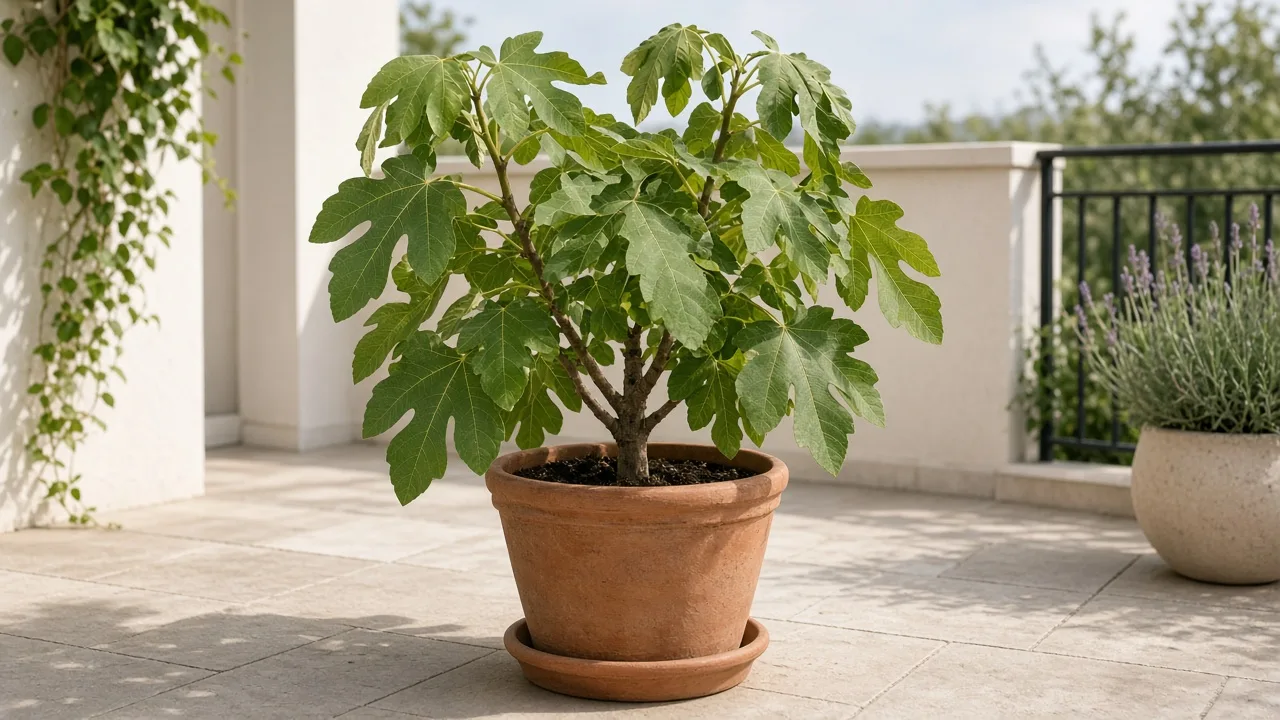
Wilting on Fig: Causes, Checks & Fixes
This guide covers wilting on Fig. See also the general Wilting guide, watering, and light pages for this plant.
Wilting on Fig: Causes, Checks & Fixes
Quick answer
Wilting on fig (Ficus carica) is acute loss of leaf firmness—large lobes hang soft and thin because roots are not delivering water fast enough, or damaged roots on wet mix cannot absorb water even when the pot feels full.
First step: lift the container and probe the top 1–2 inches of mix before you change anything.
For how impaired water movement causes limp foliage in general, see our wilting guide. On common fig—the edible, deciduous fruit tree—not a fiddle-leaf or rubber Ficus, wilt usually tracks terrace pot weight, syconia swell, or dormancy watering mistakes within days, not vague “houseplant stress.”
Wilting vs drooping on Fig
| Pattern | Speed | Leaf feel | Pot / mix | Syconia | Start here |
|---|---|---|---|---|---|
| Wilting | Hours to a few days; sudden collapse | Soft, limp lobes; may feel thin | Very dry or paradoxically wet | Rapid abort during swell | This guide |
| Drooping leaves | Days to weeks; gradual hang | Often firm early; angle down | Dry or chronic wet | Drop if drought drags on | Drooping leaves on Fig |
| Yellow leaves | Follows chronic wet wilt | Yellow before full collapse | Heavy, sour mix | Less common first sign | Yellow leaves on Fig |
| Heat midday wilt | Afternoon only | Limp on sun side; firm wood | Moist at depth | Usually still attached | Fig light placement |
If leaves have hung for weeks without a dramatic same-day collapse, start with drooping leaves instead.
What wilting looks like on Fig
Healthy common fig holds rough, large deeply lobed leaves on stiff young wood. Wilting changes the whole silhouette quickly—often before yellowing spreads.
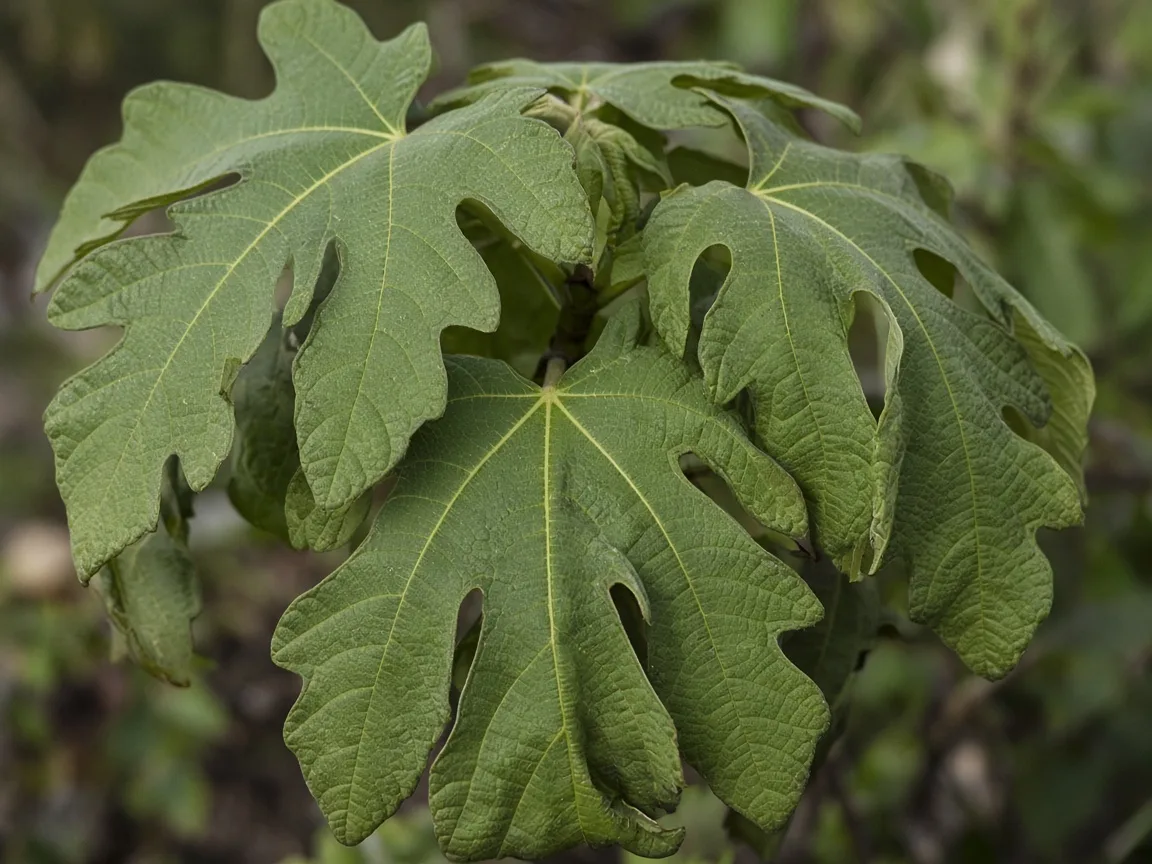
Wilting symptoms on Fig — compare limp lobes with firm tissue on the same branch.
Dry wilt (drought collapse)
- Pot feels light; mix is dry 1–2 inches (2.5–5 cm) down, sometimes with shrinkage away from the pot wall
- Lobes collapse all at once or from the outer canopy inward; margins may curl or feel crisp when squeezed
- Container figs need more frequent irrigation than in-ground trees, especially in terracotta on a sunny wall during heat above 85°F (29°C)
- Green syconia may abort or shrivel when drought hits during swell—UC IPM lists too little or too much irrigation as common causes of premature fig drop
- Stems stay hard; no sour odor from drainage holes
Wet wilt (root failure)
- Pot stays heavy while lobes hang limp—the classic misread where owners add more water
- Lower lobes may yellow; tissue feels soft when pressed
- Figs will not tolerate excessively wet soil even though they need steady moisture while leaves and fruit develop
- Roots in waterlogged mix lose oxygen and cannot function—the plant looks thirsty while soil stays damp
- Sour smell, fungus gnats, or mushy roots on inspection → escalate to root rot on Fig
Heat-stress wilt (unacclimated sun)
- Follows rolling a container out of winter storage onto full terrace sun, or a sudden heat spike after mild weeks
- Afternoon limp on sun-facing branches; shaded lobes may look normal
- Mix moisture and pot weight are adequate; wood stays firm
- Often recovers by evening without extra water if the root ball was not dry at depth—see Fig light for acclimation
Dormant or post-leaf-fall wilt confusion
- Common fig is a deciduous fruiting tree that drops leaves naturally in fall
- A leafless container in a garage still holds water in its root ball—continuing summer soak frequency on bare wood causes wet-soil stress and crown decline
- Bare twigs are not “dead” by default; wrong winter watering is a frequent wilt-and-rot trigger on stored patio trees
Why fig wilts (plant-specific causes)
Fig is a sun-loving, shallow-rooted fruit tree—not an evergreen indoor Ficus. Wilting on this species usually ties to how fast terrace pots dry, how syconia demand water, or how dormancy changes uptake.
Missed drinks during active growth. Fibrous roots sit close to the surface in containers. A single hot, windy afternoon can desiccate a small pot while owners still follow a weekly calendar. Improper soil moisture greatly impairs fig health and fruiting.
Overwatering and root decline. Heavy peat mixes, cachepots without drainage, or watering on a dormant schedule while leaves are still on keep roots oxygen-starved. Wet-soil wilt is common on overwintered containers and newly repotted trees sitting in soggy mix.
Fruit-season transpiration spike. As syconia swell, the canopy pulls more water. Drought during that window produces rapid wilt plus fruit drop—distinct from slow underwatering patterns that build over many days.
Transplant and repot shock. Disturbed roots cannot match transpiration for several days after repotting or moving from nursery shade to a bright wall. Open lobes may collapse even when mix moisture looks correct.
Root-knot nematodes and root-knot stress. NC State notes root-knot nematodes among fig problems; impaired root systems wilt on otherwise “normal” watering until you inspect below the soil line.
Scale, mealybugs, and spider mites. Heavy sap loss on stressed trees can compound wilt; check leaf undersides and stem joints if moisture checks do not explain collapse—see Fig problems hub for pest pages.
How to confirm the cause
Work through these checks in order so you do not soak rotting roots or ignore a dry root ball during fruit swell.
- Top-inch moisture — Probe 1–2 inches near the trunk, not just surface dust. Dry confirms drought; damp with limp lobes suggests root failure.
- Pot weight — Light plus wilt equals dry. Heavy, cool pot plus wilt equals oversaturated mix or dead roots.
- Stem firmness — Press wood at the soil line. Firm stems with wilted lobes are more recoverable; soft, dark bases suggest advancing rot.
- Syconia stage — Soft green fruit aborting during wilt points to moisture stress during swell (UC IPM).
- Season — Leafless container in winter with wet mix is a dormancy watering error, not summer drought.
- Recent moves — Winter storage to full sun, repot within two weeks, or vacation dry spell narrows cause quickly.
- Smell and drainage — Sour odor or water sitting in saucers for days confirms chronic overwatering habitat.
- Root peek — If wet wilt persists after a dry-down period, slide the tree from the pot. Healthy fig roots are firm and pale; rotted roots are brown, translucent, or slimy.
Confirmed dry wilt: light pot, dry depth, firm wood, firm roots at the ball edge. Confirmed wet wilt: moist mix, yellow lower lobes, mushy roots, or sour smell. Suspected heat wilt: afternoon limp on firm wood, recovery by morning, adequate depth moisture.
First fix for Fig
Lift the pot and read top-inch moisture before any other action. That single test separates opposite fixes.
If the mix is dry and the pot is light, water thoroughly until water runs freely from drainage holes, then empty the saucer within 30 minutes. Follow the Fig watering guide rhythm: deep soak when the top 1–2 inches dry, never leave standing water. One good drink, then reassess turgor the next morning—do not flood repeatedly in one hour.
If the mix is wet and the plant is wilted, stop watering immediately. Set the pot on folded paper towels to wick excess from drain holes. Move to brighter air movement if the tree sits in deep shade—slow evaporation worsens wet mix indoors. Inspect stems and roots if lobes keep declining after the mix dries toward the Fig soil target: moist, not soggy.
If wilt followed afternoon heat on firm stems with adequate depth moisture, provide light afternoon shade for one to two weeks while the tree acclimates—do not compensate with extra water if the top inch is already damp.
If the tree is leafless and dormant, reduce watering to keep the root ball only lightly moist, not wet. Resume growth-season rhythm only when buds swell in spring.
Make one correction, then wait several days before stacking repotting, heavy pruning, and pesticide.
Step-by-step recovery by cause
Dry wilt path
- Water until runoff drains; discard all saucer water.
- If the root ball was severely dry, repeat a moderate drink after 24 hours only if the top inch is dry again—not sopping throughout.
- Mulch the surface (not against the trunk) to slow terrace evaporation on in-ground trees; containers still need weight checks.
- Resume normal rhythm when the top 1–2 inches feel dry.
Wet wilt / root stress path
- Stop watering. Wick excess moisture from drain holes.
- If roots are mushy on inspection, trim decayed tissue, repot into fresh well-drained mix sized to remaining roots, and keep mix barely moist while the tree stabilizes.
- Remove soft lower lobes that will not recover.
- Wait for firm new growth before fertilizing.
Heat-stress wilt
Morning sun with light afternoon shade for one to two weeks after winter storage or nursery shade. Water on the usual dry-top-inch schedule—heat collapse is not fixed by drowning an already-damp pot.
Dormant container mistake
Allow natural leaf fall outdoors or in a cool storage spot. Water lightly every two to three weeks in cool dormancy unless the root ball approaches dry—match overview seasonal notes, not summer frequency.
Recovery timeline
Mild drought wilt on terrace containers often shows firmer lobes within 24–48 hours after one proper soak. Severe drought may need several measured cycles before the whole canopy re-firms.
Heat-stress afternoon wilt frequently resolves the same evening once temperatures drop, if depth moisture was adequate.
Root rot or chronic overwatering recovery spans one to three weeks when stem bases stay firm and enough healthy root remains. Yellow lower lobes rarely green up; new upright shoots are the benchmark.
Dormancy-related wet stress stabilizes only when you align winter moisture with a leafless tree—spring flush confirms survival.
What not to do
Do not pour more water onto wilt when the mix is already wet—that converts reversible stress into stem rot fastest on stored containers. Do not fertilize before roots are healthy. Do not treat a leafless winter fig like a thirsty summer patio pot. Do not repot on day one unless root rot, failed mix, or severe compaction is confirmed. Wear gloves when cutting wilted wood—fig latex can irritate skin. Do not stack repotting, pruning, and pesticide the same day.
How to prevent wilting on Fig
Check the root ball before every soak—pot weight and depth moisture, not a calendar. Increase frequency while leaves expand and syconia swell; cut back sharply after leaf fall. Use free-draining mix and open drainage holes in Fig soil guidance. Acclimate containers after winter storage before full wall sun. Empty saucers within 30 minutes. Scout weekly during heat waves and fruit swell.
When to worry
Act the same day if stems soften at the soil line, the mix stays wet while the whole canopy collapses within days, or roots are brown and mushy on inspection. Sudden whole-plant collapse on wet soil with green lobes is urgent.
You can observe if only outer lobes are limp, wood at the base is firm, and you already corrected a clear dry-wilt or heat mistake. Improvement shows as new shoots opening upright within one to two weeks.
Fig care cross-check
| Check | Healthy baseline | Wilting red flag |
|---|---|---|
| Top 1–2 inches of mix | Dry before next soak in growth season | Wet for 7+ days while lobes limp |
| Pot weight | Light when dry, moderate after soak | Stays heavy and cool between waterings |
| Stems at soil line | Firm and green | Soft, dark, or collapsing |
| Syconia | Steady swell in warm sun | Abort or shrivel during wilt |
| Season | High water in leaf-out; low when dormant | Summer frequency on leafless wood |
| Light | Full sun on terrace or south wall | Midday collapse after unacclimated move |
When to use this page vs other Fig guides
- Fig watering — Routine moisture rhythm before assuming wilt is the main issue.
- Underwatering on Fig — Slower thirst patterns without same-day collapse.
- Overwatering on Fig — Chronic wet mix with yellow lower lobes.
- Root rot on Fig — Confirmed mushy roots and soft crown.
- Fig problems hub — Browse all common issues on this species.
Related Fig guides
- Fig overview
- Fig watering
- Fig light
- Fig soil
- Drooping leaves on Fig
- Underwatering on Fig
- Overwatering on Fig
- Root rot on Fig
- Yellow leaves on Fig
- Fig problems hub
Conclusion
Wilting on fig is a high-speed water-transport alarm on a deciduous fruit tree, not generic houseplant drama. Lift the pot, read moisture at the root ball, and separate dry collapse from wet-root failure before you soak or repot. Match watering to leaf-out, syconia swell, and dormancy—and treat terrace containers as faster-drying systems than in-ground trees on the same cultivar.
Related tool
Use the Plant Watering Calculator to narrow causes for wilting on this plant before changing multiple variables at once.