Wilting on Ginger: Rhizome & Uptake Checks
Quick answer
Wilting on ginger means reed stems and narrow blades lost enough turgor that the whole clump looks collapsed—not just one arching leaf. First step: lift the pot and decide whether the top 2–3 cm of mix is dry (rehydrate) or wet and heavy (stop watering and check rhizome firmness before you pour again).
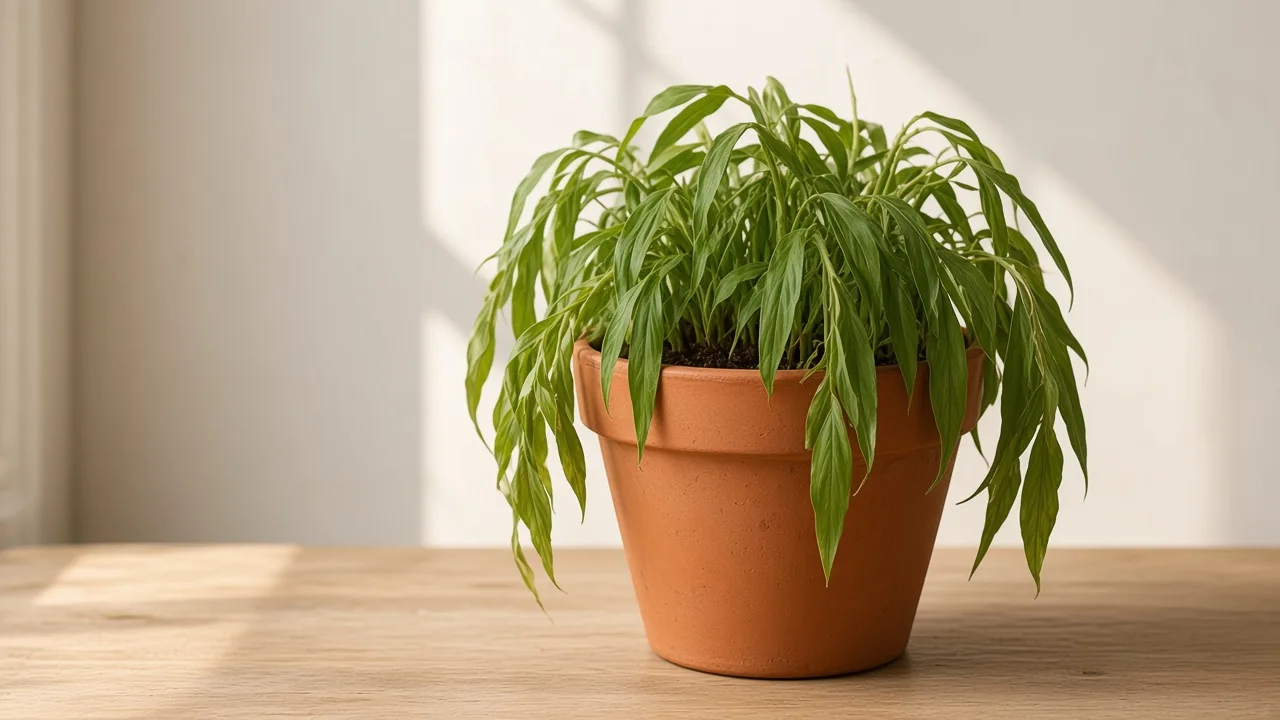
Wilting on Ginger: Causes, Checks & Fixes
This guide covers wilting on Ginger. See also the general Wilting guide, watering, and light pages for this plant.
Wilting on Ginger: Causes, Checks & Fixes
Quick answer
Wilting on culinary ginger (Zingiber officinale) is whole-clump turgor loss: reed stems and narrow blades go limp together instead of holding a stiff, grass-like clump. For how wilt works when roots, heat, or rot block water uptake in general, see our wilting guide. On ginger, the first move is always pot weight plus a finger probe 2–3 cm into the mix—not another drink because leaves look sad.
First step: lift the pot and check whether the upper 2–3 cm of mix is dry or wet. A light, dry pot with limp blades in hot weather calls for one measured soak through the ginger watering rhythm. A heavy, wet pot with all-day collapse means uptake failure—pause watering and test rhizome firmness at the soil line before you add more water.
When to use this page vs other Ginger guides
This page is for collapse and limp stems across the clump—when the plant looks like it cannot hold water pressure, not just one blade hanging.
- Drooping leaves — posture-first: arch vs limp fold on individual blades
- Underwatering — when the top 2–3 cm is dry and the pot feels light
- Overwatering — when mix stays dark and damp for days after watering
- Root rot — when rhizomes soften, soil smells sour, or bases mush on wet mix
- Yellow leaves — when lower blades yellow while the clump still wilts on wet soil
- Overview and problems hub — baseline care and sibling symptom pages
What wilting looks like on Ginger
Edible ginger forms a clump of bright green, narrow blades on reed-like stems roughly 60–120 cm tall in active growth. Wilting is not the gentle outward arch of healthy foliage—it is limp tissue that does not stiffen back by evening on the stems that matter.
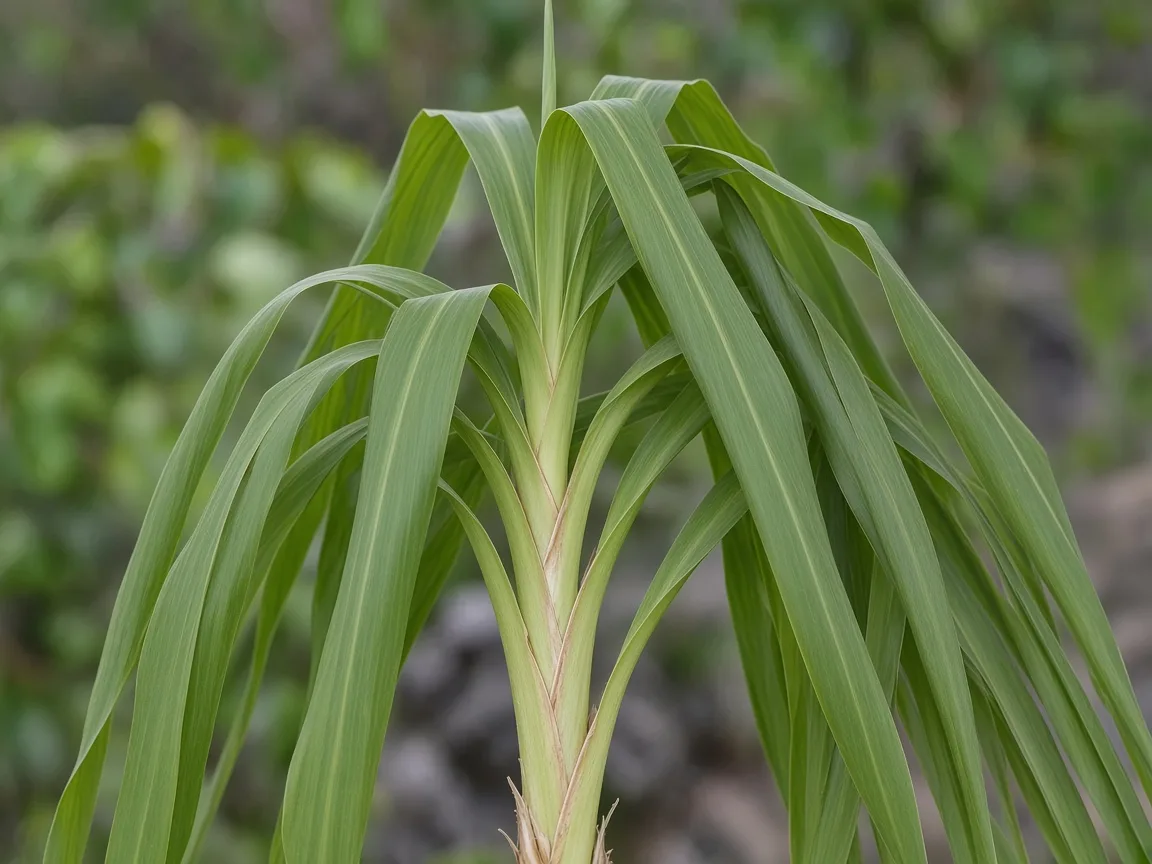
Soft ginger blades collapsing from the petiole—confirm wet vs dry soil and rhizome firmness before you treat wilt as thirst.
Heat-flash wilt hits outer blades and exposed reed stems in afternoon sun on a light pot. Mix 2–3 cm down may be dry; inner shoots can still look upright. Blades often recover overnight if rhizomes stay firm—this is transpiration outpacing shallow roots, not necessarily rot.
Dry-soil wilt spreads across multiple stems: blades thin, curl, then hang limp; the container feels noticeably light. Hot Indian summer on a small balcony pot can flash-wilt ginger within a day because rhizomes and roots sit shallow while long blades lose water fast.
Wet-soil wilt is the dangerous misread. The clump collapses while mix stays cool and heavy. Lower leaves may yellow. Wilting on moist soil often means roots cannot absorb water—adding water deepens oxygen loss around ginger’s shallow rhizome zone. Pair this pattern with root rot when you smell sourness or feel soft tissue.
Cold-wet collapse after a cool snap on a soaked pot mirrors drought from above but rhizomes chill in damp mix. NC State Extension notes cold and wet locations cause root rot on ginger; UW–Madison Extension advises moving containers inside before nights drop below 50 °F (10 °C) to avoid rot in cold wet soil.
Midday sag vs all-day wilt on reed stems
Ginger’s reed stems carry water to narrow blades that transpire heavily in humid heat. That geometry creates a ginger-specific timing clue many houseplant wilt guides skip.
| Pattern | What you see | Pot / mix | Evening check |
|---|---|---|---|
| Midday heat sag | Outer blades limp; inner stems firm | May be dry or evenly moist | Blades re-stiffen; rhizomes firm |
| Drought wilt | Multiple stems soft; tips may crisp | Light; dry 2–3 cm down | Still limp until soaked |
| Wet-root wilt | Whole clump limp all day | Heavy; damp 2–3 cm down | Stays limp; may yellow |
| Dormant dieback | Tops fade uniformly in cool months | Trending dry as foliage drops | Expected—do not force water |
If wilt clears overnight on firm rhizomes, you likely saw heat sag—shift to partial shade and tighten the dry-down check, not emergency repotting. If limpness persists on wet mix, you are in the wet-root branch regardless of afternoon temperature.
Why shallow rhizomes make ginger wilt fast
Ginger is grown for plump rhizomes a few inches below the surface, not deep taproots. In containers, that means small soil volume dries or saturates quickly, and the storage organ you care about is the first to suffer when uptake fails.
Common ginger-specific wilt triggers:
- Calendar watering into cool weather — Mix stays wet while growth slows; roots rot while blades wilt paradoxically. See overwatering on ginger when saucers stay full.
- Heavy soak before shoots emerge — Water sparingly until the plant starts to grow, then shift to even moisture; cold saturated mix around unsprouted rhizomes invites decay that shows up as sudden collapse when shoots finally push.
- Harvest or division shock — Cut rhizomes need callus time; wilt right after repotting often reflects root wounds, not thirst.
- Harsh midday sun — More than a couple hours of direct sun browns tips and weakens growth; stressed clumps wilt before tips crisp.
- Cachepots and saucers — Standing water keeps shallow roots anaerobic even when the surface looks dry.
- Rare bacterial wilt — UW–Madison notes leaf yellowing and curling followed by wilting may indicate bacterial wilt in commercial production; home containers rarely see it, but discard severely affected plants rather than composting rhizomes if collapse spreads rapidly on otherwise correct care.
Rhizome firmness at the soil line
Generic wilt advice stops at “check moisture.” On ginger, probe the rhizome because shallow storage tissue tells you faster than waiting for drain-hole roots.
- Surface scrape — Gently move aside mulch or the top centimeter near a stem. Firm tan rhizome with spicy scent when scratched suggests healthy tissue. Soft, dark, hollow, or waterlogged pieces mean stop watering and open root rot before any soak.
- Stem base tug — Healthy reed stems resist a gentle upward tug. Mushy bases that release with little resistance signal advanced decay.
- New shoot watch — Recovery shows as green tips from rhizome eyes. Shoots stalled for weeks on wet soil while the clump wilts point to roots, not fertilizer gaps.
This check separates thirst from rot when blades look equally limp—critical on a crop where both mistakes kill rhizomes.
How to confirm the cause
Work in order; stop when one branch fits.
- Pot weight — Light vs heavy relative to your usual cycle after watering.
- Probe 2–3 cm down — Dry crumb vs cool damp clump (matches soil guide expectations for free-draining but moisture-retentive mix).
- Time of day — Afternoon-only limp on firm rhizomes vs all-day collapse.
- Smell and drain — Sour odor or stagnant saucer water flags the wet branch.
- Season — Leafless dormant pots should not get summer watering volume; avoid watering leafless dormant ginger.
- Recent disturbance — Planting, harvest, or division within two weeks raises shock before rot.
The first fix to try
Lift the pot, probe the top 2–3 cm of mix, then take exactly one branch—do not water and repot the same day.
Dry branch (light pot, dry probe): Water slowly until a little drains, then empty the saucer. Recheck stem stiffness in 24 hours before changing light or feed.
Wet branch (heavy pot, damp probe): Do not water. Improve airflow and confirm drain holes are open while staying within partial shade limits. If rhizomes feel soft or soil smells sour, skip soaking and follow the root-rot salvage path.
Dormant branch (yellowing tops, no new shoots, cool season): Let foliage finish dying back; keep mix nearly dry until spring sprouting—do not interpret fading leaves as a call for heavy irrigation.
Heat-sag branch (overnight recovery, firm rhizomes): Shade midday sun and align watering to top-layer dry-down—not more water by default.
Once shoots are active, ginger wants evenly moist but not soggy soil through warm months—never bone-dry for days in heat, never waterlogged in cool weather.
Recovery timeline and what improves
| Scenario | What you may see | Realistic timeline |
|---|---|---|
| Mild drought wilt on firm rhizomes | Stems re-stiffen after one proper watering | Hours to 1–2 days |
| Heat afternoon wilt | Outer blades fold; perk overnight | Same day to overnight |
| Overwatering without advanced rot | Wilt stops spreading; no new yellow | 1–2 weeks with dry-down |
| Soft rhizome / sour soil | Old blades may stay limp | Weeks; some tissue lost permanently |
| Post-division shock | Gradual upright new shoots | 1–3 weeks if rot avoided |
Limp blade tissue rarely returns to perfect green. Success means upright new reed stems, stable pot weight between waterings, and firm rhizomes when you probe—not cosmetic repair of every collapsed leaf.
Lookalike symptoms on Ginger
| What you see | Often actually | Page to open |
|---|---|---|
| Blades arch but stay stiff | Normal foliage posture | Drooping leaves — limp fold, not arch |
| Tips brown, wilt in afternoon only | Sun scorch | Light guide, brown tips |
| Whole clump limp, wet mix, sour smell | Root rot / chronic overwatering | Root rot, overwatering |
| Crisp edges, very light pot | Underwatering in heat | Underwatering |
| Lower yellow, upper wilt on wet mix | Rot progression or nutrient stress | Yellow leaves |
| Fine webbing, stippling | Spider mites on stressed ginger | Pest page before extra fertilizer |
| Uniform top fade in autumn | Normal dormancy | Overview — reduce water |
Mistakes that keep ginger wilting
- Watering a heavy pot because stems collapsed — Deepens root oxygen loss; confirm dryness first.
- Assuming wilt always means drought — Wet-root paradox is common on container ginger in monsoon-cool transitions.
- Soaking dormant, leafless pots — Invites rot when no leaves transpire moisture away.
- Full hot sun to “perk up” a limp clump — Excess sun browns tips; move to partial shade instead.
- Fertilizing a collapsed clump — Does not restore uptake; stabilize moisture and rhizome health first via the fertilizer guide only after new growth looks stable.
- Repotting, dividing, and soaking the same week — Combines root wounds with saturated mix; change one variable at a time.
How to prevent wilting next time
- Water when the top 2–3 cm of mix dries during active growth—not on a fixed calendar from summer into winter.
- Keep partial shade with protection from harsh afternoon sun; use the soil guide mix that stays moist but free-draining.
- Empty saucers after every watering; never let cachepots hold standing water over shallow rhizomes.
- Water lightly until shoots emerge after planting, then increase to even moisture as extension guides recommend.
- Move pots or keep dormancy dry before nights near 10 °C (50 °F) on wet mix.
- Scan the problems hub during hot season—all-day limp on a heavy pot is an early rot warning, not a cue to pour more.
Related Ginger guides
Use this page when the whole clump lost turgor and you need the wet-vs-dry branch fast. Use drooping leaves when blade posture is the main clue, underwatering and overwatering when you already know the soil story, and root rot when rhizomes fail the firmness test. Long-term rhythm lives in watering, light, and soil once wilt stabilizes.