Leggy Growth on Lotus: Causes, Checks & Fixes
Quick answer
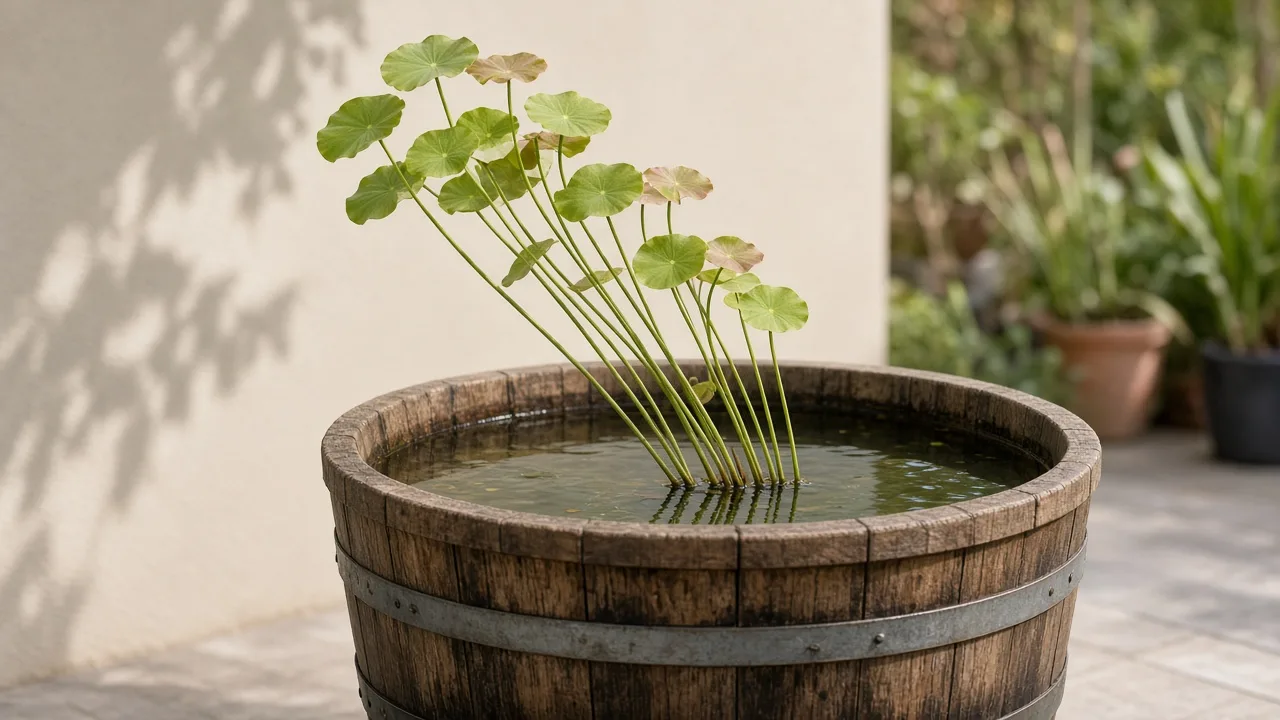
Leggy lotus shows thin petioles, small aerial leaves, and a canopy leaning toward the brightest side—usually from too little direct sun or water too deep over a new rhizome. First step: move the container to at least six hours of direct outdoor sun and raise shallow pots so leaves get light and warmth before changing fertilizer.
Leggy Growth on Lotus: Causes, Checks & Fixes
This guide covers leggy growth on Lotus. See also the general Leggy Growth guide, watering, and light pages for this plant.
Leggy Growth on Lotus: Causes, Checks & Fixes
Quick answer
Leggy growth on sacred lotus (Nelumbo nucifera) is not the same as a stretched houseplant vine. On lotus, etiolation shows up as thin petioles, undersized round aerial leaves, long floating stems that struggle to stand above the water, and a canopy that leans toward the brightest side of the pond or tub. Flower buds fail to form even in warm weather.
For how low light causes stretch in general, see our leggy growth hub. On lotus, the first checks are direct sun hours at leaf level and whether water depth lets new leaves reach the surface—not soil dryness.
First step: move the container to a site with at least six hours of direct outdoor sun on the leaves, raising the pot on blocks if needed so shallow tubs get heat and light at the rim.
What leggy growth looks like on lotus
Healthy lotus builds stout petioles that hold large, round aerial leaves like shallow umbrellas above the water, followed by raised flower stalks. Leggy plants break that pattern:
- Thin, elongated petioles on the newest aerial leaves compared with older ones on the same rhizome
- Smaller leaf blades than your cultivar label suggests, especially on dwarf or bowl types that should stay compact, not weak
- Long underwater stems with small floating pads that never transition to strong aerial leaves
- Directional lean — the whole leaf cluster angles toward one side of the pond, wall, or tree gap where the brightest light enters
- Pale green foliage without the firm texture of sun-grown leaves
- No flower buds by mid-season despite warm air, while neighboring sun-grown containers bloom
- Spindly new shoots emerging from a crowded rhizome edge in an undersized tub
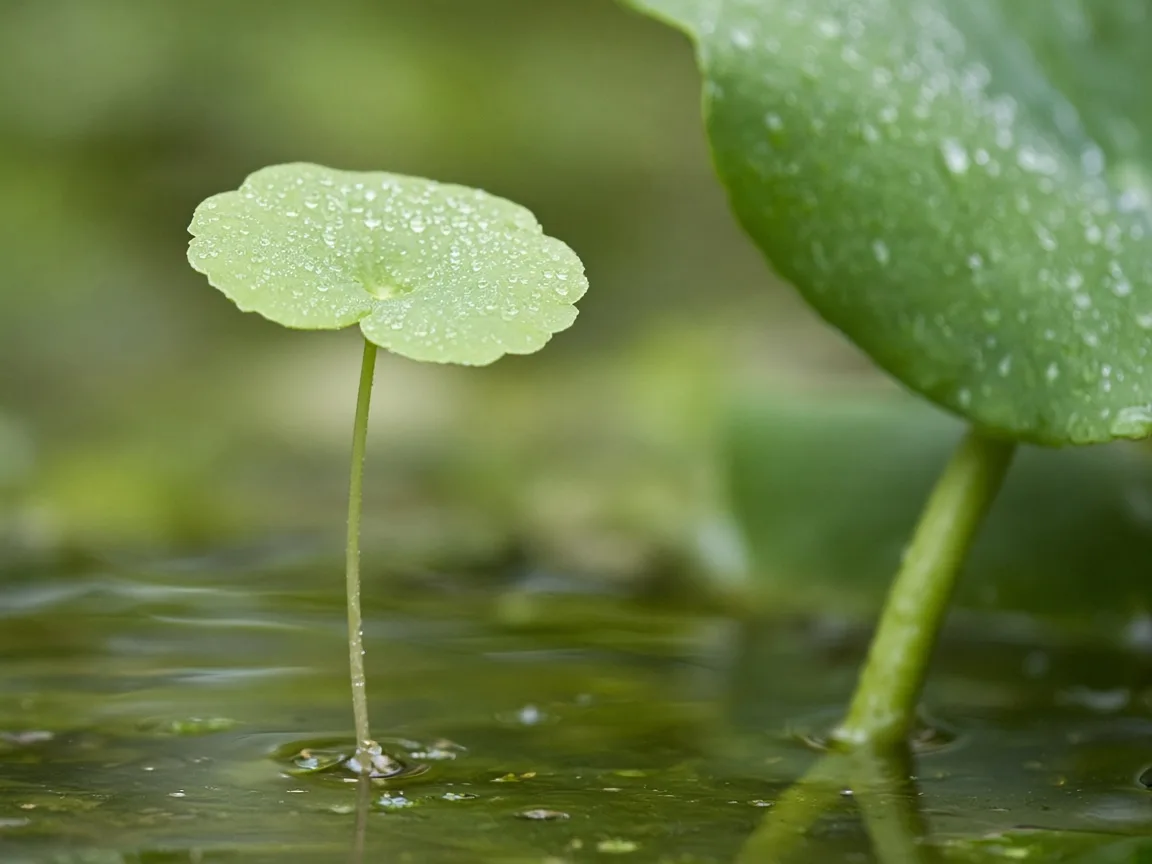
Leggy lotus — compare thin elongated petioles and undersized aerial leaves with stout sun-grown stalks on the same plant.
This differs from not enough light as a broader diagnosis page, from slow growth when cool water or a fresh division is simply waiting for heat, and from wilting when petioles collapse because the waterline dropped or rhizome tissue is failing.
Why lotus gets leggy growth
Lotus is a full-sun aquatic perennial that stores energy in spreading rhizomes and sends leaves upward through water. UF/IFAS lists lotus as needing plenty of space and full sun to thrive. NC State classifies Nelumbo nucifera as needing six or more hours of direct sunlight. When photons are missing, the plant lengthens petioles and stems to reach light—classic etiolation, but expressed through aquatic leaf stalks, not indoor internodes.
Lotus-specific triggers:
- Partial shade or filtered courtyard light — tree canopy, pergolas, tall walls, or indoor windows rarely deliver six hours of direct sun on the aerial leaves. Shade produces pale foliage and no buds even when the water looks bright.
- Water too deep over a new rhizome — leaves and buds must reach the surface while rhizomes stay submerged. Containers placed too deep too soon force long underwater growth before any strong aerial leaf appears. Moore Water Gardens recommends starting lotus tubs with only one to two inches of water above the rim in spring so sunlight and warmth reach the crown, deepening only after aerial leaves establish.
- Cool spring water — lotus leaves emerge quickly as water warms in sunshine, per container-growing guidance from Fine Gardening. Cold, shaded water stalls growth; the few leaves that appear are often thin and slow to size up.
- Crowded rhizome in a small tub — lotus spreads aggressively in confined pots. Weak, spindly shoots at the container edge often mean the rhizome needs division or repotting rather than more fertilizer.
- Directional light only — morning sun blocked by a building while afternoon sun hits one side produces a leaning, one-sided canopy that looks leggy on the shaded half.
- Heavy feeding in low light — extra nitrogen without matching sun can push soft, elongated tissue. Fix light before increasing fertilizer.
Floating leaves vs aerial leaves: a lotus-only depth check
Lotus normally progresses from small floating leaves to larger aerial leaves held above the water. That transition is your best depth diagnostic.
| Stage you see | What it usually means | First adjustment |
|---|---|---|
| Only long floating stems; pads stay small | Water too deep or tub too cool/shaded for the rhizome age | Raise pot on blocks; move to full sun; keep one to two inches over rim until aerial leaves stand |
| Aerial leaves present but petioles much thinner than last season | Light drop or one-sided shade | Relocate to six-plus hours direct sun; rotate tub weekly if space allows |
| Strong leaves on one side, spindly on the other | Directional shade from wall, tree, or taller neighbor plants | Shift container or trim overhead shade—not fertilizer |
| Spindly shoots at rhizome edge in packed pot | Crowding, not etiolation alone | Plan spring division after correcting sun |
If submerged leaves yellow and decay while stems keep stretching, read overwatering for depth and stagnation overlap—not every long stem is a light problem alone.
How to confirm the cause
Work through these checks in order:
- Sun-hour count at leaf height — on three clear days, note when direct rays first hit the aerial leaves and when shade takes them. Under six hours points strongly to light stress. The light guide covers placement details.
- Water depth over the container rim — measure inches from the water surface to the top of the pot, not depth in the whole pond. New or recently repotted rhizomes should start shallow per watering guidance.
- Petiole comparison — on the same plant, compare the last two new aerial leaves to leaves from early summer or last year in the same tub. Thinning plus shrinkage confirms stretch.
- Lean direction — trace which compass direction the canopy points toward; walk that sight line and find the light gap or blocker.
- Rhizome edge inspection — gently check whether multiple weak tips compete at the container wall in a pot that has not been divided in two or more seasons.
- Water temperature context — cool springs delay sizing; confirm the problem persists after water warms and days lengthen, not only in the first two weeks after planting.
If sun is adequate, depth is correct for the cultivar, and leaves are still undersized with no buds, move to crowding and nutrition review—not pesticide sprays.
First fix for lotus
Move the container to full outdoor sun with at least six hours of direct light on the leaves, and raise the tub so new rhizomes sit shallow until aerial leaves stand firmly.
RHS advises growing lotus in full sun in an outdoor pool, gradually lowering containers to increase depth only as growth proceeds. Do not deepen water, repot, or push fertilizer tablets into the soil on the same day you notice stretch—that stacks variables and can burn a fragile growing tip.
If the pot already receives good sun but sits in deep pond water, raise it on bricks or blocks first so one to two inches of water covers the rim, matching spring startup depth from aquatic nursery practice. Leave the rhizome undisturbed unless tips are black and soft.
Step-by-step recovery
After the sun-and-depth correction, proceed based on severity:
If light was the main issue:
- Hold placement stable for two to three weeks so new leaves can respond.
- Rotate the container slightly each week if one-sided shade caused lean, once you have full sun on most of the canopy.
- Resume or begin fertilizer only after several firm aerial leaves form—never on a freshly planted rhizome.
- Remove yellow or failed stalks by cutting above the waterline so hollow stems do not funnel water toward the crown, per pruning guidance.
If depth was suppressing aerial leaves:
- Raise the tub until floating leaves reach the surface easily.
- After aerial leaves stand for several weeks, lower gradually toward the cultivar’s target depth—large sacred lotus can eventually sit deeper than dwarf bowl types.
- Do not drop the pot to maximum depth in one step after a season of spindly submerged growth.
If the rhizome is crowded:
- Correct sun first so you can read which shoots are worth keeping.
- Plan division in early spring before vigorous growth; keep at least one intact growing tip per section.
- Repot into a wider solid container—lotus escapes through holes and needs room for horizontal rhizome run.
Recovery timeline
Old thin petioles do not shorten. Judge success on the next one to three aerial leaves:
- Shorter, sturdier stalks with fuller round blades
- Upright posture instead of strong lean
- Faster emergence as water warms in the corrected sunny spot
Flower buds may lag several weeks to the rest of the warm season after light improves because lotus flowers only when the plant has enough stored energy, space, heat, and sun. A division or repot may skip blooming that year entirely even after stretch stops.
Cool spring recovery can take three to four weeks after moving to sun and shallow water. A full season in partial shade may not produce buds until the following year after relocation.
What not to do
Do not fertilize heavily in unchanged shade—soft elongated tissue is the usual result. Do not lower the container deeper to “encourage roots” when leaves are already struggling to reach the surface. Do not submerge aerial leaves by raising the waterline quickly after they appear.
Do not pull or break fragile rhizome growing tips during inspection—they snap easily and stall the whole plant. Do not assume an indoor windowsill will fix outdoor stretch; ordinary room glass rarely matches pond-level full sun requirements from the overview.
Do not confuse lotus with water lily (Nymphaea) when comparing advice—different genus, different depth and light tolerances.
How to prevent leggy growth next time
- Site tubs and pond pots where aerial leaves receive six or more hours of direct sun, measured at leaf height through the growing season.
- Start shallow after planting or repotting; increase depth only as aerial leaves establish, following cultivar labels for dwarf vs full-size depth limits.
- Use wide, solid containers so rhizomes run horizontally without crowding weak edge shoots.
- Divide every one to two years before flowers shrink and leaves pack the entire surface, as crowded rhizomes produce weaker growth.
- Match feeding to active sun-grown foliage, stopping by late summer so rhizomes harden off for dormancy.
- Re-check sun path after nearby trees leaf out in spring—shade that was absent in winter often causes mid-season stretch.
When to worry
Leggy stretch alone is medium urgency and reversible with light and depth fixes. Escalate when:
- Rhizome tips turn black, soft, or sour-smelling — see root rot
- Leaves stay submerged and rotting while water smells stagnant — depth and overwatering overlap
- Waterline drops and soil exposes at the crown — underwatering with wilt, not etiolation
- No improvement after a full sunny month with correct shallow depth — inspect for tip damage or crowding before buying a replacement rhizome
Mild thin petioles on the first leaves after a cool spring planting often normalize without drama once sun and warm water align.
When to use this page vs other lotus guides
This page is the symptom-first entry for thin stalks, small leaves, and lean on lotus.
- Not enough light — broader light-stress diagnosis including bud failure without obvious stretch
- Slow growth — cool water, fresh divisions, or seasonal waiting rather than clear etiolation
- Light guide — long-term sun placement, shade limits, and indoor constraints
- Watering guide — stable waterline and shallow-to-deep progression by cultivar
- Pruning guide — removing spent stalks above the waterline after stretch is corrected
- Repotting guide — division when crowding drives weak edge shoots
- All lotus problems — full cluster index
Related lotus guides
- Lotus overview — rhizome biology, container confinement, and cultivar size
- Light — six-hour sun target and placement checks
- Watering — shallow start and depth increases
- Fertilizer — tablets after aerial leaves, not on fresh rhizomes
- Pruning — cut hollow stalks above the waterline
- Repotting — divide crowded rhizomes before weak shoots dominate
Related tool
Use the Plant Problem Diagnosis Tool to narrow causes for leggy growth on this plant before changing multiple variables at once.