Orange Tree Soil Guide: Mix, Drainage and pH
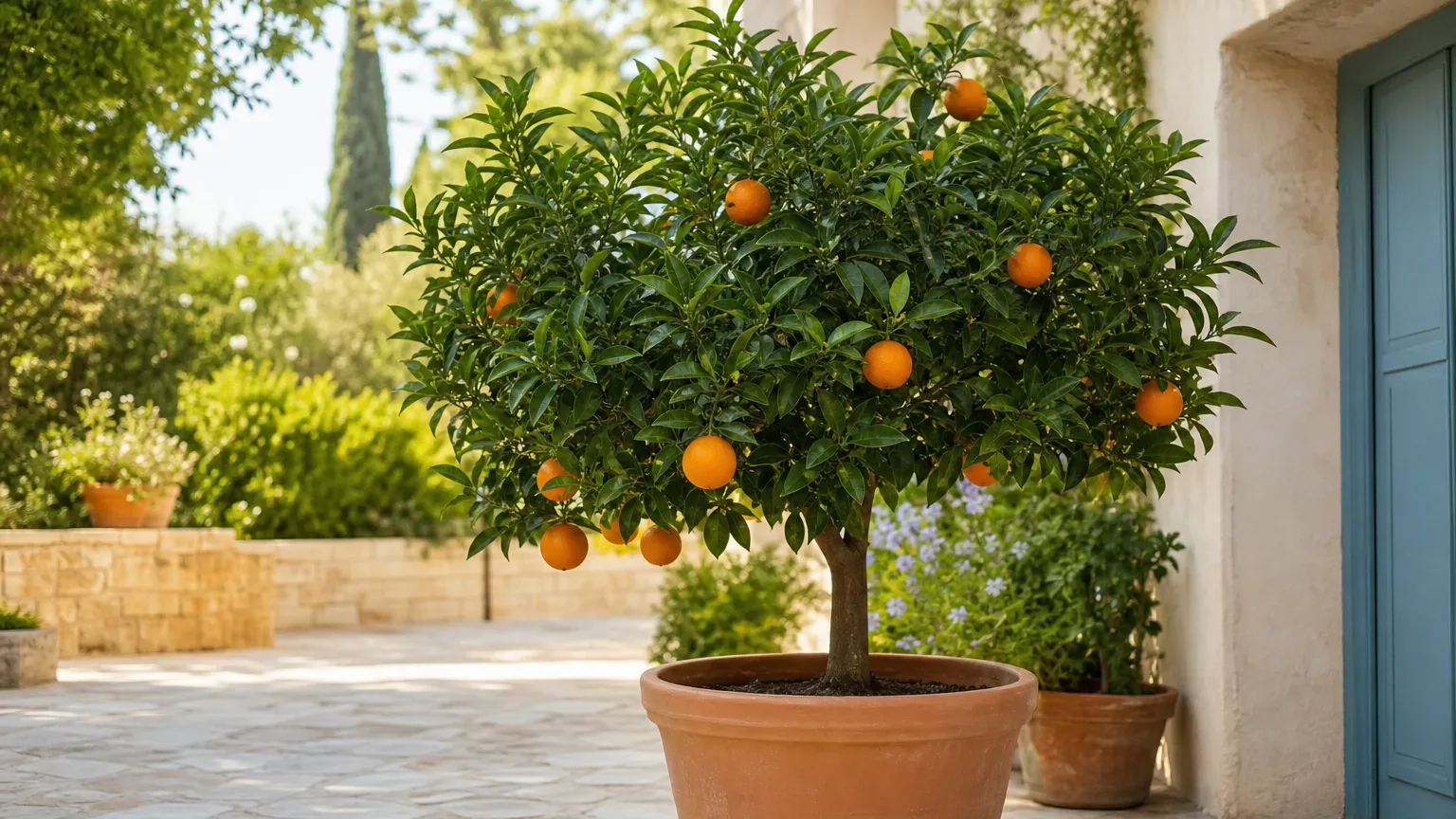
Orange Tree Soil Guide: Mix, Drainage and pH
Orange Tree Soil Guide: Mix, Drainage and pH
Sweet orange is a sun-loving evergreen fruit tree, not a shade-house foliage plant. Even a grafted Citrus sinensis in a large tub needs a root zone that holds enough moisture for flowering and fruit development yet restores air quickly after irrigation or monsoon rain. The RHS sweet orange profile lists loam that is moist but well-drained with acid or neutral pH — a useful shorthand for the physical balance container growers must engineer by hand.
For growers in India and similarly warm climates, the challenge is building soil that works through hot drying weather and weeks of high humidity or rain. Start with structure and drainage, then fine-tune water retention to your terrace, courtyard, or conservatory.
Quick answer: the best soil for Orange Tree
The best orange tree soil is deep, fertile, slightly acidic loam that drains freely while holding even moisture. In a container, use a peat-free loam-based citrus mix amended with about 20% coarse grit or perlite, matching the LeafyPixels plant profile for this species. Target pH 5.5–6.5, the range UF/IFAS identifies as optimum for home citrus.
A practical starting blend by volume:
- 60% peat-free loam-based potting mix (or quality soil-based compost)
- 20% fine composted bark or mature screened compost
- 20% coarse grit, perlite, or pumice
Treat those percentages as a testable recipe. Cocopeat-heavy mixes in humid coastal India may need more coarse material, while a hot, windy terrace may need slightly more water-holding base.
Why drainage matters more than a “rich” mix for citrus
Drainage is the movement of excess water out of the root zone, not merely a dry-looking surface. Fine particles collapse the larger pores that normally refill with air after watering. When that happens in an orange pot, the upper few centimetres can appear ready for water while the lower root ball stays saturated — a common prelude to decline on terraces during monsoon.
Citrus sinensis is intolerant of heavy, saturated soils. Chronic wetness is more dangerous to this species than a briefly dry surface, because fibrous citrus roots need oxygen as much as moisture. Rich compost alone cannot compensate for a pot that cannot breathe.
Orange roots need air as well as even moisture
In the ground, sweet orange grows best in deep, evenly moist, well-draining, slightly acidic sandy loams where roots can explore a broad profile. In a container, the entire root system is confined to a column whose bottom dries last and wets first. Extension guidance on container growing media emphasises balancing aeration, drainage, water retention, and physical support rather than treating one ingredient as complete.
Do not move a small rootball into an oversized volume of wet compost. A large pot of unused mix dries slowly because few roots are removing water, which is why the Orange Tree repotting guide recommends increasing pot size gradually when roots emerge from drainage holes.
“Well-drained” does not mean fast-drying
Pure sand may release water quickly, but a container dominated by fine sand can still compact. At the other extreme, straight cocopeat or unfinished compost can remain uniformly wet in humid weather and shrink as it ages. A useful orange mix balances large pores for air with smaller pores that retain plant-available water.
The aim is a thorough watering that wets the root ball, followed by prompt outflow and gradual drying — not water racing down a gap beside a bone-dry centre. Coordinate the mix with the Orange Tree watering guide, because structurally sound soil can still fail if watering follows a calendar instead of moisture checks.
The ideal Orange Tree soil profile
Good orange soil balances four jobs: anchor a woody, potentially thorny top, admit oxygen, store some plant-available water, and keep micronutrients accessible in a slightly acidic root zone. A mix that races bone-dry hours after watering may be root-bound or hydrophobic; a mix that stays glossy-wet for a week has the opposite problem.
Texture and structure for containers
RHS citrus cultivation guidance recommends either a formulated peat-free citrus compost or a nutrient-rich soil-based compost with sharp sand or grit to improve drainage. Soil-based compost is longer lasting in shrub and tree pots because loam contributes mineral structure that does not rot down like organic fines alone.
Loam supplies mineral body and moisture buffering; coarse grit or perlite preserves air spaces; mature compost or composted bark adds stable organic matter without dominating the root zone. Fine garden soil, pure vermicompost, or uncut cocopeat settle too densely in a large fruit-tree pot, especially after repeated monsoon saturation.
Soil pH and iron availability
For practical home growing, target approximately pH 5.5–6.5. UF/IFAS notes that many citrus trees succeed without obsessive pH management on naturally acidic sands, but unhealthy foliage on alkaline sites may reflect iron unavailability rather than a simple nitrogen shortage. UF/IFAS advises soil-applied iron chelates when deficiency appears on high-pH soils, and warns that naturally basic soils are difficult to change permanently.
Test before adding lime, wood ash, sulphur, or acidifying products. Pale new leaves with green veins are a reason to check pH and drainage before reaching for general fertiliser; the Orange Tree fertilizer guide covers feeding separately once the physical root zone is sound.
A practical Orange Tree potting mix
Measure ingredients by volume with one bucket or scoop. Judge the finished mix by structure: it should accept water evenly, drain freely, and remain slightly springy when squeezed moist rather than forming a sticky ball.
A reliable starting recipe
For a grafted sweet orange in a large outdoor container, blend throughout the whole pot:
- 60% peat-free loam-based potting mix or quality soil-based compost
- 20% fine composted pine bark or mature, screened compost
- 20% coarse perlite, pumice, horticultural grit, or expanded clay
If the base is dense red loam, lower it to 50% and raise coarse aeration to 30%. Mix ingredients throughout — do not create a thick stone “drainage layer” at the bottom, which reduces usable root volume without correcting a dense medium above.
How to substitute materials available in India
Coco coir is widely available and useful as a water-holding component, but it should not dominate an orange mix in a humid, rainy setting. Combine buffered, low-salt coir with bark and a coarse mineral fraction. If using compost, choose mature material that smells earthy, is cool, and has been screened; unfinished manure or fresh compost can continue decomposing, consume oxygen, and release salts.
Red loam can contribute weight and mineral content, but limit it in containers and break all clods before blending. Where perlite blows around or is expensive, coarse pumice, clean horticultural grit, or well-graded expanded clay can provide the same structural role. On exposed terraces, a slightly heavier loam-based mix can help stabilise a top-heavy fruiting tree without sacrificing grit content.
Test the mix before you plant
Fill a nursery pot with your blend, water completely, and wait ten minutes. Squeeze a handful: it should hold together loosely, then break apart with a touch. Water should soak in rather than bead on top, then leave through the holes in a steady stream.
Repeat after several waterings because fresh bark, coir, and compost settle. UF/IFAS warns that a sharp difference between container mix and surrounding planting soil can create a watering interface in the ground; in pots, the same principle applies to an old, collapsed core surrounded by fresh fluffy mix — replace or blend thoroughly at repot time rather than packing new mix only around the edges.
Container drainage that works in real weather
The pot is part of the soil system. A free-draining recipe cannot work if one small outlet is sealed by a flat terrace, roots, compacted debris, or a decorative cachepot. For a long-term orange, choose a stable container with several unobstructed holes and enough weight or width to resist wind on a balcony.
Avoid routinely leaving the pot in collected runoff. Roots at the base encounter that saturated zone first, and the problem is easy to miss when the canopy still looks normal.
Drainage holes, pot feet and the first-flow test
Before planting, pour water into the empty pot to confirm every outlet works. After potting, water slowly across the surface and time the first flow: water should begin leaving promptly once the medium is evenly wet, not remain ponded on top. Raise large tubs slightly on broad pot feet so outlets cannot seal against tile, while keeping the setup stable.
Terracotta helps a wet-handed grower or monsoon-exposed tree dry faster; thick plastic retains moisture longer in hot, dry wind. Material matters less than adequate volume, several open holes, and a mix matched to your actual drying rate.
Monsoon adjustments for terraces and courtyards
Before dependable monsoon rain begins, clear drainage holes, remove saucers that collect rain, and move the pot away from roof runoff. Shelter the root ball if repeated storms keep it saturated, but keep the canopy in strong light and airflow per the Orange Tree light guide. Never wrap the soil surface with plastic after it is already wet; that traps moisture and slows gas exchange.
Do not automatically repot a stressed tree in the middle of a prolonged wet spell. First stop supplemental watering, prevent more rain entering the pot, and confirm that water can leave. If the mix smells sour, the trunk base softens, or roots visible at an outlet are dark and mushy, a careful root inspection may be necessary using the Orange Tree repotting guide.
Adapting garden soil for in-ground oranges
In the ground, assess the site rather than excavating a bathtub-shaped hole and filling it with fluffy potting mix. If water stands after rain, use surface grading, a broad raised mound, or another location. UF/IFAS recommends exposing outer roots and blending removed nursery soil with the planting site to reduce interface problems when setting out container-grown trees.
Heavy clay is not automatically impossible, but compacted, poorly drained clay is high risk for citrus. Create a wide raised planting area using suitable local topsoil, keep the root flare at or slightly above finished grade, and direct hardscape runoff elsewhere. Black cotton soils that swell when wet and crack when dry require site-level drainage and local professional advice; mixing a little sand into a planting hole will not transform their behaviour.
Sandy or lateritic soil presents the opposite problem: water and nutrients can move below the active roots quickly. Add mature organic matter across a broad surface area, mulch without touching the trunk, and irrigate according to soil moisture rather than a fixed schedule.
Warning signs that the soil is wrong
Persistently wet mix, a sour smell, algae on a shaded surface, fungus gnats, stalled flushes, and yellowing leaves together point toward excess moisture or poor aeration. Dry brown margins, a pot that becomes feather-light within a day, or water running down the side without wetting the centre suggest the mix has become hydrophobic, root-packed, or poorly structured.
Take the first action at the root zone. Push a wooden skewer deep into the pot, check an outlet, and compare the pot’s weight before adding water or fertiliser. White crust on the surface or pot rim can indicate accumulated soluble salts from hard water or feed; flush only when drainage is excellent, because pouring more water through an already saturated, poorly draining root ball makes the oxygen problem worse.
Premature flower or young fruit drop can follow drought stress, but it can also appear when roots sit in wet, airless mix during cool weather. Read the lower root zone, not a single leaf colour, before changing multiple care variables at once.
When to use this page vs other Orange Tree guides
Use this soil guide to choose ingredients, evaluate texture, manage pH, and fix drainage design. Use the Orange Tree watering guide when the medium is suitable but you need to decide when and how deeply to irrigate. Use the Orange Tree repotting guide for pot sizing, root inspection, and the safest time to replace old mix.
For a complete picture of species identity, frost limits, thorns, and pet-safety around peel and leaves, return to the Orange Tree care overview. Soil cannot compensate for dim rooms, chronic overpotting, or a cultivar too vigorous for its space.
Related Orange Tree guides
- Orange Tree care overview — identity, growth habit, and the complete care framework.
- Orange Tree watering — moisture checks and seasonal irrigation.
- Orange Tree repotting — root work, pot sizing, and mix replacement.
- Orange Tree fertilizer — nutrient timing after drainage and pH are sound.
- Orange Tree light — outdoor sun and its effect on water use.
- Orange Tree propagation — media needs for cuttings and seedlings.
Conclusion
Good orange tree soil is a physical system, not a secret ingredient list. Give Citrus sinensis a stable, loam-based root zone that drains freely, retains moderate moisture, and stays within a broadly acidic to neutral pH range. In containers, start with loam-based mix, composted bark or mature compost, and a generous coarse fraction, then adjust for your climate, pot material, and drying rate.
In India and other monsoon climates, verify the holes, elevate the pot safely, and prevent repeated rain from saturating the root ball. In the ground, correct drainage across the site with grading or a broad mound rather than trying to repair a wet hole with amendments alone. If uncertain, check the lower root zone first; what is happening beneath the surface matters more than how dark the mix looks on top.