Overwatering

Overwatering on Orange Tree: Causes, Checks & Fixes

Quick answer

Overwatering on Orange Tree is usually tied to Common on this plant type; confirm with recent watering, light, and root checks. First step: Inspect the plant and correct the most likely care stressor before stacking treatments.
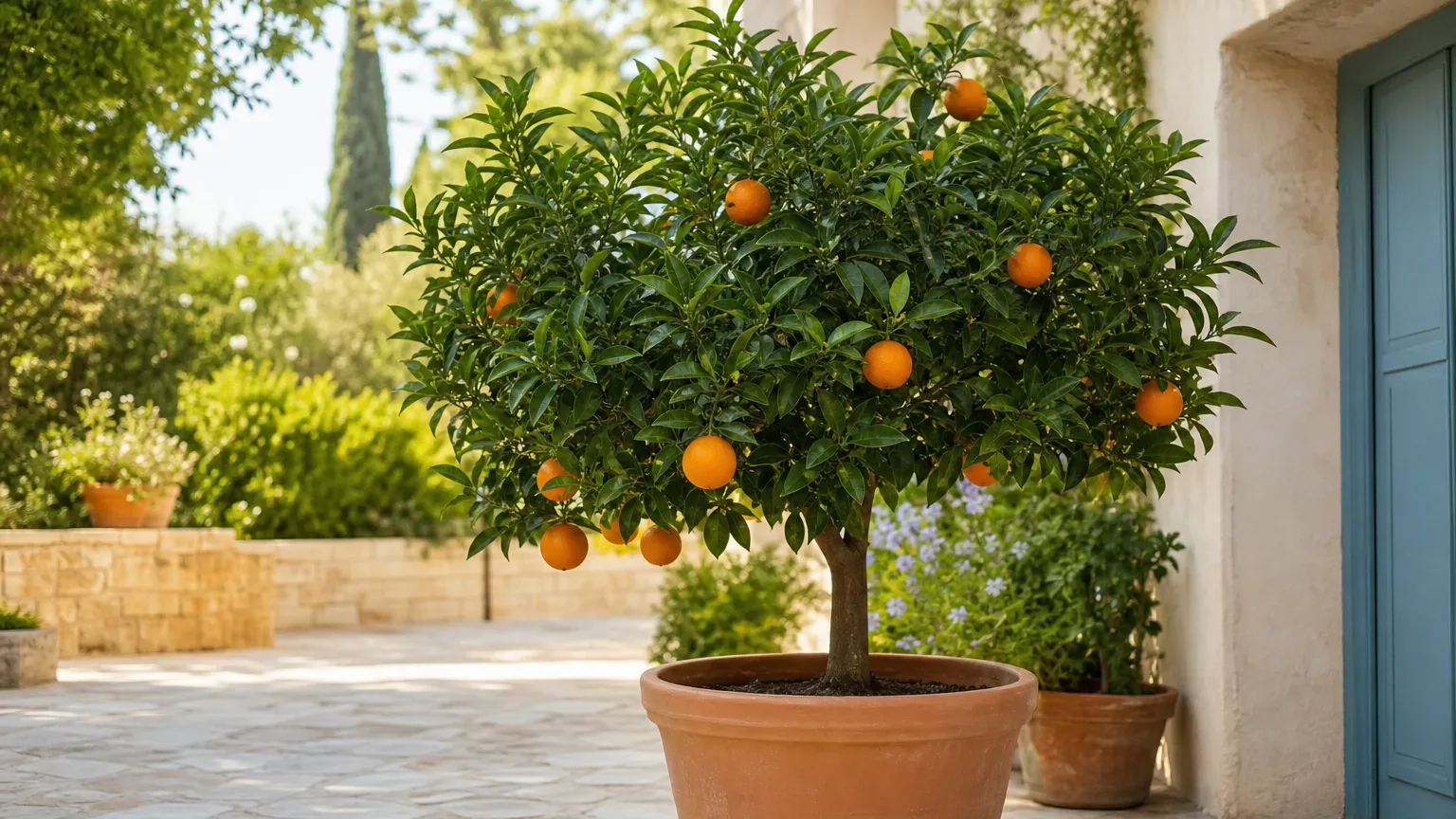
Orange Tree houseplant

Overwatering on Orange Tree: Causes, Checks & Fixes

This guide covers overwatering on Orange Tree. See also the general Overwatering guide, watering, and light pages for this plant.

Overwatering on Orange Tree: Causes, Checks & Fixes

Quick answer

Overwatering on Orange Tree is usually tied to Common on this plant type; confirm with recent watering, light, and root checks. First step: Inspect the plant and correct the most likely care stressor before stacking treatments.

Overwatering on Orange Tree should be diagnosed through the plant’s actual care pattern, not treated as a generic symptom. For this page, check root-zone condition, recent watering, light changes, and whether the newest growth is improving or declining.

Why Orange Tree gets overwatering

Common on this plant type; confirm with recent watering, light, and root checks.

How to confirm the cause

Start with the root-zone condition, pot weight, drainage, leaf undersides, and newest growth. Match the pattern before treating.

First fix for Orange Tree

Inspect the plant and correct the most likely care stressor before stacking treatments. Make one targeted correction first so you can read the response.

Recovery timeline

Judge progress by firm new growth and a stable root zone. Mild cases often stabilize within one or two care cycles.

What not to do

Do not fertilize a stressed Orange Tree before checking roots and light. Do not stack repotting, pruning, and pesticide on the same day.

How to prevent it next time

Align watering, light, and soil with this plant’s growth speed. Inspect weekly while problems are still small.

Overwatering symptom pattern

Compare what you see with common on this plant type; confirm with recent watering, light, and root checks. Confirm the pattern matches before applying a broad fix.

Lookalike symptom check

Separate true overwatering from water stress, light stress, pests, or normal old-leaf aging on Orange Tree.

Orange Tree care cross-check

Cross-check recent changes to light, watering, and potting mix before assuming the plant is permanently weak.

Practical checks

Treat as urgent if stems soften, damage spreads quickly, or several leaves fail at once. Inspect newest growth, leaf undersides, and roots in that order.

Severity note: This issue is marked medium for Orange Tree — a triage clue, not a guarantee.

Use the Root Rot Risk Checker to narrow causes for overwatering on this plant before changing multiple variables at once.

Frequently asked questions

How can I confirm overwatering on Orange Tree?

Check soil moisture, drainage, light, and newest growth. Overwatering on Orange Tree should match the plant’s actual care pattern, not generic advice alone.

What should I check first for overwatering on Orange Tree?

Start with root-zone condition, recent watering, and whether new growth is improving or declining.

Will damaged Orange Tree leaves recover?

Badly damaged tissue often does not turn perfect again. Recovery means the problem stops spreading and new growth comes in clean.

How this Orange Tree overwatering guide is reviewed?

Editorial policyReview board

Written by · Reviewed by LeafyPixels Review Board · Updated September 10, 2026

This Orange Tree overwatering problem guide was researched and written by . Overwatering symptoms on Orange Tree, lookalike causes, and step-by-step fixes are cross-checked against extension pest, disease, and care references before publication.

We prioritize sources that hold up under scrutiny:

  • University cooperative extension bulletins and fact sheets (Penn State, Clemson, UMD, NC State, and similar programs)
  • Botanical garden and horticultural society publications
  • Peer-reviewed plant science and veterinary toxicology references where pet safety matters (including ASPCA Animal Poison Control)
  • Established reference works on indoor plant culture

The LeafyPixels editorial team then reviews the draft for clarity, step-by-step usefulness, and fit with real apartment and home conditions-not ideal greenhouse setups. When guidance changes materially, we update the page and note the revision date.


Sources used

  1. ASPCA Animal Poison Control — Orange (n.d.) Pet toxicity, essential oils, psoralens, and clinical signs. [Online]. Available at: https://www.aspca.org/pet-care/animal-poison-control/toxic-and-non-toxic-plants/orange (Accessed: 10 September 2026).
  2. Merck Veterinary Manual — Essential oil toxicoses (n.d.) Concentrated essential-oil exposure and species-specific veterinary cautions. [Online]. Available at: https://www.merckvetmanual.com/toxicology/toxicoses-from-household-hazards/toxicoses-from-essential-oils-in-animals (Accessed: 10 September 2026).
  3. Missouri Botanical Garden Plant Finder (n.d.) Origin, mature habit, soil, hardiness, and axillary spines. [Online]. Available at: https://www.missouribotanicalgarden.org/PlantFinder/PlantFinderDetails.aspx?taxonid=244331 (Accessed: 10 September 2026).
  4. Royal Horticultural Society — Citrus sinensis (n.d.) Growth habit, mature size, light, soil, watering, propagation, and spines. [Online]. Available at: https://www.rhs.org.uk/plants/55274/citrus-sinensis/details (Accessed: 10 September 2026).
  5. Royal Horticultural Society — How to grow citrus (n.d.) Seasonal watering, repotting, winter protection, fruiting, and thorn precautions. [Online]. Available at: https://www.rhs.org.uk/fruit/citrus/grow-your-own (Accessed: 10 September 2026).