Why Is My Spinach Growing Slowly? Causes and Fixes
Quick answer
If spinach is growing slowly, first check whether the shallow root zone is dry and whether the plant is beginning to bolt. Water only when the soil is starting to dry; if a flower stalk is already rising, harvest usable leaves and sow a new cool-season crop instead of trying to force more leaf growth.
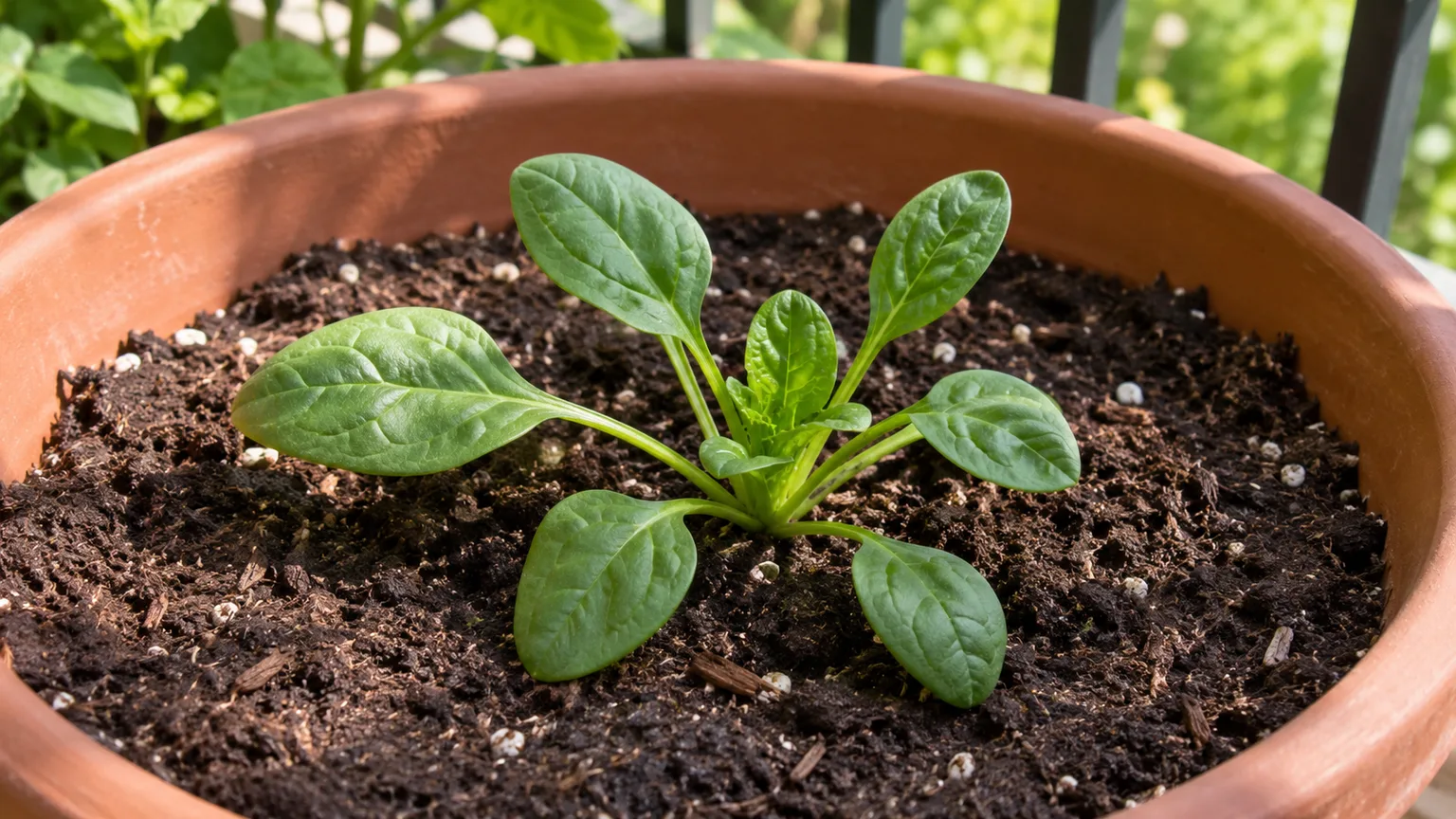
Slow Growth on Spinach: Causes, Checks & Fixes
This guide covers slow growth on Spinach. See also the general Slow Growth guide, watering, and light pages for this plant.
Slow Growth on Spinach: Causes, Checks & Fixes
Search intent
The reader wants to know why spinach has stopped making full-sized leaves and whether it needs water, shade, feeding, or replacement. The guide should separate a slow but healthy rosette from heat-driven bolting, poor establishment, and signs of root or virus problems.
SEO title planning
- Why Is My Spinach Growing Slowly? Check These Causes First
- Slow Growth on Spinach: Causes, Checks & Fixes
- How to Get Spinach Growing Well Again
Best title: Why Is My Spinach Growing Slowly? Check These Causes First — it frames the issue as a diagnosis rather than promising a quick fix.
Meta description planning
- Find out why spinach is growing slowly. Check the rosette, season, moisture, spacing, light, and roots before adding fertilizer.
- Slow spinach growth can come from heat, dry soil, crowding, or root problems. Use these checks to choose the first useful fix.
- Learn when slow spinach growth is normal, when it signals bolting or disease, and when to harvest or sow a replacement crop.
Best description: Slow spinach growth can come from heat, dry soil, crowding, or root problems. Use these checks to choose the first useful fix.
Keywords
Primary: slow growth on spinach Supporting: spinach growing slowly, spinach not growing, stunted spinach, spinach seedlings slow to grow, spinach leaves staying small, spinach bolting, spinach soil moisture, spinach growing temperature, spinach root rot, spinach nutrient stress
NLP entities
Spinacia oleracea, palak, rosette, true leaves, flower stalk, bolting, cool-season crop, root zone, soil moisture, seed germination, nitrogen, weeds, root rot, cucumber mosaic virus, beet curly top
People Also Ask
- Why is my spinach not growing?
- Does cold weather slow spinach growth?
- Is my spinach bolting or just growing slowly?
- Should I fertilize spinach with small leaves?
- How often should spinach be watered?
- Why are new spinach leaves small or distorted?
- Can spinach recover after bolting?
E-E-A-T signals
Use spinach-specific extension and horticultural references, inspect the central rosette and shallow root zone, distinguish bolting from root or virus symptoms, avoid fertilizer without a likely nutrient issue, and set realistic expectations for a short-season crop.
Featured snippet opportunities
- Paragraph: the first check for slow spinach growth
- List: signs that separate bolting, dry soil, and root problems
- Definition: what a spinach flower stalk means for harvest
Helpful content checklist
The article adds a crop-specific diagnostic sequence rather than generic houseplant advice. It helps readers decide whether to correct moisture or growing conditions, check for disease, harvest, or sow a replacement, and warns against using fertilizer as a universal fix.
- Why Is My Spinach Growing Slowly? Check These Causes First
- Slow Growth on Spinach: Causes, Checks & Fixes
- How to Get Spinach Growing Well Again
Why Is My Spinach Growing Slowly? Check These Causes First
- Find out why spinach is growing slowly. Check the rosette, season, moisture, spacing, light, and roots before adding fertilizer.
- Slow spinach growth can come from heat, dry soil, crowding, or root problems. Use these checks to choose the first useful fix.
- Learn when slow spinach growth is normal, when it signals bolting or disease, and when to harvest or sow a replacement crop.
Slow spinach growth can come from heat, dry soil, crowding, or root problems. Use these checks to choose the first useful fix.
- H1: Slow Growth on Spinach: Causes, Checks & Fixes
- H2: What slow growth looks like on spinach
- H2: Read a spinach rosette before changing its care
- H2: Check for a flower stalk before trying to speed Spinach up
- H2: Check conditions around spinach’s shallow root zone
- H3: Moisture and drainage
- H3: Light, temperature, and growing season
- H3: Crowding, weeds, and nutrition
- H2: Rule out root rot and virus symptoms
- H2: The first fix to try
- H2: Recovery, harvest, and when to sow again
- H2: Mistakes that prolong slow growth
- H2: Related Spinach guides
Quick answer
If Spinach is growing slowly, first check whether the soil around its shallow roots is drying out and whether a flower stalk is starting in the center. Water only when the root zone is beginning to dry; if a stalk is already rising, harvest sound leaves and plan a replacement sowing. Spinach grows best as a cool-season crop, and hot or cold, dry conditions can trigger early flowering.
What slow growth looks like on spinach
A healthy young spinach plant forms a low-growing rosette, with new leaves emerging from the center. Slow growth means those new leaves are not expanding over time, or the plant is producing fewer leaves than expected for its sowing date and growing conditions. Compare several plants from the same sowing if possible. If a whole row slows together, look first at shared conditions such as weather or watering; if one plant lags, inspect it for root or leaf damage.
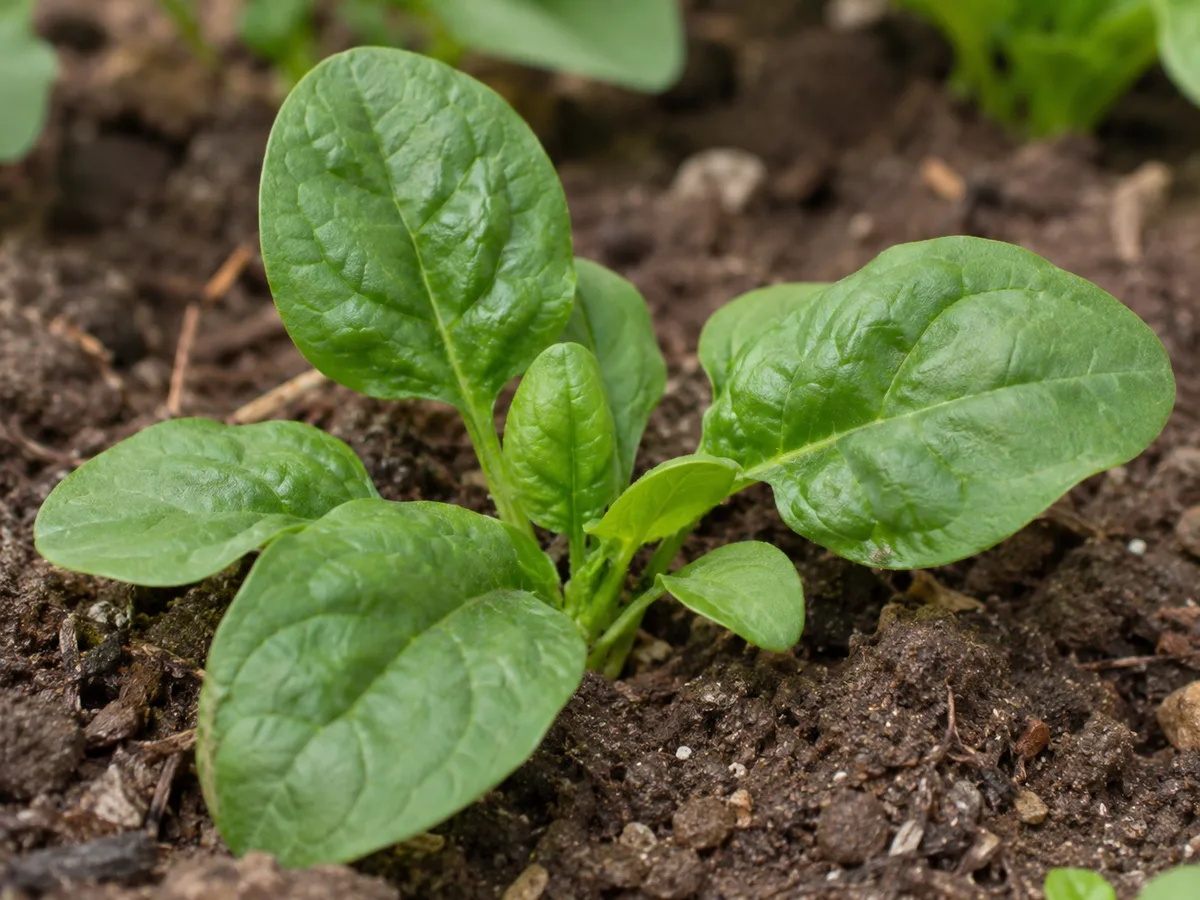
A compact rosette with undersized new leaves can signal interrupted growth; check the center, soil moisture, and recent weather before feeding.
Spinach is naturally a short-season crop, so a small plant is not automatically failing. Spinach can reach harvest in roughly 30–50 days, but actual pace varies with variety and conditions. Look at the newest leaves and the center of the rosette, not just the size of the oldest outer leaves.
Read a spinach rosette before changing its care
The center of the rosette keeps producing new leaves as the outer leaves are harvested. If new leaves are green and normally shaped, first compare the sowing date with the seed packet’s maturity range and check several plants from the same sowing before deciding that growth has stalled.
If the youngest leaves are much smaller than older ones, yellowing, mottled, or distorted, do not assume the bed needs fertilizer. The University of Minnesota’s spinach diagnosis guide lists virus problems among causes of a stunted plant, with young leaves affected first, with possible yellowing, mosaic patterns, or distortion. If those signs are progressing, ask a local extension service to help confirm the cause before feeding the crop.
Check for a flower stalk before trying to speed Spinach up
Look at the center for a narrow upright stalk rather than another cluster of broad leaves. Spinach can bolt as the season becomes hot or dry; once the flower stalk forms, the plant redirects growth toward reproduction and leaf quality declines. A bolting plant is not cured by more fertilizer or water.
If the leaves are still tender, harvest what you can and sow a new crop when the season is suitable. Spinach is typically grown in repeated sowings because each planting has a limited harvest window. In warm weather, light shade and regular watering may help the remaining crop cope, but they cannot reverse a stalk that is already rising.
Check conditions around spinach’s shallow root zone
Moisture and drainage
Spinach has a shallow root system, so check moisture beneath the soil surface rather than judging only by the dry crust. Check moisture beneath the surface with a finger or trowel. If the soil is dry there, water at the base so the root zone becomes evenly moist; if it is already wet, wait and check drainage instead of adding more. Utah State Extension notes that fluctuating moisture can slow leaf development and reduce leaf quality.
Persistent wet soil can also impair roots. University of Minnesota Extension lists root-rot complex as a cause of stunted spinach; look for dark, sunken root areas, few or no root hairs, or fuzzy white-to-gray-brown growth on rotted tissue. If the plant wilts while soil remains wet, compare the pattern with the Spinach root-rot guide instead of treating it as thirst. The Spinach watering guide explains how to keep moisture more even without leaving the bed saturated.
Light, temperature, and growing season
Spinach prefers sunny conditions; Utah State notes that high summer temperatures reduce growth and leaf quality. In warm weather, light shade can help keep a bed cooler. Spinach seeds germinate best in cool soil; very warm soil can reduce emergence, so a thin stand may reflect poor germination rather than slow growth after establishment (USU seed and soil temperature guidance).
Use the Spinach light guide to compare the site with the current season. The Spinach soil guide can help if a container mix stays waterlogged or a garden bed crusts and compacts around the seedlings.
Crowding, weeds, and nutrition
Give each rosette the spacing recommended on the seed packet or by local extension; spinach does not compete well with weeds. Remove weeds carefully so the shallow roots are not disturbed. Utah State Extension advises thinning spinach stands and cultivating shallowly to avoid root pruning that interrupts growth.
Spinach needs fertile soil, but pale leaves alone do not prove a nitrogen shortage. Gardening Know How notes that slow or pale growth can indicate a need for nutrients, while fertile soil may need little extra feeding; use a soil test or a clear pattern across the planting before applying fertilizer. It also identifies heat, excess sun, and poor drainage as spinach stressors. For feeding rates and timing, use the Spinach fertilizer guide rather than guessing or applying a heavy dose.
Rule out root rot and other stunting problems
Check roots only when above-ground symptoms or wet soil make that diagnosis plausible; avoid pulling every healthy plant to inspect it. If the newer leaves are mottled or deformed instead, the UMN diagnosis guide describes virus problems that can leave spinach stunted, yellow, or misshapen (virus symptoms on spinach). Ask a local extension service to help confirm unusual or spreading damage.
Look for a pattern across the row. Stunted plants in low, wet spots suggest a drainage issue; plants with damaged young leaves in scattered positions may need a closer pest or disease check. For containers, make sure drainage holes are open and check moisture more often than in a garden bed.
The first fix to try
If the soil is dry below the surface, water the Spinach bed evenly at the base and check it again before the next watering. This corrects a common growth interruption without adding unnecessary fertilizer or disturbing the roots. If the soil is already moist, do not water again; use the rosette and season checks above to choose the next step.
Recovery, harvest, and when to sow again
After correcting a confirmed moisture, light, crowding, or nutrient problem, judge progress from the next leaves rather than expecting old leaves to become larger. Keep a simple note or photo of the center of the rosette so you can see whether fresh leaves are opening. Avoid making several changes at once; otherwise it becomes difficult to tell which one helped.
Harvest sound outer leaves while leaving the growing point intact if the plant is still leafy and has not bolted. If the stalk is rising, roots are rotting, or the crop is too far past its harvest window, collect any usable leaves and sow again during a suitable cool period. Successive small plantings are a practical way to keep Spinach harvests going without trying to revive an exhausted or diseased rosette.
Mistakes that prolong slow growth
Do not respond to every small leaf by feeding more. Extra fertilizer will not correct saturated soil or poor emergence. Heat-driven bolting follows the spinach growing season. If roots show decay, follow the root-rot signs instead of adding fertilizer. Likewise, check the soil before watering a wilted plant; dry soil and saturated soil call for different responses.
Cultivate shallowly around seedlings to avoid disturbing spinach roots, and do not keep a crop in a hot, dry site once it has started flowering. The Spinach overview explains the crop’s seasonal rhythm and harvest habit; use the Spinach problems hub if the main sign is not actually slow growth.
Related spinach guides
Use this page when the rosette is producing leaves slowly or new leaves stay small. Use the Spinach overview for seasonal timing and harvest context, the watering guide when the root zone is drying unevenly, and the light guide when the bed is shaded or heating up. Check the soil guide for drainage or compaction, and the fertilizer guide when a soil test or consistent pale growth points to a nutrient issue.
Related tool
Use the Plant Problem Diagnosis Tool to compare slow growth with other Spinach symptoms before applying fertilizer or changing the watering routine.
When to use this page vs other Spinach guides
Use this guide for a small or stalled rosette with no clear pest symptom. For general causes and the broader diagnostic sequence, see the global slow-growth guide; this page focuses on spinach. If spinach wilts in wet soil, start with root rot; if leaves turn yellow, compare the yellow-leaves guide. When growth is stretched and sparse rather than compact, use the leggy-growth guide.
FAQ 1 Question: Why is my spinach growing slowly? Answer: Check the age of the planting and compare the newest leaves with other plants from the same sowing. Dry soil can slow leaf development, while heat or drought can push spinach toward bolting (USU moisture guidance; RHS growing guide).
FAQ 2 Question: Should I fertilize spinach with small leaves? Answer: Check soil moisture, drainage, and newest-leaf color first. Use a soil test to guide feeding (soil-test guidance). If a flower stalk or wet-soil wilt is present, check the RHS spinach guide or the Spinach root-rot guide before applying fertilizer.
FAQ 3 Question: Can cold weather make spinach grow slowly? Answer: Spinach seed emergence depends on soil temperature. Utah State Extension advises sowing after soil reaches 40°F, says germination is best at 55–65°F, and notes that temperatures above 80°F reduce germination; check the seed packet and soil conditions before resowing (USU seed guidance).
FAQ 4 Question: What if my spinach is stunted and the new leaves are distorted? Answer: Distorted or mottled young leaves, especially with yellowing, are not a typical fertilizer signal. Virus problems can leave spinach stunted and misshapen, so compare the signs with the UMN spinach diagnosis and seek local extension help if symptoms spread.
FAQ 5 Question: Can slow-growing spinach recover after bolting? Answer: Once the central flower stalk is rising, leaf quality declines. Harvest usable leaves and sow a replacement crop during a suitable cool season rather than trying to reverse bolting with extra fertilizer or water (RHS on spinach bolting).