Front Yard Trends for 2026: Spring Planning Guide
Six spring 2026 front yard trends explained with decision rules, HOA-safe design tips, and a planting timeline so you know what to do first.
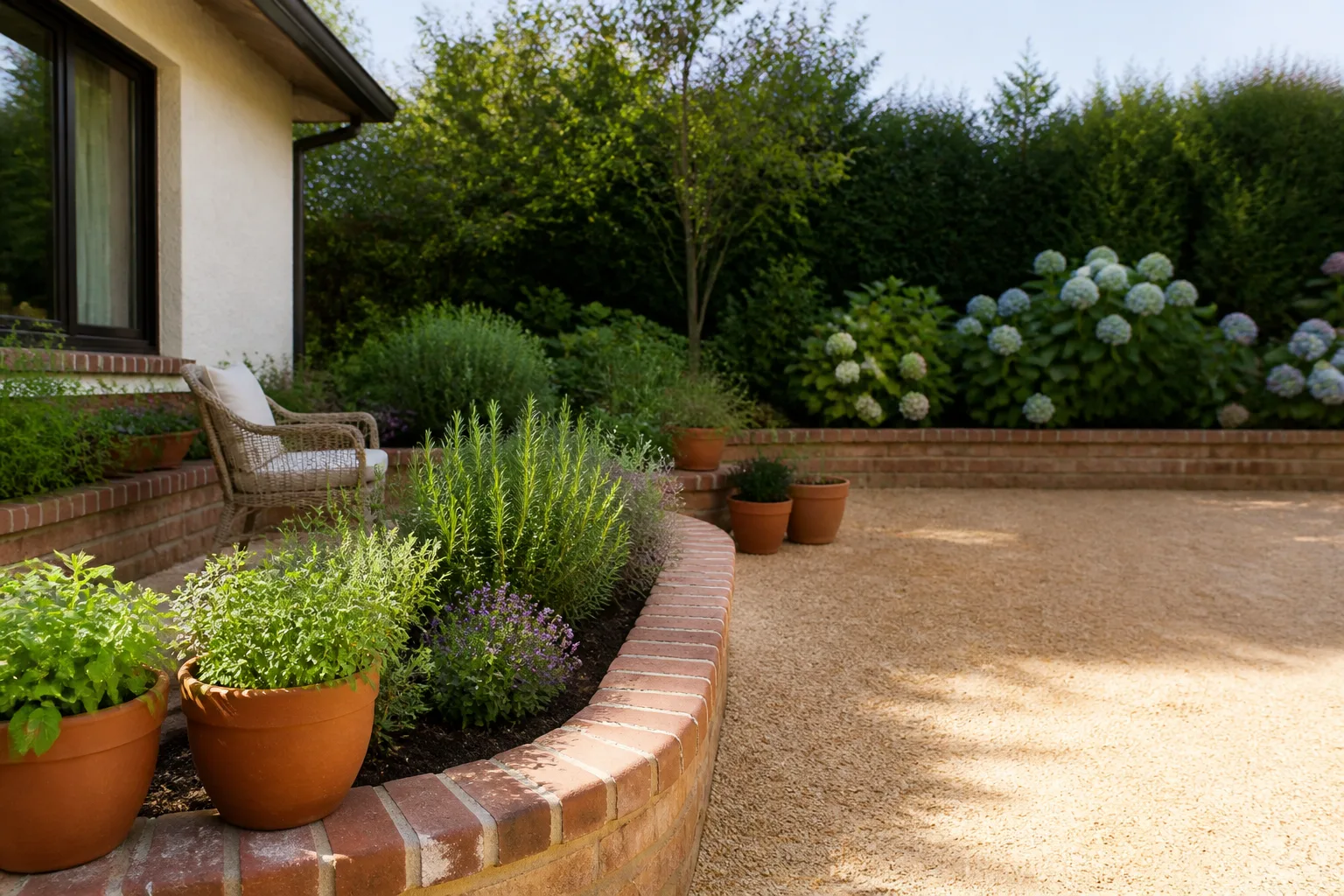
If you are sketching front yard changes while snow is still on the ground, you are not late—you are early. The useful 2026 front yard trends are not about ripping everything out for a magazine cover. They are about less waste, more life, and yards you actually use: lower-input groundcovers, food you can pick on the way in, regionally native plants, pollinator beds that look designed, bolder flower color, and small seating zones that make the front feel like part of the house.
The six trends below overlap on purpose. A native pollinator bed can also cut mowing. A columnar fruit tree can anchor a seating nook. The job is choosing the combination that fits your sun, soil, water, neighborhood expectations, and the hours you truly have for upkeep.
What counts as a front yard trend in 2026
A trend worth following solves a real yard problem: too much mowing, too much water, too little wildlife, or a facade that looks pretty but feels unused. In 2026, the through-line is variety with intention—mixed groundcovers instead of monoculture turf, edibles chosen for looks as well as harvest, natives selected for your ecoregion, pollinator plants arranged in readable drifts, saturated flower color, and front spaces planned for morning coffee or evening conversation.
Fads still exist. A single viral flower color or one new annual cultivar can be fun without defining your whole landscape. Durable trends change how you structure the yard, not just which pot you buy in May.
How to choose which trends fit your yard
Start with constraints, not Pinterest boards. Walk the front yard once in winter and once on a sunny spring afternoon. Note where water pools, where snow melts first, which bed bakes after noon, and what neighbors can see from the sidewalk.
Read sun, soil, and sight lines before buying plants. Full sun along the curb is excellent for Mediterranean herbs, compact fruit, and many pollinator perennials. Deep shade under a street tree favors ferns, sedges, and shade-tolerant natives—not a sun-loving meadow mix. Heavy clay that stays wet in spring needs different plants than a sandy strip next to pavement. Sight lines matter twice: for safety at driveways and walks, and for perceived neatness from the street. A pollinator bed can be ecologically rich and still look cared for if edges, paths, and evergreens frame it.
Match trends to maintenance time and HOA rules. Some homeowners associations still prefer short turf and traditional foundation shrubs. That does not block every trend—it changes the scale. You might swap a side lawn for clover, add a compact native border, or use containers for edibles and color while keeping the main lawn conventional. Be honest about maintenance. A perennial meadow can become low-input after establishment, but Penn State Extension notes that perennial meadows and prairies often need two to three years to settle, with more weeding and watering early on (Penn State Extension’s meadow guidance). A few well-chosen natives in a defined bed are often smarter than converting the entire lot at once.
Trend 1: Lower-impact lawns and eco-friendly groundcovers
The biggest shift in front yards is not anti-lawn absolutism. It is right-sizing turf. Keep grass where kids play, dogs run, or you need a clean visual field. Replace the strips that only exist because “that is what people do”—narrow side yards, steep banks, shady corners, and parking-strip areas that are expensive to keep green.
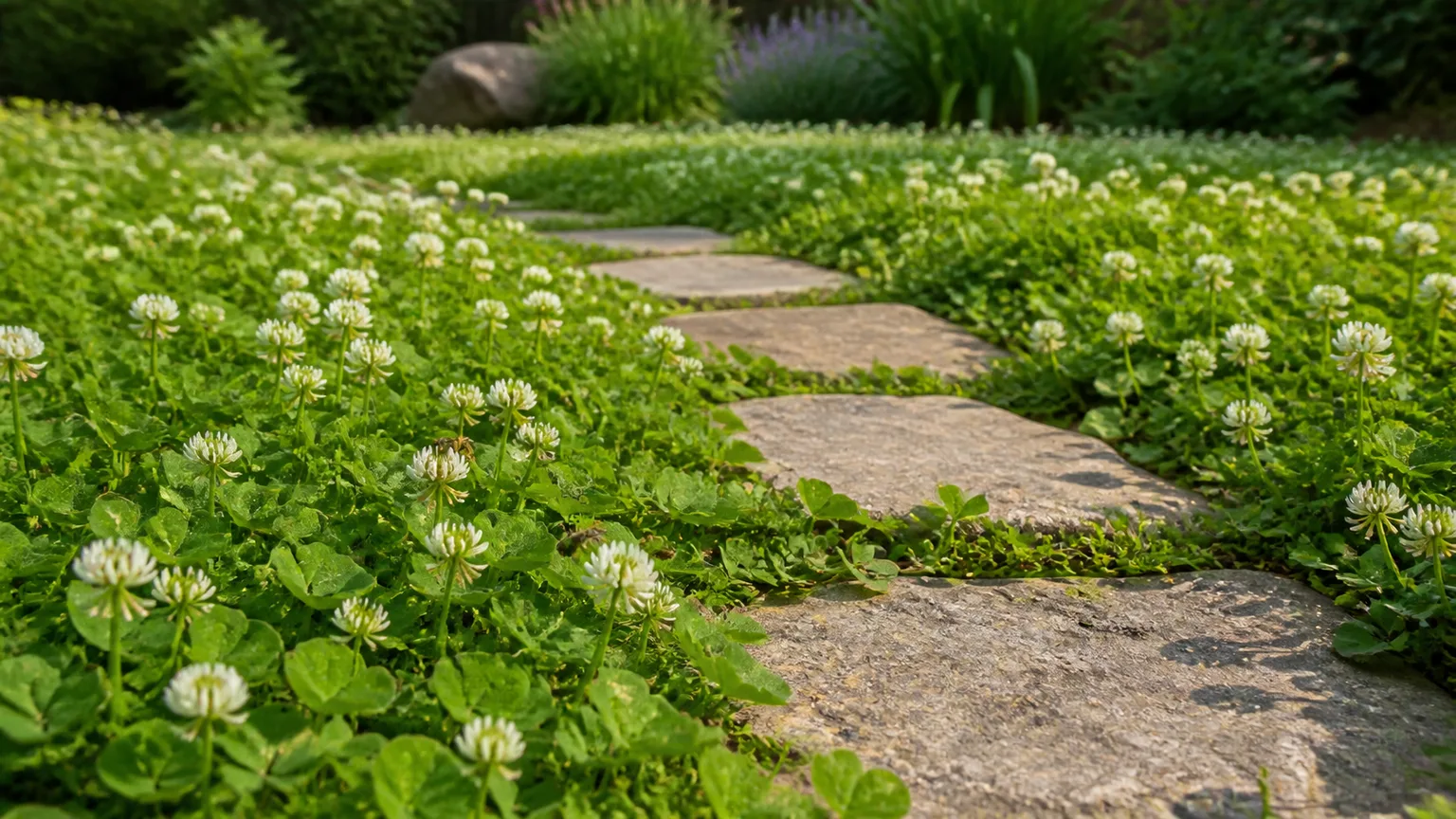
Eco-friendly front yards in 2026 favor mixed groundcovers: fine fescues blended with low-growing perennials, white or microclover in sun, creeping thyme in fast-draining spots, or sedges and native sedums in shade. The goal is a surface that needs less fertilizer, less irrigation, and fewer herbicides than a pristine cool-season lawn.
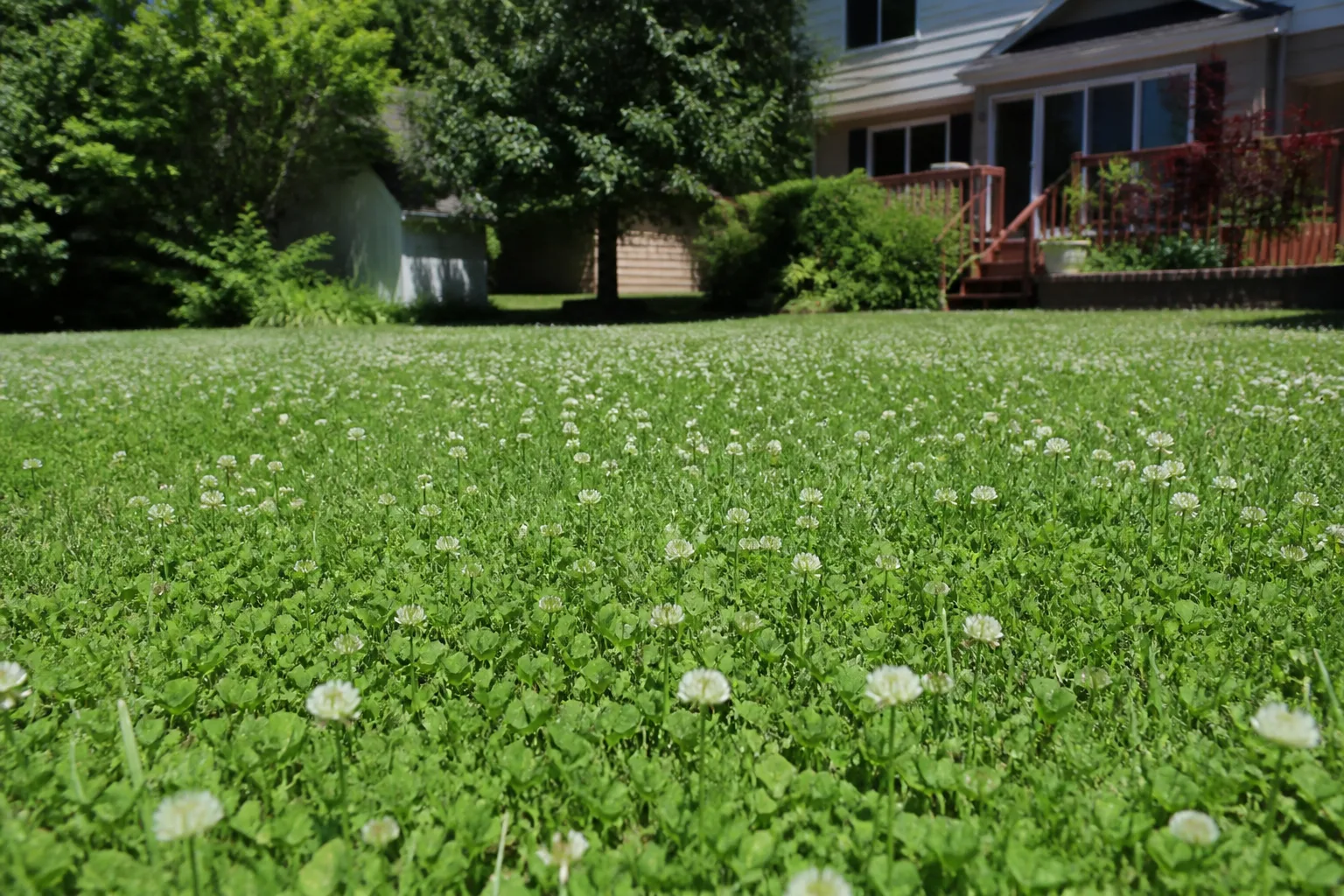
When to shrink the lawn instead of eliminating it
Shrink the lawn when mowing is awkward, irrigation is wasteful, or grass never thrives. Keep the lawn when it is the main usable surface or when your neighborhood strongly rewards conventional turf.
A practical middle path: maintain a front “frame” of trimmed grass or clover near the walk, then transition to deeper beds, gravel paths, or low meadow plantings farther from the house. That reads intentional from the curb while still cutting water and chemical use. For a deeper comparison of replacements, see our lawn alternatives guide and clover lawn overview.
Groundcover mixes that look intentional from the curb
Messy eco-yards fail when every plant fights for attention. Intentional ones repeat a few species in broad drifts, keep a crisp edge against paving, and use one or two evergreen anchors so winter does not look abandoned.
Test a small zone first—perhaps a 6-by-10-foot corner—before reseeding the whole front. Watch what survives your salt spray, foot traffic, and dog habits. Scale up only after you like the look through one full season.
Trend 2: Edible landscaping in the curb strip
Edible landscaping is moving forward because breeders and growers finally offer beautiful, compact food plants: columnar apples, espaliered pears and peaches, compact blueberries, figs in protected microclimates, kiwi on a sturdy trellis, and herbs that double as edging. The trend is not “tomato jungle at the mailbox.” It is food integrated into a front yard that still looks composed.
Front-yard edibles work best when harvest is easy, plants stay in scale, and you accept some losses to birds, squirrels, and passersby.
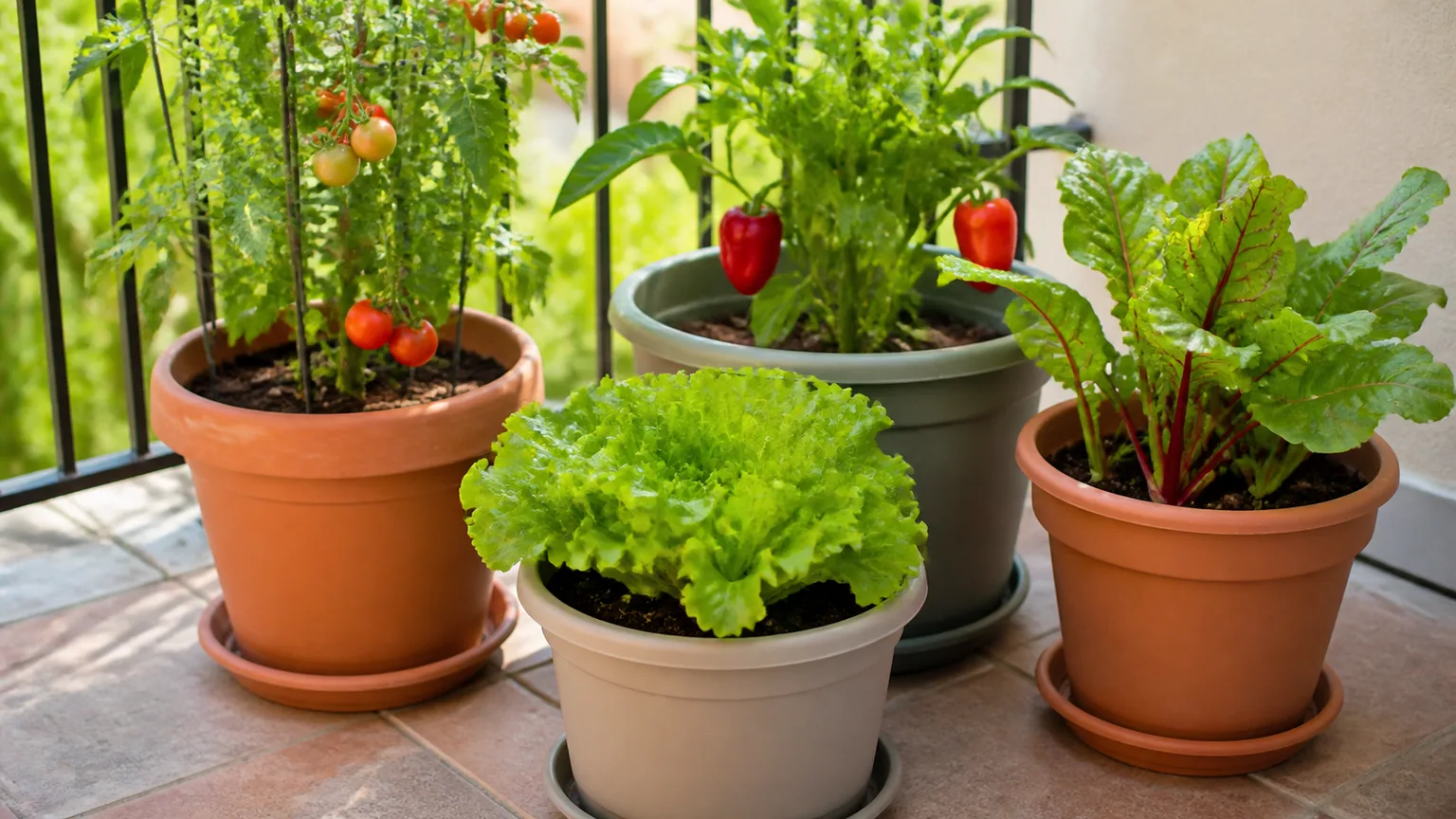
Fruit trees and compact edibles that work in front yards
Columnar and espaliered trees give vertical structure without shading the whole facade. Place them where roots will not lift sidewalks in ten years, and where fallen fruit will not land on cars. Compact berries make excellent low hedges if you can tolerate netting or sharing with wildlife.
Herbs—rosemary, thyme, sage, chives—are the lowest-risk edible front-yard plants. They look tidy, smell good on the way in, and tolerate clipping. For bolder color edibles, rainbow chard, ornamental kale, and peppers can sit in raised planters near the porch where soil quality and watering are easier to control.
Check local rules before planting food at the curb. Some cities restrict height or vegetation type in parking strips. If theft or mess worries you, keep high-value fruit in the back or side yard and use the front for herbs and ornamental edibles only.
Trend 3: Regionally native plants
Native plants are not new, but they feel especially relevant as summers get hotter and rainfall gets less predictable. Regional natives evolved with local soils, pollinators, and weather swings. Once established, they often need less supplemental water and fewer pesticides than generic foundation shrubs shipped from distant climates.
The mistake is buying a plant because the tag says “native” without checking whether it is native to your ecoregion. A southeastern coastal plain species may struggle in a mountain yard even if both are “U.S. natives.”
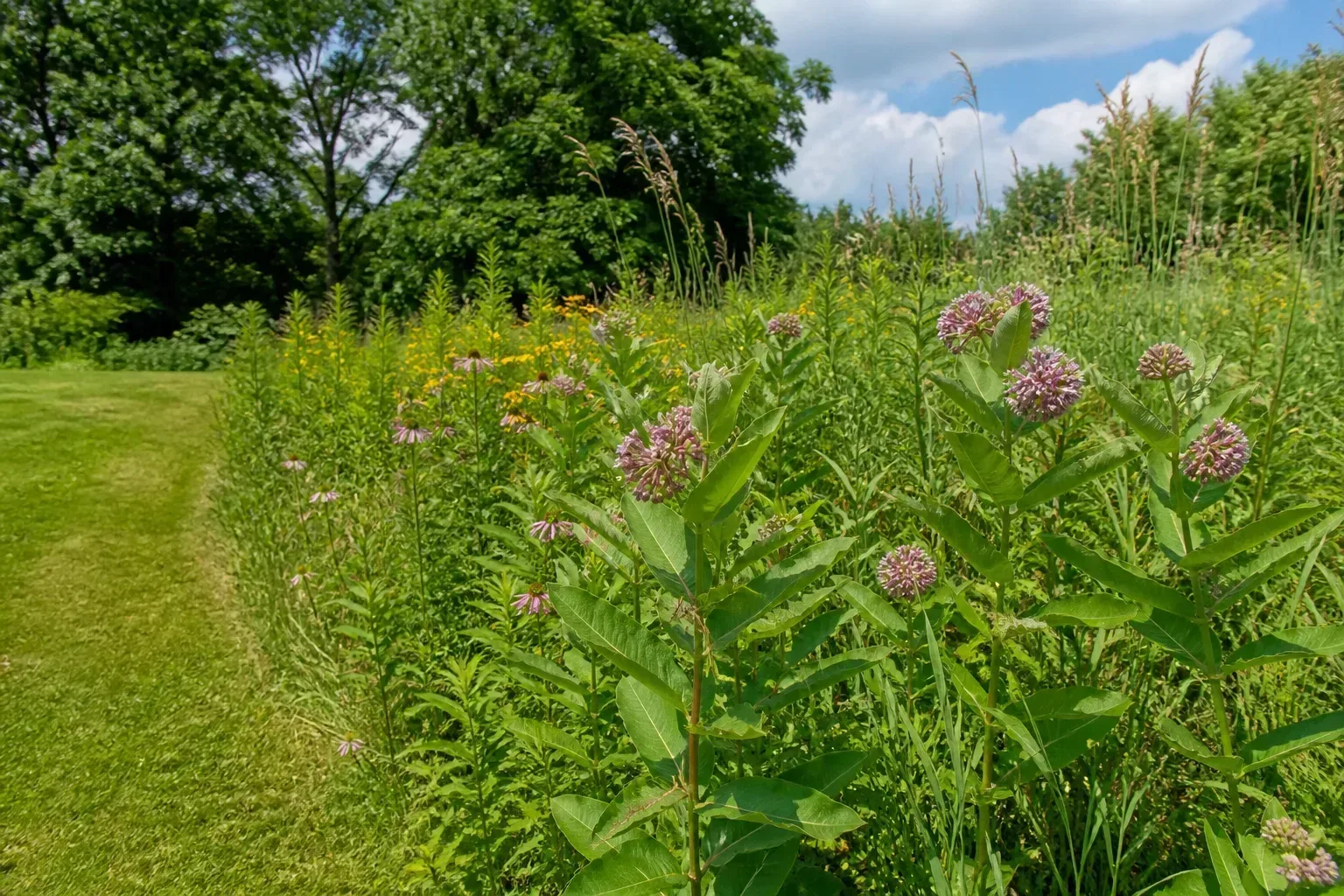
How to pick natives that survive your actual site
Use regional tools before shopping. The Pollinator Partnership’s ecoregional planting guides organize native plant suggestions by landscape context, which is far more reliable than copying a national list from a different climate.
Match plants to moisture and light reality, not wishful thinking. Wet low spots want sedges, iris, and moisture-loving asters. Dry parking strips want deep-rooted prairie species or gravel-tolerant natives. Group plants with similar needs so you are not overwatering one corner to save another.
For a full establishment plan—especially if you are replacing lawn with natives and wildflowers—our wildflower gardening guide walks through site prep, first-year mowing, and long-term maintenance.
Trend 4: Front yards built for sitting, not just showing off
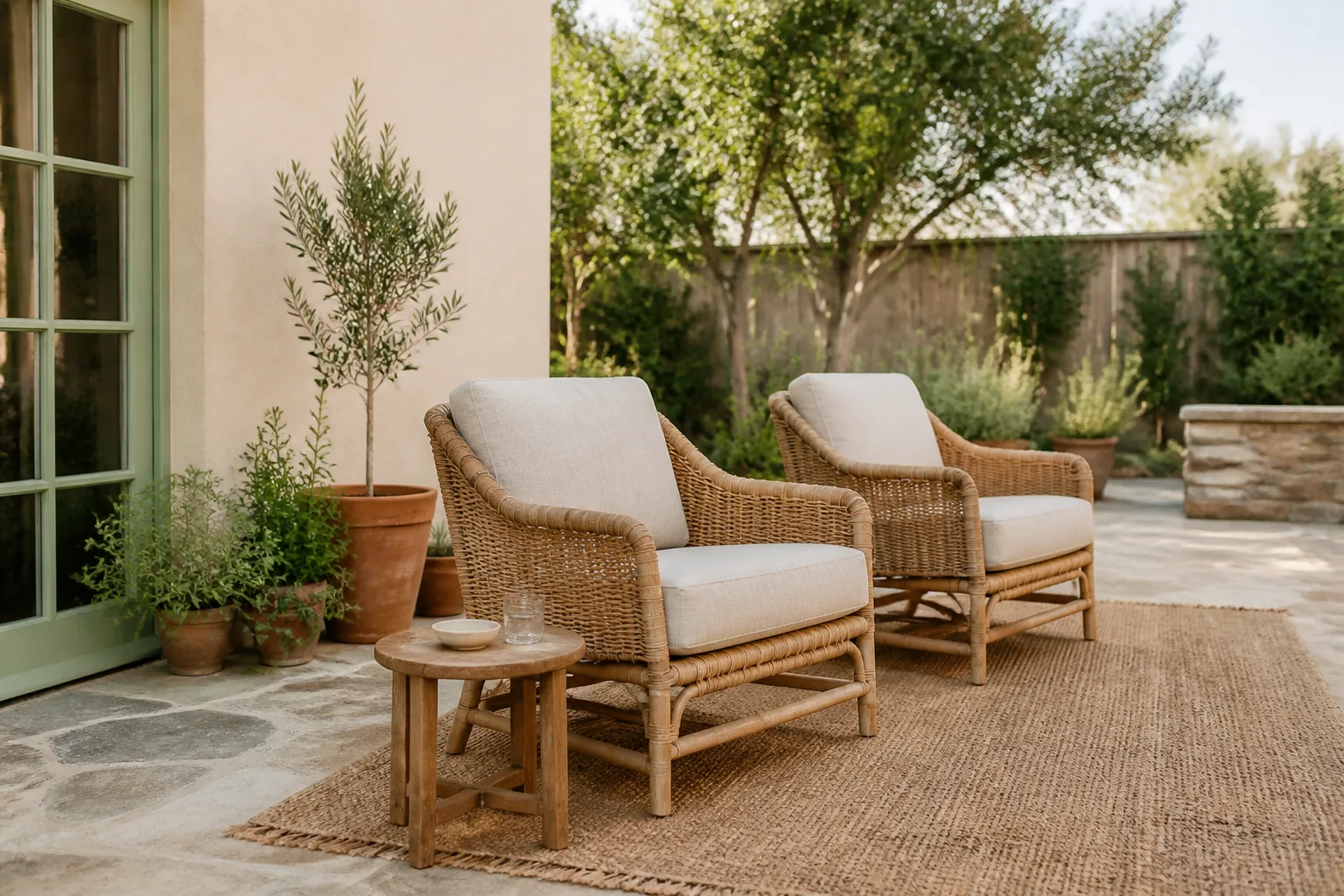
Backyards still host dinners and playsets, but 2026 front yards are increasingly treated as outdoor rooms you pass through daily: a bench for morning light, a small bistro set near the porch, a low wall to sit on, or a gravel patio tucked beside the walk.
The design trick is scale. A full outdoor living room at the curb can feel exposed. A single clear zone—one bench, two chairs, a stepping-stone pad—signals welcome without turning the yard into a furniture showroom.
Seating, paths, and privacy without blocking sightlines
Place seating where you want to be at a specific time of day. East-facing front gardens catch cool morning sun; west-facing spots suit evening wine but may need a shade umbrella in summer.
Use low hedges, ornamental grasses, or a partial fence to soften exposure without blocking views drivers need. Paths should connect door to seat to gate in a straight, obvious line. Add outdoor lighting on steps and the entry path if you will use the space after dark.
If noise or traffic is high, a fountain or rustling grasses can add calm without closing the yard off. Keep furniture weather-resistant and proportioned to the house—oversized sectionals rarely suit narrow city fronts.
Trend 5: Pollinator-friendly front gardens
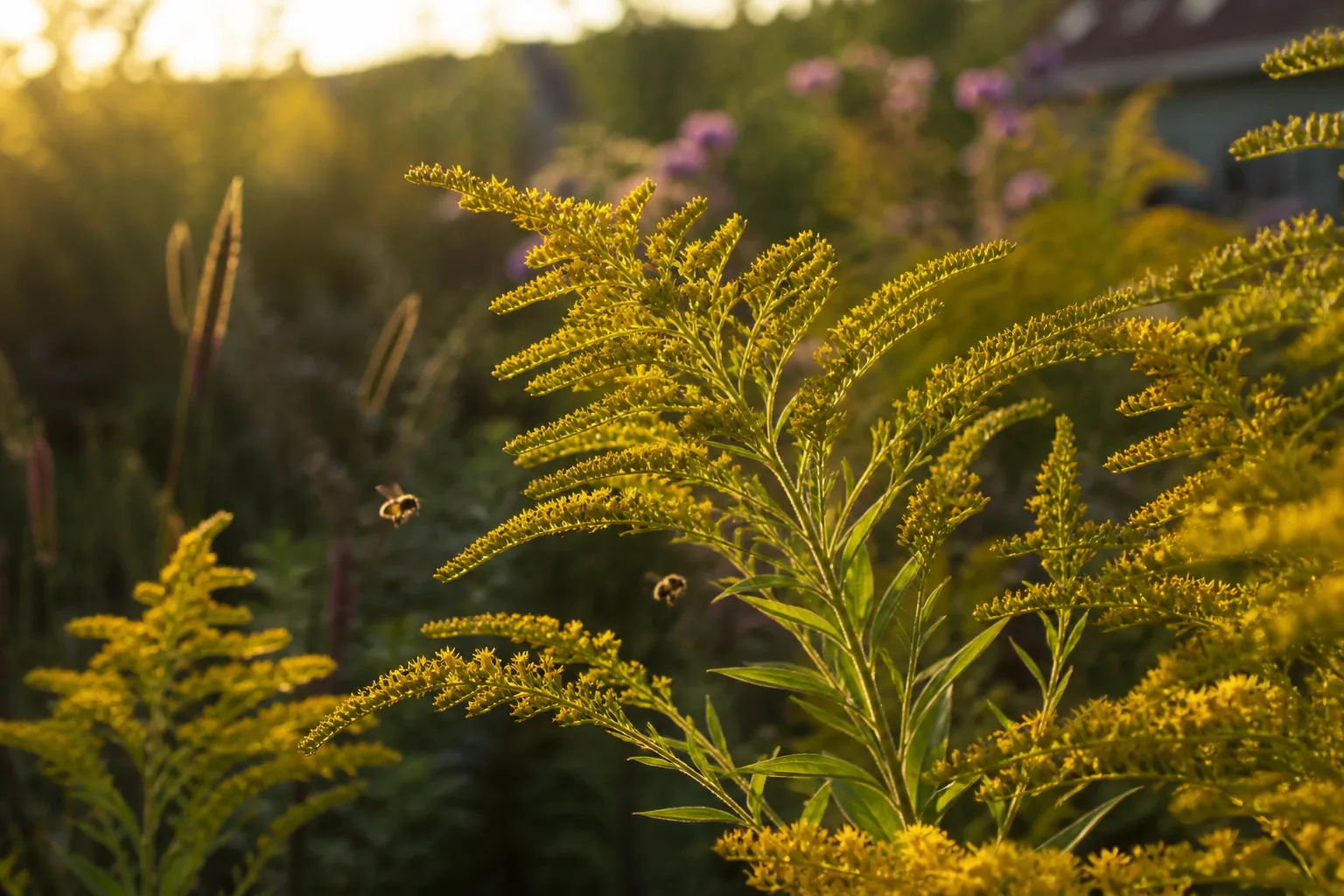
Pollinator gardens belong in front yards because they extend habitat into neighborhoods where lawn deserts used to dominate. Bees, butterflies, hummingbirds, and native flies need sequential blooms from early spring through fall. When those flowers sit where people walk daily, the garden becomes visible proof that ecology and curb appeal can coexist.
The fear is mess. A pollinator bed looks weedy when it is a random mix of tall floppy species with no structure.
Design tricks that keep pollinator beds from looking messy
Repeat plants in groups of three, five, or seven rather than planting one of everything. Include evergreen structure—low juniper, inkberry holly, rosemary, or native shrubs—to hold the composition in winter.
Choose long-blooming workhorses: catmint, black-eyed Susan, coneflower, bee balm, asters, and native salvias. Add seasonal peaks with spring bulbs or summer annuals in containers so color stays high without replanting the whole bed.
Leave a mown or gravel buffer between the bed and sidewalk. That clean strip tells neighbors the planting is deliberate. PositiveBloom notes that front-yard pollinator gardens can become neighborhood teaching tools when blooms are visible and paths are clear (PositiveBloom on front-yard pollinator plantings).
Most native bees are gentle and focused on flowers, not people. Avoid planting aggressive wasp-attracting food near doors. If someone in the household is highly allergic to stings, place the densest pollinator planting farther from the entry and keep a narrow mown approach.
Trend 6: Bold color and layered bloom
After years of beige minimalism, flower color is getting louder again—but in a more layered way. Designers are using jewel tones—deep plum, gold, saturated magenta—alongside softer blush pinks and dusty lavender. The look is abundant and slightly imperfect, not stiffly symmetrical.
Annual breeders are leaning into pink for 2026, including lighter blush tones in popular spreading petunia lines such as Pink Pearl in the Wave series (Ball Seed’s variety catalog). That is useful if you want instant curb color in containers while perennials mature.
Jewel tones and soft pinks that still read polished
Build color in layers: evergreen or woody backbone, mid-height perennials for summer, and annuals or bulbs for seasonal spikes. Limit yourself to three main color families per bed so the result feels rich rather than chaotic.
Jewel tones pair well with dark foliage—purple smoke bush, burgundy heuchera, bronze fennel. Soft pinks calm hot borders when used as a repeating ribbon plant. If resale matters in your market, keep the boldest experiments in containers and pots you can change yearly.
For more on how color trends translate into planting styles—not just single flowers—see our summer 2026 flower trends guide.
How to combine multiple 2026 trends without chaos
The strongest front yards pick one structural trend and one accent trend. Structure might be “smaller lawn + native beds” or “native pollinator frame with seating.” Accent might be “container edibles,” “bold annual color,” or “one espaliered fruit tree.”
| If your priority is… | Lead with… | Add as accent… |
|---|---|---|
| Lowest water bill | Native groundcovers + reduced turf | Containers for color |
| Food production | Herbs + compact fruit near porch | Pollinator perennials nearby for pollination |
| Wildlife | Pollinator natives in drifts | Clover or low mow zone |
| Curb appeal for sale | Clean lawn frame + structured shrubs | Seasonal container color only |
| Daily enjoyment | Front seating zone | Fragrant herbs + soft lighting |
Avoid stacking every trend in a small city lot. A 20-foot-wide front does not need meadow, orchard, patio, and rainbow annuals simultaneously. MrPlanter’s native front-garden advice applies here: choose plants native to your region, then group them in broad drifts with stone edges and paths so the wild character reads friendly to passersby (MrPlanter on native front gardens).
Spring planning timeline for front yard upgrades
Late winter (now): Measure beds, test soil if you are converting lawn, check HOA documents, and sketch zones for lawn, natives, seating, and edibles. Order seeds and bare-root natives early.
Early spring: Remove turf in the first conversion zone only. Edge beds sharply. Install hardscape—paths, bench pad, edging—before mass planting.
Mid-spring: Plant shrubs and perennials; sow meadow mixes where appropriate. Water new plantings consistently through their first growing season even if the long-term goal is low water.
Late spring into summer: Add annuals for color gaps. Mulch to suppress weeds. Observe pollinator activity and adjust next year’s bloom gaps.
Fall: Plant trees and spring bulbs. Photograph what worked. Expand only where the first zone succeeded.
Watch for common mistakes: converting the entire lawn in one weekend, buying “native” plants without regional checks, planting large fruit trees too close to pavement, skipping first-year watering on new natives, leaving pollinator beds without evergreen structure or crisp edges, and locking bold color trends into permanent woody plants you may dislike in three years.
Conclusion
The best front yard trends for 2026 share one idea: your front yard should work harder for you, wildlife, and the climate it sits in. Lower-impact groundcovers shrink boring maintenance. Well-chosen edibles and natives make the facade productive. Pollinator beds and bold bloom add life and personality. A single seat turns the space into somewhere you linger, not just something you mow.
You do not need all six trends. Pick the one or two that solve your biggest headache—water, boredom, ecological guilt, or unused space—then build outward from a small, successful zone this spring. A front yard that looks good in May and still makes sense in October is the trend that actually lasts.



