Annual Plants: How to Choose, Plant, and Care for Them
Learn how to choose annual plants for sun, shade, containers, and your local season, then sow, water, feed, and deadhead them with confidence all summer.
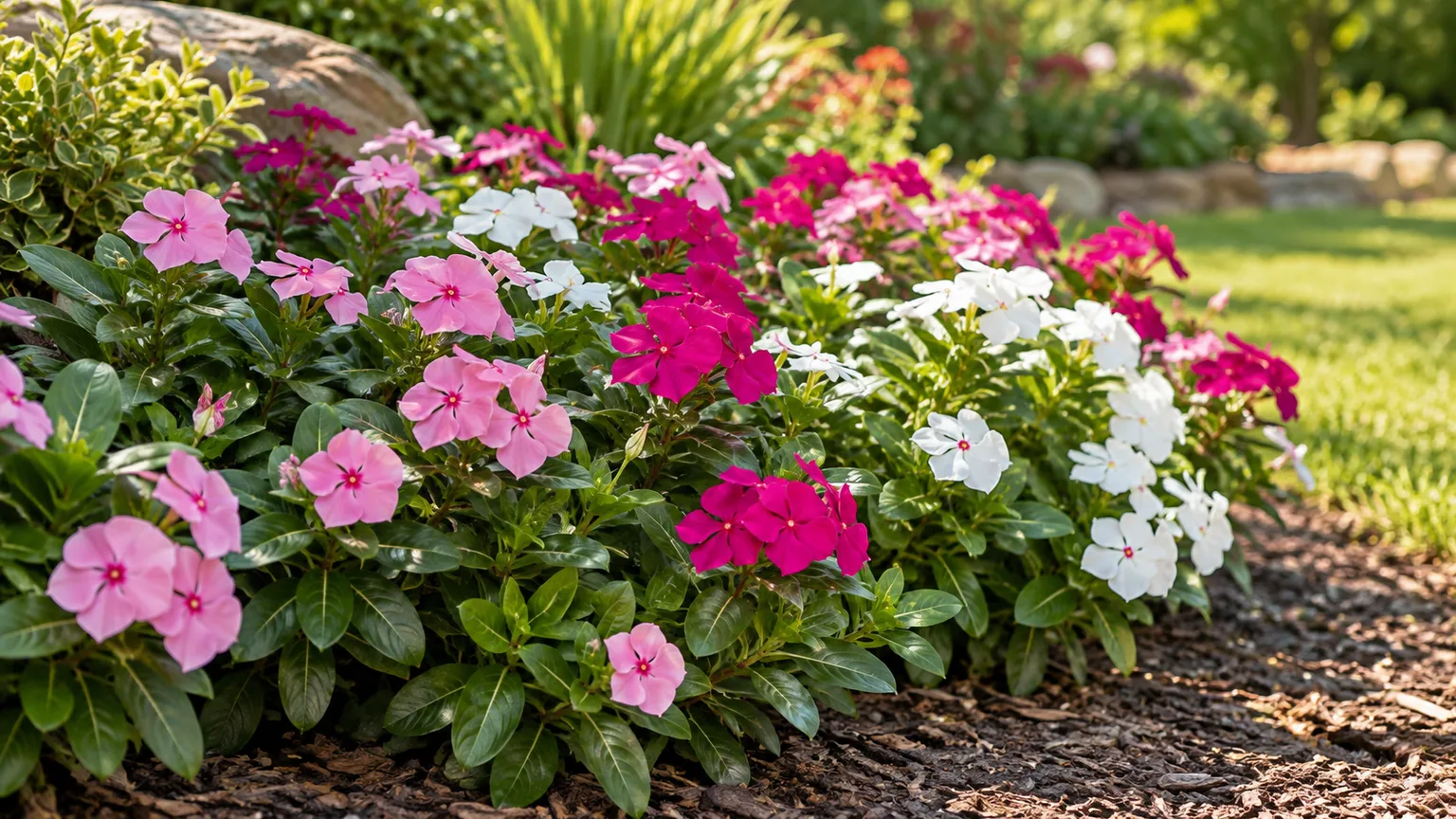
Annuals are the garden’s flexible layer: they add fast color to a new bed, fill gaps between perennials, and give containers a full season of flowers. They also ask you to make a few decisions each year—what to plant, when to sow, and whether to deadhead or let seed mature. The reliable approach is to match the plant to your local temperature window and the site you actually have, rather than choosing by bloom color alone.
This guide focuses on ornamental annual flowers and foliage plants. It covers the definition briefly, then moves into the choices that determine whether a planting thrives: season, light, soil, seed or nursery stock, water, feeding, and end-of-season plans. For a deeper comparison of annual, biennial, and perennial life cycles, see our annual plant lifespan guide.
What annuals do in one growing season
A true annual grows from seed, flowers, produces seed, and completes its life cycle in one growing season. The original plant normally dies at the end of that cycle, although its seeds may germinate later and make the bed look as if the plant returned. Annual is a lifespan label; it does not tell you whether the plant tolerates frost, prefers cool weather, or blooms for only a few weeks.
Gardeners also use “annual” for plants that are perennial in warmer climates but are planted as seasonal color where winter kills them. Some bedding plants are sold and grown this way, and nursery labels may describe local garden practice rather than the species’ maximum lifespan. Check the botanical name and the cultivar when a distinction matters. The Royal Horticultural Society’s annuals and biennials guide explains the one-season cycle and separates it from the practical question of frost tolerance.
Choose by season: hardy, cool-season, and tender annuals
The first useful choice is not flower color but temperature. “Hardy,” “half-hardy,” and “tender” describe how much cold a plant can handle, while “cool-season” and “warm-season” describe the temperatures in which it grows and flowers best. Seed companies may use these terms somewhat differently, so treat them as a starting point and follow the specific packet or plant label.
Hardy annuals can often be sown outdoors in cool conditions and may survive light frost once established. Cornflowers and calendula are familiar examples; depending on your region and sowing time, they can flower earlier than warm-season bedding plants. Autumn sowing is useful only where plants can establish before winter and the seed or young plant is suited to local cold. The RHS notes that autumn-sown hardy annuals can flower earlier, but also advises watching for harsh frost and providing protection where needed (RHS guide to autumn-sown hardy annuals).
Half-hardy and tender annuals are more vulnerable to cold. Zinnias, marigolds, cosmos, and many petunias are typically planted after frost danger has passed and the soil has warmed. They can be started indoors earlier, but an early sowing does not make them frost-proof: a crowded, stretched seedling moved too soon may struggle more than a healthy plant set out at the right time.
In regions with hot summers and mild winters, the sequence can reverse. Pansies, calendula, and other cool-weather flowers may do better in fall, winter, or early spring, while heat-sensitive annuals stop blooming or decline during peak summer. Use local frost dates as a guide, then adjust for shade, elevation, coastal influence, and heat waves. A calendar date is never as useful as the forecast and the temperature conditions the plant needs.
Match annuals to the site and the job
A good annual planting starts with two observations: how many hours of direct sun the site receives and how quickly its soil dries after rain. A bed that gets strong afternoon sun behaves differently from one with morning light and afternoon shade, and a pot on a windy balcony can dry faster than a large border even when both receive the same sunlight. Measure light over a typical day before shopping, and note whether water drains away or sits around the roots.
Then choose the job. Do you want a low edging plant, a quick block of color, a flower for cutting, a trailing plant for a basket, or foliage that still looks attractive between blooms? Group plants with similar light and water needs together; a thirsty container combination is harder to manage if one plant prefers to dry between waterings. The table is a starting point, not a substitute for the cultivar label.
| Garden situation | Annuals to consider | Check before planting |
|---|---|---|
| Sunny border or cutting patch | Zinnias, marigolds, cosmos, sunflowers | Mature height, spacing, airflow, and whether tall stems need support |
| Part-shade bed | Impatiens, wax begonias, coleus, torenia | How much light the exact variety needs; deep shade still limits flowering |
| Cool spring or fall display | Pansies, violas, snapdragons, calendula | Local heat and frost tolerance, plus the region’s best planting window |
| Pot, basket, or border edge | Petunias, lobelia, sweet alyssum, trailing nasturtiums | Container size, drainage, watering frequency, and trailing or upright habit |
For hot sunny beds and cut flowers
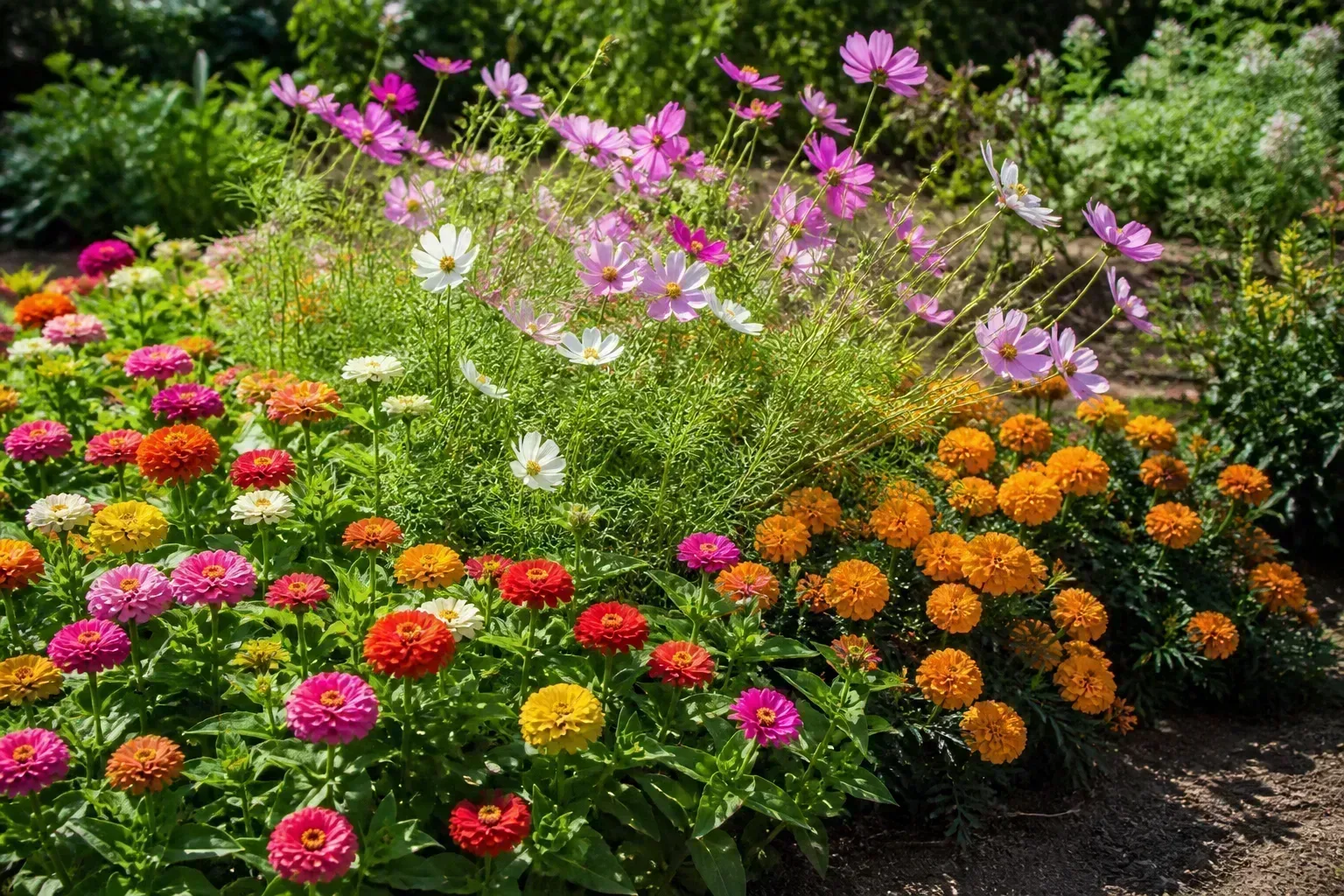
Zinnias, marigolds, and cosmos are useful for sunny beds because they can be started from seed and offer different heights and flower forms. Zinnias often work well where you want repeated cuts; choose a variety with the height and branching habit that fits the bed, and leave enough space for airflow. Marigolds suit borders and containers, while cosmos can create a lighter, taller planting; in rich soil, some cosmos may grow more foliage and height than flowers, so avoid assuming that extra fertilizer is always helpful.
Sunflowers add vertical scale, but their height and mature root system make placement important. Put tall varieties where they will not shade shorter plants, and check whether a particular cultivar branches or makes one large central flower. For an easier full-sun mix, a group of marigolds, zinnias, and cosmos can provide contrast without forcing every plant into the same shape or height.
For part shade and cooler summer gardens
Impatiens and wax begonias are common options for bright shade or part-shade beds; coleus contributes foliage color when flowers are not the main goal. “Shade annual” does not mean a plant will flower in a dark corner with little usable light. Check the variety’s label and match it to the amount of morning sun, filtered light, or afternoon shade the location receives. The University of Minnesota Extension annual and perennial directory is a useful example of how northern-region garden lists group plants according to local growing practice.
Pansies, violas, and snapdragons can extend color during cooler weather, though their preferred seasons vary by climate. In a region with a hot summer, treat them as cool-season color and plan to replace them when heat arrives. In a cooler summer climate, they may last longer. The same plant can be called an annual in a local garden even if it can persist longer under different conditions; the useful question is when it will grow well where you live.
For containers, edges, and vertical space
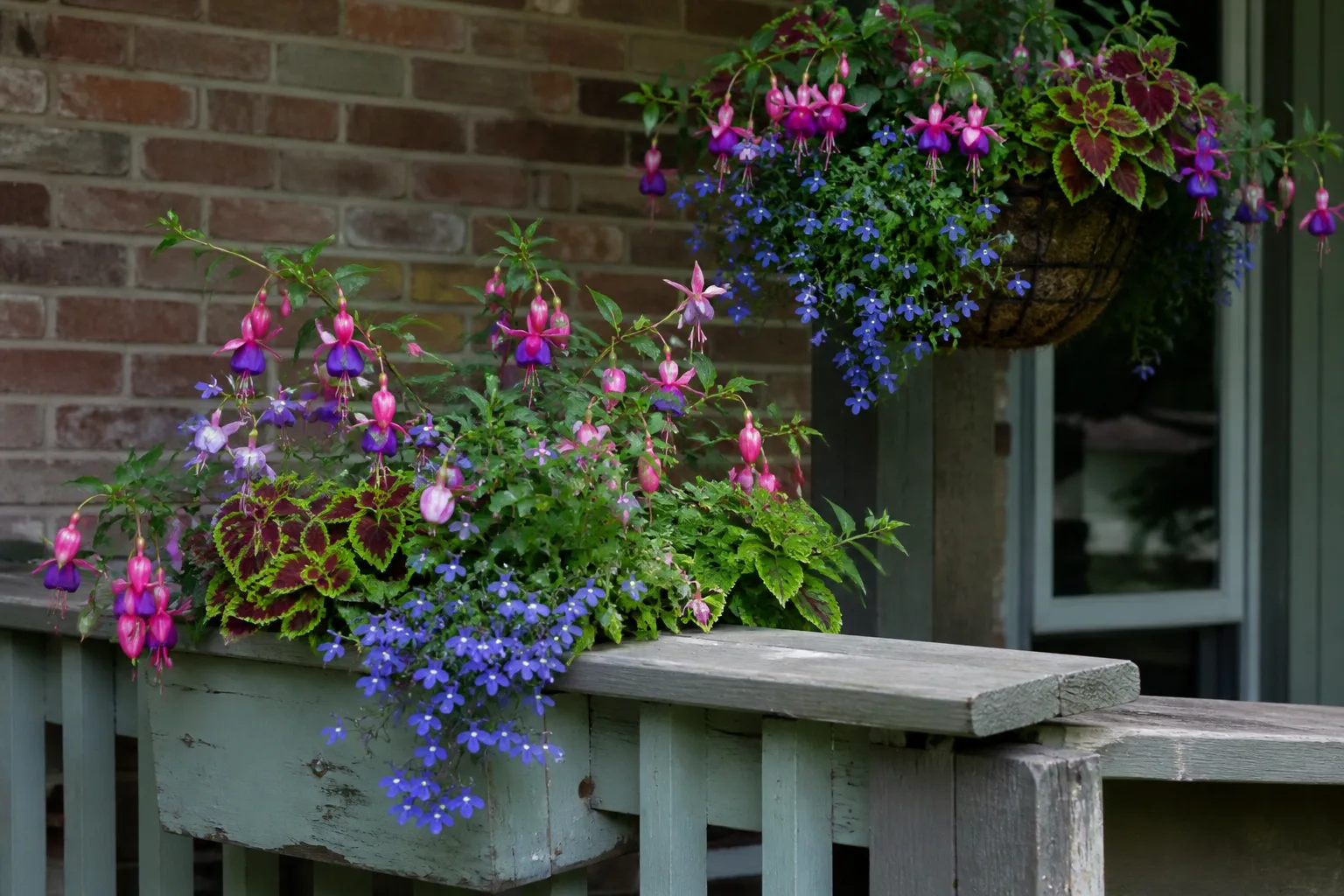
Petunias and lobelia spill over pot rims; sweet alyssum makes a low edge; nasturtiums can trail or climb depending on variety. Sweet peas and some other annual vines need a support structure placed before stems tangle, while a compact marigold or zinnia can fill a container without a trellis. Read the mature width as well as height: several tiny nursery plugs can become crowded after only a few weeks.
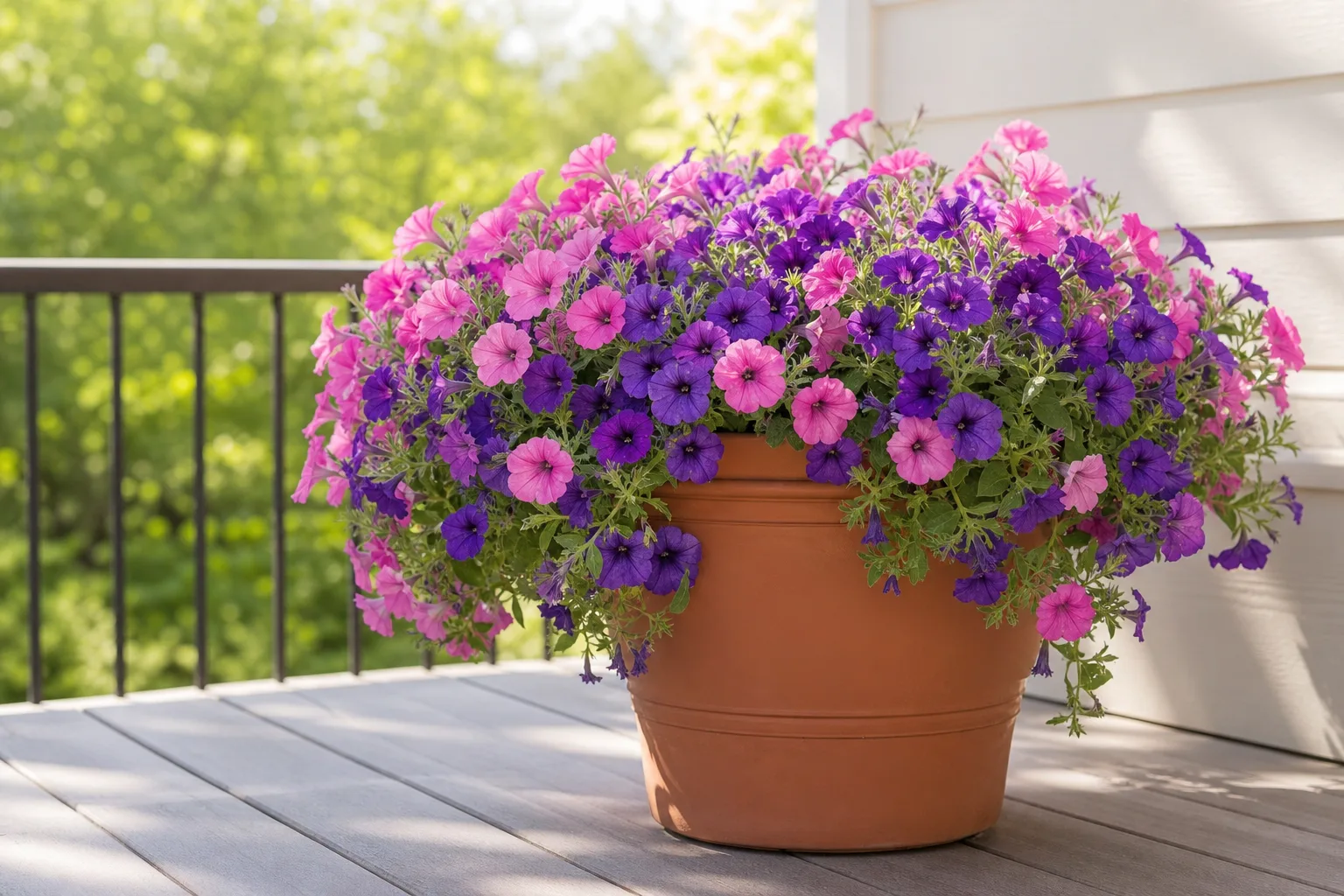
For a pot, combine plants only when their light and moisture needs overlap. A tall central plant, a middle layer, and one trailing edge can create structure, but the familiar “thriller, filler, spiller” formula is not a requirement. Container petunias, for example, need more frequent moisture checks than many in-ground annuals because potting mix dries quickly in sun and wind; see our container petunia growing guide for a focused example.
Choose seeds or nursery plants
Seeds offer more variety for less money per plant and make it easy to fill a wide bed. They also require attention to the seed’s temperature, depth, spacing, and germination time; tiny seeds may need a protected start, while many hardy annuals can be sown where they will grow. A packet is not just a price label: it tells you whether the plant is a good candidate for direct sowing and when to begin.
Nursery plants shorten the wait and are useful when the planting window is brief or you only need a few specimens. Choose compact plants with healthy leaves and roots that have not formed a dense, circling mass; avoid buying a tray just because every plant is already blooming. A small, well-rooted transplant often establishes better than a stressed plant covered in flowers. The trade-off is less choice of cultivars and a higher cost when you need to cover a large area.
You can mix methods. Direct-sow easy annuals in the bed, buy a few plants for the front edge, and start a slow-growing tender type indoors if the seed packet recommends it. A practical guide to annuals from seed from Simple Garden Life compares seed-grown options such as marigolds, zinnias, cosmos, and nasturtiums; use your own packet for exact depth and spacing because varieties differ.
Time sowing from your climate and seed packet
Start with the local last spring frost date and the plant’s cold tolerance. Tender annuals usually go outside after frost danger has passed; a hardy type may be sown earlier if the soil and conditions suit it. In climates without a clear frost season, use the plant’s heat tolerance and local growing calendar instead. Seed packets often state whether to start indoors, sow outdoors, or wait for warm soil.
For indoor starts, count backward from the safe outdoor planting window using the packet’s recommended number of weeks. Sowing too early can produce long, weak seedlings that outgrow their containers before the garden is ready. Use clean trays with drainage and seed-starting mix, keep the medium evenly moist rather than saturated, and give new seedlings strong light soon after they emerge. If light is weak, move a grow light close enough to prevent stretching while following the fixture’s instructions.
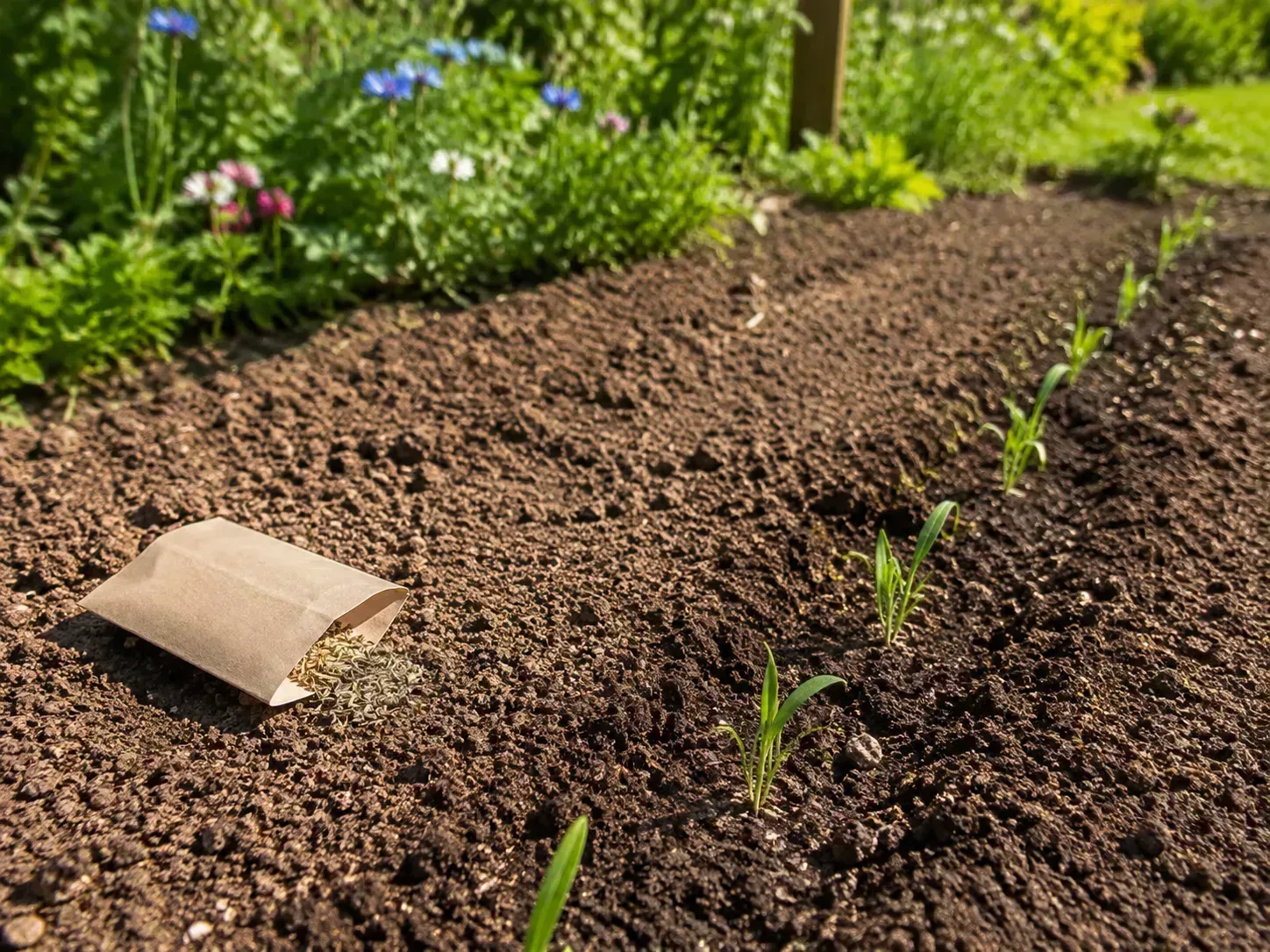
Direct sowing is simpler for plants that resent root disturbance or mature quickly in warm soil. Prepare a weed-free patch, sow at the depth and spacing on the packet, cover lightly if directed, and water gently so seeds stay in place. Mark the row or patch; annual seedlings are easy to mistake for weeds before their true leaves appear. For a natural-looking bed, sow in small groups or drifts rather than scattering an entire packet uniformly.
Prepare the bed or container before planting
Clear weeds and remove large stones or old plant debris from the immediate planting area. Loosen compacted soil without working it while it is wet enough to smear; digging wet soil can compress the spaces roots need. Most garden flowers need soil that drains well, but “improve the soil” does not mean add a heavy dose of fertilizer or compost everywhere. A soil test is the best way to decide whether a bed needs a specific amendment.
Some annuals, including cosmos and nasturtiums, can flower well in average or relatively lean soil, while others benefit from a more fertile bed. Avoid enriching the whole area indiscriminately: too much available nitrogen can favor leafy growth over flowers in some plants. The RHS warns that very rich ground can push hardy annuals toward leafy growth at the expense of flowers (RHS guide to autumn-sown hardy annuals). Better Homes & Gardens’ practical flower-planting guidance also emphasizes checking a site’s light, preparing workable soil, and following the seed packet or plant tag rather than using one depth for everything (BHG flower-planting guide).
For containers, use a pot with unobstructed drainage holes and fresh potting mix formulated for containers, not dense garden soil. Choose a pot large enough for the plants’ expected root mass and the number of plants you are placing in it. A small container can look full on planting day and then demand constant watering or become root-bound; going one size larger often makes care more forgiving. Set up the container near its final location before filling it if it will be heavy once watered.
Transplant without setting plants back
Indoor-grown seedlings and greenhouse bedding plants need to adjust to outdoor wind and sun before they stay outside full time. Over several days, expose them to increasingly longer periods outdoors in a sheltered spot, then gradually add brighter light that matches their final location. Move them inside or protect them if an unexpected cold snap arrives. A sudden transition from a warm greenhouse to full afternoon sun can scorch foliage even when the air is not freezing.
Plant on a mild or cloudy day if possible, water the tray beforehand, and handle seedlings by their leaves or root ball rather than crushing the stem. Set each plant at the same depth it grew in its pot unless the plant label says otherwise, firm soil gently around it, and water the root area to settle the mix. Leave the spacing recommended for the mature plant; tightly packing starts may look lush at first but makes airflow worse and increases competition for light and water.
After planting, check the bed daily until new growth shows that roots are establishing. If a plant wilts briefly in the afternoon but recovers by evening, observe it before adding more water. Persistent wilt with dry soil points to a different problem than wilt in saturated soil. The first response should be to inspect moisture and drainage, not to apply fertilizer or a pesticide.
Water annuals according to root-zone moisture
Water new seeds and transplants consistently while they establish, but do not keep soil waterlogged. Once plants are established in a bed, rainfall may be enough during mild weather; during hot or dry spells, check the soil near the roots and water deeply when it has begun to dry. A brief sprinkle often wets foliage without moistening the root zone, while repeated shallow watering can encourage roots to stay close to the surface.
Containers need closer watching because a limited volume of potting mix warms and dries faster than garden soil. Check the mix with a finger or moisture probe and water when the upper layer has dried to a degree appropriate for the plant; do not rely on a once-a-week schedule. A basket exposed to sun and wind may need water more often than a large pot in morning shade. Drain excess water through the holes rather than letting a planter sit in a full saucer for long periods.
Water at soil level when practical, especially where foliage stays damp overnight in a humid climate. Mulch the bed lightly after seedlings are large enough that the mulch will not bury them; it can reduce evaporation and weeds, but it cannot fix poor drainage. If leaves yellow and the soil stays wet, pause watering and check the bed’s drainage before assuming the plant needs food.
Feed lightly and selectively
A flower bed with reasonably fertile soil may need little extra fertilizer, especially for annuals that bloom well in leaner ground. Before feeding, ask what the plant is doing: pale growth, weak stems, and few flowers can come from low light, root stress, crowding, or water problems as well as nutrient shortage. Adding fertilizer without identifying the cause may produce taller foliage without solving the lack of blooms.
Containers are a different case because frequent watering can wash nutrients from the mix and the roots have a limited volume to explore. Use a controlled-release fertilizer at potting or a liquid product according to its label, and do not stack multiple products at full strength. If growth is lush but flowering is poor, stop routine feeding and reassess light and the product’s nitrogen content. Follow the label’s rate and interval; more frequent feeding is not a shortcut to more flowers.
Keep flowers coming with pinching, cutting, and deadheading
Removing faded flowers can encourage additional blooms on many branching annuals because the plant has not yet invested in mature seed. Deadhead selectively: snip behind the spent flower head, leaving healthy leaves and buds, and repeat when old blooms make the plant look tired. Some modern varieties shed spent petals on their own, and some flowers are grown for seedheads or self-sowing, so daily deadheading is not a universal rule.
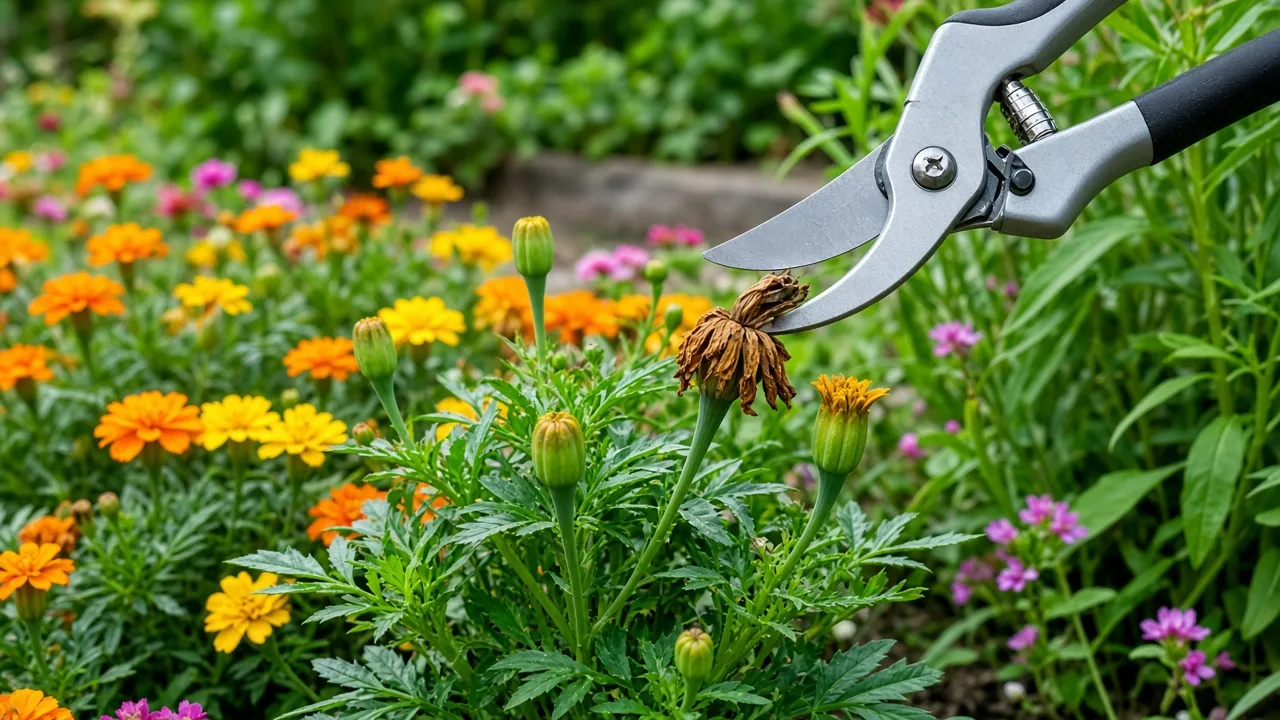
Pinching is different from deadheading. It removes a young growing tip to encourage branching, often making a plant fuller but sometimes delaying the first bloom. Use it only for annuals that respond well and while they are young; do not pinch a variety grown for one tall stem or a single large flower unless the label recommends it. Cutting stems for bouquets can serve as light pruning on cut-and-come-again types, while leaving a few flowers to mature can provide seed later. Our deadheading guide explains where to cut and when to leave a flower alone.
Think of bloom care as a choice between three outcomes: keep the display tidy and encourage more flowers, cut stems for indoor arrangements, or let selected seedheads mature. You can do all three in different parts of one bed. For instance, deadhead the front border, cut a few zinnias from the middle, and leave one calendula or cosmos plant to set seed at the back.
Troubleshoot poor blooms and tired plants
When annuals make plenty of leaves but few flowers, check light first. A plant receiving less direct sun than its label calls for may stay green without producing the display you expected. Next look at recent feeding, spacing, and temperature: high nitrogen, crowded growth, a cool spring, or excessive heat can all delay or reduce flowering, depending on the species. Correct the condition that fits the evidence instead of applying several fixes at once.
| What you see | First checks | Sensible next step |
|---|---|---|
| Tall, floppy stems | Light, crowding, and variety height | Move or thin young plants if practical; support tall types before stems lean |
| Few flowers, lush leaves | Sun exposure and recent fertilizer | Improve light if possible and pause high-nitrogen feeding |
| Sudden wilt in a pot | Mix moisture, drainage holes, and heat | Water if the root ball is dry; improve drainage or provide temporary afternoon shade if it is waterlogged or overheated |
| Faded blooms and no new buds | Whether the plant responds to deadheading and whether heat has arrived | Remove spent flowers only if that type reblooms; replace a cool-season plant when summer heat ends its display |
| Seedlings disappear | Slugs, drying soil, washout, or weeds | Check the bed at dawn, keep the seedbed evenly moist, and label the row so it is not hoed away |
Remove badly diseased plant material rather than leaving it in the bed, and avoid wetting foliage late in the day if leaf disease has been a recurring issue. For chewing or sucking pests, identify the insect before treating; damage on one annual does not prove that every neighboring plant needs spraying. Strong plants in the right light and with appropriate spacing are easier to monitor than a dense planting that stays damp.
Save seed and decide what to let self-sow
Saving seed is a low-cost way to repeat a planting, but the parent plant must produce viable seed and the seed must finish maturing before frost, birds, or rain remove it. Choose healthy, true-to-type plants, label the variety, and let a few flower heads dry on the plant. Harvest on a dry day, then store fully dry seed in a labeled envelope in a cool, dry place. Seed that is damp when stored can mold or lose viability.
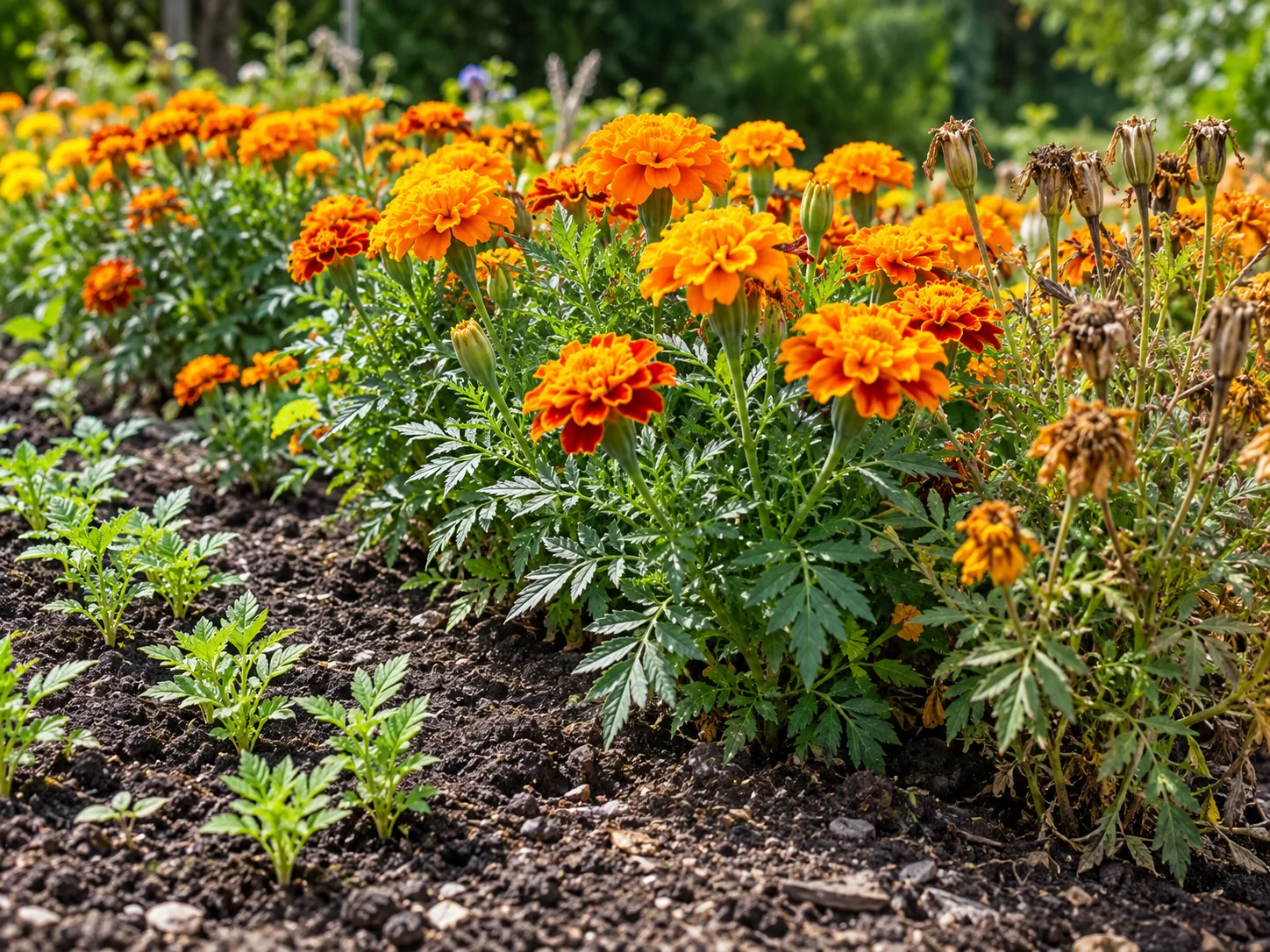
Seeds saved from an F1 hybrid or a plant that cross-pollinated may not produce offspring that look like the parent. The RHS notes this limitation for seed collected from hybrids and cultivars in its annuals guide. If you need the same height, color, or disease resistance next year, buy fresh seed of the named variety; save seed when variation is acceptable or part of the fun.
Self-sowing is less work but less predictable. Let a few suitable flowers mature in a contained area, then watch for volunteers the following season. Thin seedlings while small, remove extras from paths, and keep an eye on plants that spread beyond the bed. If you want a clean border or need the same layout every year, deadhead before seed ripens and collect seed separately instead.
Plan for frost, heat, and the end of the season
A killing frost ends the display for most tender annuals, but the plant may fade earlier from heat, drought, disease, or age. Remove plants when they are spent or diseased, and compost healthy material if your composting system reaches suitable conditions; discard diseased material according to local guidance. Clear containers, refresh the potting mix when needed, and record which varieties handled the site well so next year’s choices are based on actual performance.
Do not pull every plant just because the calendar says fall. Hardy annuals and cool-season flowers may still grow in mild weather, while a warm-season plant may be finished as soon as nights turn cold. In climates with very hot summers, some gardeners get two annual-flower windows—one in the cool season and one after the worst heat—rather than one continuous summer bed. In frost-free climates, some plants sold as annuals may persist; verify the species’ local behavior before discarding a healthy plant.
For an easy seasonal plan, reserve a few open spaces for quick direct-sown flowers, choose nursery starts for any short-window gaps, and stagger sowing a fast-growing annual if you want a longer sequence of blooms. Keep notes on sowing date, exposure, rainfall, and the first flowers. That small record is more useful than a generic calendar because it shows how your own microclimate affects the plants.
Conclusion
Annual plants complete a one-season life cycle, but their care depends on the weather they tolerate and the job you want them to do. Choose by local temperature window, light, drainage, mature size, and whether you prefer seed or nursery starts; then plant at the time the specific variety can handle. Once established, check soil moisture rather than following a fixed watering schedule, feed only when conditions call for it, and deadhead only when you want the plant to keep flowering instead of setting seed.
That approach makes annuals easier to plan and less wasteful to maintain. You can use them for quick color, cutting, containers, or seasonal gaps without treating every variety alike—and you can decide deliberately whether to save seed, welcome volunteers, or clear the bed for the next season.



