Beet Companion Plants: Which Pairings Actually Help?
Choose beet companions by season, spacing, and pest pressure. See which vegetables, herbs, and flowers fit, plus pairings that deserve a second look.
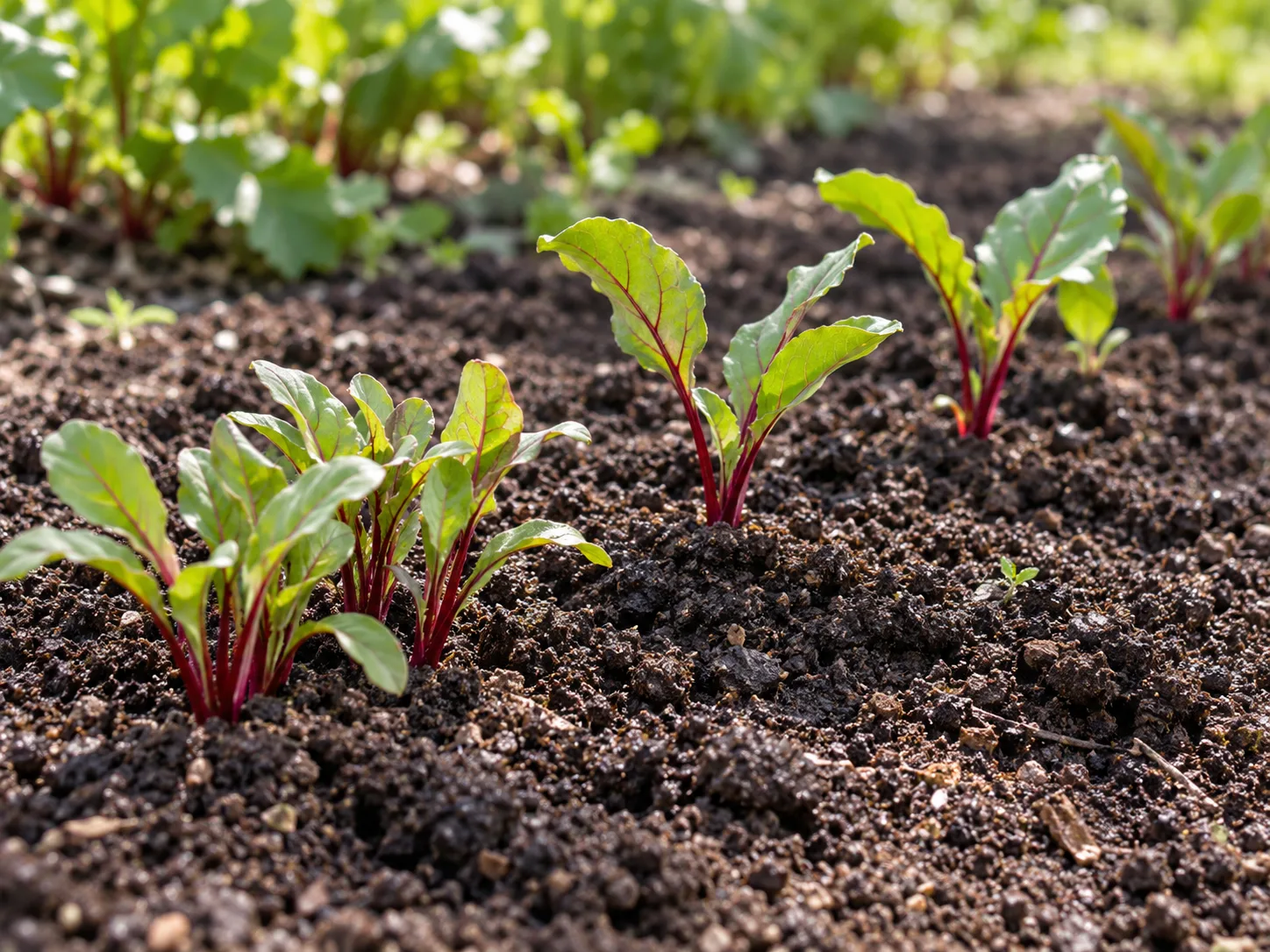
A good neighbor for beets is a plant that fits the same season, leaves enough room for the beet roots, and does not shade the row before you can harvest. That sounds less dramatic than claims that garlic repels every pest or beans sweeten nearby roots, but it gives you a planting plan you can actually use.
Beets are compact, cool-season crops grown for both their roots and their leaves. They pair naturally with fast greens and quick radishes, while taller or larger crops need deliberate spacing and timing. Think of companion planting as a way to organize a bed—not as a guarantee that neighboring plants will protect one another.
Quick Answer: The Best Beet Companions by Goal
For the easiest start, sow lettuce, arugula, or radishes in open spaces around a beet row. These crops suit a cool-season garden, stay relatively low, and can be harvested before beet roots need all the available room. Direct-sow beets in their permanent row first, then put quick companions in a separate adjacent row or in gaps you can reach without stepping on the bed.
Choose onions, garlic, or scallions when you want upright foliage and another useful crop in the same bed, not because their smell is guaranteed to repel pests. Kale, cabbage, broccoli, cauliflower, and kohlrabi can share a cool-season plot if you leave enough room for their mature leaves and check for pests that affect both crops. GardenersPath and Gardenary include many of these crops in their practical beet-pairing coverage, but a pairing list is a starting point for layout—not proof that each neighbor increases beet yield.
If your main goal is pest control, identify the pest first. A floating row cover, prompt removal of mined leaves, crop rotation, or preserving beneficial insects may be more dependable than adding a companion plant. If your goal is to use space efficiently, a fast leafy crop beside beets is often a simpler bet.
How to Choose a Neighbor That Helps Rather Than Crowds
Judge a potential companion by four things: when it grows, how wide and tall it gets, where its roots occupy soil, and whether it shares an important pest. Plants do not need identical needs to coexist, but mismatched irrigation, shade, and harvest schedules can turn a “companion” into a competitor. A beet row that starts in a cool spring can share open soil with lettuce; the same bed may become crowded once a full-size cabbage spreads its outer leaves.
Beets grow best when young plants are not crowded. A beet seedball can produce more than one seedling, so thinning is not optional if you want roots to size up. The practical test is whether you can thin, weed, and harvest without pulling or trampling neighboring plants. A companion that looks compatible in a catalog is a poor choice if its roots or foliage make routine care difficult.
The most useful pairings usually work through space or timing. A quick radish crop finishes early; lettuce fills bare ground with low leaves; upright alliums occupy a different canopy shape. Those are visible advantages. Stronger claims—such as one plant reliably repelling a specific insect or transferring enough fertilizer to sweeten a root—need more caution. Research and gardening sources often repeat companion pairings as rules, but backyard results depend on variety, climate, spacing, soil, and the local pest population.
Beet-growing guidance from Gardenary’s seed-to-harvest guide emphasizes thinning, consistent moisture, and restraint with excess nitrogen. Those fundamentals apply whether the bed is mixed or planted in a single crop. A companion can help you use the bed, but it cannot compensate for compacted soil, crowded seedlings, or an erratic watering schedule.
Fast, Low-Growing Crops That Share Beet Space
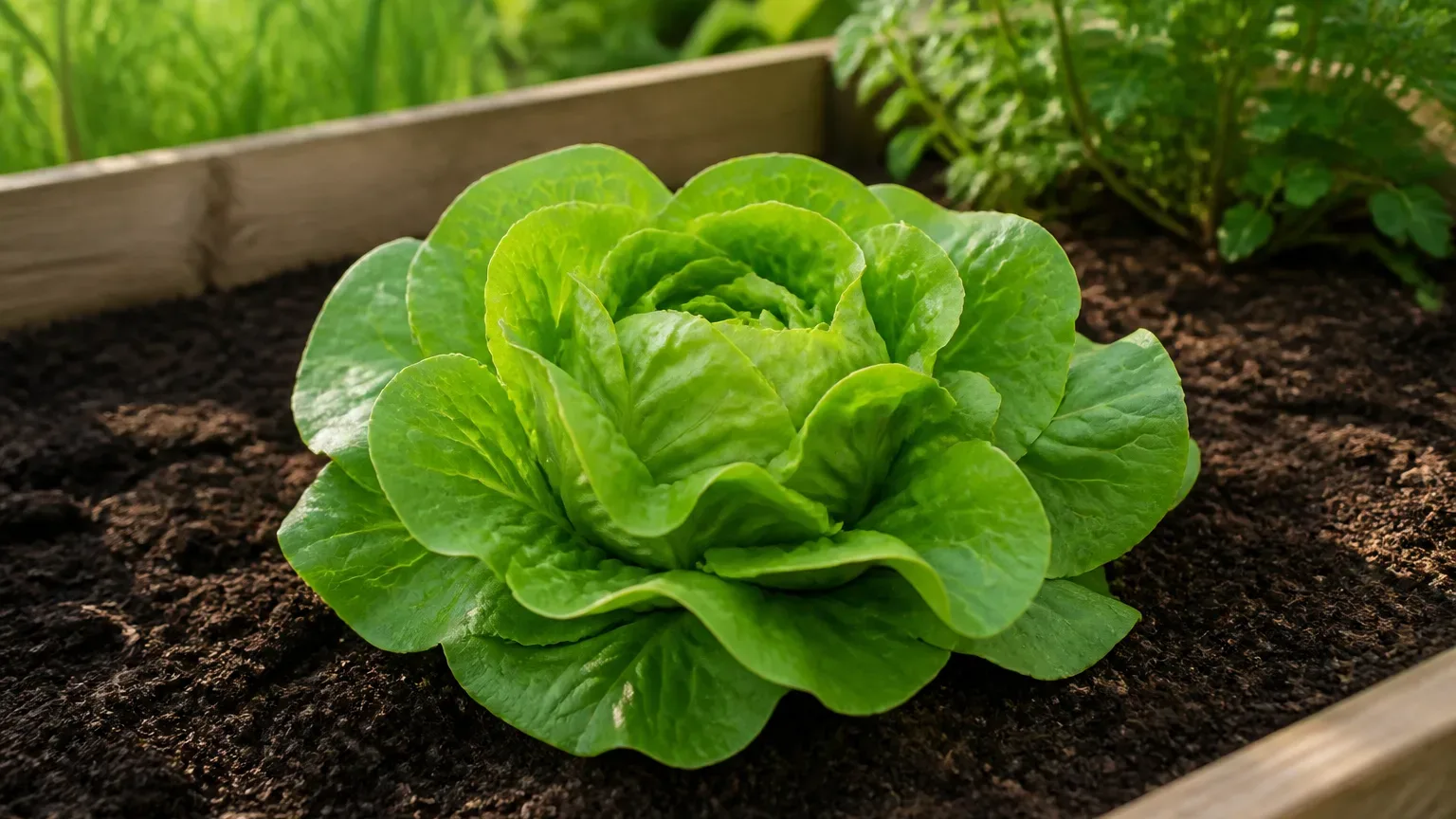
Lettuce is one of the easiest beet companions because it is quick to harvest and stays low while young beets establish. Leaf lettuce can be tucked into a separate short row beside beets or sown in a broad band along a bed edge; harvest outer leaves frequently so it does not become a dense canopy. If you are growing full-size lettuce heads, give each plant enough width and harvest it before the beet leaves are pressed underneath.
Radishes make a useful early crop because they mature sooner than many beet varieties. Sow them in a distinct line a few inches from the beet row rather than scattering them through the same seed furrow, and pull them while small enough that harvesting will not disturb beet roots. Radishes do not “break up” soil in a way that guarantees larger beets; their reliable advantage is a short harvest window and an easy visual marker for where the row is.
Arugula also fits an early bed, especially when you want a cut-and-come-again salad green. Sow it lightly at the edge, then harvest leaves before plants bolt and sprawl. In mild weather it can be a second crop after early radishes come out, but let the beet canopy and the seed packet spacing guide how much you add.
Scallions have narrow, upright leaves and can occupy a strip along a bed edge without creating the broad shade of a mature cabbage. They are convenient when you want both crops harvested young, though planting them shoulder-to-shoulder with beets still limits air movement and access. Their odor is not a substitute for pest monitoring, and an allium row should remain separate enough that you can inspect and harvest both crops without damaging roots.
Leafy Greens: Similar Seasons, With a Pest Caveat
Spinach shares cool growing weather with beets, and its shallow, compact foliage can make good use of a bed that would otherwise sit bare. Keep the rows distinct enough to thin the beets and remove spinach leaves cleanly. Spinach is also a host of beet and spinach leafminers, so this is a space-saving pairing, not the choice I would make automatically in a garden with a recurring leafminer problem.
Swiss chard is a close relative of beets, so it has similar seasonal preferences and can be grown nearby when the bed is wide enough. The downside is that the two crops overlap in their use as leafy greens and can share beet leafminer pressure; growing both together does not create a pest barrier. If you mainly want roots from beets and leaves from chard, leave a path or an unplanted strip between the crops so you can inspect and harvest each easily.
Kale is another cool-season choice, but its mature leaves spread farther than a row of baby lettuce. Plant it along the north side of the bed in the Northern Hemisphere, or on whichever edge casts the least shade across the beets, and leave the spacing recommended for its variety. Harvest outer leaves regularly and avoid using the beet row as a temporary walkway once kale becomes broad.
Alliums, Herbs, and Flowers: Useful Roles, Limited Guarantees
Bulb onions and garlic are practical neighbors when their planting calendar matches the beet crop. Their upright leaves leave the beet canopy relatively open, and the crops can be placed in a separate row within the same bed. Their strong scent is often said to repel aphids, cutworms, or beetles, but do not count on nearby alliums to keep an infestation away; plant them because you want the crop and can give it room.
Dill and cilantro are most useful when allowed to flower in a controlled patch or at a bed edge. Their small blooms can provide forage for insects that visit gardens, while their foliage occupies less space before flowering. They can also self-seed or become tall and floppy, so remove unwanted seedheads and do not let a herb row shade a beet row that still needs sun.
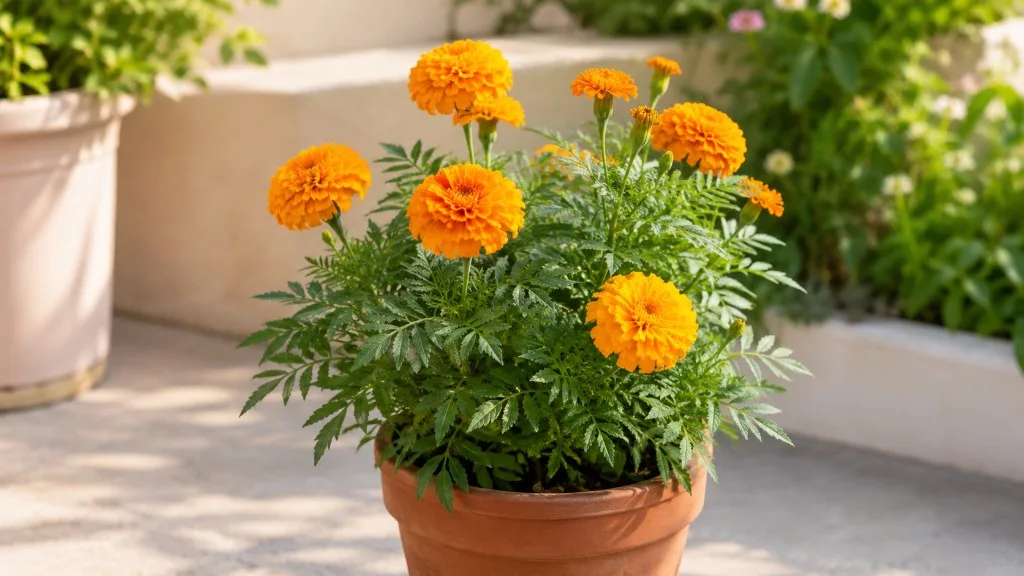
Marigolds add color and can be useful in a diverse garden, but “marigolds repel pests” is too broad to guide a beet planting. One Utah State University Extension guide lists marigold among the host plants for a particular vegetable leafminer species, while local pest species differ; that is a good reason not to treat the flower as an automatic insect shield. Grow marigolds for flowers or a carefully planned rotation, not as a promise that nearby beets will be pest-free.
Brassicas: Compatible Cool-Season Crops That Need Room
Beets can share a season with cabbage, broccoli, cauliflower, Brussels sprouts, and kohlrabi. Their calendars overlap in spring and fall, which can simplify bed planning, but brassicas range from compact kohlrabi to very wide broccoli or cabbage plants. Put beets where they can receive adequate light and where brassica leaves will not close over the row before you finish harvesting.
Do not rely on the idea that beets and brassicas “balance” each other’s calcium needs. Crops absorb nutrients from soil; one nearby plant does not donate a measured amount of calcium to another. A soil test and appropriate soil preparation are more useful than pairing crops to correct an imagined nutrient exchange.
For a small bed, try kohlrabi or a compact cabbage variety before a large broccoli plant. If broccoli or cauliflower is the main crop, place beets on the sunward side and harvest the roots early, before the brassica canopy gets broad. Keep the two crops’ watering needs in view: consistent moisture is important for tender beet growth, while the larger brassica will also draw heavily on the bed’s water supply.
Bush Beans and Tall Crops: When the Timing Works
Bush beans can share a bed with beets if both have enough room, but they are not a quick nitrogen feed for the root crop beside them. Nitrogen fixation happens in partnership between legumes and root-nodule bacteria, and most of that fixed nitrogen first enters the bean plant. New Mexico State University Extension explains that much of the nitrogen returns to soil as plant material dies and decomposes; a living bean row should not be treated like fertilizer for beets growing inches away.
Choose beans because you have a suitable warm-season window and space, not to sweeten beets. Beets prefer cooler growing weather, so an effective sequence is often to harvest a spring beet crop and then use the bed for beans, rather than trying to force both into a crowded summer planting. If you do overlap them, keep the beans from shading the beets and avoid over-fertilizing with nitrogen, which can favor leaves over root development.
Pole beans are not automatically incompatible with beets; their trellis and foliage simply create a greater risk of shade and tangling. If you want to combine them, place the trellis on the north edge in the Northern Hemisphere and keep a clear strip around the beet row. A pair of crops is only useful when you can still harvest and inspect both.
Conditional Neighbors: Carrots, Mint, Catnip, Sage, and Tomatoes
Carrots and beets are both root crops, so they may share a bed but are not a special “deep roots versus shallow roots” partnership. Both need loose soil and enough space for roots to expand; thin seedlings carefully, use separate rows, and do not plant a dense carrot band directly over the beet line. They make good neighbors when the bed is wide, the soil is workable, and you can harvest one without disturbing the other.
Mint belongs in a pot, not loose in a small vegetable bed, because it spreads aggressively by underground stems. If you want mint close enough to harvest while tending beets, sink a container near the bed or keep it on a patio. Its fragrance is not a reliable substitute for controlling a named pest.
Catnip and sage are sometimes suggested for discouraging mice or rabbits, but scent alone is not dependable wildlife exclusion. Catnip may attract neighborhood cats that dig or flatten seedlings; sage can become a woody shrub that takes up room. Use fencing, a properly secured row cover, or a physical barrier when a specific animal is causing damage, and grow these herbs for their culinary or ornamental value if you like them.
Tomatoes can create afternoon shade later in summer, but they are not a default beet companion. Epic Gardening’s beet-pairing overview also treats shade as a possible benefit in hot weather; use that only when the beet row still receives enough light and has its own root space. Beets are usually most productive in cool weather; placing seedlings beneath a large tomato canopy can turn helpful shade into too little light and too much root competition. In a warm climate, a carefully placed tall crop can extend harvest of beet greens, but harvest roots while small and leave enough distance for tomato airflow and access.
What to Skip or Separate in a Beet Bed
There is no universal blacklist of vegetables that poison beets when planted nearby. Most failures come from crowding, shade, incompatible watering, or pests that can move between nearby hosts. A vigorous squash vine, sprawling herb, or untrellised pole bean is a poor neighbor if it covers the beet row; the same plant may fit in a different bed with more distance.
Be cautious when planting beets beside spinach or chard if leafminers have been a problem. University of Delaware’s vegetable crop update on spinach and beet leafminers explains that these insects feed on beet, spinach, chard, and related weeds, and that mines can damage greens more than roots grown primarily for the bulb. The update recommends removing infested leaves early and locating later plantings away from an area where pupae remain; it also notes that row covers work best on ground that was not already infested.
For that reason, avoid reading “same family” or “different family” as a complete compatibility test. Crop rotation is usually a year-to-year tool for disrupting pests and disease, while companion planting is a within-bed layout choice; neither can fix every issue alone. If a crop is suffering, identify the symptoms before adding more plants around it.
Three Simple Beet Companion Layouts
A narrow bed with one main beet row
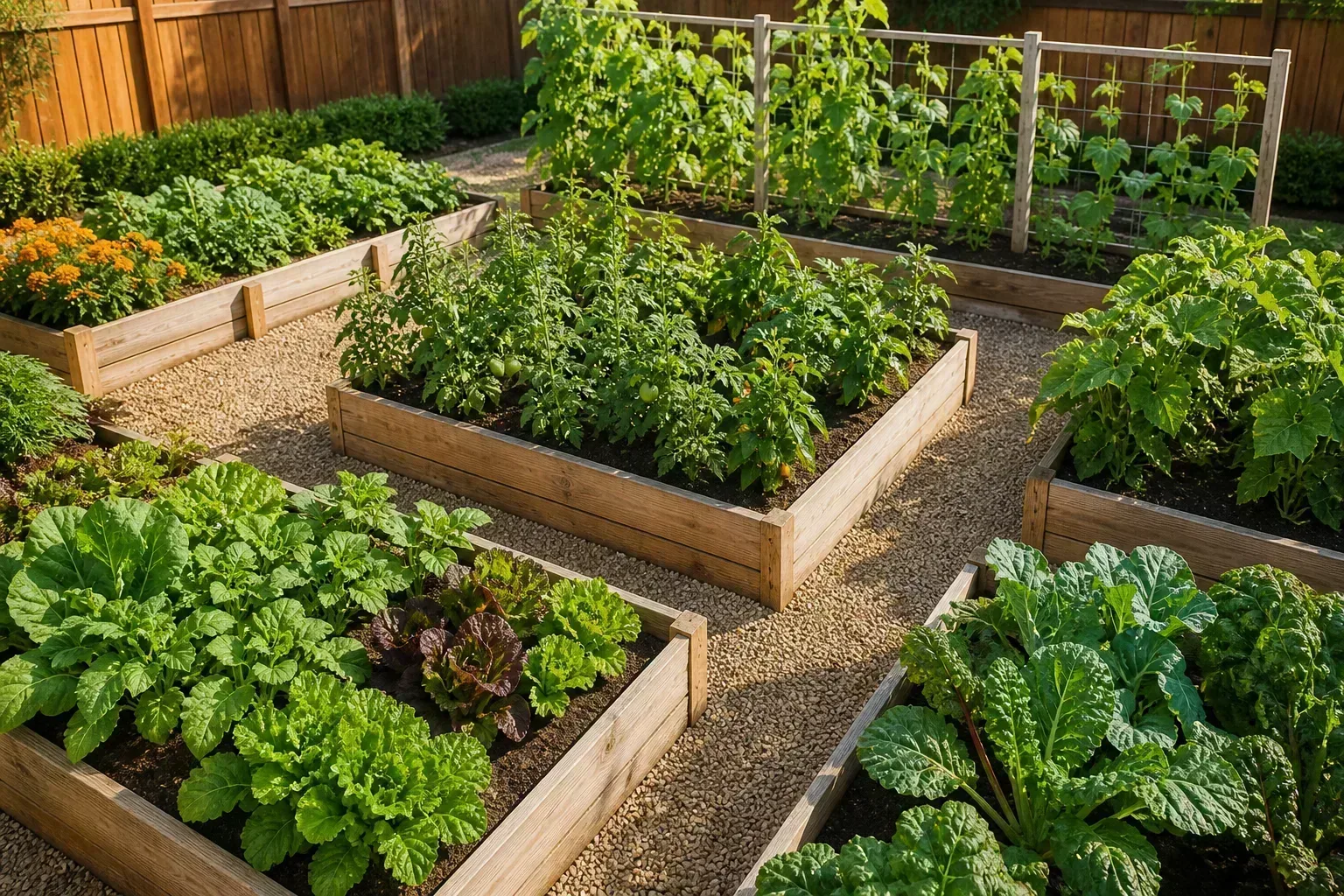
Sow one beet row down the center or along the sunny side of a narrow bed, then place lettuce, arugula, or radishes in a second row at the edge. Keep enough walking access to thin the beet seedlings, and harvest the quick crop before its foliage begins to shade the beets. This is the lowest-risk layout for a first attempt because each crop stays identifiable and you can see which one needs water or pest attention.
A wider bed with staggered bands
In a wider bed, use short bands rather than mixing every seed together: a beet band, a quick salad-green band, and a row of scallions or onions near the edge. A taller brassica can go on the north side in the Northern Hemisphere so it casts less shade over low crops; in the Southern Hemisphere, use the south side as the likely sunward edge. Do not let the layout become so dense that you cannot reach the soil to thin beets or inspect leaves.
A container pairing that leaves roots room
A deep, wide planter can hold one beet row and a small band of lettuce or radishes at the edge, provided the container has drainage and enough loose potting mix for mature roots. Avoid filling a pot with several full-size crops; a companion that fits in the first week may overwhelm the beets a month later. For a small container, choose one beet variety, thin to the seed packet’s spacing, and use a quick green only as a short-term crop.
Timing, Succession, and Harvesting Around Beets
Plan from the beet’s harvest window backward. Sow beets in cool weather, keep the seedbed evenly moist until seedlings establish, and thin the multiple seedlings that can emerge from a seedball. Then add the companion crop with the shorter maturity or smaller mature size, rather than trying to fit several full-size plants around an unthinned beet row.
Succession planting often solves the “what grows with beets” question better than permanent interplanting. For example, sow a spring beet row with radishes or lettuce, harvest those companions early, and leave space as beet foliage expands. After lifting the beets, plant a warm-season crop if the remaining season allows; when planting beets for fall, use a quick crop that will be harvested before winter conditions stop growth.
Harvest affects the pairing, too. If you want beet greens as well as roots, leave extra room around each plant and do not let neighboring leaves press down on the beet foliage. If roots are the priority, remove or harvest companions before they compete for water during a dry spell, and pull beets at a size that suits the variety instead of holding them in hot soil while larger crops take over.
When Companion Planting Is Not Pest Control
A diverse planting may create different habitats and can make a garden less like a continuous block of one crop, but a companion’s presence does not guarantee that a pest will avoid beets. In fact, a mixed bed can include alternative hosts; the Utah State University Extension guide to leafminers of vegetable crops lists beet, carrot, lettuce, onion, bean, and marigold among hosts for one leafminer species. Planting those crops shoulder-to-shoulder will not necessarily divert the insect away from beet leaves.
Use controls that match the pest’s life cycle. The Delaware crop update notes that leafminer larvae feed inside leaf tissue, where they are difficult to reach; removing a mined leaf early can prevent the larvae from completing development, while a row cover needs to be installed before adult flies arrive and is not effective over soil that already holds pupae. Utah State Extension also emphasizes monitoring, sanitation, rotation, row-cover edges, and conserving natural enemies as parts of integrated management.
Inspect the crop once or twice a week, including the undersides of leaves. Small white egg clusters, stippling, or winding mines call for a closer look before you decide what to remove. Do not spray simply because a leaf is imperfect; if treatment seems necessary, use a product labeled for the crop and pest in your location, and follow its label rather than relying on a companion-planting chart.
Care Practices That Matter More Than the Pairing
Start with a loose, stone-free seedbed and keep beet seeds moist while they germinate. When seedlings emerge, thin them to the spacing appropriate for the variety and harvest purpose; pulling extra seedlings can disturb nearby roots, so snipping them at the soil line is gentler. Hand-weed while plants are small, because weeds compete directly for light, water, and root-zone space.
Give the bed consistent moisture rather than alternating between very dry soil and a heavy soak. Water near the soil surface or use a soaker hose to reduce unnecessary wetting of foliage, and add mulch only after seedlings are established so you do not block emergence. If a beet row grows lush tops but small roots, check crowding, temperature, light, and nitrogen before blaming its companions.
Finally, keep a simple record of what you planted and what actually happened. Note the crop, variety, date, spacing, pest damage, and whether the beet roots reached the size you wanted. A pairing that failed because the cabbage shaded the row is not evidence that the crops are biologically incompatible; it is evidence that the layout needs more space or different timing.
Conclusion
The most reliable beet companion plants are those that share cool-season timing, stay low or occupy a separate strip, and leave you room to thin, weed, water, and harvest the roots. Lettuce, radishes, arugula, and carefully spaced alliums are easy starting points; leafy greens, brassicas, and beans can work when you account for their specific space and pest trade-offs.
Treat scent-based repellency and instant nitrogen-sharing as claims to test, not promises. Build the bed around beet spacing first, choose one or two companions with a clear role, and use row covers, rotation, and pest identification when insects are the real problem.