30 Best Indoor Trees to Grow in Your Home
Compare 30 indoor trees by light, ceiling height, and care level—plus pet safety notes and a quick-pick table so you buy the right tree the first time.
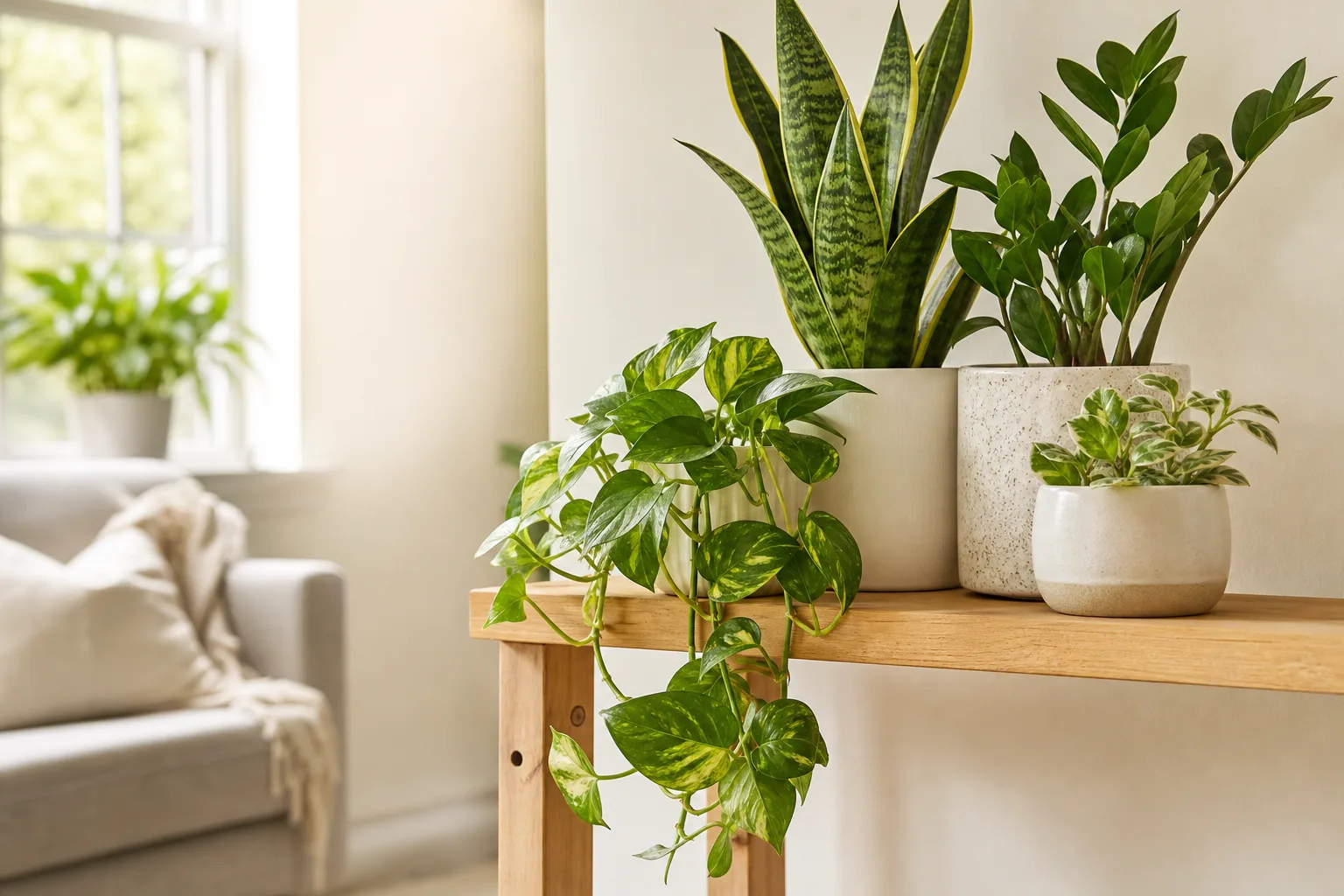
Indoor trees are the fastest way to add height, shade, and structure to a room without renovating anything. They anchor a corner, soften tall walls, and make small apartments feel intentional instead of cramped. The mistake most buyers make is choosing by Instagram aesthetics alone—a fiddle leaf fig in a dim hallway will shed leaves until you resent it, while a parlor palm in the same spot might look elegant for years with half the effort.
This guide covers 30 indoor trees worth considering, grouped by light and skill level so you can shortlist before you shop. Every entry includes mature size, watering temperament, and pet safety where it matters. Where LeafyPixels has a full care hub, you will find a /plants/ link for deeper light, watering, and troubleshooting pages.
What Counts as an Indoor Tree (and What to Expect)
An indoor tree here means a woody or tree-like houseplant that develops a visible trunk—or multiple canes—and reaches at least 18 inches tall at maturity indoors, even if it starts life on a desk. That includes true trees (ficus, citrus, palms), tree-form dracaenas, and succulent trunks like jade or ponytail palm. It excludes trailing vines and most tabletop herbs, even when nurseries label them “tree form.”
Expect slower growth than outdoor specimens. Container roots limit height, and dry indoor air stresses tropical species. Most indoor trees top out 2–10 feet unless you have vaulted ceilings and excellent light. Budget 12–24 inches of clearance below the ceiling so you are not fighting a plant that outgrows its spot in two seasons.
Choose Your Tree in Three Steps
Ceiling Height and Floor Space
Measure from floor to ceiling, then subtract 24 inches for clearance and pot height. A 9-foot ceiling comfortably fits a 6- to 7-foot tree; an 8-foot apartment ceiling caps you around 5–6 feet unless you prune or choose slow growers like jade plant or parlor palm. Width matters too—areca and majesty palms spread 3–5 feet; dragon tree and corn plant stay narrow and suit tight corners.
Window Light and Seasonal Shifts
Sort windows first: south and west = bright; east = moderate; north = low to moderate depending on obstructions. Trees labeled “bright indirect” want 4–6 hours of filtered sun daily—not a dim interior wall. Citrus, banana, and fiddle leaf fig belong in your brightest spot; parlor palm and lady palm tolerate north light better than most. Remember winter drops light intensity 30–50% in many regions—trees that summered on a patio may sulk indoors until spring.
Maintenance Tier and Pet Safety
Assign each candidate a tier: Easy (forgiving of missed waterings), Medium (humidity or light sensitive), Hard (majesty palm, guava, indoor fruiting citrus). Cross-check pets on the ASPCA toxic and non-toxic plant list for dogs—many popular ficuses and dracaenas are toxic if chewed. Money tree is a rare large specimen that is non-toxic to cats and dogs, which makes it a strong pick for pet households.
30 Indoor Trees — Quick Comparison Table
Use this table to narrow your list, then read the grouped sections for placement and pitfalls.
| Tree | Care | Indoor height | Light | Pet note |
|---|---|---|---|---|
| Fiddle leaf fig | Medium | 6–10 ft | Bright filtered | Toxic |
| Citrus (lemon, orange, etc.) | Hard | 6–10 ft | Full sun | Toxic to pets |
| Weeping fig | Easy–Medium | 2–10 ft | Bright indirect | Toxic |
| Rubber plant | Easy | 2–10 ft | Bright indirect | Toxic |
| Banana | Medium | 6–10 ft | Full sun | Non-toxic fruit plant; sap can irritate |
| Norfolk Island pine | Medium | 2–6 ft | Bright | Non-toxic |
| Umbrella tree | Medium | 3–6 ft | Bright indirect | Toxic |
| Yucca | Medium | Up to 10 ft | Bright | Toxic |
| Jade plant | Easy | 1.5–3 ft | Bright | Toxic |
| Money tree | Medium | 6–8 ft | Bright indirect | Non-toxic |
| Lady palm | Easy | Up to 6 ft | Low–bright indirect | Non-toxic |
| Dragon tree | Easy | 4–6 ft | Bright indirect | Toxic |
| Parlor palm | Easy | 2–6 ft | Low–bright indirect | Non-toxic |
| Majesty palm | Hard | Up to 10 ft | Bright indirect | Non-toxic |
| Corn plant | Medium | 4–6 ft | Bright indirect | Toxic |
| Areca palm | Medium | 6–7 ft | Bright indirect | Non-toxic |
| Kumquat | Medium | 6–12 ft | Full sun | Toxic |
| Bay laurel | Easy | 4–6 ft | Bright | Toxic |
| Guava | Hard | 4–10 ft | Full sun | Non-toxic fruit; rare indoor fruit |
| Ponytail palm | Easy | Up to 6 ft | Bright | Non-toxic |
| Calamondin orange | Easy–Medium | 6–10 ft | Full sun | Toxic |
| Dieffenbachia | Easy | 3–5 ft | Bright indirect | Highly toxic |
| False aralia | Easy | Up to 6 ft | Bright indirect | Mild toxicity |
| Lemon cypress | Medium | 3 ft | Bright | Non-toxic |
| Olive tree | Medium | Up to 10 ft | Full sun | Non-toxic |
| Ming aralia | Medium | Up to 6 ft | Bright indirect | Toxic |
| Fountain palm | Easy | 3–5 ft | Bright indirect | Non-toxic |
| Ginseng ficus | Medium | 1–2 ft | Bright | Toxic |
| Kentia palm | Easy | Up to 10 ft | Bright indirect | Non-toxic |
| Fishtail palm | Medium | 6–10 ft | Bright indirect | Toxic if ingested |
Statement Trees for Bright Light
These trees want your best window—or a supplemental grow light—and reward you with bold leaves or tropical scale.
Fiddle Leaf Fig (Ficus lyrata)
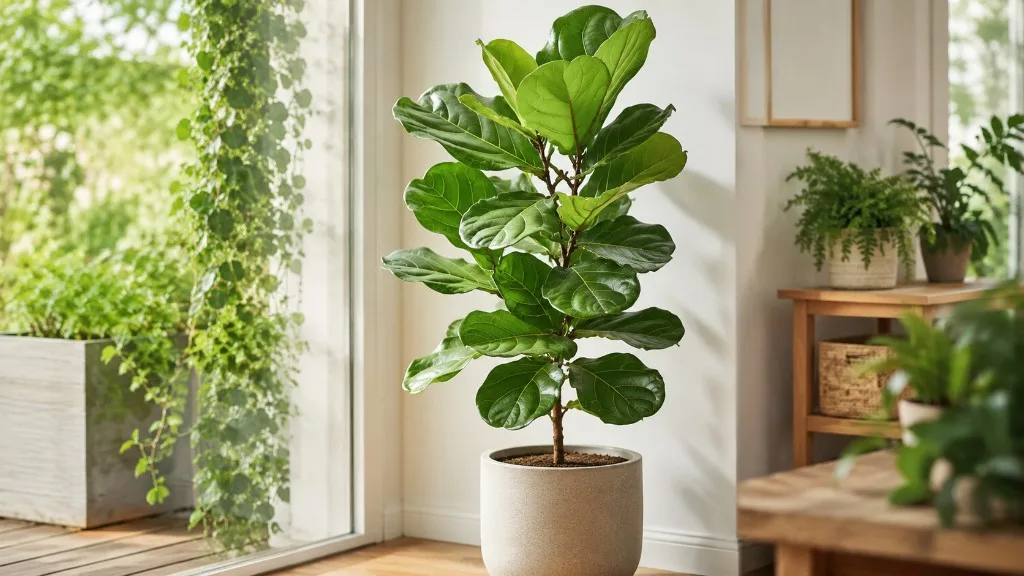
The fiddle leaf fig is the design-world default for a reason: huge violin-shaped leaves and a tree habit that reads sculptural. NC State Extension notes it prefers very bright indirect light, evenly moist (not wet) soil, and warm room temperatures. (NC State Extension) It hates drafts and sudden moves—expect leaf drop after relocation until it acclimates. Medium difficulty; toxic to pets and humans if sap is ingested.
Citrus Trees (Citrus spp.)
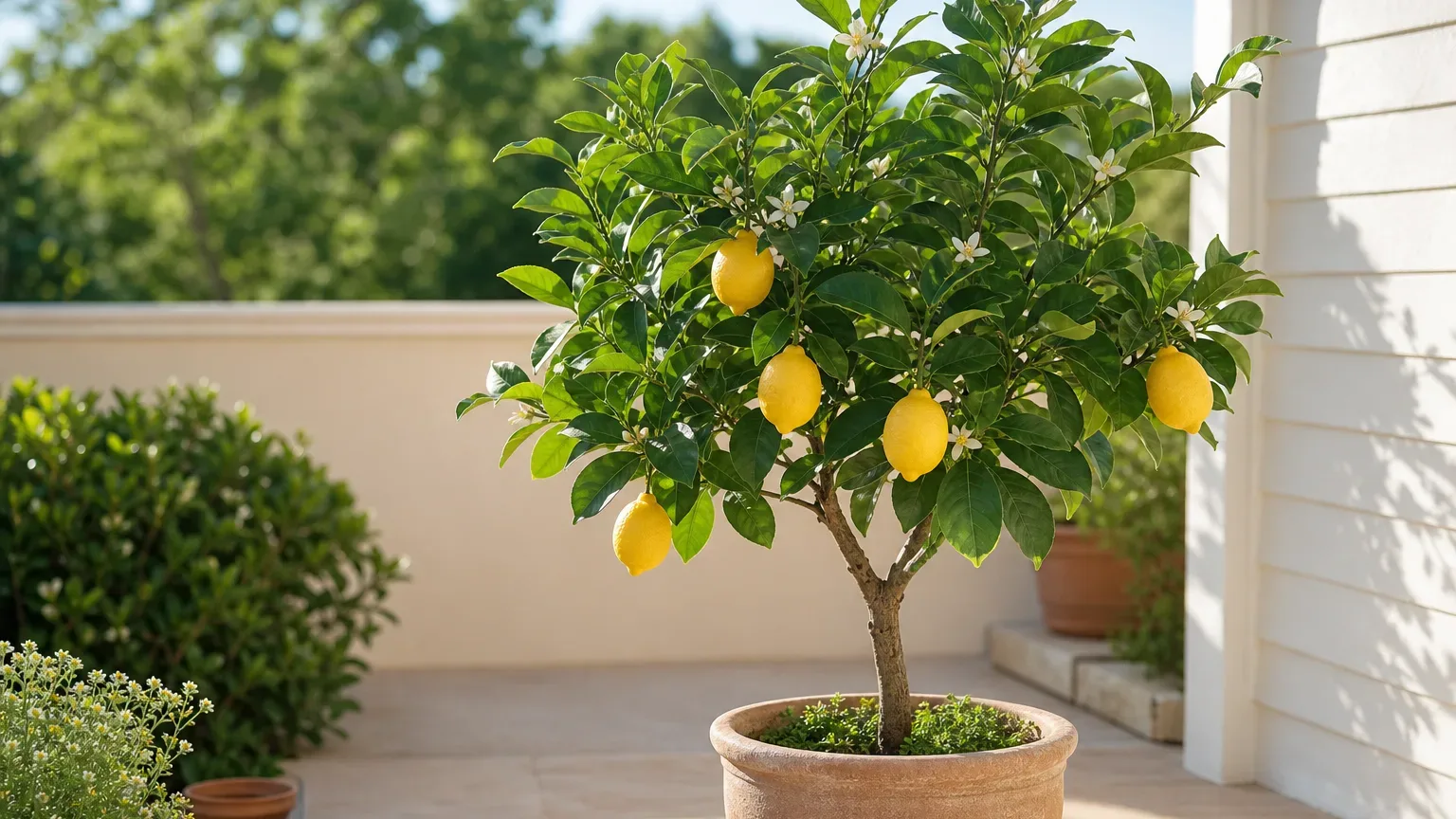
Indoor lemon and orange trees are the most demanding trees on this list if you want fruit: they need 6+ hours of direct sun, high humidity, regular feeding, and cool-but-not-freezing winter nights. Without a south-facing window or grow lights, treat them as foliage plants and enjoy the scent when they bloom. Difficult for fruit; moderate for leafy growth. Toxic to pets.
Banana (Musa spp.)

Choose dwarf Cavendish or similar compact cultivars for containers. Banana wants warm temperatures (75–95°F), constant moisture, and full sun—missing any piece yields brown, tattered leaves. Watch for spider mites in dry air. Medium care; fast growth when happy.
Yucca (Yucca elephantipes)
The yucca plant offers a thick cane and sword-like leaves with minimal fuss if you have sun. It prefers well-drained soil and drying between waterings—overwatering rots the trunk base. Grouped trunks in one pot create a staggered focal point. Medium care; toxic to pets.
Reliable Ficus and Dracaena Indoor Trees
If you want height without full tropical sun, ficuses and dracaenas are the workhorses—provided you avoid drafty HVAC paths.
Weeping Fig (Ficus benjamina)
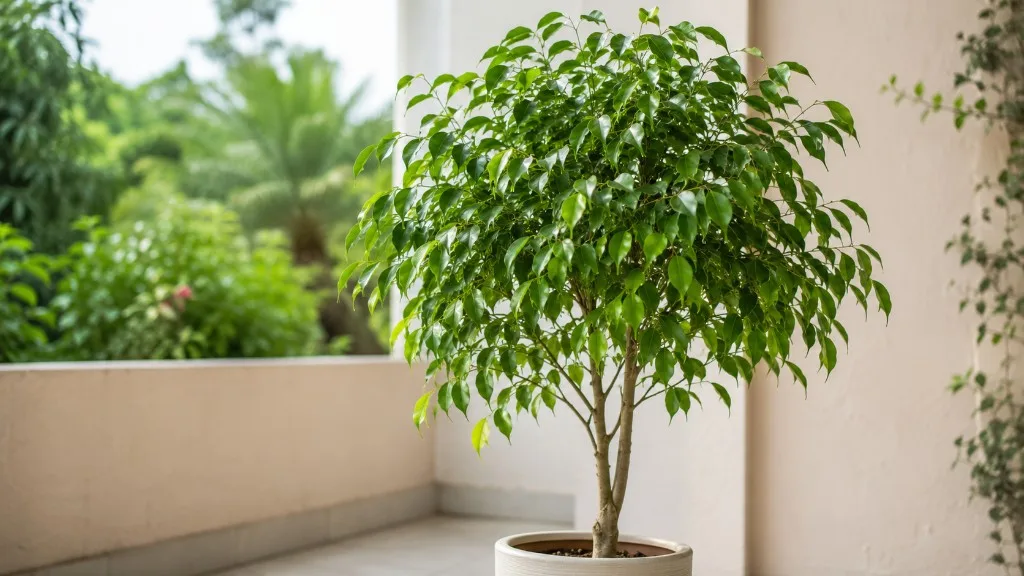
Weeping fig is beloved for dense green canopy and relatively easy culture in bright rooms. Its famous weakness is leaf drop after any environmental change—new home, repot, seasonal light shift. Keep soil lightly moist, let the surface dry between waterings, and do not move it weekly. Easy to medium; toxic to pets.
Rubber Plant (Ficus elastica)
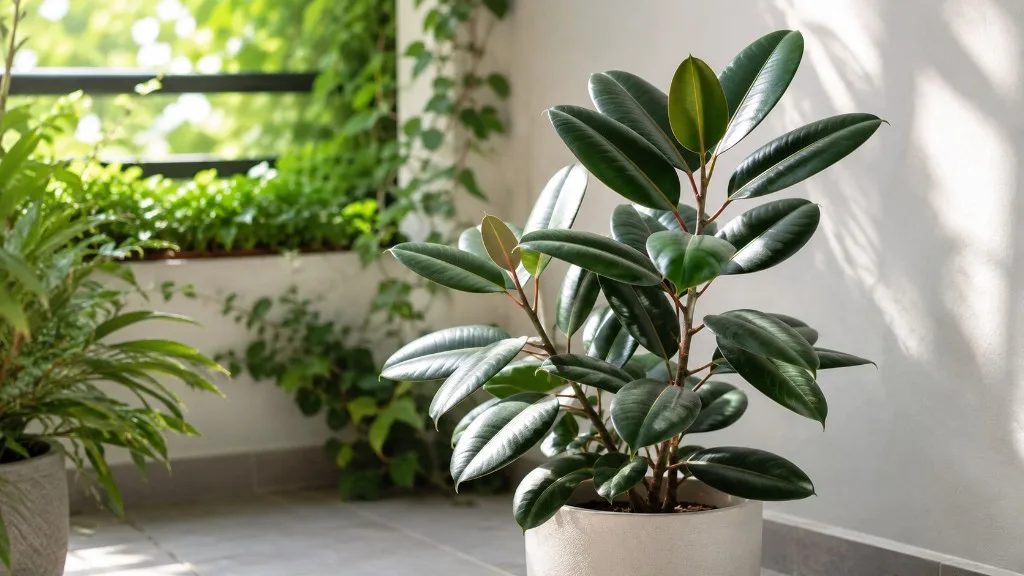
The rubber plant delivers glossy, dark green (or burgundy) leaves on a sturdy upright trunk. It tolerates missed water better than fiddle leaf fig and grows steadily in bright indirect light. Wipe leaves monthly to remove dust; fertilize lightly during spring and summer. Easy; toxic sap.
Dragon Tree (Dracaena marginata)
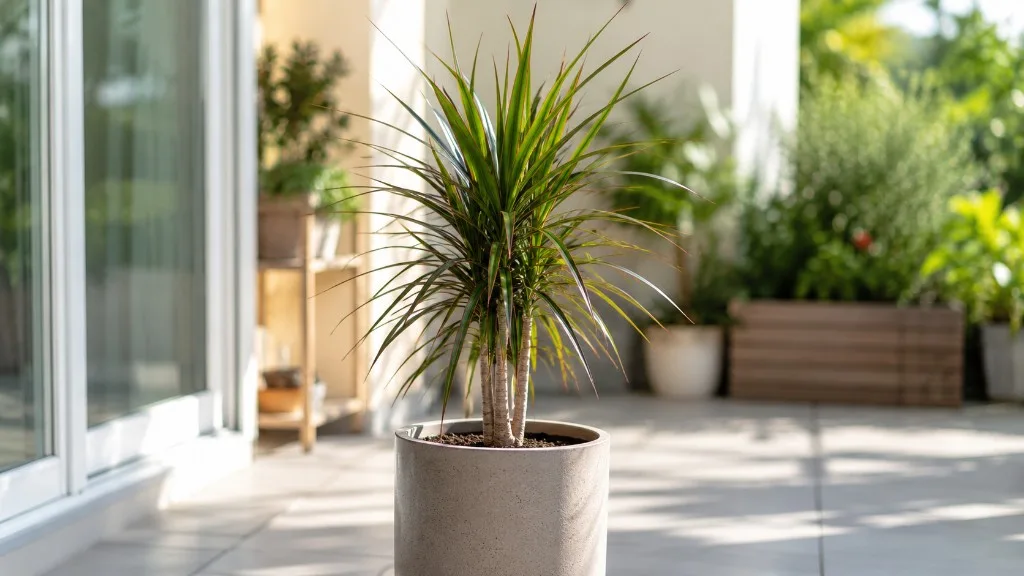
Dragon tree is slow, narrow, and forgiving—ideal for corners and modern interiors. Brown leaf tips usually mean fluoride, dry air, or inconsistent watering, not necessarily thirst. Keep out of direct sun. Easy; toxic to cats and dogs.
Corn Plant (Dracaena fragrans)
The corn plant grows tall canes topped with arching corn-like leaves without eating floor space. It handles less-than-perfect conditions but wants stable humidity and protection from cold drafts. See our corn plant care guide for brown-tip troubleshooting. Medium; toxic to pets.
Palms That Actually Work Indoors
Palms sell the tropical fantasy—but species vary wildly in difficulty. Match the palm to your light and humidity before you fall for fronds in the nursery.
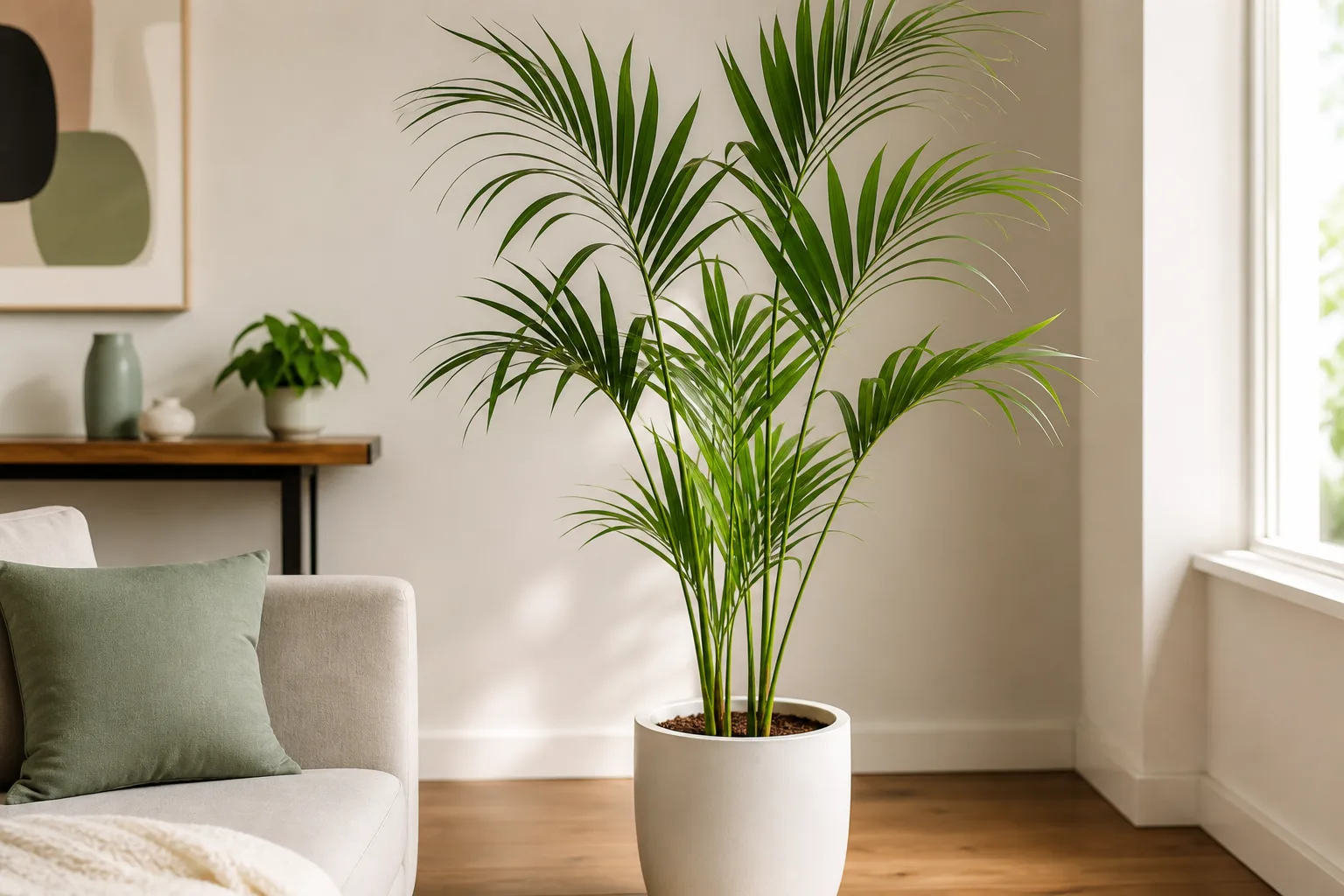
Parlor Palm (Chamaedorea elegans)
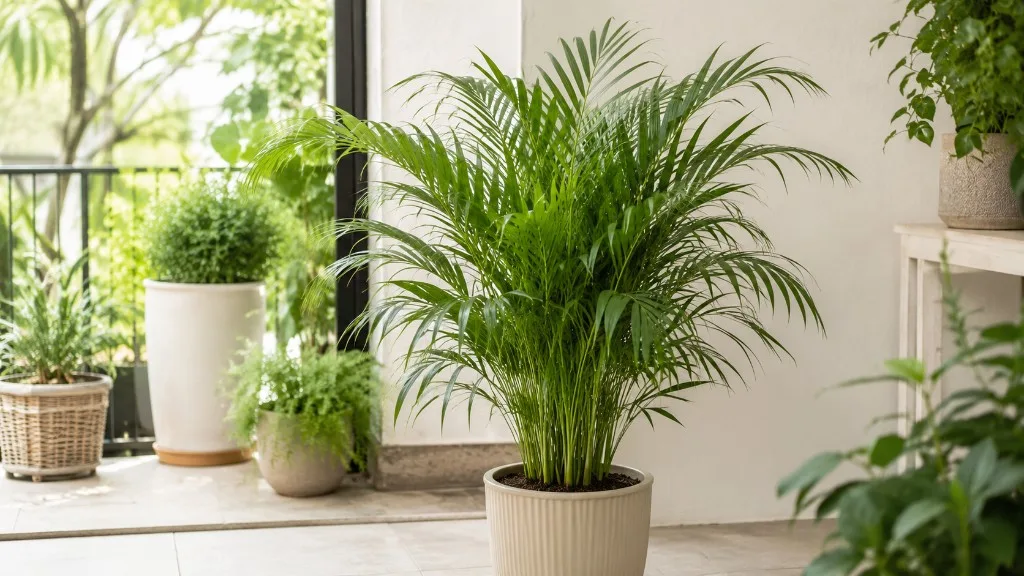
The parlor palm is the Victorian classic for a reason: it tolerates lower light than most palms and stays manageable indoors. RHS guidance emphasizes avoiding overwatering—let the top inch dry—and keeping temperatures above 50°F. (RHS) Easy; non-toxic.
Lady Palm (Rhapis excelsa)
Lady palm is one of the best low-light large plants, with slow growth and fan-shaped fronds. Protect from direct sun that burns leaf tips. Easy; non-toxic and excellent for pet homes.
Areca Palm (Dypsis lutescens)
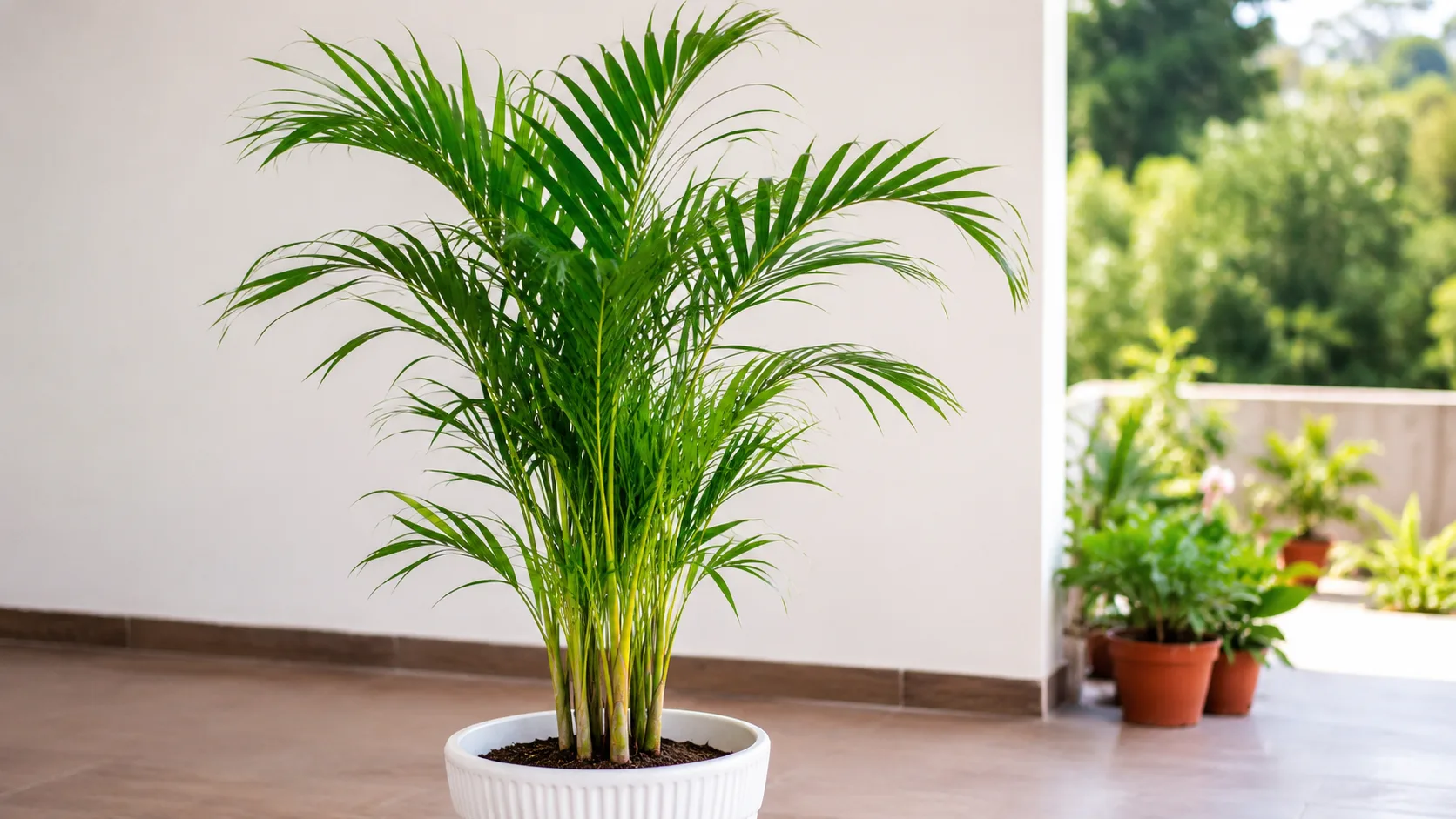
The clumping areca palm (bamboo palm) needs bright indirect light and consistent moisture—dry air browns tips quickly. Slow repotting schedule; non-toxic. Medium care.
Majesty Palm (Ravenea rivularis)
Majesty palm looks lush in stores and struggles in dry homes without bright light and humidity. Treat as hard unless you can run a humidifier and keep soil evenly moist—not waterlogged. Non-toxic but high maintenance.
Kentia Palm (Howea forsteriana)
Kentia palm is the designer pick for elegance and tolerance of indoor conditions once established. Young plants prefer bright indirect light; mature specimens handle more sun. Moderate watering; non-toxic. Easy after acclimation.
Fountain Palm / Chinese Fan Palm (Livistona chinensis)
Fountain palm adds wide, fan-shaped leaves in bright indirect light. Keep lightly moist and away from heating vents. Easy to medium; non-toxic.
Fishtail Palm (Caryota mitis)
Fishtail palm’s jagged fronds are striking but the species needs warm, humid rooms and time for leaf cleaning. NC State lists it for zones 8–11 outdoors—it is not a cold-tolerant landscape palm in most of the U.S. Medium; toxic if ingested.
Compact and Beginner-Friendly Indoor Trees
These trees forgive busy schedules, smaller ceilings, or less-than-perfect windows.
Jade Plant (Crassula ovata)
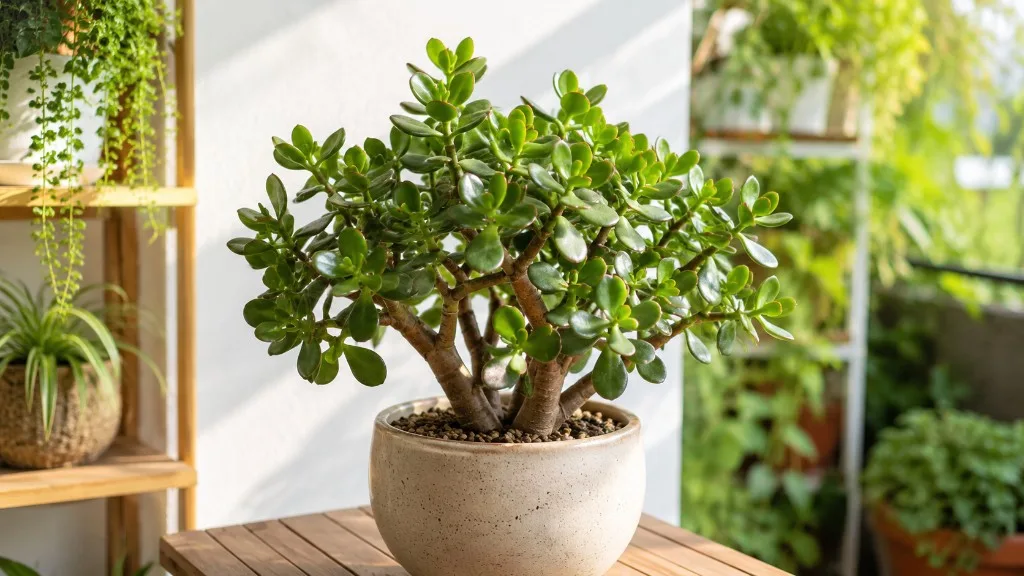
Jade plant is the lowest-maintenance “tree” here—succulent leaves, woody trunk, and tolerance of dry soil. Water every few weeks, give bright light, and reduce water in winter. Ideal for beginners; toxic to pets.
Money Tree (Pachira aquatica)
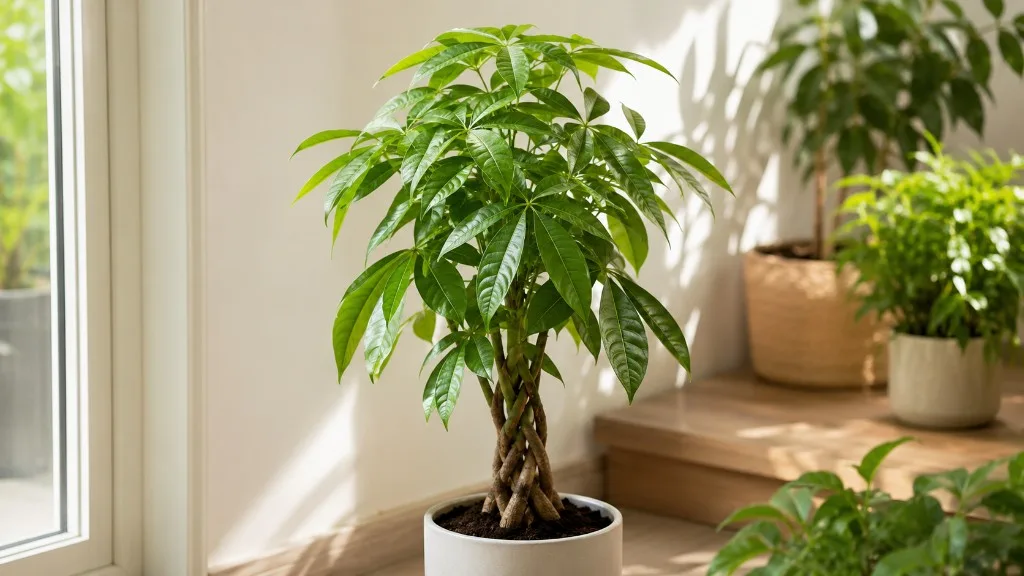
The braided-trunk money tree is non-toxic and handsome in offices and living rooms. It wants bright indirect light and deep watering followed by drying at root depth—never leave the pot in standing water. Medium care.
Ponytail Palm (Beaucarnea recurvata)
Ponytail palm stores water in its swollen base, so it survives vacations better than most trees. Bright light and sparse watering—monthly in winter—keep it compact for years. Easy; non-toxic.
Norfolk Island Pine (Araucaria heterophylla)
Norfolk Island pine is sold as a mini Christmas tree but lives year-round with cool, bright conditions—not hot, dry furnace air. It is not a hardy outdoor pine in most climates. Medium; non-toxic.
Umbrella Tree (Schefflera spp.)
The schefflera umbrella tree handles moderate light and adds glossy, hand-shaped leaves. Watch for scale and spider mites when air is dry. Keep soil moist but not soggy. Medium; toxic.
Fruiting, Culinary, and Specialty Indoor Trees
These trees reward cooks and collectors—but read the difficulty honestly before you commit.
Kumquat (Citrus japonica)
Kumquat tolerates containers better than many citrus and can fruit indoors with enough sun and a cool winter period. Use excellent drainage; soggy roots kill faster than drought. Medium; toxic to pets.
Bay Laurel (Laurus nobilis)
Bay laurel gives you fresh cooking leaves and responds well to pruning. It wants bright light, tight pots, and drying between waterings—overwatering is the main killer. Easy to medium; toxic to pets.
Guava (Psidium guajava)
Guava needs tropical heat, humidity, and sun—hard indoors unless you can summer it outdoors. Foliage is attractive even without fruit. Non-toxic fruit; challenging culture.
Calamondin Orange (Citrus × microcarpa)
Calamondin is among the easier indoor citrus for small tart fruits if light is strong. Wipe leaves to prevent mite buildup. Medium; toxic to pets.
Mini Olive Tree (Olea europaea)
Olive wants six hours of direct sun daily and careful watering—never bone dry, never soggy. Dwarf forms suit containers; expect slow growth indoors. Medium; non-toxic.
Lemon Cypress (Cupressus macrocarpa ‘Goldcrest’)
Lemon cypress offers chartreuse, lemon-scented foliage in a compact cone—excellent for bright windows. Water when the top soil dries; do not let it desiccate completely. Medium; non-toxic.
Ginseng Ficus (Ficus microcarpa)
Ginseng ficus is a bonsai-style tree with swollen roots and small leaves—perfect for desks that graduate to plant stands. Bright light and moderate moisture; mist if air is dry. Medium; toxic.
Bold Foliage Accents
When you want texture and height without a palm or ficus silhouette, these three fill the gap.
Dieffenbachia (Dumb Cane)
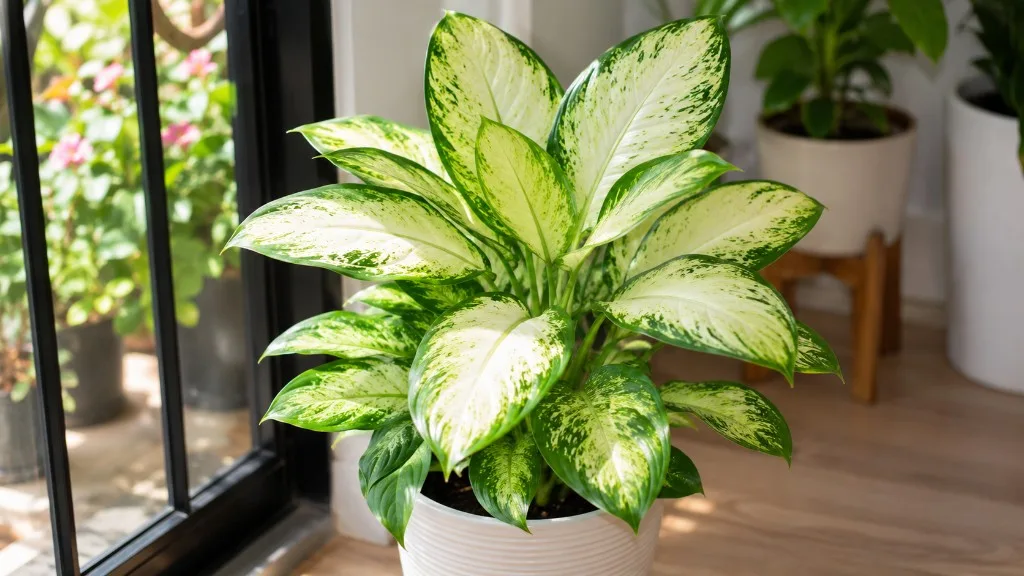
Dieffenbachia grows fast in bright indirect light and adds mottled, tropical leaves. Sap is highly toxic—keep away from pets and children. Let the top two inches dry before watering. Easy growth; serious toxicity.
False Aralia (Plerandra elegantissima)
False aralia offers finely cut, copper-to-green leaves on a narrow upright habit. It prefers stable humidity and bright indirect light without scorching sun. Easy to medium.
Ming Aralia (Polyscias fruticosa)
Ming aralia brings feathery, fern-like foliage on woody stems—slow but striking. Keep above 60°F and away from drafts; weekly watering when the top inch dries. Medium; toxic to pets.
First-Month Care and Common Failure Modes
New indoor trees almost always shed older leaves while adjusting—different light, humidity, and watering rhythm than the greenhouse. Only panic if new growth yellows or wilts.
Watering: Indoor trees generally need less water than outdoor specimens because lower light slows transpiration. Check soil depth with your finger or a moisture meter; never rely on a fixed weekly calendar. University of Maryland Extension notes that most houseplants—including trees—benefit from fertilizer only during active growth, not as a fix for environmental stress. (University of Maryland Extension)
Leaf drop triggers: drafts, heat vents, repotting shock, root rot from soggy soil, spider mites in dry winter air, and sudden light reduction. Fix placement and moisture first before fertilizing.
Humidity: Palms, citrus, and fiddle leaf fig appreciate 40–60% relative humidity. Pebble trays, grouping plants, or a humidifier beat misting alone for large canopies.
When to repot: Only when roots circle the pot or water runs straight through. Upsize one inch at a time in spring; fresh soil restores drainage without shocking the root ball.
Conclusion
The best indoor tree for your home is the one that matches ceiling height, window light, and the care you will actually provide—not the one trending on social media. Start with the comparison table, pick two or three candidates, and verify pet safety before you buy. Beginners should lean on jade plant, parlor palm, and rubber plant; design lovers with bright windows can graduate to fiddle leaf fig or dragon tree; pet-safe height comes from money tree and non-toxic palms.
Buy the healthiest specimen you can—firm stems, no soggy soil smell, no widespread yellowing—and give it 30 days of stable care before you rearrange the room again. With the right match, an indoor tree becomes a living piece of furniture that improves every year.