How to Cold Frame Your Garden So Your Veggies Last Year-Round
Learn how to cold frame your garden with the right site, sloped lid, crops, ventilation, watering routine, and winter protection for longer harvests.
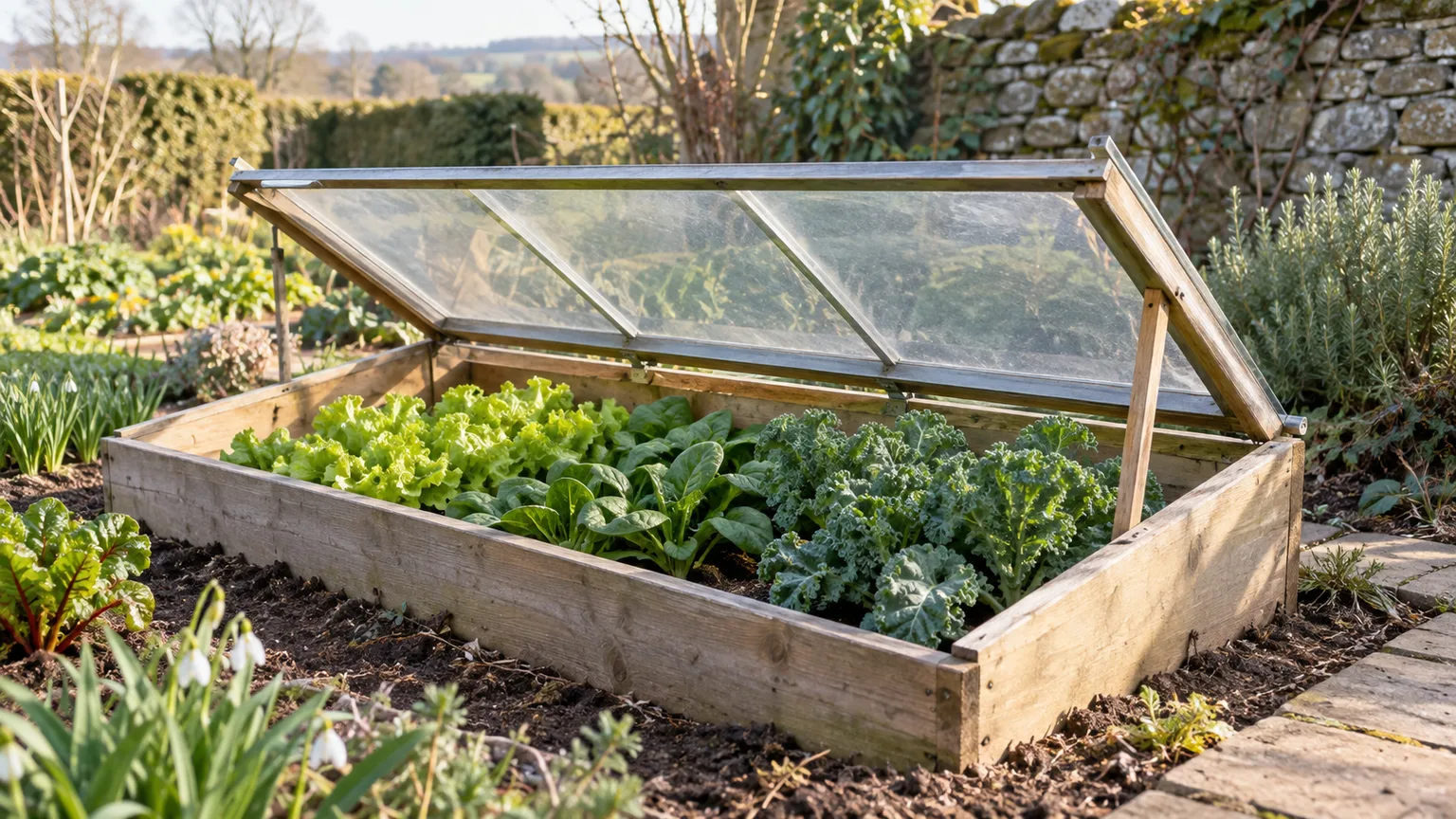
A cold frame is one of the simplest ways to keep harvesting when an open vegetable bed has become too cold. It is a low, bottomless box with a transparent, sloping lid. Sunlight warms the soil and air inside, while the frame reduces wind, rain, and temperature swings around the plants.
The important word is extend, not guarantee. A cold frame can buy useful weeks in spring and fall and protect hardy greens through much of winter, but it cannot turn a lettuce box into a heated greenhouse. Your results depend on winter sun, local lows, the frame’s seal and insulation, the crops’ maturity, and whether you can check the lid every day.
What a cold frame can do—and what it cannot
Think of a cold frame as a passive solar shelter. During the day, sunlight passes through glass, acrylic, or polycarbonate and warms the dark soil and plant surfaces. At night, the closed frame slows heat loss and blocks drying wind, but it does not create heat after the sun goes down.
That makes it useful for three jobs: protecting established cool-season vegetables, giving seedlings a gradual transition outdoors, and getting spring planting started earlier. Washington State University Extension describes cold frames as a low-cost first step into protected growing because they shelter seeds, seedlings, and plants from low temperatures, wind, snow, and rain without the cost or complexity of a larger greenhouse. Read the WSU Extension overview of cold frames and protected growing.
It is not a magic frost shield. A frame may still freeze inside during a long, cloudy cold spell. Plants that need warm soil and warm nights will not thrive simply because a lid is clear. The best cold-frame plan starts with a crop that already tolerates cool conditions, then uses the structure to moderate the worst weather around it.
Choose the job before you choose the frame
The same box can serve different purposes, but the timing and crop choice change with each job. Decide what you want first; otherwise it is easy to build a beautiful frame that is too small for your seedlings, too exposed for winter, or too warm for the crop you planted.
Use a frame to harden off seedlings. Seedlings raised indoors are used to stable temperatures, low wind, and filtered light. Moving them straight into a garden bed can cause sun scorch, wind damage, and sudden cold stress even when the calendar says frost is over. A cold frame gives you a place to lengthen their outdoor exposure gradually.
Start with the lid closed on a mild day, then prop it open for longer periods as the seedlings acclimate. Keep the trays shaded from the strongest midday sun at first, and do not leave tender seedlings in a closed frame on a bright day without checking the temperature. The frame is a transition space, not a reason to skip hardening off.
Use a frame for fall and winter harvests. For fall, sow or transplant crops early enough that they establish before daylight and soil temperatures drop sharply. Lettuce, spinach, kale, arugula, mizuna, radishes, small carrots, beets, scallions, and some herbs are more realistic choices than summer fruiting crops. You are protecting a living crop and harvesting gradually, not expecting vigorous midwinter growth every week.
Many cool-season vegetables slow down when days are short. That is not failure. If plants reach a usable size before the darkest part of winter, a closed frame can hold them in good condition so you harvest leaves as needed. Choose compact varieties, leave room for airflow, and sow in succession rather than filling the entire bed with one planting date.
Use a frame for early spring starts. In late winter and early spring, the frame can warm the root zone earlier than the surrounding garden. Use it for cool-season sowings, transplants, and seedlings that can tolerate chilly nights. The RHS notes that coldframes are useful for hardening off young plants in spring, protecting plants from unsettled weather and the first mild frosts, and warming soil on raised beds. See the RHS coldframe guidance.
Do not confuse an early start with permission to plant tender crops months too soon. If the soil is cold and the forecast includes a hard freeze, tomatoes and peppers may sit still or suffer even when the lid looks protective. Use the frame to shorten the transition to the garden, then move warm-season plants out when local conditions support active growth.
Site it for winter sun, drainage, and shelter
Site is more important than a fancy frame. Choose the brightest place that remains accessible in winter, with direct sun during the part of the day when the low winter sun reaches your yard. A southern or southeastern exposure is a strong starting point in the Northern Hemisphere, but watch the actual shadows from fences, walls, evergreens, and buildings rather than trusting a compass alone.
The ground must drain after rain and thaw. A cold frame over saturated soil creates a cold, airless root zone, and a watertight lid can make it easy to overwater because rain no longer reaches the bed evenly. If the only sunny area puddles, build up the bed, improve drainage, or choose a different spot before assembling the box.
Shelter the frame from prevailing winter wind without shading it. A wall, hedge, or fence on the north side can reduce wind exposure, but leave enough clearance to open the lid fully, clean the glazing, repair hinges, and walk around the frame. Fine Gardening likewise recommends a sunny southern or southeastern exposure, good drainage, a sheltered north side, and some clearance for access in its cold-frame plan. Review the Fine Gardening build and siting plan.
If your location receives heavy snow or strong gusts, anchor the frame and design for those loads. A lightweight portable frame is convenient, but it is easier for wind to shift or overturn. Place a thermometer inside the frame at plant height, not directly against the lid, so your decisions are based on the microclimate rather than the weather app alone.
Pick a frame style you can actually manage
A permanent frame is best when you have a reliable sunny site and want a dedicated winter bed. It can be sunk slightly into the ground for extra stability and insulation, built from masonry or rot-resistant lumber, and fitted with a durable glass or polycarbonate lid. The trade-off is that you must commit the space to a structure that is difficult to move.
A temporary frame makes sense for a first season or a rental garden. Scrap lumber, bricks, straw bales, an old window, or a clear rigid panel can form a workable enclosure. Temporary does not mean careless: test the lid for sharp edges, make sure rain drains away, and avoid materials with unknown coatings or flaking paint around edible crops.
For an economical first experiment, Mother Earth News’ season-extension roundup collects cold-frame plans built from recycled windows and other low-cost covers. That is a useful reminder that the frame need not be elaborate; the lid, drainage, and daily management matter more than a polished shopping list. See the Mother Earth News season-extension overview.
A portable commercial frame is convenient for patios, small gardens, and gardeners who need to move protection as the season changes. Its lighter construction may lose heat faster and need anchoring. The key buying feature is an adjustable lid or reliable venting system. The RHS warns that lightweight frames are vulnerable to wind damage and that lids should be robust, easy to open, and capable of varying degrees of ventilation.
Build a simple cold frame from a clear lid
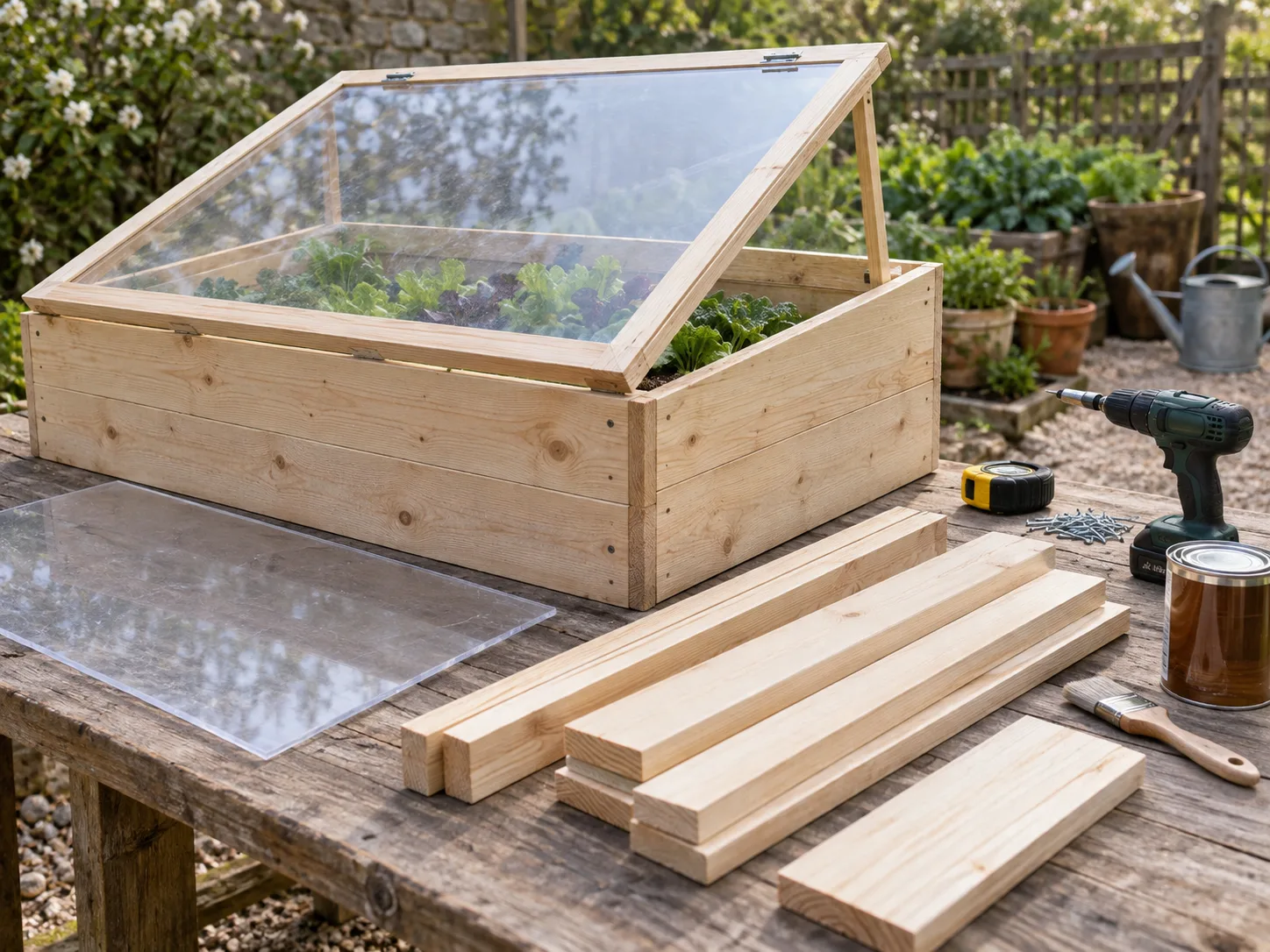
You do not need a complicated plan for a first cold frame. You need a bottomless box, a lid that admits winter light, a slope that sheds rain and snow, hardware that lets you vent it, and a way to secure the lid in wind. Build the smallest useful size that you can reach and monitor easily.
Choose dimensions and materials
A 2-by-4-foot footprint is a practical starting point for a home garden, but the lid you already have may determine the final dimensions. Fine Gardening notes that there is no universal cold-frame size and that a width of about 3 to 4 feet is convenient to reach across. A frame that is too wide encourages you to step into the bed; one that is too large becomes harder to vent and cover during severe weather.
Build the front wall lower than the back wall so the lid slopes toward the winter sun. A front height around 12 inches and a back height around 18 inches works for many compact crops, but adjust the height to the mature plants and the panel. Keep the frame low enough that you can reach the back without leaning on the lid.
Use exterior-grade lumber, brick, stone, or another stable material. If you seal or paint wood, choose a product suitable for use around food crops and follow its curing instructions before planting. A clear rigid panel is lighter and safer to handle than old glass, while sound window sash can be economical if you inspect it carefully.
Build a safe, weather-resistant lid
Attach the lid with strong hinges along the high side so it opens predictably. Add a prop stick or latch that lets you leave a small gap for ventilation; never rely on a loose brick that can slide onto plants. A solar vent opener can lift the lid automatically when the frame warms, but it is a backup for a daily check, not a reason to ignore weather changes.
Seal obvious gaps at the frame, but do not make the box permanently airtight. Plants need air movement, and the lid must open quickly when sunlight raises the inside temperature. If you use old glass, wear eye protection during construction, avoid drilling into glass, and replace any cracked pane before it becomes a falling hazard.
RHS guidance notes that glass is often more effective than plastic for coldframes, while modern rigid polycarbonate can offer useful strength and lower breakage risk. In practice, choose the panel you can obtain, secure, clean, and replace safely. A flawless pane that you are afraid to open is worse than a simple lid you can manage every morning.
Plant crops that match the season
Start with plants that already prefer cool weather. The frame can protect them from wind, wet foliage, and light frost, but it cannot supply the light and warmth of summer once winter days become short. Crop maturity matters too: a fast baby-leaf crop may give you several harvests where a slow, full-size head never finishes.
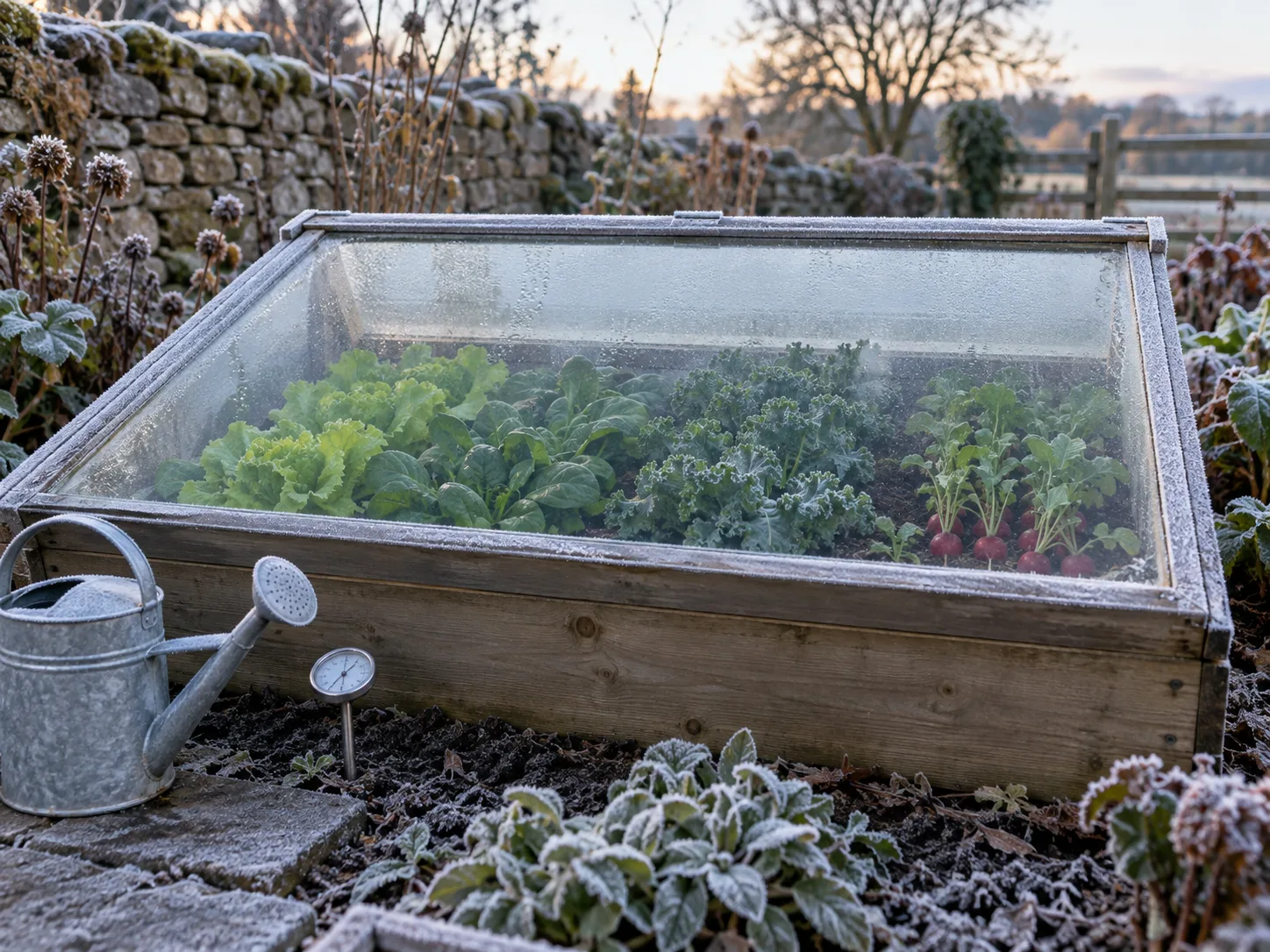
Best cold-frame crops for cool weather
Leafy crops are the easiest place to start. Lettuce, spinach, kale, chard, arugula, mustard greens, and Asian greens can provide harvestable leaves while growth is slowing outdoors. Root crops such as radishes, small carrots, and beets can work when the soil remains workable and the frame is deep enough for the variety.
Brassicas including broccoli, cabbage, and cauliflower can tolerate cool conditions, but their final size, timing, and winter performance vary by cultivar. A frame is useful for young transplants and for protecting a compact fall planting; it does not guarantee a large head if the plant runs out of daylight or room. Peas and scallions can also fit a cool-season plan when the frame height and ventilation are adequate.
UW–Madison Extension specifically notes that spinach can be protected on very cold nights or grown in a cold frame, and that a late-September “winter” crop may grow a little before going dormant. That is a useful model for planning: establish the crop before deep winter, then use protection to preserve it rather than expecting rapid growth in the darkest weeks. Read the UW–Madison spinach guidance.
Space plants so leaves do not press against the lid. Contact with cold glazing can damage foliage, and crowded leaves stay damp longer after condensation. Harvest outer leaves first, remove yellow or diseased tissue, and keep the center of each plant growing.
Where tomatoes and peppers fit
Tomatoes and peppers are warm-season crops, so treat them as a transition use for a cold frame. The frame can shelter young plants while you harden them off, protect a short cold snap, or give fruit a little extra warmth in late spring or early fall. It is not a dependable unheated winter home for a mature tomato or pepper.
If you place tender seedlings in a cold frame, monitor the temperature closely and ventilate early on sunny days. A closed frame can swing from chilly to dangerously hot faster than a gardener expects. Once the plants outgrow the lid or need more airflow, move them to their permanent support and use the frame for cool-season crops.
Manage temperature, ventilation, and moisture every day
Most cold-frame failures come from management, not construction. The clear lid collects heat quickly, and the small air volume changes quickly. RHS guidance emphasizes adjustable ventilation because air movement helps reduce temperature, replenish gases used by plants, and limit fungal problems; it also warns that poor ventilation can create damaging fluctuations.
The morning check
Open or prop the lid on a mild, sunny morning if the inside is warming quickly. Check the thermometer, feel the soil, look for condensation, and inspect the leaves for wilting, scorch, or contact with the panel. A frame can be cold outside and already too warm inside, especially behind a south-facing wall.
Use a small opening on cool bright days and a larger opening when the sun is strong. The correct gap depends on your frame, crop, wind, and weather, so use the thermometer and plant response rather than one universal distance. If the lid is open, secure it against gusts.
Ventilation also helps dry excess moisture. A little condensation in the morning is normal, but water running down the lid onto foliage day after day signals weak airflow or overwatering. Keep the lid clean enough for light to reach the plants, and remove any cover that blocks more light than it saves in warmth.
The evening close
Close and secure the lid before nightfall, especially when frost is forecast. Water early in the day so leaves and the soil surface have time to dry modestly before the temperature drops. Do not close a frame over dripping-wet foliage or a waterlogged bed and expect warmth alone to solve the problem.
On cloudy days, the frame may not warm much, so leave the lid closed unless ventilation or disease pressure requires a gap. On warm spring days, you may need to open it early and leave it ajar for most of the day. When the weather stabilizes, gradually transition hardy plants outdoors rather than creating another abrupt change.
Protect plants during hard freezes, snow, and wind
A light frost and a prolonged hard freeze are different events. When temperatures are forecast to dip just below freezing for a short period, a closed, well-sited frame may be enough for hardy crops. When a severe or long freeze is expected, add a layer of floating row cover or horticultural fleece inside the frame, leaving room so the fabric does not rest heavily on the leaves.
For extra insulation, place removable straw bales, rigid insulation, or blankets around the outside walls, but keep fabric and blankets off the lid if they could block all winter light or fall onto the plants. Remove extra coverings as soon as the danger passes so the bed can warm and breathe.
Snow can insulate a garden, but heavy wet snow can stress a lid or frame. Brush snow away with care using a method that will not crack glazing or push the panel onto the plants. Anchor the frame before winter, check hinges after storms, and never leave a lid propped open when high wind can turn it into a sail.
Water, feed, and harvest without overworking the bed
Water less often than you would in summer, but check the root zone. A closed lid reduces rainfall and slows evaporation, while cool soil also means plants use water more slowly. Push a finger into the soil or use a moisture check before watering; if the top feels damp and the plants are firm, wait.
Water at the soil line in the morning, not over the foliage. Keep the bed evenly moist for newly transplanted seedlings, then allow the surface to dry slightly between waterings once plants are established. Good drainage matters more than a fixed watering schedule. The WSU Extension greenhouse guidance makes the same broader point for protected growing: temperature, airflow, light, water, and nutrients must be managed together rather than treated as separate switches.
Feed lightly and only when plants are actively growing. Winter crops that are barely growing do not need repeated fertilizer applications, and excess soft growth is more vulnerable to cold and disease. Mix finished compost into the bed before planting, then use a gentle, crop-appropriate feeding plan when new growth resumes in spring.
Harvest on a dry day when possible. Take outer leaves, remove damaged tissue, and avoid crushing plants against the lid. Clear spent crops promptly so they do not become a source of pests or fungal disease. A cold frame works best as a succession bed: replace a finished crop with the next cool-season planting instead of waiting for every plant to finish at once.
Troubleshoot the failures that end a cold-frame season
Plants wilt in a closed frame: Check both heat and roots. A sunny lid can raise the air temperature quickly, but wilting can also follow saturated soil and damaged roots. Vent first, then test the soil before watering.
Leaves scorch or turn pale: The frame is likely overheating, receiving too much intense sun for the crop, or trapping condensation against foliage. Open earlier, increase airflow, and consider temporary shade during unusually bright warm spells.
Growth is weak and stretched: The frame may be too shaded, the lid may be dirty, or winter light and temperature may be too low for the crop. Clean the glazing, remove a nearby obstruction if possible, and switch to a crop suited to the season rather than adding fertilizer to a light problem.
Plants rot at the base: Inspect drainage, spacing, and watering. A cold frame with a sealed lid and heavy soil can stay damp for days. Improve the growing medium before planting again, and increase ventilation when condensation persists.
The frame freezes through: Check the forecast and the crop’s actual hardiness. Add an inner row cover for short cold events, improve wind shelter, and use thermal mass such as a few water containers only if they are stable and cannot spill. If deep freezes are routine, a low tunnel or insulated greenhouse may be a better tool.
The lid blows open or shifts: Add hinges, latches, stakes, or anchor points. Wind damage is a structural problem, not a crop-care problem. Replace cracked glazing and do not rely on a heavy object balanced on a transparent lid.
Plan a year-round cold-frame calendar
Late winter: Clean the lid, test hinges, check the frame for rot, repair drainage, and prepare a short list of cool-season crops. On sunny days, measure how quickly the inside warms before placing seedlings in it.
Early spring: Sow or transplant hardy greens, radishes, scallions, and other crops that can use a head start. Begin hardening off indoor seedlings with short periods of ventilation, then open the frame longer as weather allows.
Late spring and summer: Vent aggressively and decide whether the frame is still useful. It may protect tender transplants, grow herbs, or serve as a propagation space, but it can become too hot for greens. Remove or store temporary covers when they no longer help.
Late summer and fall: Rebuild the soil, sow the next cool-season succession, and transplant before nights become consistently cold. This is when a cold frame shifts from a spring nursery to a harvest-preservation tool.
Winter: Harvest selectively, water only when the soil needs it, close the lid before frost, and use inner row cover or exterior insulation during severe weather. Vent on bright days even when the air outside feels cold, then secure the lid before evening.
This calendar is a framework, not a date list. Use your local frost dates, winter sun, forecast, crop maturity days, and the temperature inside the frame to move each step earlier or later.
Know when a row cover, low tunnel, or greenhouse is better
Choose a floating row cover when you need inexpensive frost and insect protection over a row and do not need a rigid lid. It is quick to deploy but offers less protection from wind and heavy rain, and it does not provide the same easy access or rigid workspace.
Choose a low tunnel when you need more length than a cold frame provides. Hoops and clear fabric or plastic can cover several feet of bed, but the tunnel may need more careful anchoring and side ventilation. It is a useful middle ground for row crops and succession plantings.
Choose a greenhouse when you need headroom, walk-in access, larger plant volume, or the option to add active ventilation, heat, or lights. WSU Extension notes that larger protected structures require more planning and management for site, utilities, temperature, humidity, water, light, and disease. A cold frame is cheaper and simpler precisely because it provides less control.
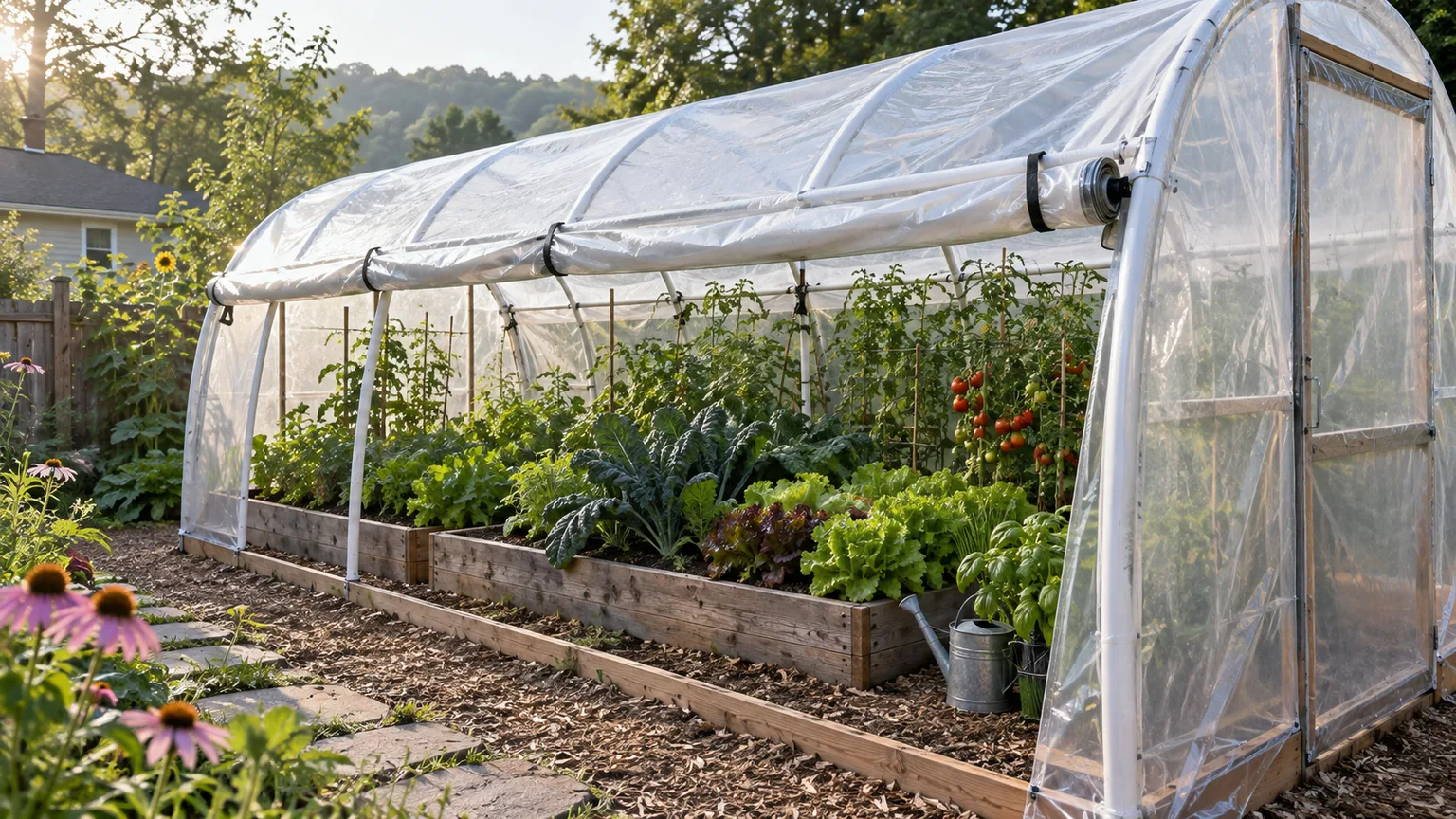
The right comparison is not “which structure is best?” It is “which structure matches the crop, footprint, budget, and time I can give it every day?” For a small winter salad bed, a cold frame may be ideal. For rows of carrots or a long fall planting, a low tunnel may be more efficient. For tomatoes in a short, cool summer, a greenhouse may solve a problem a cold frame cannot.
Conclusion: treat a cold frame as a seasonal tool
Cold frame gardening works when the structure, crop, and routine agree. Place the frame where winter light reaches it, keep the base well drained, slope and secure the clear lid, start with hardy crops, and check the inside every day that weather changes.
The most productive frame is not necessarily the largest or most expensive. It is the one you can vent before a sunny morning becomes a hot afternoon, close before frost, water without flooding, and protect when wind or snow arrives. Use it to extend a crop’s natural season, and your garden can keep supplying greens well beyond the open-bed calendar without pretending that winter is summer.