24 Eggplant Companion Plants: Good and Bad Neighbors
Plan eggplant companion plants by spacing, timing, pest habitat, and crop rotation—with 24 good neighbors and clear plants to avoid.
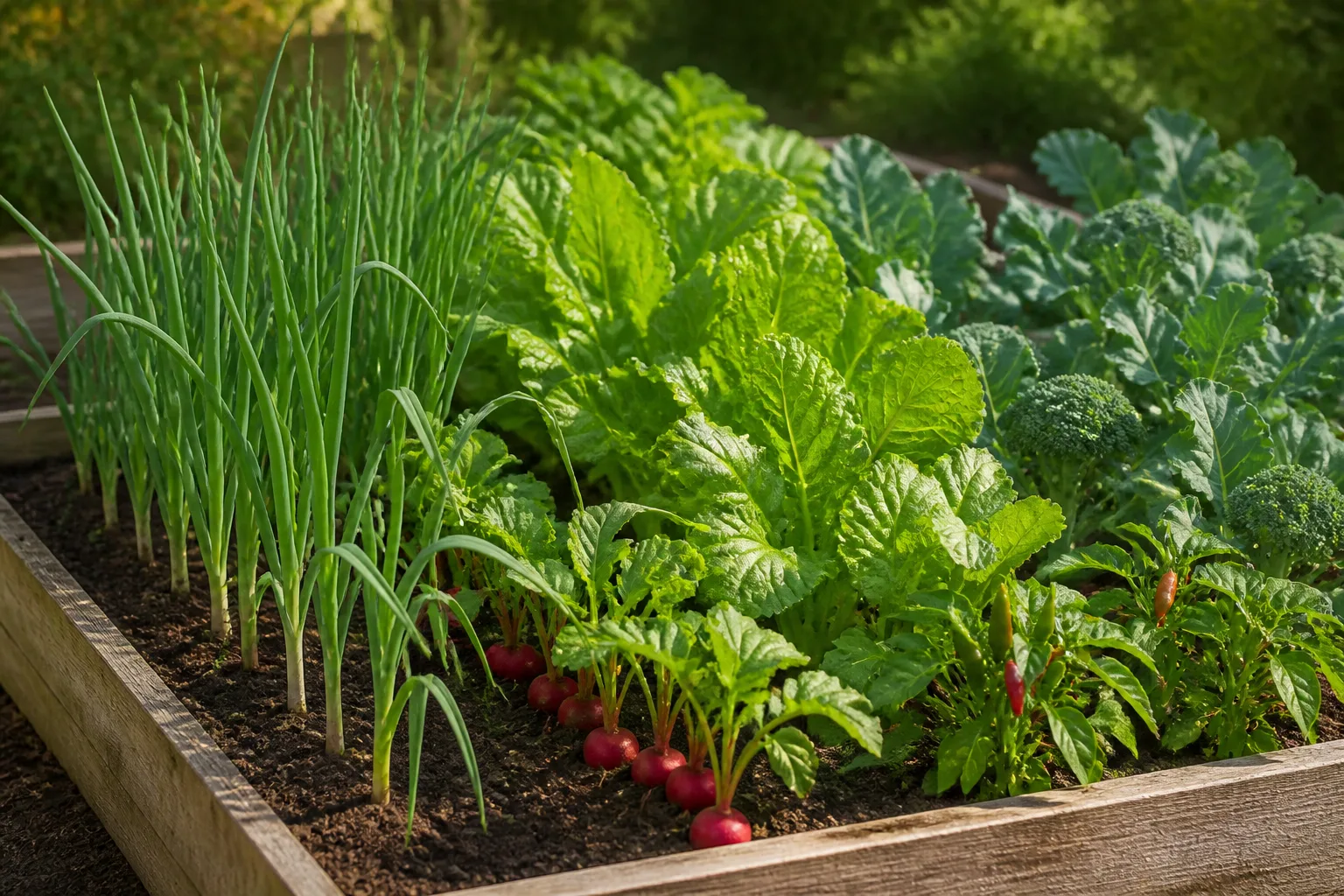
Eggplant (Solanum melongena) is a warm-season crop that rewards sun, steady moisture, and room to grow. Eggplant companion plants can make that bed more productive by filling unused space, adding flowers for beneficial insects, fixing nitrogen, or finishing a harvest before the eggplant canopy closes. They cannot replace crop rotation, staking, scouting, or labeled pest control when damage is already present.
If you are staring at a 4×8 raised bed and a tray of eggplant seedlings, the companion list can feel overwhelming. Twenty-four “good” plants does not mean twenty-four plants in one square. The list below is a menu grouped by the job each plant can do—flowers, herbs, nitrogen, quick harvest, or careful nightshade mixing—so you can pick four or five neighbors that fit your climate and bed size instead of planting everything at once.
Companion planting means placing two or more crops together to gain a practical advantage—efficient use of space, habitat for pollinators and predators, a different harvest window, or a living mulch that keeps soil covered. University of Minnesota Extension notes that claimed benefits vary by crop and combination, so treat each pairing as a design choice backed by spacing and timing, not a guarantee. University of Minnesota Extension companion planting
What it is not
Companion planting is not a substitute for integrated pest management. A marigold at the corner does not cancel out flea beetle pressure on young leaves, and basil beside a stem does not make wet, crowded foliage safe from disease. The useful question is not “which plant repels everything,” but “which neighbor shares this bed without stealing light, water, or root space—and what job does it do before midsummer?”
WVU Extension is equally cautious: companion planting can support a healthy garden, but results depend on the specific crops, the site, and how you manage pests and fertility over the season. WVU Extension companion planting Read the list as a planning tool, not a promise of pest-free fruit.

The four tests every neighbor must pass
Before you tuck 24 names into one bed, run four quick tests. A plant that fails two of them can still live in your garden, but it belongs in another row, a pot, or next season—not pressed against eggplant stems.
Light and mature size
Eggplant needs full sun and becomes a broad, upright plant by midsummer. Low herbs, quick greens, and short flowers fit the sunny front edge. Tall sunflowers, untrellised cucumbers, and vigorous squash belong elsewhere unless you plan height and shade direction on paper first. Mark mature spread on a sketch before you buy seedlings so the bed still makes sense in July.
Water and nutrient fit
Eggplant is a moderate-to-heavy feeder that wants consistent moisture while fruit develops. Rosemary, thyme, and sage can work on the dry outer edge or in separate pots; mint and lettuce want more regular water. Group plants by irrigation habit so you are not drowning one crop to keep another alive.
Eggplant’s biggest garden challenges
Young eggplant transplants are especially vulnerable to flea beetles, which pepper leaves with tiny shot holes. Colorado potato beetles, aphids, spider mites, and whiteflies also target nightshades. NC State Extension recommends scouting, removing damaged leaves, and using barriers or labeled controls when populations build—companions support that routine; they do not replace it. NC State Extension eggplant
Flea beetles and Colorado potato beetles
Flowers and herbs that attract hoverflies, parasitic wasps, and lady beetles can add biological diversity to the bed. WVU Extension describes companion planting as one tool among many for home gardens, best combined with rotation, sanitation, and timely planting. WVU Extension companion planting For flea beetles specifically, floating row covers on young plants often matter more than any single neighbor—remove covers when plants flower if you need bee access.
Hand-pick Colorado potato beetle adults and larvae when numbers are low, and destroy egg masses on leaf undersides before they hatch. Companion diversity helps most when you are already scouting on a schedule; it does not replace the first walk through the bed after a warm weekend.
Eggplant companion plants at a glance
| Companion | Main job | Typical placement | Main caution |
|---|---|---|---|
| Marigold | Flowers; root-zone diversity | Bed edge | Not a pesticide |
| Nasturtium | Edge color; possible trap crop | Outer border | Scout and remove if infested |
| Calendula | Pollinator flowers | Corner or edge | Replace spent plants |
| Borage | Pollinator magnet | Back edge; needs space | Can grow tall |
| Basil | Edible warm-season herb | Sunny front edge | Keep airflow open |
| Beans / peas | Nitrogen; lower crop | Side of bed | Do not shade stems |
| Radish / lettuce / spinach | Quick harvest | Between young plants | Pull before canopy closes |
| Onion / garlic / chives | Upright allium edge | Front or side | Shared rotation planning |
| Pepper / tomato | Same-season nightshade | Wide spacing only | Disease and pest overlap |
| Dill / oregano | Herb + beneficial insects | Outer edge | Dill can get tall |
| Mint | Aromatic edge | Container or sunk pot | Invasive roots |
| Carrot / beet / turnip | Root or leaf crop below canopy | Between plants | Harvest on time |
| Kohlrabi / brassicas | Cool-season gap filler | Early interplant | Competing pests if crowded |
| Swiss chard | Leaf crop in light shade | Side with afternoon shade | Do not crowd trunks |
The table is the fast reference. The full list below maps each name to a job so you can shop with a plan: marigolds, nasturtiums, calendula, and borage for flowers; beets, spinach, lettuce, radishes, carrots, turnips, and Swiss chard for timing and root zones; onions, garlic, and chives for narrow edge foliage; beans and peas for nitrogen; basil, dill, oregano, and contained mint for herbs; tomatoes, peppers, and potatoes for careful nightshade mixing; and kohlrabi with other brassicas for cool-season gaps.
Flowers that support the bed
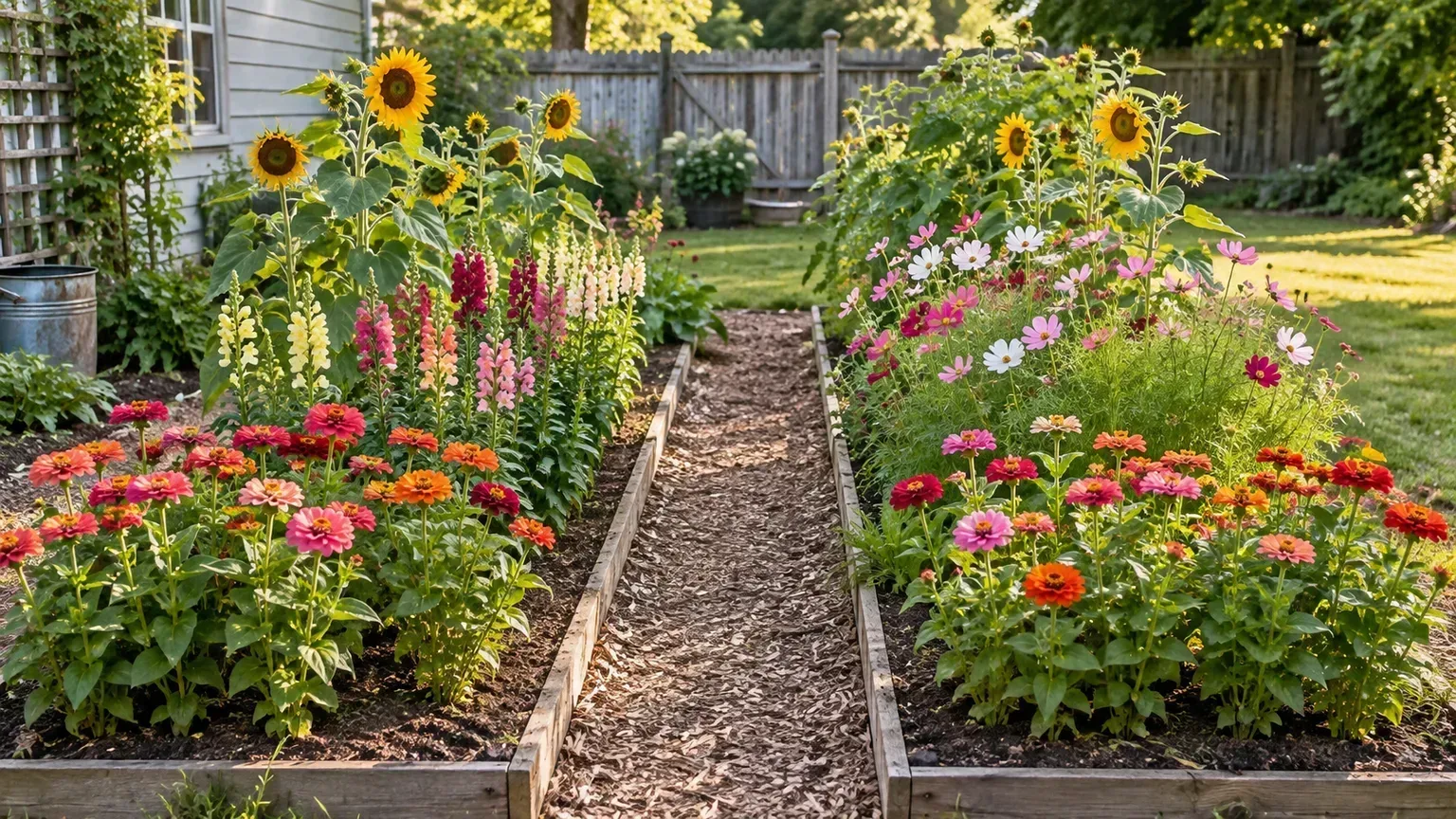
Flowers earn their space when they bloom across the season, stay manageable in size, and sit where they will not smother eggplant stems after the first heat wave.
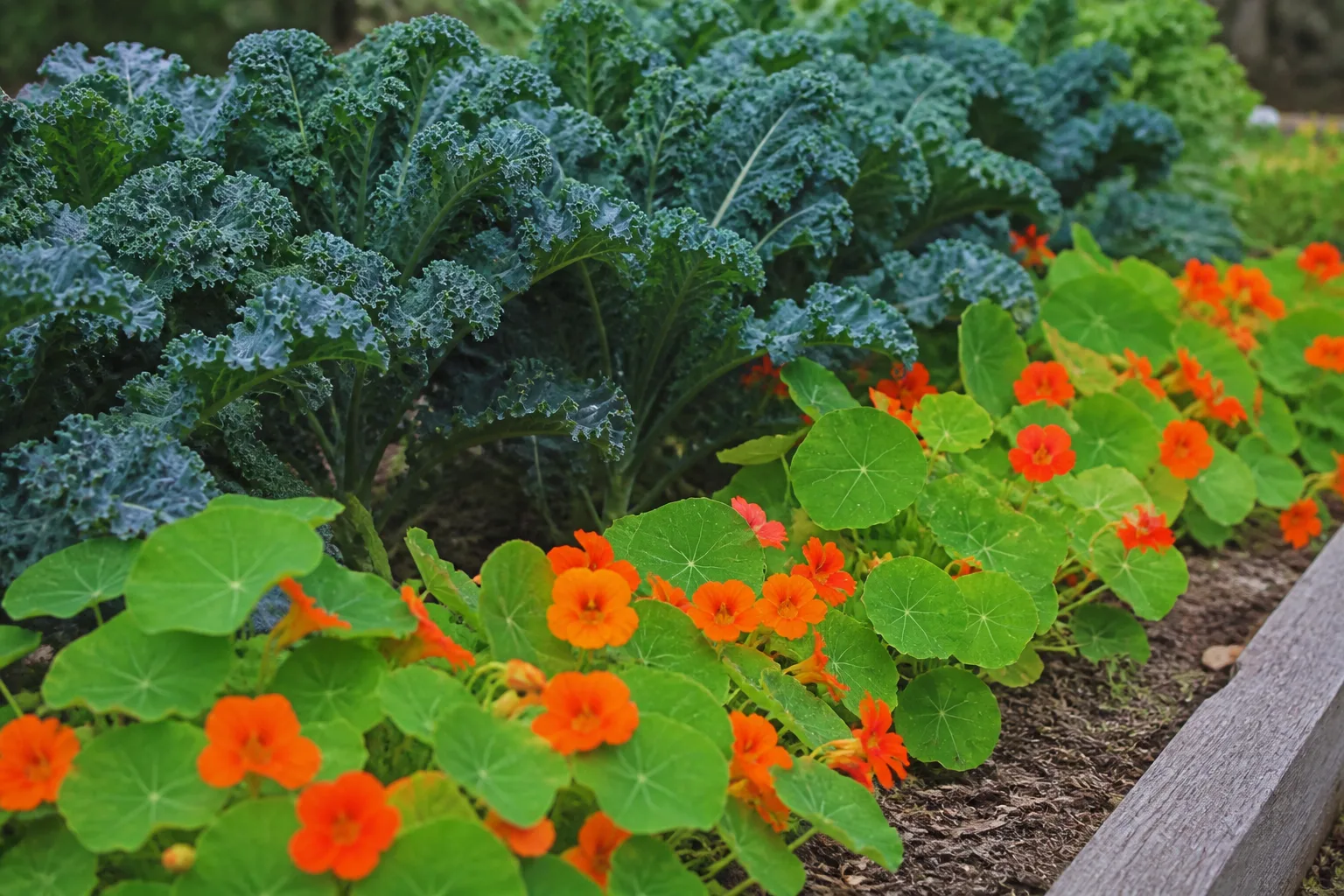
Marigolds, nasturtiums, calendula, and borage
Marigolds—especially French types (Tagetes patula)—are the classic eggplant edge plant. Gardeners use them for color, continuous flowers, and root-zone diversity in mixed beds. Research on marigolds and nematodes is crop- and species-specific; in a home vegetable bed, the practical win is a long-blooming border you can plant 12 inches from eggplant stems and replace if it becomes ratty. Do not assume one marigold exempts you from weekly leaf checks.
Nasturtiums work best as an outer border or trailing edge where aphids and flea beetles may concentrate on their soft leaves instead of eggplant—then you remove heavily infested plants before pests move inward. Treat them as a monitored trap crop, not a permanent shield.
Calendula adds orange or yellow flowers that feed hoverflies and other beneficial insects. Plant at a corner where you can reach spent blooms and keep the center of the bed open.
Borage draws bees with star-shaped blue flowers and can improve pollination traffic through the garden. Allow 2–3 feet of height at the back of the bed; borage self-seeds readily, so deadhead if you do not want volunteers next year.
If you only add one flower strip this year, start with marigolds plus calendula on opposite corners. That gives you continuous color, two different flower shapes for insects, and an easy edge to replant if one species fades in August heat.
Herbs for the sunny edge
Aromatic herbs fit eggplant’s warm-season timing and let you harvest while the main crop grows. Their strongest realistic benefit is habitat and masking scent at the soil surface—not a force field around every leaf.
Basil, chives, dill, oregano, mint, and garlic
Basil is the most useful culinary match: same heat preference, similar planting date, and a low profile that sits well on the sunny front edge. Plant three or four basil plants per eggplant, leaving enough space for air to move between stems. Basil may bolt in extreme heat; harvesting regularly helps more than any claimed flavor transfer to fruit.
Chives and garlic add upright, narrow foliage that uses little horizontal space. Dill attracts beneficial insects when allowed to flower; place it on the outer edge where its height will not shade fruit. Oregano and thyme stay low and suit the drier side of the bed.
Mint repels nothing if it escapes into the root zone. Grow mint in a sunken pot or container set beside the bed, not directly in the same soil as eggplant. Cut back runners before they cross the bed line.
A practical herb edge for one eggplant might be two basil plants, one chive clump, and a sunken mint pot on the outside corner. That gives you harvestable greens, upright allium foliage, and fragrance at the soil line without turning the front of the bed into a solid wall of leaves.
Nitrogen-fixing and quick-harvest vegetables
Eggplant pulls nitrogen and potassium during fruit set. Legumes and fast crops solve a different problem: they use time and height the eggplant has not claimed yet.
Beans, peas, radishes, lettuce, spinach, and beets
Bush beans are the easiest legume match. Sow or transplant them beside eggplant—not under the eventual canopy—so you can pick beans while eggplant is still filling out. Nitrogen fixation ramps up several weeks after germination; timing beans a week after eggplant transplant aligns with early growth demand.
Peas fit cool-climate spring beds where they finish before eggplant needs maximum heat. In hot climates, skip peas in the same slot and use beans instead.
Radishes, lettuce, and spinach are interplant winners because they mature in 30–45 days. Sow between young eggplants the same day you transplant, then harvest before leaves touch and humidity builds at the soil line.
Beets aerate lightly as roots develop and can share the row if you thin on schedule. Onions occupy narrow vertical space; they are not miracle pest repellents, but they pair well with a tidy front edge when rotation allows.
The interplant pattern that works reliably in small gardens is radish → lettuce → eggplant. Sow radishes and lettuce between transplants on planting day, eat those crops within six weeks, then let eggplant claim the vertical space. Add bush beans on the side a week later so you are harvesting beans while eggplant is setting its first fruit.
Nightshades, brassicas, and root crops
This group causes the most arguments online because every plant is “compatible” on a chart until you account for shared pests, disease, and mature spread.
Tomatoes, peppers, potatoes, and brassicas
Tomatoes and peppers share eggplant’s sun and fertility needs and can live in the same large bed if you widen spacing to 24–36 inches between mature plants and keep foliage dry. All are nightshades; Colorado potato beetle, early blight, and verticillium do not respect companion labels. Rotate the whole Solanaceae group to a different bed next season.
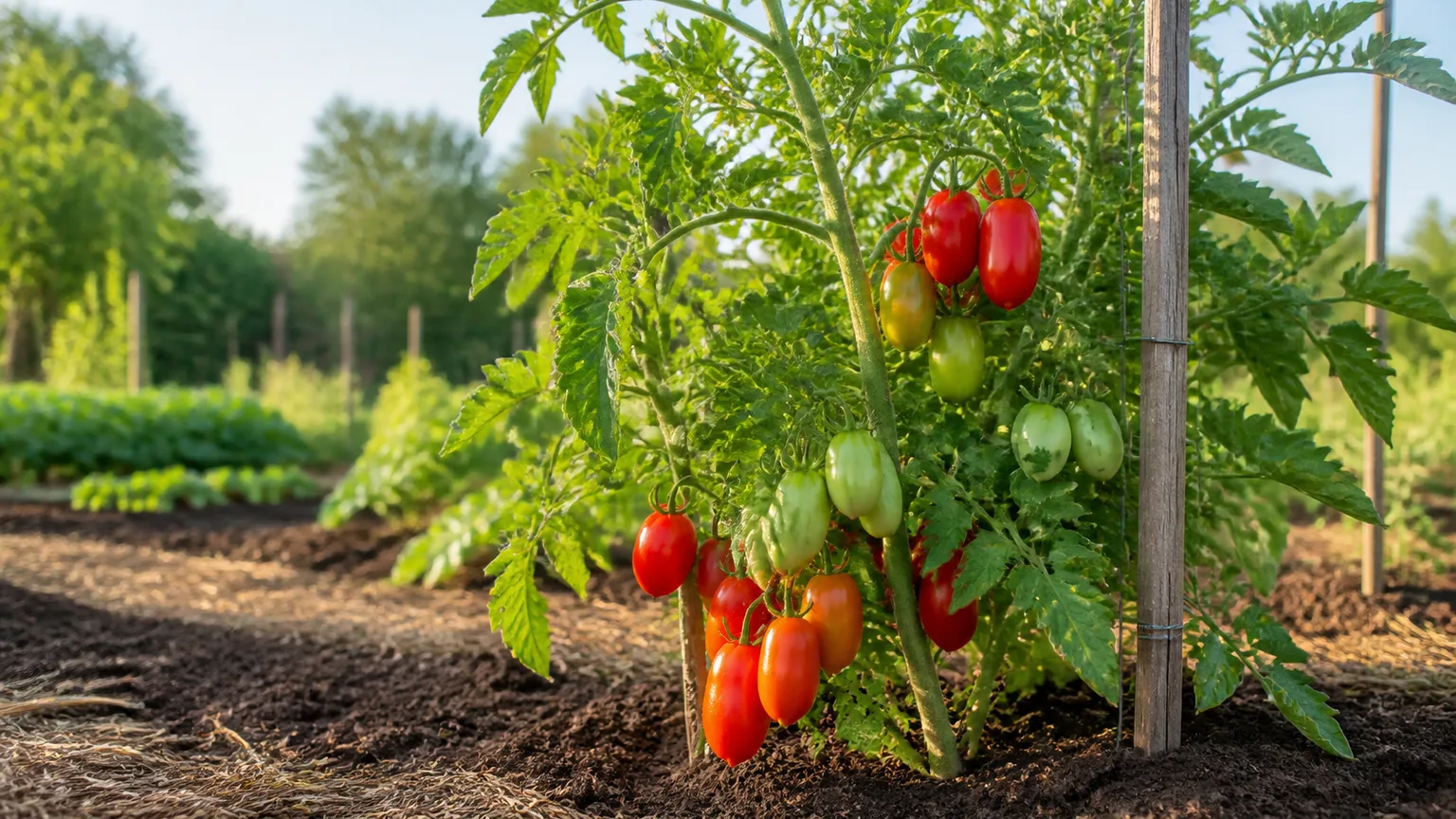
Potatoes overlap in family but often differ in harvest timing—early potatoes can clear space before eggplant peaks. Still, do not stack potato and eggplant in the same small square year after year.
Brassicas—kale, broccoli, cauliflower, mustard, and kohlrabi—can fill cool gaps if transplanted early and harvested before eggplant shades them. They attract a different pest set (cabbage worms, flea beetles) that can complicate scouting in a tight bed. Use them as short-term interplants, not permanent neighbors packed against stems.
Carrots, kohlrabi, turnips, and Swiss chard
Carrots and turnips use below-ground space and tolerate light shade once the eggplant leaf canopy expands—provided you sow early and pull on time.
Swiss chard handles partial shade from eggplant better than head lettuce in hot summers. Plant chard on the side that receives afternoon shade from the eggplant, not directly under wet, low leaves.
Onions and garlic from the allium group fit the front edge when you want narrow, upright companions that will not compete for the eggplant canopy. Kohlrabi and turnips behave like other brassicas and root crops: useful as early interplants if you harvest before flea beetle season peaks on both crops.
When mixing nightshades, think in rotation blocks, not individual plants. A bed with eggplant, two peppers, and one determinate tomato can work in year one if spacing is wide and you scout weekly. That same combination in the same soil three years running is how Colorado potato beetle and blight become permanent residents.
Plants to keep away from eggplant
Some pairings fail for clear physical reasons; others fail because they concentrate disease or release growth inhibitors.
Fennel releases allelopathic compounds that stunt many vegetables, including nightshades. Grow fennel in an isolated bed or container at least 6 feet from eggplant, or skip it in small gardens entirely. WVU Extension companion planting
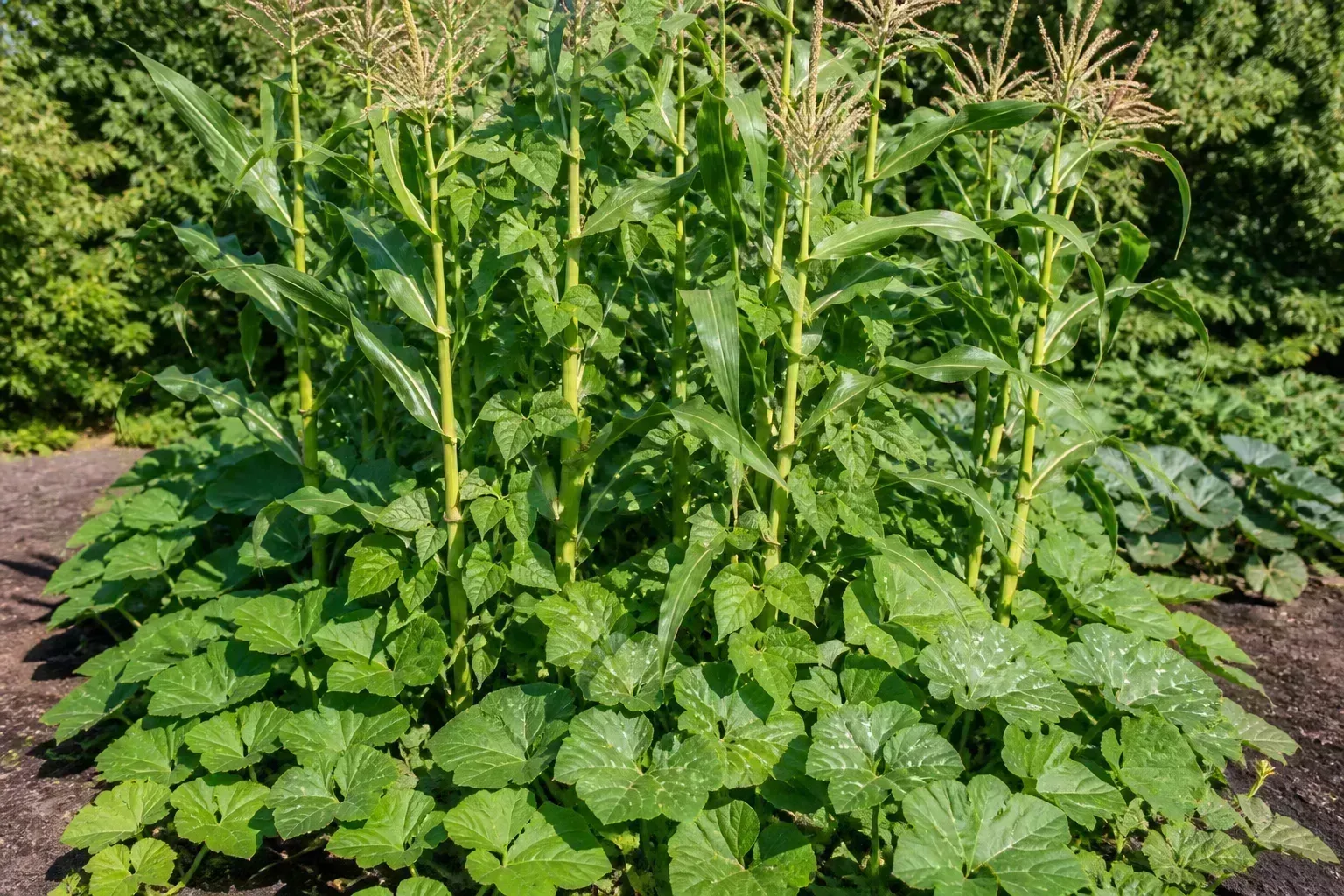
Corn, melons, pumpkins, and zucchini are heavy feeders with sprawling habits. In a compact bed they compete for nitrogen and water and can shade eggplant during the fruiting window. If you grow them nearby, separate beds are safer than interplanting.
Untrellised cucumbers create the same humidity and shade problems as squash. A trellised cucumber on the north side can work in a large plot; in a 4×8 bed, give eggplant its own space.
Geraniums (ornamental Pelargonium) are sometimes flagged because certain cultivars can carry pathogens that affect solanaceous crops in greenhouse settings. In open garden beds the risk is lower but not zero; keep ornamental geraniums in pots away from your vegetable rotation if you have had disease issues before.
How to arrange a 4×8 raised bed
Picture the long side running east–west. Place two eggplants on the center line, 24–30 inches apart. On the south/front edge (northern hemisphere), set basil, chives, and a short row of bush beans. Tuck radishes and lettuce between transplants for a May–June harvest.
At the north/back corner, plant marigolds and calendula—never packed between trunks. If you use cucumber, install its trellis on the north end before planting and train vines upward so afternoon sun still reaches eggplant fruit.
Sink a mint pot on the outside corner where roots cannot escape into the bed. Keep fennel, corn, and squash in a second bed or the yard perimeter. Leave a 12-inch walking strip for scouting leaf undersides and picking fruit without stepping on roots.
For a second bed or larger plot, duplicate the pattern: eggplant center, flowers north, herbs south, beans east, trap-crop nasturtiums on the west outer edge where you can see and remove infested leaves from the path. Adjust for your hemisphere—put the tallest plants on the side that will cast the least shade on fruit.
Spacing, timing, and crop rotation
Pest-deterrent companions (basil, pepper, bean, marigold) work best within 12–18 inches of eggplant stems—not touching, but in the same root neighborhood. Legumes can sit 18–24 inches away. Trap crops like nasturtium need 18+ inches so insects concentrate on the trap row.
Plant eggplant transplants when soil is reliably above 60°F and nights stay warm. Start marigolds indoors four weeks earlier if you want blooms at transplant time. Direct-sow radishes and lettuce the same day you set eggplant out. Sow bush beans one week later so both crops establish without crowding.
Water at the base when the top inch dries; mulch after soil warms, keeping stems clear. Stake or cage eggplants before fruit loads branches. Eggplants handle morning and afternoon sun; in hot climates, afternoon shade from a tall neighbor on the west side can reduce blossom drop—provided that neighbor is not a water hog.
Rotate nightshades out of the same bed for at least one season, longer where verticillium or bacterial wilt is common. A “diverse” bed that returns tomato, pepper, potato, and eggplant to the same soil every year is not diverse enough for disease management.
Caging eggplant is worth the effort when fruit loads branches. A short tomato cage or stake-and-tie system keeps fruit off damp soil and makes it easier to inspect leaf undersides for flea beetles and mites. Install supports at transplant time so you are not piercing roots midsummer.
In hot-summer regions, eggplants appreciate morning sun plus some afternoon protection from extreme heat, but they still need six or more hours of direct light. A tall neighbor on the west side can reduce blossom drop if it does not steal water from the eggplant root zone—another reason to separate heavy-feeding corn and squash rather than interplant them.
Deer and rabbits will eat eggplant leaves when pressure is high. Companion flowers do not fence the bed. Use barriers, repellents labeled for wildlife, or plant eggplants inside a protected vegetable zone if browsing is common in your neighborhood.
Conclusion
The best eggplant companion plants are neighbors that share sun and water without crowding the mature canopy: marigolds, calendula, nasturtiums, and borage for flowers; basil, chives, dill, oregano, and contained mint for herbs; beans, peas, radishes, lettuce, spinach, and beets for timing and nitrogen; and carefully spaced peppers, tomatoes, carrots, kohlrabi, turnips, Swiss chard, onions, and garlic when rotation and spacing allow.
Keep fennel away, contain mint, trellis or separate sprawling cucurbits and corn, and treat nightshade mixes as a rotation commitment—not a one-season experiment. Plan the bed for August, not planting day, and companions will earn their space.
Start small if this is your first eggplant year: one eggplant, one marigold corner, one basil edge, and a row of radishes between transplants will teach you more about spacing than planting every name on the list at once. Add beans, peppers, or extra flowers next season once you know how large your cultivar grows in your soil and climate.