Hibiscus Fall Care: What to Do Before Winter
Prepare hardy or tropical hibiscus for winter with practical fall timing, pruning, watering, mulch, pest checks, frost protection, and spring bloom tips.
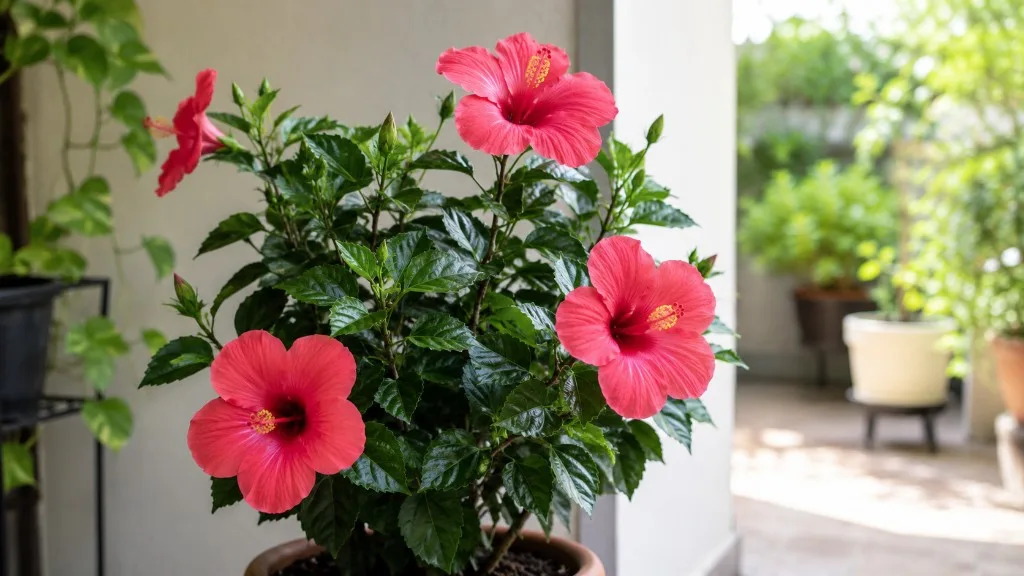
The right fall routine depends on which hibiscus you have. A hardy perennial hibiscus can lose every aboveground stem and return from its crown, while a tropical hibiscus in a patio pot may need to come indoors before a genuinely cold night. Pruning, watering, mulch, and fertilizer all change when the plant changes from active growth to dormancy.
Use this order: identify the plant, follow the forecast, inspect for pests, adjust water, then prune only as much as that type and location call for. That sequence prevents two common mistakes—cutting a tender plant just before cold weather and keeping cool, declining roots as wet as they were in summer.
Start by identifying your hibiscus
The word hibiscus covers herbaceous perennials, deciduous shrubs, and tender evergreen plants. If you inherited the plant or lost its label, look at the stems and the flowers rather than relying on flower color alone. The NC State Extension profile for hardy hibiscus describes Hibiscus moscheutos as a tall, shrub-like herbaceous perennial with large flowers, while tropical hibiscus is usually sold as a glossy-leaved container plant.
Hardy perennial hibiscus
Hardy hibiscus, often called rose mallow or swamp rose mallow, has soft green stems during the growing season and regrows from a dormant crown. It often grows in moist soil, flowers on new growth, and may look completely dead after frost even when the roots are healthy. NC State lists Hibiscus moscheutos across a broad range of USDA zones, but the exact cultivar, drainage, wind exposure, and winter conditions still matter more than a single zone number.
This is the type that can usually stay outdoors in a cold-winter garden. Fall care is mostly about allowing the plant to finish, keeping the crown from swinging between drought and saturation, and deciding whether the old stems should be cut down for tidiness or left standing for wildlife.
Tropical hibiscus
Tropical hibiscus, commonly Hibiscus rosa-sinensis, keeps woody stems and glossy leaves where it stays warm. It is not the same plant as a hardy rose mallow, even though the flowers can look similar. A potted tropical hibiscus can spend summer outdoors and winter indoors, but it needs a deliberate transition because indoor light, airflow, humidity, and water use are all different.
For a conservative plan, start preparing to move a tropical hibiscus when nights are regularly approaching 50 to 55°F (10 to 13°C), rather than waiting for frost. The Royal Horticultural Society recommends bringing tropical hibiscus indoors before outdoor temperatures fall below 12°C (54°F) and describes a winter minimum around 7–10°C (45–50°F) in a bright protected space. These are useful guardrails, not a promise that every cultivar will tolerate the cold equally well.
Rose of Sharon and other woody types
Rose of Sharon, Hibiscus syriacus, is a deciduous woody shrub. It drops leaves in fall but does not die back to the ground like hardy perennial hibiscus, so do not apply the “cut it to the crown” routine just because the plant is leafless. If you see a persistent woody framework, treat it as a shrub and reserve shaping for the appropriate dormant or post-flowering window.
When the identity is uncertain, the safest fall action is corrective cleanup only: remove dead, broken, or diseased material, protect the root zone, and postpone major shaping until you can confirm what the plant is. A photo of the leaves, stem texture, and plant base can help a local extension office or nursery identify it.
Time fall care by temperature and frost
Calendar dates are a poor trigger because autumn arrives at different speeds. Watch the nighttime forecast, the soil temperature trend, and the plant’s behavior. A hardy hibiscus that is still green and flowering should not be forced into dormancy by an arbitrary date, while a tropical hibiscus should not be left outside just because the calendar still says summer.
Use this practical sequence:
- Before cold nights: inspect the plant, remove diseased debris, check drainage, and plan an indoor location if it is tropical.
- As growth slows: water less often, stop routine feeding, and let the surface dry slightly more between waterings in a container.
- After a hard frost: assess hardy hibiscus stems. Cut them back if they have collapsed, or leave a short framework until spring if you prefer wildlife habitat or need to mark the crown.
- Before frost reaches a tender plant: move a tropical hibiscus indoors or into a reliably warm greenhouse. Frost cloth is a short-term outdoor aid, not a substitute for a warm winter location.
Weather duration matters. One brief cool night is different from a week of cold, wet soil, and a sheltered wall can be several degrees kinder than an exposed patio. If your microclimate is unpredictable, make the conservative choice for tropical plants and bring them in early enough to inspect and acclimate them.
Clean up and inspect before winter
Remove spent flowers, fallen leaves, and visibly diseased debris from around the plant. Deadheading is mainly an appearance and seed-management task late in the season; it is not a magic switch that forces a second flush when daylight and temperatures are already falling. On a hardy hibiscus, leave a few seed capsules if you want winter structure or seed for a known cultivar, but remove them if the plant is self-sowing where you do not want seedlings.
Look closely at the leaf undersides, petioles, branch joints, and the sheltered center of the plant. Aphids, scale, whiteflies, and mites can be easy to miss outdoors and become much harder to manage after a tropical plant is moved into a warm room. NC State lists aphids, whiteflies, scale, and Japanese beetles among the problems associated with hardy hibiscus; the RHS also notes aphids, red spider mites, and glasshouse whitefly on tropical plants.
If the pot is coming indoors, rinse the foliage and stems with a firm stream of water, allow the plant to dry, and inspect it again. Isolate it from houseplants for a while after the move. Use an insecticidal soap or horticultural oil only when the product label includes your plant and situation, and do not spray a drought-stressed plant, a heat-stressed plant, or foliage that will immediately sit in strong sun.
Prune according to type
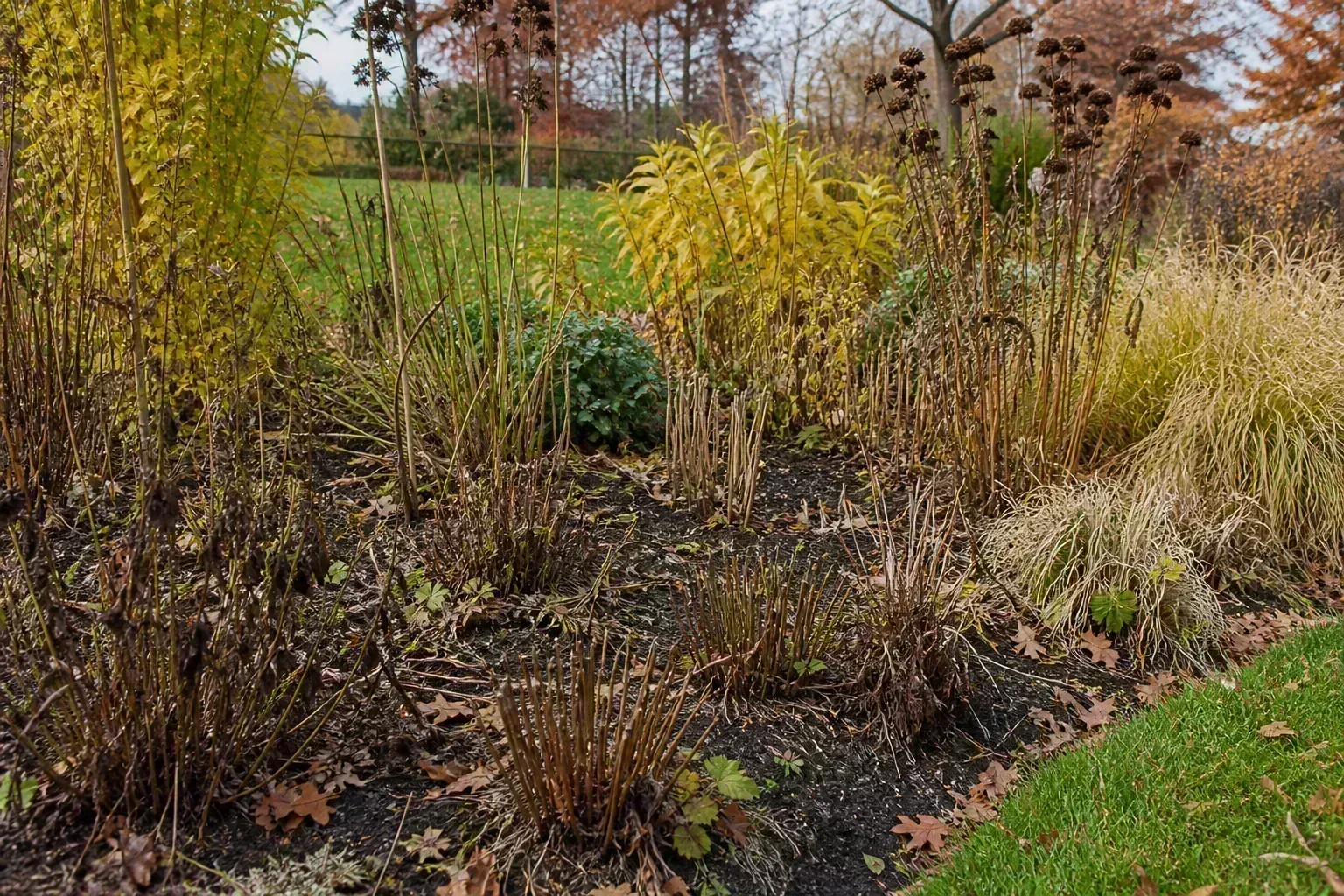
Pruning is a timing decision, not an automatic fall chore. A clean cut made with sharp, disinfected bypass pruners is useful; a large cut made just before a freeze can stimulate tender growth at the exact moment you want the plant to slow down. The Homes & Gardens pruning overview makes the key distinction clearly: hardy types can be cut after frost or in late winter, while tropical hibiscus should not receive heavy fall pruning outdoors in a frost-prone climate.
Hardy hibiscus in the ground
Wait until a hard frost has ended the season and the stems have turned limp, brown, or black. Then cut the spent stems down to about 3–6 inches above the soil if you want a tidy marker for the crown. Do not cut into the crown itself, and do not dig around it while it is dormant.
There is also a good reason to delay or soften the cleanup. NC State notes that native bees can nest in hollow perennial stems and encourages gardeners to leave dead stems at roughly 12–24 inches until they break down. You can compromise by leaving a few stems standing through winter and cutting the rest, or by postponing the entire cutback until late winter or early spring. Choose the method that fits your garden’s wildlife goals, disease history, and appearance.
Avoid cutting green, actively growing stems simply because the plant looks tall. Hardy hibiscus flowers on new growth, so its major shaping cut can wait until late winter or spring before new shoots expand. If the plant flops, a stake or a light midseason pinch in future years is usually more useful than a drastic autumn haircut.
Tropical hibiscus in a pot
If the plant will move into a bright, warm house, a light size-reduction prune at the time of the move can be practical. Remove dead, damaged, crossing, or diseased branches first, then shorten long shoots by about one-third so the plant fits without stripping away every leaf. Leave several healthy leaves and some active growth; a bare, heavily cut plant in a dim room is more likely to struggle.
If the only indoor location is a dark basement or cold garage, postpone hard pruning until spring. The Hidden Valley Hibiscus pruning guidance notes that pruning is best timed before a warming trend and that a cold, dark winter location is a poor time for a severe cut. For an outdoor tropical hibiscus in a frost-prone climate, do not prune heavily in fall and then leave it exposed; the new shoots can be more vulnerable to cold.
Make cuts just above a healthy node when you are shaping a woody branch. An outward-facing node usually encourages a more open, balanced plant, while a node facing into a gap can help fill that space. Do not turn a fall size reduction into a rejuvenation project unless you have warmth, light, and enough remaining foliage to support recovery.
Water and mulch without inviting rot
Hibiscus like moisture, but moisture is not the same as permanently wet roots. Hardy Hibiscus moscheutos tolerates moist to occasionally wet soil, while potted tropical hibiscus is especially vulnerable to root problems when cool soil stays saturated. The Southern California Hibiscus Society’s grower guidance emphasizes that a dry-looking surface can hide a wet root zone, particularly in late summer and fall after a change in weather.
For a hardy plant in the ground, water deeply before the soil freezes only if the root zone is actually dry. Push a finger or trowel several inches into the soil away from the crown. If it is cool and moist, skip the hose; if it is dry below the surface, soak the root zone slowly so water reaches the roots instead of running off.
For a container, lift the pot if possible or use a moisture meter after checking the mix with your finger. Water thoroughly when the upper layer has dried and the pot is beginning to feel lighter, then let excess water drain completely. Never leave the pot sitting in a saucer of water, and do not compensate for a dry top layer by watering repeatedly when the lower mix is still wet.
Apply about 2–4 inches of organic mulch over the root zone of an outdoor hardy hibiscus after the soil has cooled, using shredded bark, leaf mold, or clean chopped leaves. Keep the mulch a few inches away from the crown and stems so the base stays ventilated. Mulch buffers temperature swings and slows evaporation, but a deep, wet collar pressed against the crown can create the rot problem it was meant to prevent.
Skip late-season fertilizer or choose careful feeding
Do not give an outdoor hibiscus a strong nitrogen feeding in late fall to force fresh leaves. That tender growth is poorly timed for cold weather, and fertilizer salts are more likely to accumulate when a plant is taking up less water. A high-potassium “winterizer” is not automatically useful; hibiscus still needs a balanced nutrition plan, and the right product depends on soil, cultivar, and whether the plant is actively growing.
For hardy hibiscus, finish routine feeding as growth slows and plan to top-dress with compost or apply a complete fertilizer in spring after new shoots emerge. American Meadows’ hardy hibiscus guide recommends nutrient-rich soil and warns against overfertilizing, especially with excess phosphorus. A soil test is more informative than adding a bloom booster by guesswork.
For a tropical hibiscus that stays warm and visibly grows indoors, feeding may resume later at a reduced, label-directed rate. For one that is cool, dim, or semi-dormant, stop feeding and reduce watering. The RHS specifically recommends ceasing feed during the slower overwintering period, while specialist growers who maintain warm, bright winter conditions may continue lighter feeding. The difference is the plant’s actual growth, not a universal rule for every room.
Move tropical hibiscus indoors
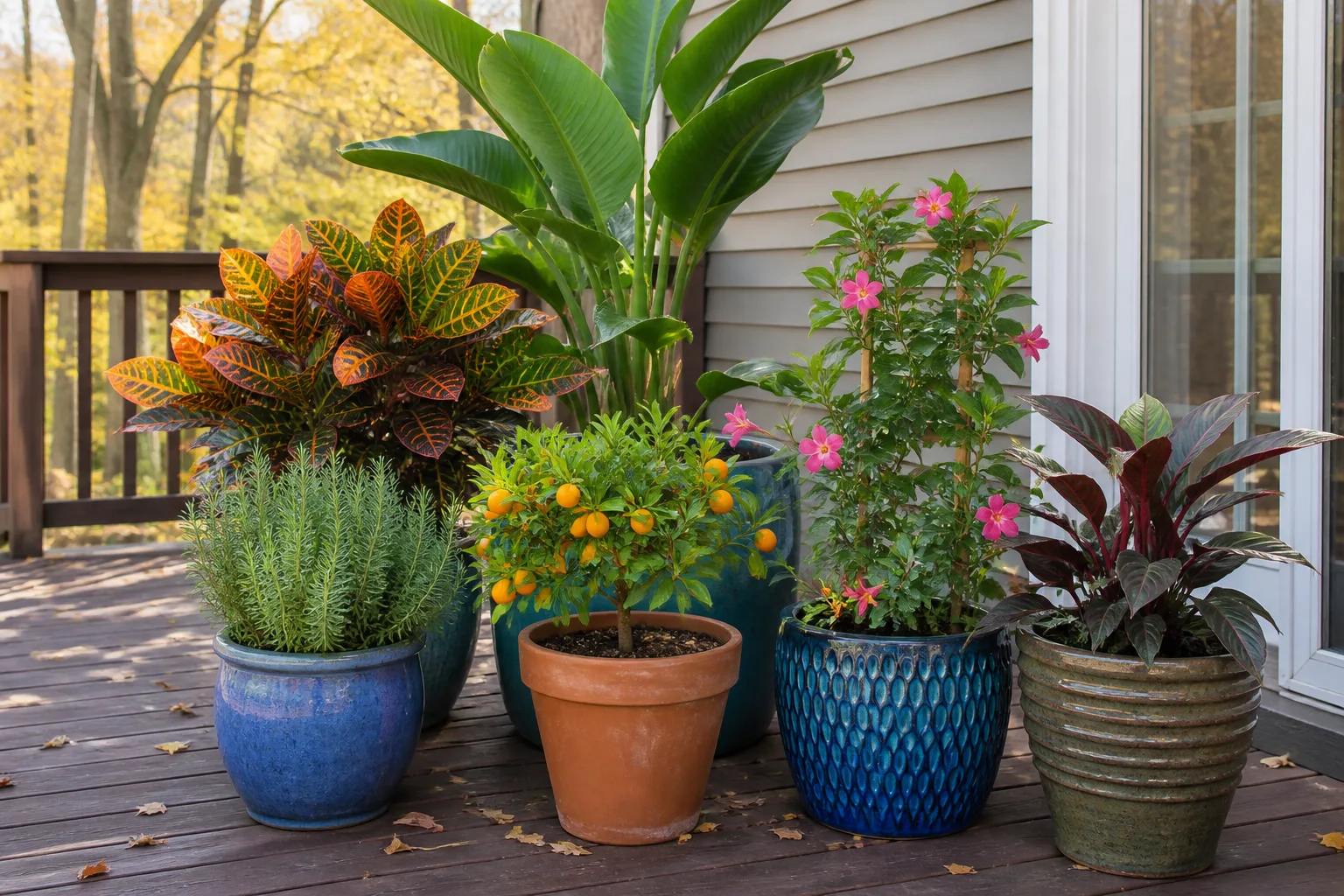
Moving a potted tropical hibiscus is the biggest fall task because it changes the plant’s entire environment. Start before frost, and give yourself time to clean the plant, make a sensible size reduction, and place it somewhere warm enough to avoid a second emergency move. A heated living space is usually safer than an unheated garage that drops below freezing, even if the garage has a little more window light.
Quarantine and transition the plant
Before the move, remove dead leaves and inspect every leaf axil and branch joint. Rinse the entire plant, including the undersides of leaves, with water. If you use a labeled pest treatment, follow the label, let the foliage dry, and keep the plant separated from other houseplants while you watch for pests.
Avoid placing the plant immediately beside a radiator, fireplace, heating vent, or drafty exterior door. The Southern California Hibiscus Society recommends gradual acclimation over roughly two to three weeks when a hibiscus changes location or inputs. In a home, you can approximate that by moving it first to a sheltered bright spot, then indoors, rather than taking it from full outdoor sun straight to a dark corner.
Set up light, warmth, and moisture indoors
Put the plant as close to a bright window as practical without letting leaves touch cold glass. A south- or west-facing window may provide useful light, but watch for hot glass, dry air, and rapid temperature swings. If the plant is warm but the days are dim, a grow light can support leaf retention and new growth; it does not make a cold room safe.
The RHS tropical hibiscus growing guide describes bright, humid conditions, a protected minimum night temperature of about 7–10°C (45–50°F), reduced watering as growth slows, and yellowing or dropping leaves and buds under low winter light. Some leaf drop after the move is therefore normal. It becomes a problem when it is accompanied by pests, persistently wet soil, a sour smell, soft stems, or rapid decline.
Water by the pot rather than by the summer schedule. Check the mix before every watering, then water enough to wet the root ball and allow drainage. Empty the saucer. A pebble tray may slightly raise humidity immediately around the plant, but it cannot compensate for cold roots, poor light, or a pot that never dries.
Protect hardy or tropical plants outside from frost
Hardy perennial hibiscus usually needs root-zone protection rather than a heated shelter. Keep the mulch in place, avoid piling wet material against the crown, and do not assume that a layer of plastic touching the stems is protective. In a warm area with only a brief light freeze, a potted plant can sometimes be moved against a house wall or under a solid overhang, but exposure, wind, and the length of the cold spell still control the outcome.
For an outdoor tender hibiscus facing one unexpected light frost, use a breathable frost cloth supported so it does not press against wet foliage, and remove it after the temperature rises. Do not use an airtight plastic cover directly on the plant. Frost cloth can buy time for a short event; it cannot turn a tropical hibiscus into a hardy perennial during a long freeze.
If the forecast calls for repeated freezing nights, bring a potted tropical hibiscus into a warm protected space. An in-ground tropical plant in a marginal climate may survive a mild winter in an unusually sheltered microclimate, but that is a gamble rather than a reliable care plan. The Hidden Valley Hibiscus winter guide also stresses that sustained cold is more damaging than a brief dip and that warmth is central to successful overwintering.
Diagnose leaf drop, pests, and cold damage
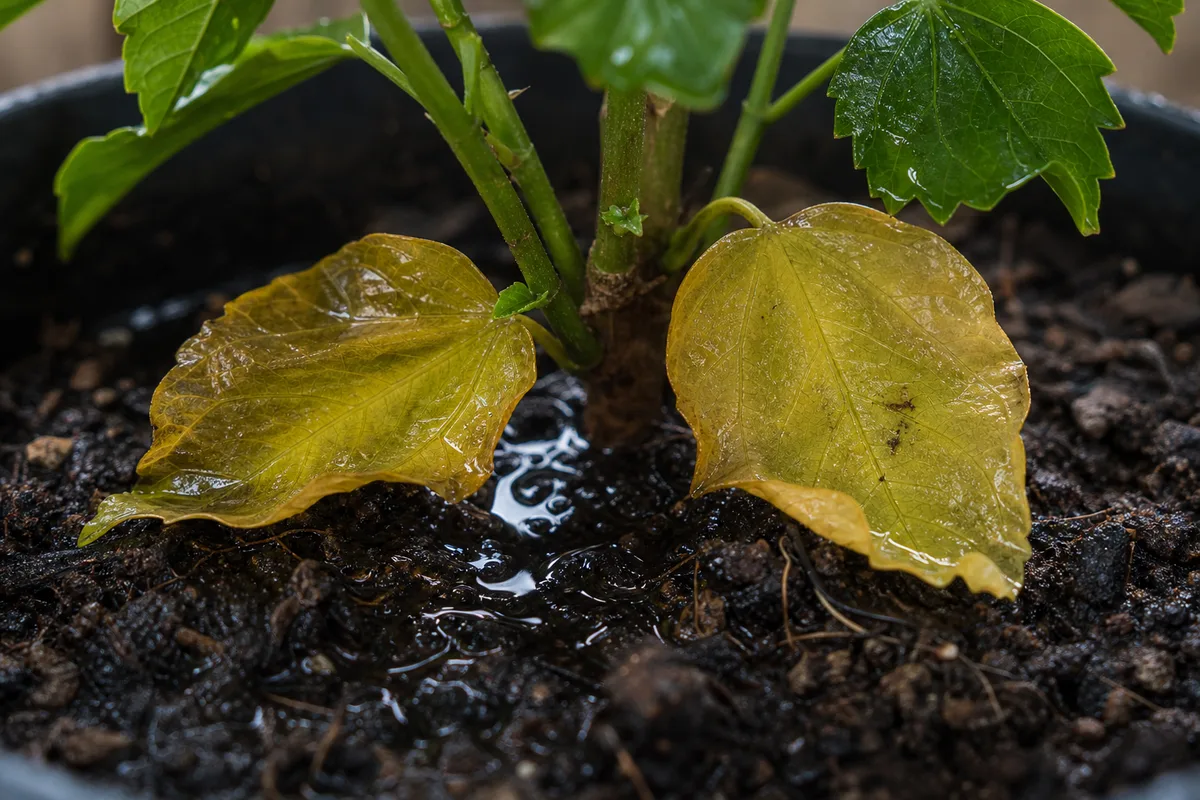
Fall symptoms overlap, so pair the visible change with the root-zone and weather history. A few yellow leaves after an indoor move can reflect lower light and a semi-dormant state. Widespread yellowing in wet soil points more strongly toward a root problem, while crispy edges on the exposed side can reflect drought, wind, dry indoor air, salt buildup, or cold injury.
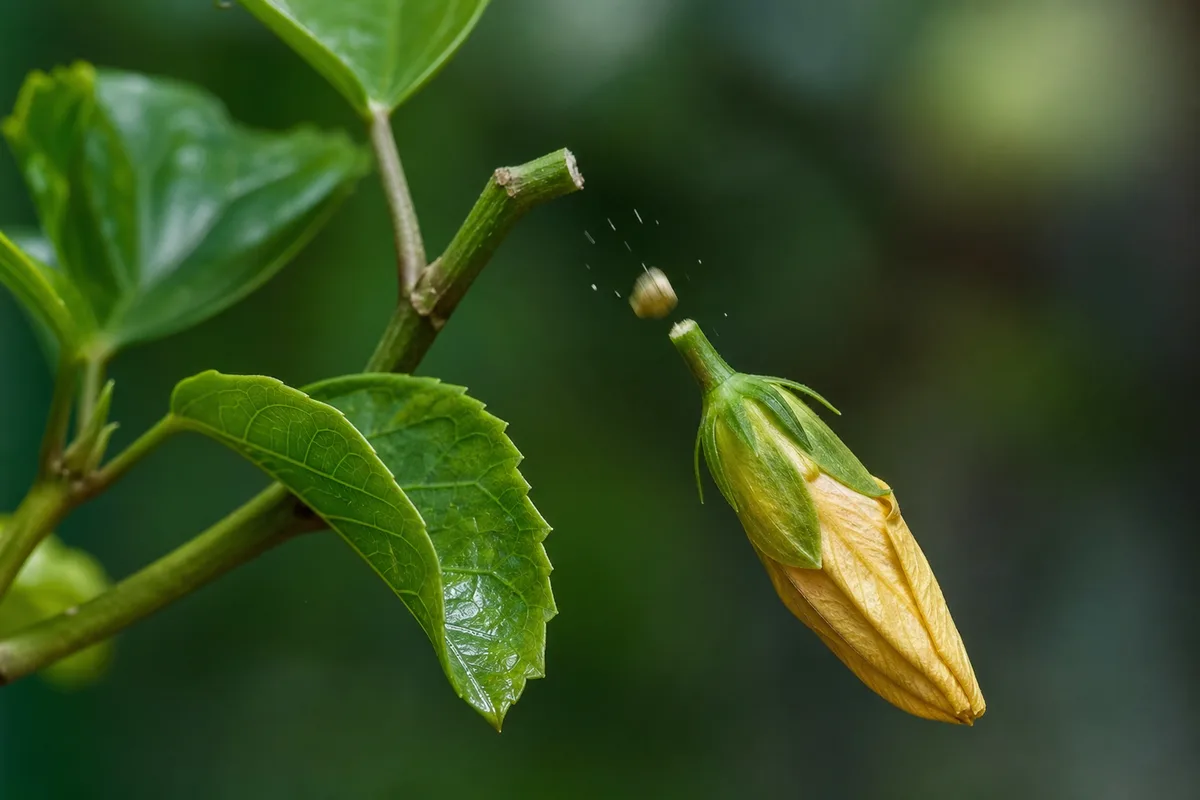
If leaves drop after the move, check three things before changing care: is the plant warm enough, is it receiving usable light, and is the mix staying wet for too long? Move it away from drafts, increase light gradually, and water only when the root zone has begun to dry. Do not respond to leaf drop by keeping the pot constantly soaked.
If you see stippling, fine webbing, sticky residue, cottony clusters, or small bumps along stems, isolate the plant and inspect closely for mites, aphids, mealybugs, or scale. Rinse what you can, remove badly infested leaves, and use only a labeled treatment appropriate for hibiscus. Repeat inspections are essential because eggs or hidden adults can survive the first cleanup.
After a freeze, do not rush into a major cut on a woody tropical plant. Cold damage can take days or weeks to show its full boundary. Once the weather stabilizes, scratch a small area of questionable stem with a clean fingernail or knife: living tissue under the bark is green, while dead tissue is brown or tan. Cut back to firm live wood with disinfected pruners, but leave a badly stressed plant more foliage than you think it needs until recovery is clear.
For a hardy perennial hibiscus, blackened stems above a living crown are less alarming. Protect the crown, remove clearly collapsed material after the cold event, and wait for spring warmth. If the base is soft, foul-smelling, or collapsing in saturated soil, the issue may be rot rather than frost and warrants a closer root inspection.
Build the spring bloom plan
Fall care sets up spring, but it does not replace the conditions that create flowers. Put hardy hibiscus where it receives full sun or the brightest practical light, has enough room for its mature width, and can stay evenly moist without standing in stagnant water. NC State notes that full sun improves bloom production and disease resistance for rose mallow, and that the plant benefits from air circulation and protection from damaging wind.
In late winter or early spring, remove any stems you left standing before new shoots get tall. Do not mistake late emergence for death: hardy hibiscus often wakes later than surrounding perennials. Once new growth is clearly underway, add compost or begin the fertilizer program recommended for your soil and product label.
For tropical hibiscus, resume stronger growth care only after warmth and light increase. Prune for shape just before active growth, gradually return the plant to outdoor light after nights are reliably warm, and monitor the leaves for scorch. Moving a plant outside all at once can create sunburn and wind stress even when the calendar says spring.
If the plant had leaves but few flowers, review the season in order: was it mature enough to bloom, did it receive enough light and warmth, did the root zone alternate between drought and saturation, and was it pruned before flowering wood matured? Fertilizer is only one part of that chain. A healthy plant that was recently divided, moved, or heavily pruned may simply need a full growing season to rebuild.
Conclusion
Good hibiscus fall care is less about a single “winterizing” trick than about matching the routine to the plant. Hardy perennial hibiscus can remain outside with a protected crown and a thoughtful stem-cleanup choice, while tropical hibiscus should be moved before frost, inspected for pests, and kept warm enough to avoid a cold, wet decline.
Let the forecast guide timing, let the soil guide watering, and let the growth habit guide pruning. Skip late nitrogen, keep mulch off the crown, treat frost cloth as temporary insurance, and carry the plant into spring with enough living tissue to recover. Those small decisions give next year’s blooms a better starting point without asking fall care to do more than it can.



