How to Grow and Care for Hibiscus: A Practical Guide
Learn how to grow and care for hibiscus with type-specific advice on light, water, soil, feeding, pruning, propagation, pests, and winter care.
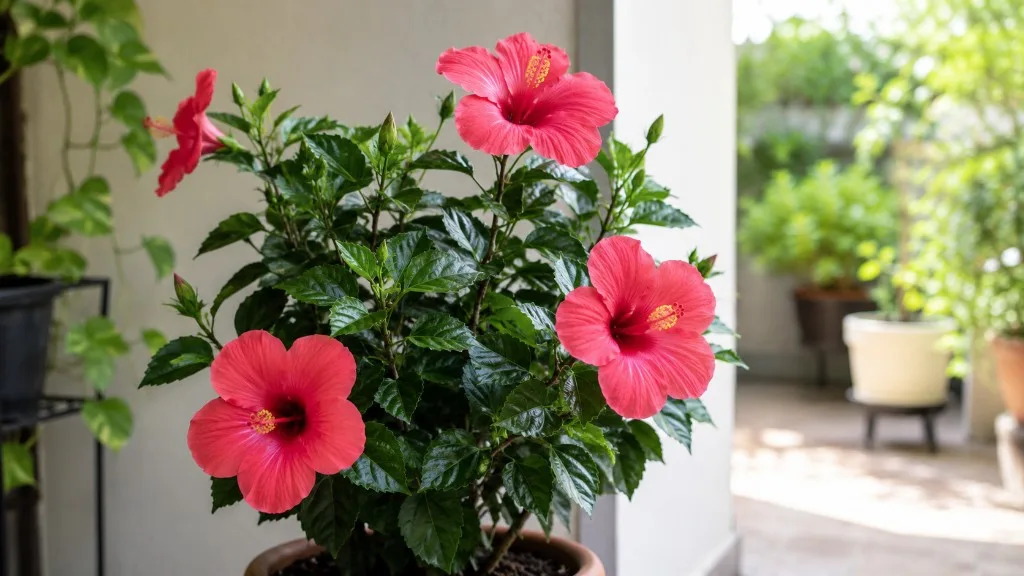
Hibiscus is a genus, not a single care recipe. A hardy rose mallow can sleep through a cold winter and return from its crown, while a tropical Hibiscus rosa-sinensis may drop leaves after one cold night and need a bright indoor place until spring. Rose of Sharon is a third option: a woody, deciduous shrub with a different shape and pruning rhythm.
The most reliable way to grow hibiscus is to identify the plant first, then match its light, moisture, container, and winter plan to that identity. Once those decisions are right, the rest is straightforward: keep roots evenly supplied with water and oxygen, feed during active growth, prune for new shoots, and investigate symptoms by pattern instead of guessing.
Identify Your Hibiscus Before You Plant
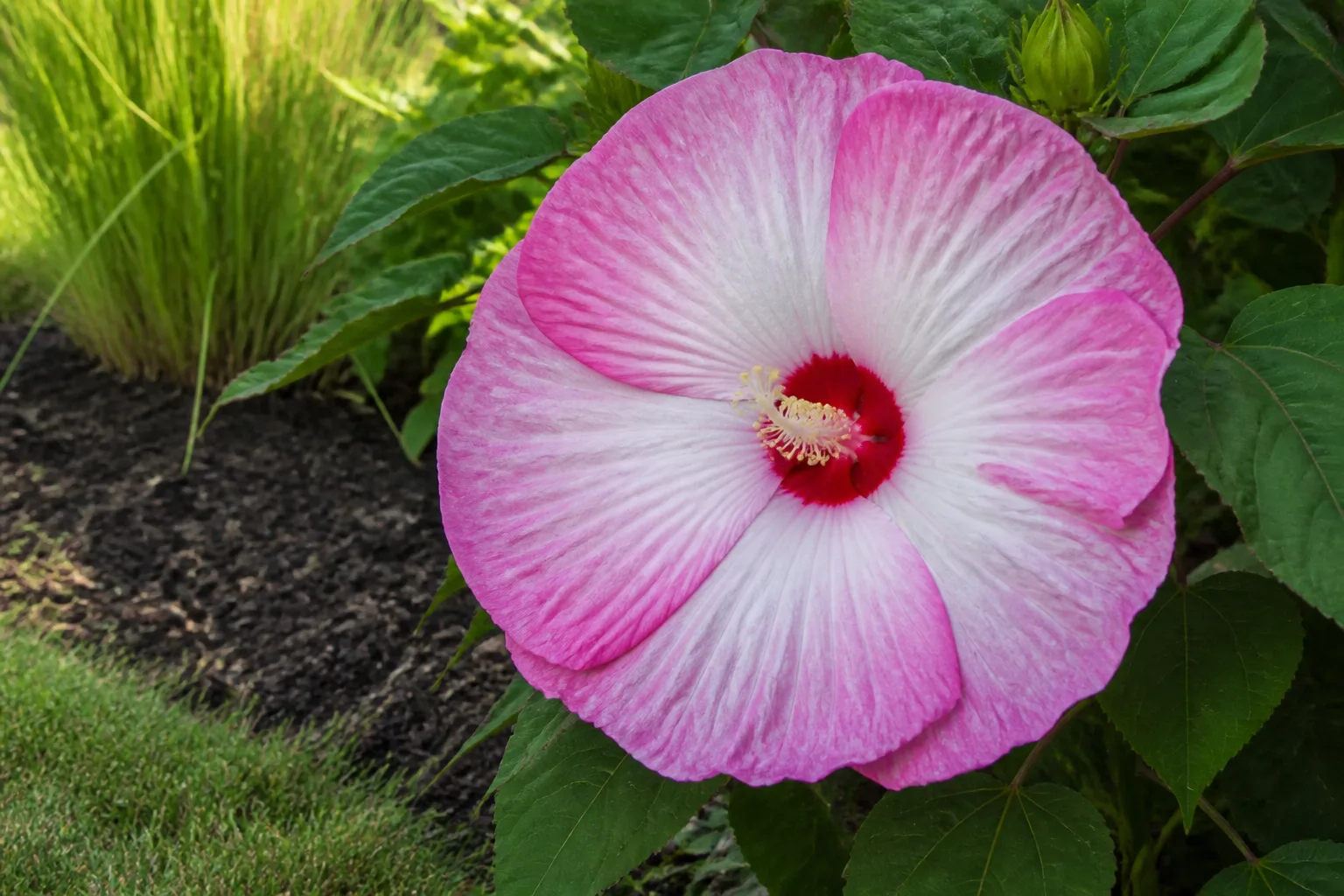
Look at the label for a botanical name, not just the word “hibiscus.” Hibiscus rosa-sinensis is the tropical or Chinese hibiscus commonly sold for patios and indoor winter growing. Hibiscus moscheutos and related rose mallows are herbaceous perennials that usually die back in cold weather and resprout from a crown. Hibiscus syriacus, or rose of Sharon, keeps woody stems through winter even though it loses its leaves.
If the label is missing, winter behavior is a useful clue. Glossy, dark green leaves and a woody framework suggest a tropical type; large matte leaves on multiple soft stems suggest hardy rose mallow; smaller toothed leaves on permanent branches suggest rose of Sharon. Flower color alone is not enough because hardy and tropical plants can both have red, pink, white, or bicolored blooms.
That distinction changes nearly every decision. Hardy rose mallow tolerates cold and appreciates consistently moist soil, rose of Sharon handles more ordinary garden moisture once established, and tropical hibiscus is best treated as a warm-season container plant outside frost-free climates. When in doubt, keep a tender plant in a pot until you have confirmed its cold tolerance.
Choose a Site or Container That Matches the Type
Plant hardy hibiscus in a sunny, sheltered bed where the soil can stay evenly moist. A low part of the garden, pond edge, or rain-garden margin can work well for rose mallow, provided water does not stagnate around the crown for long periods. A wind-protected position matters because tall stems loaded with large leaves and flowers can bend or break.
Tropical hibiscus earns its keep on a warm patio, balcony, or bright garden border in summer, but a container makes the winter decision manageable. Choose a pot with drainage holes and enough weight that the plant will not tip. Rose of Sharon can grow in the ground or in a large container, but its woody form eventually needs more root room than a small decorative pot can provide.
Before buying, compare the mature size with the space you actually have. NC State Extension describes hardy rose mallow as a plant that can reach several feet in height and width, and some tropical cultivars become large shrubs when they remain outdoors year-round. Crowding a hibiscus against a wall or neighboring plant reduces airflow and makes watering and pest scouting harder.
Give Hibiscus the Right Light Without Heat Stress
Most hibiscus bloom best with strong light. Outdoor plants generally want full sun, especially hardy rose mallow, for sturdy stems and abundant flowers. In very hot climates, morning sun with light afternoon protection can be a better compromise than an exposed western wall that turns the foliage and root zone into a heat trap.
Indoor tropical hibiscus needs the brightest window available, but acclimate it rather than moving it from a dim room straight into intense outdoor sun. The Royal Horticultural Society recommends bright, filtered conditions for H. rosa-sinensis, with good ventilation and protection from harsh direct exposure. A sheer curtain or a position a little back from a glass house window can prevent scorch while still supplying usable light.
Use the plant’s growth to read the site. Long spaces between leaves, weak stems, and plenty of foliage but few buds point toward insufficient light. Bleached patches, crisp margins, and soil that becomes bone-dry in a single day point toward excess heat or a container that is too small for the exposure. Move the plant or add temporary afternoon shade before adding fertilizer; food cannot compensate for a light problem.
Build Soil That Stays Moist but Drains Well
Hibiscus roots need water, but they also need air. The target is fertile soil that holds moisture after watering while allowing excess water to move away from the crown. Improve an ordinary bed with mature organic matter and mulch, but do not bury the base of the stems or create a permanently soggy pocket.
Hardy rose mallow is more tolerant of wet soil than many ornamentals. NC State Extension lists moist to occasionally wet conditions as suitable for H. moscheutos, which is why it can fit a rain garden or pond-side planting. That does not mean every hibiscus should sit in standing water: a tropical plant in a waterlogged pot is a root-rot candidate even if its leaves look thirsty.
For containers, use a quality potting mix rather than garden soil. A mix that contains ingredients such as composted bark, coir, or peat-free materials can hold enough water without collapsing into a dense mass. Skip a gravel layer at the bottom; it does not improve drainage in a pot. The drainage holes and the texture of the full mix do the important work.
Water Hibiscus by Root-Zone Signals
Check the soil before watering. For a container, push a finger into the top inch or two, lift the pot to learn its “light” weight, or use a wooden stick to see whether damp mix clings below the surface. Water when the upper layer has begun to dry but the whole root ball has not pulled away from the pot. Then soak thoroughly until water exits the drainage holes and empty any saucer.
In a hot spell, a potted hibiscus may need water daily; in a cool, dim room, it may need it far less often. The calendar is less useful than the combination of pot size, wind, sunlight, temperature, and leaf activity. Garden-grown hardy hibiscus usually needs a deep drink when rainfall is insufficient, especially while new stems are extending and during flowering.
Mulch the soil surface outdoors to slow evaporation and moderate temperature, keeping a small gap around the crown. If leaves wilt in the afternoon but recover by evening, check the soil and heat before assuming disease. If the mix stays wet for days and lower leaves turn yellow, improve drainage and reduce the interval between waterings rather than adding more water to “flush” the plant.
Feed for Growth and Flowers
Hibiscus is a vigorous grower when warm and well lit, so it benefits from regular nutrition during active growth. Start with the fertilizer label and the needs of your soil rather than assuming that a high-phosphorus “bloom booster” is automatically better. A balanced or hibiscus-formulated fertilizer applied at the label rate is a safer baseline than repeated heavy doses.
Use slow-release fertilizer in a garden bed in spring, or a diluted liquid feed for a container during the growing season. RHS guidance for tropical hibiscus recommends beginning regular feeding after repotting once the plant has had time to settle. Stop or sharply reduce feeding when a tropical plant is indoors and growth has slowed; fertilizer salts are harder for a less active root system to use.
Pale new growth, weak flowering, or a plant that has been in the same pot for years can justify a soil and root-zone check. Fertilizer will not fix waterlogged roots, insufficient light, or a pot-bound plant. If leaf edges brown after frequent feeding, pause fertilizer, water thoroughly once if the mix drains freely, and resume later at a weaker concentration.
Plant or Repot With Less Transplant Shock
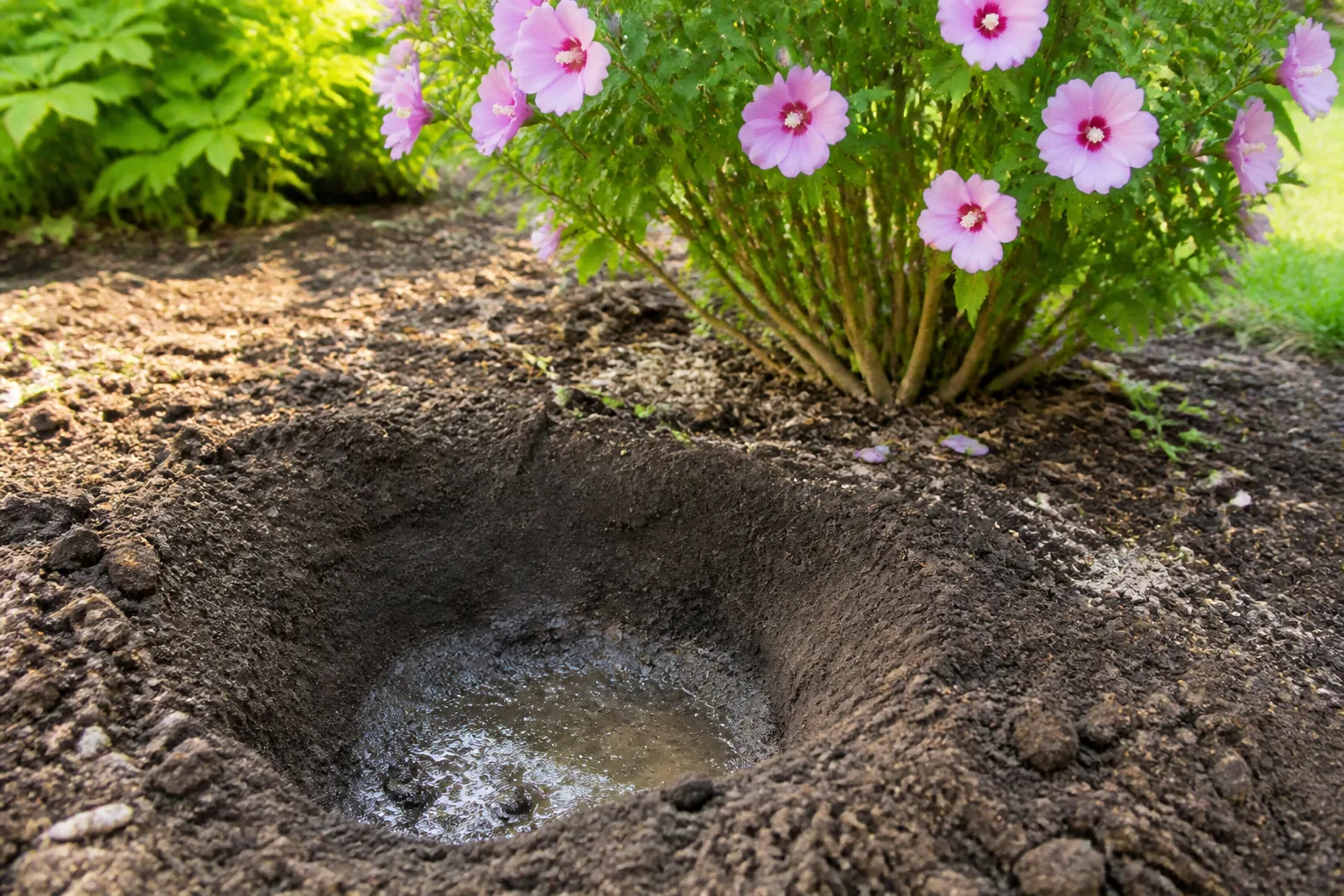
Plant outdoors after the soil has warmed and the risk of damaging cold has passed for your plant type. Dig a hole no deeper than the root ball and several times wider, loosen circling roots gently, and set the crown or soil line at the same level it occupied in the nursery pot. Water the planting hole and the root zone, then keep moisture steady while new roots establish.
Repot tropical hibiscus in spring or when roots circle densely, water runs straight through, or the plant wilts soon after watering. Move up only one pot size. A huge container stays wet around a small root ball, which makes overwatering easier and slows recovery. The RHS and BBC Gardeners’ World Magazine both recommend refreshing container compost periodically rather than leaving a plant in exhausted, compacted mix indefinitely.
Do not combine repotting, hard pruning, a major move, and a sudden light change on the same day unless the plant is already in trouble. Each is manageable alone; together they make leaf drop and bud loss difficult to interpret. After repotting, give bright light, protection from extremes, and time to re-establish before increasing fertilizer.
Prune Hardy Hibiscus for Strong New Stems
Hardy rose mallow flowers on new growth, but it is also a slow starter in spring. Remove dead stems in fall for a tidy bed, or leave them through winter and cut them down in spring after you can see new shoots emerging. Waiting helps you avoid cutting into living growth and provides a little winter structure for the garden.
Once new stems are about 6 inches tall, pinch their tips if you want a fuller plant with more branches. A second light pinch may be possible while the stems are still young and lanky, but late pinching delays flowers. Gardening Know How recommends removing dead material before applying protective mulch and allowing the plant time to wake up; do not mistake a late spring emergence for failure.
Thin only when needed, remove damaged stems promptly, and keep the center from becoming crowded. The biggest pruning mistake is treating a hardy perennial like a tropical shrub and cutting green growth repeatedly before it has built enough height for flowering.
Prune Tropical Hibiscus Without Losing Its Shape
Prune tropical hibiscus in late winter or early spring as light and growth begin to increase. First remove dead, damaged, crossing, or weak shoots. Then shorten long branches just above an outward-facing leaf node, leaving a framework that encourages new shoots to grow away from the center.
A moderate cut of about one-third is a useful starting point for an overgrown plant. More severe pruning can be tolerated by established plants, but it temporarily trades flowers for recovery and is risky if the plant is weak, root-bound, or being moved into low winter light. Epic Gardening’s pruning guidance emphasizes the central principle: pruning encourages branching because hibiscus flowers are produced on new growth.
Use light tip-pruning during the growing season to maintain a compact shape, but avoid shearing every branch to the same height. Selective cuts create a more natural canopy and keep light reaching inner leaves. Clean pruners between plants, especially when removing suspicious or diseased tissue, and never fertilize heavily immediately after a stressful hard cut.
Deadhead and Manage Short-Lived Flowers
A hibiscus flower may open for only a day or two, yet the plant can keep producing buds for weeks or months. A spent bloom that closes and falls naturally is not a sign that the plant is failing. Remove wilted flowers when convenient by pinching or snipping just behind the flower stem, taking care not to remove nearby unopened buds.
Deadheading improves the appearance and can redirect the plant from seed production toward continued flowering, particularly on types that set seed readily. It is optional for plant health if flowers drop cleanly, so do not turn a prolific bloomer into a daily chore unless you enjoy the tidy look or need to limit seedlings.
Overwinter Hardy Hibiscus Outdoors
Hardy hibiscus is the easy winter case when planted within its verified hardiness range. Top growth may turn brown after frost while the crown remains alive below ground. Cut back dead stems when they are clearly finished, then apply a loose layer of mulch over the root zone without piling it against the crown.
Do not dig up a healthy in-ground hardy hibiscus just because it is late to emerge in spring. Warmth, not the first calendar date, controls its start, and overwatering a dormant crown creates more risk than patience. Remove winter mulch gradually as growth resumes so the soil can warm and the crown does not remain wet and covered.
Rose of Sharon needs a different approach because its woody branches persist. Protect young shrubs from harsh wind and maintain mulch over the root zone, but do not cut the plant to the ground as if it were H. moscheutos. Always confirm the species or cultivar before winter pruning.
Overwinter Tropical Hibiscus Indoors
Bring a tropical hibiscus indoors before nights become cold, not after a frost has already damaged it. RHS lists a minimum night temperature around 45–50°F for tropical hibiscus, while a plant that has been growing outdoors may react badly to a sudden change even above that threshold. Move it early enough to inspect, wash, and acclimate it without rushing.
Start by checking leaf undersides, stem joints, and flower buds for aphids, whiteflies, scale, and mites. Rinse the plant with a gentle stream of water and isolate it from houseplants for a short observation period. Prune out dead or awkward growth, but avoid a drastic cut if the plant is already stressed.
Place it in the brightest available window, away from radiators, fireplaces, cold drafts, and frosty glass. Grouping plants or using a correctly maintained pebble tray can raise local humidity, but humidity without airflow encourages fungal problems. As light and growth decline, let the upper layer of mix dry more before watering and stop routine feeding. Some leaf and bud drop is normal; a bare-looking plant can recover when days lengthen.
In spring, increase watering gradually, prune into shape, and return the plant outdoors only after temperatures are reliably warm. Harden it off over a week or more, beginning in bright shade and slowly increasing direct sun. The same acclimation rule prevents many “sunburn” complaints that are actually caused by a sudden change in exposure.
Propagate Hibiscus From Cuttings, Seed, or Division
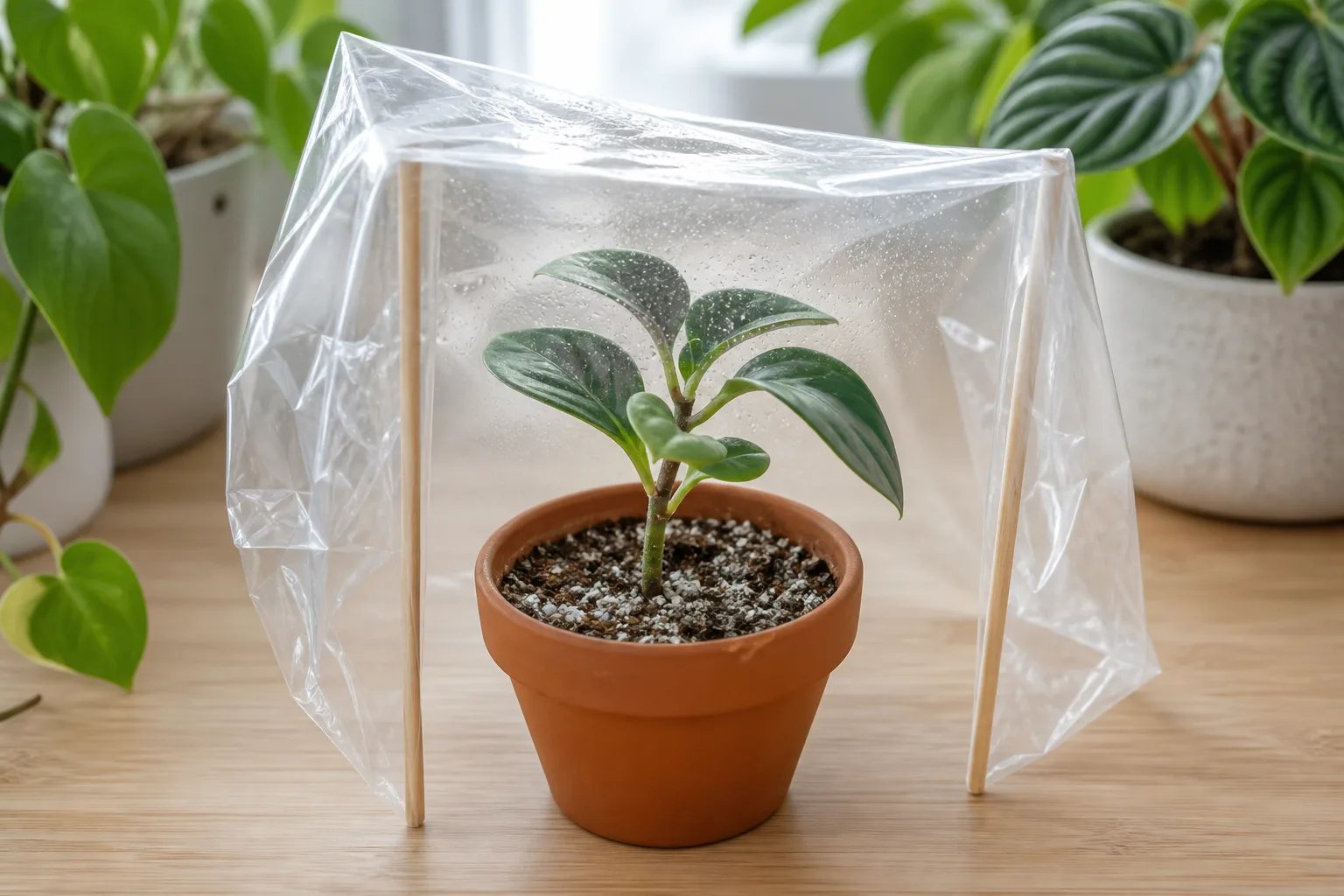
Stem cuttings are the most dependable way to duplicate a named tropical cultivar. In late spring or early summer, take a healthy 3- to 4-inch tip cutting from non-flowering or lightly flowering growth. Remove the lower leaves, insert the cutting into a clean, airy propagation mix, and keep it warm, humid, and bright without harsh sun. RHS recommends softwood or semi-ripe cuttings and notes that bottom heat around 75–80°F can speed rooting.
Keep the mix lightly moist, not saturated. New growth is encouraging, but wait until roots have formed before potting up. A cutting that wilts repeatedly, turns black at the base, or smells sour is usually too wet or too cool. Use clean tools and fresh medium so the propagation tray does not become a shared source of rot.
Seed works well when you want variation, species plants, or a larger number of seedlings. It is less useful when you want an exact copy of a hybrid; seedlings may differ in flower color, size, or habit. Hardy hibiscus can also be divided when an established clump is large enough, and NC State Extension lists seed, stem cuttings, and division among the available methods for rose mallow.
Make Hibiscus Bloom More Reliably
Start with light, then check water, roots, temperature, and nutrition in that order. A hibiscus in deep shade cannot be pushed into bloom by fertilizer, and a plant with damaged roots cannot use more food efficiently. Give it the brightest exposure it can tolerate, keep the root zone evenly supplied, and protect it from abrupt cold or heat swings.
If buds form and fall, look for a recent change: a move, missed watering, saturated soil, cold night, heat wave, low indoor light, or pest outbreak. Tropical hibiscus may pause during extreme heat even when it is healthy. Move a container from reflected afternoon heat to morning sun and afternoon shade, then return to a consistent watering rhythm rather than changing several variables every day.
Use a moderate feeding schedule during active growth and avoid late, heavy pruning if you are waiting for flowers. Remember that a one-day flower is not a one-day bloom season; judge the plant by the number of healthy buds it produces over time, not by whether yesterday’s flower is still open.
Diagnose Yellow Leaves, Bud Drop, and Wilt
Yellow leaves are a symptom, not a diagnosis. If several lower leaves yellow while the pot remains wet, suspect poor drainage or overwatering first. If yellowing follows a sudden cold night, especially on a tropical hibiscus, cold shock is more likely. If only the oldest leaves fade slowly while new growth is strong, normal turnover or a mild nutrient issue may be involved.
Bud drop usually follows stress at the roots or canopy. Check soil moisture, roots, temperature, light, and pests in that order. A plant that is both wilted and wet needs a root inspection rather than another drink; a plant that is dry and light in its pot needs a deep watering followed by a plan to prevent repeated drought. Do not remove every bud while troubleshooting unless the plant is too weak to support them.
Wilting on a hot afternoon can be temporary, but persistent wilt after watering suggests root damage, a badly root-bound pot, or a blocked drainage path. If roots are brown, mushy, or sour-smelling, trim only clearly rotten tissue, move the plant into fresh, freely draining mix, and place it in bright but less stressful light while it recovers.
Manage Aphids, Whiteflies, Mites, and Disease
Scout before symptoms become dramatic. Aphids cluster on soft new growth and buds, whiteflies flutter when foliage is disturbed, and spider mites favor hot, dry conditions and may leave fine webbing or pale stippling. Turn over leaves and inspect stem joints once a week, especially before bringing a patio plant indoors.
For a light infestation, wash pests off with water and follow with an insecticidal soap or horticultural oil labeled for the plant and pest. Coverage matters because these products work by contact; repeat only according to the label. UF/IFAS Gardening Solutions specifically warns that malathion should not be used on hibiscus, so do not substitute a familiar pesticide without checking its label and crop directions.
Leaf spots, blights, and cankers are more likely when foliage stays wet, air is stagnant, or damaged tissue remains on the plant. Water the soil rather than spraying leaves late in the day, space plants for airflow, remove badly affected material, and disinfect pruners. If a disease continues to spread or the diagnosis is uncertain, contact a local extension service rather than escalating chemicals by guesswork.
Follow a Simple Seasonal Care Calendar
Spring: Confirm new growth on hardy types before cutting. Repot or root-prune tropical plants if needed, prune their framework, increase watering as light returns, and begin feeding after recovery. Harden overwintered containers outdoors gradually.
Summer: Maintain even moisture, mulch outdoor plants, scout weekly, and deadhead only as much as you value the tidy look. Move tropical containers out of reflected heat during heat waves. Pinch young hardy stems early if a fuller plant is desired.
Fall: Reduce feeding as tropical growth slows. Inspect and wash patio plants before bringing them in, and make the move before cold damage. Remove hardy-hibiscus stems in fall or wait until spring; mulch after the soil cools but before severe cold.
Winter: Keep tropical hibiscus bright, warm enough, and drier than in summer, while monitoring for indoor pests. Do not fertilize a dormant or nearly dormant plant. Leave hardy crowns mostly alone, and remember that late spring emergence is normal for many rose mallows.
Conclusion
Successful hibiscus care begins with the type in front of you. Put hardy rose mallow in a moist, sunny bed and let it rest through winter; give tropical hibiscus a bright, warm container life with a planned indoor transition; treat rose of Sharon as a woody shrub rather than a dieback perennial.
From there, use a few durable rules: light drives flowering, roots need both moisture and oxygen, pruning should create new growth rather than remove it indiscriminately, and symptoms should be read alongside recent weather and care changes. That approach produces healthier leaves, steadier buds, and a plant that can return to its best season after season.