Why Lawn Weed Control Stops Working Over Time
Weed killer not working on your lawn? Learn why herbicides fail—from wrong product and timing to drought stress and resistance—and what to do next.
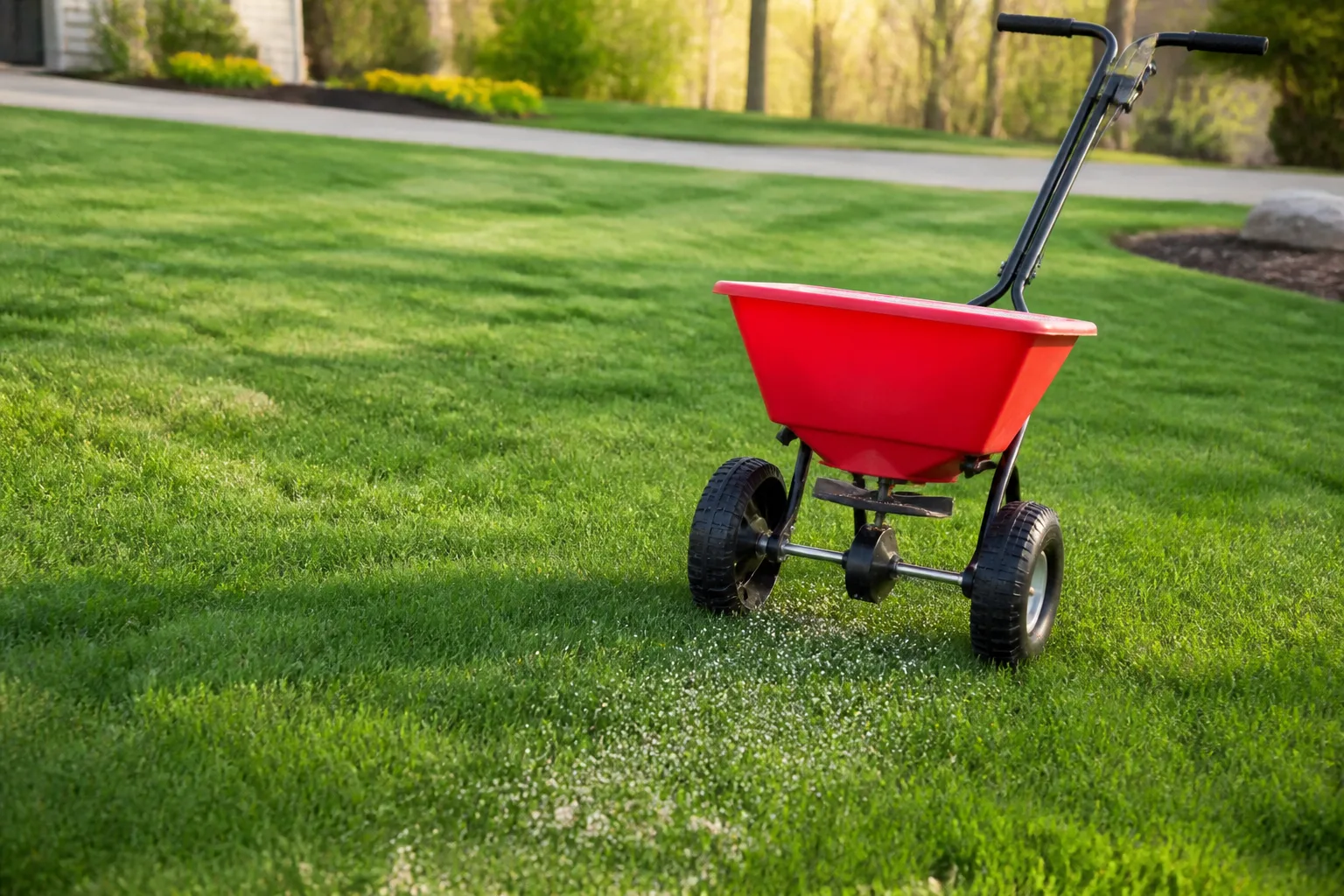
You sprayed on schedule. You bought the same bottle that worked last year. A week later, the dandelions, clover, or crabgrass are still there—and now you are wondering whether the product went bad, whether you need a stronger mix, or whether your lawn has simply given up on weed control.
Usually none of those explanations is the whole story. Lawn weed killers fail predictably when the product does not match the weed, when the plant is not actively taking up chemicals, when coverage is too thin, or when the underlying turf is too sparse to compete. In a smaller number of cases, repeated use of the same active ingredient has selected for weeds that tolerate it.
The fix is not automatically “spray again.” It is figuring out which variable broke first.
Start With Diagnosis, Not Another Bottle
Before you double the rate or switch brands at random, walk the failure like a technician would. Pull up the label from your last application and answer four questions: What weed was targeted? What growth stage was it in? What were air temperature, soil moisture, and forecast? Did every treated leaf show wet coverage?
If you cannot answer all four, assume the failure is operational—not mystical. Herbicides are tools with narrow windows. They are not lawn fertilizer, and using more of a product that was applied at the wrong time or on the wrong plant often wastes money while adding environmental load.
The National Pesticide Information Center notes that products containing 2,4-D and related auxin herbicides kill broadleaf plants by forcing uncontrolled cell division in transport tissues. That mechanism only works when the plant is actively growing and moving sugars and water through those tissues. A stressed or misidentified weed may look unchanged even though the chemistry is doing exactly what the label allows—which is nothing useful.
What “Stopped Working” Actually Looks Like
Failure comes in several distinct patterns, and each points to a different fix:
- No visible response at all often means wrong product category (broadleaf spray on grassy weed or sedge), weeds too mature, or temperatures outside the active growth window.
- Yellowing tops with quick regrowth usually means partial uptake—common with drought-stressed weeds, granular products that did not stick to leaves, or under-calibrated sprayers.
- Weeds die, then the same species returns in the same spots can mean surviving roots or rhizomes, a heavy seed bank, or thin turf reopening the same gaps.
- Declining control year after year with the same product raises the possibility of herbicide resistance or changing weed mix (for example, more clover or ground ivy in a lawn that used to be mostly dandelion).
Write down what you see. A photo of the weed, the product name, the application date, and the high temperature that day will save you from guessing next spring.
How Much Weed Control Your Lawn Actually Needs
The attached competitor framing asks how much weed control is “enough.” The better question is how much your lawn can respond to—because herbicide is a supplement to dense turf, not a substitute for it.
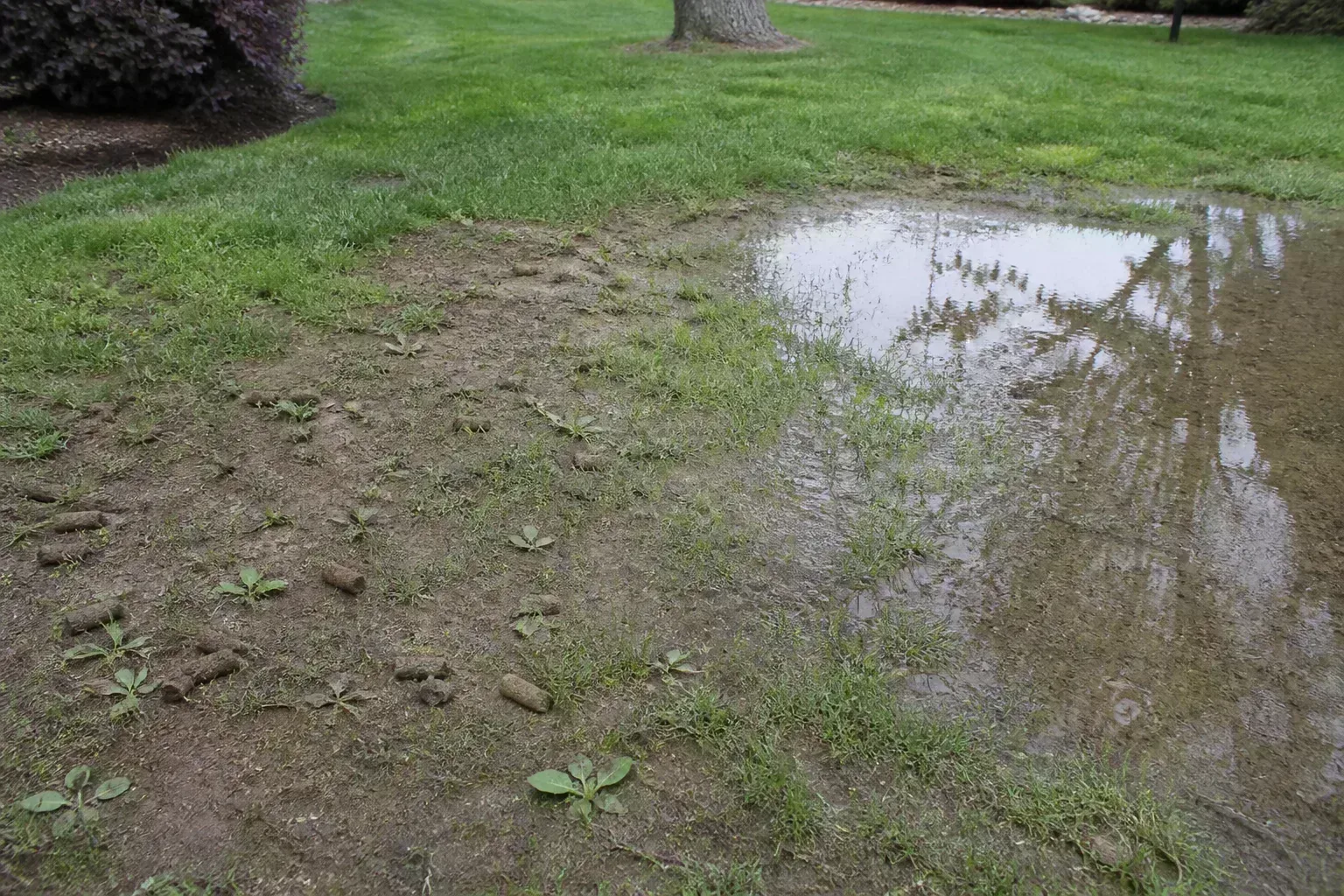
In a thick, healthy stand of grass suited to your climate, weeds are mostly spot-treatment problems. In a thin, compacted, drought-stressed lawn, weeds are a symptom. Spraying year after year without fixing density is how homeowners conclude that “weed control stopped working” when the real issue is that open soil keeps reseeding itself.
When the Problem Is Thin Turf, Not Weak Herbicide
Weeds colonize bare ground faster than struggling grass fills it in. If more than about 20–30% of the visible lawn area is broadleaf or grassy weeds—or if grass blades are so sparse that you see soil between plants—herbicide alone rarely delivers a lasting visual change. You kill this generation; the seed bank and creeping stems send up another.
The higher-return sequence is usually:
- Identify the dominant weeds so you know whether renovation needs pre-emergent, post-emergent, or non-chemical removal.
- Correct the site—compaction, shade, mowing too short, chronic underwatering, or wrong grass species for the location.
- Renovate thin areas with overseeding or patching in the correct season for your turf type, then manage weeds around the young grass carefully.
Our guide on how to help your lawn grow faster covers the cultural side of density. For a lawn that is more weed patch than grass, see how to get rid of weeds in your lawn for method-by-method options before you commit to another full-yard spray.
What Realistic Weed Control Looks Like
Complete elimination of every non-grass plant is neither realistic nor always desirable. The RHS notes that many lawn “weeds” are tough perennial wildflowers that tolerate mowing, and that species-rich lawns can support pollinators while staying walkable. Allowing some clover, for example, can improve drought tolerance and bee forage.
If you still want a uniform turf look, aim for functional control: stop seed set, keep problem species from taking over high-traffic areas, and accept that a few isolated plants between mowings is normal. That mindset prevents the common mistake of escalating herbicide passes every month when the lawn would respond better to higher mowing and one well-timed fall broadleaf application.
Match the Product to the Weed and Growth Stage
The single most common reason weed control “stops working” is that it was never matched to the plant in the first place. Lawn herbicides are selective only within the categories on the label.
Broadleaf, Grassy, and Sedge Weeds Need Different Tools
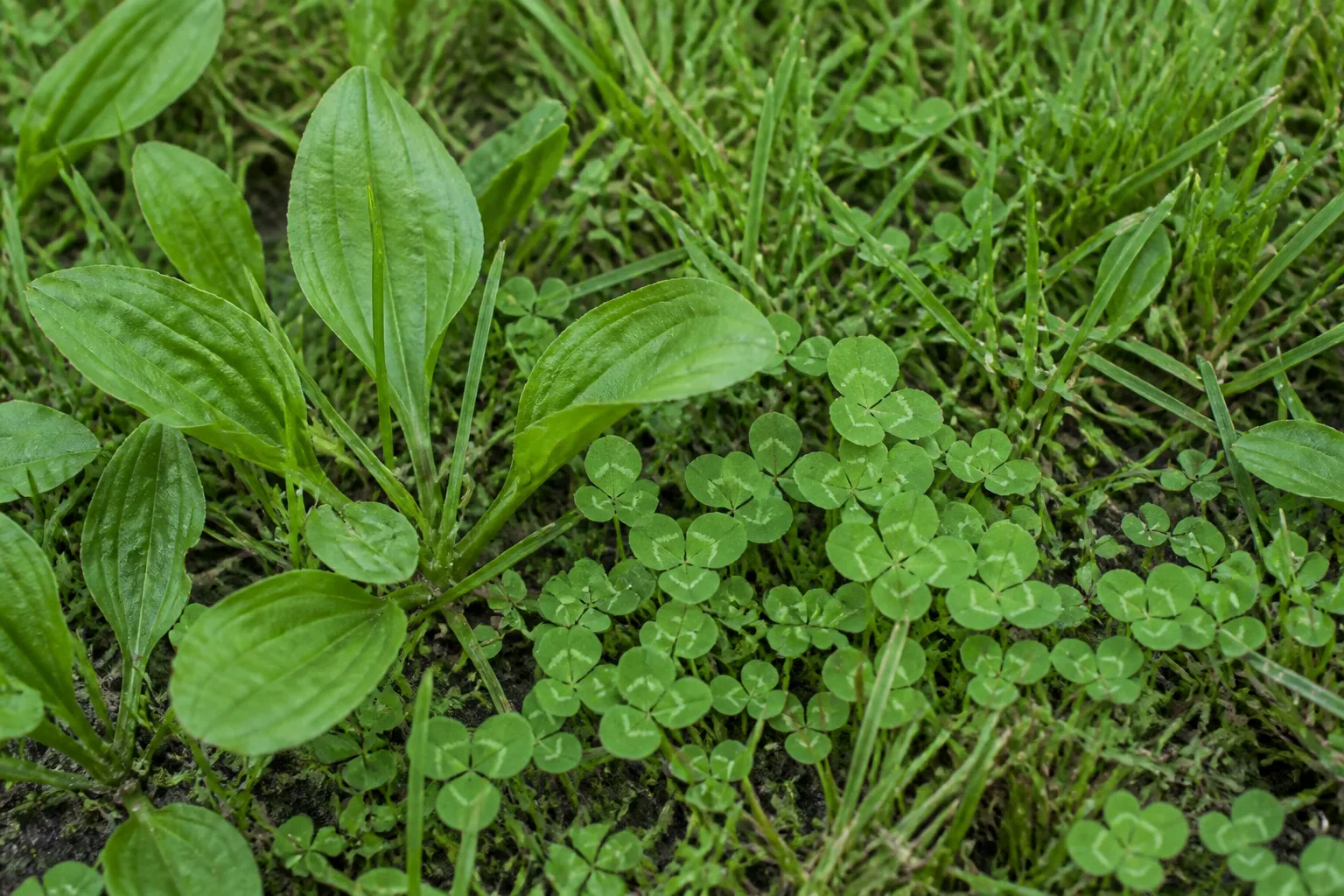
Broadleaf weeds—dandelion, plantain, clover, chickweed, henbit—are controlled by selective post-emergent products containing auxin-type ingredients such as 2,4-D, dicamba, or MCPP. NPIC explains that 2,4-D kills broadleaf plants but not most grasses, which is why these products are labeled for lawn use when directions are followed.
Grassy weeds such as crabgrass and foxtail are not controlled by standard three-way broadleaf sprays. They need grassy-weed or combination products with ingredients like quinclorac, and timing is tied to seedling stage. Our crabgrass removal guide and natural crabgrass prevention guide cover the pre-emergent and post-emergent split in detail.
Sedges—nutsedge is the classic example—look grass-like but require sulfentrazone or halosulfuron-type products. Spraying broadleaf herbicide on yellow nutsedge produces a perfect illustration of “herbicide failure” that is really a category error.
Pre-emergent herbicides stop seedlings from establishing; they do not kill mature weeds. If you applied pre-emergent and still see large dandelions, the product did not fail—it was never meant for that job.
Tough Broadleaf Weeds That Shrug Off 2,4-D Alone
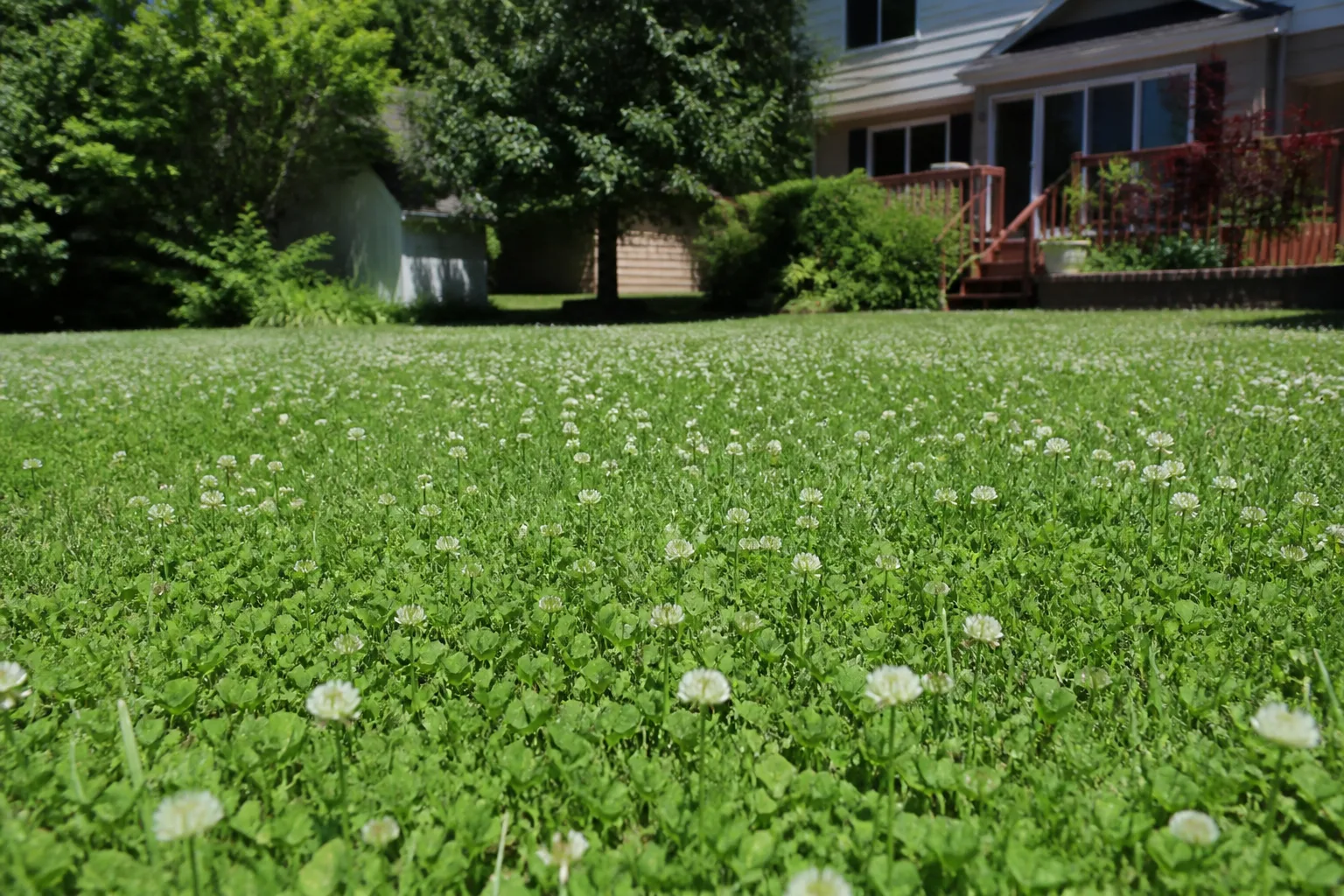
Even within broadleaf weeds, efficacy varies. Clover, wild violet, ground ivy (creeping Charlie), and oxalis often need triclopyr or combination products—not 2,4-D by itself. That is why a homeowner can swear “weed killer stopped working” when the lawn mix shifted from mostly dandelion to mostly clover.
For clover-heavy lawns, read how to get rid of clover in your lawn before buying another generic broadleaf bottle. Ground ivy in particular is notorious for surviving repeated 2,4-D applications in some regions; extension programs recommend products containing triclopyr and fall timing when the weed is translocating sugars downward.
Always confirm the weed is on your specific product label. If it is not listed, assume poor control regardless of brand loyalty.
Timing and Weather Decide Whether Herbicide Works
Systemic lawn herbicides work when plants are actively growing and moving fluids. That is why the same bottle can look miraculous in October and useless in a July heat wave.
Pre-Emergent Windows and Moisture Requirements
Pre-emergent herbicides create a soil barrier that interrupts seedling development. They work only if applied before target weeds germinate and if moisture incorporates the product into the upper soil layer. For crabgrass and many summer annuals, the practical trigger is soil temperature holding around 55°F in the top inch—often late winter to early spring in warm regions and somewhat later in cold climates.
Apply too early and the barrier may break down before peak germination. Apply too late and seedlings are already up. Granular pre-emergents also need water: rainfall or irrigation after application moves the active ingredient into the zone where seeds sprout. A dry spell after spreading can make an otherwise correct product look “spent” by midsummer.
Remember that pre-emergent in seeding zones prevents desirable grass seed from emerging too. Do not apply across areas you plan to overseed within the label’s reseeding interval.
Post-Emergent Temperature, Drought, and Rain Rules
For post-emergent broadleaf control on cool-season lawns, aim for air temperatures roughly between 60°F and 85°F, moderate humidity, light wind, and no rain for the label’s rainfast period—often six to eight hours. Young, actively growing weeds absorb and translocate herbicide far better than mature flowering plants with thickened cuticles.
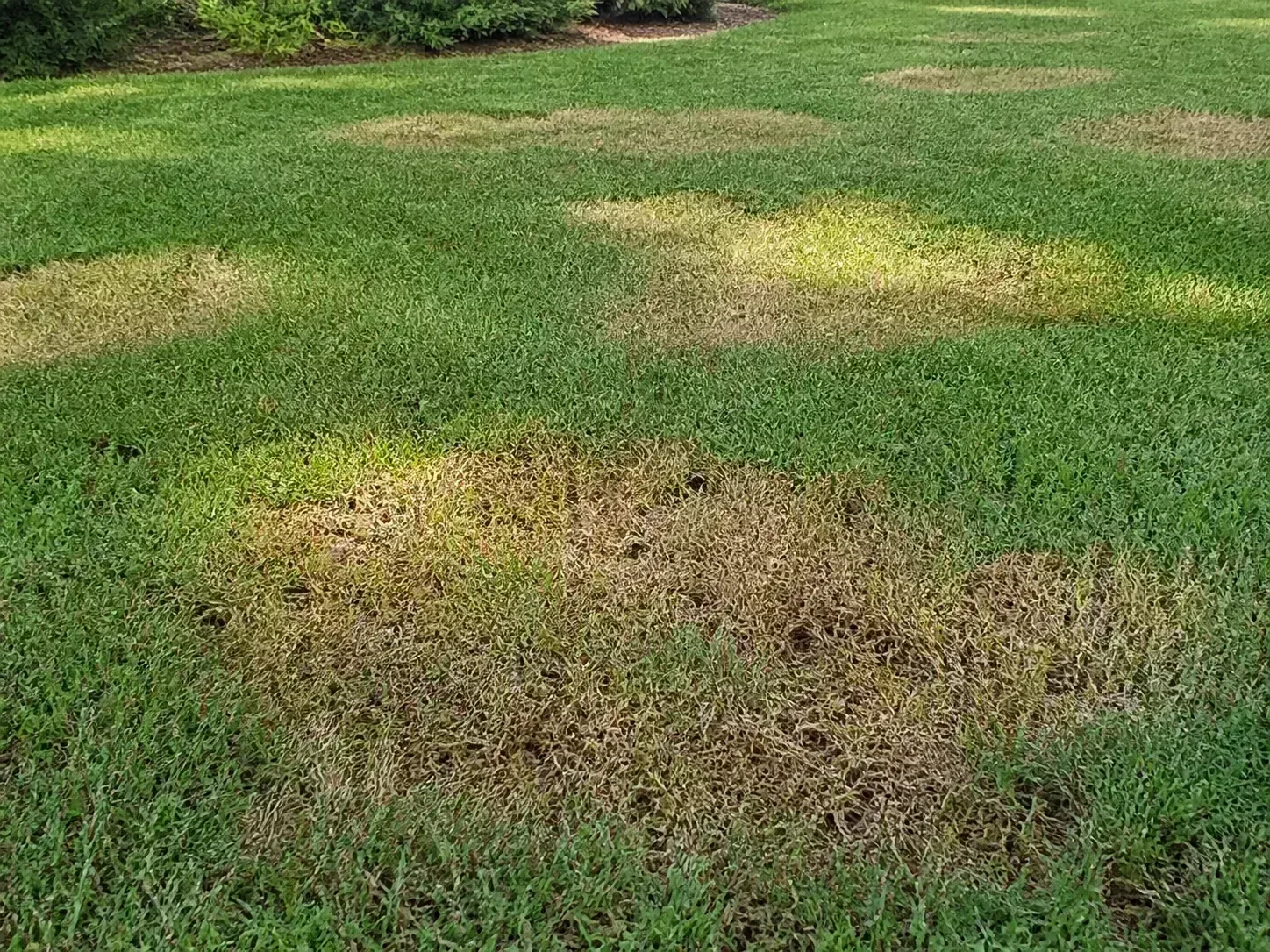
Hot, dry weather changes weed physiology. Under drought stress, weeds develop thicker waxy leaf surfaces and close stomata, which reduces uptake. Iowa State University Extension advises that in dry fall weather, homeowners should wait for a good rain or irrigate the lawn before applying broadleaf herbicide, noting that half an inch or more of water helps revive drought-stressed weeds so they absorb treatment.
The same logic applies in summer heat waves: spraying stressed weeds on a 95°F afternoon often browns turf without killing roots. If weeds are visible during extreme heat, mark them and return in early fall when cool-season perennials are actively storing energy underground—exactly when translocation works in your favor.
Also respect mowing boundaries. Mowing two days before or after application can remove leaf area the chemical needs. Follow the label; many products ask you to skip mowing immediately before and after treatment.
Application Mistakes That Mimic Resistance
When homeowners say herbicide “stopped working,” the cause is often application mechanics—not biology.
Coverage, Surfactants, and Label Rates
Liquid sprays fail when droplets never wet the leaf. Walking too fast, spraying in wind, using a nozzle that mists instead of coats, or treating only the tallest flowers while low rosettes stay dry all produce patchy control. After spraying, look back: every target leaf should show a brief wet sheen.
Granular weed-and-feed fails when granules bounce off dry, waxy leaves. Iowa State Extension notes that granular broadleaf products must stick to weed foliage and be absorbed through leaves, which is why early-morning dew or irrigation before application matters. Spraying a liquid with the correct active ingredient often outperforms repeating a granular product on a dry lawn.
Rate errors are equally common. The label rate is per 1,000 square feet at a defined spray volume—not “one cap per tank” guesswork. Calibrate your sprayer with water on a measured test area before mixing herbicide. Our best garden sprayers guide includes why output calibration matters more than brand.
Surfactants can make or break control on clover, wild violet, and ground ivy. Some products include adjuvants; others require a non-ionic surfactant at label rate. Adding dish soap is not a substitute—it can injure leaves unpredictably. Read the label: if it requires surfactant and you skipped it, fix that before you declare resistance.
Never exceed the labeled rate. Higher concentration does not fix wrong timing or wrong weed ID; it increases turf injury and runoff risk. NPIC notes that 2,4-D can move to shallow groundwater and streams and that some forms are toxic to fish and aquatic life—another reason to apply only what the label allows on the area you actually measured.
When Weed Control Truly Stops Working
If you have verified weed ID, product match, timing, moisture, coverage, and rate—and control still declines across seasons—you may be facing resistance or a lawn that has crossed the renovation threshold.
Herbicide Resistance and How to Manage It
Herbicide resistance develops when the same mode of action is applied repeatedly and survivors reproduce. Cornell Weed Science maintains a list of herbicide-resistant weed species documented in field settings, including cases relevant to turf and landscape weeds. In residential lawns, declining pre-emergent performance against annual bluegrass or crabgrass after years of the same ingredient is a more common resistance story than exotic laboratory cases—but the management principle is the same.
Practical resistance management:
- Rotate modes of action between seasons—not just brand names with the same active ingredient.
- Use combination products with multiple effective actives where the label allows, so individuals resistant to one mechanism still encounter another.
- Integrate non-chemical control: hand-dig isolated perennials before seed set, mow annual weeds before they flower, and thicken turf so fewer seedlings establish.
- Confirm resistance with a test: apply a product with a different mode of action at label rate under good conditions. If weeds respond, the earlier failure was likely product selection or application—not true resistance.
Document what you sprayed and when. A simple log prevents accidentally repeating the same HRAC Group 4 auxin herbicide every spring and fall for a decade.
When Renovation Beats Repeated Spraying
Some lawns reach a point where herbicide is triage, not therapy. If weeds dominate, if multiple species need incompatible products, or if grass cover is too thin to shade soil, stop escalating sprays and plan renovation:
- Late summer to early fall is often the best window for cool-season turf renovation—less heat stress on seedlings and strong broadleaf weed control on actively growing perennials before overseeding, provided you follow label intervals for seeding.
- Remove heavy thatch or compacted crust where seed cannot contact soil.
- Overseed with the right species for sun, traffic, and your region.
- Water consistently through germination, then shift to deeper, less frequent irrigation as roots establish.
If you are unsure whether your lawn is a spray candidate or a renovation candidate, measure roughly: stand in the worst patch and count how much of a square foot is green grass versus everything else. When grass is the minority, herbicide budget is usually better spent on seed and soil correction.
A Smarter Weed-Control Plan for Next Season
Think in layers instead of bottles:
Cultural base: Mow high for your grass type, fix irrigation so footprints do not linger all afternoon, and address compaction and shade where grass thins every year. Dense turf is the cheapest long-term pre-emergent.
Targeted chemical use: One well-timed fall broadleaf application on actively growing weeds often outperforms three marginal summer sprays. Pair pre-emergent only where you have a documented annual-grass or predictable seedling problem—not on every lawn by reflex.
Spot treatment over broadcast: Save full-yard passes for true infestations. Spot-spraying reduces chemical load and makes it easier to see whether the product works on the weed you identified.
Environmental realism: Selective lawn herbicides can affect non-target plants through drift and clippings. The RHS cautions that contaminated clippings can damage plants when composted or used as mulch. Keep treated clippings off vegetable gardens and beds until the label says it is safe.
Acceptance where it helps: If pollinator value and drought resilience matter more than uniform green, allowing some clover or lowering input intensity may match your goals better than fighting every non-grass plant. Our lawn alternatives guide explores lower-input yards that still function for families and pets.
Conclusion
When lawn weed control stops responding, the answer is rarely “use more.” It is almost always diagnose first: confirm the weed, match the product and growth stage, apply in active weather with real leaf coverage, and ask whether the turf is dense enough to hold gains. Fix application and timing errors before you blame resistance—and when the same active ingredient has been on repeat for years, rotate modes of action or integrate renovation instead of escalating dose.
A lawn that keeps teaching you the same lesson after every spray is telling you something. Listen before you buy the next bottle.