5 Ways Summer Heat Can Help Your Garden
Summer heat can speed warm-soil germination and keep heat-loving plants growing. Learn which crops benefit, where they struggle, and what to do.
Warm Is Useful Only When It Matches the Plant
A hot afternoon is not automatically good or bad for a garden. Temperature is a growing condition, and the same warm stretch that helps okra flower can make lettuce bolt, interrupt tomato fruit set, or push a cool-season lawn into stress. The useful question is not simply “Is it hot?” but “Is this plant adapted to this temperature, at this stage, with enough water at its roots?”
Summer warmth gives gardeners a real opportunity: warm soil, long frost-free stretches, and bright days let heat-adapted plants do work that would stall in spring. Some seeds emerge faster, certain vegetables keep growing, summer flowers hold color, and warm-season grasses enter their active season. Those are genuine advantages, but they depend on matching a plant to the climate and protecting its root zone.
Think of heat as a resource with a limit. A week of warm weather and moist soil can move a crop forward; several days of hot air, warm nights, and dry soil can stop flowering or damage foliage. The sections below show where summer heat helps, which plants can use it, and how to tell when the balance has changed.
1. Warm Soil Starts Heat-Loving Seeds and Seedlings
Seeds respond to the temperature around them, not the number on a calendar. Warm-season crops such as corn, beans, tomatoes, cucumbers, peppers, and melons generally need warmer soil to germinate reliably than peas or lettuce. That makes summer useful for sowing crops that languished in cool spring beds, and it can shorten the wait between planting and emergence when soil moisture is steady.
Warm soil can also help transplanted crops resume growth after planting. Roots develop more readily when the bed is no longer cold, so a well-hardened tomato or pepper transplant can establish faster in warm ground than it would during a chilly spell. This is not a reason to put a tender seedling straight from a greenhouse into full sun: the plant still needs gradual acclimation, and a late cold night can injure it even when the afternoon feels summery.
Kansas State Research and Extension notes that crops such as tomatoes, corn, and green beans need soil at least 55°F for successful planting, while peppers, cucumbers, and melons need warmer conditions. Wisconsin–Madison Extension shows how widely germination preferences can differ from crop to crop; for instance, its chart gives cooler optimum conditions for spinach than for cucumber or squash. The practical lesson is that “warm soil” is not one universal number. Use the temperature range on your seed packet or local extension guidance for the crop you are planting.
Measure Soil Warmth at Planting Depth
A warm air temperature on one sunny afternoon does not prove the whole seed zone has warmed. Soil changes more slowly than air, and exposure, moisture, mulch, raised beds, and dark surfaces all affect readings. A soil thermometer gives a better answer than guessing from the weather app; measure at the depth where you will sow, and take readings in the same part of the bed over several days instead of relying on one midday spike. K-State Research and Extension recommends measuring at least 2.5 inches deep in late morning and considering a five-day average, while Wisconsin–Madison Extension explains why seed depth and transplant depth call for different readings.
This is especially helpful when you want a second sowing of beans, cucumbers, or summer squash. If soil is warm enough but a heat wave is forecast, wait until you can keep the seed bed evenly moist; a tiny seedling has shallow roots and can dry out long before an established plant does. In a hot, exposed bed, light mulch can moderate the surface after seedlings emerge, but do not bury seed rows under a heavy layer that blocks light or prevents emergence.
2. Summer Keeps Warm-Season Vegetables Growing
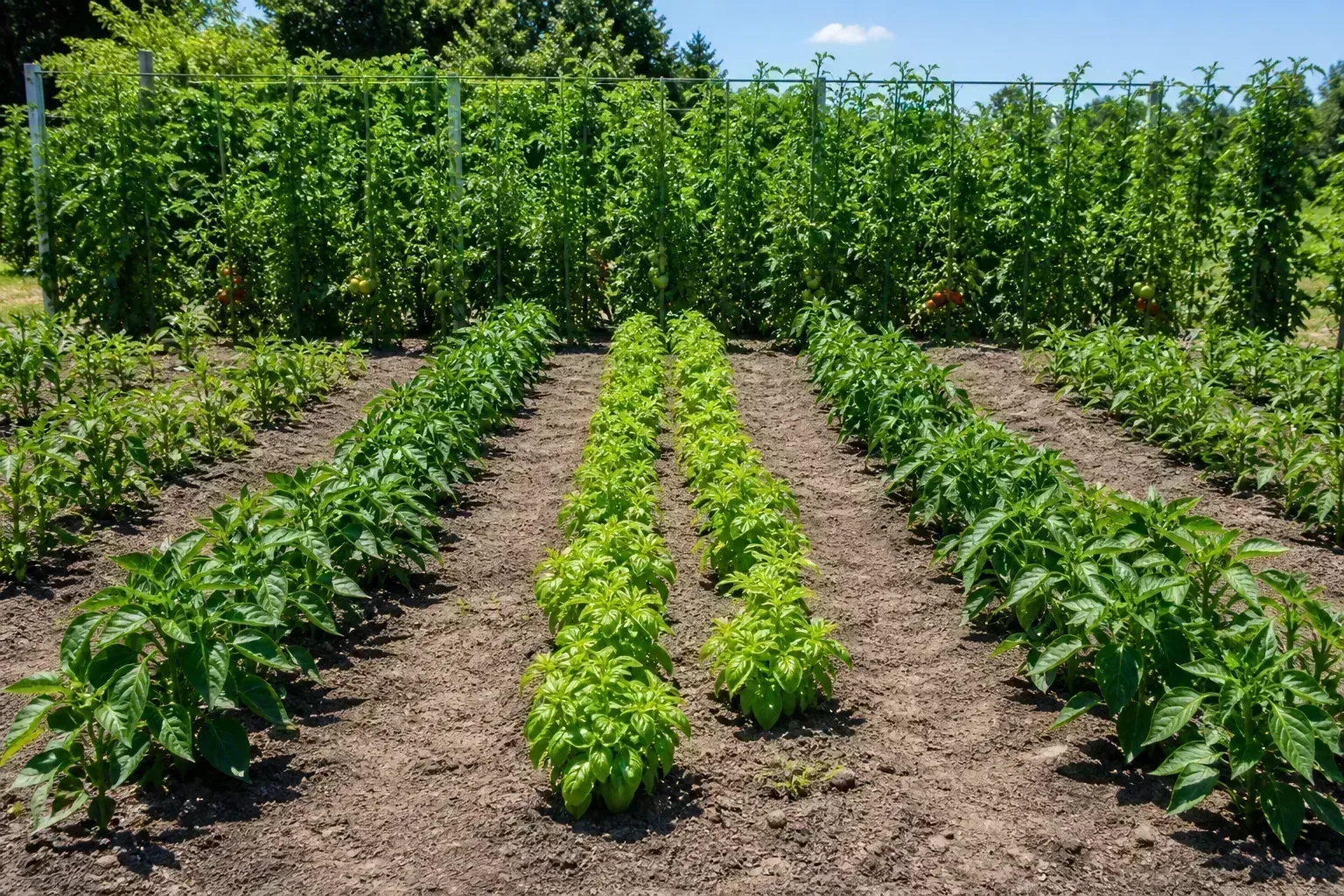
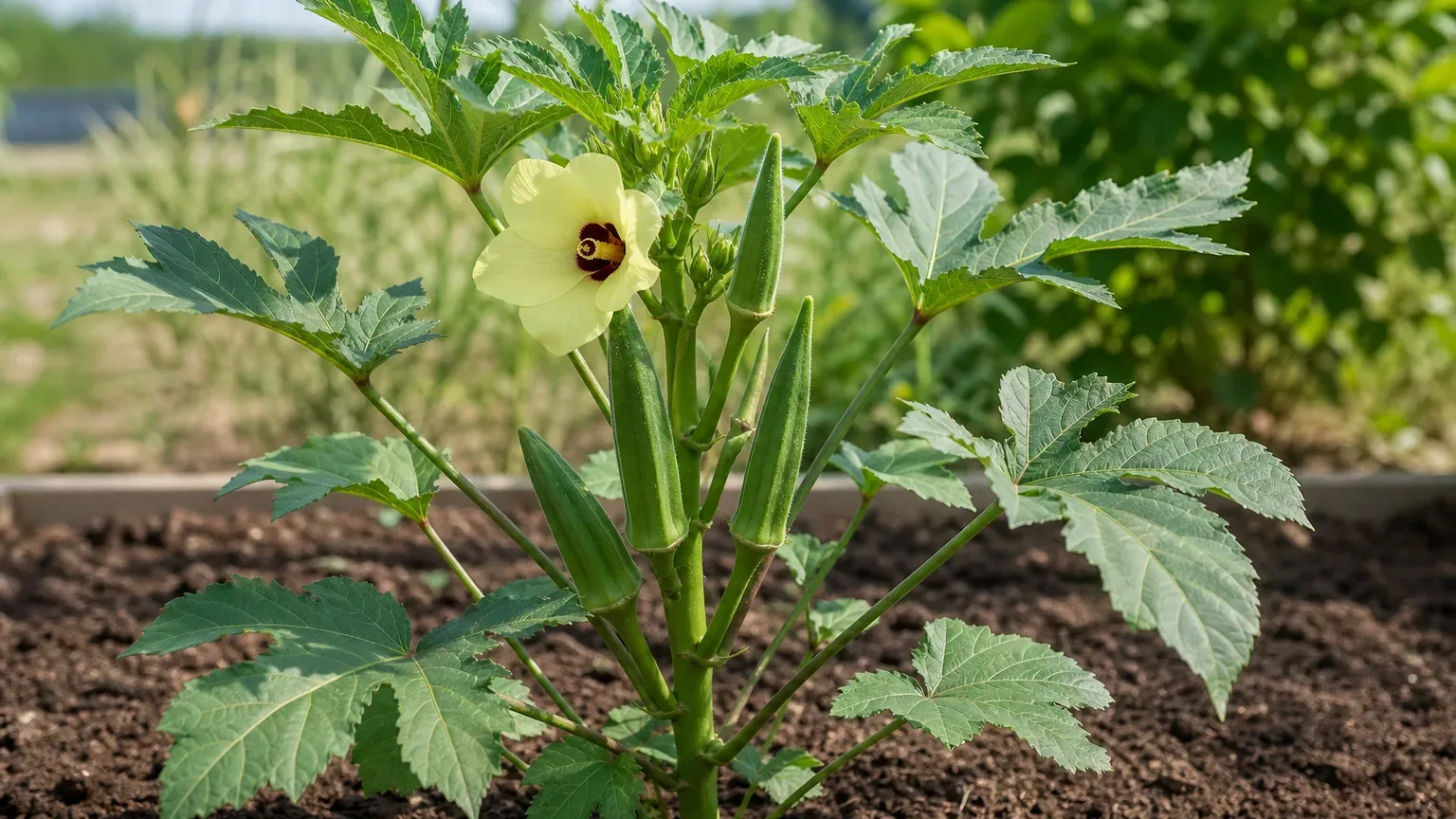
Many familiar summer crops are built for warmth. Once their roots are established, cucumbers, squash, melons, okra, eggplant, peppers, sweet potatoes, and some beans can put on growth when cool-season crops have slowed or finished. The long season is a genuine advantage: plants have time to flower, pollinate, fill fruit, and produce repeated harvests before fall frost.
The gain is crop-specific, though. Harvest to Table horticulturist Stephen Albert describes okra, sweet potatoes, eggplant, yardlong beans, and some peppers among crops that can remain productive in high summer temperatures. His advice fits a simple planning rule: grow what has a proven track record in your climate, then check the cultivar’s days to maturity against your remaining frost-free window. A heat-tolerant crop may survive a long hot season and still fail to ripen before frost in a short-summer region.
| Crop group | How summer warmth can help | What can limit it |
|---|---|---|
| Okra, southern peas, and yardlong beans | Support vigorous growth and a long harvest period | Cold soil at planting, dry roots, or a growing season too short for the variety |
| Sweet potatoes | Give vines a long, warm window to develop storage roots | Planting too late, drought, or digging before roots have sized up |
| Cucumbers, squash, and melons | Warm soil supports fast vine growth and flowering | Poor pollination, inconsistent moisture, and heat that dries flowers or soil |
| Eggplant and hot peppers | Keep warm-weather plants flowering and fruiting | Very hot nights, water stress, and sunscald on exposed fruit |
| Tomatoes | Promote vegetative growth and ripening through warm weather | High heat can reduce pollen function and fruit set, particularly when nights stay hot |
This is why “heat-loving” should mean “adapted to a warm growing season,” not “unaffected by a heat wave.” Establish plants before the harshest weather, water deeply enough to wet the root zone, and keep the moisture pattern reasonably steady. A shallow sprinkle that evaporates from the surface may cool the soil briefly without reaching the roots; an abrupt swing from very dry soil to saturation can also crack fruit or stress a plant.
Choose Crops That Like a Long Warm Window
Use the space left by spring crops to plant a summer crop only if there is enough time for it to mature. In a warm region, that might be a new row of beans or cucumbers; in a cooler region, an early-maturing summer squash or bush bean may be a safer bet than a long-season melon. Look at the seed packet’s days to maturity, but treat it as an estimate: heat, water, soil, and transplant stress all affect the calendar.
It also helps to distinguish crops that tolerate heat from crops that actively need it. Okra and sweet potatoes are more dependable choices for sustained heat than lettuce or peas. Standard spinach, radishes, and many salad greens may germinate in warm weather yet quickly bolt or develop poor flavor once days and nights stay hot. For leafy harvests in summer, choose a heat-adapted alternative such as Malabar spinach or plant cool-season greens in shade for a brief harvest rather than expecting spring conditions to persist.
If you are unsure what is worth planting, ask a local extension office or consult a regional planting calendar. A gardener in a humid coastal region, a high-elevation valley, and a dry inland city can experience the same air-temperature forecast but very different nights, soil moisture, and frost dates. Local advice accounts for those differences better than a national list of “best summer vegetables.”
Tomatoes and Peppers Still Have a Heat Ceiling
Tomatoes need warmth, but the hottest weather can work against flowers and fruit set. When pollen is less viable or flowers fail to set, the plant may look lush and green while producing few new tomatoes. Harvest to Table notes that high temperatures above roughly 90°F can bring blossom drop in tomatoes; University of Maryland Extension likewise treats heat stress and changing pollination conditions as a vegetable-production concern. The exact response varies by variety, humidity, water status, and especially how warm nights remain, so do not diagnose every empty flower from the daytime high alone.
Peppers, cucumbers, and squash also need pollination or successful flower development to produce well. Extreme heat can make flowers less attractive to visiting insects and can stress pollen or developing fruit; a 2025 Scientific Reports study on highbush blueberries found that four hours of 37.5°C heat during sensitive flower-bud stages changed pollen nutritional composition and reduced fruit set in the experiment. That blueberry study does not set a temperature threshold for backyard tomatoes, but it is a useful reminder that flowering plants and their pollinators can both be affected by heat.
If fruit set pauses during a hot spell, keep the plant hydrated, harvest ripe fruit, and avoid heavy pruning that suddenly exposes green fruit to direct afternoon sun. A temporary shade cloth over the hottest part of the day can protect sensitive crops, but do not leave it in place indefinitely: too much shade can reduce flowering and slow ripening. When temperatures ease, healthy plants often resume flowering without needing a drastic intervention.
3. Sun-Loving Flowers Carry Color Into Summer
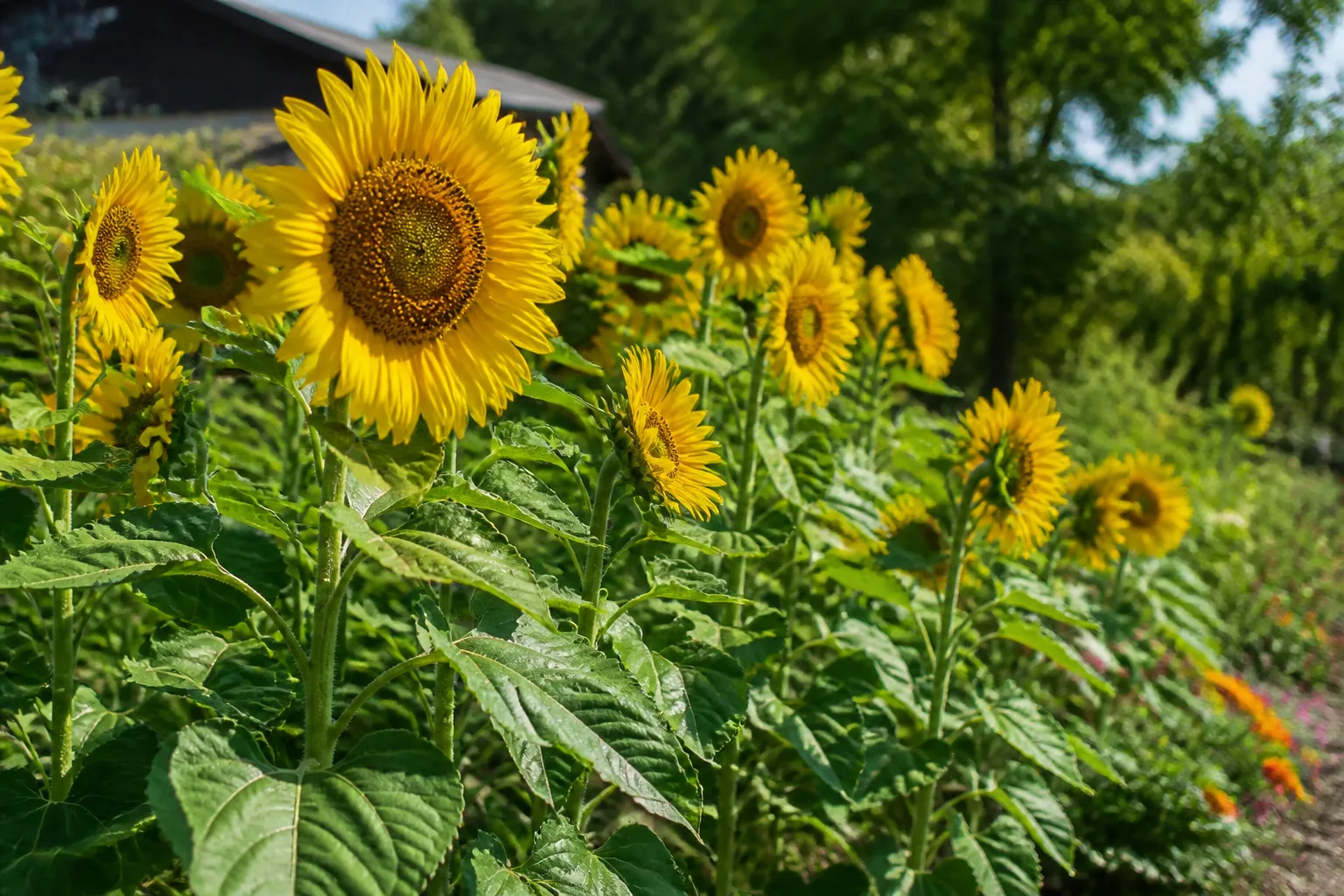
Many annual flowers are selected precisely because they keep blooming through the warmest part of the garden year. Sunflowers, zinnias, celosia, portulaca, and lantana can maintain color in a sunny bed after spring flowers fade, provided the variety suits the region and the roots do not dry out. Their value is not only visual: a succession of open flowers gives a garden structure and can provide nectar and pollen when spring bloomers have finished.
A flower’s “full sun” label describes the light it can use, not an unlimited tolerance for reflected heat or drought. A zinnia in deep, well-prepared soil may cope better than the same cultivar in a small black pot on hot paving. Newly planted annuals need water while their roots spread; established plants may still wilt in the afternoon if the root ball is dry, wind is high, or paving reflects heat back onto leaves.
Choose flowers by bloom season, mature size, and water needs—not by the hottest plant list alone. Sunflowers grow tall and may shade shorter neighbors; zinnias range from compact border varieties to large cut-flower types; lantana can behave as a perennial in warm climates and an annual in colder ones. Staggering sowings or mixing early and late varieties can extend the display without expecting one plant to flower perfectly from June through frost.
Let Flowers Support Pollinators Without Promising Too Much
Summer flowers can make a yard more useful to bees, butterflies, and other visitors, but hot weather itself is not a pollinator benefit. During severe heat, insects may forage at cooler times of day, and heat can affect flowering and pollen in some crops. Keep a range of flower shapes and bloom times, avoid spraying flowers while pollinators are visiting, and make sure a water source is shallow enough for insects to drink safely.
For a food garden, flowers near vegetables can make the space more attractive to beneficial insects, but they do not guarantee that tomatoes or squash will set fruit during extreme heat. Pollination depends on the crop, flower timing, insect activity, and weather together. If flowers are dropping, first check whether the plant is dry or heat-stressed and whether it is flowering at a time when pollinators are active; adding more flowers alone may not solve a temperature problem.
4. Heat Gives Basil and Other Tender Herbs a Longer Season
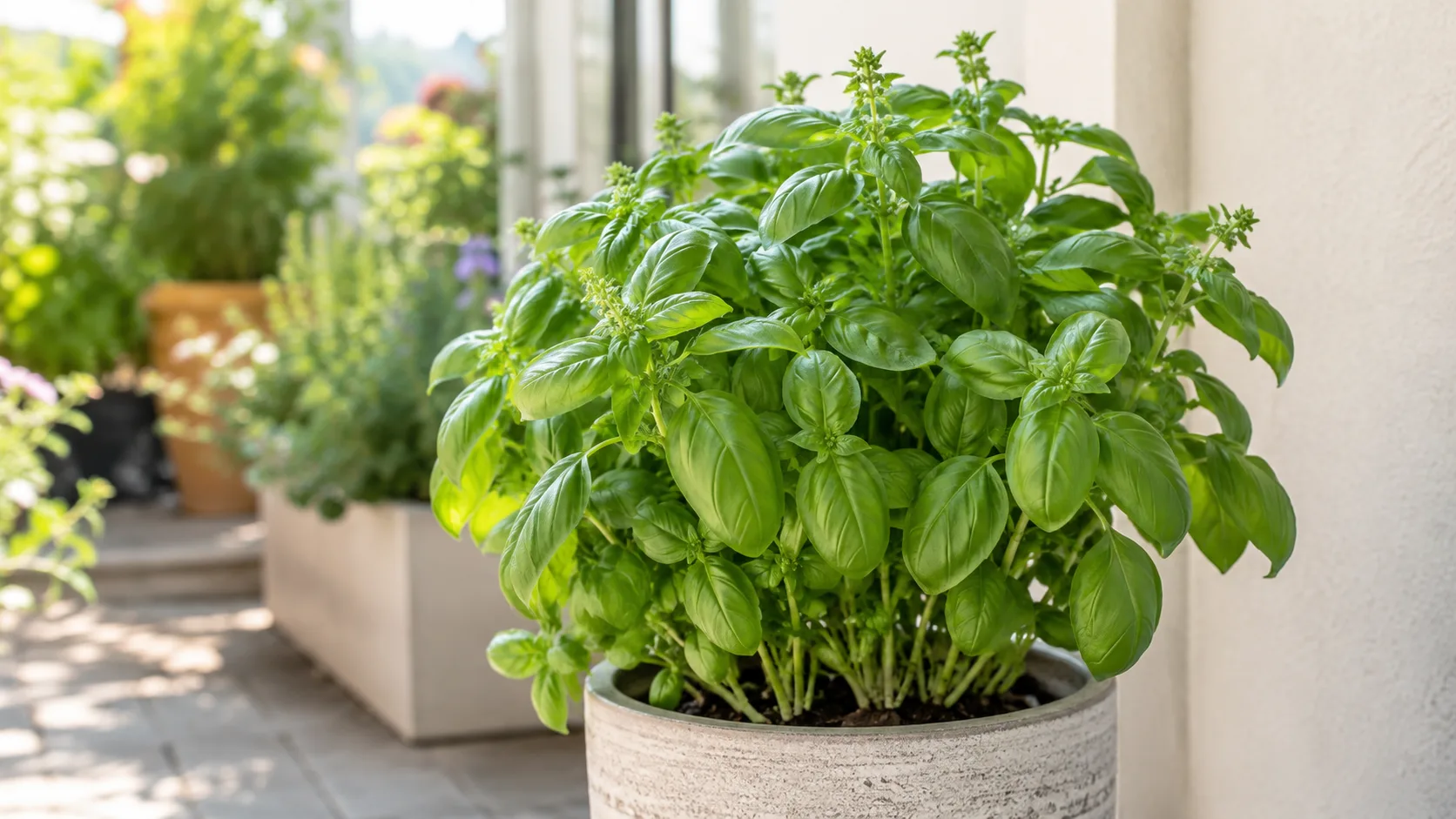
Basil is a warm-season herb that grows quickly after chilly spring weather passes. In warm soil with consistent moisture, it can produce a steady supply of leaves for cooking, and a single plant can branch heavily if you pinch growing tips. Tender herbs such as basil and shiso also fill a seasonal gap when frost-sensitive plants would struggle outdoors; the garden can keep producing fresh flavor well into summer.
That does not mean every herb thrives in full sun during a heat wave. Mint tolerates summer warmth but often appreciates afternoon shade and evenly moist soil; it can also spread aggressively, so a pot or root barrier helps contain it. Rosemary, thyme, and oregano are adapted to sunny conditions once established, yet their growth may slow in very dry heat. Match the herb to the bed’s water and sun exposure, rather than assuming a Mediterranean origin means it never needs irrigation.
Harvest Often and Protect the Root Zone
For a leafy basil harvest, cut stems just above a pair of leaves so two side shoots can grow from the node. Pinch flower buds when you want to keep the plant focused on leaves; let some stems flower if you want to save seed or provide blooms for insects. Regular light harvesting is more useful than stripping most leaves during the hottest week, when the plant needs foliage to support recovery.
Pots dry out faster than garden beds because sun warms the container from the sides and a limited amount of soil holds less water. Check container herbs in the morning and again later during extreme heat; water when the root ball is drying, not simply because it is noon. A larger, light-colored pot, a mulch layer on the soil surface, and protection from late-afternoon reflected heat can reduce swings in root temperature. Keep drainage open so “more water” does not turn into a waterlogged pot.
5. Warm-Season Lawns Stay Active in Hot Weather
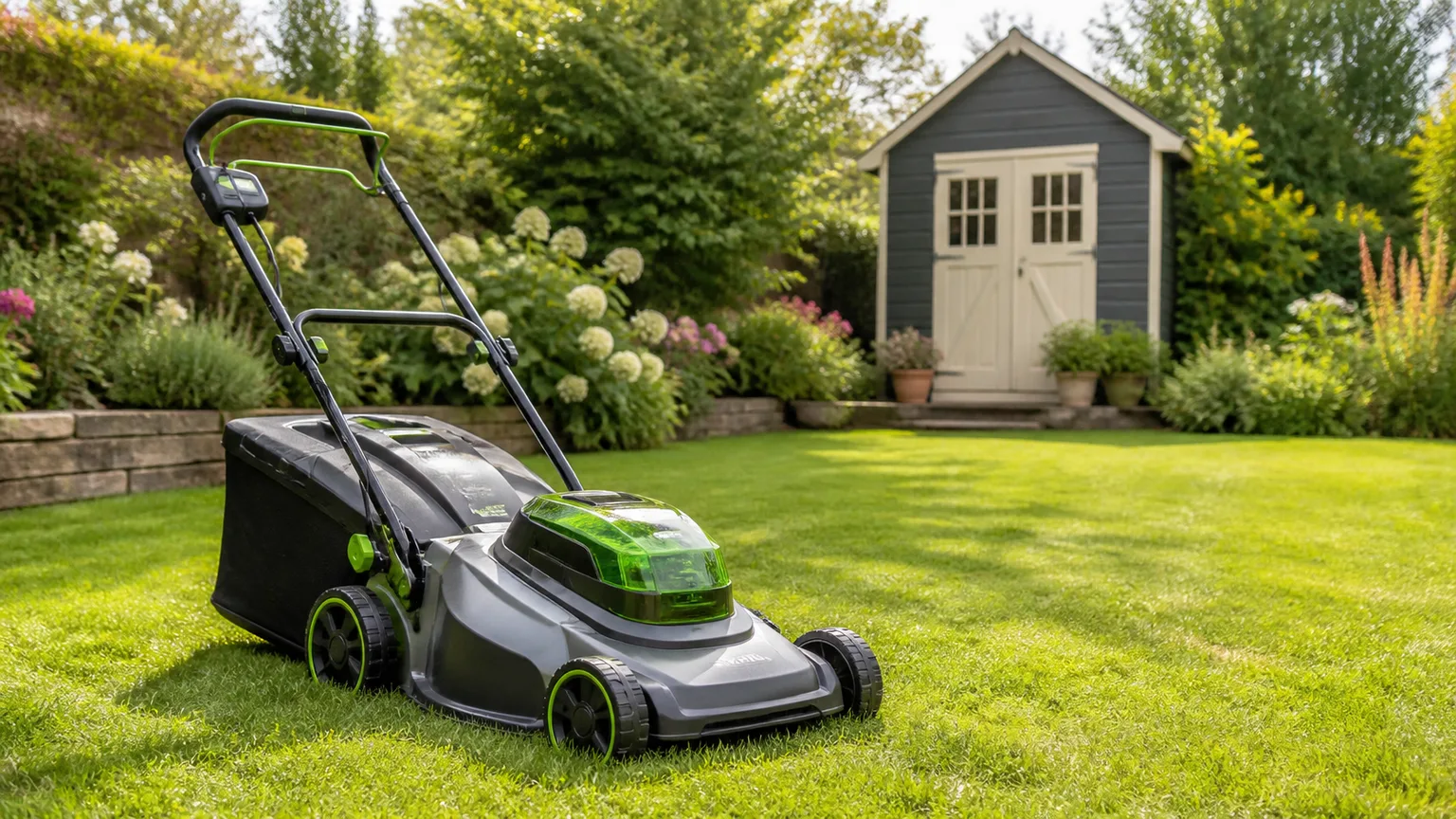
Bermuda grass, zoysia, St. Augustinegrass, centipedegrass, and buffalograss are warm-season turfgrasses. They grow most actively in warm weather and can maintain green cover or recover from ordinary wear when soil moisture and roots are adequate. In contrast, tall fescue and Kentucky bluegrass are cool-season grasses; summer heat can slow them and prolonged heat combined with drought can cause substantial damage.
NC State Cooperative Extension notes that heat alone is generally not a problem for warm-season grasses unless soil moisture is low or roots are restricted. That qualification matters: a brown patch does not prove the lawn is dead, but warm-season turf can still go dormant under drought, and a cool-season lawn in a hot region may be struggling rather than “enjoying the sun.” Species, soil, root depth, mowing, traffic, and water restrictions all change the outcome.
Confirm Your Turf Type Before Changing Care
Before adding water or fertilizer, identify what grass you have. A warm-season lawn that browns during drought may be conserving resources and can green up when favorable moisture returns; a cool-season lawn may need a different recovery plan. NC State Extension distinguishes watering to maintain active green growth from watering to help turf survive while dormant. Follow local watering rules and your county extension’s recommendations rather than copying a schedule written for a different species or climate.
Heat also does not make every lawn task safer. Avoid heavy traffic on severely drought-stressed turf, and do not apply fertilizer simply because the lawn looks pale; dry or damaged roots may not use it well. If you want green grass all summer, the choice of species and a sustainable water supply matter more than assuming all grass should stay lush through any hot spell.
When Summer Heat Stops Being Helpful
A plant that likes warmth can still be harmed by intense heat, direct afternoon sun, dry wind, or overheated roots. That is why “heat tolerant” is not the same as “drought proof,” and “full sun” is not a promise that a newly planted seedling will cope with a 100°F day. Soil can be too hot for some seeds even while the air temperature is ideal for an established crop; containers can heat and dry much faster than beds; fruit can sunscald when leaves no longer shade it.
Heat stress and drought stress often arrive together, but they are not identical. If the topsoil is dry and the plant perks up after a thorough watering, low root-zone moisture was likely part of the problem. If soil is moist and the leaves droop only during the hottest hours but recover by evening, the plant may be temporarily reducing water loss; repeated overnight wilting, crisp margins, flower drop, or bleaching on exposed fruit suggests more serious stress and calls for a closer look.
Read the Plant, Not Just the Thermometer
Use a quick check before you intervene. First feel the soil several inches down near the active roots, not just the dry surface. Then look at the weather pattern, the plant’s age, and the position of damaged leaves: scorch on the sun-facing side can point to exposure, while whole-plant wilt with dry soil calls for water. Compare a container with a nearby in-ground plant; if only the pot is flagging, its root ball may be heating or drying out more quickly.
Do not cut off every wilted leaf or move a mature sun-loving plant into deep shade after one hot afternoon. Those changes can remove healthy foliage or leave a crop without enough light to flower. Instead, water the root zone when it is actually dry, mulch exposed soil, harvest ripe produce, and offer temporary afternoon shade to plants with a history of stress. If symptoms continue after conditions improve, inspect for pests, disease, poor drainage, or root damage rather than blaming temperature alone.
A Practical Plan for the Next Hot Spell
Before a heat wave, prioritize young transplants, shallow-rooted seedlings, and containers; established plants with deep roots usually have a larger moisture reserve. Water beds deeply when the root zone is dry, preferably early enough for plants to begin the day hydrated, and check that water reaches below the surface. A mulch layer helps slow evaporation and reduces sharp swings in soil temperature, but leave a little breathing space around stems and keep mulch from covering seedling crowns.
During the hottest days, avoid transplanting or sowing small seeds into a bed that will be difficult to keep moist. If a tender crop is already flowering, preserve leaf cover and avoid unnecessary pruning. Temporary shade during the most intense afternoon window can protect flowers and fruit, especially on containers or exposed beds; remove or reposition the cover when the hottest stretch passes so the plant still receives the light it needs. Do not compensate for heat by applying extra fertilizer to a stressed plant.
After the heat breaks, check which plants recover overnight and which remain wilted or scorched. Resume normal watering based on the soil, remove only dead tissue, and wait to see whether healthy tomato, pepper, or cucumber plants begin flowering again. For a lawn, follow local irrigation rules and give it time to respond before reseeding or replacing turf. A short record of temperature, watering, and plant response can make next summer’s decisions easier and help you learn which crops genuinely suit your garden.
Conclusion
Summer heat can give a garden a productive second gear: it warms the seed zone for heat-loving crops, extends the growing window for vegetables and herbs, carries flowers through the season, and supports warm-season turf. Those benefits belong to plants adapted to warmth and to gardeners who keep roots supplied with moisture.
Use soil temperature rather than a calendar to time sowing, choose crops and cultivars that fit your local season, and pay attention to fruit set, leaves, and soil moisture during a heat wave. Heat is helpful when the plant can use it; when the roots dry, flowers drop, or cool-season plants stall, the right response is targeted care—not assuming every garden should thrive in the same weather.