Azalea Care: How to Grow Healthy, Blooming Shrubs
Grow healthier azaleas with a soil-first planting plan, bloom-safe pruning timing, watering cues, troubleshooting for yellow leaves, and pet-safety advice.
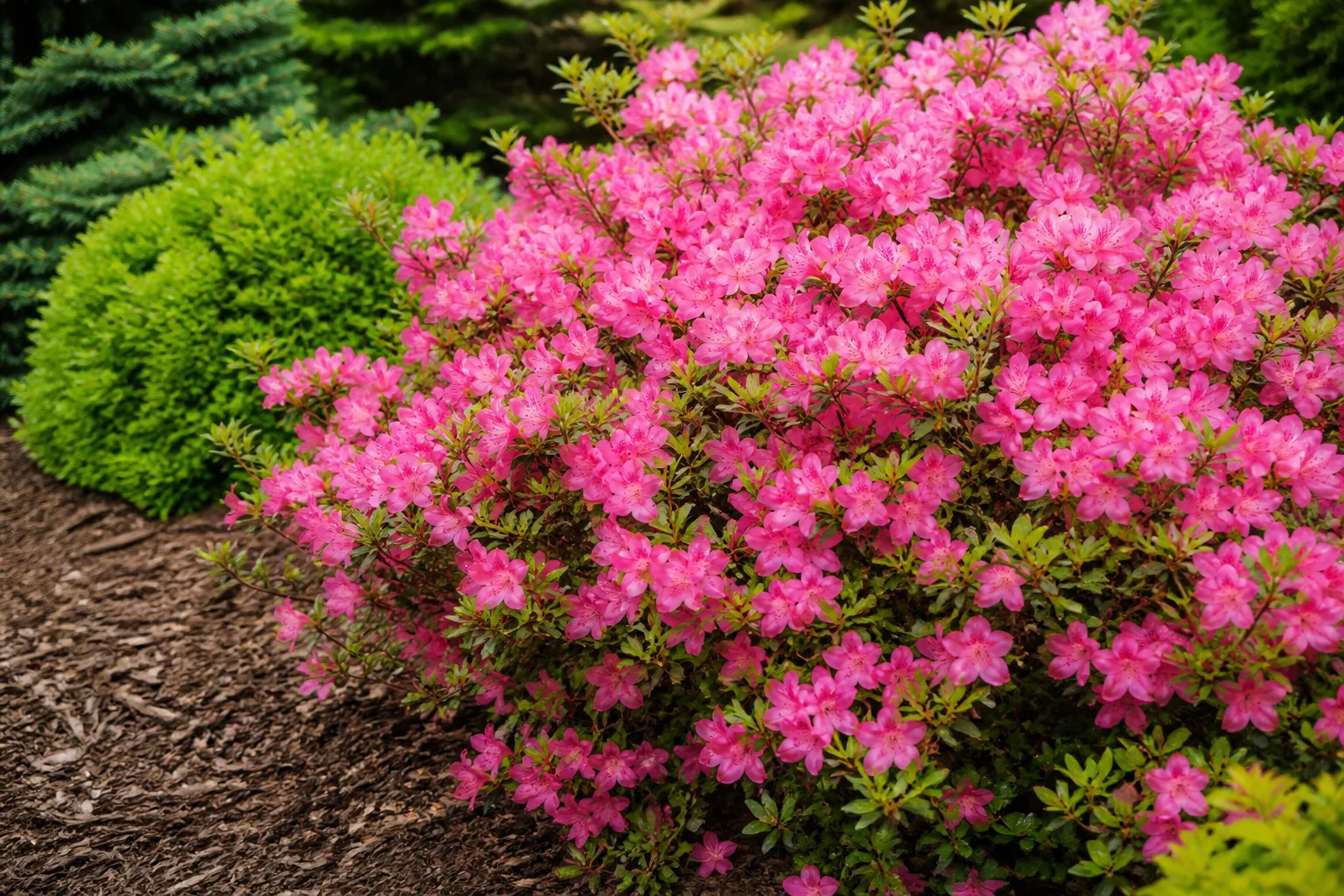
Azaleas are easiest to grow when you treat them as shallow-rooted woodland shrubs, not as ordinary foundation plants that can tolerate any spare corner. Give the right variety a sheltered site, acidic soil that drains freely, even moisture, and pruning timed around flower-bud formation, and the shrub can return with color for years. Put an azalea into alkaline clay, a hot reflected-sun pocket, or a permanently wet planting hole, and fertilizer will not rescue it.
The useful order of operations is simple: choose the plant for your climate and mature size, test the proposed bed, fix drainage before planting, set the root ball high enough, water slowly while it establishes, and prune soon after flowering. The details below explain the exceptions that make those rules work in real gardens.
The short answer: match the site before you amend the soil
For most garden azaleas, aim for about four hours of sun or bright filtered light, preferably morning sun with protection from harsh afternoon heat and drying wind. The soil should be moist but never saturated, rich in organic matter, and acidic, generally around pH 4.5 to 6.0. Water new plants deeply and slowly, refresh a modest mulch layer, and feed only when a soil test or clear deficiency justifies it.
The New York Botanical Garden describes azaleas as plants with shallow, fibrous roots that can grow in full sun or part shade, with roughly four hours of sun offering a useful starting point. It also warns that poor soil structure can either dry the roots or suffocate them with excess water. (New York Botanical Garden) That combination—oxygen plus steady moisture—is the core of azalea care.
If you are choosing a new plant, spend more time reading the nursery tag than shopping for fertilizer. Confirm mature height and width, evergreen or deciduous habit, bloom season, hardiness, and whether the cultivar is suited to your region. A plant that naturally fits the site needs less corrective work than one chosen only for flower color.
Choose an azalea that fits your garden
“Azalea” covers many species, hybrids, and cultivars within the genus Rhododendron. Their care overlaps, but their size, leaf retention, bloom timing, cold tolerance, and heat tolerance can be very different. Use the plant label and local nursery or extension advice for the cultivar you are buying rather than assuming every azalea behaves like the shrub you saw in a neighboring garden.
Evergreen, deciduous, and florist azaleas are different plants for different jobs
Evergreen azaleas keep some foliage through winter and are often compact, useful for woodland edges, borders, and containers. They can be more vulnerable to winter sun and wind because leaves continue losing water when the ground is cold. Deciduous azaleas drop their leaves, often offer strong autumn color or fragrance, and can be more forgiving of cold exposure, although hardiness still depends on the cultivar.
Reblooming cultivars can flower outside the main spring display, but the label is a promise about that cultivar under suitable conditions, not a guarantee for every climate or stressed shrub. Choose them when extended bloom matters, while still giving the plant the same good drainage and root-zone care.
Florist azaleas are a separate decision. They are often forced into bloom for a holiday or gift season and are usually grown in small pots. They can be kept cool and bright as temporary houseplants, but a warm, dry room is a difficult long-term environment, and many are not reliably winter-hardy outdoors. If you want a landscape shrub, buy a cultivar sold for your growing conditions instead of assuming a gift azalea will become one.
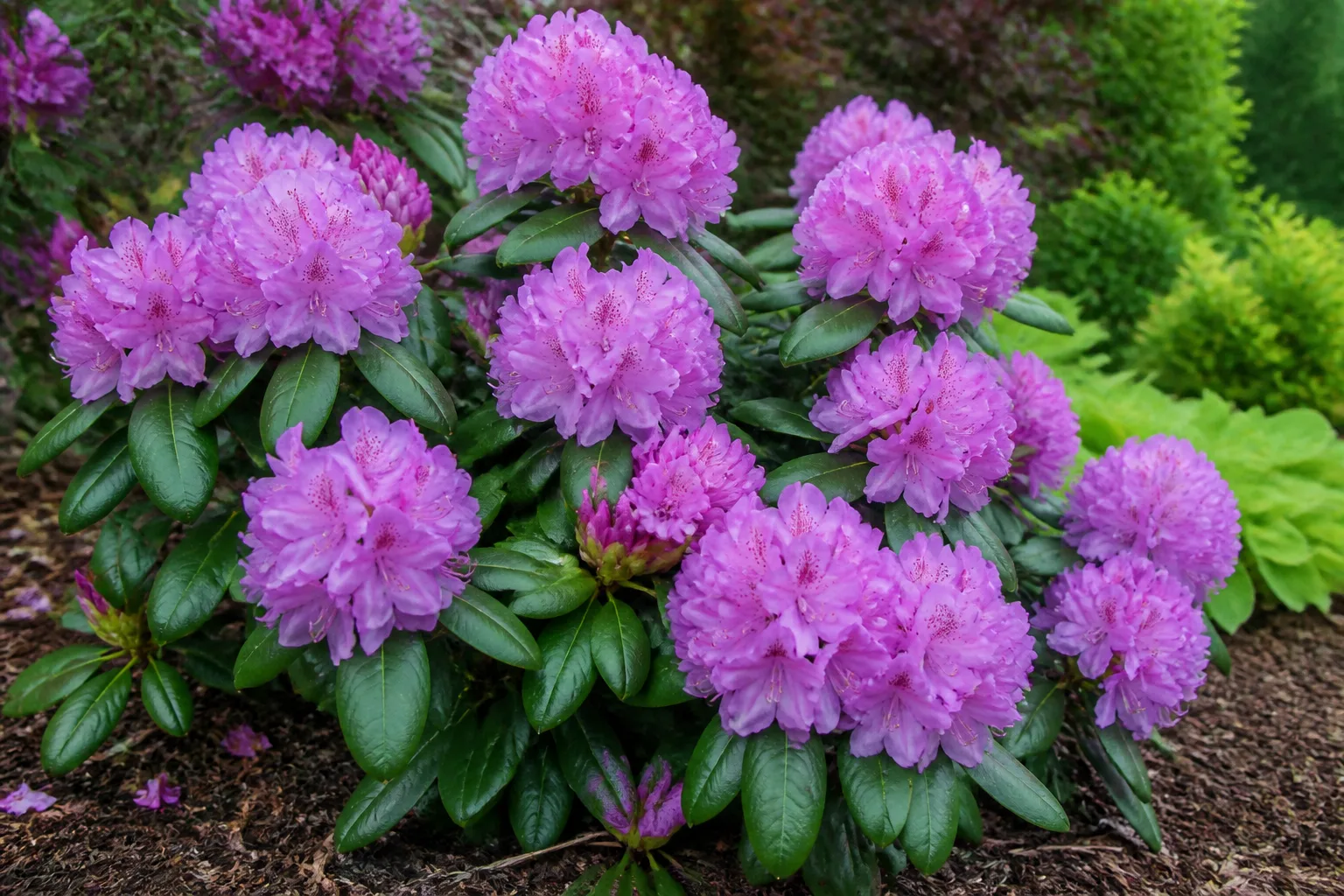
Azaleas and the rhododendrons commonly called “rhododendrons” are related but not identical in appearance. Azalea flowers tend to be funnel-shaped and are often carried singly or in small groups, while rhododendrons commonly make larger terminal trusses; azaleas also tend to have smaller leaves and five stamens rather than the ten or more typical of rhododendrons. (BBC Gardeners’ World Magazine) The distinction is useful when you are matching a plant’s eventual shape and flower scale to a border.
Find the right light, shelter, and spacing
Azaleas usually perform best with morning sun and afternoon shade, or with bright dappled light beneath high tree branches. In a cooler climate, more sun can produce a compact shrub and abundant flowers; in a hot climate, the same exposure can scorch leaves and dry the shallow root zone. Dense shade is not a solution either: it can produce stretched growth and fewer flowers.
Look at the site at different times of day before planting. Avoid a south- or west-facing wall that reflects heat, a windy corner that strips moisture from evergreen leaves, and a narrow strip between a foundation and pavement where soil is compacted and rain is blocked. The New York Botanical Garden recommends placing foundation azaleas several feet from a building so rainfall can reach the roots and air can move around the shrub. (New York Botanical Garden)
Allow space for the mature width, not the small root ball you bring home. Crowded shrubs dry unevenly, have poorer air circulation, and become harder to inspect for scale, lace bugs, and dieback. If you are planting a group, keep enough room to reach the soil and remove dead wood without repeatedly cutting into neighboring plants.
Build acidic, breathable soil before planting
The ideal azalea bed is acidic, organic, moisture-retentive, and porous. A pH between 4.5 and 6.0 makes nutrients such as iron more available, but the number alone is not enough. The root zone must also contain air; a perfectly acidic puddle is still a bad home for an azalea.
Test drainage as well as pH
Take a soil sample before buying amendments. A soil test can tell you whether the bed is alkaline and whether nutrients are already abundant, so you do not add sulfur or fertilizer by guesswork. If the test recommends lowering pH, use the specified product and rate; pelletized sulfur changes soil reaction gradually, and the correct amount depends on soil type and existing pH.
Test drainage separately by digging a hole roughly 10 to 12 inches deep, filling it with water, letting it drain, and filling it again. If the second filling remains for hours, the site needs correction before you plant. The American Rhododendron Society recommends a raised bed as the dependable solution for heavy or compacted soil rather than burying a small pocket of amended soil inside a larger wet bed. (American Rhododendron Society)
Correct heavy or alkaline soil without creating a wet pocket
For moderately poor soil, improve a broad planting area with finished organic matter and fine bark or leaf mold so roots can spread through a consistent medium. Avoid amending only the hole: a small, loose pocket inside dense clay can act like a bowl and hold water around the root ball. In very heavy soil, plant high in a broad mound or raised bed instead.
Do not use fresh manure or an unknown alkaline compost around azaleas. Be cautious with internet recipes that promise instant acidity from kitchen scraps. If pH needs to drop, follow the soil report for sulfur or another approved acidifying amendment. The American Rhododendron Society specifically cautions against aluminum sulfate because aluminum can injure azalea and rhododendron roots. (American Rhododendron Society)
The same source describes pine or fir bark, compost, and aged leaves as useful components of a porous planting medium. You do not need to recreate a nursery recipe for an ordinary garden bed; the practical goal is a root zone that holds a thin film of moisture while excess water and air can move through it.
Plant azaleas step by step
Spring and autumn are generally the easiest planting windows because temperatures are moderate and the roots have time to establish before the most stressful heat or cold. In a warm region, autumn planting often reduces transplant stress; in a cold region, allow enough time before hard freezes. A container plant can sometimes be planted outside at other times, but it will need closer watering and protection from extremes.
- Water the container first. If the root ball is dry or the leaves are drooping, soak it thoroughly and let excess water drain before planting.
- Dig wide, not deep. Make the hole at least a few inches wider than the root ball and no deeper than its height. The top of the root ball should finish level with the surrounding soil in a well-drained bed; in heavy soil, set it slightly high and mound soil toward the sides.
- Inspect the roots. Slide the pot off without pulling the stems. If roots circle tightly or form a dense mat, loosen them gently or make a few shallow vertical cuts around the outside so they can move into the bed.
- Backfill with the prepared soil. Keep the trunk and crown at the correct level. Do not bury the stem to make the plant look more stable; a buried crown stays wet and can decline.
- Water slowly. Apply enough water to settle the soil around the roots, then check that it is moving into the bed instead of running off.
- Mulch the root zone. Use a 2- to 3-inch layer of pine bark, leaf mold, pine needles, or another suitable organic mulch. Leave a clear ring around the stems.
The Azalea Society of America emphasizes setting the root ball at the correct depth, watering immediately, and maintaining regular moisture while disturbed roots establish. (Azalea Society of America) Resist the temptation to tamp the bed hard or pile mulch against the plant; azalea roots need oxygen as much as they need water.
Water and mulch around shallow roots
Newly planted azaleas need consistent moisture while they make new feeder roots. Water deeply when the upper root zone begins to dry, then allow excess to drain. During a dry spell, a slow hose or drip line is better than a quick splash that wets the surface and runs away. The New York Botanical Garden uses roughly an inch of water per week as a practical benchmark, while also stressing that weather, soil, shrub size, and site determine the actual need. (New York Botanical Garden)
Pay extra attention after flowering, while new leaves and next year’s buds are forming, during summer heat, and in autumn before the ground freezes. A shrub may need water even when the surface looks damp if a roof overhang blocks rain or a nearby tree takes up moisture. Conversely, do not water on a schedule when the bed remains saturated after rain.
Mulch is a moisture buffer, not a substitute for drainage. Keep it loose and shallow enough for rain to penetrate, renew it as it decomposes, and taper it away from the stems. A thick, wet mat touching the plant creates a hiding place for pests and can encourage rot. Hand-pull weeds near azaleas rather than chopping through shallow feeder roots with a hoe.
Rainwater is useful when your tap water is strongly alkaline, especially for potted plants, but you do not need to panic after using tap water once. Test the potting medium or soil over time. If pH keeps rising, solve the water and growing-medium problem rather than repeatedly pouring acidifying products into the root zone.
Fertilize only when the soil or plant gives you a reason
Azaleas are not heavy feeders. A well-mulched plant in fertile soil may need little or no additional fertilizer, and yellow leaves or weak flowering do not prove that nutrients are missing. Test before adding a complete fertilizer, bone meal, or a soil acidifier; excess salts and nutrients can damage shallow roots and create a new problem.
If the test shows a nutrient deficiency, choose a product whose analysis matches the result and follow the label. Acid-loving-plant fertilizer can be appropriate when nutrients are low and the soil reaction also needs support, but it is not automatically better than a measured general fertilizer. A soil acidifier is the more direct tool when nutrients are adequate but pH is too high.
Timing guidance varies by climate and source. Practical horticulture guidance commonly places a needed application in late winter, early spring, or soon after flowering, with a cutoff by early or mid-summer in regions where late growth would be vulnerable to winter. The New York Botanical Garden also describes a fall feeding or split applications as options in its collection, while the Azalea Society of America emphasizes that established, mulched plants often need little fertilizer. (New York Botanical Garden; Azalea Society of America) That is not a contradiction to ignore; it is a reason to follow your soil report and local extension recommendation instead of a universal calendar.
Savvy Gardening likewise recommends using a soil test to decide whether an azalea needs nutrients or only a pH correction, and notes that a second annual application is often unnecessary. (Savvy Gardening) That restraint matters because extra nitrogen can produce lush, tender growth without solving a root or light problem.
Apply granular fertilizer in a broad ring around the drip line, not against the trunk or over the crown. Scratch it only shallowly if the label allows; digging deeply can damage the fine roots. Water after applying it, and never feed a severely wilted plant or a shrub sitting in waterlogged soil until the underlying stress is corrected.
Prune after flowering without losing next year’s buds
Routine azalea pruning is usually light. The safest window is immediately after the main flowering period, while you can see the plant’s structure and before it has invested too far in next year’s flower buds. Remove dead, broken, crossing, or badly shaded branches first, then shorten long shoots back to a healthy side branch if the shrub needs shaping.
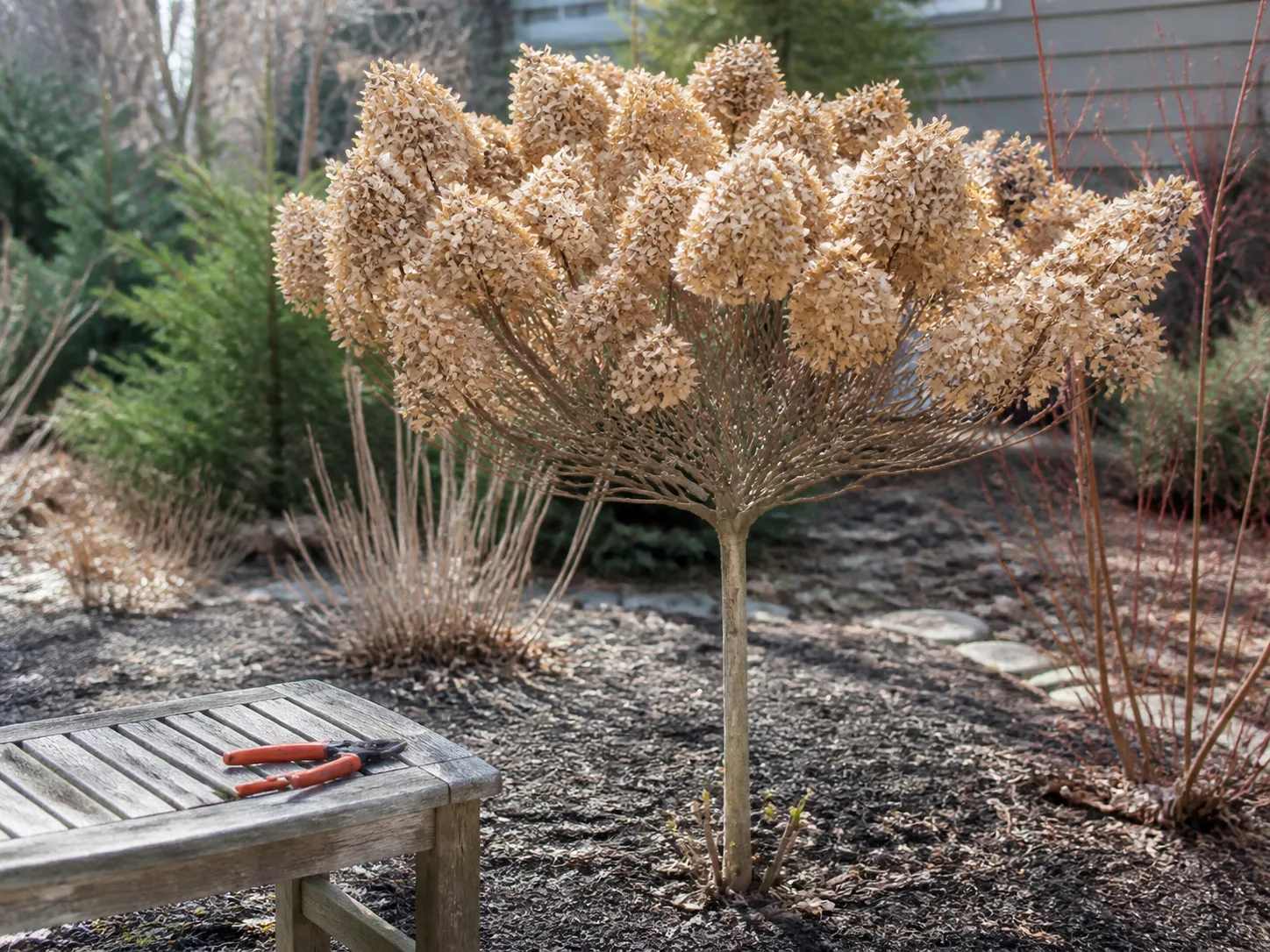
Deadheading is optional. It improves appearance and may prevent seed formation, but it is not a substitute for good light, water, or soil. If you remove spent flowers, pinch or snip the faded bloom cluster without stripping the new buds tucked just below it.
Overgrown azaleas can sometimes be renewed, but severe pruning has a cost. The Azalea Society of America recommends removing a few of the oldest or tallest branches back to side branches and spreading the work over several years. Ask Extension describes the same trade-off: heavy rejuvenation can produce a denser shrub, but the plant may take years to look full and may flower sparsely for a season or two. (Azalea Society of America; Ask Extension)
Avoid late-summer and autumn shaping when possible. By then, the shrub may already have formed the buds that will open next spring, and a late haircut can remove the display you were trying to protect. Clean pruners between cuts when you are removing diseased wood, and replace an azalea that repeatedly outgrows its site rather than forcing it into a severe annual cycle.
Propagate azaleas from cuttings or layers
Stem cuttings are the practical method for copying a named cultivar. Take semi-ripe or flexible new growth in the appropriate summer window for your region, remove the lower leaves, and place the cutting in a clean, airy, acidic rooting medium such as a gritty ericaceous mix. Keep it evenly moist in bright indirect light with high humidity, but never leave the medium saturated.
Rooting can take several weeks or longer. Once the cutting resists a gentle tug and shows new growth, gradually remove the humidity cover and continue growing it in a protected container. Keep the young plant sheltered through its first winter and wait until it has a strong root system before moving it into the landscape.
Layering is slower but forgiving. Bend a flexible lower branch to the ground, lightly wound the section that will be buried, pin it in a shallow trench, and leave the tip exposed. Keep the contact area moist through a full growing season or longer, then sever and transplant it only after roots have formed.
Seeds are mainly useful for species work or breeding. Seed-grown plants may not resemble a hybrid parent and take much longer to flower, so use a cutting or layer when your goal is an identical replacement for a favorite cultivar.
Grow azaleas in containers and florist pots
A container is a smart solution when the garden soil is alkaline, compacted, or poorly drained. Choose a compact cultivar, a pot with generous drainage holes, and an acidic, well-drained ericaceous mix. The pot should be large enough for the root ball with room to grow, but not so oversized that the mix stays wet for days after watering.
Containers dry faster in summer and experience colder root temperatures in winter than plants in the ground. Check the mix with your finger or a moisture meter, water thoroughly when the upper layer begins to dry, and empty any saucer that holds standing water. Refresh the top layer or repot in spring if the medium has collapsed or roots are circling.
If you receive a blooming florist azalea, keep it in a cool, bright, well-ventilated spot away from heaters and hot afternoon glass. Remove faded flowers, keep the mix evenly moist, and do not add fertilizer immediately if the pot already contains slow-release feed. After flowering, decide whether you have the right conditions for a cool rest and future rebloom; a warm living room is rarely the best long-term setting.
Prepare azaleas for winter
Winter care begins in autumn. Water the root zone deeply before the ground freezes if the soil is dry, especially for evergreen azaleas exposed to wind or winter sun. Keep mulch in place to moderate soil temperature and reduce moisture loss, but do not cover the stems.
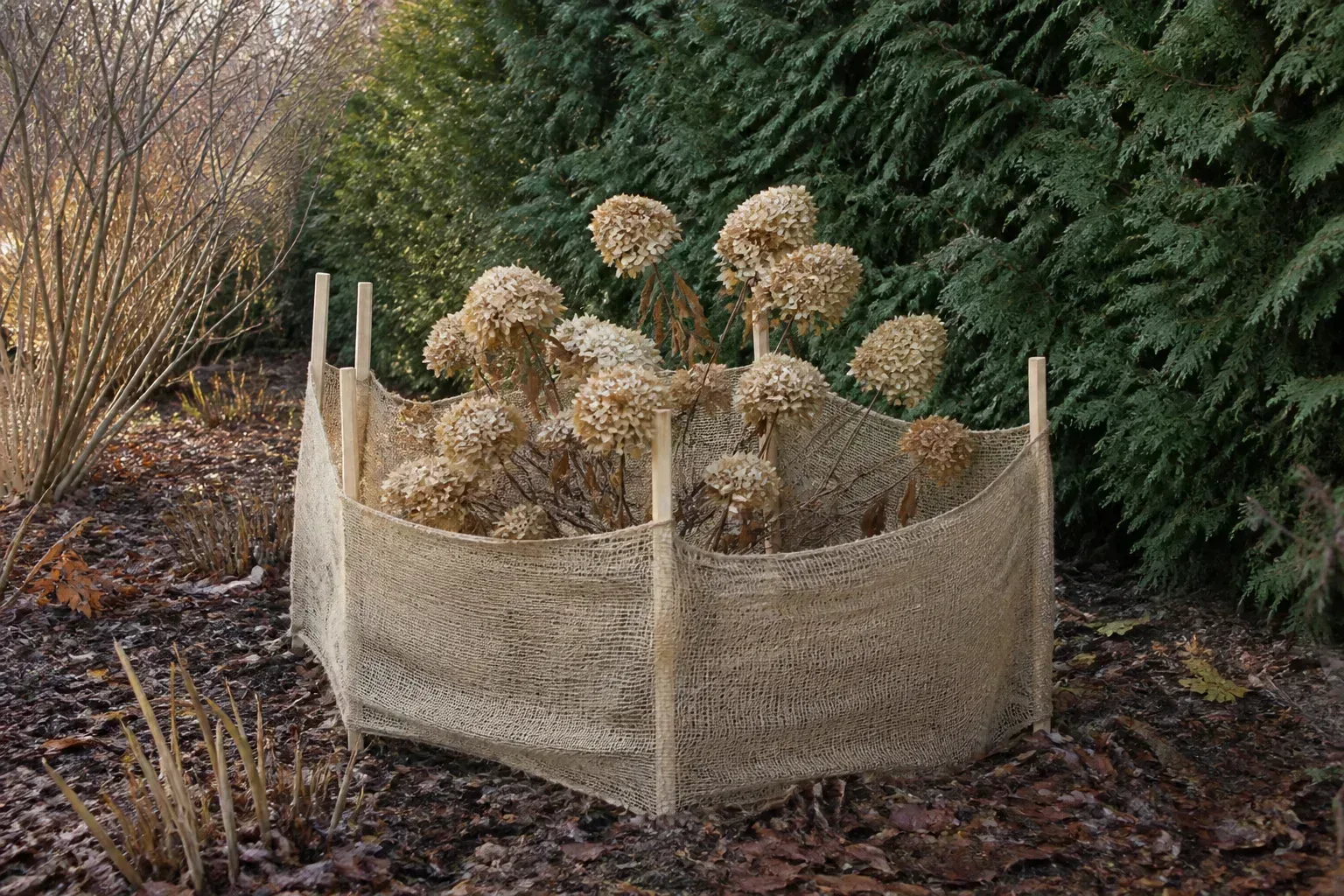
If a site is borderline for the cultivar, use a breathable wind screen rather than wrapping the foliage tightly in plastic. Protection should reduce desiccating wind and sudden sun exposure while allowing air movement. A plant that is repeatedly scorched or split by winter conditions is telling you that the variety or location is a poor match; moving it during an appropriate season or replacing it may be more effective than annual emergency wrapping.
Do not stimulate tender late growth with a late fertilizer application. Delay major pruning until the correct post-flowering window, and avoid disturbing the shallow root zone once the soil is frozen. In spring, wait until new growth shows which wood survived before making a large cleanup cut.
Diagnose pests, diseases, and common failures
Azaleas can host lace bugs, scale, aphids, mites, thrips, whiteflies, and other pests, but a stressed shrub is more likely to struggle than a well-sited one. Inspect leaf undersides and new growth before treating. Full sun, drought, dusty foliage, excess nitrogen, crowding, and poor airflow can all increase stress or make pest damage more noticeable.
Gardening Know How lists lace bugs, scale, aphids, spider mites, leaf spots, petal blight, powdery mildew, rust, and root rot among the problems that can affect azaleas, while also connecting good drainage and mulch with lower disease pressure. (Gardening Know How) Treat that list as a scouting guide, not a reason to spray on a schedule: identify the pest or disease and read the product label before using any control.
The common disease pattern to take seriously is root or crown trouble. The University of Illinois describes Phytophthora root rot as a disease favored by heavy, poorly drained soil and high moisture; early symptoms can look like drought or nutrient deficiency, with yellowing, wilt, shoot dieback, and brittle reddish-brown roots. (University of Illinois Integrated Pest Management) Prevention starts with drainage, clean nursery stock, careful watering, and avoiding repeated saturation. There is no reliable therapeutic fungicide that repairs already-rotted roots, so a badly affected plant may need removal and a different planting decision.
Yellow leaves usually call for a soil and root check
Yellow tissue with green veins, especially on newer leaves, points toward iron chlorosis or another nutrient-availability problem. The first action is a soil and drainage check, not a blind dose of iron. Alkaline soil, compacted roots, excess water, too much fertilizer, and damaged roots can all keep a plant from using available nutrients.
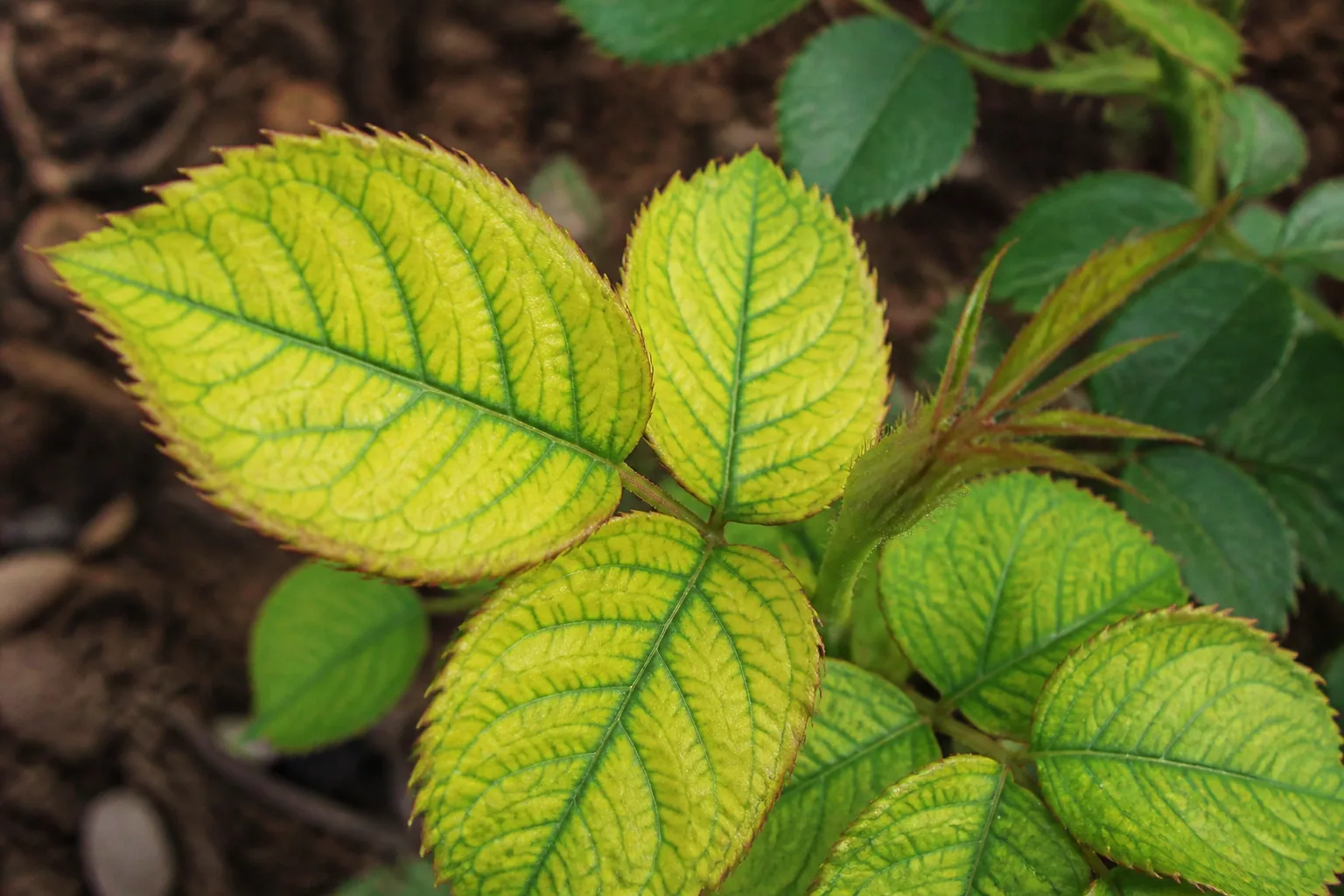
This diagnostic pattern is a useful visual cue, but it is not a diagnosis by itself. If yellowing is uniform on older leaves, consider nitrogen shortage, natural aging, water stress, or root damage. If the leaves yellow while the soil stays wet, treat drainage as the urgent issue. The American Rhododendron Society recommends testing pH and correcting the root environment rather than relying on foliar iron as a permanent fix. (American Rhododendron Society)
Wilt, dieback, and missing flowers need different responses
An azalea that wilts in dry soil needs a slow, deep drink and closer observation. An azalea that wilts while the soil remains wet may have damaged roots; do not add more water or fertilizer until you inspect drainage and, if necessary, the root ball. One branch dying at a time, brown cankers, or rapid decline after hot wet weather warrants a local extension diagnosis because root rot and dieback can progress beyond what a surface spray can fix.
Few flowers can come from too much shade, drought while buds were forming, winter injury, a young or recently transplanted plant, excessive nitrogen, or pruning after flower buds were set. Start with light, moisture, plant age, and pruning history. If the shrub is healthy but simply too large or too exposed for the site, a better cultivar is a more durable answer than a stronger fertilizer.
Keep pets away from azaleas
Azaleas are not pet-safe plants. The ASPCA lists Rhododendron spp. as toxic to dogs, cats, and horses and identifies grayanotoxin among the toxic principles, with signs that can include vomiting, diarrhea, weakness, and cardiac problems. (ASPCA Animal Poison Control)
Keep pets from chewing leaves, flowers, and fallen clippings, and do not leave prunings in an accessible compost or yard pile. If a pet may have eaten any part of an azalea, contact a veterinarian or animal poison-control service promptly rather than waiting for symptoms. Choose a different shrub for a location where a curious animal can reach the foliage.
Conclusion
Successful azalea care begins before the shrub goes into the ground. Pick a cultivar that fits the climate and mature space, give it morning or filtered light, and prepare a broad bed that is acidic, organic, moist, and well-drained. Plant the shallow root ball at the right level, water slowly during establishment, mulch without burying the stems, and feed only when soil results or clear growth evidence shows that nutrients are limiting.
Prune soon after flowering so you can shape the plant without cutting away next year’s buds. When symptoms appear, distinguish dry soil from saturated roots and chlorosis from ordinary aging before reaching for a treatment. With the right site and a light touch, azaleas do not need constant intervention—they need the root environment and seasonal timing that let them do what they are built to do.



