How to Get Rid of Squirrels in Your Yard Humanely
Stop squirrel damage without traps or poison. Remove attractants, squirrel-proof feeders, protect bulbs, and seal entry gaps extension services recommend.
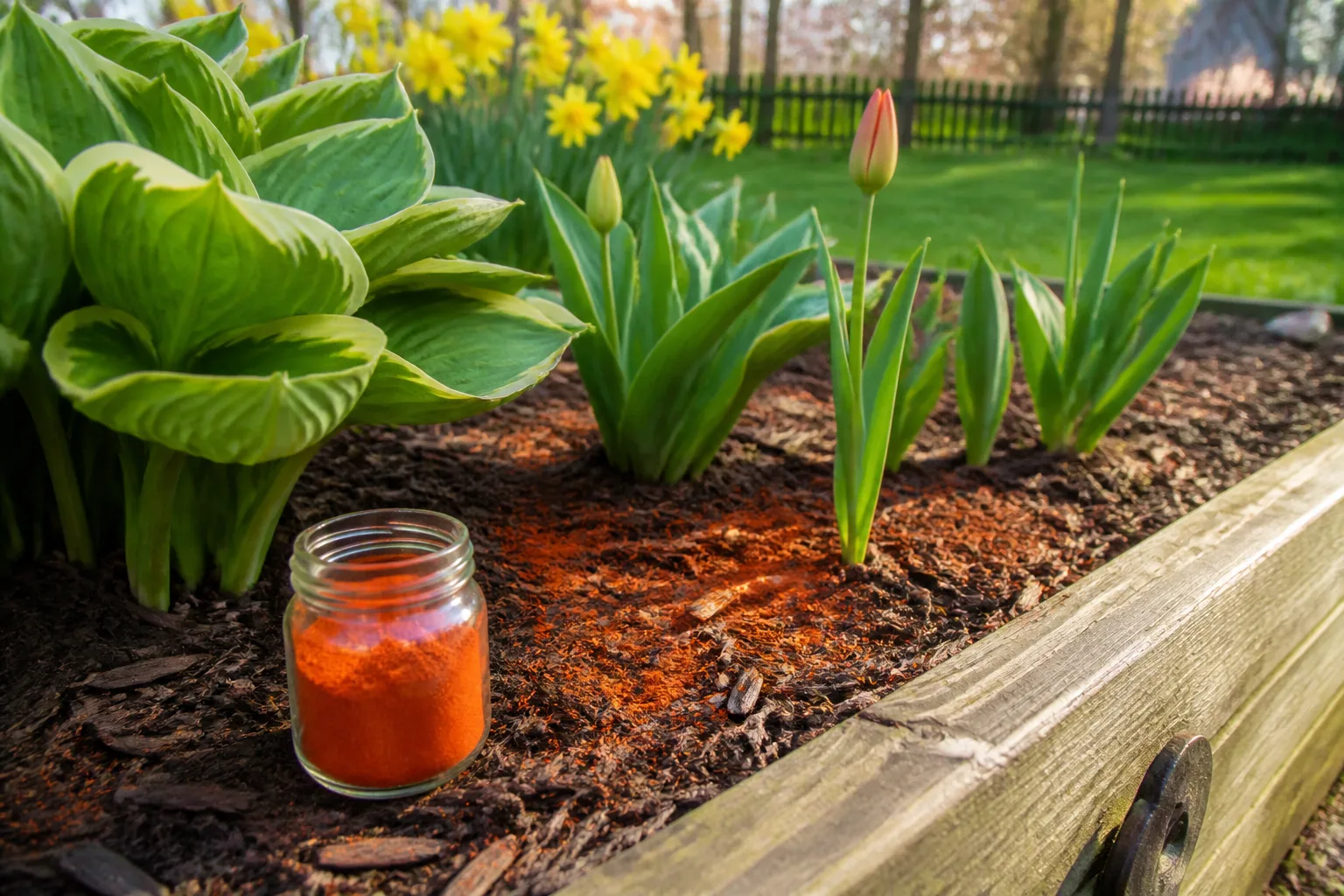
A gray squirrel raiding your tulip bulbs is not a moral emergency—but shallow holes across the lawn, half-eaten tomatoes, and seed piles under the feeder add up fast. Getting rid of squirrels in your yard humanely means changing what draws them in, then blocking access to what they want. Poison, glue boards, and random relocation rarely solve the problem and can violate local wildlife rules.
The eight methods below are the sequence wildlife agencies and experienced gardeners use when they want results without cruelty: remove food, protect feeders and beds, add short-term repellents, adjust habitat, then call a pro if squirrels have moved into the structure. None of this eliminates every squirrel in the neighborhood—and that is fine. The goal is to lower damage below your tolerance, not to erase a native species from the block.
When Backyard Squirrels Become a Real Problem
A couple of squirrels crossing the fence at dawn is normal urban ecology. They disperse seeds, prune tree tips, and feed hawks and owls (Michigan DNR). Trouble starts when daily digging, repeat feeder raids, or structure entry cost you money or sleep.
Ask three questions before you buy repellent:
- Is the damage seasonal (fall bulb caching, summer fruit) or year-round?
- Is the issue outdoors only, or are there attic or wall sounds?
- Have you already removed obvious food and trash attractants for two weeks?
If you answered yes to attic sounds, skip to the attic section—yard sprays will not fix a nest behind your soffit.
Gray Squirrels vs. Ground Squirrels
Eastern gray squirrels—the bushy-tailed climbers on feeders and roofs—are tree squirrels. They jump, gnaw entry points, and nest in attics. Ground squirrels (including some chipmunk species people lump together) burrow in open soil and lawn edges. Barriers that work in a raised bed may fail against a burrowing colony, and vice versa.
Spend five minutes watching behavior: climbing and leaping points to tree squirrels; burrow entrances and low-profile scurrying suggest ground squirrels. Local extension offices publish species ID sheets if you are unsure which rules apply in your state.
Remove Food and Attractants Before Anything Else
Every agency-backed plan starts the same way: stop feeding the problem. Squirrels remember reliable calories. Michigan DNR lists outdoor pet food, bird seed, food compost, grill scraps, and unsecured garbage as top attractants (Michigan DNR). Long Beach Animal Care puts it bluntly—remove the food source or stop feeding them, even when the feeder is “squirrel-proof,” because spilled seed on the ground is an all-you-can-eat buffet (Long Beach Animal Care).
Run this two-week attractant audit before spending on gadgets:
- Sweep under feeders daily; pause feeding for 14 days if raids continue.
- Pick up fallen fruit, nuts, and acorns; relocate piles to a far corner only if you accept higher local squirrel traffic there.
- Store pet food indoors; bring bowls in at dusk.
- Scrape grills and empty grease trays; squirrels smell fat from yards away.
- Rake bulb debris after planting so scent does not advertise fresh tulips.
If damage drops after the audit, you already know the answer was habitat, not a missing product.
Bird Seed Spills, Fallen Fruit, and Pet Bowls
“Squirrel-proof” feeders fail quietly when cardinals and jays shell sunflower onto the patio. A broom fixes more problems than a third feeder upgrade. Under fruit trees, harvest on a schedule or collect drops every evening during peak ripening—squirrels are not picky about half-rotten peaches.
Outdoor pet bowls are an overlooked calorie source. Feed pets inside, or supervise outdoor meals and pick up leftovers immediately. Compost bins need latching lids and no meat or oily scraps on top; turn piles so food is buried, not crusted on the surface.
Method 1: Squirrel-Proof Your Bird Feeders
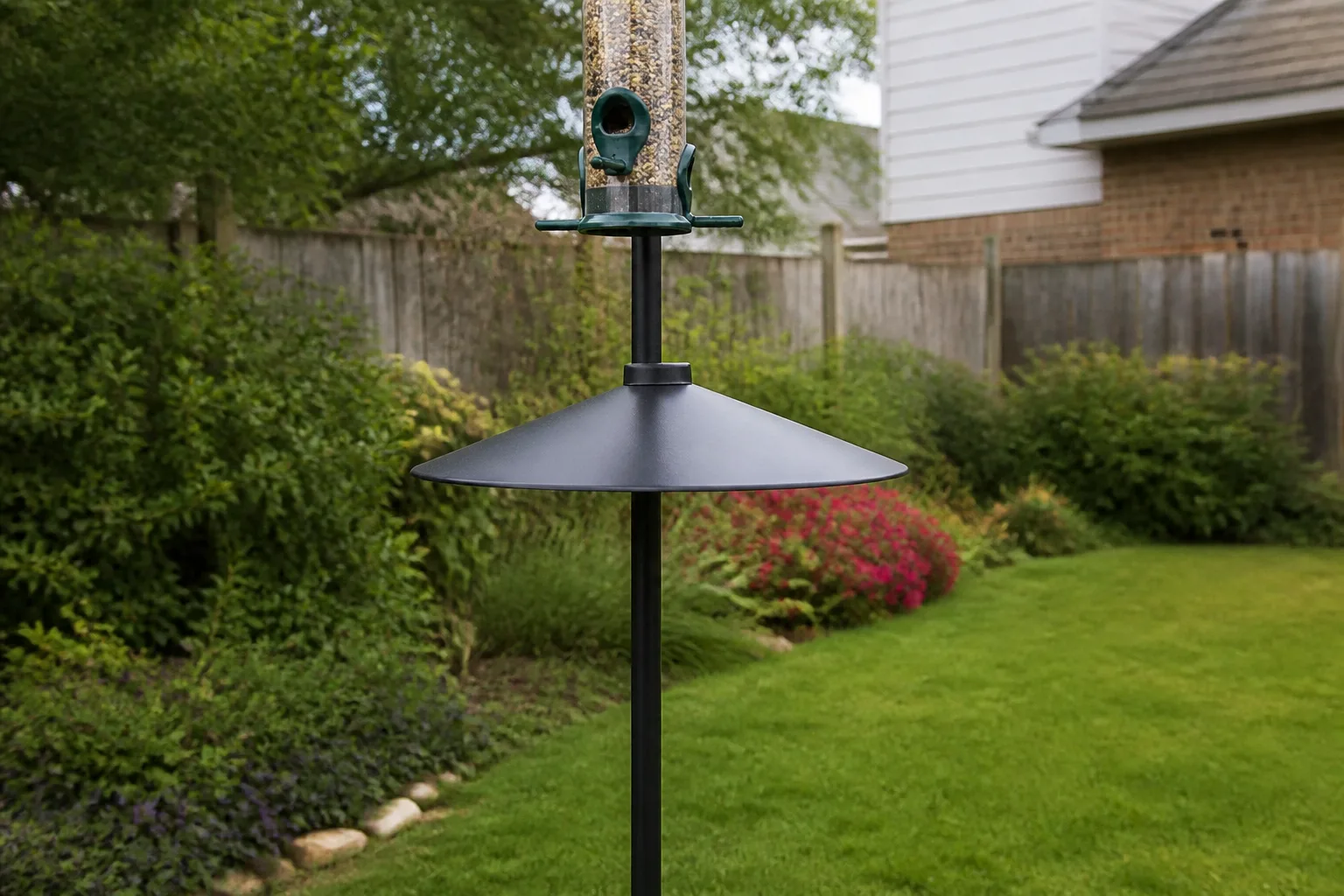
Feeders are squirrel magnets because seed is dense energy with zero hunting effort. Fix access before you fix flavor.
Do not grease feeder poles. Petroleum jelly and cooking oil mat bird feathers and can poison woodpeckers and chickadees that climb the post. Our greasing bird feeder guide explains why baffles beat lubricant every time.
Hardware that works:
- Torpedo or dome baffle on the pole below the feeder—sized so an adult squirrel cannot climb past it.
- Weight-sensitive feeder that closes ports under squirrel weight but stays open for lightweight songbirds.
- Caged feeder with openings too small for squirrels but large enough for small birds.
Placement math matters as much as gear. Garden pros and bird rehabilitators converge on similar numbers: hang feeders at least 5–6 feet above ground and 8–10 feet away from fences, porch rails, shrubs, and roof edges squirrels use as launch pads (Garden Design). Trim the lowest branch that lets a squirrel bridge to the feeder wire.
Seed switches: Safflower is accepted by many cardinals and house finches but ignored by many squirrels. Hot-pepper-treated seed irritates mammal mouths while birds lack capsaicin pain receptors—use commercial bird-grade blends rather than dumping chili powder yourself. Combine seed strategy with a baffle; spice alone washes off in rain.
Remove feeders entirely for two weeks if a stubborn individual has mapped your yard—Michigan DNR notes this reset breaks the daily habit loop (Michigan DNR).
Method 2: Fencing, Netting, and Bulb Cages
Repellents fade. Exclusion does not—if you build it right.
For vegetable beds and cutting gardens, surround high-value crops with hardware cloth or chicken wire buried 6–12 inches below soil and extending 2–3 feet above (higher for determined climbers on short fences). Michigan DNR recommends sturdy fencing with 1.5-inch or smaller mesh for garden protection; a single or double hot-wire strand on an electric fence can add deterrence where regulations allow (Michigan DNR).
Row cover and bird netting over strawberries and low bushes stop browsing without chemicals—anchor edges so squirrels cannot crawl underneath. For containers, move pots onto tables away from jump paths, or wrap trunks with metal flashing on deck posts squirrels shimmy up.
Hardware Cloth Rules That Actually Hold
Fall-planted tulips and crocus are squirrel candy; daffodils, snowdrops, alliums, and fritillaria are far less appealing (Long Beach Animal Care; Garden Design). If you love tulips, plant them inside bulb cages or line the hole with hardware cloth—sides, bottom, and top—so shoots can emerge but teeth cannot reach bulbs. Ready-made bulb baskets work; DIY cages from ½-inch mesh are cheaper at scale.
Do not set bulbs on bare soil while you dig the next hole—squirrels watch planting parties. Brush away papery tunics and cover beds immediately with mulch or wire. Soaking bulbs in a labeled squirrel repellent dip (Thiram-based products exist for this use) adds another layer before burial.
RHS is candid: animal repellents and scare devices usually give only short-term protection against gray squirrels (RHS). Treat sprays as backup; treat mesh as insurance.
Method 3: Plant Bulbs and Flowers Squirrels Avoid
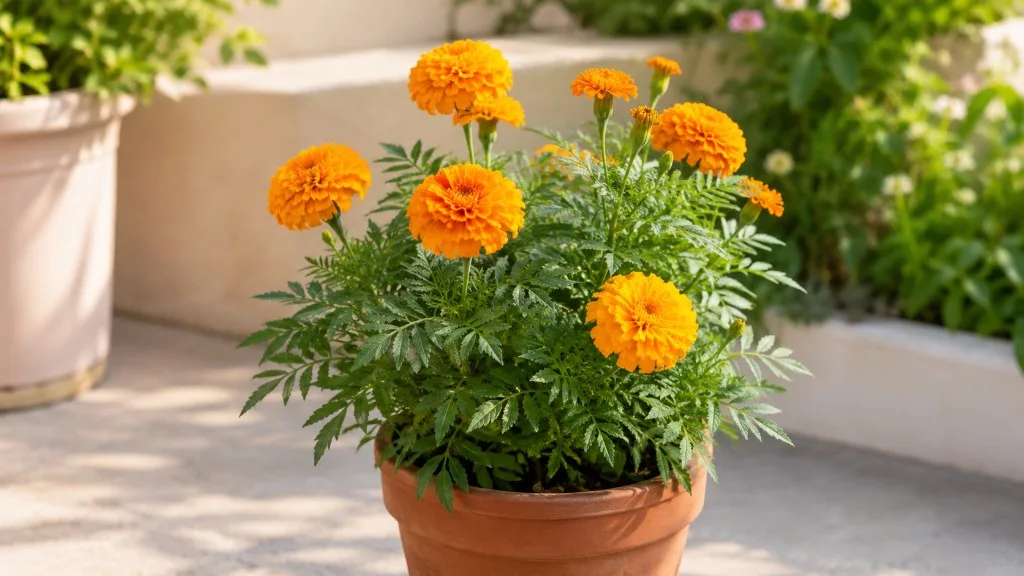
Companion planting will not fence your entire yard, but it shrinks the target list. Squirrels dislike daffodils, hyacinths, marigolds, nasturtiums, mint, garlic, onions, and alliums—mostly for taste and smell (Garden Design). Border tulip beds with daffodil outlines or interplant marigolds along paths squirrels travel.
Crown imperial fritillaria is effective but smells skunk-like up close—keep it away from patios. Mint spreads aggressively; plant in pots along deck stairs instead of open beds unless you want a mint lawn.
This method pairs with Method 2: repellent plants mark boundaries; wire protects the treasures inside.
Method 4: Humane Repellent Sprays and Dusts
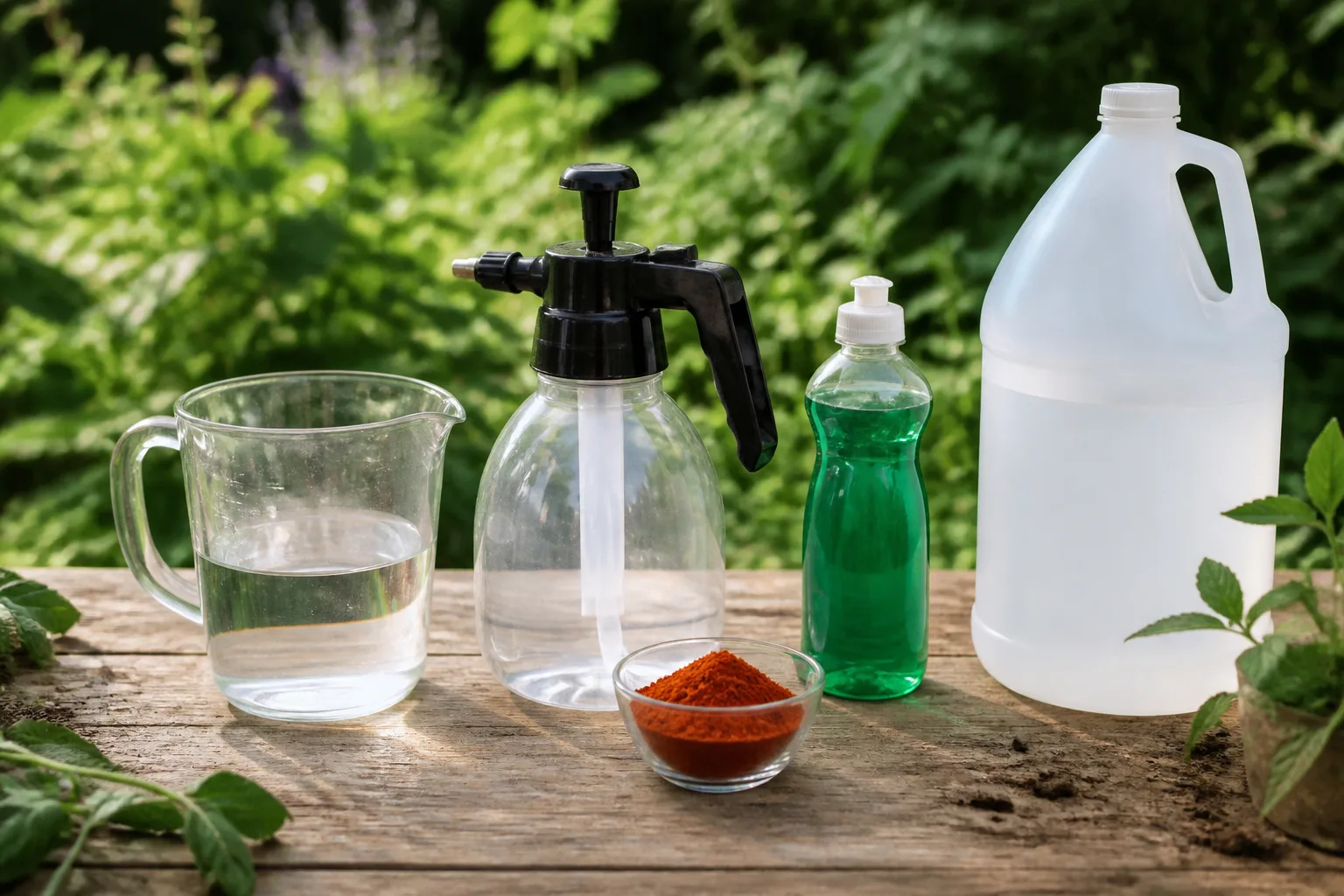
Odors and tastes can discourage digging if you reapply relentlessly. The Royal Horticultural Society warns that repellents are temporary—rain and new curiosity erase them (RHS).
Pantry and garden options:
- Capsaicin/cayenne dust or spray on soil and stems—mammals notice; birds largely do not on treated plants they do not root through. Heavy cayenne on paws can irritate eyes; use thin, targeted bands and read our cayenne pepper in the yard guide for recipes and pet cautions.
- Peppermint, garlic, and vinegar sprays on planters and deck rails—reapply every few days and after rain.
- Grated Irish Spring soap in mesh bags near beds—anecdotal but low risk; replace monthly.
- Coffee grounds lightly worked into soil may help slugs and squirrels in the short term; they are not fertilizer replacement and mold if piled thick.
Commercial repellents with putrescent egg, capsaicin, or predator urine analogs work best on dry, still days when squirrels are actively digging. Read labels for pet, edible crop, and runoff restrictions. Never use mothballs in gardens—they are toxic to pets, children, and wildlife and illegal for off-label outdoor use in many jurisdictions.
Spray after you remove food sources and while barriers go up—repellent alone is the weakest solo method.
Method 5: Motion Sprinklers and Surprise Scare Tactics
Squirrels are bold until something moves without warning. Motion-activated sprinklers deliver a harmless burst of water when a rodent crosses the sensor arc—excellent for lawn dig zones, bulb beds, and vegetable rows. Move the unit every week so squirrels do not habituate to one spray lane.
Air-blast cans and ultrasonic stakes get mixed reviews; wind and battery life limit reliability. Owl decoys help for a few days if you relocate them every morning—static plastic owls become lawn decor fast.
Reflective tape, old CDs, and aluminum foil strips in fruit trees annoy squirrels that dislike flashing movement; pair with netting when fruit ripens. These are nudges, not walls—combine with Methods 1–2 during peak damage weeks.
Method 6: Lock Down Trash, Compost, and Grill Grease
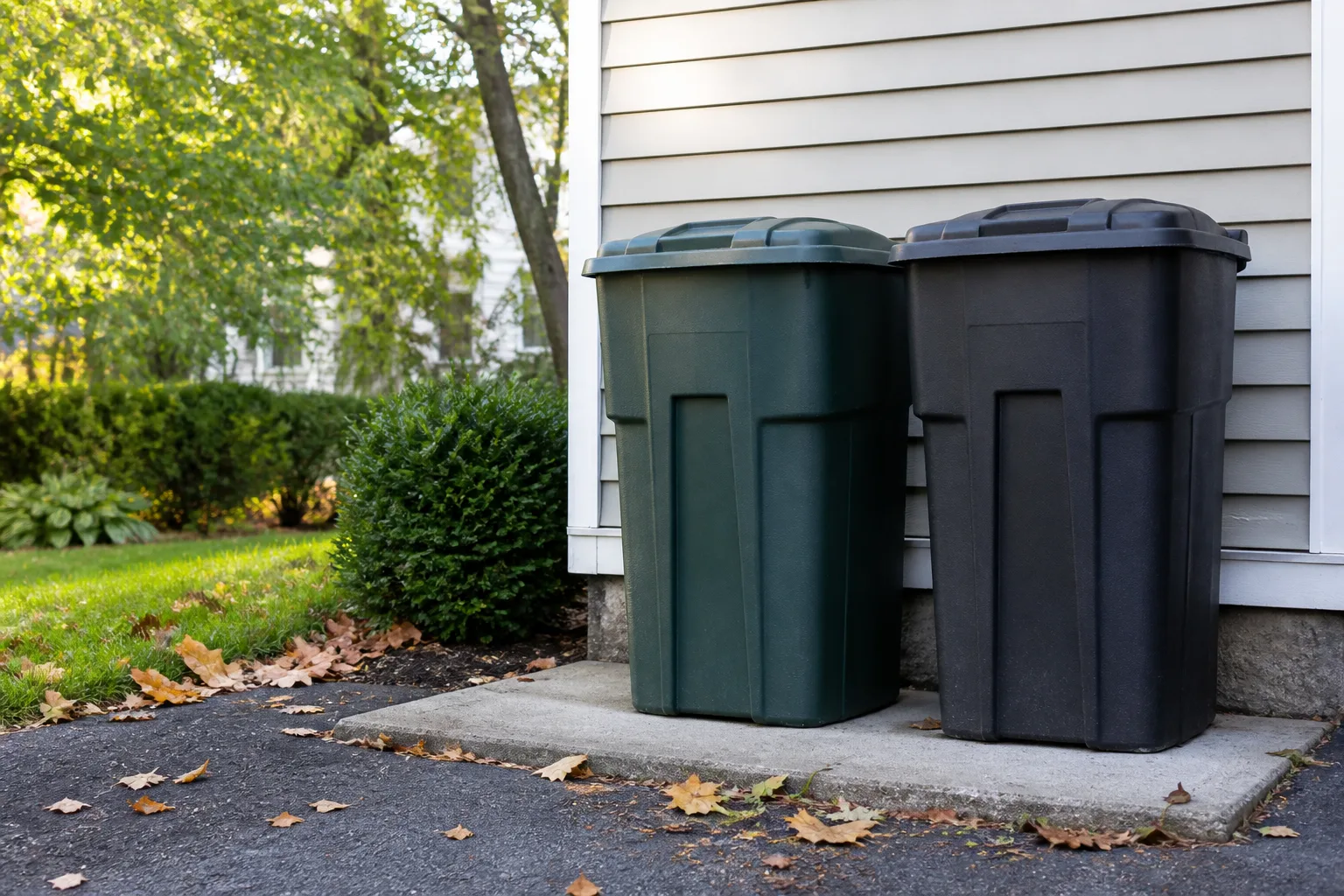
Tipped bins are a classic sign of rising squirrel pressure. Squirrels combine sharp smell, good vision, and spatial memory—if they scored once, they return on schedule (Long Beach Animal Care).
Upgrade outdoor waste handling:
- Use cans with locking lids or bungee straps through handles.
- Store bins in a garage or shed until collection morning if raids continue.
- Rinse recyclables; pizza boxes and peanut butter jars smell like dinner.
- Keep compost in rodent-resistant tumblers or buried bins; never toss meat scraps on open piles.
- Clean grills after cookouts; empty drip pans.
The same discipline that keeps skunks out of garbage cuts squirrel traffic—different species, identical calories.
Method 7: Trim Jump Paths and Seal Structure Gaps
Yard squirrels become house squirrels when branches touch the roof. Trim limbs so they sit at least 8–10 feet from siding and rooflines, breaking the bridge from tree to attic vent (Garden Design; pest pros often cite 10 feet from structures as a practical target).
Walk the perimeter once a season:
- Screen vents with ¼-inch hardware cloth.
- Seal gaps in soffits, fascia, and utility penetrations with metal flashing—not foam squirrels can chew.
- Cap chimneys where local code allows.
- Remove brush piles and stacked firewood against the foundation—squirrels use them as cover while scouting entries (Michigan DNR).
If a squirrel is already inside, do not seal the hole until animals exit—see the attic section. Trapping a mother away from nursing young is cruel and often illegal.
Method 8: Dogs, Decoys, and the Diversion Feeder Debate
Dogs chase squirrels and change behavior while they are outdoors. Michigan DNR notes squirrels generally avoid pets but may bite if cornered; chasing can injure both animals—use leashes or fenced yards rather than encouraging all-out pursuit (Michigan DNR).
Diversion feeding—a corn cob station far from the garden—splits gardeners. It can pull squirrels away from bulbs if the station is distant and boring relative to your tomatoes. It can also train the neighborhood that your yard feeds wildlife. Try diversion only after exclusion and attractant removal, and stop if headcount rises.
Water dishes far from fruit beds help in dry summers when squirrels bite tomatoes for moisture (Garden Design). Decoys plus water plus a distant feeder sometimes beats an arms race on your prize crops.
Seven Yard Signs Squirrel Pressure Is Rising
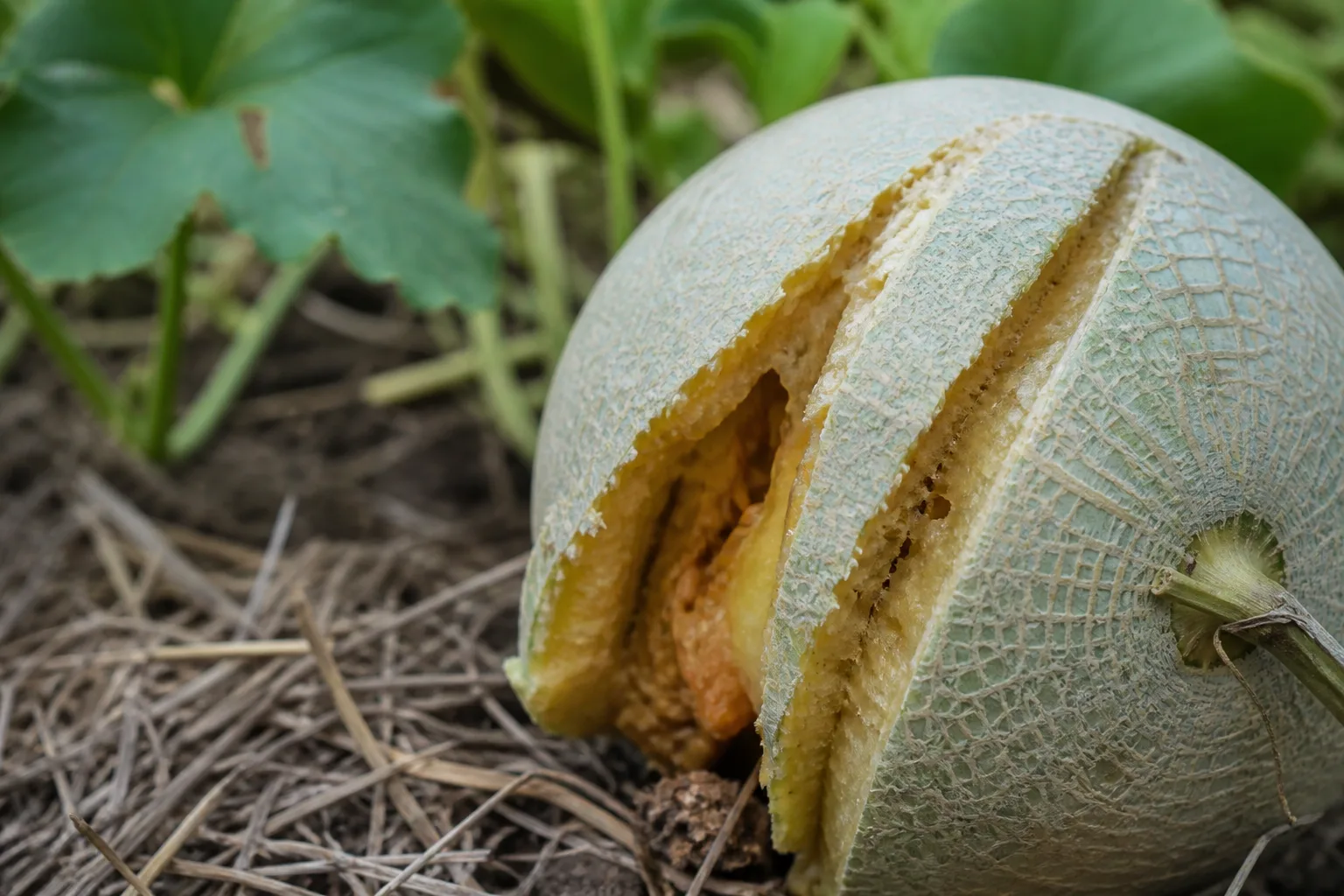
Confirm the culprit before you wage war on chipmunks or rats:
- Shallow divots and uprooted seedlings in beds and lawns—often fall caching or spring bulb hunts.
- Half-eaten fruit under trees and torn tomatoes still on the vine.
- Chewed plastic on bin lids or deck furniture—rodent incisors leave angled gouges.
- Concentrated droppings on patios, shed roofs, or along fence tops—squirrel scat is larger and rounder than mouse pellets.
- Stripped bark on young trees—especially when paired with attic entry nearby.
- Feeder spin cycles every morning despite “squirrel-proof” marketing.
- Daytime sightings in packs—several individuals mean a reliable food source, not random passersby.
One or two signs after a dry week may mean temporary hunger, not infestation. Persistent patterns across seasons mean your attractant audit failed somewhere.
Squirrels in the Attic—When DIY Stops and Pros Start
Attic squirrels are a different job from yard digging. You are usually dealing with a nesting female near a vent or chewed trim, especially in late winter and again in mid-summer when Michigan DNR notes one to two litters per year (Michigan DNR).
Listen at dawn and dusk for scratching and scampering—activity peaks when adults commute. Long Beach Animal Care describes aggressive scratching when squirrels cache food or move nest material (Long Beach Animal Care).
Safe DIY only if you are certain no dependent young are inside and the entry is visible:
- Find the active entry—inside attic inspection plus exterior eave walk.
- Wait for exit at midday when adults forage—or use noise, light, and cider-vinegar rags to encourage departure before sealing.
- Install metal flashing over the hole; monitor for frantic re-entry attempts (sign of babies left inside).
- Ask an electrician to inspect exposed wiring—squirrels chew insulation; fire risk is real.
If you hear high-pitched cries, see a mother trying to reopen a patch, or find babies, stop sealing and call a humane wildlife operator who reunites litters. The Humane Society publishes criteria for choosing wildlife control companies that avoid orphaning (Humane Society). Winter eviction can kill dependents; many pros defer non-emergency attic work until young are mobile.
What Professional Removal Costs
Yard annoyance rarely needs a truck roll. Attic nesting, wiring damage, or repeated re-entry usually does.
Fixr’s 2026 survey of wildlife removal pricing puts the national average at about $350, with a typical range of $275–$600 for trapping, relocation, and basic exclusion (Fixr). Expect roughly $200 for a single animal and $1,000–$1,500 for severe indoor infestations needing cleanup, deodorizing, multiple entry seals, and one-way exclusion doors.
Line items often include:
- Trap setup and monitoring ($200–$600 package; extra visits $45–$85 each on some contracts)
- One-way exclusion doors ($200–$600) that let squirrels leave but not return
- Severity tiers: small jobs $200–$300; medium family groups $300–$600; large $500–$750
Get three quotes, insist on humane exclusion language, and verify licensing where your state requires it. Ask whether the fee includes entry sealing—trapping without exclusion is a subscription plan.
Conclusion
Humane squirrel control is habitat management first: remove calories, fix feeders, fence what matters, reapply repellents honestly, and trim bridges to the roof. The eight methods work best stacked, not alone—RHS is right that scare tactics and sprays fade, but exclusion and food discipline last.
Start your two-week attractant audit this weekend. Add a baffle and placement fix if feeders are the flashpoint. Cage the tulips before you blame the marigolds. If dawn scratching moves from the oak to the attic, switch from garden tactics to professional exclusion before chewed wires become the expensive problem.
You will still see squirrels on the power lines. That is a healthy neighborhood. The win is tomatoes intact, bulbs in the ground, and no nest in the insulation—not a squirrel-free county.



