How to Grow Bok Choy: A Planting-to-Harvest Guide
Learn how to grow bok choy with planting windows, seed spacing, watering, bolt prevention, pest checks, and harvest cues for tender heads in beds or pots.
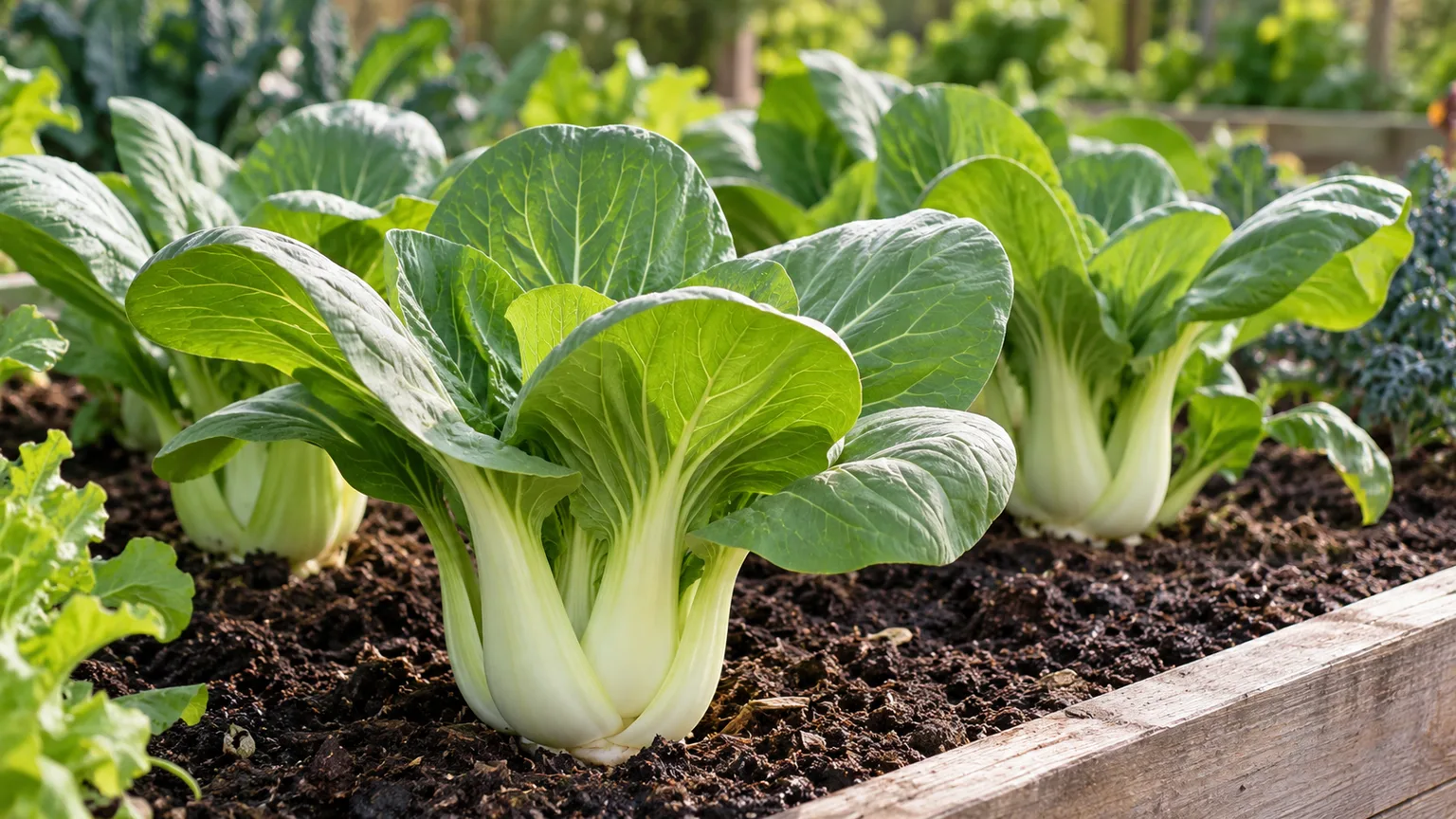
Bok choy is a quick-growing leafy brassica with crisp, mild stems and tender green leaves. It is usually easiest to grow during cool weather, but “plant in spring” is not a complete plan: a late cold snap can stress young plants, while lengthening days and heat can push a spring crop to flower before it makes a useful head. A fall sowing often avoids that squeeze in places with hot summers.
For a dependable crop, match the variety and sowing date to your local weather, keep the root zone evenly moist, and harvest while the leaves and petioles are still tender. The instructions below cover both whole heads and repeated leaf picking, in garden beds and containers.
When to Plant Bok Choy
Bok choy is a cool-season crop. Plan a spring sowing so plants can size up before sustained warm weather, or sow in late summer for fall harvest while there is still enough mild weather for growth. In a mild-winter climate, a fall or winter planting may be possible, but the actual window depends on local temperature, day length, and the variety’s maturity time. Gardeners in hot-summer regions often find fall easier to manage, and light afternoon shade can help young plants through a warm spell (Growing in the Garden’s bok choy guide).
Use the seed packet’s “days to maturity” as a planning estimate, not a deadline. The number may be counted from sowing or transplanting, and cool, cloudy weather or a small baby harvest can change how long you wait. Some practical guides put a full-size harvest around 45 to 60 days, but cultivar and weather shift that estimate (Gardener’s Path). If you are unsure, sow a small first batch, note how it performs in your garden, and make the next sowing a week or two later. That small succession reduces the chance that every plant matures during a heat wave.
Choose Spring or Fall by Climate Pattern
The best season depends on which stress you are trying to avoid. In cold-winter regions with a short spring, sow as soon as the soil can be worked only if you can protect young plants from a hard cold snap; otherwise wait until the sharpest frost risk has passed. In hot-summer regions, fall is often the more forgiving crop because seedlings establish as temperatures decline. Where winters are mild, try successive fall and winter sowings, then use a light cover when frost threatens.
| Your seasonal pattern | A practical starting window | What to watch |
|---|---|---|
| Cold winter, warming spring | Sow after the last hard freeze is likely, or start a small batch indoors shortly before transplanting | Avoid exposing very young plants to prolonged cold, then harvest before spring heat and long days accelerate flowering |
| Hot summer, cooler fall | Sow in late summer when the bed can be kept evenly moist; use afternoon shade during establishment if needed | Heat can slow germination and stress seedlings; shade cloth or a short wait for cooler weather may help |
| Mild winter | Sow from fall into winter in small batches | Protect from repeated hard freezes and watch for slow growth during the coolest weeks |
These are seasonal patterns, not universal calendar dates. Local frost records, the seed packet, and the forecast for the next couple of weeks are more useful than a zone number alone. Cornell Cooperative Extension notes that prolonged cold can induce flowering in spring-planted pak choi, while UC IPM explains that cold, heat, and long days can all contribute to bolting in susceptible crops (Cornell’s Pak Choy guide; UC IPM on bolting).
Choose a Variety and Harvest Size First
Bok choy, also sold as pak choi, includes varieties with different stem colors, leaf shapes, head sizes, and maturity rates. Some packets are selected for compact baby heads; others grow into larger bunches with thick white petioles. Read the packet for expected mature spacing, days to maturity, and whether the variety is described for spring, fall, or both. A cultivar advertised as “slow bolting” may give you more flexibility, but it still needs suitable timing and steady growth.
Decide whether you want small plants for quick stir-fries or full heads for several meals. Baby bok choy may mean a small cultivar, an immature harvest, or both; it is not one universal variety name. A compact type can be spaced closer, while a large heading type needs room for its leaves to spread and its stems to thicken. If you want both sizes, grow one bed at the packet’s mature spacing and sow a second batch more closely for an earlier baby harvest.
Pick the Site and Prepare a Moisture-Holding Bed
Choose a bed where water drains rather than puddles, but where the soil does not dry out quickly. Bok choy grows shallow, tender leaves that show stress when the root zone swings between very wet and very dry. Work in finished compost before sowing if the bed is low in organic matter, then rake the surface smooth so small seeds have consistent contact with moist soil. Avoid placing it right after cabbage, broccoli, kale, or another brassica if you can rotate to a different bed; crop rotation helps reduce the carryover of pests and diseases that affect related plants.
Light and Soil Conditions
Give plants full sun in cool weather. In a hot spring or warm fall start, a site with morning sun and light afternoon shade can reduce heat stress while plants are getting established. Cornell’s growing guidance lists full sun to partial shade and fertile, well-drained soil with a pH around 6.0 to 7.5; it also emphasizes consistent moisture. These are useful starting conditions, but a soil test is the best way to decide whether a bed needs a pH adjustment or a nutrient amendment.
Do not add lime or a concentrated fertilizer just because a general guide gives a pH range. If you have not tested the soil, compost and steady watering are safer first steps than trying to correct a number you do not know. Keep the seedbed fine and crumbly, not compacted; a crusted surface can make it harder for seedlings to emerge evenly.
Sow Seeds for a Quick, Even Stand
Bok choy is commonly direct-sown because it germinates quickly and can be ready to pick while the weather is still favorable. Seeds are small, so the main challenge is sowing shallowly and thinning early enough to prevent crowding. If your growing window is short, you can use young transplants, but handle their roots gently and avoid holding them in small cells until they become large or stressed.
Direct Sow in the Bed
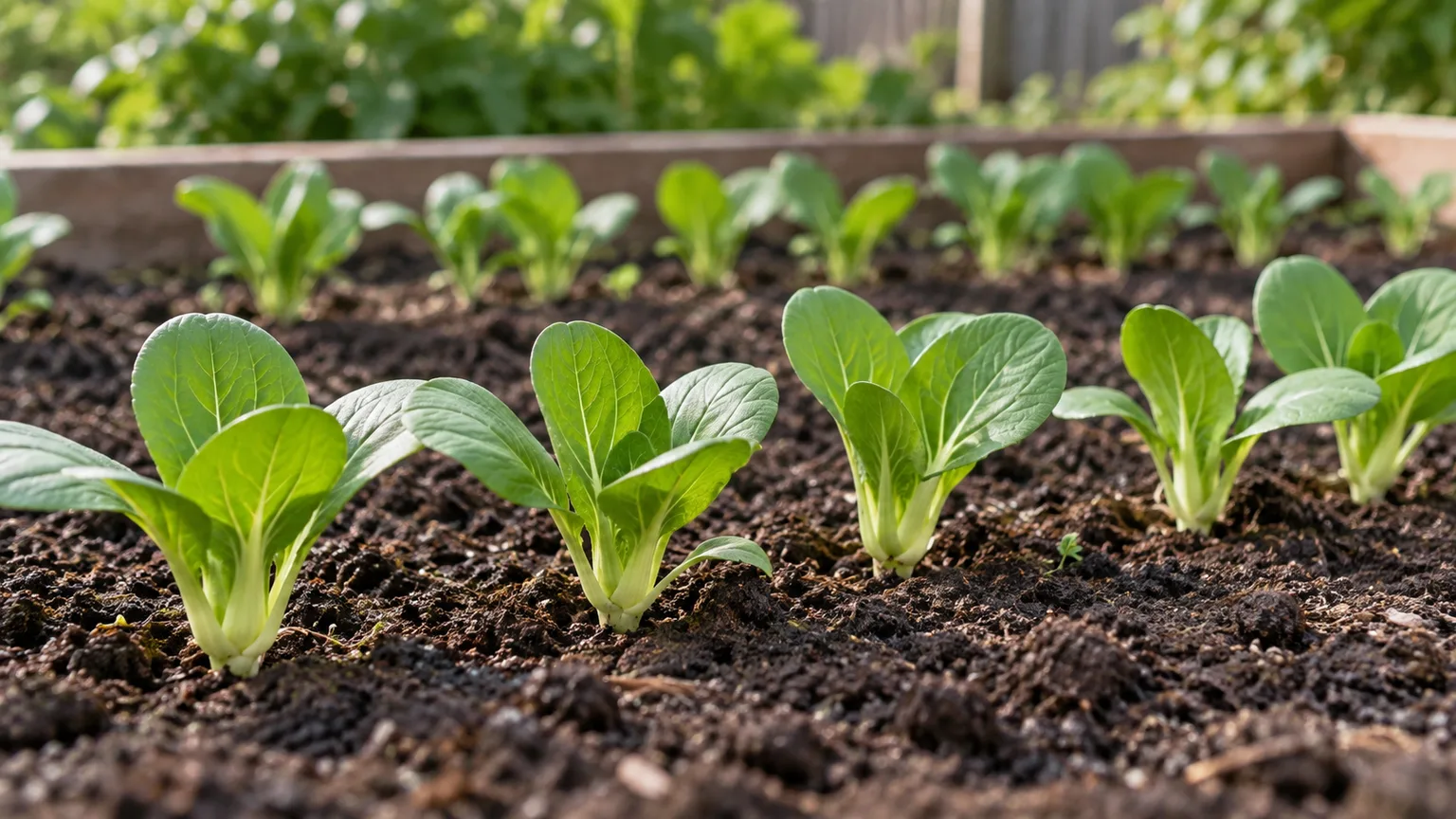
Make a shallow furrow and sow seeds about ¼ to ½ inch deep. Cornell recommends sowing about an inch apart and thinning after emergence; its guide gives a broad final spacing range of roughly 6 to 12 inches, with closer spacing appropriate for smaller varieties. Rows can be about 18 to 30 inches apart if you need paths, though a compact bed can use staggered blocks to save space. Follow the packet if its cultivar has specific spacing advice (Cornell Cooperative Extension).
Cover the seed lightly, water with a gentle spray, and keep the top layer damp until seedlings are established. If the soil surface dries between waterings, tiny seeds can stall or emerge unevenly. Once seedlings have a few true leaves, thin them to the spacing that matches the harvest size you want. Snip extras at soil level instead of yanking them beside a plant you are keeping; this avoids disturbing its shallow roots.
For a longer harvest, sow a short row every 10 to 14 days while the season remains cool enough. Stop when forecast conditions make the crop likely to bolt or when there is not enough time for fall plants to size up. A small succession is more reliable than planting a large bed all at once and hoping every head matures together.
Start Indoors or Transplant Only When Useful
Starting seed indoors can help when spring weather is unpredictable or a fall window is narrowing, but bok choy does not benefit from becoming a large, root-bound transplant. Use clean cells, sow a couple of seeds per cell, and thin to one healthy seedling. Harden plants outdoors gradually, then transplant while they are young and growing steadily. Keep the root ball intact and water it in so the small plant does not dry out.
Avoid transplanting during a sudden cold spell or hot, bright afternoon. A young brassica can respond poorly to environmental stress, and a transplant that pauses for a week may be more likely to flower rather than form a full head. If conditions are suitable and the bed is ready, direct sowing is simpler. If the weather is too hot or the soil surface dries rapidly, wait for a better sowing window rather than treating indoor starts as a way to override the season.
Grow Bok Choy in a Container
Use a container with several open drainage holes and enough depth for roots to stay cool and moist. A pot at least about 8 to 10 inches deep is a useful starting point; choose a wider vessel if you want several plants. Compact or baby varieties fit more easily than full-sized heads, and each plant still needs room for airflow. A large pot dries more slowly than a small one, so group container size with your watering routine rather than relying on a tiny decorative pot.
Fill the container with fresh, well-draining potting mix rather than garden soil, which can compact in a pot. Place it where plants receive good light but can avoid the strongest afternoon sun in hot weather. Check moisture daily during warm or windy spells: water thoroughly when the surface begins to dry, then let excess drain. If the container is light enough to move, shifting it to a cooler bright spot can help a fall crop through an unseasonable warm spell.
Do not crowd a pot to maximize the number of seedlings. Leaves that overlap heavily stay damp and are difficult to inspect, and plants compete for the water and nutrients that a limited volume of mix can hold. A single full-size plant or a few compact plants usually makes a more useful harvest than a dense cluster of undersized heads.
Water, Mulch, and Feed for Steady Growth
Aim for evenly moist soil, not soggy soil. A practical check is to feel the top inch: if it is drying and the soil below is only slightly damp, water deeply enough to wet the root zone. The amount and interval vary with heat, wind, soil texture, and pot size. A light daily sprinkle can keep only the surface wet, so water slowly at the base and check again after it drains.
Mulch lightly once seedlings are established. A thin layer of clean straw or shredded leaves slows evaporation and helps keep soil temperature more even, but leave a small open ring around each plant so the crown does not stay wet. Keep weeds down while they are small; pulling large weeds later can disturb the shallow roots of bok choy.
In a fertile bed amended with compost, extra feeding may not be needed during a short crop. If plants are pale and growing slowly despite adequate moisture, check the soil and root conditions first rather than adding fertilizer automatically. A soil test or balanced product label can guide any additional feeding. Avoid strong, repeated nitrogen applications: lush leaf growth is not a substitute for the cool, even conditions that make the crop tender and less likely to bolt.
Prevent Bolting Before It Starts
Bolting is the shift from leaf production to a flowering stalk. Once a plant begins sending up a stem, it is unlikely to make the same compact head it would have produced in steady cool weather. The leaves may become tougher or more bitter as flowering advances, so prevention and timely picking matter more than trying to reverse the process.
Cold exposure is one trigger for some spring-grown brassicas, especially when young plants experience a prolonged chill and then temperatures rise. Warm weather, long days, dry soil, crowding, and stop-start growth can add stress too. UC IPM notes that bolting responses differ by crop, while University of Minnesota Extension describes the importance of matching brassica varieties and planting dates to the season (UC IPM; University of Minnesota Extension).
You cannot guarantee that every plant will stay leafy, but you can reduce avoidable stress:
- Sow for a cool stretch, not just the first available date on the calendar.
- Use a variety listed for the season you are planting, and harvest a baby crop earlier if spring is warming fast.
- Keep moisture even, especially during germination and head formation.
- Thin seedlings instead of letting them compete in a crowded row.
- Avoid holding transplants for too long or setting them into extreme cold or heat.
- Make small repeat sowings so one weather shift does not end the entire harvest.
If a central stalk appears, harvest usable leaves and flower buds promptly while they remain tender. Do not wait for the plant to resume head formation; sow another batch if the season still allows it.
Keep Flea Beetles and Caterpillars Off the Leaves
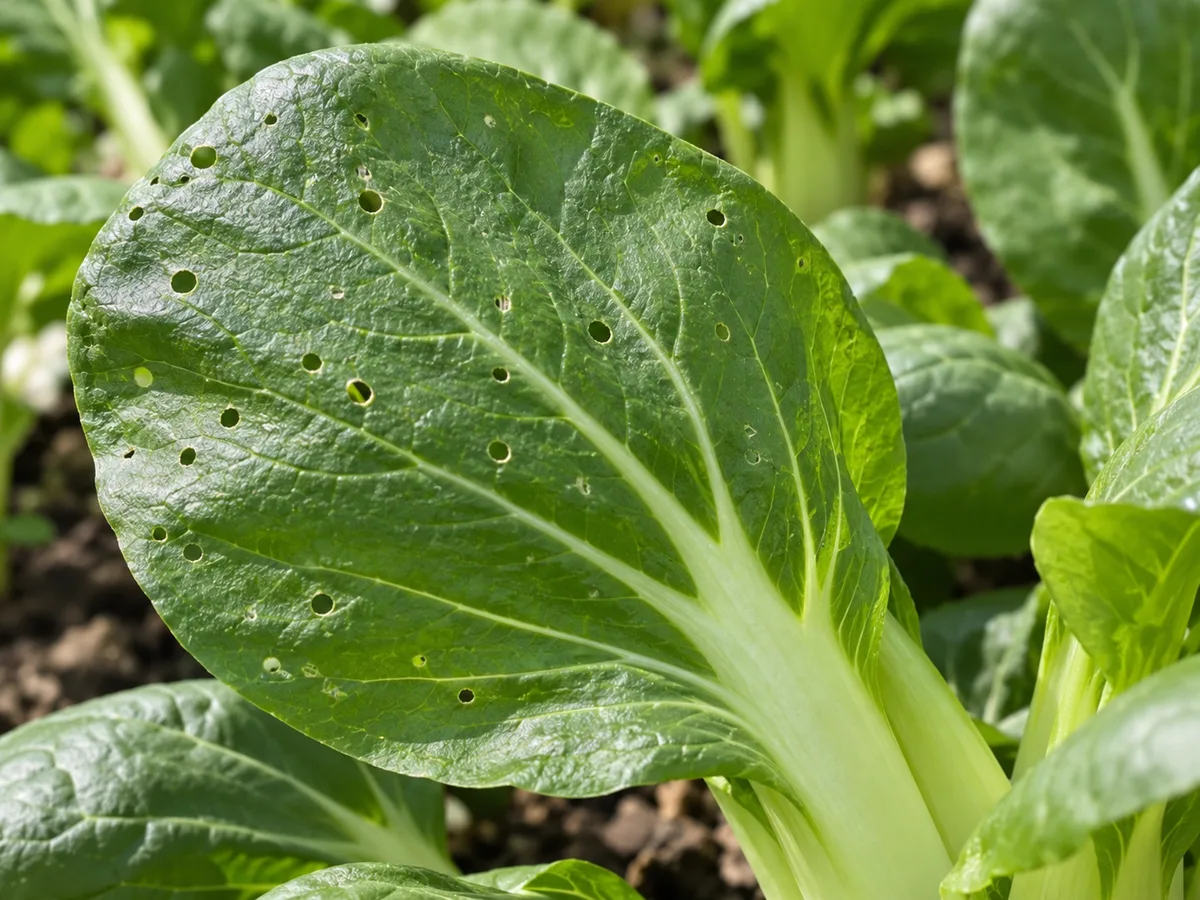
The most recognizable early flea beetle injury is a scattering of tiny round holes, often called “shot holes,” across young leaves. Seedlings can be set back when damage is severe. Cabbage-family caterpillars create larger ragged holes and may leave green droppings under leaves; check the undersides and the plant’s center rather than judging from the top surface alone. University of Minnesota Extension recommends scouting brassicas and describes row covers as a useful barrier against flea beetles (UMN Extension’s brassica guidance).
Row Covers, Scouting, and Safe Cleanup
Install a lightweight floating row cover over hoops or directly over the bed as soon as you sow or transplant. Secure every edge so beetles cannot crawl beneath it. Check plants frequently after emergence; a cover only helps if it is in place before pests build up. In hot weather, lift or ventilate the cover as needed so it does not trap excessive heat around a crop that already prefers cool conditions.
Inspect leaves at least twice a week. Look for new pinholes, eggs, caterpillars, and feeding around the growing point. Hand-pick visible caterpillars into soapy water, and remove badly damaged leaves if the plant has plenty of healthy growth. Keep weeds from the mustard family out of and around the bed, and clear crop debris after harvest so it does not shelter pests into the next planting. Rotate bok choy and other brassicas to a different bed in a later crop when space allows.
Avoid treating every hole as the same pest. Slugs leave irregular ragged damage and may be active at night; caterpillar holes are often larger and accompanied by frass. Identify what is feeding before choosing a control, and follow local extension guidance and any product label if a problem becomes severe.
Readiness Signs: When to Harvest
Harvest when the plant has the size and tenderness you want, not only when a calendar estimate is reached. Compact baby types may be usable while still small; larger varieties need time to build a fuller cluster of leaves and thick petioles. Compare the plant with the packet description, then feel the base: a firm, well-filled crown with crisp stems is a better readiness cue than a precise height that may not match your cultivar.
Check the center for a rising flower stalk. If the plant is still leafy but warm days are arriving, pick it a little early rather than waiting for the largest possible head. Harvest after the morning dew dries if you can, and avoid picking during heat stress when leaves are limp. A dry, cool harvest is easier to clean and chill promptly.
Harvest Whole Heads or Pick Leaves
For a whole-head harvest, use a clean knife to cut the plant at soil level, just below the base of the petioles. Brush away loose soil, remove damaged outer leaves, and bring the head indoors promptly. This gives you one complete harvest and is the simplest choice if the crop is nearing heat or bolting.
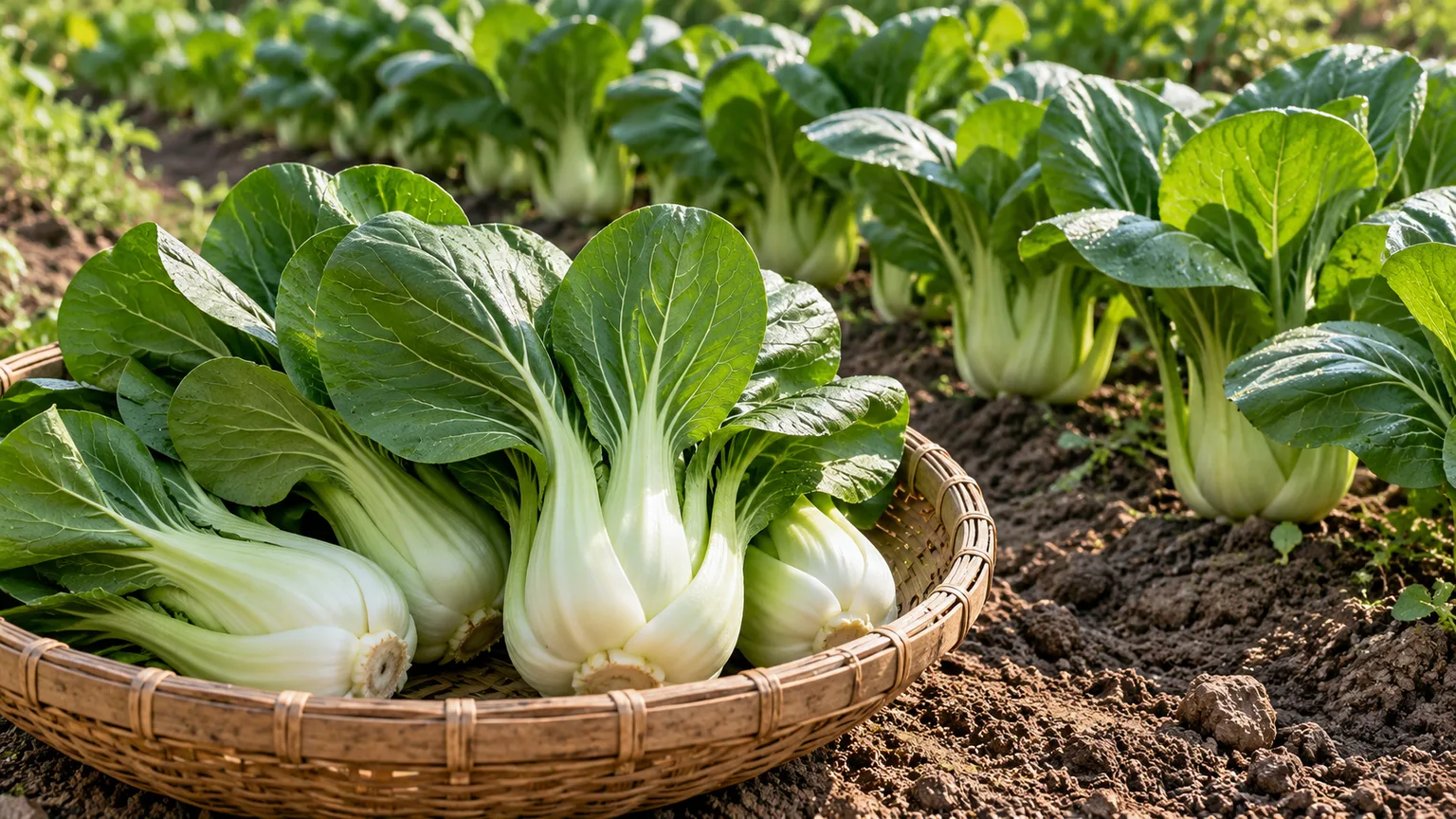
For a longer picking period, remove only the outer leaves that have reached usable size and leave the central growing point intact. Take a few leaves at a time from more than one plant rather than stripping a single plant bare. The center can continue to make new leaves while weather remains favorable, although the harvest will be smaller and less predictable than cutting a mature head.
If you want repeat harvests, sow another row before the first one is finished. Cutting the entire plant and expecting it to regrow into a full second head is less dependable than picking outer leaves or planting a succession. When warmth or a flower stalk is imminent, prioritize using the crop you have rather than trying to extend it.
Solve Common Growing Problems
Slow or uneven emergence usually points to a seedbed problem: seeds were buried too deeply, the surface dried, or the soil crusted after a hard watering. Re-sow a short gap once the surface is prepared and keep it gently moist. If seedlings emerge in a clump, thin them while small so the remaining plants do not compete.
Small heads may be caused by crowding, weak light, dry soil, or a variety that needs more time. Check spacing and moisture first. If the plants are healthy but the weather is turning warm, harvest smaller heads rather than waiting for a size they may not reach before bolting. If growth stalls during cold weather, protect plants from harsh wind and wait for conditions to improve; heavy feeding will not compensate for temperatures outside the crop’s comfortable range.
When leaves turn yellow, inspect the whole plant and the soil before making a diagnosis. One or two older outer leaves yellowing as a head grows may be normal aging. Widespread yellowing can follow waterlogged soil, drought, root disturbance, nutrient shortage, or pest feeding. Check whether the bed drains, feel moisture below the surface, and look under leaves for insects. Correct the condition you can confirm, then remove badly damaged leaves.
Pinholes, Slow Growth, and Yellow Leaves
| What you see | First check | Practical response |
|---|---|---|
| Many tiny round holes | Look for flea beetles, especially on young leaves | Cover seedlings early, secure edges, and protect new sowings |
| Larger ragged holes | Inspect leaf undersides and the crown for caterpillars or slugs | Hand-pick visible pests and keep checking the plant center |
| Pale, stalled seedlings | Check surface moisture, drainage, light, and crowding | Thin, water evenly, and wait for suitable temperatures before feeding |
| Yellowing outer leaves | Compare old and new growth; check soil moisture and roots | Remove spent leaves and correct confirmed drainage or watering problems |
| Flower stem in the center | Check recent cold, heat, day length, and drought stress | Harvest tender leaves and buds promptly, then re-sow if the season permits |
These signs are clues, not a substitute for checking the plant and its growing conditions. A photo of leaf damage alone cannot identify every pest or soil problem, so inspect the undersides, crown, and bed before taking action.
Clean and Store Bok Choy
Separate the leaves and petioles and rinse them under cool running water, paying attention to soil caught where leaf blades meet the stems. If the head is especially gritty, swish the pieces in a bowl of clean water and rinse once more. Dry the leaves well before storing; trapped water encourages soft spots and shortens crispness.
Refrigerate bok choy promptly in a produce bag or loosely wrapped container that limits drying without trapping excess moisture. Keep it in the crisper drawer and use it while the stems are firm and leaves are fresh; storage life varies with harvest condition and refrigerator humidity. Do not leave harvested heads in a warm car or on a sunny counter. If the leaves wilt slightly, use them soon in a cooked dish; discard any portions that are slimy, moldy, or decaying.
Conclusion
The most reliable bok choy crop starts with timing. Choose spring or fall based on your local cold and heat pattern, select a variety for the size you want, and sow shallowly into fertile soil that stays evenly moist. Thin early, protect seedlings from flea beetles, and use row covers before pest damage appears. As the weather changes, pick outer leaves or cut the whole plant before a flower stalk takes over.
Keep notes on sowing dates, weather, and harvest size so you can adjust the next batch to your own garden. With a short succession and a little attention to moisture and temperature, you can harvest crisp bok choy without needing a large bed or a perfect forecast.