How to Grow and Care for Borage: A Practical Garden Guide
Learn how to grow borage from seed, choose its site, water and harvest it, manage self-seeding, grow it in pots, and recognize common problems.
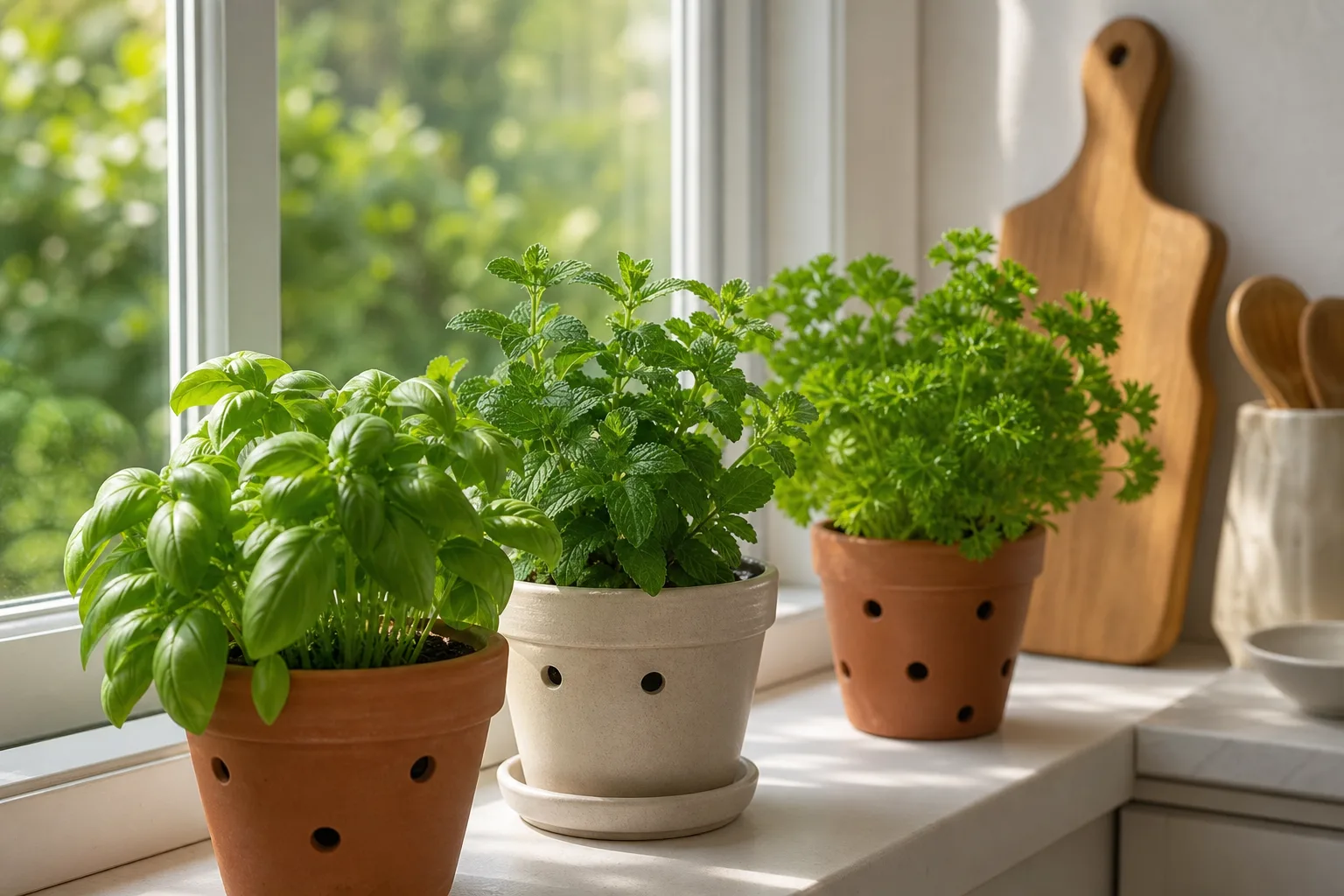
Borage (Borago officinalis) is a fast-growing annual herb with coarse, cucumber-scented foliage and hanging, star-shaped blue flowers. It is one of the easiest plants to raise from seed, but “easy” does not mean “put it anywhere and forget it.” A mature plant can become broad and floppy, seedlings can appear beyond the original planting, and the leaves have important safety limits that make borage better suited to occasional garden use than to everyday herbal tea.
The best way to grow borage is to give it full sun, loose soil that drains promptly, and enough room for its rough, branching habit. Sow it where a few volunteer seedlings will be welcome, or use a container if you want tighter control. Keep young plants evenly moist, then water established plants when the soil dries several inches down. Remove spent flowers before seed forms if you want to limit spread; leave a few if you are building a pollinator patch and accept next year’s seedlings.
What Borage Is and Why Gardeners Grow It
Borage belongs to the Boraginaceae family and is native to the Mediterranean region. It is usually grown as an annual herb, although a planting can look perennial because it drops abundant seed and returns through volunteers. NC State Extension describes the plant as an annual with blue flowers, bristly leaves, and a preference for sun and well-drained soil. Plants commonly reach about 1 to 3 feet tall and can spread nearly as wide in fertile ground.
Gardeners choose borage for three different jobs. First, its blue flowers bring bees and other flower-visiting insects into a garden during summer. Second, the flowers are ornamental enough for informal beds, kitchen gardens, and cottage-style borders. Third, young leaves and flowers have a cucumber-like flavor that some cooks use sparingly in cold drinks, salads, or garnishes.
Those uses should not be confused with claims that borage will automatically improve nearby crops or repel every pest. It can be a useful flowering neighbor for a diverse garden, but companion-planting effects depend on the whole planting and local insect pressure. Grow it because you like the flowers and want a long-blooming pollinator plant; consider any additional benefit a bonus.
Quick Borage Profile
| Trait | Borage |
|---|---|
| Botanical name | Borago officinalis |
| Common names | Borage, starflower |
| Type | Annual herb; readily self-seeds |
| Mature size | About 1–3 ft. tall and 1–2 ft. wide |
| Flowers | Usually vivid blue, star-shaped, and nodding |
| Light | Full sun is best; tolerates partial shade |
| Soil | Well-drained, moderately fertile soil |
| Water | Even moisture while young; allow some drying after establishment |
| Best propagation | Direct-sown seed |
| Main strengths | Pollinator value, long bloom, easy seed starting |
| Main drawbacks | Coarse texture, sprawling habit, prolific volunteers |
Choose a Site Before You Sow
Start with the plant’s mature footprint, not the tiny packet seed. A borage seedling may look suitable for a narrow herb row, but a flowering plant can lean into paths and shade lower herbs. Give each plant roughly 18 to 24 inches of room if you want good airflow and an accessible harvest. In a mixed bed, place borage toward the back or at an edge where its height and spread will not smother shorter crops.
Choose a spot with at least six hours of direct sun when possible. Borage can flower in lighter shade, but low light encourages a looser, weaker shape and can keep foliage damp longer after rain. Morning sun is particularly helpful in humid climates because it dries leaves early.
Drainage is more important than perfect soil fertility. Borage tolerates ordinary garden soil, but roots that remain saturated are more likely to decline than roots in a lean bed that drains well. If water pools after a storm, raise the bed, work in finished compost, or choose a different site. Do not bury the planting in a rich, water-holding pocket just to make it grow faster.
Borage Planting Calendar
In cold-winter areas, direct-sow borage outside after the danger of hard frost has passed and the soil is workable. You can also sow in early summer for a later flush of flowers. In mild climates, sow in fall or early spring when temperatures are cool enough for seedlings to establish without baking.
For a simple schedule:
- Prepare the bed a few weeks before sowing by removing weeds and loosening the top few inches.
- Sow after the last hard frost, or use the cool-season window recommended for your local climate.
- Keep the seedbed lightly moist until seedlings appear.
- Thin crowded seedlings while they are small rather than waiting until roots tangle.
- Expect flowers roughly eight weeks after planting under favorable conditions, though weather and harvest timing can shift that window.
- Make a second sowing two to four weeks after the first if you want flowers and tender leaves over a longer period.
The calendar matters less than the soil temperature and moisture. Borage does not need a long, fussy indoor-starting season, so direct sowing is usually the cleanest approach.
How to Grow Borage From Seed
Direct-Sow in the Garden
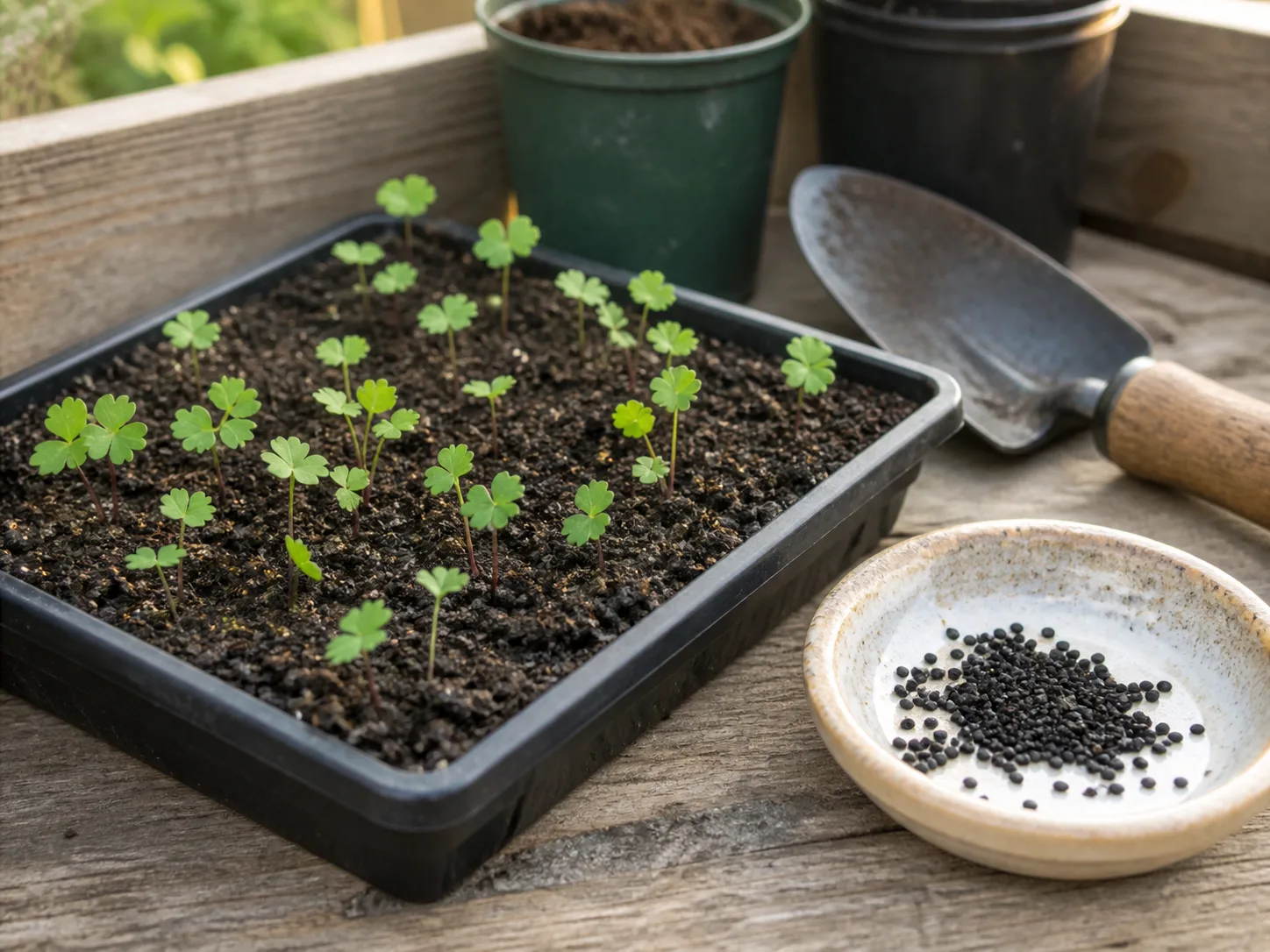
Borage dislikes unnecessary root disturbance, which is one reason direct sowing works so well. Press seeds into prepared soil and cover them about 1/4 to 1/2 inch deep. Water gently so the seed does not wash into a pile. Keep the surface consistently damp, not muddy, until seedlings emerge.
Once plants are several inches tall, thin them to about 18 to 24 inches apart. Use scissors to snip excess seedlings at soil level if you do not want to disturb the roots of the plants you are keeping. The thinnings can be composted; do not force a crowded patch to mature just because the seedlings are healthy. Crowding produces lankier plants and increases the time foliage stays wet.
Start Seeds Indoors Only When Necessary
Starting indoors is useful when birds, slugs, or a short growing season make direct sowing unreliable. Sow into individual cells three to four weeks before the last frost, cover lightly, and provide bright light. Transplant when the seedlings are still compact and harden them off over about a week.
Handle the root ball gently and plant at the same depth it occupied in the cell. Avoid holding seedlings too long in small containers; a root-bound borage transplant may stall just as direct-sown plants begin to take off. In most gardens, one packet of seed and a protected outdoor seedbed are simpler than a full indoor setup.
Light, Soil, and Water Requirements
Borage grows best in full sun, but a site with four to six hours of direct light can still produce flowers. More light generally means sturdier stems and more blooms. In hot climates, a little afternoon shade can reduce wilting, provided the soil drains well and the plant still receives morning sun.
Use soil that is loose enough for water to pass through and fertile enough to support rapid leaf growth. A neutral to slightly acidic or slightly alkaline soil can work; do not chase a precise pH unless a soil test shows a real problem. Add compost to improve structure, not as a thick layer that forms a separate, soggy planting pocket.
Water new sowings whenever the upper layer begins to dry. During the first several weeks, the goal is stable moisture around shallow young roots. After borage is established, let the top few inches dry between thorough waterings. In-ground plants may need supplemental water during prolonged heat or drought; container plants need checking more often because potting mix dries from the edges and top.
Water at the base when possible. Wetting the foliage repeatedly at night does not cause every disease, but it creates conditions that make powdery mildew and other leaf problems more likely. A slow soak that reaches the root zone is more useful than a daily sprinkle.
Spacing, Supports, and Airflow
Give borage enough space to branch naturally. Eighteen inches is a practical minimum for a tidy patch; 24 inches is more comfortable in humid weather, rich soil, or a bed where you want to walk around plants to harvest. If a plant leans, support it with a short stake or place it beside a sturdy neighbor. Do not tie it tightly into a narrow column; the broad, slightly untidy form is normal.
Airflow is a care tool. Thin volunteer seedlings, remove damaged lower leaves, and avoid planting borage against a wall where air stagnates. If a mature plant collapses after heavy rain, cut it back rather than trying to prop every branch. Fresh regrowth is often more productive than a tangled canopy.
Container Growing

A container is the best choice when you like borage but do not want it scattering seed throughout a vegetable bed. Choose a pot at least 12 inches deep and wide, with several drainage holes. A heavier container is less likely to tip when the plant reaches full size.
Use a quality all-purpose potting mix rather than garden soil, which compacts in a pot. Place the container in bright sun and water when the top inch or two feels dry. During hot weather, a container may need water every day or two, but never use a saucer of standing water as a substitute for drainage.
One plant per large pot is usually enough. Crowding several plants into a small container leads to rapid drying, weak stems, and mildew-prone foliage. Container borage often stays somewhat smaller, but it still needs deadheading if you want to prevent seeds from landing in nearby pots and cracks.
Feeding, Mulching, and Routine Care
Borage normally does not need a demanding fertilizer program. If the soil is poor, mix in compost before planting or use a balanced, slow-release fertilizer labeled for edible garden crops according to its label. Avoid repeatedly pushing leafy growth with high-nitrogen fertilizer; lush, soft growth can flop and may be more difficult to keep dry and well ventilated.
A thin mulch layer helps moderate soil moisture and reduces splash onto leaves. Keep mulch off the crown and stems so the base stays dry and visible. Check the bed weekly for weeds while plants are small. Once borage fills out, its leaves shade much of the soil, but it will not reliably suppress every weed.
Flowers, Pollinators, and Companion Planting
Borage flowers open over a long summer window and are attractive to bees. The nodding flowers may begin pinkish and deepen to blue as they mature, giving the plant extra visual interest. Leave some blooms in place if pollinator value is your priority.
Borage can sit near tomatoes, squash, strawberries, and other crops without demanding a special companion-planting formula. Place it at the edge of the bed so pollinators can visit it without the plant shading low-growing vegetables. Do not use a single borage plant as a guarantee against tomato hornworms or other pests; monitor crops directly and manage problems according to the crop and pest involved.
Harvesting Borage Carefully
Harvest young leaves and flowers with clean scissors or by pinching them from the plant. Young leaves are less coarse than mature ones, and the cucumber-like flavor is best used fresh. Flowers can be used as a garnish or added to cold preparations, but they are delicate and should be handled gently.
There is an important safety boundary: do not treat borage as a daily medicinal herb or consume large amounts of its leaves, flowers, or seed oil without qualified medical advice. Borage contains pyrrolizidine alkaloids, compounds associated with liver toxicity; the concentration can vary by plant part and preparation. NC State Extension flags borage as toxic to people and pets, and the Royal Horticultural Society also advises caution around ingestion. Keep harvested material away from children and animals, and do not assume that “natural” means safe.
For a garden harvest, the conservative choice is occasional culinary garnish rather than concentrated tea, supplement, or medicinal use. People who are pregnant, nursing, have liver disease, take medicines that affect the liver, or are considering borage oil should consult a qualified clinician before using it.
Pruning, Deadheading, and Self-Seeding Control
Deadheading is the main pruning task. Remove spent flowers before they develop dark seeds if you want a tidy plant and fewer volunteers. Cut the flower stem back to a healthy branching point rather than stripping individual leaves from the whole plant.
If borage has become tall and floppy in midsummer, cut it back by about one-third to one-half, leaving healthy lower growth. Water the plant afterward if the soil is dry. This can produce fresh foliage and a second wave of flowers, but do not cut a drought-stressed plant hard until it has recovered.
If you want borage to return, let a few flowers finish at the edge of the planting, then remove the rest. If you want no volunteers, pull plants after flowering or cut them down before seeds mature. Small seedlings are easiest to remove after rain; grasp them low and lift the whole root. Compost seed heads only if your compost pile reaches temperatures that reliably destroy seed, otherwise discard them according to local rules.
Self-seeding is not the same as being invasive. In many gardens, volunteers are easy to hoe or transplant. The practical question is whether you can tolerate a few plants in the surrounding bed. If the answer is no, grow borage in a pot or deadhead consistently.
Varieties and Look-Alikes
The common blue-flowered species is the usual choice. ‘Alba’ produces white flowers and can be somewhat sturdier; it is useful when blue does not fit a planned color scheme. ‘Variegata’ has pale markings on the leaves and may flower less intensely. Creeping borage, Borago pygmaea, is a different, lower-growing relative that behaves more like a short-lived perennial in suitable climates.
Do not confuse borage with comfrey simply because both have bristly leaves and belong to the same family. Borage usually has hanging, star-shaped blue flowers and an annual, branching habit. Comfrey forms a more substantial clump and commonly has pink, purple, or white flowers. If you are harvesting anything for food, identify the plant by its complete set of features and use a reliable botanical or extension reference.
Common Problems and Practical Fixes
Seedlings fail to appear. The seed may have been buried too deeply, washed away, dried out during germination, or eaten. Reseed shallowly, keep the surface evenly moist, and protect the bed from birds and slugs while seedlings are small.
The plant is tall and collapsing. Crowding, low light, rich nitrogen, or inconsistent water can all produce weak growth. Thin nearby plants, improve light if possible, avoid additional nitrogen, and cut the plant back after it has been watered.
Leaves show a white powder. Powdery mildew is favored by crowded, stagnant, or drought-stressed growth followed by humid nights. Remove the worst leaves, improve spacing and airflow, water at the soil line, and avoid working among plants when foliage is wet. If the disease is widespread, remove the plant after flowering rather than repeatedly treating a plant you do not need to preserve.
Leaves wilt even though the soil is wet. Check drainage, roots, and the container’s holes. Wet soil does not guarantee available oxygen; a saturated root zone can cause wilt that looks like thirst. Move container plants to a brighter, ventilated location and allow the mix to drain. In ground, improve the site rather than watering more.
The plant is covered in volunteers. Pull young seedlings while they are small, or hoe them on a dry day. Next season, deadhead before seeds mature or move borage to a container. A few volunteers can be transplanted while young, but do not let a dense patch compete with food crops.
Leaves have holes or chewing damage. Inspect the undersides and surrounding soil before deciding on a treatment. Hand-pick visible pests, use barriers for seedlings, and protect beneficial insects. Borage’s flowers attract visitors, so avoid broad insecticide applications when a targeted response will solve the problem.
Conclusion
Borage is a rewarding choice when you want blue flowers, pollinator activity, and a quick-growing herb that starts readily from seed. Plant it in sun and draining soil, give it room to branch, keep young roots evenly moist, and use a container or regular deadheading if self-seeding would be a problem. Harvest conservatively because borage is not an unlimited edible or medicinal crop, and treat powdery mildew and flopping as signals to improve airflow, spacing, water, and site conditions. With those boundaries in place, borage can fill an informal garden niche for one long, useful season.