When and How to Harvest Spinach
Learn when spinach is ready, which leaves to pick, where to cut for regrowth, and how to protect flavor when heat or bolting arrives.
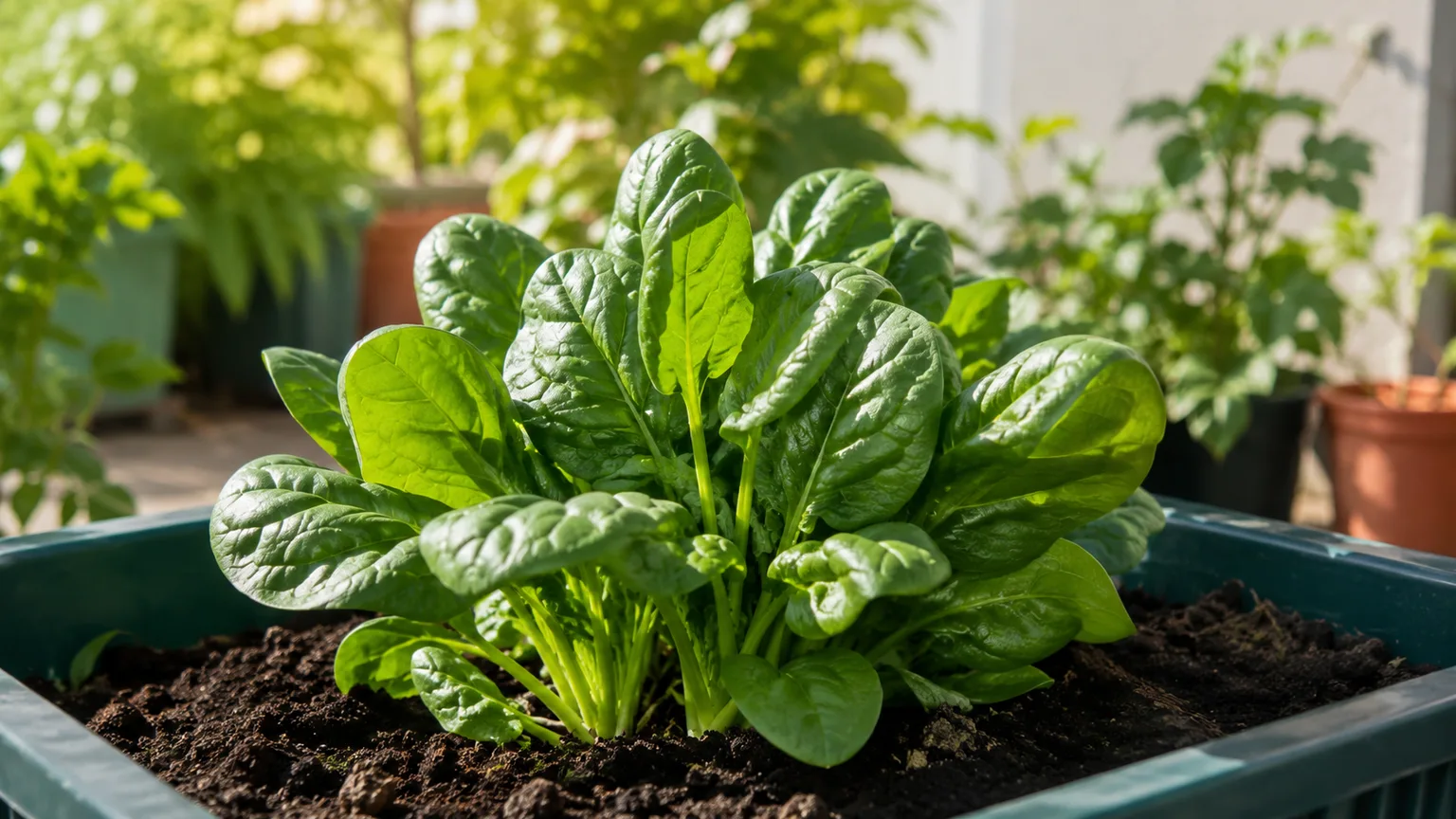
Spinach is ready when the leaves are useful to you, not when a calendar tells you the crop has reached a magic age. For the most tender flavor, pick baby leaves as soon as they have enough size to handle, harvest larger outer leaves while the plant is still a low rosette, and take the final crop as soon as the center begins to stretch toward a flower stalk.
The best general method is to snip the outside leaves and leave the center growing point alone. If you need a large amount at once, cut the plant cleanly above the crown and treat any regrowth as a bonus rather than a promise. Spinach is a cool-season annual, so temperature, day length, moisture, variety, and the plant’s shape all matter more than a single “days to harvest” number.
Read the Plant Before You Read the Calendar
Spinach (Spinacia oleracea) forms a compact rosette of leaves from a central crown. North Carolina State Extension describes it as a cool-season edible annual that can be grown in beds or containers, tolerates partial shade, and can be harvested at any size. That flexibility is useful, but it also means “ready” depends on whether you want delicate salad leaves, substantial cooking greens, or one final clearing harvest. (North Carolina State Extension)
Seed packets are best used as a checking window. Penn State Extension places spinach’s best germination range around 45–68°F soil temperature, while the Royal Horticultural Society describes the crop as performing especially well in milder temperatures around 60–70°F. Cool weather can slow a crop without making it unready, and a sudden warm spell can end a good harvest window faster than the packet predicted. (Penn State Extension, RHS spinach growing guide)
Baby-leaf signs
Start baby-leaf harvest when the plant has a recognizable rosette and several true leaves large enough to lift or cut cleanly. A practical target is leaves about 2–3 inches long, although smaller leaves are edible if you can handle them without tearing the crown. The point is not to reach a prescribed height; it is to remove a few leaves while leaving enough canopy for the young plant to keep building.
Baby leaves are soft, mild, and useful raw. They are also the safest choice when plants are crowded, the weather is beginning to warm, or you are growing in a shallow container that cannot support a large mature canopy. Pick from several plants rather than stripping one seedling, because spreading the harvest protects the growth of every plant.
Mature-leaf signs
For larger spinach, look for broad, well-colored leaves with firm petioles and a hydrated, low rosette. Many growers use roughly 3–6 inches as a practical mature-leaf range, but cultivars vary, and NC State’s guidance that leaves can be harvested at any size is the better rule when your plant does not match that range. Smooth-leaf, savoy, and semi-savoy types also differ in texture and final size.
The most important negative sign is a rapidly rising center. A spinach plant that stays low and keeps producing leaves is still in its useful vegetative phase; one that sends up a strong central stem is reallocating energy toward seed. Feel the leaves gently, watch the crown for new growth, and harvest when the leaves are firm enough to use rather than waiting for an ideal number.
Choose a Harvest Style Based on Your Goal
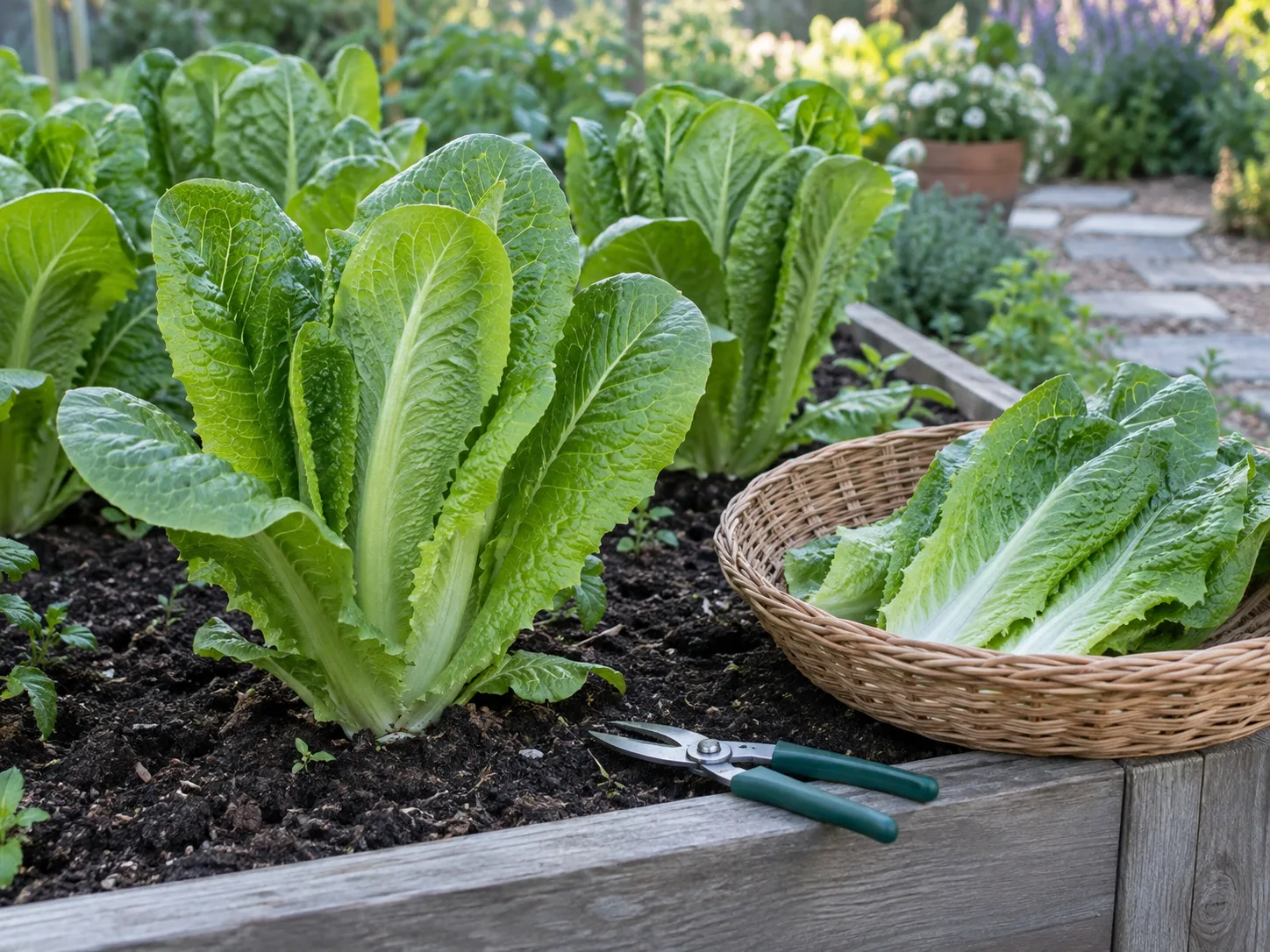
Your harvest goal should decide where the scissors go. Individual leaves give you a longer supply and the best chance of preserving the plant, while a whole-plant cut gives you volume and makes sense when heat, crowding, or bolting is about to close the window.
Individual leaves for repeat pickings
Choose leaf-by-leaf harvesting when you want greens for several meals, have a small number of plants, or are growing a fall crop that you hope will continue into cooler weather. Start with the oldest outside leaves, which are usually larger and farther from the growing point. Leave the small center leaves standing so the crown can continue to make replacements.
The trade-off is speed. You will not fill a large freezer bag from one plant in a single visit, but the plant retains more leaf area and can keep producing. This is the cut-and-come-again approach recommended for repeated spinach pickings by the RHS; sowing small batches at intervals makes the overall supply more dependable than expecting one plant to produce forever. (RHS spinach growing guide)
A whole-plant cut for a larger haul
Cut the whole plant when you need a batch for cooking, the plants are mature and crowded, or a hot spell is about to make the remaining leaves coarse and bitter. A whole cut is also a sensible spring decision when a flower stalk is beginning to show. Harvesting at that point captures usable leaves instead of spending several days trying to preserve a crop that has already begun its reproductive shift.
The choice between a clear cut and pulling the roots depends on what happens next. Leave the crown in place if the weather is still cool and you have room to test for a second flush; remove the entire plant when the bed is finished, the plant is diseased, the crown is soft, or you need to replant immediately.
Prepare for a Clean, Cool Harvest
Harvest spinach when the leaves are dry and the air is cool, usually in the morning after dew has lifted. Early picking reduces the time the leaves spend warm and limp, and dry foliage is less likely to become bruised or slimy in storage. If rain or overhead irrigation has just wet the crop, wait for the surface to dry unless damaged leaves need immediate removal.
Use clean, sharp scissors for individual leaves and a sharp knife or garden shears for a whole-plant cut. A dull blade crushes tissue and makes it harder to leave the crown intact. Carry a shallow basket or bowl so the leaves are not compressed under their own weight, and keep the harvest shaded while you finish the row.
Before cutting, inspect both sides of the leaves. Skip leaves with slime, spreading rot, heavy insect feeding, or extensive leaf-miner trails; harvest only sound tissue and deal with the plant problem separately. Wipe soil from the tool between plants, especially when you are cutting close to the soil line.
Harvest Individual Leaves Without Killing the Plant
- Choose the largest healthy outer leaves first.
- Follow each petiole down toward the crown and place the scissors just above the crown, leaving a short piece of stem rather than cutting into the center.
- Take no more than about one-quarter of a plant in one visit when repeat harvest is the priority.
- Leave all small emerging leaves in the middle untouched.
The crown is the plant’s working growing point. It is easy to mistake the crowded center for a collection of spare leaves, but those small leaves are the next harvest and the tissue that keeps the rosette expanding. A cut that nicks or removes the crown can turn a repeat-harvest plant into a one-time crop.
Do not insist on removing exactly the same number of leaves from every plant. Take more from a large, vigorous rosette and less from a small plant that is still establishing. After picking, keep the root zone evenly moist and wait until new outside leaves have expanded before taking another substantial handful.
If you want baby spinach, harvest the outer leaves while they are still small and tender. If you want cooking greens, allow more leaves to develop but do not delay once the center rises. Larger leaves can still be good when the plant is growing rapidly; they are not automatically too old because they exceed a particular measurement.
Cut a Whole Spinach Plant and Leave a Chance of Regrowth
When you need a full harvest, gather the leaves loosely and make one clean cut rather than sawing through the base. Cut just above the crown—roughly 1/2 to 1 inch above the point where the leaf stems meet—if you want to leave a living growing point for possible regrowth. Keep the blade out of the soil so the cut leaves stay cleaner.
University of Wisconsin–Madison notes that cutting the plant at the soil line keeps harvested leaves cleaner, and that cutting the outer leaves in fall allows the plant to keep producing. These are not contradictory rules: cut at the soil line when clearing the plant, but leave a sound crown when the purpose is to test for another flush. (University of Wisconsin–Madison Horticulture)
After the cut, remove loose leaves touching damp soil and look at the stump. A firm, clean crown can stay in the bed. A dark, hollow, slimy, or badly damaged crown is not a good regrowth candidate, and leaving it in place can give pests and disease more time to spread.
Regrowth speed is not guaranteed. Healthy plants in cool, moist conditions may send out new leaves, while a late-spring plant with a lengthening day, a heat-stressed container plant, or a plant with damaged roots may produce little before bolting. The RHS also describes whole-crop cutting as a way to obtain at least one more harvest when the roots are good, but the result can be loose leaves rather than a second full rosette. (RHS spinach growing guide)
Adjust the Harvest for Spring, Fall, and Winter
Spinach has two useful seasons in many gardens: early spring and fall. Penn State recommends planting about four to eight weeks before the average last frost in spring and six to eight weeks before the average first frost in fall, but local soil temperature and weather should decide the final timing. The harvest plan changes with the season because heat ends spring quality while cold mostly slows fall growth. (Penn State Extension)
Spring crops and the race against heat
Spring spinach can grow quickly, so check plants every few days once the leaves are large enough to use. Take baby leaves early if the crop is small, and cut mature plants promptly when the center begins to lift. Do not wait for every leaf to reach its largest possible size if a warm spell is forecast; a smaller tender harvest usually beats a larger, bitter one.
Light shade in the afternoon, mulch that keeps the soil cool, and consistent watering can buy time. They cannot make a bolting plant young again, however. Penn State reports that spinach becomes increasingly ready to bolt around warmer conditions near 80°F and that increasing day length can end a spring crop even when the air feels temporarily mild, so use temperature as a warning rather than a universal cutoff. (Penn State Extension)
Fall crops and overwintered plants
Fall spinach often has a generous flavor window because plants grow through cooling weather instead of racing toward summer heat. Harvest the outer leaves sparingly when you want the plant to overwinter, leaving the crown and roots intact. A hardy cultivar, mulch around the root zone, and a row cover or cloche during severe cold can help, but winter survival depends on variety, exposure, soil moisture, and local temperature.
Established spinach can tolerate some frost, and NC State lists survival down to about 20°F for the plant, but cold tolerance is not the same as unlimited harvestability. Pick when leaves are firm and dry, avoid trampling frozen foliage, and wait for the plant to thaw before handling it. If the bed is protected and the center remains healthy, resume light picking as new leaves expand.
Recognize Bolting Before Flavor Drops
Bolting is the shift from leaf production to flowering and seed production. The first useful clue is a center that stretches upward instead of staying tucked inside the rosette; later, a distinct stalk and small flower structures appear. Heat, dry soil, increasing day length, transplant stress, and cultivar differences all influence the timing, which is why even slow-bolting varieties eventually need a final harvest.
The RHS describes bolting as a common problem in spinach and notes that hot, dry conditions can bring it on early. USDA Agricultural Research Service research also treats bolting time as an important breeding trait, which is why seed catalogs may emphasize bolt resistance without promising that a cultivar will stay leafy through summer. (RHS bolting guidance, USDA Agricultural Research Service research)
Once the stalk is clearly rising, make the final quality decision. If the leaves are still tender, harvest the whole plant or take all usable leaves that day. Removing the stalk alone may delay the visible problem briefly, but it does not reverse the plant’s reproductive program, and waiting usually costs flavor and texture.
Keep Spinach Producing Between Pickings
Even moisture is the most useful between-picking intervention. Spinach grows quickly when its root zone stays moist, while drought can slow leaf expansion and encourage early flowering. Water deeply enough to wet the active root zone, then check the soil again instead of applying small splashes on a rigid schedule.
Water at the base in the morning when possible. Keeping the leaves dry reduces the conditions that favor foliar disease, and it avoids harvesting a wet crop that will be difficult to cool and store. A thin layer of mulch can reduce evaporation and soil splash, but leave the crown exposed so it does not stay wet.
Give the plants enough space for air movement and usable leaves. Crowded spinach is harder to harvest without tearing neighboring plants, and dense, humid foliage raises the risk of downy mildew. Penn State also warns that failing to thin can stunt growth and encourage premature bolting, so thinning is part of harvest planning, not a cosmetic chore. (Penn State Extension)
Succession sowing is the reliable way to keep the kitchen supplied. Sow a short row every one to three weeks during your local cool-weather window, adjusting the interval when growth is slow or unusually fast. RHS recommends repeated small sowings for quick crops such as spinach because a new row can mature while an older row is being picked or is approaching its final harvest. (RHS successional sowing guidance)
If leaves are pale, growth is weak, or the soil is known to be poor, use a soil test or a vegetable fertilizer according to its label rather than automatically adding a strong nitrogen dose. Fertilizer cannot compensate for heat, drought, root damage, or a crowded bed, and excess salts can stress a shallow-rooted crop.
Harvest Spinach in Containers and Small Spaces
Containers make spinach accessible, but they compress the margin for error. A pot can warm and dry much faster than a garden bed, so a plant that looked fine in the morning may be limp by late afternoon. NC State notes that spinach can grow in containers as small as one gallon and as shallow as 4–6 inches, but a larger, deeper container gives the roots and moisture supply more room. (North Carolina State Extension)
Use leaf-by-leaf harvests for small pots and take only a few outer leaves at a time. Move the container away from reflected heat or harsh afternoon sun when warm weather arrives, and check below the surface before watering so the mix is not alternating between bone dry and saturated. A pot is also a good place for succession sowing: start a new container while the first one is recovering.
Raised beds warm earlier and drain well, which can make them excellent for early spring spinach. They also expose plants to wind and rapid temperature swings, so mulch and temporary covers are useful when nights are cold or days suddenly turn hot. Keep harvest paths clear so you can reach the crown without stepping into the bed.
Know the Difference Between True Spinach and Summer Substitutes
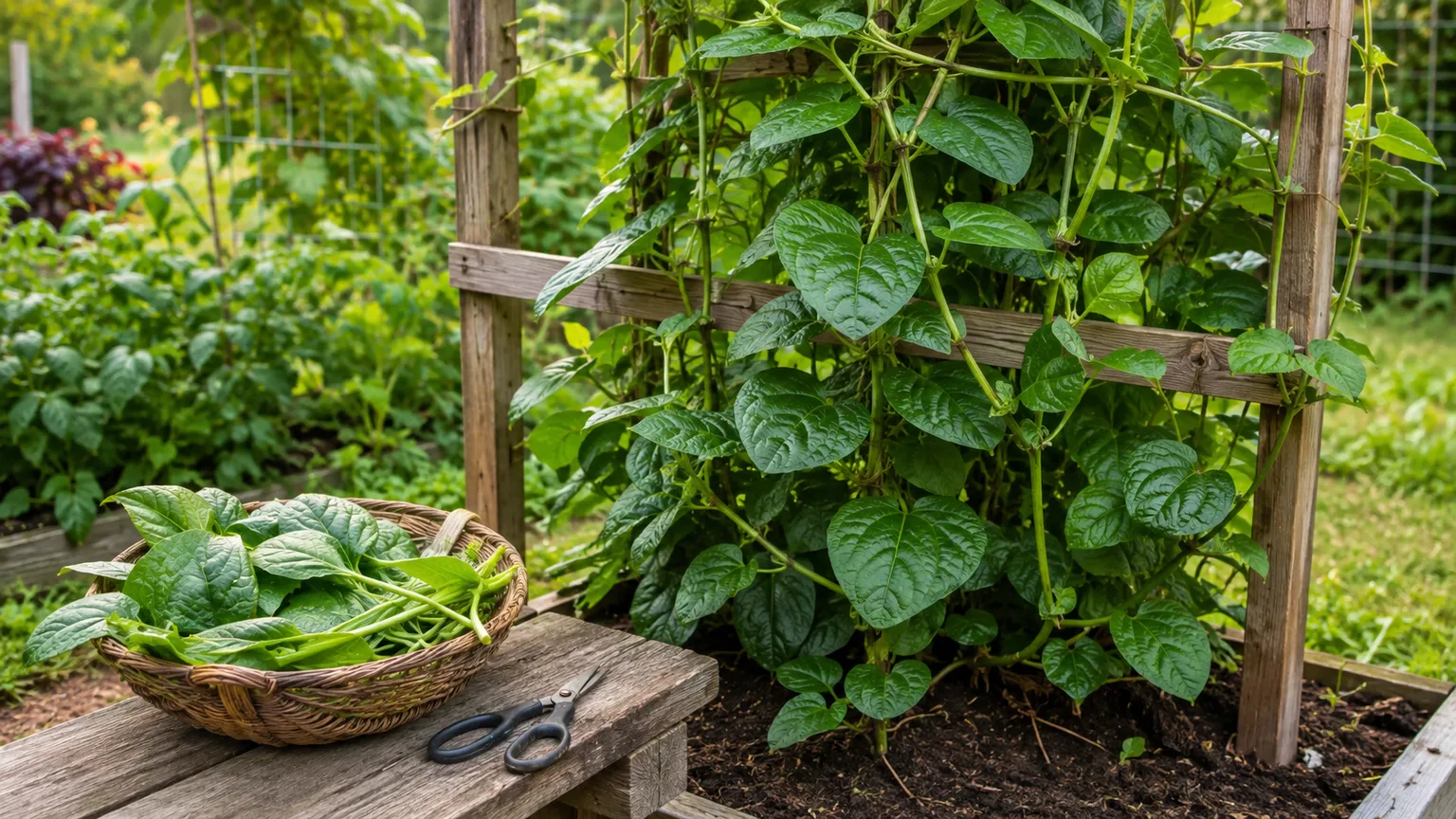
Regular spinach is a low, cool-season rosette. Malabar spinach (Basella alba) is a tender climbing vine, while New Zealand spinach (Tetragonia tetragonioides) is a separate warm-season plant with a different growth habit. The RHS and University of Wisconsin–Madison both emphasize that these plants are used like spinach but are not the same crop. (RHS spinach growing guide, University of Wisconsin–Madison Horticulture)
That distinction matters when a summer crop refuses to behave like a spring spinach plant. Do not wait for a Malabar vine to form a spinach rosette before picking it; harvest its tender shoot tips and leaves according to the variety’s growth. Conversely, do not assume a regular spinach plant will tolerate the heat simply because a “spinach” substitute is still producing.
If hot weather cuts your true-spinach season short, the practical answer is to sow another cool-season batch when conditions return and grow a summer substitute in the meantime. A bolt-resistant true-spinach variety may extend the window, but it is a timing tool, not a way to eliminate spinach’s cool-season nature.
Wash, Cool, and Store Fresh Spinach
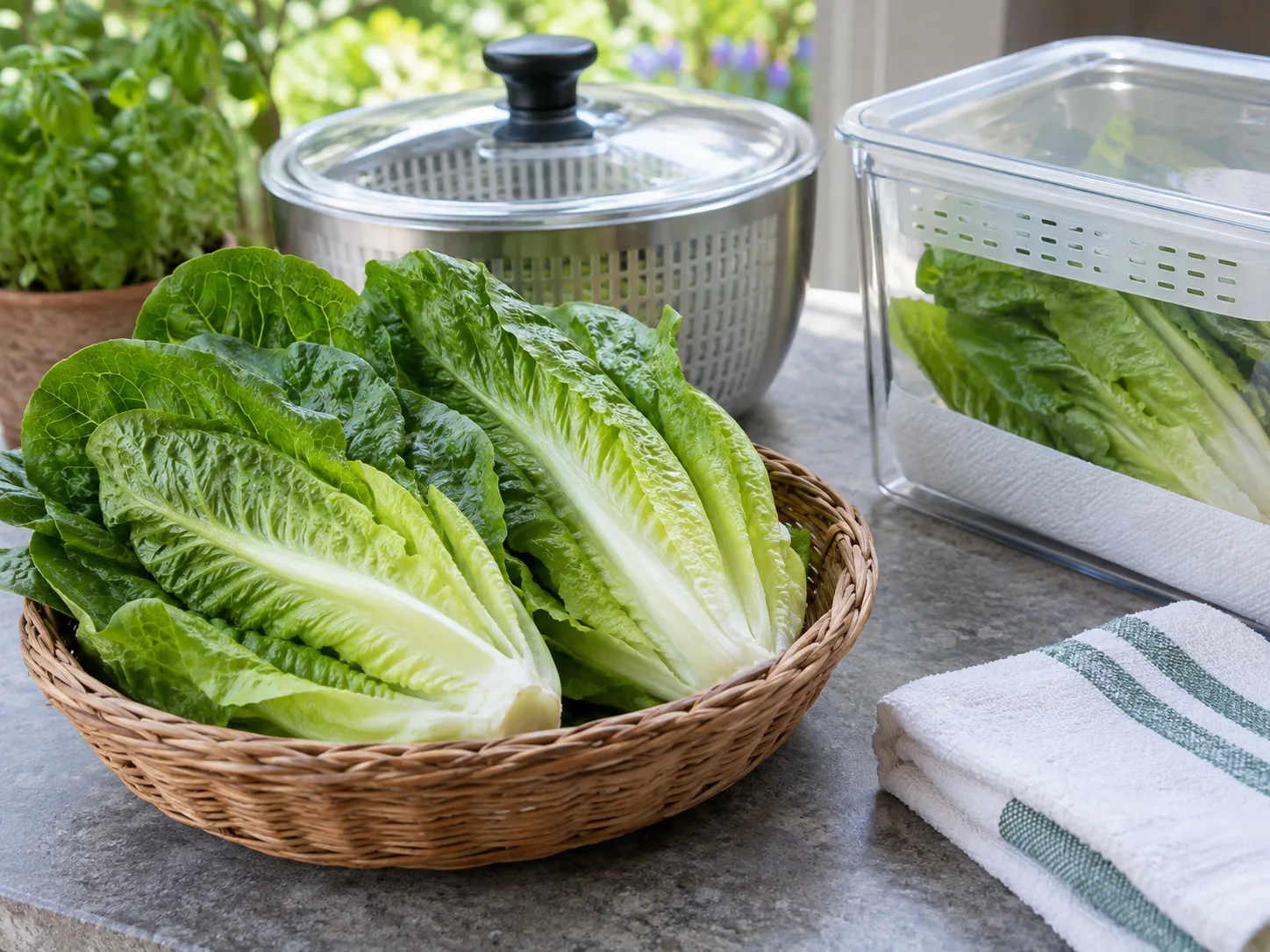
Sort the harvest as soon as you bring it indoors. Remove yellow, crushed, slimy, or insect-damaged leaves so they do not accelerate spoilage in the good leaves. Shake off loose soil, then rinse the usable spinach in plenty of cool water, especially if you grow a savoy type whose folds hold grit.
Drying is the step that protects texture. Use a salad spinner or clean towels to remove surface water, then let the leaves air-dry briefly if they still feel wet. If you cannot dry the harvest thoroughly, delay washing until just before cooking or eating and store the unwashed leaves cool and protected.
For short-term storage, wrap dry spinach loosely in a clean paper towel and place it in a ventilated bag or container in the refrigerator crisper. Replace the towel if it becomes saturated, and do not pack the leaves tightly. University of Wisconsin–Madison gives about a week as a reasonable fresh-refrigerated window; the best texture is usually earlier, especially for leaves picked in warm weather. (University of Wisconsin–Madison Horticulture)
If you have more spinach than you can eat fresh, blanching before freezing is the more quality-protective route. Epic Gardening recommends about two minutes in boiling water or steam followed by an ice-water cooling step, then thorough draining and portioning. Some gardening advice freezes raw leaves, but unblanched spinach is more likely to lose color and texture, so reserve raw freezing for small amounts destined for a blended or cooked dish. (Epic Gardening)
Troubleshoot Bitter, Yellow, or Damaged Leaves
Bitter leaves: Check the center first. A rising stalk, hot weather, or repeated dry soil is more informative than leaf size alone, and a plant that has bolted is unlikely to become mild again after another picking. Harvest the remaining tender leaves, provide shade and water only if the plant is still vegetative, and start a new sowing when the season improves.
Yellow leaves: Look for a pattern rather than reaching for fertilizer immediately. Older outside leaves can yellow from age, while widespread pale growth may reflect poor nutrition, water stress, root trouble, or disease. Check soil moisture, crowding, leaf undersides, and the crown; remove leaves that are no longer sound and correct the growing condition that is limiting new growth.
Wilting leaves: Pick only after deciding whether the plant is temporarily thirsty or already failing at the crown. Water the root zone and wait for the foliage to recover before harvesting if there is no rot or disease. In a small pot, afternoon wilt is a warning that the next harvest may need to be smaller or earlier in the day.
Holes, mines, or slime: Do not store damaged leaves mixed with clean ones. Remove the affected tissue, inspect nearby plants, improve spacing and sanitation, and use a crop cover or other locally appropriate control when pests are recurring. Downy mildew and other foliar problems spread more readily in crowded, humid foliage, so harvesting a clean crop starts with keeping the bed accessible and well ventilated.
No regrowth after a cut: Confirm whether the crown was left intact, whether the roots stayed healthy, and whether the weather has already shifted toward heat or long days. A whole-plant cut is not a cloning technique; it is a chance for the remaining growing point to resume leaf production. If the crown is soft or no new leaves appear before bolting conditions arrive, clear the plant and sow again.
Conclusion
Harvest spinach by reading the rosette, not by waiting for one fixed day. Pick a few healthy outer leaves for repeat harvests, leave the center crown untouched, and use a clean cut above the crown when you need a larger haul and the weather is still favorable.
For best flavor, keep the root zone evenly moist and take the final crop when the center begins to stretch, before a flower stalk turns the leaves coarse and bitter. Harvest dry and cool, remove damaged leaves, dry the good ones before refrigeration, and use succession sowing or a warm-weather substitute when regular spinach reaches the end of its season.