How to Propagate Prayer Plant: 3 Easy Ways
Learn how to propagate prayer plants by rhizome division, water cuttings, or soil cuttings. Step-by-step timing, node ID, humidity, and fixes when roots stall.
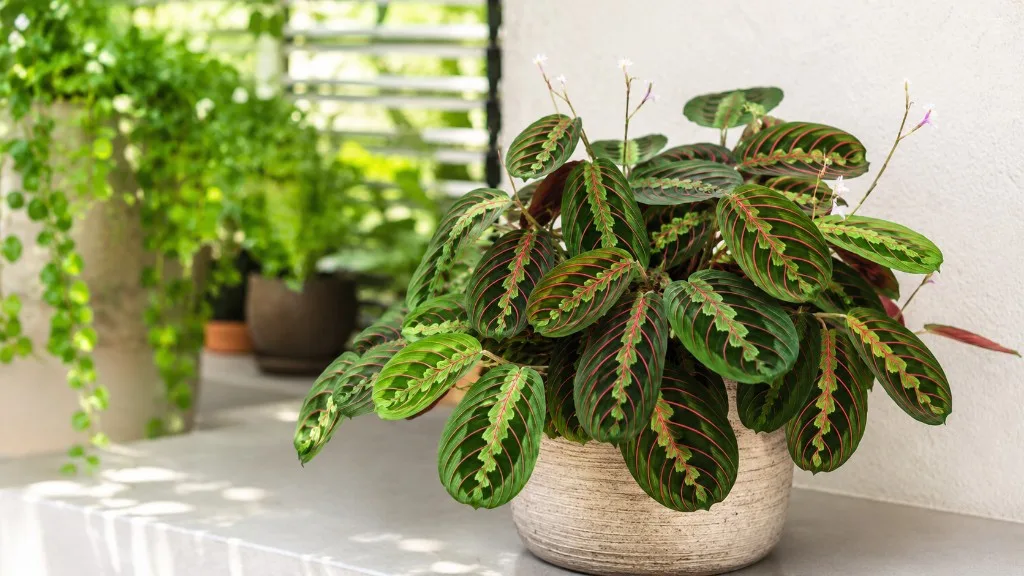
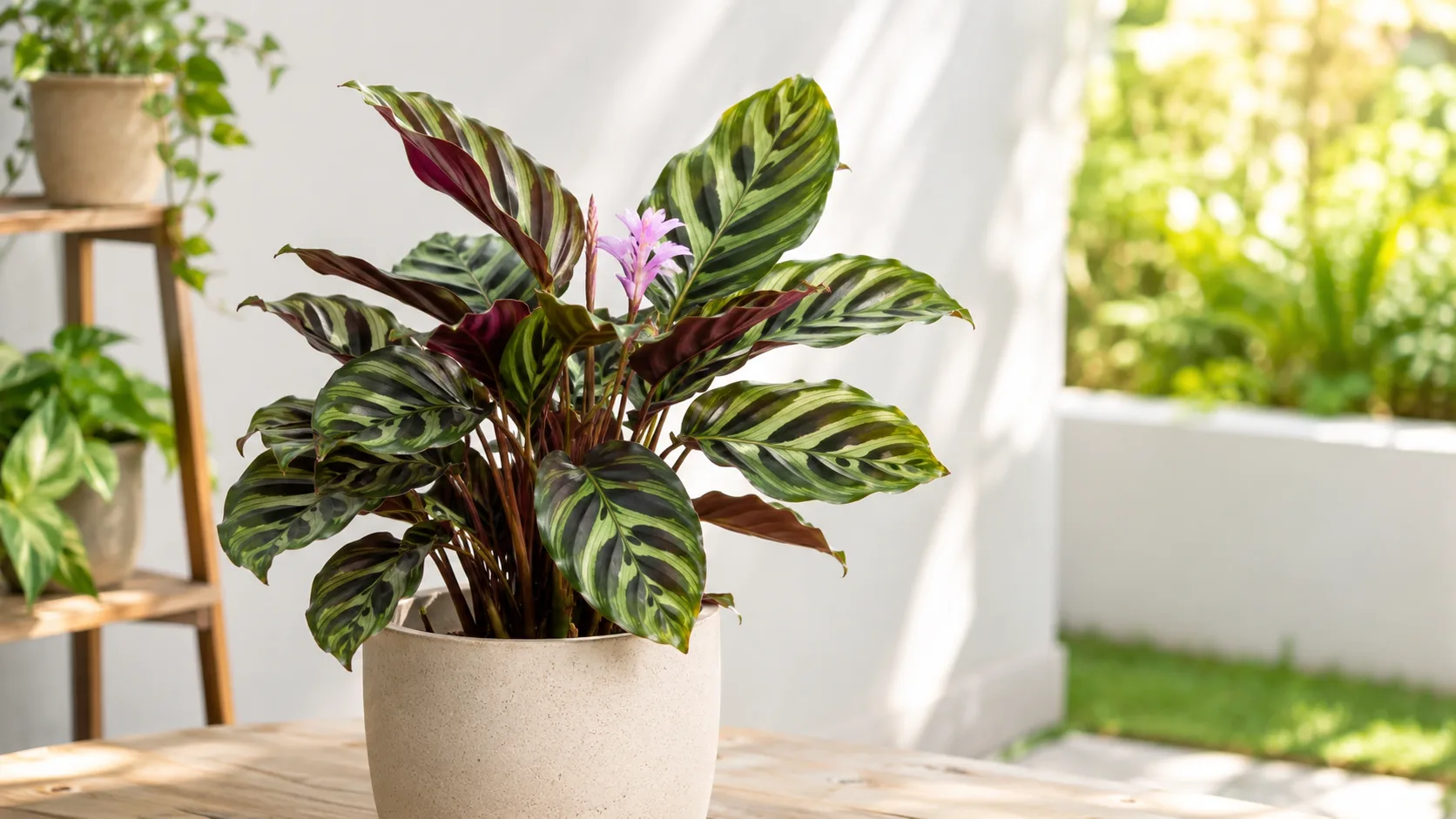
Maranta leuconeura — the classic prayer plant with herringbone veins and leaves that fold upright at night — is one of the more forgiving tropical houseplants to multiply at home. Unlike finicky seed propagation, you can turn one healthy pot into two or three full plants using rhizome division, water-rooted stem cuttings, or cuttings planted straight into soil. The method you pick depends on how mature your parent plant is, how many new plants you want, and whether you prefer watching roots form in a glass or skipping straight to potting mix.
This guide walks through all three routes with decision rules, realistic timelines, humidity setup, and the fixes that matter when cuttings rot or divisions sulk after repotting. If you are still dialing in everyday care, start with the Maranta leuconeura care guide — propagation goes much faster when the parent already has bright indirect light, steady moisture, and humidity above about 50%.
Quick Answer: Which Propagation Method Should You Use?
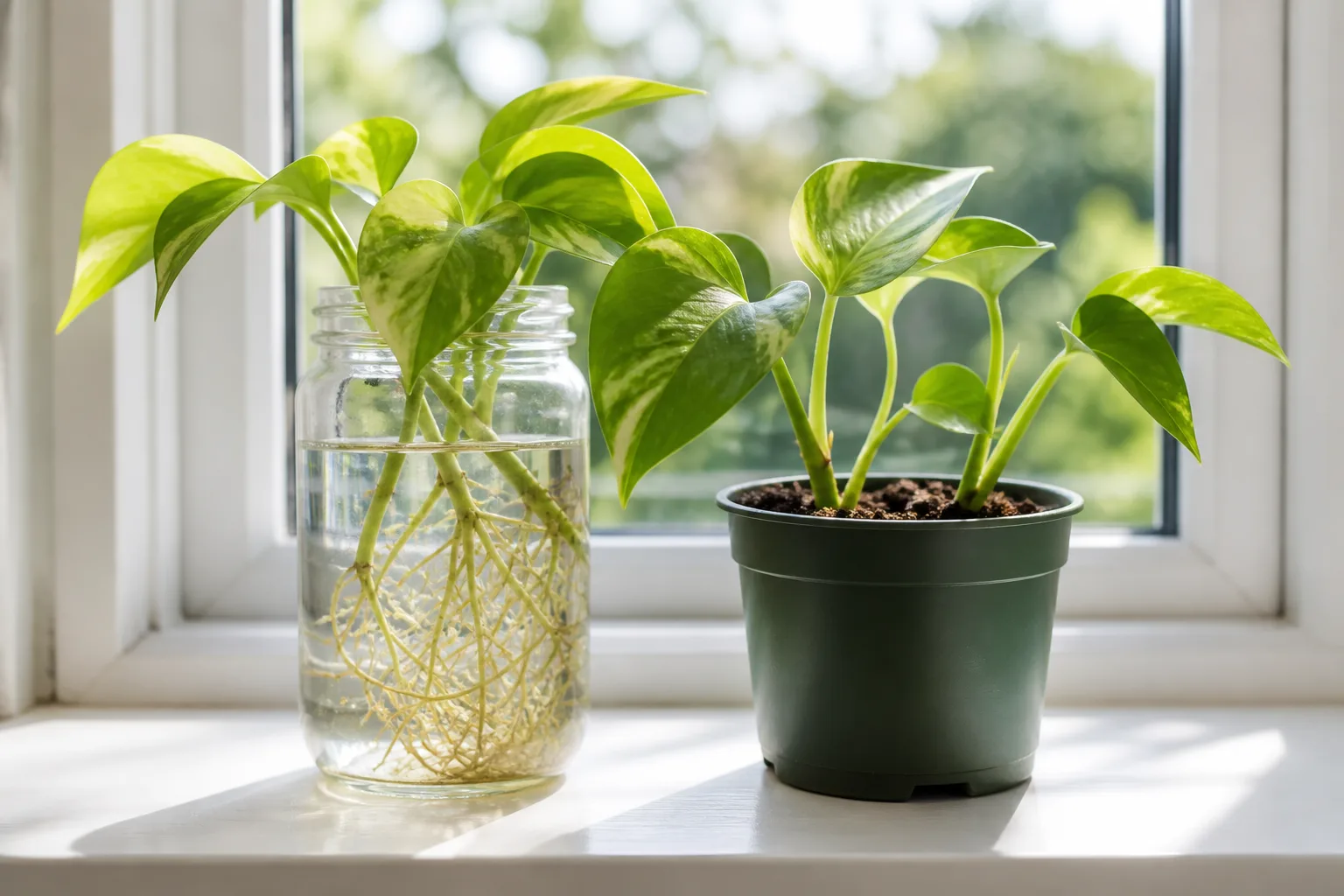
Rhizome division is the fastest, highest-success route when your prayer plant has outgrown its pot and you can see separate clumps with their own stems and roots. Water cuttings suit smaller plants, let you watch root progress, and work well when you want several babies from one parent. Soil cuttings skip the water-to-pot transition and often produce tougher roots from the start, though you cannot see what is happening underground.
| Method | Best when | Time to usable plant | Main advantage | Main risk |
|---|---|---|---|---|
| Rhizome division | Crowded pot, multiple crowns, spring repot | Immediate (established roots) | Fastest full-looking plants | Thins a sparse parent |
| Water cuttings | Visible nodes on stems, sharing cuttings | 3–6 weeks to pot-ready roots | Easy progress monitoring | Rot if leaves touch water |
| Soil cuttings | Healthy stems, humid setup available | 4–8 weeks to anchor | No transplant shock from water | Hidden rot in dense mix |
The Missouri Botanical Garden lists prayer plants as rhizomatous, clump-forming perennials propagated by cuttings or division — both routes are botanically sound. NC State Extension specifically recommends rhizomatous division, which matches what most experienced growers reach for during spring repotting.
What Makes Prayer Plants Easy to Propagate?
Prayer plants spread naturally along short rhizomes — horizontal underground stems that send up new shoots beside the parent. Indoors, that habit means a single pot often holds several semi-independent crowns before you ever touch scissors. Stems also carry nodes, the slightly swollen joints where leaves attach and adventitious roots can form. Give a node warmth, moisture, and humidity, and it will usually root.
That biology explains why prayer plant propagation feels easier than many calatheas or ferns: you are working with structures the plant already uses to spread, not forcing reluctant tissue to callus from a bare leaf.
Maranta vs Calathea: Know Your Plant First
“Prayer plant” is a shared nickname. In this article, prayer plant means Maranta leuconeura and its cultivars — herringbone, rabbit tracks, lemon lime, fascinator tricolor. Many Calathea and Goeppertia species fold their leaves at night too, and sellers sometimes blur the names.
For propagation purposes, the methods are similar — division and node cuttings — but always confirm the genus on your tag. Maranta stems trail and root readily at nodes; some calathea clumps divide cleanly but root more slowly from cuttings. If you are unsure, division during repotting is the safer first attempt on any Marantaceae plant.
Nodes, Rhizomes, and How Prayer Plants Spread
A node on a maranta stem feels like a slight bump or ring below a leaf pair. Roots emerge from node tissue, not from leaf blades alone. Cutting between nodes without including a node at the base is the most common reason prayer plant cuttings fail.
Rhizomes sit at or just below the soil surface. When you unpot a mature plant, you will often see pale, scaly stems connecting crowns. Each crown with roots and several leaves can become its own plant after division.
Important limitation: you cannot propagate from a single detached leaf. Without a node attached to stem tissue, there is no root-initiation site. If a stem snaps off, check whether a node came with it — a one-leaf, one-node cutting can still work.
When to Propagate Prayer Plants
Timing matters less than parent health and room conditions, but warm active growth still wins. Most prayer plants root fastest from early spring through late summer, when days are longer, temperatures sit in the 65–80°F (18–27°C) range, and the parent is pushing new leaves.
Best Season and Parent-Plant Readiness
Schedule division to coincide with repotting — usually when roots circle the pot or water runs straight through dry mix. Water the parent the day before so rhizomes are flexible and less brittle.
For cuttings, choose a plant that has been stable for several weeks: no active spider mite outbreak, no recent cold draft shock, and no severe curling or crispy edges from drought. A stressed parent produces weak cuttings.
You can propagate in fall or winter if you keep the cutting or new division in the warmest bright room in the house and maintain humidity. Expect timelines to stretch — a cutting that roots in three weeks in June may need six to eight weeks in January.
When to Wait Rather Than Cut
Hold off if the plant is sparse — only a few stems with little soil coverage. Division will make it look bare for months. Wait if soil stays wet and smells musty; fix overwatering or root issues first. Skip propagation during a pest flare-up, since stressed tissue roots poorly and you risk spreading insects to new pots.
Supplies You Need Before You Start
Gather everything once so you are not hunting for perlite with a fresh cutting wilting on the counter. You will need sharp, clean scissors or snips (wipe with rubbing alcohol), small pots with drainage holes (4-inch size works for single cuttings or divisions), and an airy potting mix — peat-free houseplant blend with perlite, or a 50/50 mix of coconut coir and perlite for propagation.
For water rooting: a clear glass or jar, room-temperature filtered or rainwater if your tap is high in fluoride, and a narrow-neck vessel that keeps leaves above the waterline. For soil cuttings: a clear plastic bag or humidity dome that does not touch leaves, and a label if you are running several cultivars.
Rooting hormone is optional on maranta node cuttings. If you use it, dip only the basal cut end, tap off excess, and follow the product label. Hormone speeds rooting modestly but cannot fix a cutting taken without a node.
Method 1: Propagate by Rhizome Division
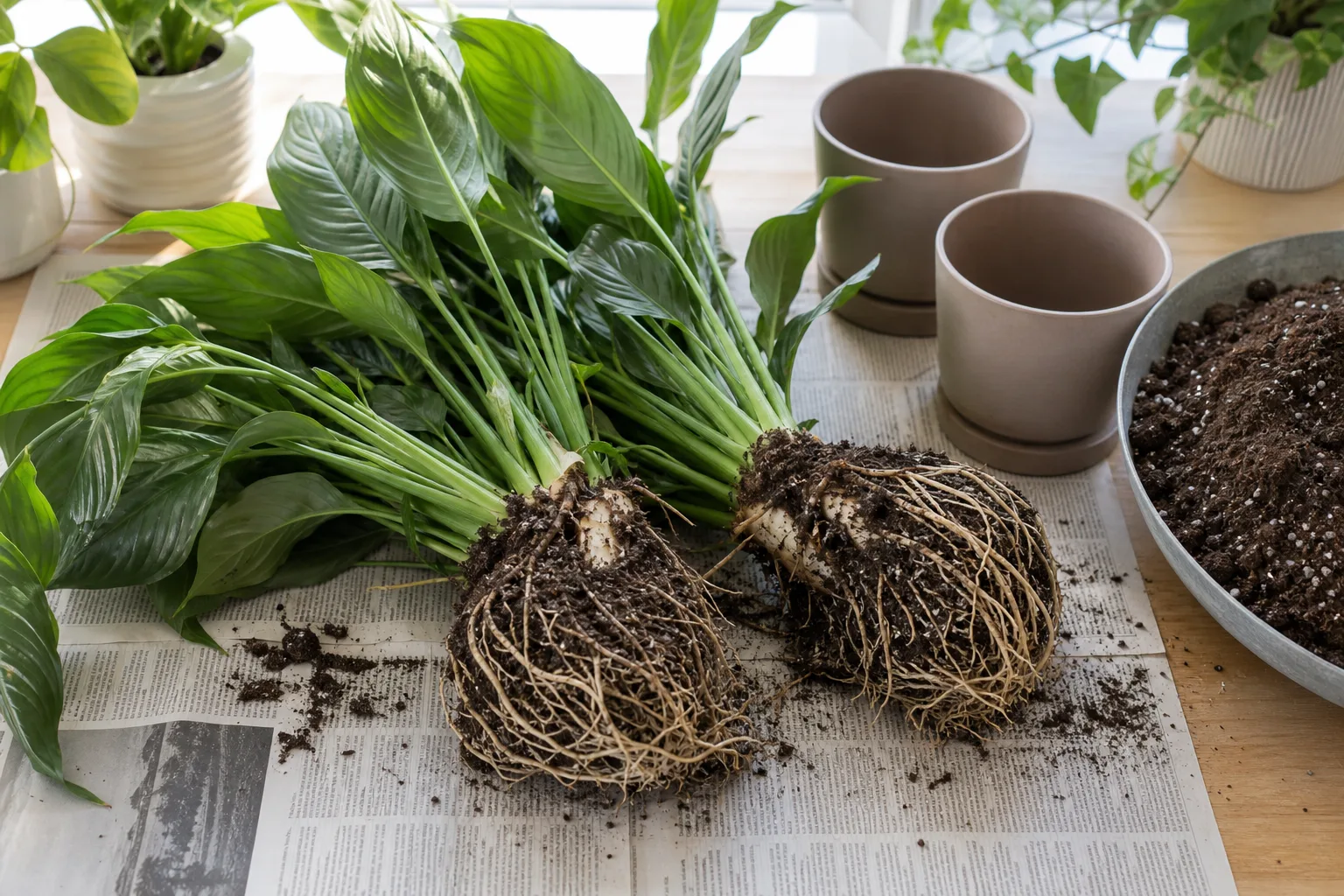
Division is the most reliable prayer plant propagation method when the pot already holds multiple crowns. NC State Extension recommends rhizomatous division as the standard approach, and it delivers instant plants with mature roots — no waiting for a jar of water on the windowsill.
How to Unpot and Split Prayer Plant Clumps
Water the plant lightly the day before, then slide it from the pot by squeezing the sides and tipping it on its side. Never yank from the stems — maranta petioles snap easily. Brush away loose soil until you see where crowns connect along rhizomes.
Each division should keep at least three to five healthy stems, a intact rhizome section, and a visible root mass. Use clean hands to tease roots apart. If rhizomes are thickly intertwined, cut between crowns with a sterilized knife, keeping as many roots as possible on each piece.
On a very full plant, splitting in half is safer than making four tiny sections. Smaller offsets that break off with few roots can be potted together in one container to keep the clump looking full rather than planting six threadbare divisions.
Repotting and First-Week Care After Division
Fill new pots with fresh, well-draining mix similar in texture to what the plant had — sudden shifts from dense peat to pure perlite can stall roots. Plant each division at the same depth it grew before; burying stems invites crown rot.
Water thoroughly until excess drains, then place pots in bright indirect light away from heating vents. Expect some droop for 7–14 days while roots settle. Keep humidity at 50–60% or higher — a pebble tray or humidifier helps more than misting alone. Hold fertilizer until you see new leaf growth, usually two to three weeks after division in warm conditions.
Method 2: Propagate Prayer Plant Cuttings in Water
Water propagation suits growers who want to watch roots form and multiply a plant that is not yet crowded enough to divide. Stem cuttings root from nodes submerged in clean water while leaves stay dry above the surface.
Taking the Right Stem Cutting

Select a healthy stem with two to four leaves and no pest damage. Trace the stem with your finger to locate the nodes — slight thickening below each leaf pair. Cut ½ to 1 inch below the lowest node you want to root, using one clean angled snip.
Remove any leaf that would sit below the waterline. If the cutting is large, you can trim the top leaf slightly to reduce water loss, but leave at least one full leaf for photosynthesis. Dip the cut end in rooting hormone if you are using it.
On a bushy parent, take cuttings from opposite sides so the mother plant keeps a balanced shape. You can take several cuttings in one session if the plant has enough nodes.
Rooting in Water and Moving to Soil
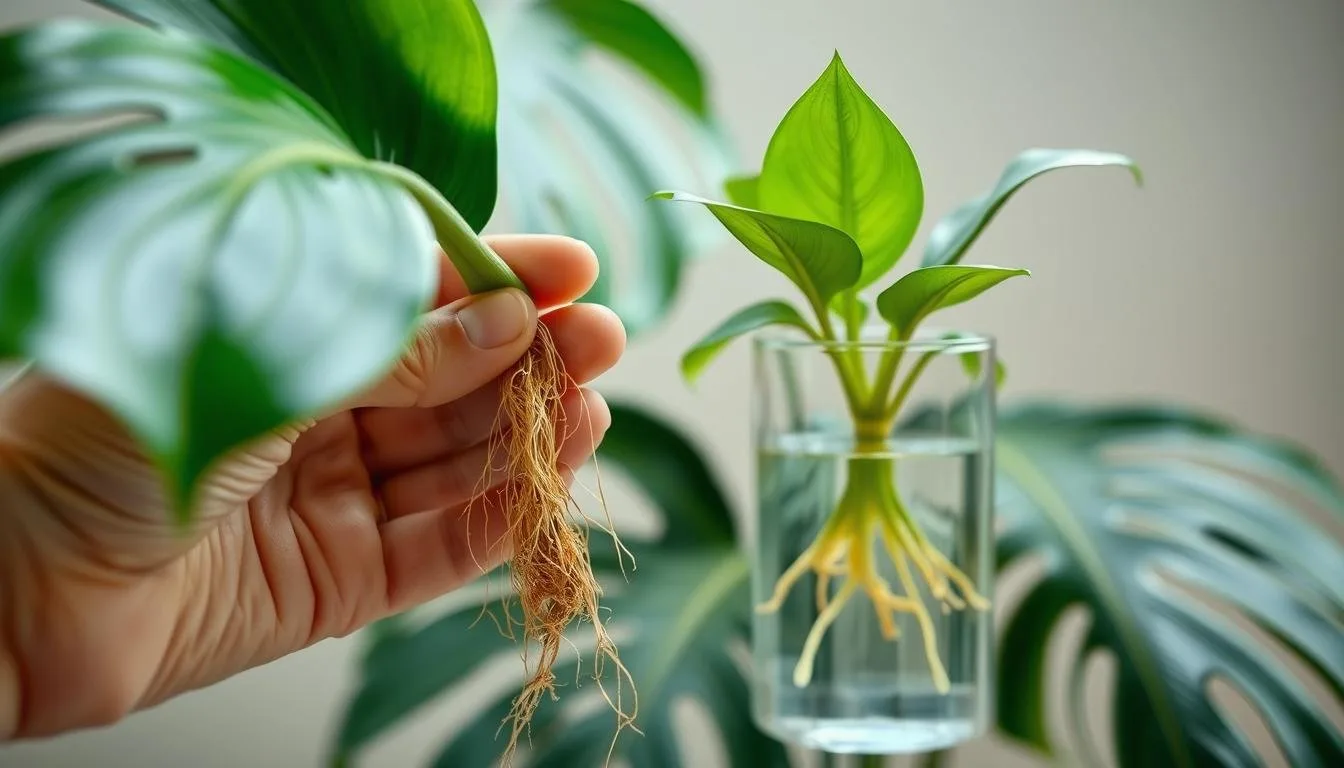
Fill a glass with room-temperature water and place the cutting so only the node and stem base are submerged. Leaves must stay above the water — contact with water encourages rot and bacterial slime.
Set the glass in bright indirect light with temperatures above about 65°F (18°C). Change the water every 5–7 days and rinse the glass to limit bacteria. Top up as needed so the node never dries out.
Most prayer plant cuttings show first roots in 2–4 weeks and are ready to pot when roots reach 1–2 inches (2.5–5 cm) — often 3–6 weeks total in warm, bright conditions. Cool rooms can double that timeline without indicating failure.
To move to soil, prepare a small pot with airy houseplant mix. Pre-moisten the mix, make a hole, and set the cutting so roots spread downward without burying leaves. Water gently, then cover with a loose humidity dome or clear bag propped on stakes for 5–7 days while the plant adjusts from water to soil. Gradually increase air exchange so condensation does not stay constant — that transition step prevents the shock that causes post-water yellowing.
Method 3: Propagate Prayer Plant Cuttings Directly in Soil
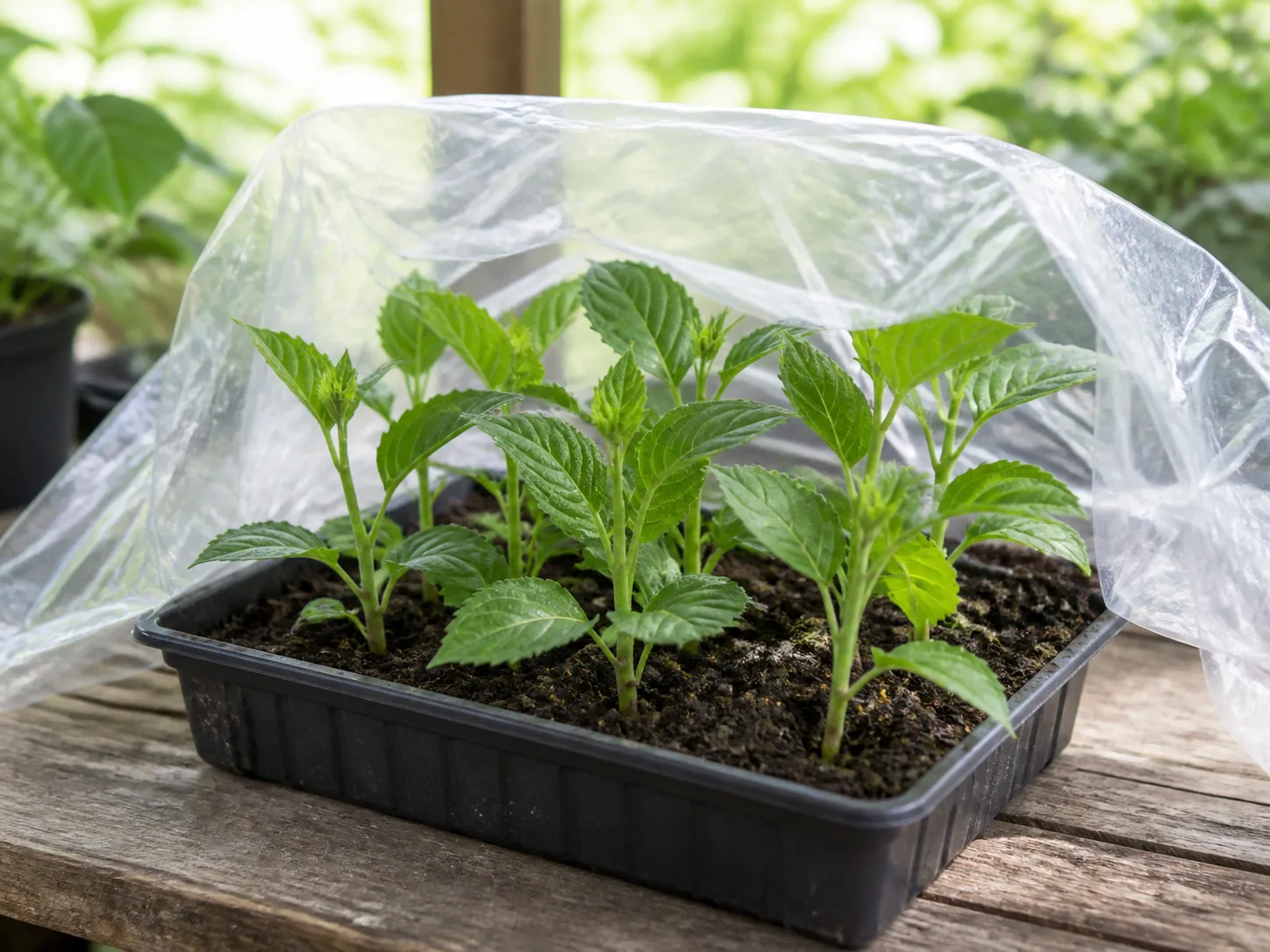
Soil propagation skips the jar stage and produces roots adapted to pot life from day one. It requires a humid microclimate because unrooted leaves lose moisture fast.
Prepare a small pot with drainage and fill it with light propagation mix — equal parts coconut coir and perlite, or houseplant mix cut with extra perlite. Moisten until evenly damp, not soggy. Poke a hole, insert the cutting so the node is buried ½ inch deep, and firm mix gently around the stem so it stands upright.
Cover with a clear bag or dome that does not touch foliage, and place in bright indirect light. Open the cover briefly every few days to exchange air and check moisture. The mix should stay lightly moist, never waterlogged.
Test for roots after 3–4 weeks with a very gentle tug — slight resistance means anchoring. Most soil-rooted prayer plant cuttings are ready to move to standard potting mix in 4–8 weeks. You can pot several cuttings around one pot’s edge for a fuller look, or separate them into individual containers once roots are established.
The RHS notes maranta wants moist but well-drained compost and high humidity — that same balance applies to rooting cuttings. Dense garden soil or heavy peat bricks suffocate small roots.
Aftercare for New Prayer Plants
New divisions and freshly potted cuttings share the same needs for the first month: stable warmth, humidity, and moisture without sogginess. Keep temperatures above 60°F (15°C) — the Missouri Botanical Garden warns maranta is intolerant of frost and cold drafts.
Water when the top inch of mix begins to dry, using the same watering rhythm as a mature plant but slightly more cautiously while roots are small. Empty saucers after watering. Place pots in bright indirect light per light guidance; direct sun will bleach patterned leaves.
Hold fertilizer until you see new growth — usually two to four weeks after potting in active season. Then feed at half strength monthly during spring and summer. Prayer plants are non-toxic to cats and dogs per the ASPCA, which makes sharing divisions with pet-owning friends straightforward.
First-14-day checklist: maintain 50–60%+ humidity, avoid repotting again, skip pruning, watch for wilting (usually dryness or low humidity), and do not fertilize. New leaves — not old damaged ones — tell you propagation succeeded.
Troubleshooting Failed Prayer Plant Propagation
Cutting turns mushy at the base: remove it immediately. Cause is almost always submerged leaves, stale water, or waterlogged soil. Sterilize the container and retry with a fresh cutting that has a clean node.
No roots after 8+ weeks in warm bright conditions: confirm a node was included, replace water weekly, and check that night temperatures are not dropping below 60°F. Try rooting hormone on the next cutting, or switch from water to a humid soil setup.
Wilting with wet soil: humidity is too low or the cutting lost too much leaf area. Dome the plant, reduce direct air flow, and trim only leaves that touch soil — not healthy upper foliage.
Division collapses after repot: normal for a few days. If it continues past two weeks, check for buried stems, cold drafts, or overwatering. A division with few roots may need a smaller pot and higher humidity.
Leggy parent after taking many cuttings: move the mother to brighter indirect light and pinch the longest stems once it recovers. See leggy growth guidance if the plant stays stretched.
Conclusion
Propagating a prayer plant comes down to matching method to plant size: divide crowded rhizomes during spring repotting, root node cuttings in water when you want visible progress, or plant cuttings directly in airy, humid soil when you prefer fewer transplant steps. All three work on Maranta leuconeura because the species already spreads by rhizomes and roots freely at stem nodes.
Take cuttings only below a true node, keep humidity high, and pot up once roots reach an inch or two. With warm bright conditions and patient aftercare, one patterned prayer plant becomes a shelf of them — no need to hunt down rare cultivars at the garden center twice.