4 Ways to Use Lime Peels in the Garden
Learn four practical ways to use lime peels in the garden, including compost, soil amendment, mulch, and a cautious pest-deterrent trial.
Lime peels can be useful garden scraps, but they are easy to over-credit. They do not work like agricultural lime, they do not provide a measured fertilizer analysis, and a few pieces scattered around a plant are not a dependable pest-control program.
The most useful default is simple: chop lime peels and add them to a balanced compost pile. If you want to try another method, use a small amount, keep fresh peel away from stems and roots, and watch the soil and plant before repeating it. That turns a kitchen leftover into a low-cost organic input without asking it to do a job it cannot reliably do.
The short answer: compost them before spreading them
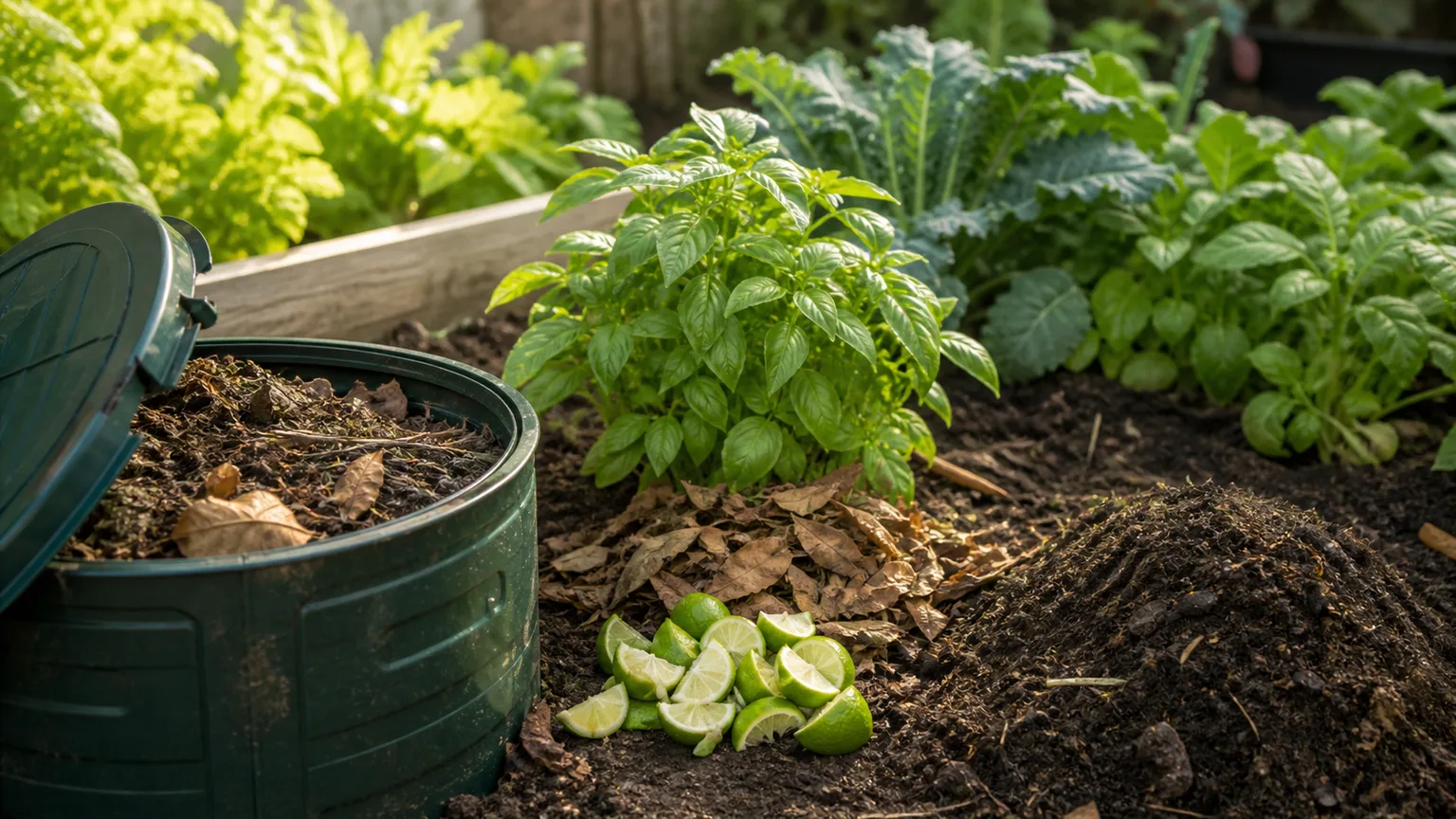
Composting is the best all-purpose use for lime peels because it puts decomposition in the right place. A compost pile has a larger volume, more airflow, a wider mix of materials, and a community of decomposers that can process wet scraps before the material reaches a plant’s root zone. Finished compost is also easier to spread evenly than recognizable pieces of peel.
Lime peels are slow compared with soft fruit scraps because the outer rind contains tougher tissue and aromatic oils. That is not a reason to ban them from compost; it is a reason to cut them smaller and mix them with dry leaves, shredded cardboard, or another porous brown material. Epic Gardening’s citrus-composting guide reaches the same practical conclusion: citrus can be composted when it is prepared and balanced rather than dumped into a pile in large amounts (Epic Gardening’s guide to composting citrus).
If you do not keep a compost pile, use a municipal organics collection, a covered compost tumbler, or a worm bin that receives only small amounts of citrus. A sealed countertop container is only a holding step; it does not make the peels safe to spread on soil. Move the scraps to a system that can actually break them down.
Lime peels are not the same as garden lime
The shared word creates a surprisingly common mistake. Garden lime is a mineral soil amendment made from ground limestone, usually calcium carbonate or dolomitic limestone. Lime peels are plant material: a thin outer rind, pith, moisture, sugars, fiber, aromatic compounds, and sometimes seeds.
North Carolina Cooperative Extension explains that agricultural lime raises soil pH and supplies calcium, while dolomitic lime also supplies magnesium. Penn State Extension likewise recommends soil testing before applying lime because the correct amendment and rate depend on the soil’s existing chemistry (North Carolina Cooperative Extension on whether a garden needs lime and Penn State Extension on soil pH).
Lime peels should not be used to correct an acidic bed. They may add a little organic matter as they decompose, and a large amount of fresh citrus could temporarily affect a small compost system, but their composition is too variable to act as a pH treatment. If a soil test says your bed needs lime, use the tested product and rate; if it does not, do not add either mineral lime or a pile of citrus scraps just because a plant looks yellow.
That distinction also protects acid-loving plants. Blueberries, azaleas, camellias, and similar crops can be damaged by an unnecessary pH increase. The right question is not “Does this plant like lime?” but “What does the soil test say, and which form of lime does the recommendation mean?”
What lime peels actually contribute
Lime peels contribute biodegradable carbon, moisture, fiber, and small amounts of plant nutrients to a composting system. Once decomposed, they become part of a broader organic amendment made from every ingredient in the pile. The finished compost—not the individual peel—is what improves soil structure and helps the soil hold water and air.
Fresh peels can also carry a sharp citrus scent because of volatile oils such as limonene. The U.S. Environmental Protection Agency lists limonene as a pesticide active ingredient with reregistration documents, which confirms that the compound has pesticidal uses in formulated products (EPA’s limonene pesticide review page). It does not mean that a handful of kitchen peels is an approved pesticide, has a known concentration, or will control a particular insect in your garden.
The organic-matter benefit comes later
A raw lime peel does not instantly feed a plant. Soil organisms must first break down its waxy, fibrous layers, and the speed depends on temperature, moisture, oxygen, particle size, and the rest of the soil or compost mix. In a warm, aerated compost pile, the process is more forgiving; in a wet container or compacted bed, the same peel can sit, sour, mold, or attract insects.
That is why finished compost is the most predictable version of this idea. It has already passed through the messy stage. You can incorporate a modest amount into a bed, use it as a light topdress, or mix it into a new planting area without leaving an obvious food scrap next to living roots.
Limonene makes raw peel a special case
The oils that make a lime smell fresh are also why raw citrus deserves more caution than a soft vegetable trimming. Concentrated citrus oil can irritate skin, damage plant tissue, and affect insects that happen to contact it. A homemade peel spray, essential-oil extract, or undiluted “citrus pesticide” is therefore a different experiment from adding chopped peel to compost.
Do not distill, boil down, or spray concentrated lime-peel oil on leaves. There is no universal kitchen recipe that tells you the final concentration, plant tolerance, or exposure risk. If you need pest control, identify the pest and use a product and label that are intended for that crop and problem.
Choose the use that matches your garden
The four uses below are not equally useful. Composting should be your default; direct soil use and surface deterrence are small experiments with clear stop rules.
| Use | Best place | What it can realistically do | Main limitation |
|---|---|---|---|
| Compost chopped peels | Active compost pile or covered tumbler | Returns organic matter after decomposition | Slow if whole or added in a wet citrus-heavy layer |
| Finished compost topdress | Garden bed or border | Adds processed organic matter and improves the soil surface | Does not replace a soil-test-based fertilizer plan |
| Covered trench input | Established outdoor bed | Lets a small amount break down in place | Can attract pests and is risky in pots or wet soil |
| Fresh-peel deterrent trial | Outer edge of a bed, briefly | May create a short-lived scent boundary | Unreliable, weather-dependent, and not a treatment |
Start with the method that gives you the most control. If the garden is in containers, has drainage problems, contains pets that roam, or already has fungus gnats, flies, ants, or rodents, skip fresh peel and use a covered compost system instead.
1. Compost chopped lime peels
This is the safest and most useful method for most gardens. It keeps the peel away from roots during its wettest stage and allows it to join a mixture that can be turned, aerated, and balanced.
How to prepare peels for a compost pile
Remove stickers and rinse the peel if it is visibly dirty. You do not need to sterilize a kitchen scrap for a normal home compost pile, but clean handling is worthwhile when you are collecting scraps for a liquid or storing them indoors.
Cut the peel into pieces about 1 inch or smaller. Thin strips and small pieces expose more surface area to bacteria and fungi than a whole half-moon of rind. If you have more peels than the pile can absorb, let some dry on a rack before adding them; dried pieces are less soggy and easier to distribute.
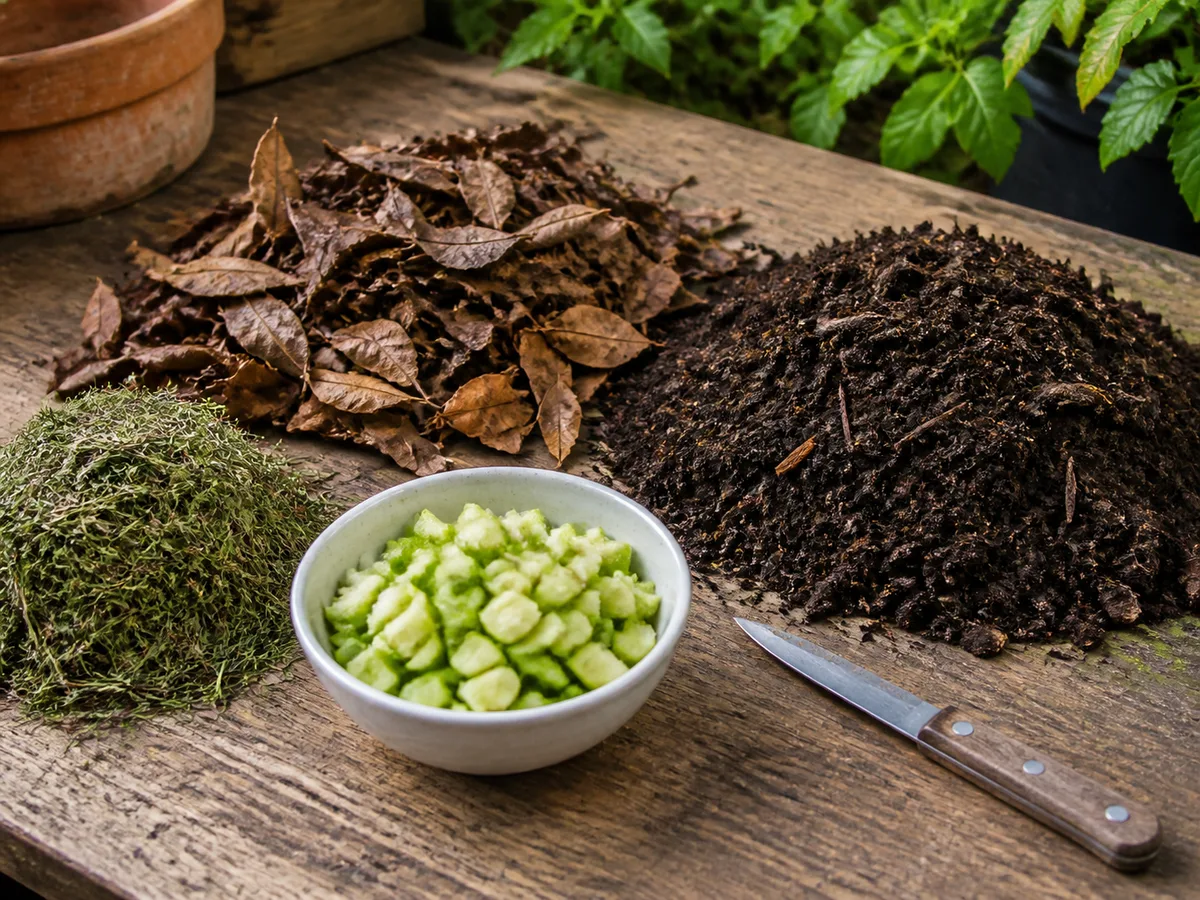
Place the chopped peel in the interior of the pile, then cover it with leaves, shredded cardboard, straw, or another dry material. Covering keeps the smell contained and discourages flies and scavengers. It also prevents a thin layer of peel from drying into a leathery mat on the surface.
Balance citrus with browns and air
Lime peels are a wet, nitrogen-containing “green” ingredient, but a compost pile needs both wet greens and dry browns. The brown material supplies structure and helps absorb moisture, while turning or mixing supplies oxygen. The exact ratio is not a kitchen formula; it changes with the weather, the size of the pieces, and how wet the other scraps are.
Use this practical sequence when adding a batch:
- Add a small handful of chopped lime peel rather than a thick citrus layer.
- Mix it with several handfuls of dry leaves, shredded cardboard, or straw.
- Tuck the mixture into the middle of the pile and cover it.
- Turn the pile if it is compacted or smells sour.
- Add only enough water to keep the pile damp, never waterlogged.
Epic Gardening recommends small pieces, a balanced green-and-brown mix, and extra care with worm bins because excessive citrus can create an unpleasant environment for worms. For a traditional compost pile, the practical warning is simpler: do not let lime peels become the dominant ingredient, and do not judge the finished amendment until the peels are no longer recognizable.
When the compost is dark, crumbly, earthy-smelling, and mostly free of visible scraps, use it around plants. If you can still identify lime rinds, return the material to the active pile rather than burying it beside a transplant.
2. Use finished compost as a light topdress or mulch
Raw lime peels are not mulch. Mulch is a protective layer spread over soil to moderate moisture, temperature, erosion, and weeds. A fresh peel is a wet food scrap; it can mold, attract insects, and decompose unevenly. Seeds & Spades makes the same useful distinction between compost and mulch: compost is a decomposed amendment, while mulch is a surface covering with a different job (Seeds & Spades on compost mulch).
The responsible version of this use is to compost the lime peels first, then apply the finished compost as a thin topdress. Spread it over the bed surface without burying the crowns of herbaceous plants or piling it against trunks and stems. Water normally so some material settles into the upper soil, but do not use a thick mound to compensate for poor soil structure or drainage.
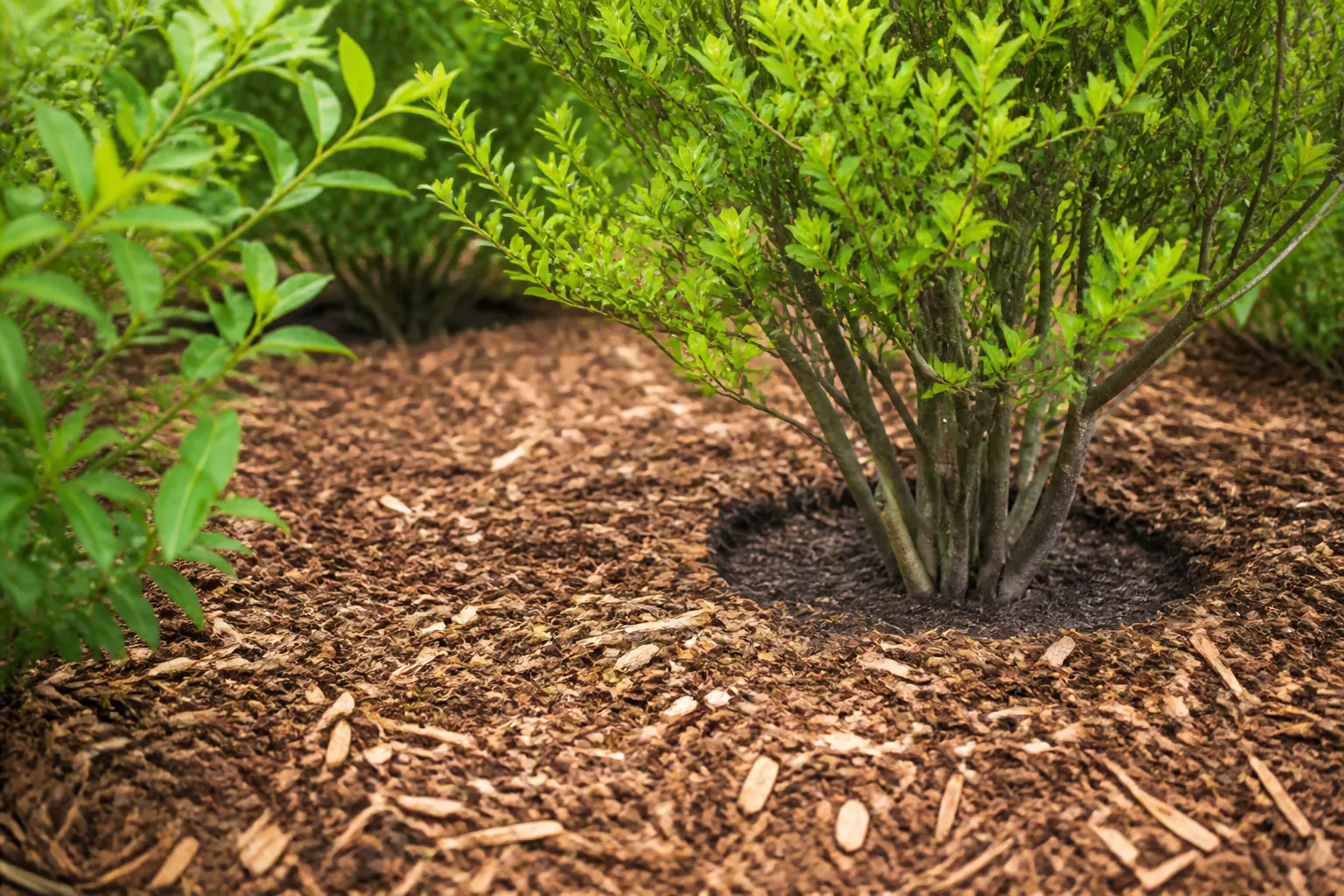
This method supports plant health through the properties of finished compost: better surface structure, improved moisture handling, and a gradual return of organic material. It is not a fast dose of citrus nutrients and it does not make an acidic plant bed automatically better. Use it as one part of a soil-care routine, alongside appropriate irrigation, mulch, crop rotation, and a soil test when the bed is underperforming.
If the compost still smells strongly of citrus, feels hot in the center, or contains large peel pieces, it is not ready for a thick topdress. Put it back into the active pile and give it more time and air.
3. Add a small amount to a covered garden-bed trench
Direct burial is possible, but it is the least forgiving soil-amendment method. Use it only in an established outdoor bed with good drainage, plenty of soil volume, and no history of rodents or recurring fly problems. Do not use fresh lime peels in a houseplant pot, seed tray, raised planter with soggy soil, or a small container where one peel represents a large share of the growing medium.
To run a cautious trial, chop one peel into small pieces and place them in a shallow trench outside the plant’s stem zone. Keep the pieces below the main root ball rather than pressing them against roots. Cover the scraps completely with soil, then add the normal mulch layer over the surface. A covered trench is less attractive to pests and less likely to dry into a visible crust than exposed peel.
Use a very small amount the first time—one peel divided across several plants, not one peel per plant. Mark the area or take a quick photo so you can check it later. If you find intact pieces after several weeks, a sour smell, ants, flies, or a wet patch, stop adding peel there and move future scraps to compost.
The value of this method is convenience, not precision. It lets organic material decompose close to the bed, but you cannot measure how much of its nutrients will be available or when. Compost first whenever you need a predictable amendment, especially before planting a sensitive crop.
4. Trial fresh peels as a short-lived pest deterrent
Fresh lime peel may be worth a small, temporary trial around a specific garden edge because the scent of citrus oils can be unpleasant to some crawling insects and scavengers. That is a narrow claim. It does not prove that lime peels repel ants, slugs, aphids, mosquitoes, or every pest that happens to cross the bed.
The chemistry also creates a trade-off. Limonene is used in some formulated pesticide products, but raw kitchen peels have no label, no standardized dose, and no dependable persistence after heat, rain, and drying. A scent that fades in a day is not a control program, and adding more peel can create exactly the wet organic debris that attracts other pests.
How to run a low-risk deterrent test
Choose a small area away from edible leaves, flowers that pollinators visit, and the plant stems. Place a few pieces of fresh peel along the outside edge of the bed rather than forming a thick ring around the root zone. Leave the test in place for a short period, then remove it before it becomes slimy or moldy.
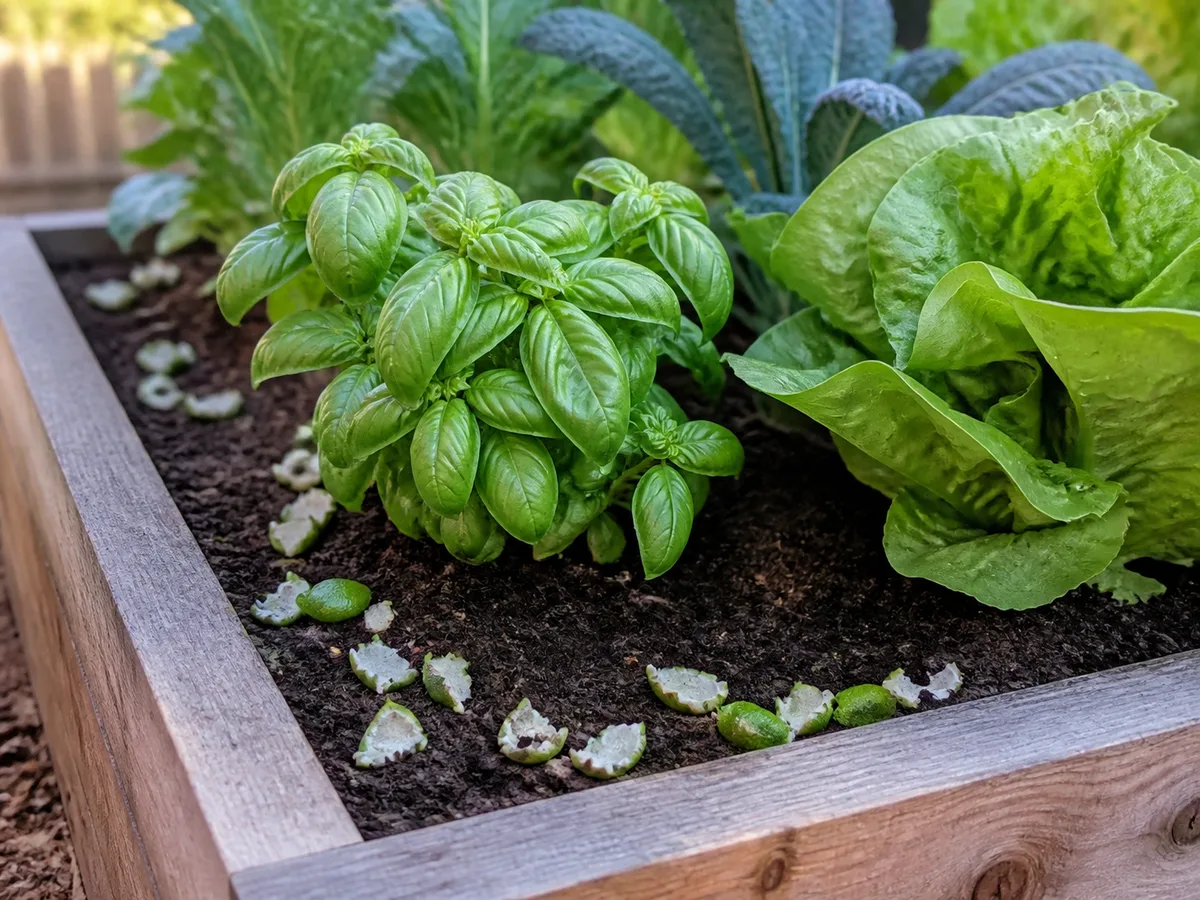
Observe what actually happens. If the target pest changes course, record that as a temporary observation, not proof of a repeatable treatment. If the peel attracts ants, fruit flies, rodents, birds, or mold, remove it and use a more reliable approach such as sanitation, physical exclusion, hand removal, traps, or a crop-labeled pest product.
Never rub the peel onto leaves, squeeze its oil over a plant, or spray a homemade citrus extract in the garden. Concentrated oils can burn foliage, and a broad scent treatment can affect insects you want to keep. When a pest is damaging a crop, identification should come before treatment.
When lime peels are the wrong tool
Skip lime-peel experiments when the actual problem is not an organic-matter shortage. A peel will not fix compacted soil, waterlogging, low light, root rot, nutrient lockout, a confirmed deficiency, or a severe infestation. Adding scraps to a stressed plant can make the diagnosis harder because several variables change at once.
It is also the wrong tool when you need a measured nutrient correction. If a soil report calls for nitrogen, potassium, lime, or sulfur, follow the report and the product label. Penn State Extension notes that applying more nutrients than recommended can harm plants, reduce crop quality, waste money, and create environmental problems. A known need deserves a known input.
Avoid direct peel use in a worm bin unless you are adding a very small amount and the bedding remains airy and neutral-smelling. If worms cluster away from the food, the bin is wet, or flies increase, stop feeding citrus and add dry bedding. The same stop rule applies to an outdoor bed: a visible pest or odor problem is evidence to change methods, not a reason to double the peel.
Pet safety: keep lime peels away from cats and dogs
Lime fruit is not a harmless garden accessory for every household. The ASPCA lists lime as toxic to dogs, cats, and horses, citing essential oils and psoralens as toxic principles and noting that skins and plant material can cause problems (ASPCA’s lime toxicity information).
That makes exposed peels a poor choice for a yard where a cat, dog, or horse can sniff, chew, or carry scraps away. Keep all fresh peels in a closed compost container or a secured outdoor system. Do not use lime-peel oil around a pet’s bedding, feeding area, or favorite path, and do not assume that drying the peel makes every exposure safe.
If a pet eats lime peel or shows vomiting, diarrhea, depression, or skin irritation after contact, contact a veterinarian or an animal poison-control service promptly. Keep the package or a photo of the material available so the professional knows whether the exposure involved fresh peel, a concentrated oil, or a formulated product.
Common mistakes and what to do instead
Most lime-peel problems come from using too much fresh material, exposing it to animals, or confusing a plausible mechanism with a proven result. These are the failure patterns to watch for:
- Mistake: treating lime peels like garden lime. Use a soil test and a labeled agricultural lime product when pH correction is actually needed.
- Mistake: leaving whole peels on the soil. Chop them and compost them, or bury a very small amount under soil and mulch in a well-drained outdoor bed.
- Mistake: making a citrus-oil spray. Do not apply concentrated or homemade extracts to leaves. Identify the pest and use a crop-appropriate, labeled treatment if necessary.
- Mistake: creating a citrus-only compost layer. Mix peels with dry browns and turn the pile so moisture and air stay balanced.
- Mistake: adding peel to a small pot. Use finished compost sparingly or a complete container fertilizer; a wet food scrap is too large and unpredictable for a small root zone.
- Mistake: repeating a failed deterrent. If rain, ants, flies, or chewing animals defeat the trial, remove the peel and switch to exclusion, sanitation, or targeted pest management.
- Mistake: ignoring pets. Keep fresh lime peels and citrus oils in a secure system, especially where cats or dogs roam.
The goal is not to find a clever use for every peel. The goal is to choose the use that gives your soil and plants a benefit without creating a new problem.
A simple lime-peel routine for the next month
If you want to start without overcorrecting your garden, use a four-week test. During week one, collect the next few peels in a covered container, remove stickers, and chop them. Add them to a balanced compost pile with dry leaves or shredded cardboard rather than changing a living plant’s soil immediately.
During week two, check the pile. It should be damp but not dripping, and it should not smell rotten. Mix it if it is compacted; add browns if it is wet. If you use a worm bin, add no more citrus until the first small amount has disappeared and the bedding still smells earthy.
During week three, inspect the garden bed you are considering. Check drainage, look for exposed roots, note whether pets roam there, and decide whether the bed actually needs organic matter. If a soil pH or nutrient question is driving the experiment, send a soil sample instead of guessing.
During week four, choose one finished action: leave the peels in compost, topdress with mature compost, or trial a few fresh pieces along an outer edge for a short period. Do not run all four methods at once. A single controlled change gives you a better answer and makes it easier to identify the source of an odor, pest, or plant reaction.
This routine also prevents a common garden mistake: turning a small amount of kitchen waste into a large, repeated amendment before you know how your soil responds. Lime peels are optional. Healthy roots, appropriate water, good light, and tested nutrition matter more.
Conclusion: compost first, experiment second
Lime peels can support plant health indirectly when they are processed into compost or used as a small, covered organic input. Finished compost can be applied as a light topdress, while a short-lived fresh-peel deterrent trial may be reasonable at a bed’s outer edge if you accept that it is temporary and unreliable.
Start with the next peel by chopping it and placing it in a balanced compost system. Keep raw peel away from stems, roots, pets, and concentrated homemade extracts, and use a soil test when you need to change pH or correct nutrition. That approach keeps the useful part of the idea—less kitchen waste and more organic matter—without turning lime peels into a cure-all.



