Landscaping Features Not Worth the Money: What to Buy Instead
Five landscaping features drain budget and maintenance hours without daily payoff. Use this pro-style checklist before you splurge on your yard.
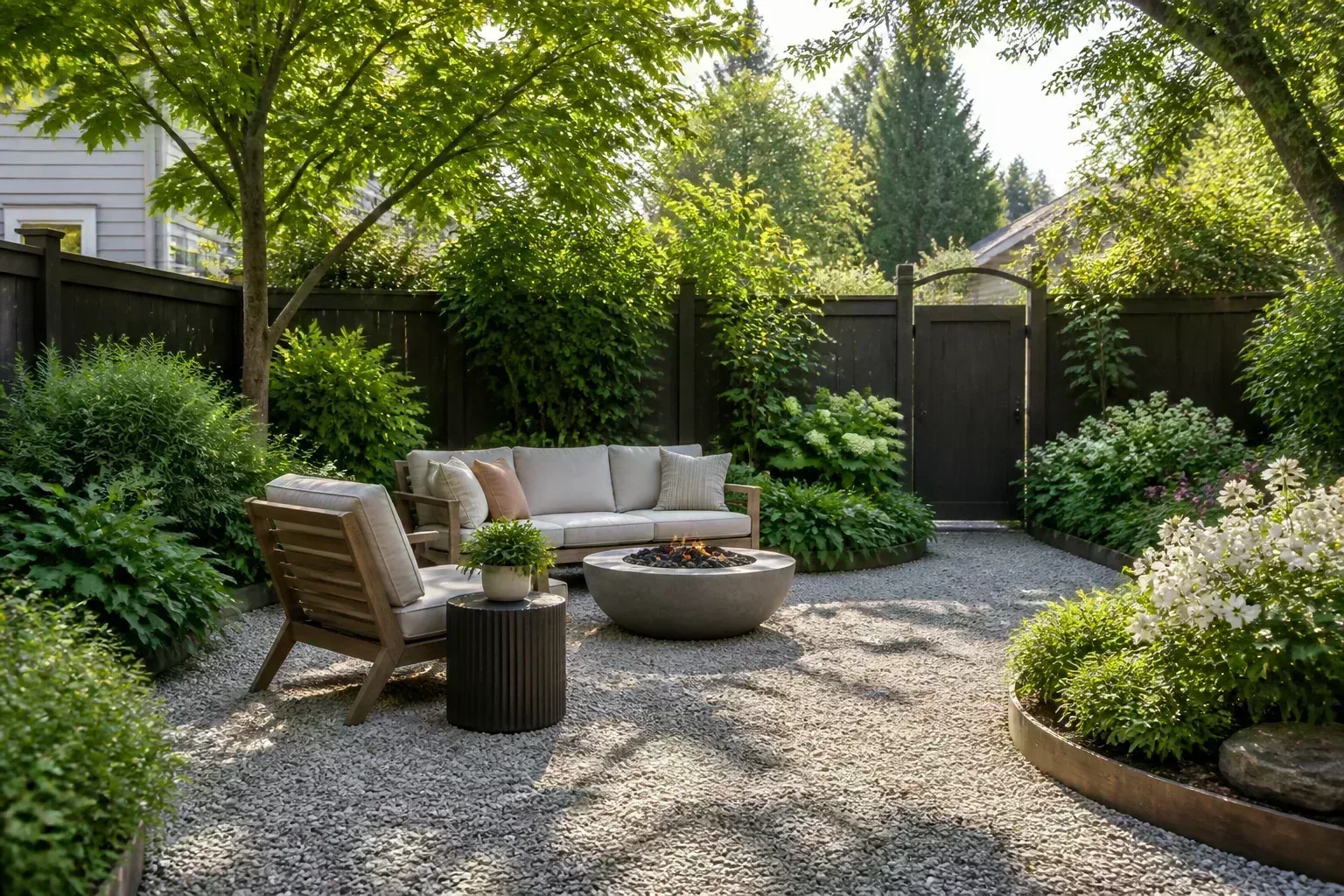
Landscape bids arrive with beautiful renderings: jewel-toned turf, a shimmering koi pond, mature trees planted yesterday, a treehouse framed in cedar. Each line item promises an instant backyard magazine spread. What the proposal rarely spells out is the 10-year bill—the pump service, the root repair, the trend that dates before the mortgage does.
Professional landscapers are not anti-fun. They are anti-regret. The features below top many pros’ “think twice” lists not because they are forbidden, but because they combine high upfront cost, permanent footprint, and upkeep that outlasts enthusiasm. Skip them when the math is weak. Downgrade them when a simpler version does the same job. Spend the savings where every household member actually walks.
Why Landscaping Splurges Fail—It Is Usually Math, Not Taste
Most yard regrets follow the same formula: frequency × footprint × upkeep. A koi pond might cost less than a pool, but if you travel every August and dread skimming leaves in October, the true price is paid in guilt and green water—not just the install invoice.
Landscape designers who work with real clients—not just photo shoots—often steer people away from status features when three questions get weak answers: How often will we use or enjoy it? What else loses space because of it? Who maintains it when the novelty fades?
The 10-Year Test and Resale Reality
Before you sign a contract, run two quick filters:
The 10-year test: Will this still look intentional—and still fit how you live—a decade from now? Colored artificial turf, hyper-themed gardens, and sculptural water walls that felt bold in year one can read as dated or fussy by year seven. Buyers in many markets prefer yards that feel maintained and flexible, not highly personal.
The resale lens: Niche features rarely recoup dollar-for-dollar. A professionally built patio, good drainage, healthy shade trees, and clear paths tend to travel better than a custom troll garden or an elaborate pond that screams “specialist required.” You do not have to design for strangers—but if you might sell within five to seven years, permanent whimsy is a risk.
Neither test is a veto. A family that will use a pond daily for twenty years should build the pond. The goal is to catch one-season Pinterest energy before it becomes a permanent line item.
Where Your Landscape Budget Actually Pays Off
When you free budget from low-return splurges, put it where daily life notices:
- Drainage and grading so water leaves the foundation and patio instead of pooling
- Paths and edges you walk every day, not just admire from the kitchen window
- Shade and seating that make the yard usable in heat and light rain
- Soil prep and mulch so cheaper plants establish faster
- Right-sized, site-appropriate plants chosen for mature height and root habit
If you are also weighing outdoor kitchens, spas, or built-in AV, see our companion guide on backyard staples not worth the money—the weekly-use test works the same way indoors and out.
Trendy and Niche Yard Features That Date Fast
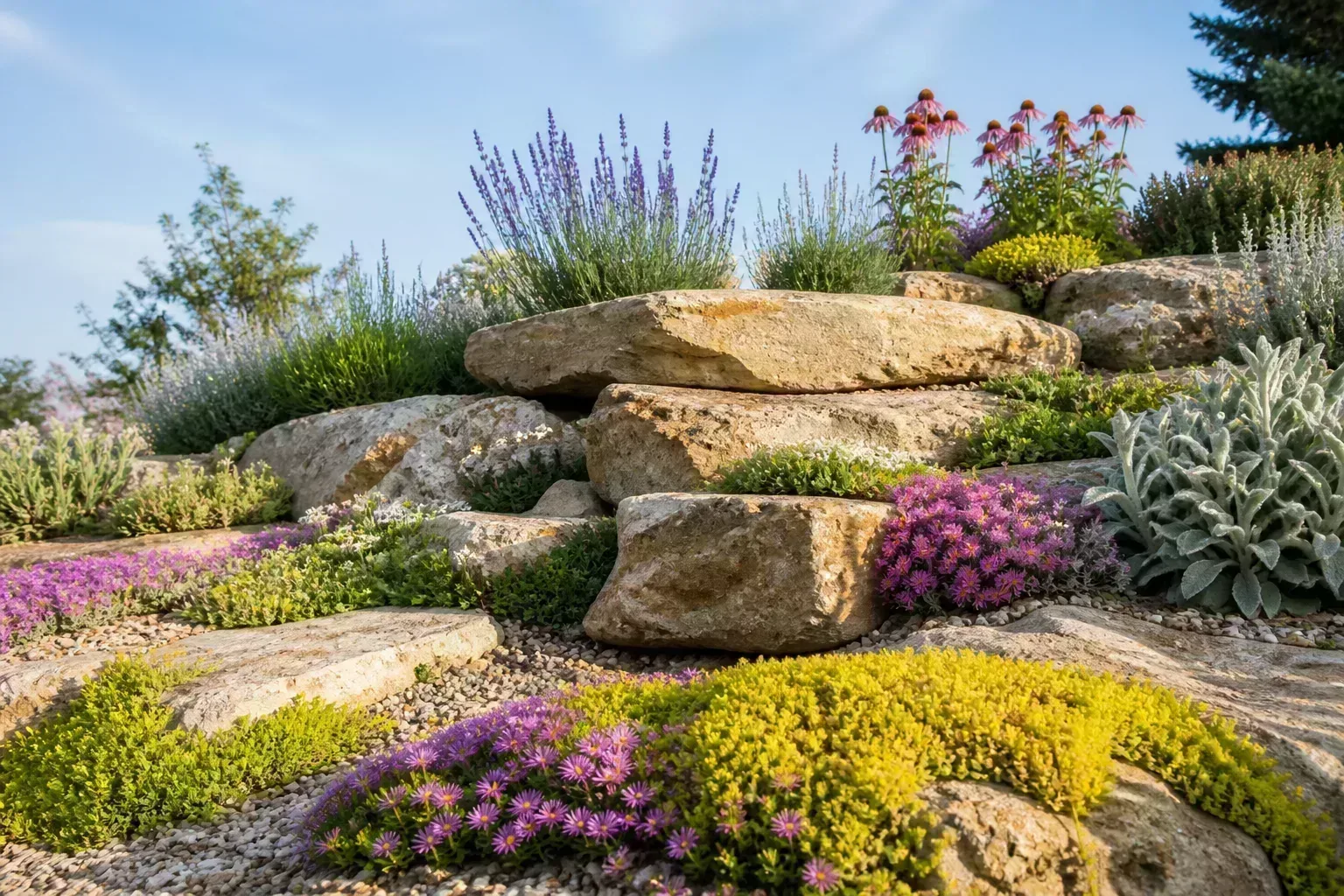
Yards are slow-moving design surfaces. A living room repaint takes a weekend. A geometric parterre, colored turf field, or hyper-specific theme garden is earthwork, irrigation, and permanent hardscape dressed up as a trend.
Colored Turf, Geometric Rooms, and Hyper-Specific Theme Gardens
Brightly dyed turf, sharp angular beds that fight your lot’s natural slope, and gardens built around a single aesthetic—Japanese tea house without the climate, desert xeriscape in a wet clay yard—share the same problem: they optimize for a photo, not for sun, soil, or sweat equity.
Colored or highly synthetic turf can look striking on install day and fade, flatten, or heat up in full sun. Geometric layouts that ignore how you actually move (trash route, dog path, hose drag) become maintenance puzzles. Niche theme gardens signal taste strongly—which is wonderful if you will live there forever, and awkward if the next owner does not share the fantasy.
None of this means “be boring.” It means anchoring bold choices in local conditions and reversible layers: paintable furniture, pots, annuals, and art you can swap—not regraded subsoil.
Evergreen Design Moves That Hold Value
Trend-resistant yards usually share traits you can copy without copying a style:
- Native or region-adapted plants that want your rainfall and soil instead of fighting them—extension programs consistently recommend natives for lower long-term inputs
- Simple material palettes—one paving type, one mulch color, one fence stain—repeated for calm
- Curves that follow grade instead of forcing perfect circles on a slope (see hillside landscaping ideas if elevation is working against you)
- Focal points you can maintain—a single specimen tree, a bench, a clean patio—not a dozen competing sculptures
Mediterranean gravel, stone, and drought-tolerant structure is one example of a look that ages well when the climate matches—not when it is pasted onto the wrong ZIP code. Our Mediterranean garden guide walks through climate fit before aesthetics.
Problem Trees You Will Pay for Twice
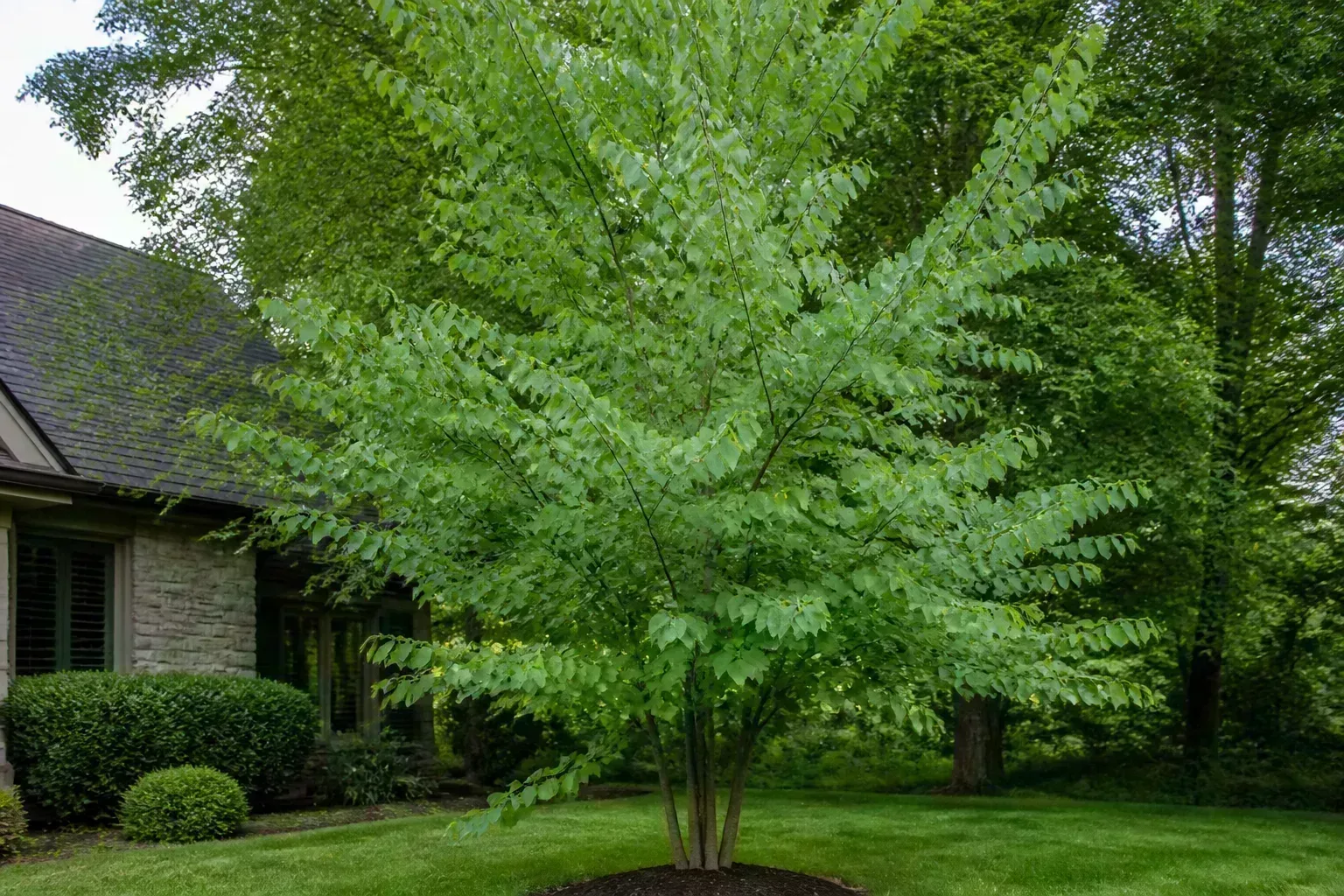
The cheapest tree on the tag is never the cheapest tree in the ground. Species with aggressive roots, weak wood, or invasive spread buy you emergency plumbing bills, sidewalk heaves, and years of “why did we plant this?”—often long after the landscaper’s warranty ends.
Species With Aggressive Roots, Weak Wood, or Invasive Spread
Landscape pros frequently flag fast-growing shade trees and moisture hogs planted too close to structures. Classic caution-list examples include:
- Silver maple (Acer saccharinum) — fast growth, shallow aggressive roots, brittle wood
- Weeping willow (Salix) — thirsty roots that hunt water lines and septic fields
- Quaking aspen (Populus tremuloides) — colony-forming habit that does not stop at property lines
- Callery pear cultivars — weak branch angles and invasive spread in many regions
- Norway maple (Acer platanoides) — dense shade and allelopathic effects that weaken understory
That is not a ban list for every yard. A willow far from utilities on a large wet parcel can be gorgeous. The mistake is treating mature size and root zone as tomorrow’s problem. Roots routinely extend well beyond the drip line. Planting a 40-foot tree eight feet from the foundation is not a bold design choice—it is a future invoice.
Before you fall in love with a species, check your state’s invasive and nuisance plant lists and read up on invasive plants that will take over your garden so one “bargain” tree does not colonize the neighborhood.
How to Choose the Right Tree at the Right Size
University extension guidance emphasizes matching mature height and spread to the site: overhead wires, eaves, sidewalks, and sight lines from windows and driveways. A tree that fits the planting hole today but not the sky in fifteen years is the wrong tree.
For healthier long-term yards, prioritize:
- Single-leader structure and good nursery pruning
- Disease resistance where your region pressures certain species—our disease-resistant trees guide names lower-fuss options
- Clearance from hardscape—if you cannot move the patio, choose a smaller species or a large shrub
Buying the largest container on the lot feels like cheating time. It often is not—see the next section.
Treehouses: Childhood Magic With Adult Liability
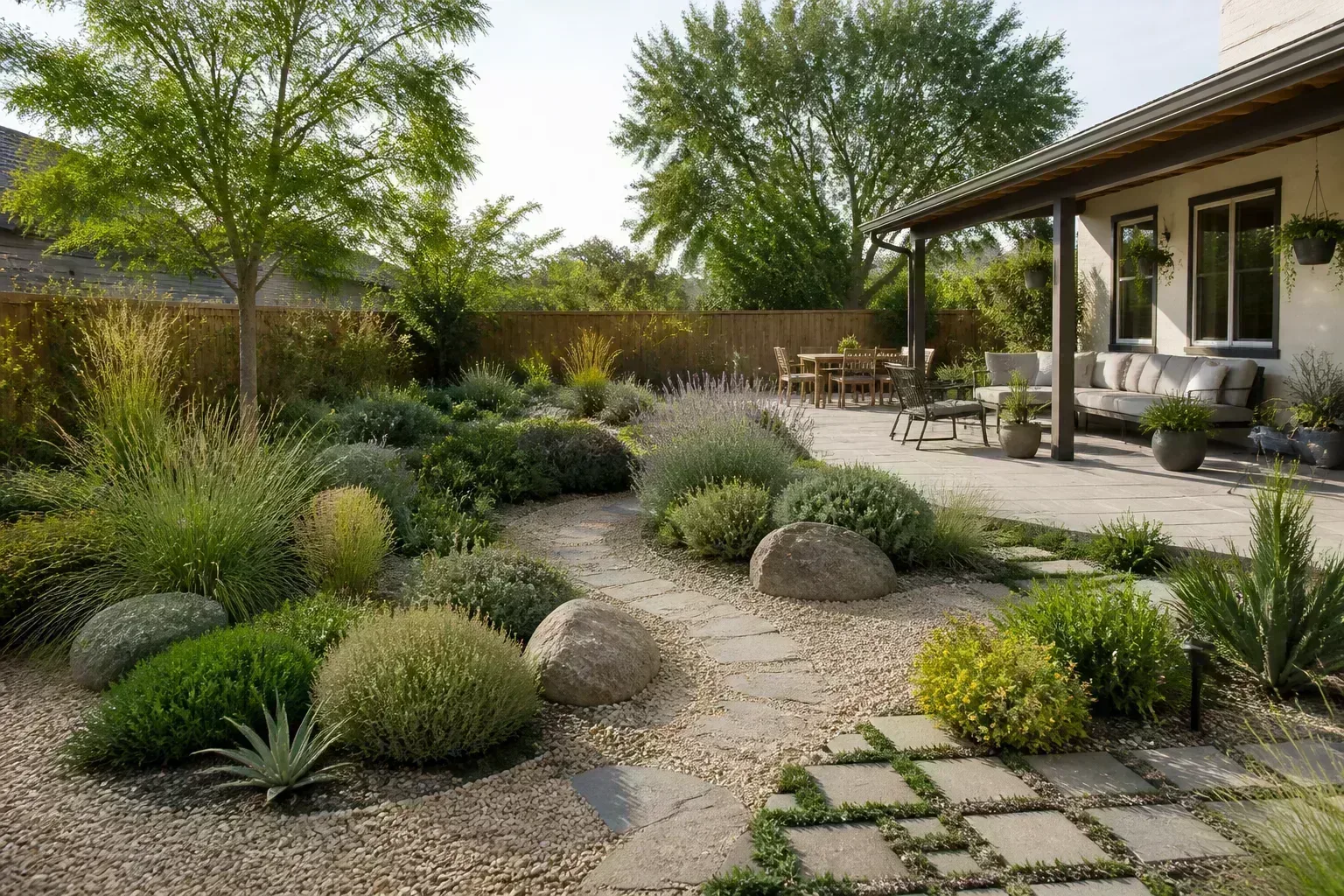
A treehouse is emotionally irresistible and structurally unforgiving. Built into the wrong tree—or the wrong spot—it becomes a safety project, a view blocker, and a resale conversation you did not plan for.
Structural Risk, Weight Limits, and Lost Views
Healthy treehouses start with arborist-grade tree selection: species with load-bearing trunks, sound wood, and room for growth. Building into a weak fork, a declining limb, or a species with brittle wood turns play space into hazard. Even good builds need periodic inspection as the tree moves, grows, and sheds limbs.
Then there is siting. A platform that blocks the garden’s best sightline or overhangs a neighbor’s property creates friction that outlasts the kids’ interest. Weight from decking, furniture, and packed snow adds stresses the tree did not evolve to carry.
Industry guidance for elevated play structures stresses engineered connections, guardrails, and regular hardware checks—treat it like a small building permit project, not a weekend pallet stack.
Ground-Level Play Features That Age Better
If the goal is outdoor play—not specifically elevation—consider options with lower structural risk and easier resale:
- Platform decks at grade with climbing walls or slides on the side
- Shade sails and sandbox nooks that move when needs change
- Paths, balance logs, and boulder scrambles that blend into rock garden plantings instead of dominating the canopy
You keep the adventure without betting the mature oak.
Oversized Nursery Stock: When Patience Beats the Instant Look
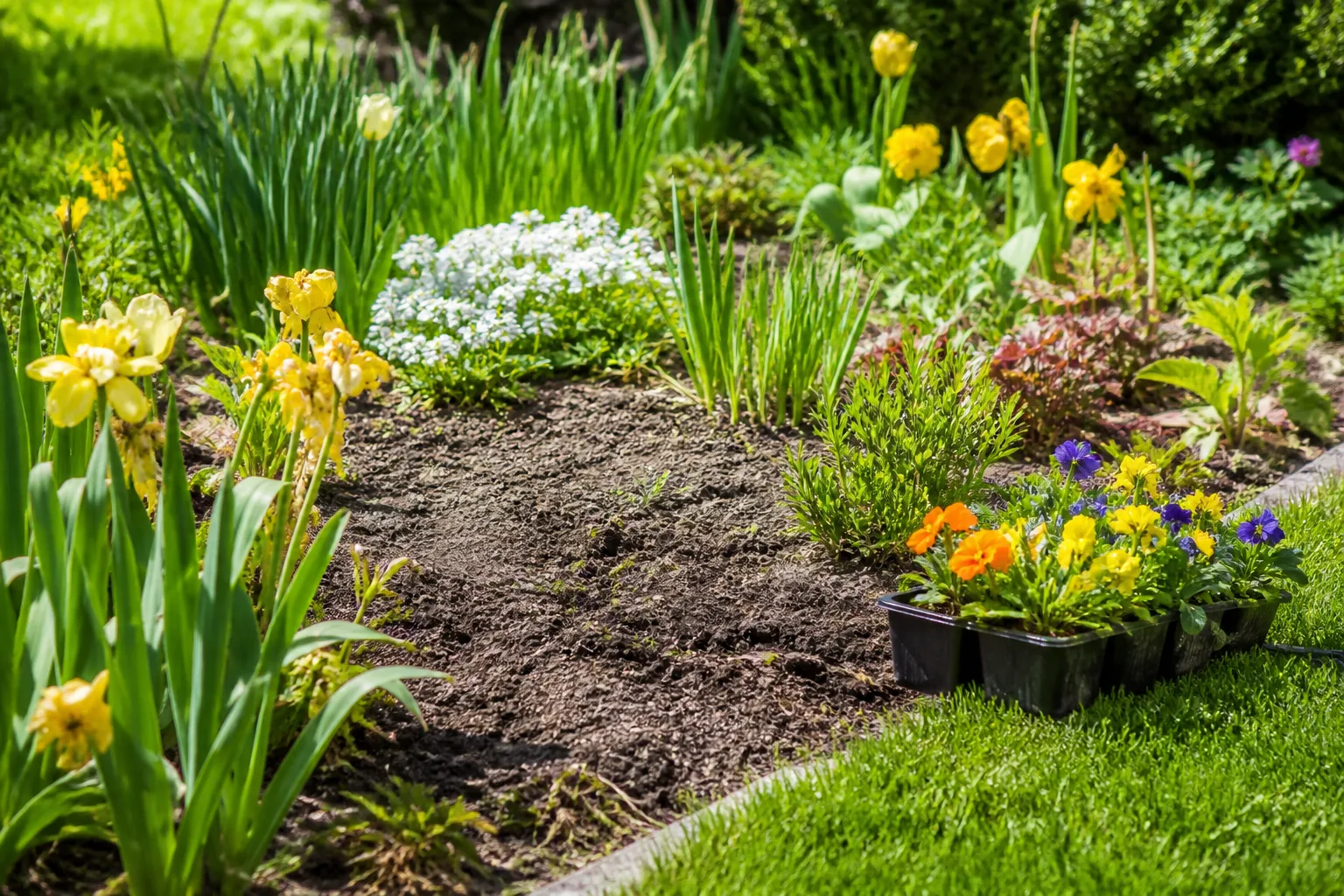
Walk any nursery and the price jump from a #5 container to a #15 or boxed specimen can feel like a typo. That is not markup for fun—bigger plants cost exponentially more to grow, ship, and install, and they do not always establish faster.
The Non-Linear Cost of Bigger Container Sizes
Landscape architects often tell clients to buy smaller caliper trees and shrubs because:
- Large root balls need wider holes, more labor, and often equipment
- Transplant shock hits bigger stock harder; water demands spike for years
- A $40 one-gallon shrub can catch a three-gallon install in three seasons in good soil—while a $200 instant shrub sulks anyway if drainage is wrong
The math favors patience when soil, water, and species growth rate cooperate. Fast growers like willows or poplars were going to tower soon regardless. Slow growers like oaks may still need years—but you saved thousands to spend on irrigation and mulch that help every plant, not just one trophy.
Faster Establishment Without Overspending on Caliper
To get the “full” look sooner without oversizing every pot:
- Cluster smaller plants at natural spacing instead of one lonely giant
- Invest in soil prep—compost, drainage fixes, and mulch beat one oversized box
- Use fast fillers thoughtfully—annuals, grasses, or pots while woody plants size up
- Plant at the right season for your region so roots grow before heat or freeze
Fill bare beds with a plan, not panic: our guide on what to plant in bare garden spots covers sequencing so you are not buying maturity you could grow.
Ponds, Koi, and Elaborate Water Features
Water transforms a yard—sound, reflection, wildlife. It also transforms your calendar. Ponds, fountains, and koi systems are among the most common “beautiful at install, exhausting by year three” features pros cite.
What Ongoing Pond Care Really Requires
Landscape industry maintenance guidance describes a year-round rhythm easy to underestimate at the sales meeting:
- Skimmer debris baskets emptied every week or two—and daily in heavy leaf drop
- Filter mats replaced on a multi-year cycle but monitored for tear-through
- Water level checks against evaporation, splash loss, and leaks along liner edges
- Pump care including winter storage in cold climates so seals do not dry rot
- Spring clean-outs when sludge and dark water mean a full drain-and-rinse job—ideally before water temperatures climb above roughly 55°F
Koi ponds add chemistry and biology on top: fish load, algae balance without routine chlorine, predator pressure from raccoons and herons, and replacement costs when fish die. Even decorative sculptures with recirculating water need algae control and winter plans.
Startup costs vary by region and rockwork, but experienced contractors have long reported that serious waterfalls and ponds often begin around $5,000 and climb quickly with size, stonework, and automation—before fish, lighting, or annual service contracts.
Pondless Waterfalls and Simpler Water Moves
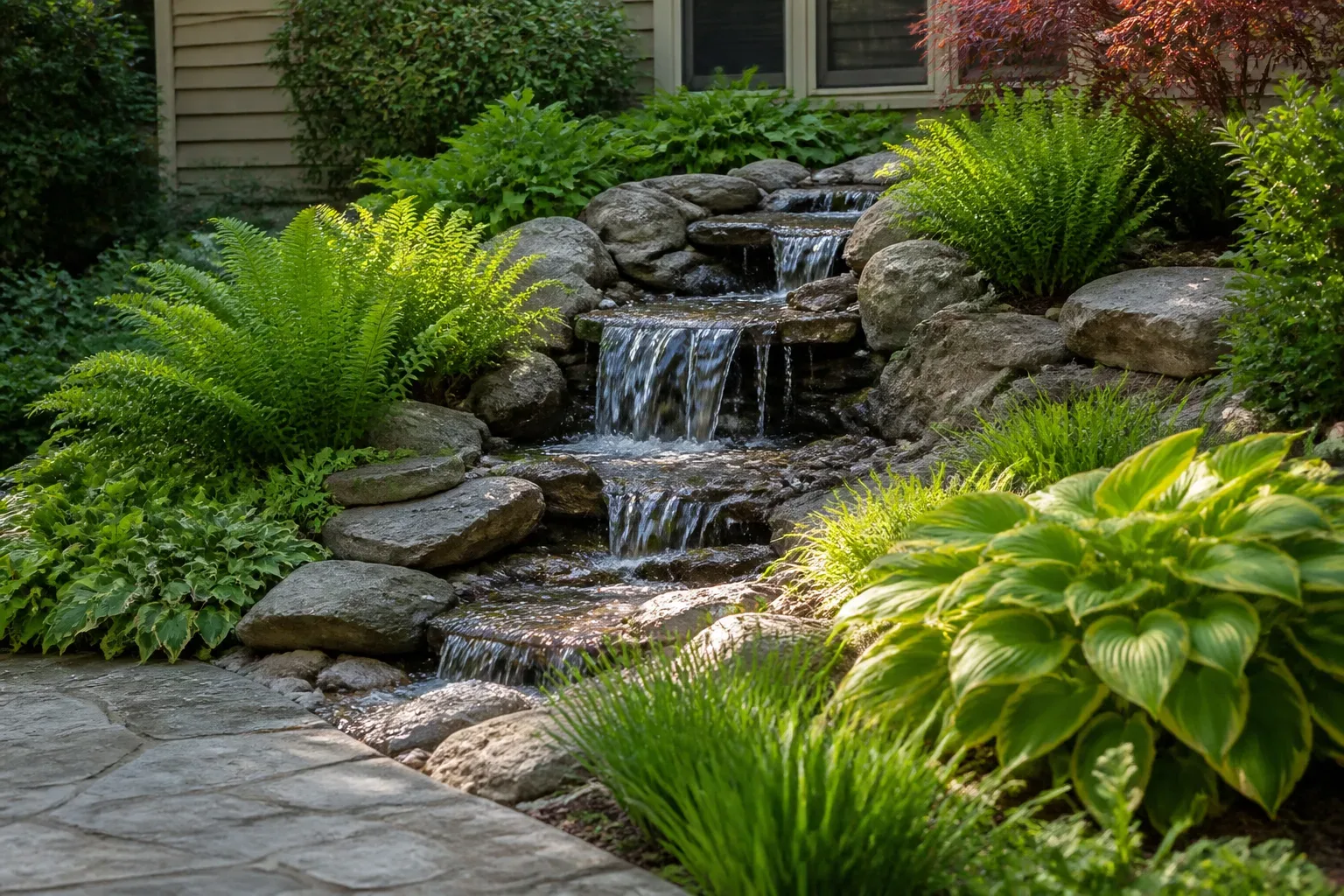
If you want moving water without owning a wetland:
- Pondless waterfalls recirculate through an underground reservoir—less open water, fewer mosquito and child-safety concerns, easier to shut down for vacation
- Standalone fountains or urn bubblers deliver sound on a patio without reshaping the whole lot
- Rain gardens and swales handle stormwater with plants instead of pumps—valuable where flooding is the real problem
Place any feature away from heavy leaf drop and full baking sun if you want less algae and skimmer labor—trusted home-garden editors note that sunny, leaf-heavy siting increases weed growth and debris load. Shade and siting matter as much as pump horsepower.
When hardscape and seating are higher priorities than water, a well-built backyard patio plus a simple bubbler often outperforms a half-maintained pond you start to ignore.
Conclusion
The five landscaping features that most often fail the value test—trendy or hyper-niche design, problem trees planted too close, treehouses on the wrong trees, oversized nursery stock bought for impatience, and elaborate ponds you will not maintain—share a pattern. They charge upfront for a fantasy and collect interest in labor, repairs, or resale friction.
None are banned. A koi keeper who loves daily feeding is not wasting money on a koi pond. A family that will inspect bolts every spring may cherish a treehouse for decades. The win is matching the feature to your site, schedule, and budget—then spending what you save on drainage, paths, shade, and plants that make the whole yard work harder.
Run the 10-year test. Run the weekly-use test. Buy maturity only where patience truly cannot do the job. Your future self—the one holding the skimmer net or the repair bill—will thank you.