8 Least Drought-Tolerant Flowers to Water Regularly
Learn which 8 least drought-tolerant flowers wilt first, how to water each one, and how to tell heat stress from overwatering or permanent damage.
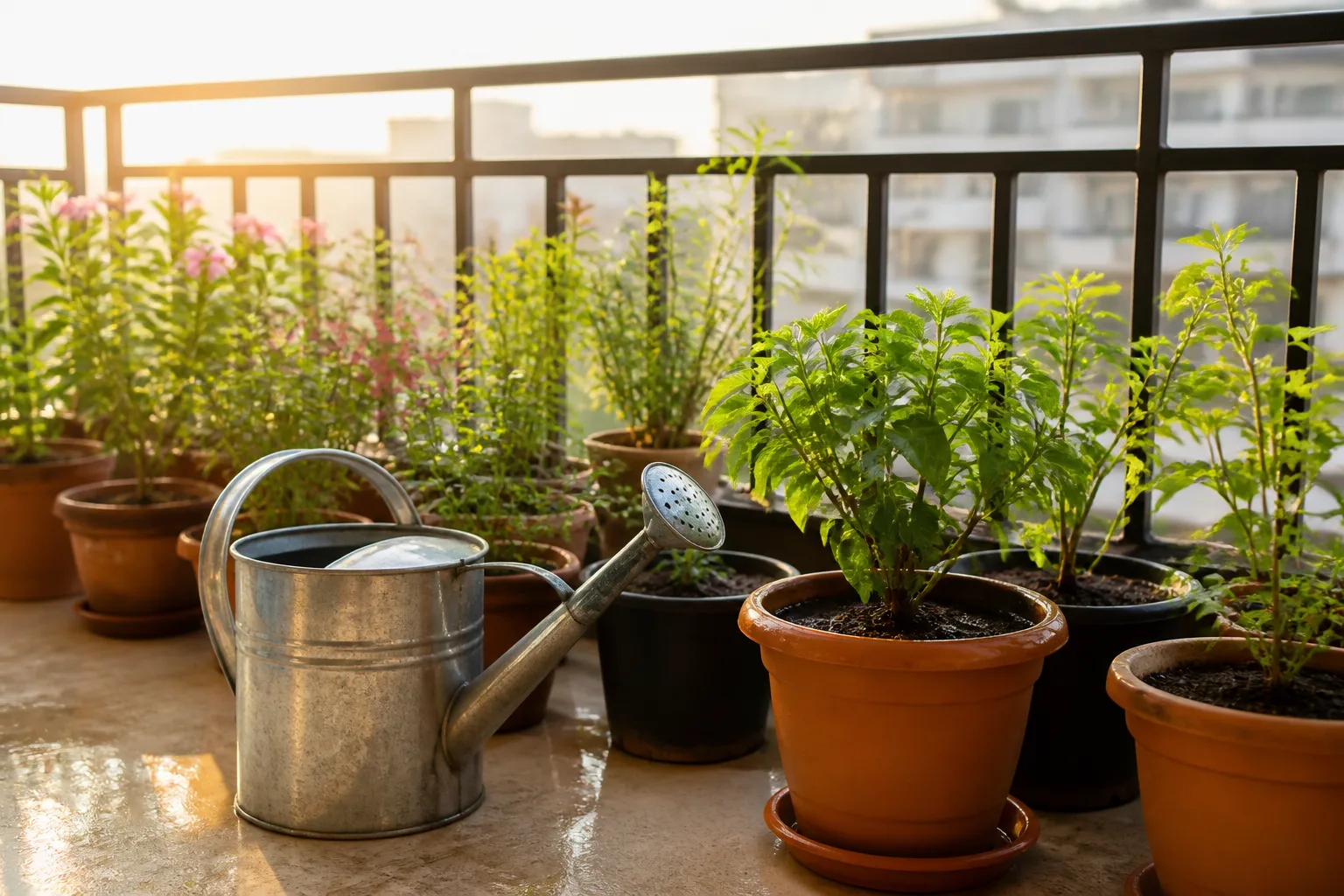
Some flowers can pause, shed a few leaves, and resume growth after a dry spell. Others show stress quickly because their leaves lose water faster than their roots can replace it, their bloom display depends on steady moisture, or they are growing in a small container with almost no water reserve.
The least drought-tolerant flowers are not guaranteed to die because you miss one watering. “Most likely to die” is a useful warning, not a diagnosis. A mature plant in deep, organic soil may survive a short lapse that kills the same cultivar in a hanging basket, newly planted bed, or hot south-facing border.
This list focuses on eight flowers and flowering plants that deserve priority during heat and dry weather. It also gives you a better rule than “water every day”: check the root zone, soak deeply enough to reach active roots, and adjust for the plant’s age, light, soil, and container size. The Royal Horticultural Society’s drought guidance makes the same essential distinction: even plants selected for dry conditions need careful watering while they establish.
Why Some Flowers Fail After a Missed Watering
Plants lose water through transpiration, mainly from pores in their leaves. Heat, wind, direct sun, large soft leaves, shallow roots, flower production, and a small pot can all increase the speed of that loss. If the soil cannot supply water as quickly as the foliage uses it, cells lose pressure and the plant wilts.
Wilting is a short-term water-balance problem, but repeated or severe stress can cause scorched leaves, dropped buds, premature dormancy, disease susceptibility, or root death. A plant that looks recovered after an evening soak may still have lost flowers or developing buds that cannot be replaced that season.
The reverse problem matters too. “Needs moist soil” does not mean “keep the roots underwater.” Waterlogged soil contains less air, and roots that cannot respire may stop taking up water even when the pot or bed looks wet. That is why the best watering instruction for these plants is evenly moist, well-drained soil, not a permanently soggy bed.
Use this table as a triage tool, not as a rigid calendar. The first symptom is the clue you are most likely to notice; the watering priority rises when the plant is newly planted, in a container, in full afternoon sun, or facing wind and temperatures well above its usual range.
| Plant | What to protect first | Watering priority |
|---|---|---|
| Hosta | Broad foliage and root-zone moisture | High in sun, containers, and shallow soil |
| Hydrangea | Leaves, buds, and flower heads | Very high during hot spells |
| Coleus | Soft foliage and container root ball | High, especially in sun or pots |
| Begonia | Foliage, flowers, and shallow roots | High, but never waterlogged |
| Rose | New growth, leaves, and flower production | High for new plants and containers |
| Pansy | Flowering and cool-season foliage | High during heat or drought; seasonal recovery varies |
| Japanese anemone | Late-season stems and foliage | High while establishing and before bloom |
| Impatiens | Foliage and continuous flowering | Very high in hot, dry weather |
The 8 Least Drought-Tolerant Flowers
1. Hostas
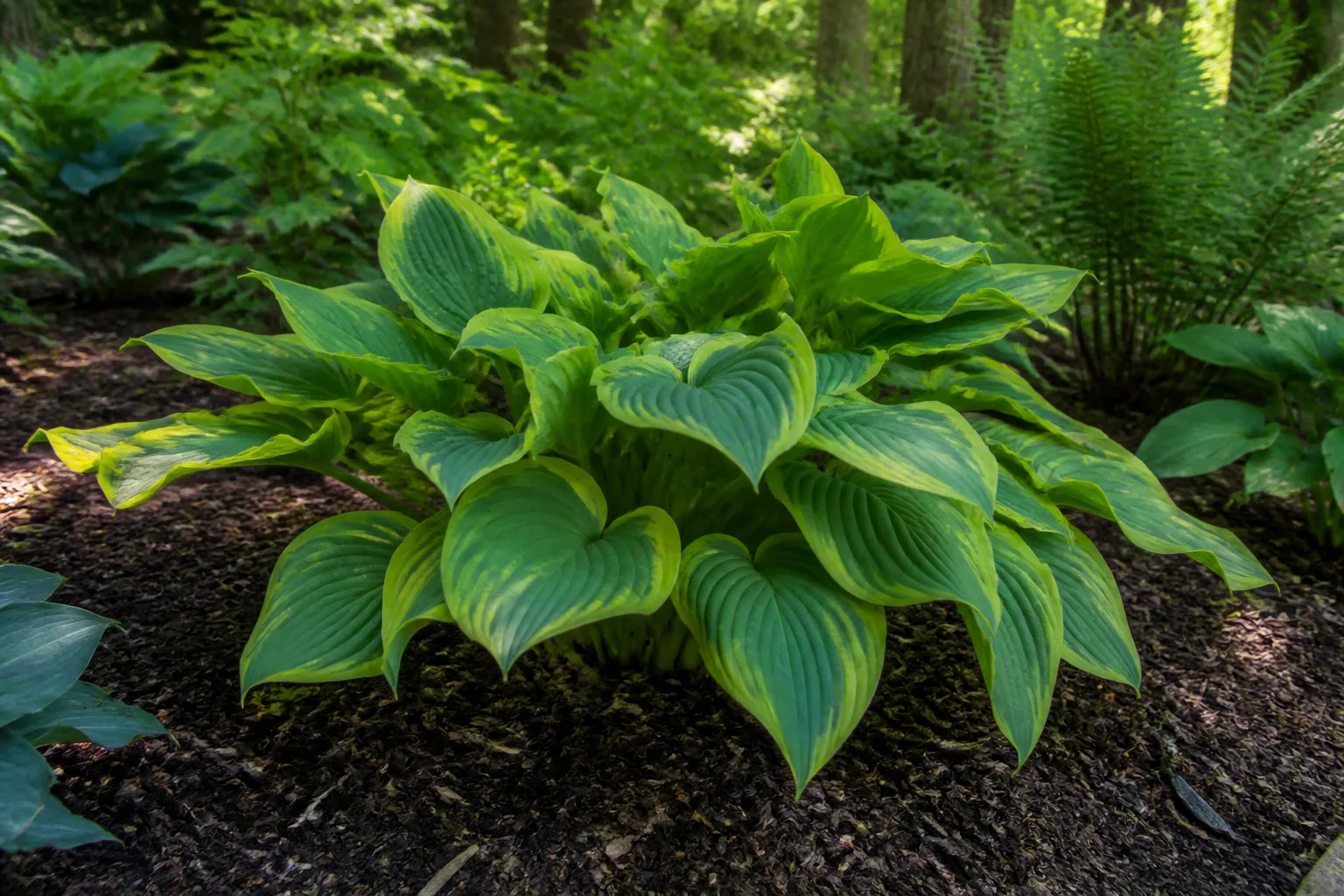
Hostas (Hosta spp.) are valued mainly for their leaves, but those broad leaves are also a large evaporative surface. They generally perform best in rich, moist soil and dappled or morning light. The North Carolina Extension Gardener Plant Toolbox profile for hosta notes that blue-leaved forms prefer deeper shade, while green-leaved types accept more partial shade; in a hot, sunny location, the demand for water rises quickly.
Hostas often give you an early warning: leaves droop, curl, or develop pale brown, papery edges. A blue-leaved cultivar may handle a slightly drier site better than a thin-leaved gold or variegated type, but that is a relative advantage, not drought proofing. A hosta in a tree-root competition zone can also wilt because nearby roots are taking the same water.
Water at the soil surface around the clump, not over the leaves, and give the root zone a slow soak. If the plant wilts every sunny afternoon but the soil is dry, the long-term answer may be more shade, a thicker organic mulch layer, or relocation after the growing season—not an endless series of shallow emergency sprinkles.
2. Hydrangeas
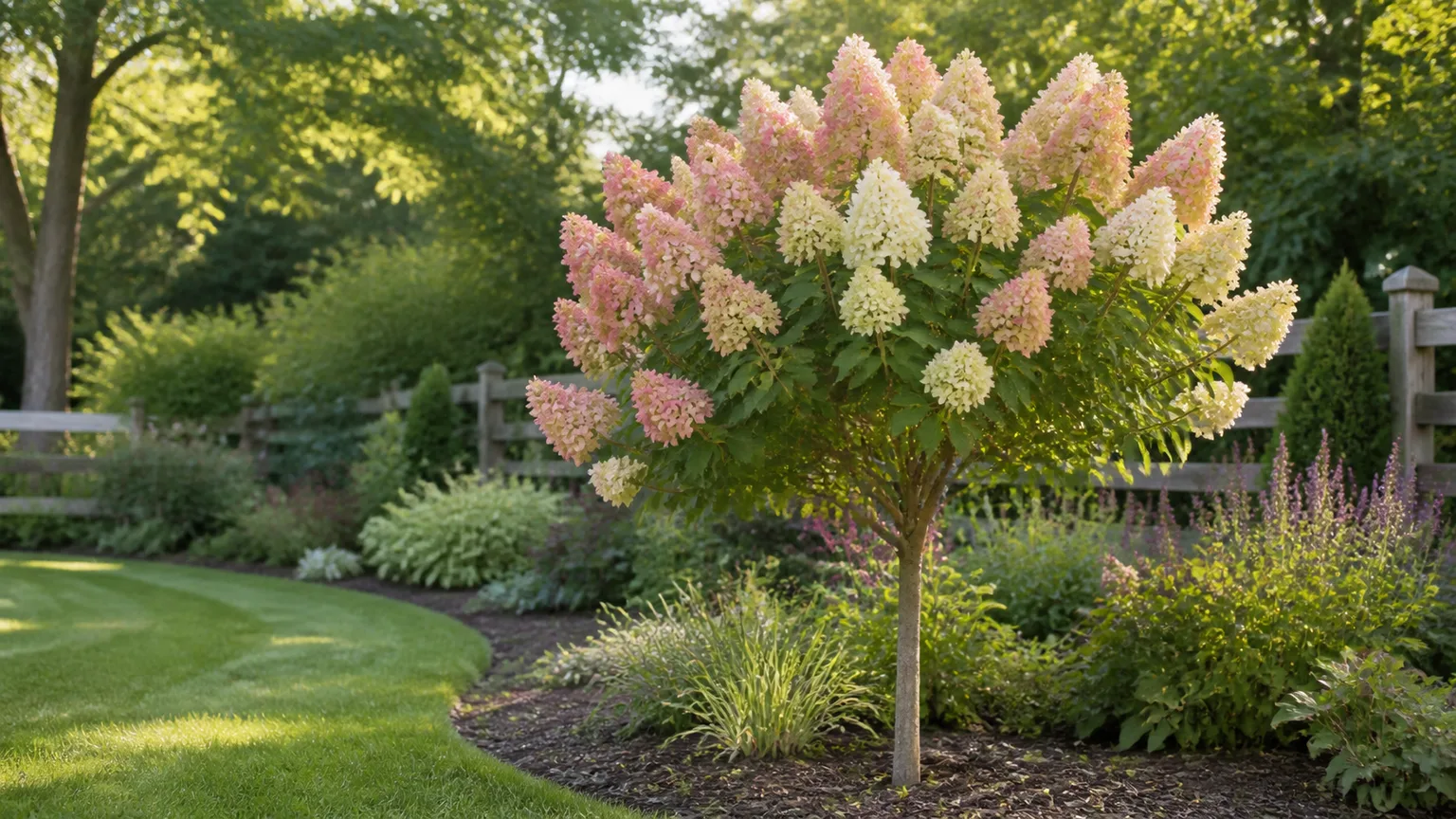
Hydrangeas (Hydrangea spp.) are shrubs rather than herbaceous flowers, but their large leaves and heavy flower heads make them one of the most obvious water-stress indicators in a summer garden. Bigleaf, mountain, smooth, and panicle hydrangeas do not all respond identically, yet a plant growing in direct sun or a small pot can need supplemental water much more often than one in morning sun and deep soil.
The North Carolina Extension hydrangea profile specifically notes that plants in direct sun all day often require additional watering. A wilted hydrangea may recover in the evening after the root zone is rehydrated, but heat can also scorch flower edges or shorten the display even when the shrub survives.
Check several inches down at the drip line before watering; the soil near the trunk can be damp while the outer roots are dry. Water slowly around the whole root zone, then cover the soil with a breathable layer of mulch while keeping it away from the stems. Do not try to fix a wilted hydrangea with fertilizer. Drought-stressed roots are a poor time to push tender new growth.
3. Coleus
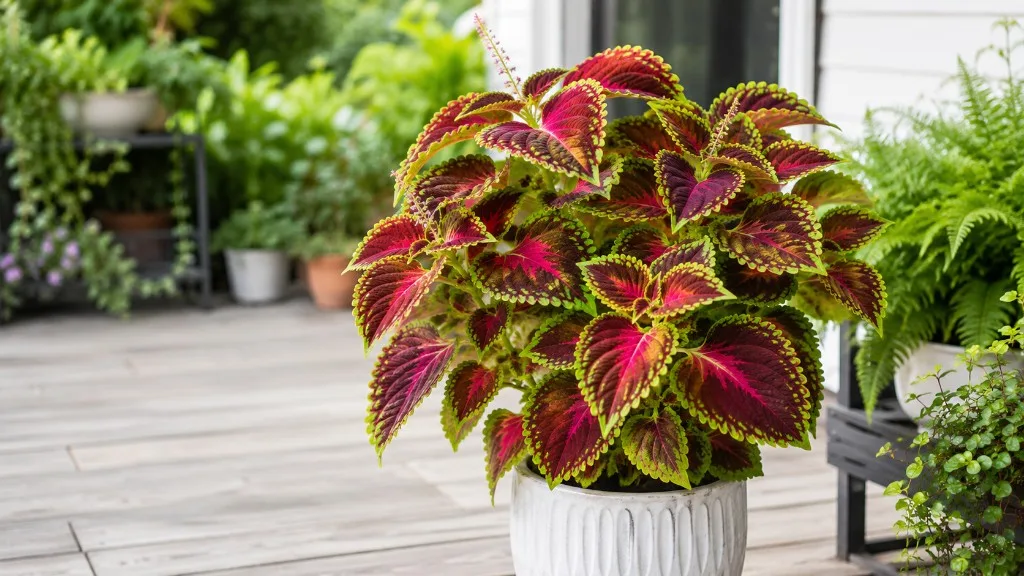
Garden coleus is generally Coleus scutellarioides, not Urtica dioica. It is grown for vivid foliage rather than flowers, but it belongs on a list of flowering bedding plants that are quick to punish missed waterings. The NC State profile for coleus describes its preference for moist, rich, loose soil and notes that plants may wilt in full sun.
Coleus can collapse dramatically in a container because the leaves are soft, the stems hold a lot of water, and the potting mix may be shallow. That collapse does not always mean the plant is dead. If the stems are still flexible and the soil is dry, move a container out of harsh afternoon sun, water the root ball slowly until the mix is evenly wet, and remove only leaves that remain crisp or damaged after recovery.
Do not compensate with a cachepot full of standing water. Coleus likes moisture but still needs oxygen around its roots. A pot with drainage, a moisture-retentive but open mix, and a saucer that is emptied after watering is more dependable than a sealed decorative container.
4. Begonias
“Begonias” covers a large group, so the water warning needs a qualifier. Wax begonias, tuberous begonias, cane begonias, and rex begonias differ in leaf thickness, root systems, and growing conditions. Many popular bedding and container types are tropical or subtropical in origin and prefer partial shade, humidity, and moist, well-drained soil.
The NC State begonia profile recommends moist, well-drained soil with organic matter and cautions that begonias are highly susceptible to root rot if overwatered. That combination is easy to misread: a begonia needs regular moisture, but a heavy daily drench in compacted soil can produce the same droop that gardeners interpret as thirst.
Water at the base when the upper portion of the mix begins to dry, and make sure excess water can leave the pot. In a bed, morning light or bright shade usually reduces stress better than repeatedly wetting foliage. Tuberous begonias may enter dormancy at the end of the season; do not keep a naturally dormant tuber constantly wet just because its leaves have faded.
5. Roses
Roses (Rosa spp.) are not as fragile as an annual bedding plant, and a healthy established shrub usually will not die from one missed watering. They still deserve a high place on the priority list because drought can reduce new growth, cause leaf drop, abort buds, and stop repeat flowering. Newly planted roses, roses in containers, and bushes growing beside paving or a south-facing wall are especially exposed.
Roses prefer full sun and organically rich, well-drained soil, according to the NC State rose profile. Give the soil a deep soak at the root zone rather than a daily splash over the leaves. Wet foliage that stays damp overnight can increase disease pressure without solving dry roots.
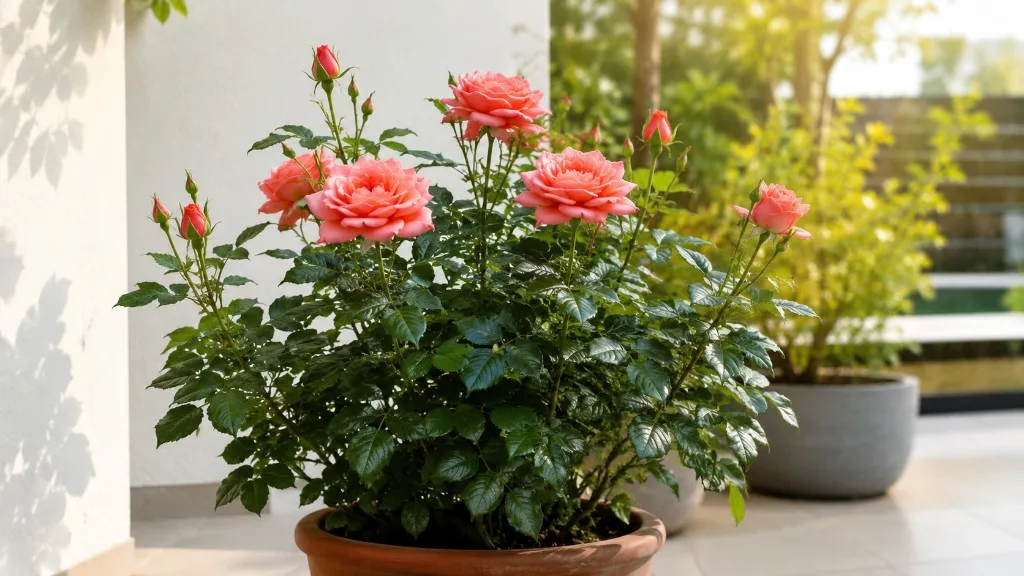
If a rose wilts during a heat wave, check whether the soil is actually dry before pruning or feeding it. Water slowly, add mulch over the root zone, and postpone heavy pruning until the plant has stabilized. Some older leaves may still yellow and fall after rehydration; judge recovery by firm new growth and viable buds, not by expecting every damaged leaf to turn green again.
6. Pansies
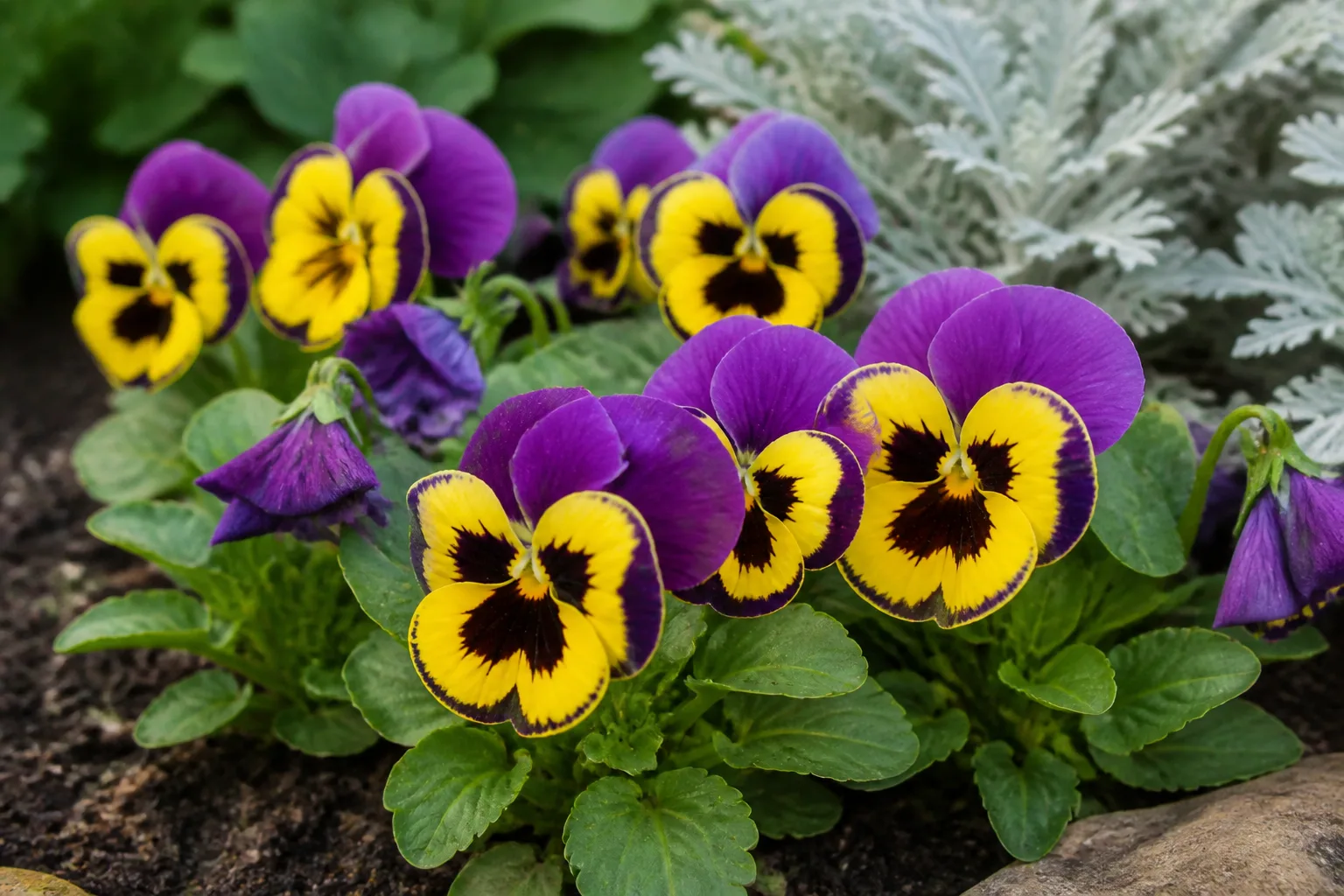
Pansies (Viola × wittrockiana) are often treated as spring or fall annuals because they perform best in cool weather. Their problem in a hot, dry summer is not only water loss: high temperatures can pause flowering, shorten the life of individual blooms, and push the plants toward a seasonal decline even when soil moisture is adequate.
The NC State viola profile describes violas as delicate spring favorites and includes pansies among the cultivated large-flowered forms. Keep the bed evenly moist while pansies are actively growing and blooming, especially when warm weather arrives unexpectedly. A thin mulch layer helps the shallow root zone stay cooler, but it cannot turn a cool-season plant into a heat-loving one.
If summer heat makes the foliage wilt, water in the morning and provide temporary afternoon shade where practical. Do not assume that a brown or bare summer pansy will immediately rebound after irrigation; some plants recover for a fall display after temperatures drop, while others have completed their useful season. Keep the crown alive without keeping exhausted, poorly draining soil wet.
7. Japanese Anemones
Japanese anemone is a common name for a group of fall-blooming anemones, including hybrids such as Anemone × hybrida and plants now treated as Eriocapitella hupehensis. The naming is worth clarifying because care advice can be incorrectly generalized across different anemones, but the moisture message is consistent for the familiar garden forms: they dislike being allowed to dry out while establishing.
The NC State profile for hybrid Japanese anemone recommends moist but well-drained fertile soil that is not allowed to dry out. Its profile for Eriocapitella hupehensis also describes consistently moist soil and warns that foliage can burn in hot, dry conditions.
These perennials can be slow to establish, so a new division or nursery plant is a higher priority than a mature colony with a broad root system. Mulch helps reduce evaporation, but do not pile it against the crown or create a wet pocket. If stems flop after a dry spell, restore moisture gradually and support the plant if needed; watering will not straighten tissue that has already been scorched or broken.
8. Impatiens
Garden impatiens (Impatiens walleriana) are classic shade bedding plants, and their tropical origin shows in their water response. The NC State profile for Impatiens walleriana calls the plant low in drought tolerance, recommends moist, well-drained soil, and notes that hot, dry spells leave it wilted and in need of extra watering.
Impatiens are particularly vulnerable in hanging baskets and crowded window boxes. The small volume of mix warms and dries quickly, while dense foliage can hide how dry the root ball has become. Water thoroughly until the root ball is wet throughout, but do not leave the container sitting in a full saucer for hours.
New Guinea impatiens and SunPatiens hybrids can handle more light and heat than traditional I. walleriana, but “more tolerant” is not the same as drought tolerant. If regular watering is difficult, reduce the number of plants in a container, use a larger pot with drainage, group it with other high-water plants, or choose a lower-water species instead of hoping a cultivar label will cancel a hot site.
Which Flowers Should You Water First During a Dry Spell?
Start with the plants that combine high water demand with low reserves. In practice, that usually means new plantings, hanging baskets, small pots, recent divisions, and anything showing wilt in full sun. Give hydrangeas and impatiens early attention during hot weather, then check coleus, begonias, and pansies in containers. Hostas and Japanese anemones rise in priority when they are newly planted or competing with tree roots.
Established roses can often wait slightly longer than a shallow-rooted annual, but do not let a new rose dry completely. A mature plant in deep loam and a mature plant squeezed into a narrow strip beside a driveway are not equivalent. Watering priority is a site decision as much as a plant-name decision.
If water is limited, save plants rather than trying to keep every bloom perfect. Prioritize anything newly planted or expensive to replace, shade the most exposed containers, and let a mature low-value annual finish its season if the alternative is allowing a high-value perennial or shrub to die. Follow local watering restrictions; efficient timing and root-directed delivery usually help more than running a sprinkler longer.
How to Water These Flowers Without Wasting Water
Check the Root Zone Before Turning on the Hose
Do not water because the leaves look dramatic or because the calendar says Tuesday. Push a finger or a wooden stick into the soil several inches from the stem, or use a narrow trowel to inspect the root zone. In a container, lift it if possible: a suddenly light pot is useful evidence, but a dry-looking surface alone is not.
Check more than one spot in a bed. Rain and sprinklers can wet the top inch while tree roots, slopes, dense foliage, or a hydrophobic patch leave the deeper root zone dry. If the soil is cool and damp below the surface, do not add water simply because a plant is wilted; investigate heat load, root damage, transplant shock, pests, and compacted soil.
Soak Slowly and Confirm the Depth
When the root zone is dry, water early in the morning and direct the stream to the soil. A slow hose, soaker hose, or drip line is more efficient than a fast spray that runs off the bed. A Virginia Cooperative Extension agriculture expert interviewed by WVTF recommends watering near the roots, allowing moisture to reach roughly 5 to 6 inches underground, and using mulch to retain it.
Pause during the soak if water starts running down a slope or pooling on compacted soil. Let it infiltrate, then apply another slow pass. For containers, water until some drains from the bottom, wait a few minutes, and check whether the mix has actually rehydrated; a severely dry root ball can shed water down the pot wall while the center remains dry.
There is no honest universal rule that every flower needs a precise number of gallons or minutes. Sandy soil, clay, rainfall, wind, pot material, root depth, and plant size change the result. Measure what your soil is doing, then repeat the method when that root zone begins to dry again.
Use Mulch, Shade, and Containers Strategically
Organic mulch reduces evaporation and keeps the surface temperature more stable. Spread a thin, even layer over the root zone, leaving a small gap around stems and crowns. Mulch is a moisture buffer, not a substitute for water: it cannot rehydrate a dry root ball, and a thick wet layer against a stem can encourage rot.
Use temporary shade cloth or move containers away from reflected afternoon heat when a heat wave arrives. This lowers the immediate water demand while roots recover. Do not move an established in-ground shrub abruptly into deep shade just because it wilted; change exposure gradually when you are making a permanent site correction.
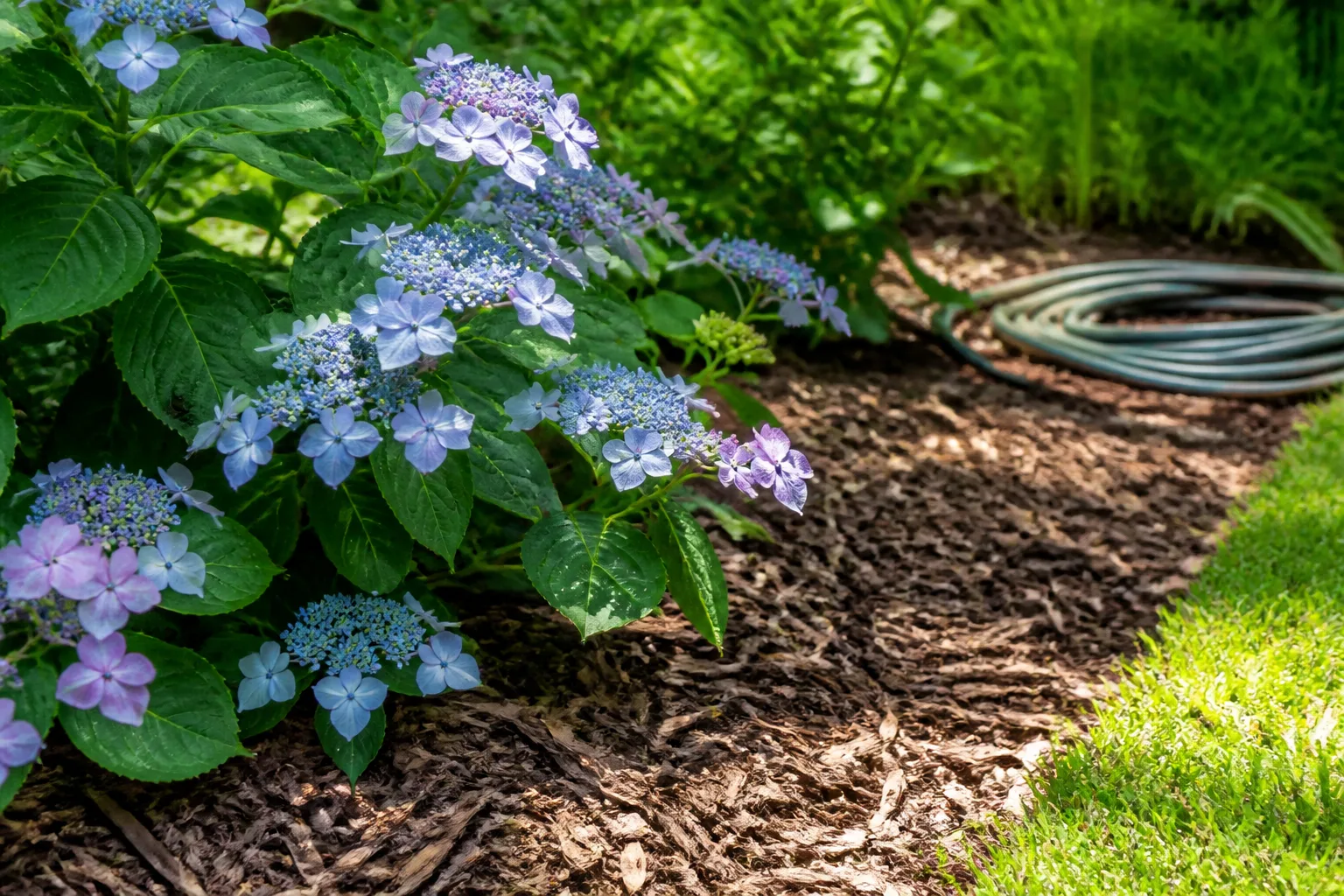
Containers need a separate strategy. A small pot, black plastic, hanging basket, or unglazed terracotta container can dry far faster than the same plant in a bed. Use a pot with a drainage hole, group thirsty containers, check them during heat waves, and consider a reservoir or self-watering system only when it matches the plant’s tolerance for wet roots.
What to Do When a Flower Wilts
Test for Thirst, Heat Stress, or Root Trouble
First, check the soil. If it is dry several inches down, move a container out of the harshest sun, water slowly, and watch for improvement over the next few hours. A plant that perks up as temperatures fall may have experienced temporary heat load; a plant that remains limp after the root zone is wet needs a closer look.
If the soil is wet but the plant is still wilting, do not keep watering. Possible causes include root rot, compacted soil, broken roots, recent transplanting, stem damage, pests, or a root ball that is wet on the outside but dry in the center. A sour smell, black or mushy roots, persistent yellowing, and slow collapse point away from simple thirst.
Remove only tissue that is clearly dead or broken after the plant has had time to stabilize. Brown leaf edges will not turn green again, and a collapsed flower will not be revived by fertilizer. Give the plant moderate light, adequate airflow, and a consistent moisture check while it produces new growth.
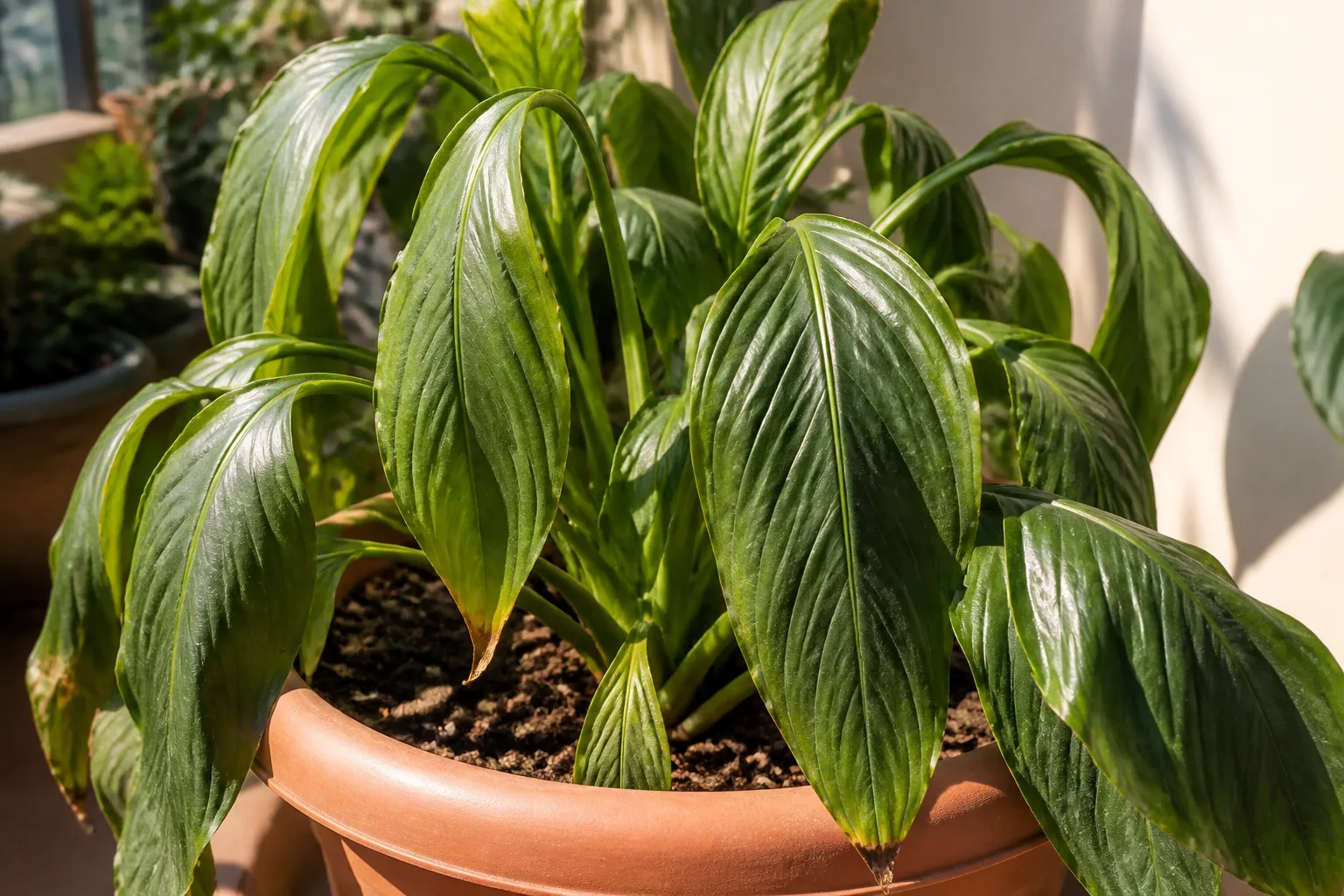
If a bed plant has repeatedly wilted despite moist soil, look above and below the plant. A roof overhang, dense tree canopy, irrigation shadow, compacted construction soil, or a leaking line can create a misleading moisture pattern. Correct the site before increasing the watering schedule.
How to Choose Flowers for a Lower-Water Garden
If you regularly travel, forget watering, or garden under restrictions, plant selection will help more than a better reminder. Look for plants with naturally lower water loss—small or narrow leaves, silver or hairy foliage, waxy surfaces, succulent tissue, deep roots, or a regional adaptation to dry summers. The RHS drought-resistant plant guide and a practical review from Homes & Gardens both emphasize that establishment and site matching matter before a plant can handle dry conditions.
Even a drought-tolerant plant needs regular water after planting. Choose the right sun exposure and soil drainage, water through establishment, group plants with similar moisture needs, and mulch where appropriate. “Drought tolerant” describes a plant’s potential after its roots are established; it does not mean a newly planted specimen can be ignored in its first hot summer.
For a lower-water bed, consider regionally adapted salvias, yarrow, sedum, blanket flower, coneflower, black-eyed Susan, or other plants recommended by local extension guidance. Avoid replacing every thirsty flower with a plant that hates wet soil if your yard drains poorly. The best match is the plant whose preferred moisture, light, hardiness, and mature size fit the exact bed.
Conclusion: Match the Flower to the Watering Routine
Hostas, hydrangeas, coleus, begonias, roses, pansies, Japanese anemones, and impatiens are not equally fragile, but all deserve closer attention when heat and dry weather arrive. Check soil before leaves, prioritize new plants and containers, soak slowly to the root zone, and use mulch and shade to reduce water loss.
One missed watering is often recoverable. Repeated shallow watering, severe heat, damaged roots, or a plant placed in the wrong site is what turns a temporary wilt into lost blooms or a dead plant. If that level of attention does not fit your routine, choose flowers adapted to your climate and soil, then give even those “easy” plants a proper establishment period.



