Old-School Gardening Tips That Still Work
Old-school gardening tips can still save time. Learn how to sow extra seeds, thin correctly, read fertilizer labels, water wisely, and control weeds safely.
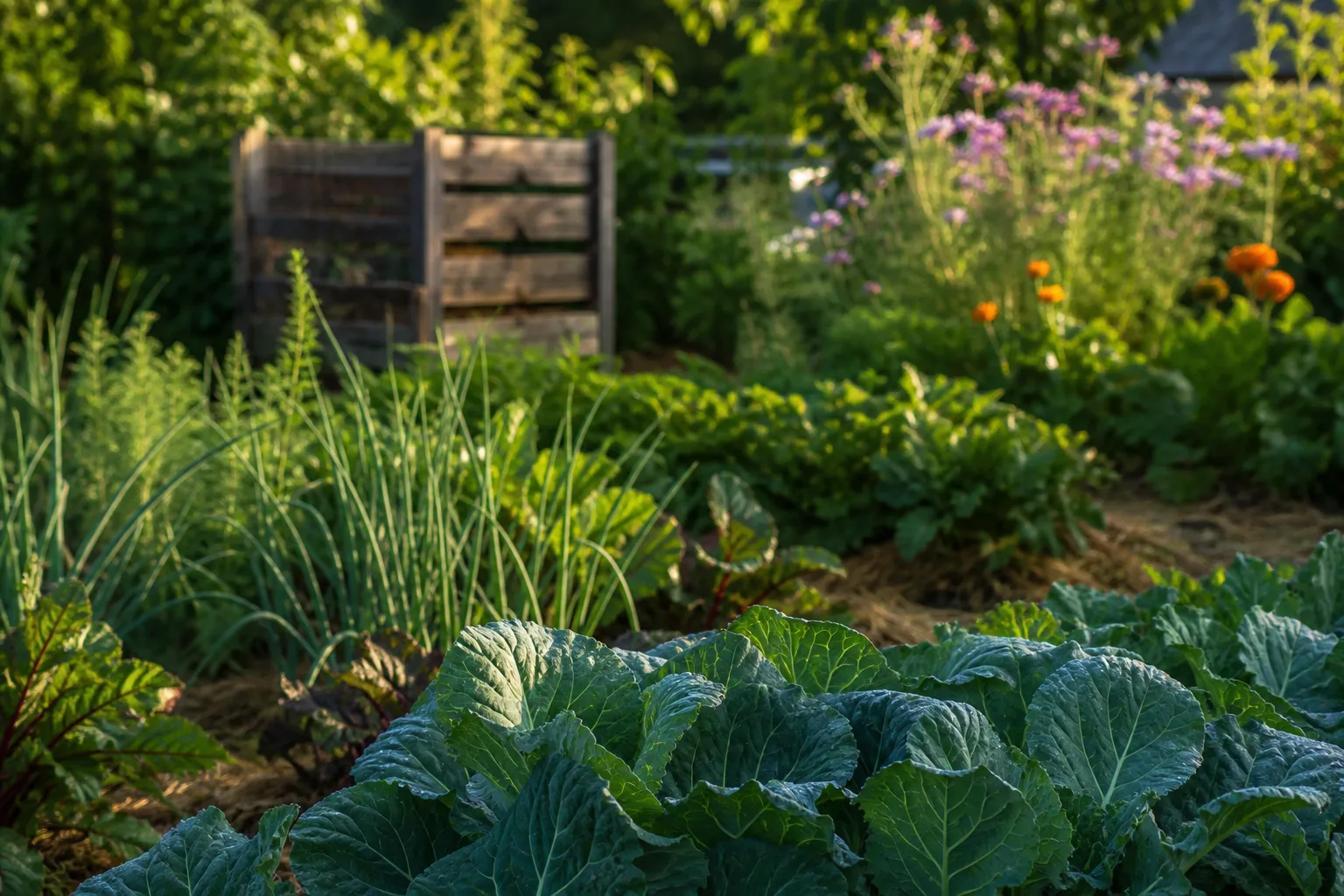
The best old-school gardening tips are not magic tricks. They are short versions of sound plant biology: give roots room, keep soil covered, water where roots can use it, and pay attention before a small problem becomes a large one. The trouble starts when a useful habit gets repeated without the conditions that made it work.
This is the practical version of family garden wisdom. You will find the advice worth keeping, the parts that need a modern qualifier, and one old weed-killer recipe that should never be repeated. The goal is not to garden exactly as a grandparent did; it is to keep the observations that still make a garden more productive and safer.
The rule behind old-school garden advice: observe, test, adapt
Good gardeners notice patterns. A relative who always sowed extra lettuce may have learned that birds, crusted soil, uneven moisture, and old seed packets made a perfect stand unlikely. Someone who watered at sunrise may have been avoiding hot leaves and evaporative loss, not following a mystical clock. A gardener who mulched every bed may have been protecting soil moisture and suppressing new weeds at the same time.
Keep the observation, then test the explanation. Before applying fertilizer, test soil or read the crop’s needs. Before spraying, identify the pest and decide whether damage is actually increasing. Before watering again, check the root zone. That small pause is the modern improvement that makes old habits more reliable.
Sow a little extra—but make a thinning plan
Planting more than one seed is sensible insurance when germination is uncertain. Seed packets often list a germination percentage, but your actual result also depends on seed age, temperature, moisture, sowing depth, and whether a crust formed over the bed. Two seeds in a cell or a small cluster in a row can give you a plant to keep if one fails.
The important phrase is with a thinning plan. Extra seeds are not extra permanent plants. Crowded seedlings compete for light, water, nutrients, and airflow; root crops may become misshapen, while leafy crops can stay small and spindly. Sow extra only where you know how and when you will reduce the stand.
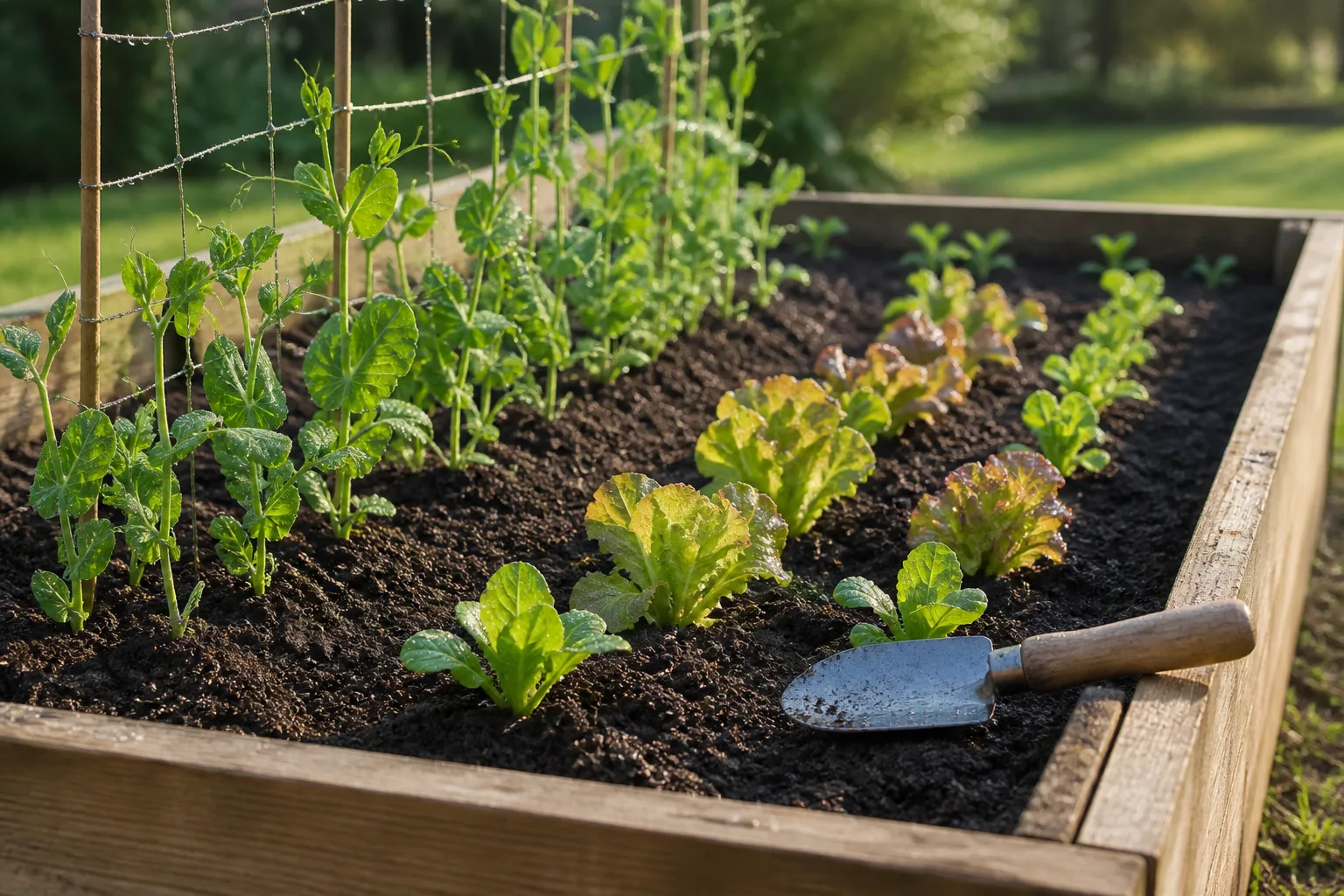
How many seeds should you sow?
Use the packet’s spacing and germination information as the starting point. For a fresh packet with a high germination rate, one seed per cell or close spacing in a prepared row may be enough. For older seed, a low germination percentage, or a bed where losing a week matters, add one or two seeds rather than scattering a handful.
The crop changes the answer. Tomatoes, peppers, cucumbers, and squash are usually easy to separate while young, but cucurbits develop fragile roots, so excess seedlings are safer to snip at soil level. Lettuce, spinach, arugula, radishes, and carrots can be sown more densely when you plan to harvest the thinnings or reduce the row in stages. Beets are a special case because one “seed” can contain multiple embryos, so a single pellet may still produce a cluster.
Epic Gardening’s seed-starting guidance makes the same practical point: sowing multiple seeds can improve the odds of a strong seedling, but the extras need to be removed once the survivors can be compared (Epic Gardening’s seed-sowing guide). This is a useful way to think about the old habit: insure the stand, then spend the saved seedlings on the plants with the best chance of thriving.
Thin by crop, not by guilt
Thin when the remaining seedlings can be spaced according to their mature size, usually after emergence and before roots become tightly tangled. If you are growing baby greens, the final spacing can be close. If you want full heads of lettuce, large chard leaves, or round beets, make room early instead of hoping crowded plants will somehow expand later.
Pulling is not always the right method. For lettuce, radishes, and some beets, loosened soil and a gentle pull can work. For carrots, peas, beans, cucumbers, squash, and melons, use scissors to cut unwanted seedlings at the soil surface so you do not disturb the roots of the plant you are keeping. Fine Gardening’s crop-by-crop thinning guidance also recommends thinning in damp soil and clearing away carrot thinnings, because the scent can attract carrot flies (Fine Gardening’s thinning guide).
Choose the strongest seedling by more than height. Look for a sturdy stem, even color, healthy true leaves, and a position that will not leave the survivor pressed against its neighbor. If you remove edible greens, use them as baby leaves; if you remove diseased or pest-damaged plants, discard them rather than spreading the problem through the bed.
Give seeds the depth they can afford
The old instruction to plant a seed “about twice as deep as it is wide” is a useful rule of thumb, but the seed packet wins when it gives a crop-specific depth. A tiny seed may need light or only a dusting of mix, while a large bean, pea, cucumber, or squash seed needs enough covering soil to stay moist and anchored.
Depth affects emergence because a seedling has a limited energy reserve. Too shallow and the seed can dry out or be exposed; too deep and the shoot may run out of energy before it reaches light. Consistent moisture, air-filled soil, and a fine surface often matter more than achieving a perfect measurement with a ruler.
When pointed-end-down helps
For a large, pointed seed, placing the point downward can be a sensible small advantage because the radicle—the first root—often emerges near that end. A field demonstration on corn found that tip-down kernels emerged earlier than tip-up kernels, while the authors also note that orientation research has produced mixed results and is crop-specific (Pioneer Agronomy’s seed-orientation study).
That does not turn pointed-end-down into a universal commandment. A review of seed orientation and sowing depth found that effects depend on seed size, shape, germination type, and environmental conditions; in some cases horizontal placement performed well (Journal of Applied and Natural Science review). For a few large seeds, orienting the point down is worth doing if it is easy. For tiny, flat, round, or irregular seeds, spend your attention on depth, contact, moisture, and temperature instead.
Why depth and moisture matter more
Press the seed into firm, fine soil so it has contact with moisture without being packed into an airless layer. Water gently after sowing, then keep the surface evenly moist until emergence; a hard crust can stop a seedling that was otherwise viable. Once the first shoots appear, let the surface begin to dry slightly between waterings rather than keeping it saturated.
If germination is patchy, do not immediately blame orientation. Check whether the bed dried out, the seed was buried too deeply, the soil temperature was wrong for the crop, or birds moved the seed. The packet’s days-to-germination range is a better benchmark than a single expected date.
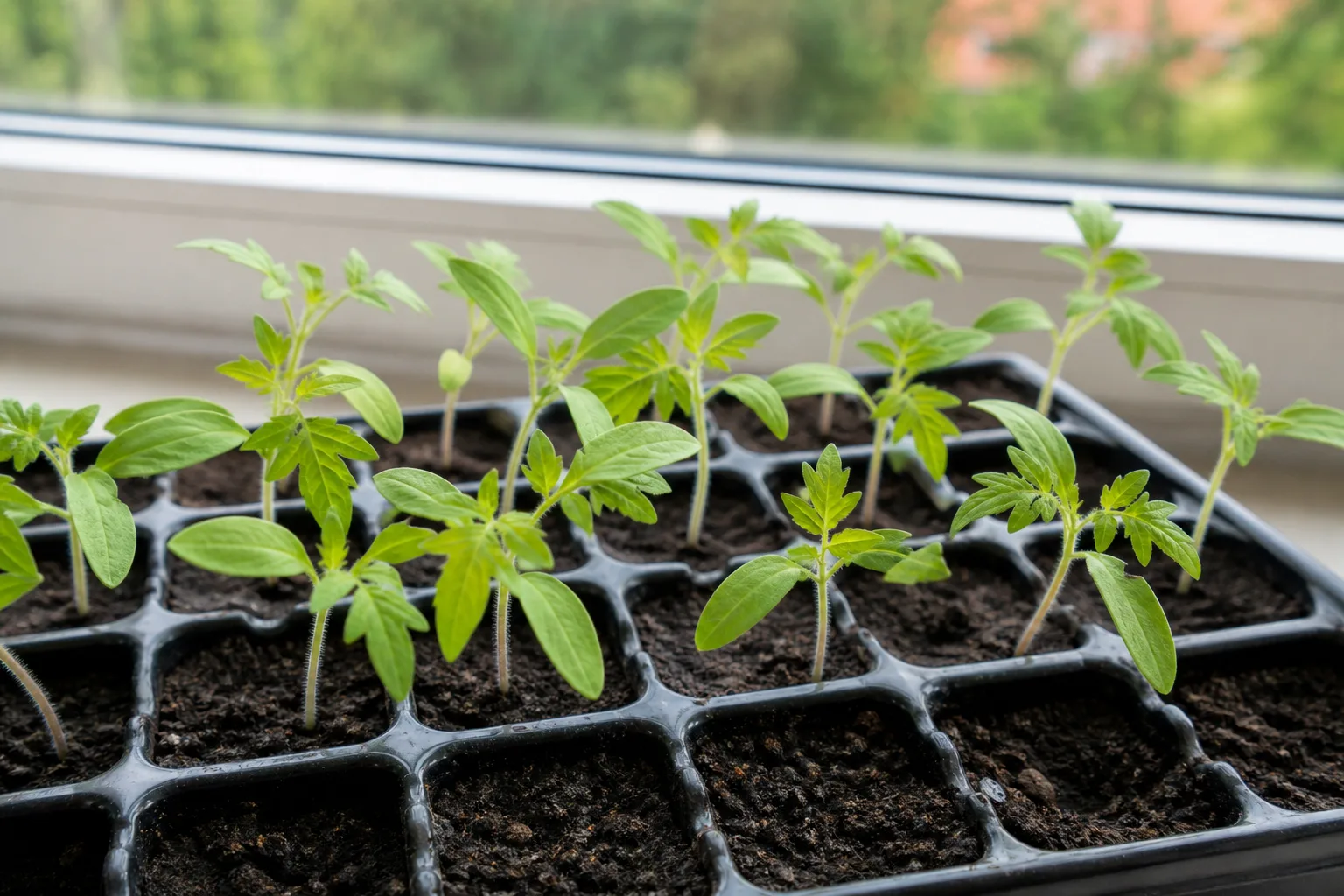
Feed the soil before reaching for a fertilizer bag
The old advice to feed a vegetable garden is sound; the old habit of feeding every garden with the same product is not. Plants need nutrients, but a fertilizer bag cannot tell you what is already in your soil, whether the pH makes a nutrient available, or whether the crop is actively growing.
Start with organic matter and a soil test, not a stronger scoop. Mature compost can improve structure and water-holding capacity, but it is not a guaranteed balanced fertilizer. Penn State Extension explains that excess nutrients from compost, manure, or fertilizer can wash into waterways, and that “more” is not automatically better (Penn State Extension on soil fertility).
Is 5-10-5 right for every garden?
5-10-5 is a reasonable general-purpose formulation, not a universal prescription. The three numbers represent the percentage by weight of nitrogen, phosphorus, and potassium, in that order. Penn State lists 5-10-5 and 5-10-10 among formulations suitable for general lawn and garden use, while also emphasizing that a soil test should guide whether fertilizer is needed and which nutrients to apply.
A 5-10-5 product supplies relatively more phosphorus than nitrogen or potassium. That may be appropriate in one soil and unnecessary in another. If your soil already has adequate or high phosphorus, adding more can create an imbalance without making tomatoes, lettuce, or flowers healthier. A low-nitrogen crop may need a different approach from leafy greens, and a fruiting crop may change its nutrient demand as the season progresses.
Use fertilizer numbers as a starting point
Read the entire label, not just the three numbers. Compare the application rate, whether the product is granular or liquid, whether it is slow-release, and whether it is intended for vegetables. Keep fertilizer off stems and foliage unless the label specifically allows foliar use, water granules into the soil as directed, and never increase the dose because a plant looks slow for a reason you have not diagnosed.
Penn State Extension recommends using a soil test to determine fertilizer needs; its soil-testing guidance notes that the report connects measured nutrient levels to lime and fertilizer recommendations (Penn State’s soil-testing guidance). If a soil test is unavailable, use the lightest label rate for the crop and observe growth rather than automatically repeating a family recipe twice a year.
Keep water at the root zone and adjust to weather
Watering by calendar can be as misleading as watering by folklore. Sandy soil, raised beds, containers, wind, heat, mulch, plant size, and recent rain all change how quickly the root zone dries. A young seed row may need frequent light attention at the surface, while an established tomato needs a slower, deeper soak that reaches its roots.
Check moisture several inches below the surface with a finger or trowel, especially before watering again after rain. Water the soil, not the leaves, when practical. Early morning is convenient because it lets foliage dry, but the root-zone check matters more than a rigid hour. In very hot weather, a wilted plant may need temporary shade and a moisture check—not repeated watering that leaves the soil saturated.
Mulch helps reduce evaporation and temperature swings, but it is not a reason to stop checking. Keep mulch a few inches away from stems and trunks, because constant wetness against plant tissue creates a different set of problems.
Weed early, shallow, and according to the root system
The most effective old-school weed trick is to remove weeds while they are small. A hoe used just below the soil surface on a dry day can kill annual seedlings before they flower and make more seed. Hand-pulling after rain is useful for small weeds with removable roots, but pulling a large perennial can leave behind crowns or rhizomes that quickly regrow.
Colorado State University Extension recommends a combination of cultural and chemical controls: mulch, mowing, hand-weeding, and cultivation are useful, while herbicides must be chosen after identifying the weed and reading the product label (PlantTalk Colorado on landscape weed control). That is the useful version of “keep the garden clean”: manage the weed’s life cycle rather than trying to sterilize the soil.
The safe answer to bleach-and-vinegar weed-killer advice
Do not mix bleach and vinegar. Vinegar is an acid, and bleach can release dangerous chlorine-containing vapors when mixed with acids or other cleaners. The CDC says never mix household bleach or disinfectants with other cleaners; Poison Control specifically identifies vinegar as an acid that can form chlorine gas with bleach (CDC bleach-safety guidance; Poison Control’s chlorine-gas guidance).
Bleach is also a poor garden herbicide. It is non-selective, can injure desirable plants and soil life, and turns a simple crack weed into a chemical-exposure risk. If a mixture has already been made, do not lean over it or add another ingredient. Leave the area, get fresh air, and contact Poison Control at 1-800-222-1222 for exposure advice if anyone has inhaled fumes or developed coughing, burning eyes, or breathing trouble.
For a weed in a vegetable bed, pull or cut it before seed set. For a sidewalk crack, use a tool designed for the space or a properly labeled product according to its label. If you want to understand the limits and safer placement of vinegar-based spot treatments, see this guide to vinegar, salt, and dish-soap weed control; never combine that kind of spray with bleach, ammonia, or other cleaners.
When mulch beats spraying
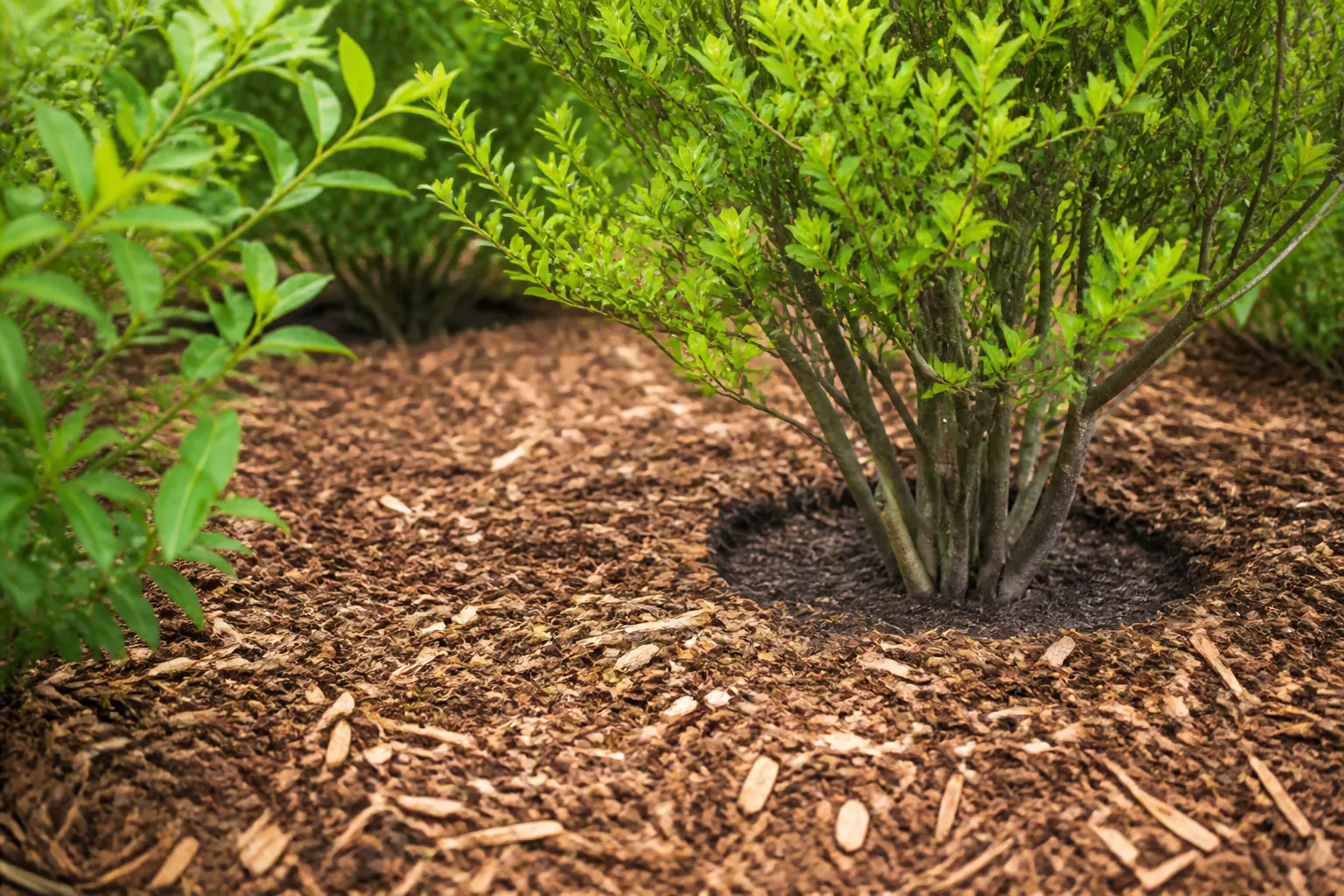
Mulch is most useful where it blocks light and keeps new annual weeds from establishing. Apply a consistent layer appropriate to the material, leave breathing room around stems, and pull existing weeds before covering them. Mulch will not erase a mature perennial, and thin or compacted mulch can become a seedbed of its own.
Spraying is the wrong default when desirable plants are close enough that drift could touch them. If a chemical is justified, identify the weed, use a product labeled for that site and crop, follow the rate and protective-equipment directions, and do not assume that “natural” means selective or harmless. A contact spray may brown the leaves while leaving the roots alive, so repeated top-killing can be less effective than digging, smothering, or changing the bed’s conditions.
Prevent pest problems with barriers and observation
The old habit of walking the garden every day is still one of the best pest tools. Look under leaves, check new growth, and notice whether damage is expanding or staying cosmetic. A few holes in mature leaves may not justify a spray; a line of chewed seedlings, sticky leaves, or a spreading disease pattern deserves faster action.
Start with barriers and habitat changes where they fit: row cover over young crops, collars around vulnerable stems, clean harvest debris, adequate spacing, and a trellis that keeps foliage off wet soil. Hand-pick large pests when practical and use a targeted, labeled treatment only after identifying the problem. Spraying “around” a bed may deter nothing while exposing beneficial insects; preventing access or treating the pest’s actual location is more precise.
If you do use an insecticide or fungicide, read the label for the crop, pest, re-entry interval, harvest interval, and pollinator warnings. Do not apply a product to edible plants simply because an older gardener once used it on ornamentals.
Choose crops you will actually harvest
A productive garden is not the one with the most varieties; it is the one that turns attention into food, flowers, or useful plants. Family gardeners often repeated tomatoes, cucumbers, zucchini, lettuce, beans, or herbs because those crops matched their meals and their available season. That is not a lack of ambition. It is a good allocation of space.
Choose a few dependable crops, then add one experiment. Match the crop to your sunlight, growing season, water access, and the time you can spend harvesting. Zucchini that goes unpicked becomes a chore, while a short row of lettuce sown every two weeks can keep the kitchen supplied without producing a single overwhelming harvest.
This also makes old advice easier to evaluate. A trick that saves time on a crop you grow every year is worth refining; a trick that adds work without improving a harvest is simply tradition, not evidence.
Build a simple weekly routine from these tips
You do not need a complicated system to use the best old habits. Once a week, walk the garden with the seed packets or a notebook nearby and make decisions in this order:
- Check moisture at the root zone before turning on irrigation.
- Thin crowded seedlings to the spacing you want at maturity; snip fragile-rooted crops.
- Pull or hoe young weeds before they flower, then refresh thin mulch where it is needed.
- Inspect leaves and stems for expanding pest or disease damage before choosing a treatment.
- Record what worked: sowing date, germination, fertilizer application, rainfall, and harvest.
That last step is the part many garden stories leave out. A note that “5-10-5 helped” is less useful than “5-10-5 was applied after a soil test, at the label rate, in a bed with pale leafy growth.” A note that “extra seeds worked” becomes useful when it also records the crop, seed age, thinning date, and final spacing.
Which old gardening advice should you retire or update?
Retire any advice that treats a product as harmless because it is common in a kitchen or laundry room. Bleach, vinegar, ammonia, and concentrated acids do not belong in improvised garden mixtures. Keep vinegar-based weed treatments, if you use them at all, limited to appropriate non-crop spaces and separate from every cleaner.
Update the idea that one fertilizer ratio is best. 5-10-5 can be a reasonable general product, but soil tests and crop needs are more informative than a universal schedule. Update “plant as many seeds as possible” to “sow extra where germination is uncertain, then thin deliberately.” Update “water every day” to “check the root zone and respond to weather.”
Keep the habits that improve observation: walk the rows, mulch bare soil, remove young weeds, save seed notes, harvest often, and feed the soil without overloading it. Those habits worked for older generations because they matched how plants grow—not because every old recipe was safe or every old rule applied to every crop.
Conclusion
The most reliable old-school gardening tips are really decision rules: sow extra only when you can thin, orient large seeds when it is easy but prioritize correct depth, test soil before committing to 5-10-5, water the root zone instead of following a clock, and remove weeds while they are young. Observation turns each rule into a useful practice rather than a superstition.
The one rule to remember without qualification is the safety rule: never mix bleach with vinegar or any other cleaner. Keep the good parts of family gardening wisdom, update the parts that need evidence, and let your own notes become the next generation’s useful advice.



