How to Grow and Care for a Satsuma Orange Tree
Learn how to grow satsuma orange trees in pots or the ground, choose a cultivar, manage water and fertilizer, protect roots from freezes, and pick ripe fruit.
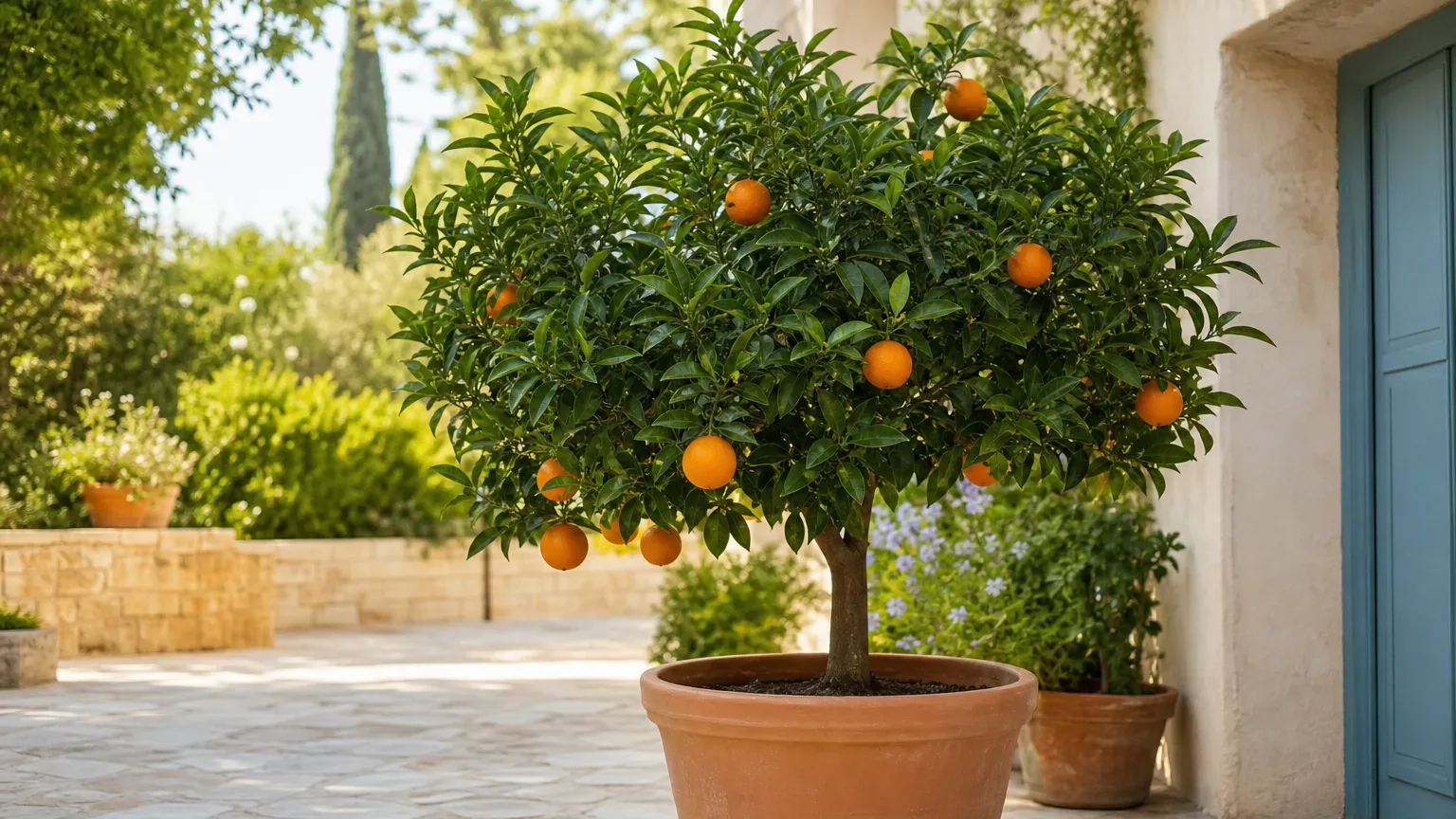
A satsuma can be a practical citrus tree for a gardener who wants fresh fruit but cannot provide a frost-free climate for lemons or sweet oranges. Its reputation for cold hardiness is useful, but it is not a promise that every tree will survive every freeze: a young planting, a tree still carrying fruit, and a potted root ball face different risks.
Start with two decisions: whether your winters allow an in-ground tree with protection, and whether you can give the tree full sun and fast drainage. Then choose a grafted cultivar suited to your local harvest window. Those choices prevent more problems than a complicated fertilizer schedule or frequent pruning.
Check whether your climate suits an in-ground satsuma
The satsuma mandarin, Citrus unshiu, is among the most cold-tolerant citrus grown for edible fruit. UF/IFAS reports that mature, dormant trees have survived minimum temperatures around 14°F to 18°F in parts of northern Florida, northern California, and southern Alabama without serious injury. That range describes specific mature, acclimated trees and conditions; it is not a temperature at which every satsuma is safe. UF/IFAS’s satsuma mandarin guide explains the regional limits and cultivar differences.
A minimum reading alone does not predict damage. How long the cold lasts, whether the tree hardened gradually, whether it was actively growing, and whether the night is clear and calm all affect how cold the leaves and fruit become. UGA Cooperative Extension notes that young citrus is less cold-tolerant than established trees, fruit can freeze after several hours in the mid-to-upper 20s°F, and tissue temperature can fall below the air reading on a clear, still night. UGA Extension’s citrus cold-protection guidance is a useful reminder that tree survival and fruit survival are separate questions.
In practical terms, an in-ground satsuma is easiest in a warm, sheltered part of the Gulf Coast and other mild-winter regions. Gardeners in a colder zone can sometimes grow one with a protected microclimate and a plan for severe freezes, but repeated hard freezes, a frost pocket, or a young tree exposed to wind can make a large container the safer choice. In Zone 7, treat success as a protection project rather than a zone-label guarantee.
Choose a cultivar and rootstock before buying
Buy a named, grafted tree from a citrus nursery or garden center that can identify both the cultivar and rootstock. A grafted plant gives you the fruit characteristics of the named cultivar and generally bears sooner and more predictably than a seedling. Ask whether the tree is on a dwarfing rootstock if you want a container plant, and whether that rootstock is appropriate for your soil and local cold pattern.
‘Owari’ is a widely available, dependable choice with a mid-to-late fall crop and a spreading, drooping canopy. ‘Brown Select’ is also common and tends to be less weeping; UF/IFAS describes it as maturing about two weeks ahead of ‘Owari’ in Florida. ‘Early St. Ann’ is a better fit when an early harvest matters, while ‘Silverhill’ is noted for sweet fruit and a more upright habit. ‘Kimbrough’ produces larger fruit and may have a small cold-hardiness advantage over ‘Owari’, but a one- or two-degree difference is not a substitute for a good site and freeze plan. UF/IFAS compares satsuma cultivars and rootstocks.
Cultivar dates shift with climate, rootstock, crop load, and the season. LSU AgCenter also lists ‘Owari’, ‘Brown Select’, ‘Kimbrough’, ‘Louisiana Early’, and ‘Early St. Ann’ among varieties grown in Louisiana, and notes that different maturity dates can stretch the harvest season. Choose cultivars proven locally rather than buying a variety solely because its label promises exceptional cold tolerance. LSU AgCenter’s satsuma overview offers a regional reference.
Choose a sunny site with drainage and wind shelter
Give the tree the brightest open location available, ideally with at least six to eight hours of direct sun. Morning-to-afternoon sun supports flowering and helps the canopy dry after rain. A fence or building can reduce winter wind, but avoid deep shade and do not tuck the tree into a low spot where cold air and water collect.
Drainage matters as much as fertility. Satsumas do best in soil that drains promptly after rain and is slightly acidic to neutral; heavy soil that remains saturated can suffocate roots even if the surface looks dry. LSU AgCenter describes productive satsumas in sunny, well-drained, loamy soil with organic matter, while UGA’s North Georgia home-growing account shows why clay soil needs careful drainage planning. If your yard stays wet, plant on a broad raised mound or choose a pot rather than digging a narrow hole and filling it with a very different mix.
Allow room for the mature canopy and access for harvesting. Satsuma branches naturally spread and droop, so a planting squeezed against a walkway or fence will require more corrective pruning and may put fruit against the ground. Keep lawn, mulch, and groundcover from pressing against the trunk; a clear trunk base makes suckers, graft problems, and bark damage easier to notice.
Plant a grafted tree at the right depth
Plant in spring after the risk of hard frost has passed and before the hottest part of summer, so roots have time to establish. In climates with a mild autumn, local extension guidance may allow a different planting window, but avoid making a young tree cope with an imminent freeze or heat wave. Water the nursery tree thoroughly before planting so its root ball is evenly moist.
Use this sequence:
- Dig a hole two to three times as wide as the root ball, but no deeper.
- Remove the container and loosen circling roots gently; cut only roots that are badly kinked or dead.
- Set the root ball so the top sits level with, or slightly above, the surrounding grade.
- Keep the graft union clearly above the soil line. Backfill with the excavated soil rather than creating a rich pocket that drains differently from the surrounding ground.
- Water slowly to settle soil around the roots, then add a thin mulch layer while keeping it several inches from the trunk.
A tree that sinks after planting can end up with a buried trunk or graft union, a frequent cause of decline in wet conditions. Stake only if wind or a loose root ball makes it necessary, and remove the stake once the tree is stable. Do not put fertilizer in the planting hole; let the tree settle in before you begin feeding.
Water by root-zone moisture, not a fixed calendar
During establishment, the goal is to keep the original root ball and nearby soil consistently moist but never waterlogged. Check several inches below the surface with a finger or trowel; if that zone is drying, water slowly enough to soak the root ball. A recently planted tree may need checks every few days in hot, windy weather, while cool or rainy weather calls for less frequent watering.
Once roots have spread into surrounding soil, water deeply during prolonged dry spells rather than giving small daily drinks. The top layer can dry between waterings, but the deeper root zone should not be allowed to stay bone dry during flowering, fruit set, or fruit enlargement. A thick lawn can compete strongly for water, so maintain a mulched, weed-free circle under the canopy.
Containers dry faster and need a separate routine. Check the potting mix rather than using the in-ground schedule: water thoroughly when the upper couple of inches have begun to dry, and let excess water drain from the base. Empty any saucer after watering. In winter, a cool, low-light tree uses less water, so wait longer between waterings; constantly wet winter mix is a common route to root decline.
Feed for steady growth and stop before winter
Citrus needs nutrients to support evergreen leaves, flowering, and fruit, but more fertilizer does not mean more satsumas. A useful starting point is a fertilizer formulated for citrus, applied at the rate and schedule on its label and adjusted to the tree’s age, size, and local extension guidance. Where available, a soil test helps distinguish nutrient shortage from high pH, poor drainage, or root damage.
Newly planted trees need time to re-establish their roots before receiving a full feeding. Once growth resumes, divide the seasonal amount into smaller applications rather than applying one large dose. In a Florida research planting, UF/IFAS used a nitrogen-containing citrus blend with micronutrients at intervals during the warm growing season; that production program illustrates split feeding, but its commercial rates should not be copied automatically for a backyard tree. UF/IFAS’s satsuma trial and cultivar information is regional research, not a universal home-garden fertilizer prescription.
Avoid late-season nitrogen that pushes soft new growth just before cold weather. If leaves pale, do not immediately add a handful of fertilizer: first check soil moisture, root health, and soil pH. A satsuma growing in alkaline soil can show yellowing from unavailable nutrients even when nutrients are present, so test before trying to correct the soil.
Prune to protect fruit and keep a sound framework
Satsuma pruning is mainly about clearance, structure, and removal of damaged wood. The low, drooping habit can put fruit on the ground, where it is harder to keep clean and more likely to be damaged. After the danger of frost has passed, remove dead or broken branches, branches that rub, and the lowest limbs that repeatedly touch the ground.
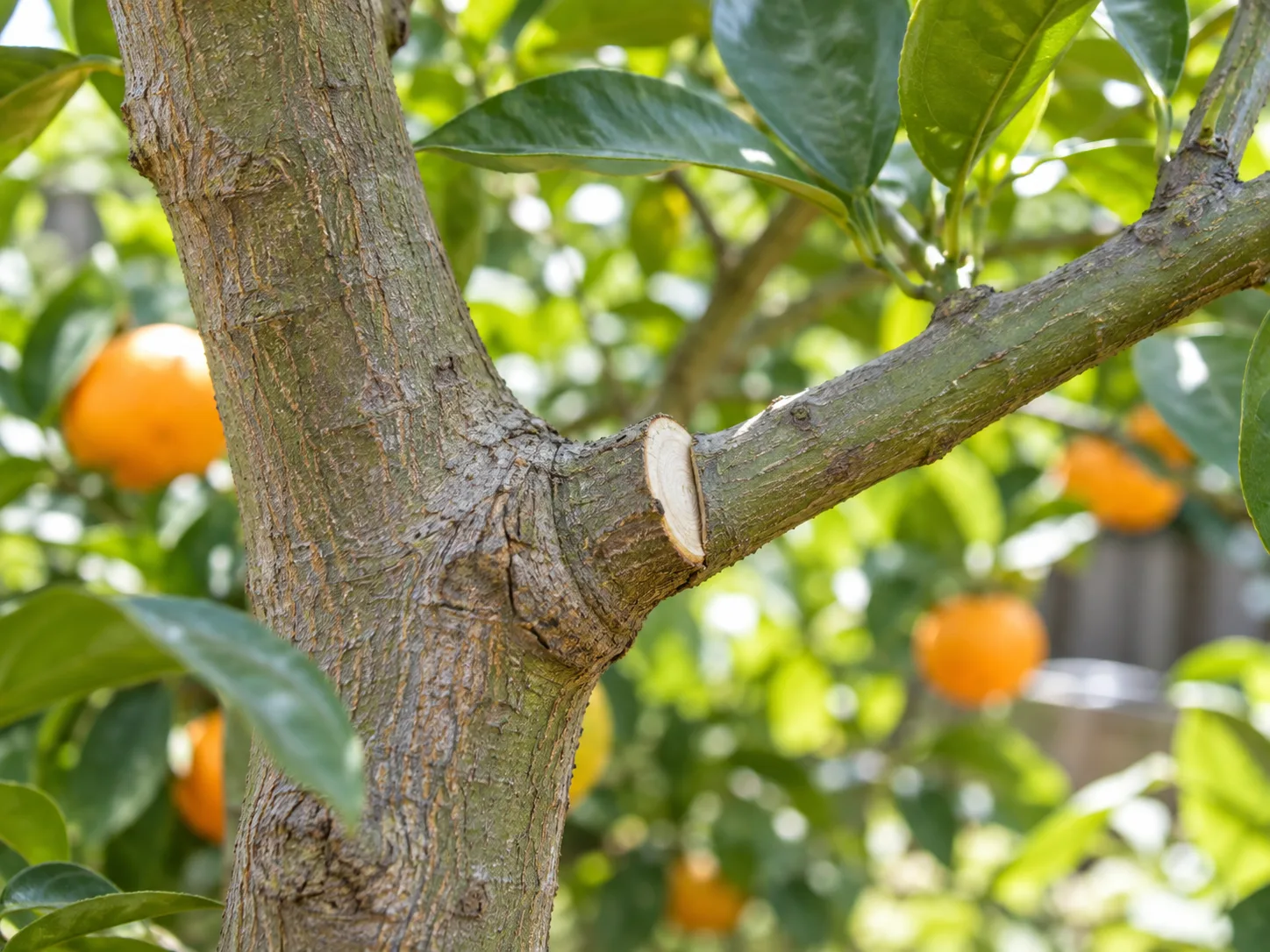
Look for shoots rising from below the graft union and remove them at their point of origin; those are rootstock growth, not the named satsuma cultivar. Keep a few well-spaced scaffold branches and avoid shearing the whole canopy into a tight ball. Heavy pruning removes productive leaf area, exposes shaded bark to sun injury, and can trigger a flush of vegetative growth at the expense of fruit.
If a cold snap has damaged branches, wait until the extent of injury is clear and new growth begins before making major cuts. Brown tips can continue to die back after the freeze, so pruning immediately may remove living wood. Disinfect tools between trees when you have reason to suspect disease, and make clean cuts just outside the branch collar rather than leaving long stubs.
Protect young trees, fruit, and potted roots from freezes
Cold protection should match the tree’s age and what you want to save. A mature, fully dormant tree may survive a temperature that destroys fruit, kills new growth, or badly injures a young tree. UF/IFAS reports survival for mature dormant trees in a regional range near 14°F to 18°F, while UGA Extension notes that satsuma fruit is vulnerable in the mid-to-upper 20s°F when cold lasts for hours. Use these as risk signals, not a promise that a particular tree can safely reach those temperatures.
Before a forecast freeze, harvest fruit that is mature enough to use, especially if a prolonged freeze is expected. Water dry soil earlier in the day, not at the last minute, because a hydrated plant and a dry root zone behave differently from a drought-stressed one. Do not fertilize or prune heavily just before cold weather; both can encourage tender growth or remove protective canopy.
For a young in-ground tree, cover the canopy with frost cloth or a breathable blanket that reaches the ground and is secured against wind. Add a soil bank or trunk wrap only if your local extension service recommends it for your age of tree and climate, and remove seasonal soil mounds after the freeze danger has passed. Extension recommendations differ by region: UGA describes banking clean soil about 15 inches high for young citrus, while UF/IFAS discusses mounding up to two feet in its Florida guidance. These are temporary regional methods, not a permanent mulch pile against the trunk.
A potted satsuma has less insulation around its roots than one planted in the ground. Move it before a hard freeze to a bright, cool, frost-free place such as a suitable greenhouse, enclosed porch, or unheated sunroom; avoid a dark, hot room where the tree may shed leaves or remain stressed. Container fruit trees are more exposed at the root zone because the pot does not have the ground’s thermal buffer, a practical point also emphasized by Homes & Gardens’ guidance on overwintering fruit trees in pots. If moving a large pot is not possible, cluster it against a sheltered wall and insulate the pot, but do not assume a cover will protect roots through a prolonged severe freeze.
Understand flowers, fruit set, and normal fruit drop
Satsumas are self-fertile and highly parthenocarpic: a flower can develop fruit without another satsuma nearby, and fruit usually has few or no seeds. A single tree is enough for a home harvest. The white spring flowers may be fragrant, but a heavy bloom does not mean every flower will become a fruit.
Some flower and young-fruit drop is normal as the tree balances its crop with its leaf area and root system. A young tree may also flower before it is established enough to carry fruit; letting it grow for the first seasons can produce a stronger framework. Remove blossoms or tiny fruit from a weak newly planted tree if it is clearly struggling, but do not strip a healthy mature tree every spring.
After fruit sets, look for steady leaf growth, even soil moisture, and no recent cold injury. A tree that repeatedly drops most of its fruit may be underlit, drought-stressed, waterlogged, overfed with nitrogen, or carrying too much fruit for its size. Correct the likely stress first; adding another tree will not solve a watering or root problem.
Harvest by flavor and maturity, not color alone
Harvest dates vary by cultivar and region. UF/IFAS gives a broad satsuma maturity season from September through December, with ‘Early St. Ann’ among the earliest and ‘Owari’ generally maturing later. Use the cultivar’s expected window as a starting point, then taste fruit from your own tree rather than relying only on a calendar.
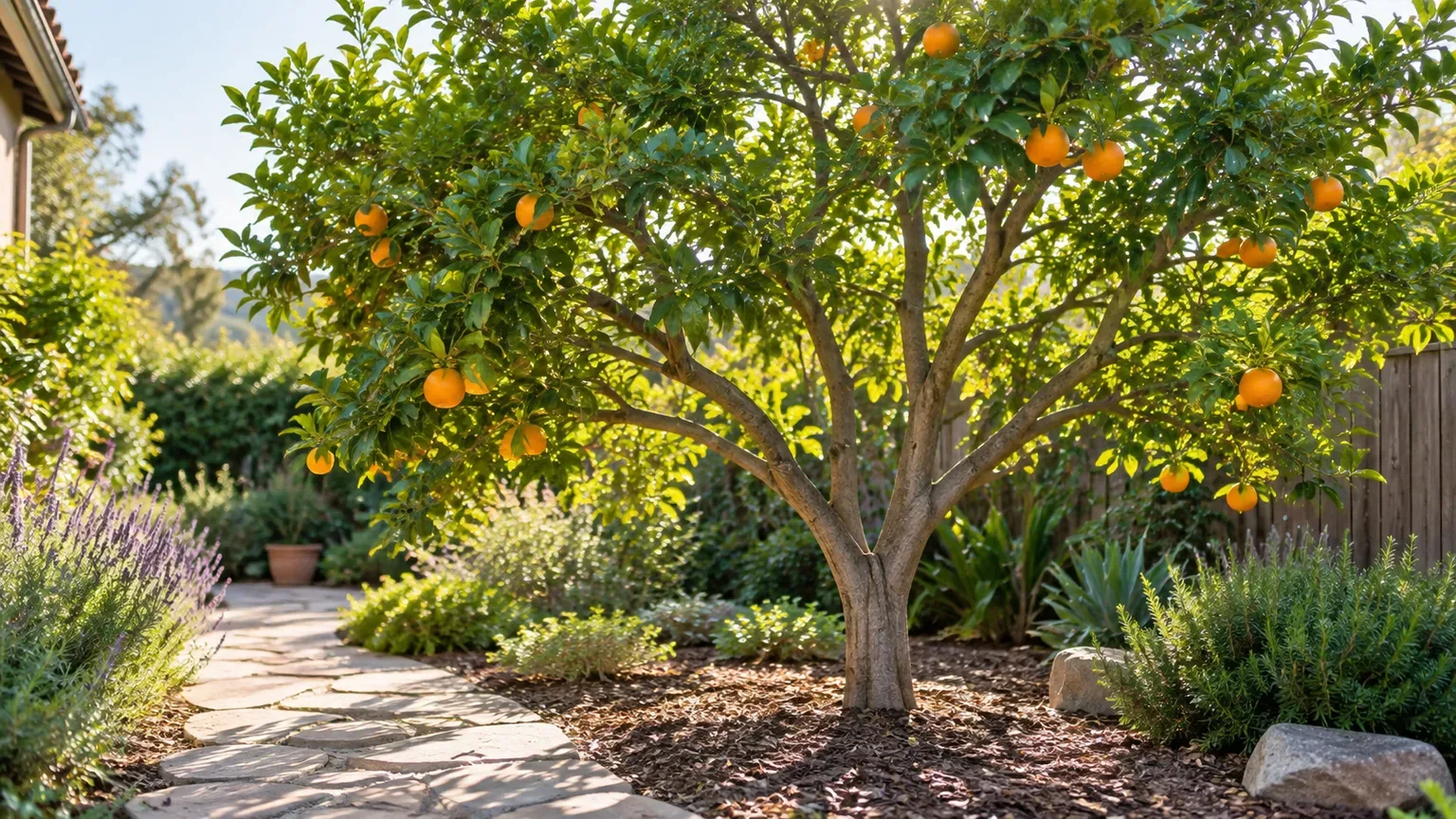
Color is an imperfect ripeness test in humid subtropical areas. Fruit can be fully mature inside while the peel remains partly green, and the rind becomes looser and bumpier as it matures. Pick a sample: a ripe satsuma should be full-sized, juicy, and pleasantly sweet rather than sharply sour. If it tastes underripe, leave the rest on the tree briefly and sample again, unless a freeze is approaching. UF/IFAS explains the difference between internal maturity and peel color.
Cut fruit with clean hand pruners or snips, leaving a short piece of stem. Do not yank or twist it off: the loose rind can tear, and damaged fruit deteriorates quickly. The thin skin also bruises easily, so place fruit gently in a shallow container and refrigerate what you cannot eat soon. Harvest to Table’s mandarin growing guide also recommends clipping the fruit rather than pulling it from the branch.
Grow a satsuma in a container when winter is marginal
A pot is the more flexible option if you have a bright outdoor patio in summer and a protected winter location. Choose a grafted tree on a manageable rootstock and a sturdy container with generous drainage holes. A larger pot holds moisture more evenly, but an oversized pot filled with wet mix can stay cold and saturated; move up gradually as the root ball fills the container.
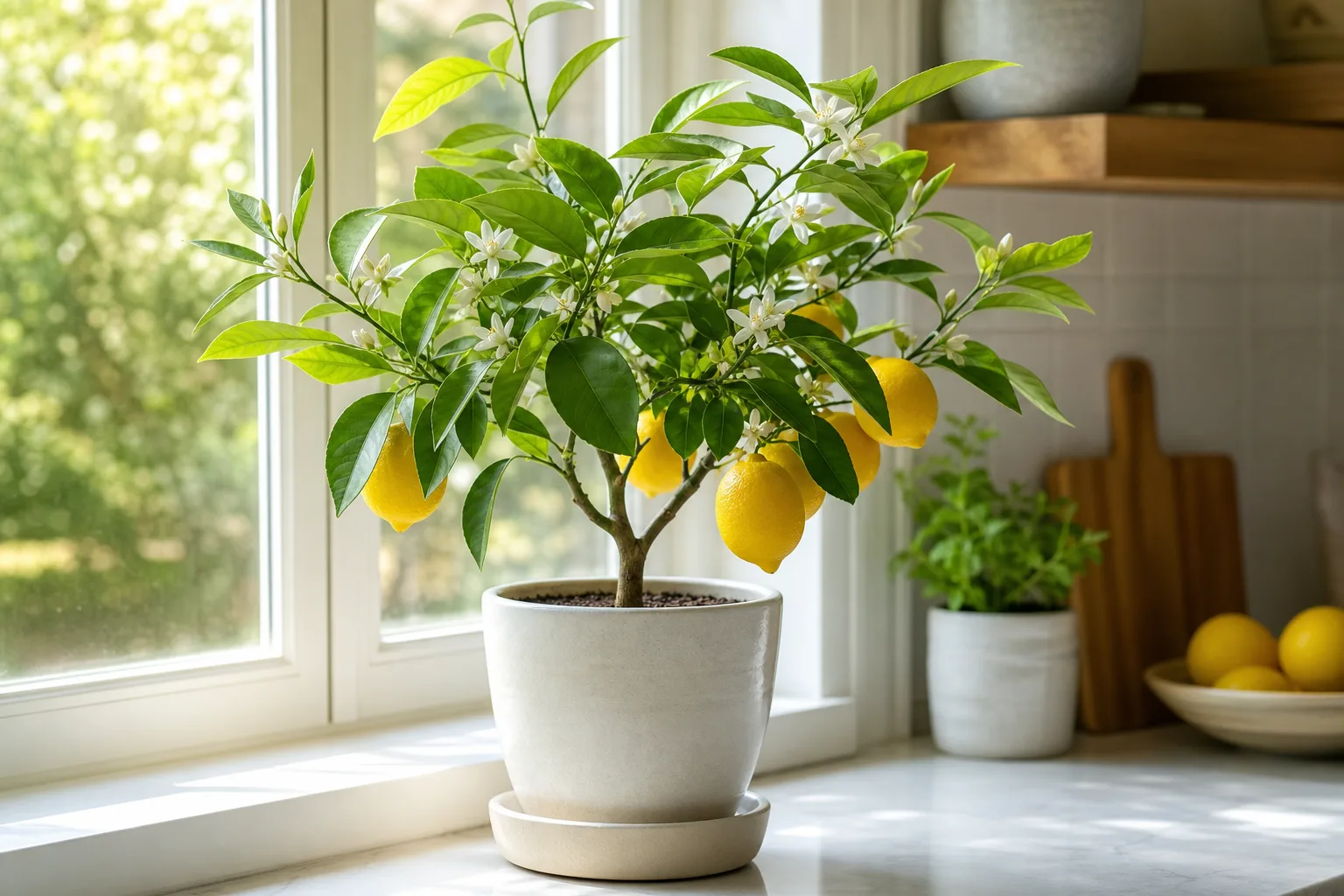
Use a free-draining citrus potting mix rather than garden soil. Set the pot where the tree can receive strong direct light, then move it outdoors gradually in spring so sun and wind do not scorch leaves that have grown in protected conditions. In fall, bring it into shelter before a damaging freeze, but do not rush it into a heated living room while mild outdoor nights are still safe.
The trade-off is workload. A potted tree needs more frequent moisture checks in warm weather, careful winter watering, and eventual repotting or root management as it grows. RHS guidance for container citrus recommends avoiding pots far larger than the root ball, allowing excess water to drain, reducing watering in winter, and repotting when roots begin to emerge from drainage holes. These general citrus practices help manage a satsuma too, although the plant’s cold tolerance differs from that of tender lemons and limes. RHS citrus growing guidance covers potting, watering, feeding, and winter care.
If you need to keep the tree small, choose a dwarfing rootstock and prune lightly for access rather than repeatedly cutting the roots. A container satsuma will usually produce a smaller crop than a well-established in-ground tree, and a mature pot can become too heavy to move without a wheeled caddy. Plan the winter route and indoor space before choosing the final pot size.
Diagnose common satsuma problems before treating
A satsuma that looks unhealthy is not automatically short of fertilizer. Start by noting which leaves are affected, whether the soil is wet or dry below the surface, what changed recently, and whether the symptoms appear on one branch or across the tree. That quick check helps distinguish a root-zone issue from pests, cold damage, or a nutrient problem.
Inspect the trunk, graft union, leaf undersides, new shoots, and fruit. Record whether the tree was recently moved, repotted, pruned, fertilized, or exposed to a freeze. If damage is spreading or the cause is unclear, photograph the pattern and ask a local extension office to help identify it before applying a pesticide or fungicide to a food crop.
Yellow leaves: check moisture and soil pH first
Yellow leaves can follow overwatering, drought, root injury, cold stress, or nutrient unavailability. If the soil is wet several inches down and the tree is losing older leaves, pause irrigation and check that water drains from the site or pot; adding fertilizer to waterlogged roots will not solve the problem. If the soil is dry, water deeply and then adjust the interval to weather and root-zone moisture.
If leaves are pale but the veins stay noticeably greener, test soil pH and review the tree’s fertilizer history before adding iron or other nutrients. Citrus in alkaline soil may be unable to take up some nutrients even when the soil contains them. Correct the cause indicated by a test rather than changing several things at once.
Flower or fruit drop: look for stress and crop load
A small amount of drop after bloom is normal, but widespread drop often follows a sharp change in conditions. Check for a cold night during bloom, a dry spell, standing water, recent root disturbance, deep shade, or a vigorous flush after heavy nitrogen feeding. These stressors can interrupt fruit set even when the tree has pollinated successfully.
A young or newly planted satsuma may also be carrying more fruit than its roots can support. Remove some fruit from a weak tree and keep its watering steady rather than adding fertilizer in hopes of forcing a larger crop. If the leaves and branches are healthy and only a few tiny fruitlets fall, allow the tree to thin its crop naturally.
Scab, scale, and leaf pests: inspect before spraying
Citrus scab causes raised, rough, wart-like lesions on leaves, twigs, and fruit. UF/IFAS notes that it may spoil the rind’s appearance without usually harming the edible flesh. Keep the canopy open enough for airflow, remove badly affected fallen material, and confirm the diagnosis before considering a treatment.
Scale insects and mealybugs often appear as fixed bumps or cottony clusters on stems and leaf undersides; aphids cluster on tender new growth, while mites can leave fine stippling. A sticky surface may be honeydew from sap-feeding insects. Photograph the affected area and identify the pest first; if treatment is needed, use only a product labeled for that pest and edible citrus in your location, following its label exactly.
Propagate only if you accept a long wait and variation
A seed-grown satsuma is a fun experiment, not the best way to reproduce a named cultivar. Satsuma fruit are often seedless, and a seedling may take years to bear while producing fruit unlike the parent. Seedlings can also be more variable in growth and cold response than a nursery tree with a known cultivar and rootstock.
Most commercial satsumas are grafted because grafting combines the desired fruiting cultivar with a root system selected for traits such as size, soil fit, or cold tolerance. Semi-ripe cuttings can root, but a cutting does not give you the same rootstock benefits and may grow differently in a difficult site. If dependable fruit is the goal, buy a grafted tree from a reputable nursery and check the graft union before planting. RHS’s citrus guide also notes that grafted citrus generally fruits earlier than seed-grown plants.
Conclusion
Satsuma success comes from matching the tree to the winter you actually get. Plant a grafted cultivar in full sun and well-drained soil, water according to the root zone, feed during active growth, and protect young trees and potted roots before severe cold. Harvest by sampling and clipping fruit, not by trusting peel color or pulling fruit from the branch.
If your yard has repeated hard freezes or poor drainage, grow the tree in a movable container and plan its winter shelter before it gets large. If you have a mild, sheltered site, an in-ground satsuma can become a long-lived fruit tree with modest pruning and a more reliable crop as it matures.



