How to Grow and Care for Common Foxglove
Learn how to grow common foxglove: biennial lifecycle, light and soil needs, best cultivars, seed propagation, toxicity safety, and fixes for missing blooms.
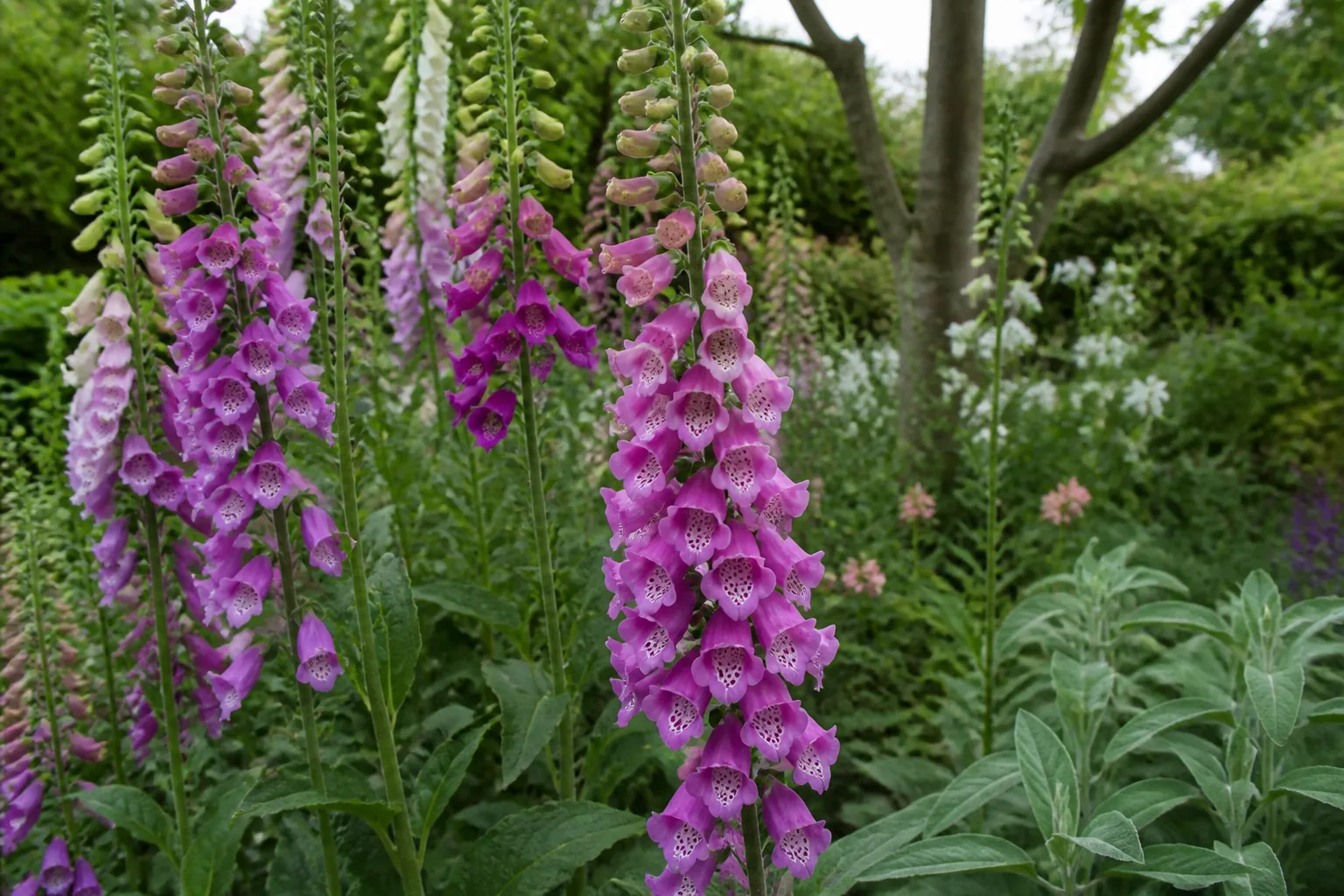
Common foxglove (Digitalis purpurea) is one of those plants that looks effortless in a cottage border—tall spires of tubular pink, purple, or white flowers humming with bees—yet quietly punishes gardeners who treat it like a standard perennial. It is a biennial with serious toxicity, specific drainage needs, and a two-year rhythm that explains most “why didn’t it bloom?” emails. Get the lifecycle and safety rules right first; the rest of foxglove care is straightforward.
What Common Foxglove Is (and Why It Confuses Gardeners)
Digitalis purpurea is a clumping herbaceous plant in the plantain family (Plantaginaceae), native to western Europe and Morocco. Mature flower spikes reach 2 to 5 feet tall with a spread of 1 to 2 feet, bearing downward-facing tubular blossoms marked with speckled throats. Colors run pink, purple, white, cream, yellow, and red depending on cultivar.
The confusion starts at the nursery label. Foxglove is sold beside perennials, self-seeds freely, and can look like it “comes back every year” once a patch establishes. That illusion hides a simple truth: each individual plant follows a two-year schedule, and understanding that schedule prevents you from pulling healthy first-year rosettes or expecting instant blooms from seed.
NC State Extension notes that D. purpurea is a biennial that sometimes behaves like an annual or short-lived perennial—especially in mild coastal climates or with modern first-year-bloom cultivars. Do not let label inconsistency override the biology.
The biennial lifecycle in plain terms
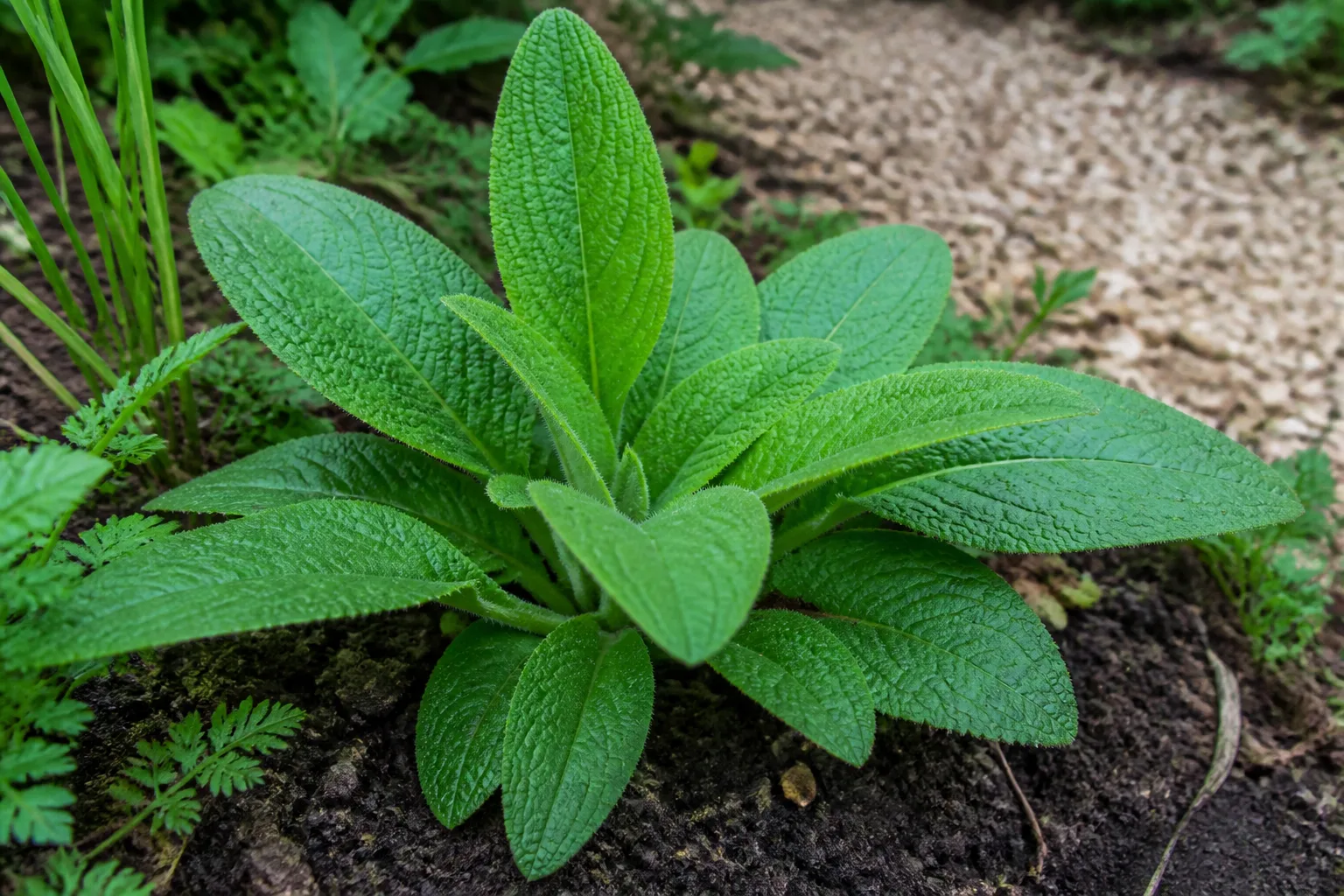
Year one: The plant forms a low basal rosette of large, softly hairy, lance-shaped leaves close to the ground. No flower spike appears. This is normal—not a failure.
Year two: A central stalk rises from the rosette, buds open from bottom to top along a one-sided raceme, and the plant sets seed in rounded capsules that split to release thousands of tiny brown seeds. After flowering, the parent plant dies.
Year three and beyond: New seedlings from self-sowing—or plants you start fresh—carry the display forward. A well-managed patch can flower every summer even though each parent plant is short-lived.
A few modern cultivars (‘Foxy’, ‘Camelot’) are bred to bloom in the first year when started early indoors, behaving more like annuals. Perennial species such as yellow foxglove (Digitalis grandiflora) and hybrids like D. × mertonensis follow different rules entirely—more on that under cultivars and troubleshooting.
Toxicity: What Every Gardener Should Know First
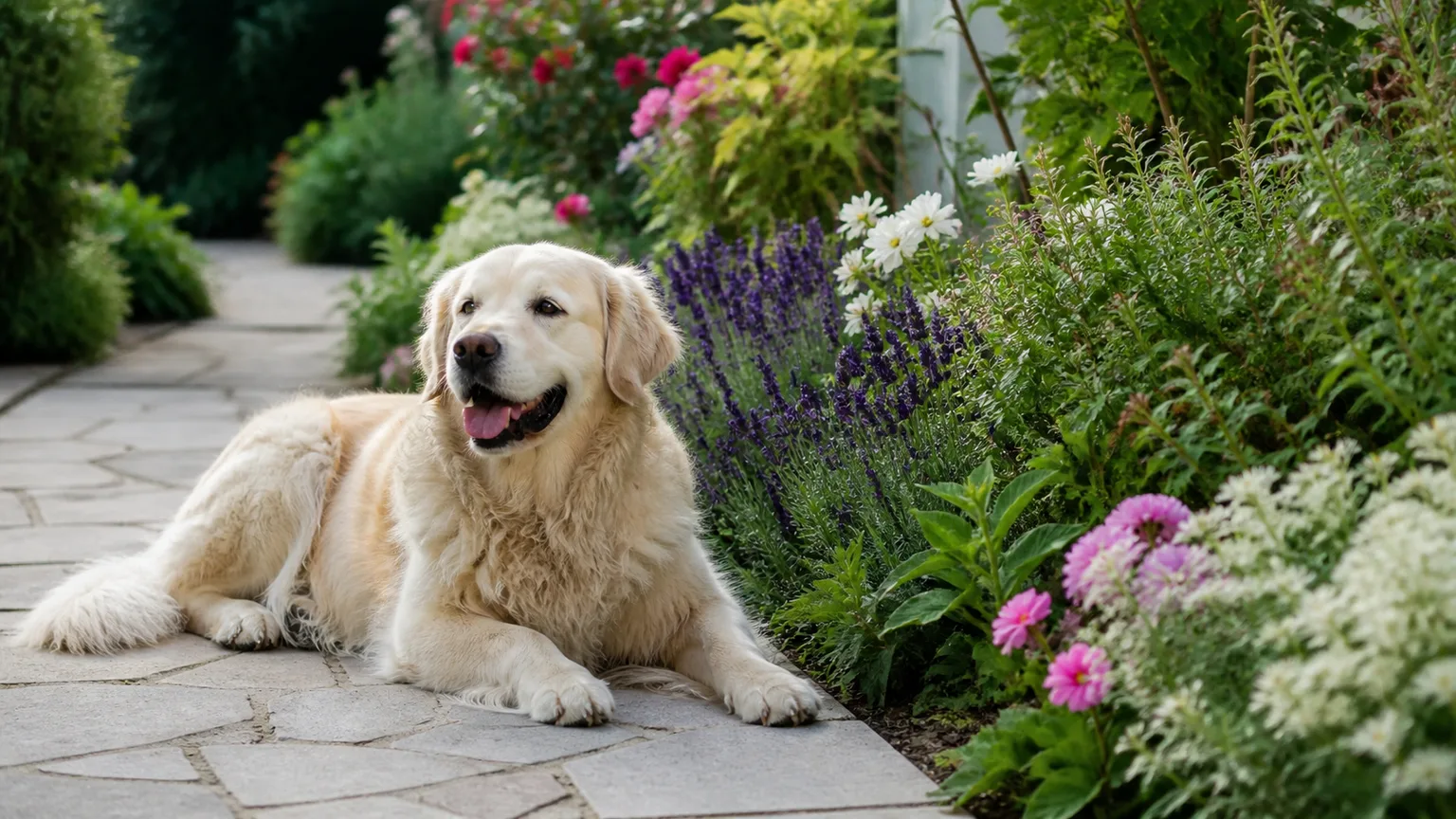
Before you choose a planting spot, treat foxglove as a high-severity poison plant, not a harmless cottage flower. NC State Extension classifies D. purpurea poison severity as high. All parts—flowers, leaves, stems, roots, and seeds—contain cardiac glycosides that affect heart rhythm.
The ASPCA lists foxglove as toxic to dogs, cats, and horses, with clinical signs including vomiting, diarrhea, weakness, cardiac arrhythmias, and potentially death. The National Capital Poison Center documents real cases of adults mistaking foxglove leaves for edible herbs like borage, resulting in emergency-room treatment and digoxin-level monitoring.
Practical safety rules:
- Do not plant foxglove in beds where toddlers, grazing pets, or free-range chickens roam unsupervised.
- Wear gloves when handling plants, collecting seed, or pulling spent stalks. Wash hands afterward.
- Never brew foxglove tea or add leaves to food. The same compounds that became the heart drug digitalis are unregulated and dangerous in plant form.
- If ingestion is suspected—by a person or pet—call poison control (1-800-222-1222 in the U.S.) or a veterinarian immediately. Do not wait for severe symptoms.
If you love the vertical cottage look but need a safer border near play areas, see our guide to toxic plants to avoid for pets and push foxglove toward the back of deep beds where access is limited.
Where to Plant Foxglove
Foxglove earns its keep at the rear of mixed borders, along fences, in woodland edges, and in cottage garden schemes where height and soft color matter. It tolerates part shade better than many sun-loving perennials, which makes it valuable on the east side of structures or under deciduous trees that leaf out after spring bloom.
Light requirements by climate
Foxglove wants at least a few hours of direct sun daily to build strong flower spikes. Beyond that minimum, tailor exposure to your heat:
- Cool northern zones (roughly USDA 3–6): Full sun is ideal. Six or more hours of direct light produces the stoutest stalks.
- Hot southern zones (7–10): Give morning sun and afternoon shade. Full midday sun in humid heat above 90°F often causes wilting and ratty foliage by midsummer, even with adequate water.
- Coastal Pacific Northwest: Plants sometimes persist as short-lived perennials with extended bloom windows in mild, moist conditions.
If spikes lean or flop, insufficient light is a common cause—along with overcrowding and wind exposure.
Soil, drainage, and spacing
Foxglove prefers moist, well-drained soil high in organic matter with a slightly acidic pH of 5.5 to 6.5. NC State Extension emphasizes that drought stress limits flowering, but saturated winter soil kills roots through crown rot—a tension you manage with drainage, not by guessing.
Work compost into the top 6 to 12 inches of soil before planting. On heavy clay, raise beds or mix in coarse sand and leaf mold to improve percolation. Space plants 18 to 24 inches apart so air circulates between rosettes and spikes; tight spacing invites powdery mildew and aphid buildup.
Foxglove is deer resistant thanks to compounds deer avoid, which makes it useful in unfenced rural borders—though toxicity means deer avoidance is a benefit, not a license to ignore pet safety.
How to Plant Foxglove
You can start from nursery pots or seed. Nursery plants are the faster path to blooms if you buy second-year-ready stock in spring; seed is cheaper and better for filling a long border, but requires patience or early indoor starts.
From nursery containers (spring, after last frost):
- Dig a hole the same depth as the pot and twice as wide.
- Gently loosen circling roots at the bottom.
- Set the plant so the crown sits at soil level—never buried deeply.
- Backfill, firm soil, and water thoroughly.
- Stake at planting time if your cultivar exceeds 3 feet or your site is windy.
From seed outdoors: Direct sow after frost danger passes. Moisten soil, sprinkle seeds on the surface, and do not cover—foxglove seeds need light to germinate. Keep evenly moist for two to three weeks. Thin seedlings to 12–18 inches once they have two sets of true leaves.
Late-summer sowing: Scattering seed in late summer mimics natural self-seeding and produces overwintered rosettes that bloom the following year—often the most reliable biennial rhythm in cold climates.
Watering and Fertilizer
Foxglove likes consistent moisture during the growing season without staying waterlogged. A practical rule: if rainfall delivers less than 1 inch per week and the top 2 inches of soil are dry, water deeply at the base with a drip hose or soaker—avoid overhead sprinkling that keeps foliage wet and encourages fungal spots.
First-year rosettes need steady moisture to size up for next year’s spike. Letting a young plant bake dry for weeks in July often means a short, weak bloom stalk—or none at all.
Fertilizer is rarely necessary in rich garden soil. A 1-inch layer of composted mulch in spring usually supplies enough nutrition. NC State and experienced growers warn that excess nitrogen pushes leaves at the expense of flowers. If a soil test shows severe deficiency, apply a light scattering of slow-release 5-10-5 in early spring of the bloom year, keeping granules off foliage, then water in.
In containers, foxglove is possible in cool climates but risky: pots freeze-thaw cycles and winter wetness rot biennial roots. Treat container foxgloves as experimental unless you can shelter pots from standing water.
Best Foxglove Cultivars and Hybrids
The species D. purpurea has dozens of selections. Read labels for height, bloom year, and hardiness—not just flower color.
| Cultivar / group | Height | Bloom timing | Notes |
|---|---|---|---|
| ’Foxy’ | ~27 in. | First year from seed | Mixed purple, white, pink; good for front of border |
| ’Camelot’ | 28–40 in. | First year (reliable) | Cream, lavender, rose, white tones |
| ’Candy Mountain’ | Tall | Second year (biennial) | Upward-facing pink flowers—easier to see |
| ’Pam’s Choice’ | ~48 in. | Second year | White with burgundy throat |
| ’Excelsior’ hybrids | 4–6 ft. | Second year | Classic tall backdrop colors; best zones 5–9 |
| ’Goldcrest’ | Medium | Second year | Yellow-peach tones |
| D. × mertonensis (Merton’s) | 3–4 ft. | Perennial, 3–4 yr. | Strawberry-pink; cross of D. purpurea and D. grandiflora |
| Digiplexis® hybrids | 2.5–3 ft. | Perennial, long bloom | D. purpurea × Canary Island foxglove; frost-tender in cold zones |
First-year bloom cultivars worth knowing
If you need color this season from seed, start ‘Foxy’ or ‘Camelot’ indoors 8 to 10 weeks before last frost, surface-sow under lights at 59–68°F, harden off, and plant out after frost. Even these cultivars perform best with a chill period; results vary by zone and start date.
Do not expect seed collected from hybrid patches to match the parents. Cross-pollination in the garden produces unpredictable colors and occasionally sterile seed. Buy fresh named seed for consistent results.
Pruning, Deadheading, and Self-Seeding
After lower flowers fade, snipping the top of the spike can sometimes trigger a smaller secondary flush in cool fall weather—but the main show is still that single dramatic raceme.
Deadhead if you want to limit spread: Cut spent spikes to the basal rosette once you have collected seed or decided you have enough volunteers. This keeps the border tidy and redirects energy.
Leave seed heads if you want a self-sustaining patch: Allow a few spikes to mature until capsules brown and begin to crack. Shake seeds into labeled envelopes if you want controlled placement; otherwise let nature scatter them.
Self-seeding is how most cottage gardens maintain foxglove year after year without repurchasing plants. It is not aggressive like mint, but seedlings appear in gravel paths and cracks—edit volunteers in spring, keeping the strongest rosettes at proper spacing.
Propagating Foxglove from Seed
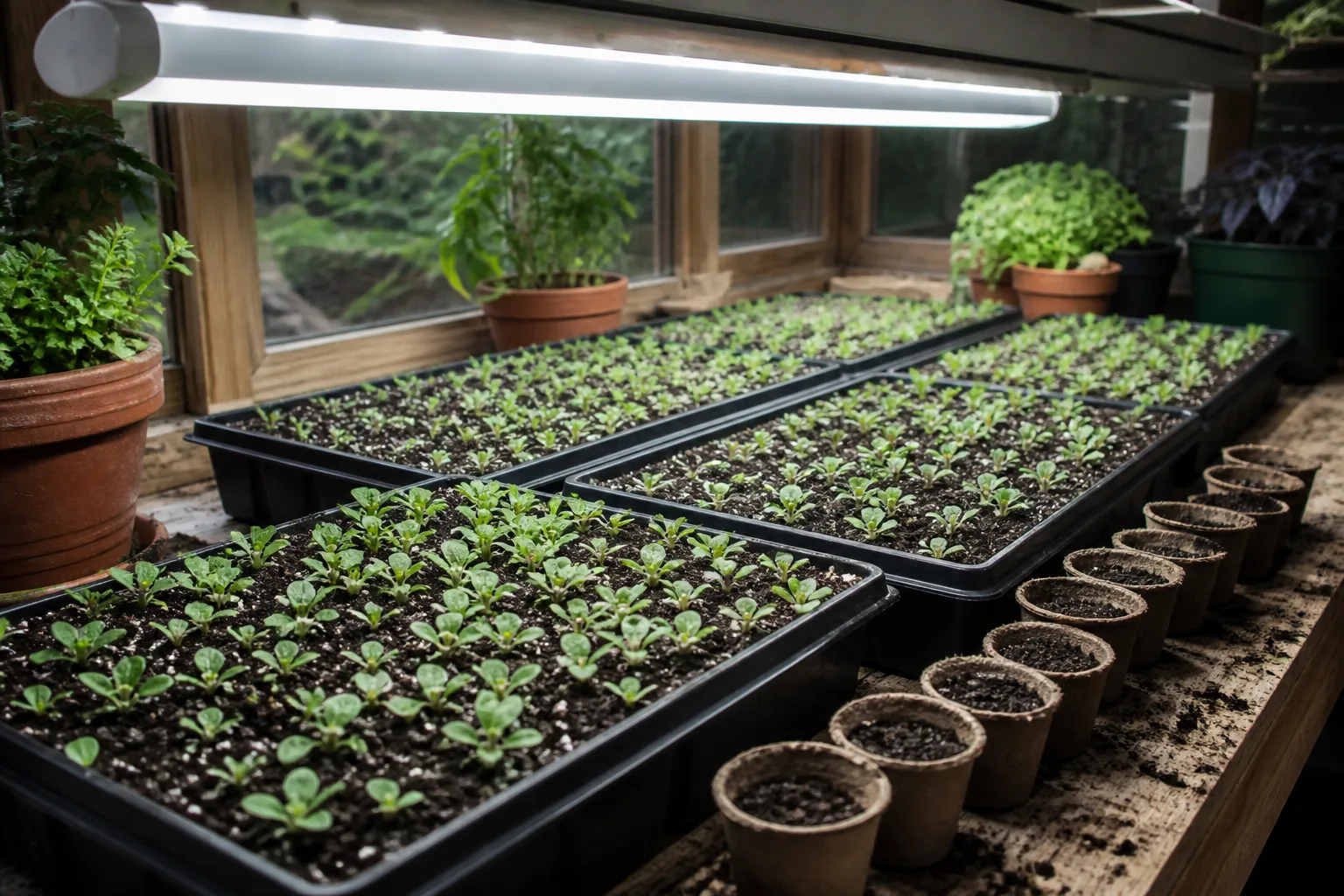
Seed is the standard propagation method for D. purpurea. Collect capsules in mid- to late summer before they shatter, wearing gloves. Shake seeds into paper envelopes and store dry until sowing.
Indoor timeline (biennial bloom next year):
- Eight to ten weeks before last frost, fill trays with seed-starting mix and pre-moisten.
- Press seeds onto the surface; cover lightly with vermiculite or leave bare—light aids germination.
- Maintain 59–68°F under bright light. Mist when the surface dries. Germination typically takes 14 to 21 days.
- Thin or transplant seedlings so each has space; keep evenly moist, not soggy, to avoid damping off.
- Harden off for a week, then plant out after frost danger passes.
Direct sow outdoors in spring or late summer as described above. Late-summer sowing aligns with the plant’s natural clock and often yields the most vigorous second-year spikes in cold-winter regions.
Overwintering First-Year Rosettes
Rosettes that have not bloomed yet need protection where ground freezes hard. After the soil freezes in late fall, mulch with 3 to 4 inches of shredded leaves or straw—not packed against the crown before freeze-up. Remove mulch promptly as soil thaws in spring; smothered, wet crowns rot quickly.
In mild zones, rosettes may stay evergreen and require little more than a light compost top-dressing. Avoid piling winter mulch on poorly drained soil; that combination is the most common killer of first-year plants.
Pests, Diseases, and Crown Rot
Foxglove is relatively trouble-free when spaced and drained well. Watch for:
- Aphids and mealybugs on new growth—blast with water or use insecticidal soap for heavy infestations.
- Japanese beetles inside tubular flowers—handpick in morning hours.
- Slugs on young rosettes—beer traps or iron phosphate baits near seedlings.
- Powdery mildew and leaf spot in humid, crowded beds—increase spacing, remove affected leaves, improve air flow.
- Crown rot in wet soil—plants collapse at the base and cannot be saved; discard and improve drainage before replanting.
Preventive habits matter more than sprays: buy healthy stock, rotate planting areas if disease recurs, and never let winter mulch sit on soggy soil.
Getting Foxglove to Bloom
Bloom timing depends on which year your plant is in and which cultivar you grow.
Typical biennial schedule: No flowers in year one; major bloom in late spring to summer of year two, opening sequentially from bottom to top over several weeks. Flowers carry a light, sweet scent—subtle unless you plant in mass.
Encouraging stronger spikes:
- Site with adequate sun for your zone.
- Maintain even moisture—drought during rosette year weakens the spike.
- Avoid high-nitrogen fertilizer.
- Stake tall cultivars before storms arrive.
First-year bloom exceptions: ‘Foxy’, ‘Camelot’, and some treated nursery stock flower in year one when started early or grown under controlled conditions. If you purchased a plant that blooms immediately, enjoy it—but know it may still set seed and die back like any biennial after its show.
Using Foxglove in the Landscape
Foxglove solves specific design jobs:
- Vertical backbone at the back of perennial borders behind lower campanulas, hardy geraniums, and catmint.
- Cottage and pollinator gardens where bees and hummingbirds work the tubular flowers.
- Partial-shade woodland edges with ferns and hostas in front.
- Moon gardens using white cultivars like ‘Pam’s Choice’ that glow at dusk.
- Deer-pressured yards where toxic, deer-resistant spikes replace ravaged tulips.
Pair with plants that cover foxglove’s shabby midsummer decline—daylily foliage, ornamental grasses, or bushy nepeta in front. Because each plant dies after seeding, plan for continuous self-seeding or annual spot replacements so gaps do not appear.
Foxglove is a poor choice for cutting gardens frequented by children, pet runs, herb beds where leaves might be mistaken for greens, or narrow foundation beds along walkways where brushing against foliage is likely.
Common Foxglove Problems
No flower spike, only a rosette: Almost always a first-year plant. Leave it in place. If you started from seed last year and still see only leaves, check whether drought or deep shade limited growth. Next spring should bring the spike.
Plant bloomed last year and returned weakly without flowers: Common biennials sometimes linger a third year without a real show. Remove these stragglers and let self-sown replacements take over.
Shabby, brown lower leaves in July heat: Normal in hot summers. Cut the spent spike to the rosette; secondary blooms may appear in fall in cool zones, or pull the plant if the display is finished and you have replacements coming.
Seedlings everywhere: Expected if you left seed heads. Pull extras in early spring when rosettes are thumb-sized—easier than managing full-grown volunteers later.
Confusion with perennial foxglove: True perennial yellow foxglove (D. grandiflora) bears solid yellow flowers without speckled multicolor throats typical of D. purpurea. D. obscura offers orange-yellow tones on a drought-tolerant short perennial. Do not pull these thinking they are “done” biennials.
Conclusion
Common foxglove rewards gardeners who respect its two-year rhythm and toxicity upfront. Plant in moist, well-drained, slightly acidic soil; give morning sun with afternoon shade in hot climates; water steadily without waterlogging; and choose cultivars based on whether you need blooms this year or next. Let self-sowing maintain the patch, or deadhead for tighter control. Wear gloves, keep plants away from pets and children, and identify perennial species before you rip out “finished” stalks. Master those decisions and foxglove becomes one of the most dramatic, low-drama vertical flowers in the cottage garden—tall spires that return year after year through seedlings even as each parent plant completes its brief, spectacular run.



