11 Types of Mint to Grow in Your Garden
Compare 11 mint types by flavor, USDA zone, spread risk, and kitchen use—from peppermint and spearmint to Corsican mint and pennyroyal—with a grower's decision guide.
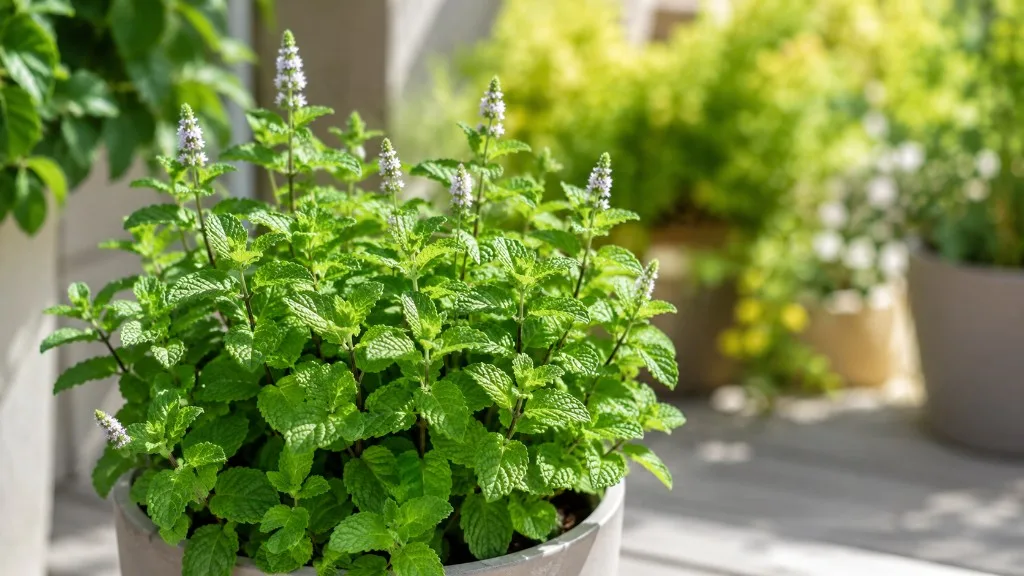
Walk into a spring herb display and every pot is labeled mint—yet peppermint, spearmint, and chocolate mint are not interchangeable. One will overpower a salad. Another is the only authentic choice for a mojito. A third spreads so aggressively it will own your vegetable bed by August. The genus Mentha holds roughly 25 species plus countless hybrids and named cultivars, according to the RHS mint growing guide. Most home gardeners need only one or two types chosen for flavor, hardiness, and how much spread they can tolerate.
This guide compares 11 of the most useful garden mints—what they taste like, how big they grow, which USDA zones they handle, and whether they belong in a kitchen pot, a cocktail patch, or a stepping-stone path. For watering, light, harvest timing, and year-round care after you pick a type, see our mint care guide and mint plant hub. For the pot-versus-ground decision, read grow mint in pots or ground before you sink anything into open soil.
How to Choose the Right Mint for Your Garden
Buying mint should start with job and containment, not leaf color on a tag. Two filters prevent most regrets.
Match the Mint to Your USDA Zone
Most culinary mints are hardy perennials in USDA Zones 5–9, with peppermint stretching colder (often Zones 3–11 per NC State Extension) and watermint tolerating Zones 3–10. Corsican mint is slightly less cold-hardy (Zones 6–9). Margarita mint sits at Zones 5–8. If you garden in the Deep South, prioritize heat-tolerant spearmint types and afternoon shade for variegated forms. In northern gardens, peppermint and American wild mint are safer bets than marginally hardy novelty cultivars.
Match Flavor to Your Kitchen Job
Tea and everyday cooking call for mild spearmint or apple-family mints. Desserts, candy flavor, and strong iced tea want peppermint or chocolate mint. Mojitos need Cuban/mojito mint—not generic spearmint from a big-box pot. Ground cover between pavers wants Corsican mint or, with caution, pennyroyal. Bog edges and small ponds are watermint territory. If you only have room for one pot on the patio, spearmint is the most versatile starting point, which is why the RHS lists it as ideal when you can grow only one mint.
Mint, Peppermint, and Spearmint: What Is Actually Different?
In conversation, “mint” usually means spearmint (Mentha spicata)—the mild, sweet herb in tabbouleh, lamb sauces, and most herbal teas. Peppermint (Mentha × piperita) is a natural hybrid between watermint and spearmint. It carries far more menthol, the compound that creates a sharp cooling sensation on the tongue. Spearmint is driven mainly by carvone, which tastes sweeter and less “icy.”
That chemistry matters in the kitchen. Peppermint dominates desserts and candy profiles; spearmint stays balanced in savory dishes. NC State Extension describes peppermint as spreading by rhizomes and tolerating partial shade in rich, moist soil (NC State Extension: peppermint). Spearmint shares the same spread habit—square stems root where they touch soil (NC State Extension: spearmint). Neither belongs in an unconfined mixed border.
| Trait | Spearmint | Peppermint |
|---|---|---|
| Botanical name | Mentha spicata | Mentha × piperita |
| Main flavor compound | Carvone (sweet, mild) | Menthol (sharp, cooling) |
| Typical height | 12–24 in. | 12–24 in. |
| Best kitchen uses | Tea, salads, savory sauces | Desserts, strong tea, candy flavor |
| Cold hardiness | Zones 5–9 (heat-tolerant) | Zones 3–11 (very cold hardy) |
| Spread risk | High (rhizomes + stem rooting) | High (rhizomes + stem rooting) |
What Every Mint Grower Should Know Before Buying a Plant
Why Mint Spreads—and How to Contain It
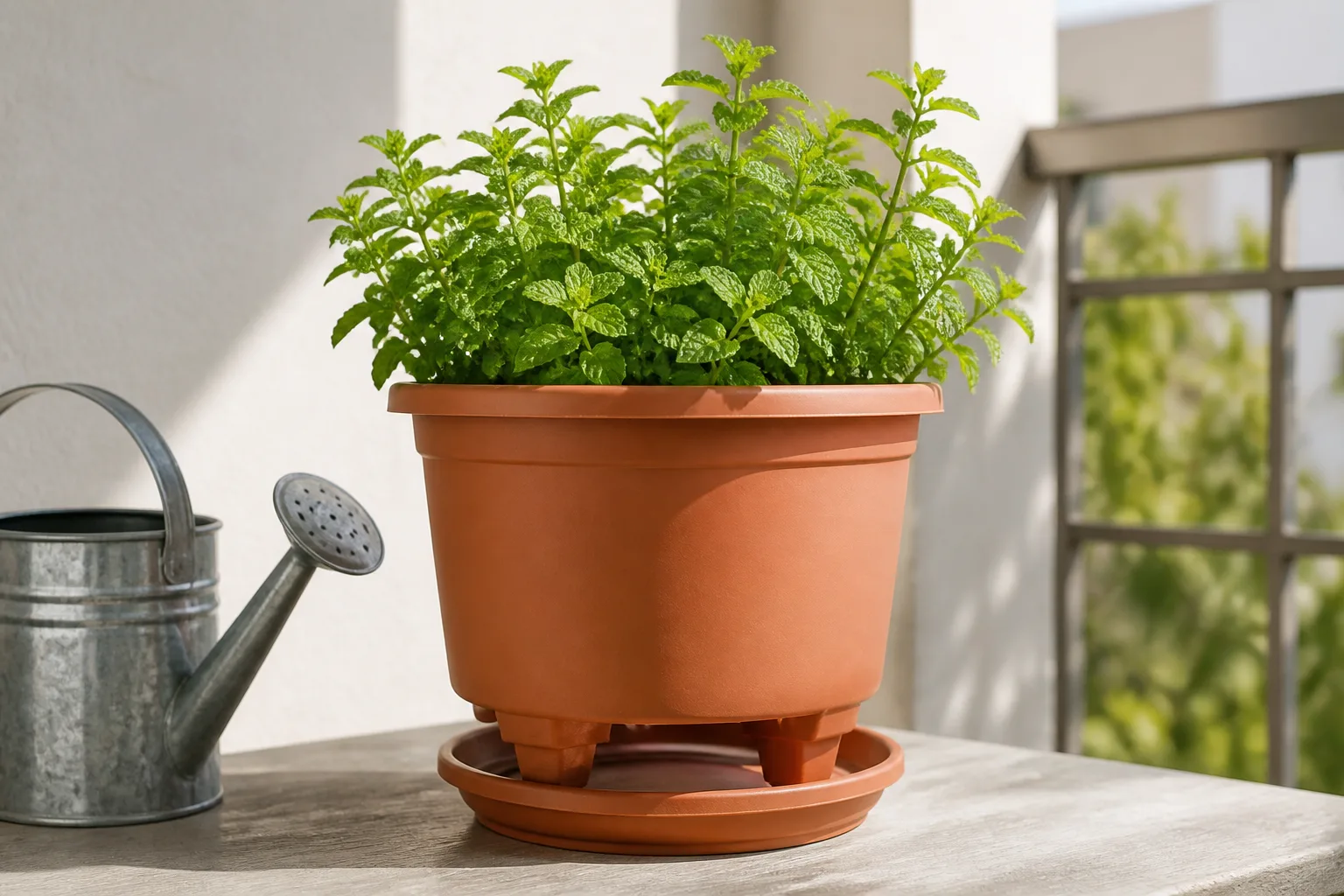
Mint’s reputation as a garden bully is earned. Most types spread through underground rhizomes and by stems that root at nodes wherever they touch soil. NC State Extension recommends containers as the safest default for spearmint and notes that soil barriers can restrain rhizomes if you must plant in a border (NC State Extension: spearmint). The RHS is equally direct: many mints are vigorous spreaders best grown in pots to keep them contained (RHS: grow mint).
Slower or lower spreaders on this list include pennyroyal (short stature, less rampant than spearmint), Corsican mint (tiny mat former), and Margarita mint (above-ground runners rather than deep rhizomes—somewhat easier to trim back). None are “plant anywhere” safe; they are less aggressive, not well-behaved.
Keep Varieties Separated to Preserve True Flavor
Mint cross-pollinates freely. Grow peppermint beside spearmint long enough and you may end up with hybrid seedlings that taste like neither parent. The RHS advises buying from reputable suppliers and comparing plants in person when possible because nursery labels are often wrong—especially on generic “mint” pots (RHS: grow mint). Sniff leaves, crush a stem, and taste a tiny piece before you commit. Separate varieties by pots or distinct beds if you want predictable flavor year after year.
Peppermint (Mentha × piperita)
Peppermint is the strongest-flavored mint most gardeners grow. High menthol content produces a sharp, cooling taste that reads instantly as “candy cane” or “toothpaste” when used heavily. Leaves are dark green with toothed margins; summer flowers are pink to lavender on upright spikes. Plants reach 12–24 inches in height.
Best for: Peppermint tea, chocolate desserts, potpourri, and any recipe that wants obvious mint intensity. Not ideal for: Delicate salads or subtle savory dishes where spearmint’s sweetness works better.
Growing notes: Full sun to partial shade; rich, moist, well-drained soil. Hardy in Zones 3–11. Spreads aggressively—treat as a container plant unless you want a dedicated mint patch. NC State Extension lists rust and leaf spot as common issues on related mints; provide good air circulation and avoid overhead watering late in the day (NC State Extension: peppermint).
Spearmint (Mentha spicata)
Spearmint is the default culinary mint—pointed, crinkled leaves; pink to pale violet flower spikes; mild sweet flavor. Cultivars like ‘Kentucky Colonel’ are popular for juleps and Southern cooking because the foliage stays especially aromatic through summer harvests.
Best for: Fresh tea, tabbouleh, yogurt sauces, peas, new potatoes, and general kitchen use when you want mint without menthol burn. Not ideal for: Authentic Cuban mojitos—use Cuban mint below.
Growing notes: Zones 5–9; tolerates heat better than peppermint in southern gardens. Same spread warning as peppermint. NC State Extension recommends containers or raised beds with good drainage (NC State Extension: spearmint). If you grow only one mint, this is still the most useful single pot on a patio.
Chocolate Mint
Chocolate mint (Mentha × piperita f. citrata ‘Chocolate’) is a peppermint cultivar, not a separate species. The “chocolate” is almost entirely aroma—crushed leaves smell like peppermint patties or chocolate-orange candy. The taste is closer to orange-mint than cocoa.
Best for: Dessert garnishes, infused syrups, ice cream, and hot chocolate stirrers. Darker stems and leaves make it one of the prettier mints in a container arrangement.
Growing notes: Same culture as peppermint (Zones 5–9, moist rich soil, partial shade acceptable). Spreads like peppermint. Buy by scent, not tag alone—mislabeled chocolate mint is common at spring herb displays.
Apple Mint and Pineapple Mint
Apple mint (Mentha suaveolens) stands out for fuzzy, lighter green leaves and a fruity, apple-mint flavor milder than peppermint. It works as both a culinary herb and a loose ground cover in moist soil. Plants reach 12–24 inches, sometimes taller in rich ground.
Best for: Fruit salads, mild tea blends, and gardeners who find peppermint too sharp. The soft texture also reads well in ornamental herb borders.
Growing notes: Zones 5–9; prefers moisture and tolerates partial shade. Still spreads by rhizomes—do not confuse “mild flavor” with “slow spread.”
Pineapple mint (Mentha suaveolens ‘Variegata’) is a variegated sport of apple mint—cream-and-green leaves with a fruity, pineapple-tinged scent. It is grown as often for looks as for flavor. The RHS recommends it for fruity, minty leaf flavor and striking margins (RHS: pineapple mint).
Best for: Garnishes, fruit salads, jellies, and decorative herb pots. Variegation can revert to plain green shoots—pinch out solid-green stems promptly or the plant loses its main selling point.
Growing notes: Taller than apple mint (24–36 in. possible). In the South, give afternoon shade to prevent leaf scorch on white variegation. Same containment rules as apple mint.
Watermint (Mentha aquatica)
Watermint is the bog plant on this list. Native to wet places across Europe and naturalized in parts of North America, it tolerates shallow standing water and pond margins where other mints would rot. Dark green leaves show purplish veining; lavender flowers appear in summer. Height ranges 12–36 inches depending on moisture.
Best for: Rain gardens, pond edges, container water gardens, and gardeners who want mint flavor in a wet zone. Watermint is one of peppermint’s parent species, which explains the shared menthol intensity—though watermint’s flavor is slightly more herbal.
Growing notes: Zones 3–10; full sun to partial sun; low-fertility, wet soil. Can still spread in mucky soil—use a planted basket or lined bog pocket if you need to limit rhizomes near prized perennials.
Corsican Mint (Mentha requienii)
Corsican mint is a miniature mat former—tiny rounded leaves, lilac flowers so small they barely register, height often under 1 inch with a spreading carpet habit. Crush a leaf and the scent is intense peppermint despite the plant’s dollhouse scale.
Best for: Gaps between stepping stones, fairy-garden paths, and container edges where you want fragrance on foot traffic. It tolerates light stepping better than tall mints.
Growing notes: Zones 6–9; moist, well-drained soil; partial shade in hot climates. Spreads into a dense mat but stays low. Still move it out of mixed perennial beds unless you want a mint lawn. Pair with contained tall mints in pots nearby for kitchen harvests.
Pennyroyal (Mentha pulegium): Ground Cover, Not Kitchen Herb
Pennyroyal is a true Mentha species—and a cautionary entry on any edible mint list. The RHS lists Mentha pulegium as “harmful if eaten” in its guide to potentially harmful garden plants (RHS: grow mint). It has a history as an insect-repellent folk herb, but do not use it as a culinary substitute for spearmint or peppermint. Keep it away from children and pets who might sample leaves.
Best for: Low ornamental ground cover (4–6 in. tall), lavender summer flowers, and scented paths where it will not be harvested for tea. It spreads more slowly than spearmint, which is why some gardeners choose it for contained ground-cover jobs.
Growing notes: Zones 5–9; sun to partial sun; moist soil. Treat as an ornamental and aromatic plant, not a kitchen herb. If you need edible mint nearby, grow pennyroyal in a separate zone.
American Wild Mint (Mentha canadensis)
American wild mint—also called Canada mint or simply wild mint—is native to much of the United States and Canada. It fills the niche for gardeners who want a regional mint rather than an imported spearmint cultivar. Flavor is sweet-minty, slightly less refined than garden spearmint but excellent in tea, jellies, and candies.
Best for: Native plant gardens, meadow edges, rain gardens, and foragers who want a recognized North American Mentha. Supports pollinators with summer blooms.
Growing notes: Zones 4–10; moist, average-fertility soil; full sun to partial shade. Height around 18 inches. Still rhizomatous—native status does not mean non-invasive in a mixed border. Container or dedicated patch recommended.
Cuban Mint, Mojito Mint, and Margarita Mint
Cuban mint, often sold as mojito mint, is the cultivar behind an authentic mojito—not standard spearmint. Mentha × villosa carries a bold, slightly sweet aroma with more body than generic spearmint from a supermarket herb pot. Leaves are larger and softer; plants reach 18–24 inches.
Best for: Mojitos, mint tea with Caribbean character, and any cocktail where you want mint to stand up to lime and rum. Also works in fresh tea.
Growing notes: Zones 5–9; same moist, rich soil as other culinary mints. Spreads like spearmint—pot culture is still wise on patios. Labels at garden centers are unreliable; compare aroma side-by-side with spearmint before buying.
Margarita mint (Mentha ‘Margarita’) is the lime-scented companion for margarita garnishes rather than mojitos. Leaves are small, rounded, and light green with bronzy tips; lilac flowers appear in summer. Plants stay 6–12 inches tall. The lime note is scent-forward; flavor is still minty rather than sour like citrus juice.
Best for: Lime-forward drinks, dessert garnishes, and gardeners who want a compact, decorative mint in a small pot.
Growing notes: Zones 5–8; spreads by above-ground runners that root at nodes—not classic deep rhizomes. That makes it somewhat easier to trim back than peppermint, but runners can still escape a pot if stems drape over the rim onto soil. Keep the container on pavement or trim hanging stems weekly.
Which Mint for Tea, Cocktails, and Cooking?
Use this quick matrix when you are narrowing a shopping list at the herb bench.
| Goal | Best choices | Avoid |
|---|---|---|
| Everyday hot or iced tea | Spearmint, apple mint, American wild mint | Peppermint (can taste medicinal in large amounts) |
| Strong dessert mint | Peppermint, chocolate mint | Spearmint (too mild) |
| Mojitos | Cuban/mojito mint (M. × villosa) | Generic spearmint |
| Margaritas and lime drinks | Margarita mint | Peppermint |
| Savory cooking (lamb, peas, yogurt) | Spearmint, apple mint | Chocolate mint |
| Fruit salads and garnishes | Pineapple mint, apple mint | Pennyroyal |
| Stepping-stone fragrance | Corsican mint | Tall spearmint |
| Pond or bog edge | Watermint | Corsican mint (too dry) |
| Low ground cover (non-edible) | Pennyroyal (with toxicity caution) | Peppermint |
Harvest young shoot tips in morning for strongest flavor, as the RHS recommends (RHS: grow mint). Pinch flower buds on culinary pots if you want leafy growth longer; flowers are fine for pollinators but shift the plant toward seed.
Are All Mints Edible?
No. Most common culinary mints—spearmint, peppermint, apple mint, chocolate mint, Cuban mint, and American wild mint—are eaten as herbs in normal kitchen amounts. Pennyroyal is not a safe culinary mint; the RHS classifies it as harmful if eaten (RHS: grow mint). Other plants called “mint” in common names, such as catmint (Nepeta) and Korean mint (Agastache), are not true Mentha species and have different uses.
Even edible mints deserve respect around pets. NC State Extension tags spearmint as problematic for dogs, cats, and horses in its plant database (NC State Extension: spearmint). Concentrated mint oils are a separate risk from occasional leaf nibbling. Keep herb pots off floors where curious pets graze if you have concerns.
Common Mint-Growing Mistakes
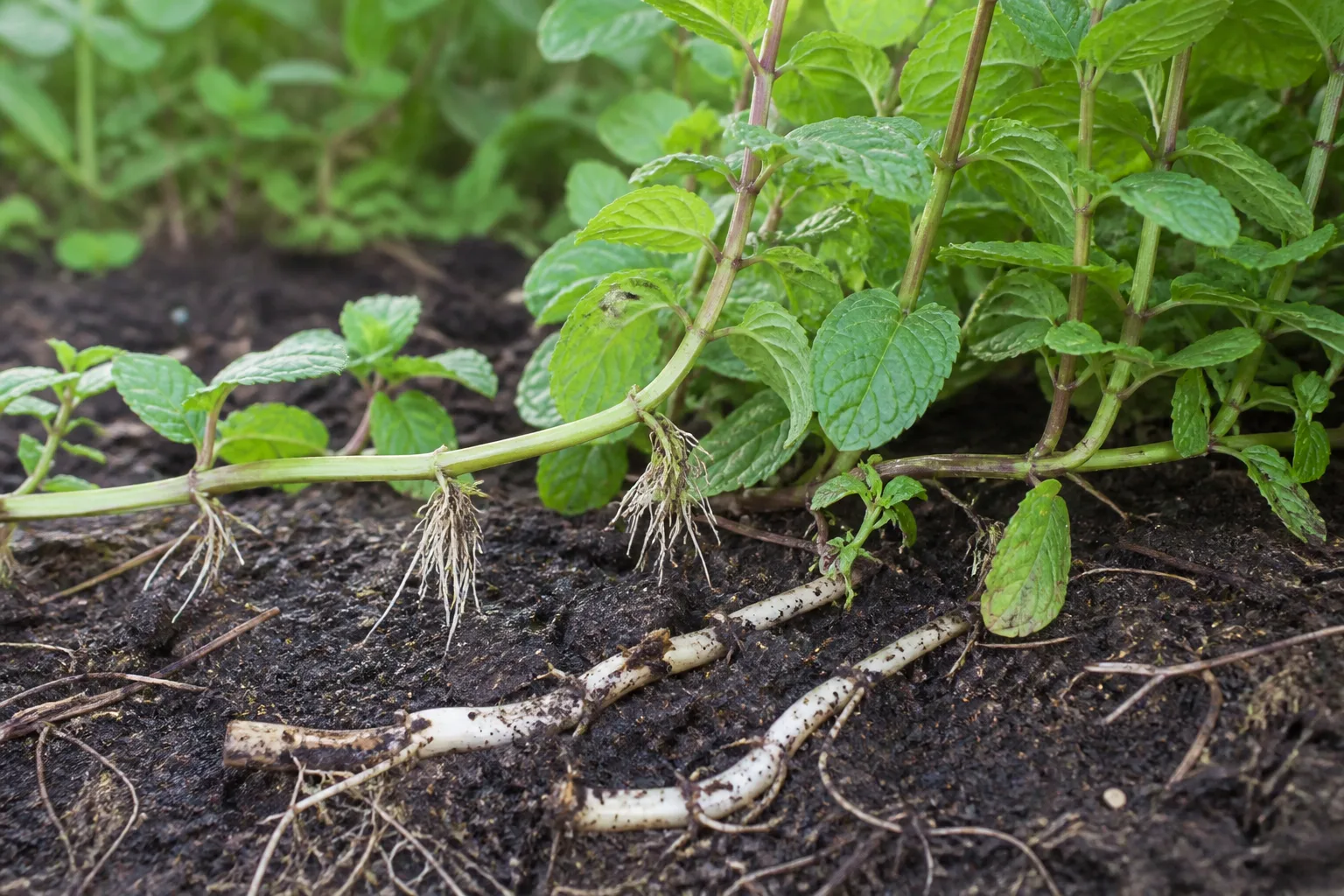
Planting spearmint in an open vegetable bed is the classic error. Within two seasons, mint rhizomes undercut carrots, tomatoes, and anything else in reach. Default to pots or read never grow mint in garden before you rationalize “just one corner.”
Trusting the nursery tag without smelling the plant leads to wrong flavors—especially on chocolate mint and mojito mint. Crush a leaf at the bench.
Growing multiple mints in one long planter saves space but blends flavors through cross-pollination and stray seedlings. Use separate pots.
Letting variegated pineapple mint revert by ignoring green shoots produces a plain apple mint you did not intend. Cut reversions at the base.
Using pennyroyal in tea because the pot said “mint” can cause serious harm. If you cannot verify the species, do not ingest.
Ignoring water needs by type—watermint wants wet feet; Corsican mint wants steady moisture but not a pond; peppermint in a dry raised bed will look stunted and taste weak.
Conclusion
The right mint is the one that matches your zone, your kitchen, and your tolerance for spread—not the prettiest leaf on the spring display table. Spearmint remains the best all-purpose culinary pot. Peppermint and chocolate mint own desserts and strong tea. Cuban mint is worth a dedicated container for mojitos. Corsican mint and pennyroyal solve ground-cover jobs at very different safety levels. Watermint belongs at the pond edge.
Start with one contained pot, verify the aroma before you buy, and add a second variety only when you have a separate container or bed to put it in. When you are ready for culture detail—watering, rust prevention, division, and harvest—continue with our mint care guide and grow mint in pots or ground. Fresh mint is one of the easiest wins in kitchen gardening; choosing the right type is what keeps it from becoming the hardest cleanup project in the yard.