7 Fast-Growing Flowers to Plant This Summer
Find seven fast-growing flowers for a summer garden, with honest bloom timing, direct-sowing tips, shade matches, and ways to avoid wasted seed.
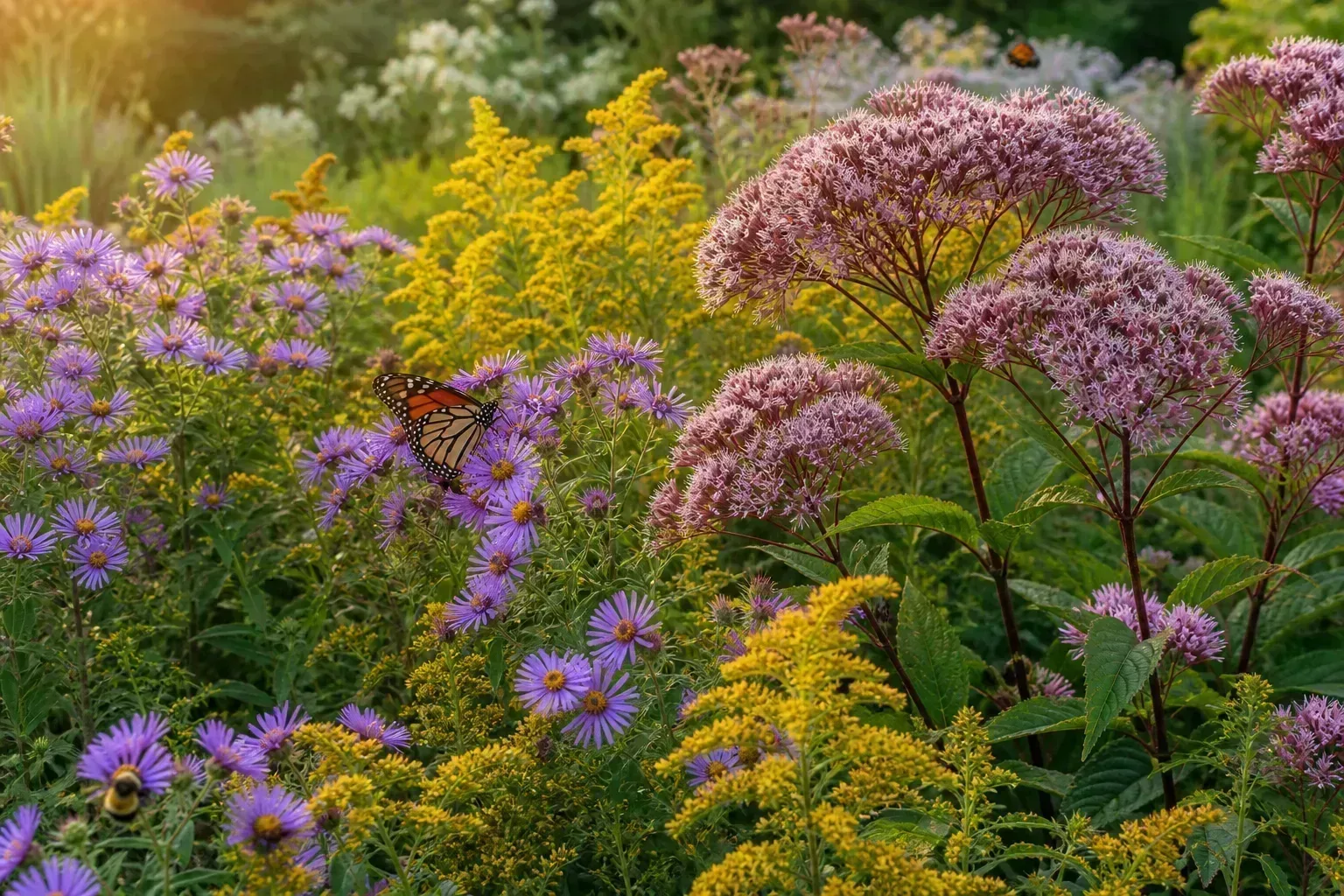
“Fast-growing” can mean two different things in a flower garden: a plant that puts on leaves quickly, or one that reaches bloom soon after you sow or transplant it. Those are not interchangeable. A maypop vine can race up a trellis while a columbine spends the season building roots, and both can be excellent choices—if you want different results.
This guide sorts seven underrated flowers by the clock, not just by color. You’ll find the best bets for quick annual color, the plants worth establishing for next year, the ones that tolerate shade or lean soil, and the choices that need a boundary before they get too enthusiastic.
Fast-growing does not always mean summer-blooming
The quickest route to flowers is usually a plant that is already rooted, a warm-season annual that can be direct-sown after frost, or a perennial that naturally blooms in its first year. Seeds sown into cold soil, heat-sensitive seedlings planted during a heat wave, and perennials with a spring bloom cycle do not follow that shortcut.
That distinction matters in late summer. A nursery calendula or nasturtium can give you a realistic chance at flowers within the current season in a suitable climate. A pot of columbine or golden Alexander planted in August may settle in beautifully, but its main bloom show is likely to be next spring. The “fast” part is establishment or growth—not a guarantee of immediate flowers.
The North Carolina State Extension Plant Toolbox is useful here because it treats growth habit, bloom period, soil, light, and propagation as separate facts. Use the same discipline in your own garden: ask whether you need flowers now, a plant that fills space quickly, or a perennial that pays off next season.
Pick the flower by the result you need
| Your priority | Best starting points | The catch |
|---|---|---|
| Flowers as soon as possible | Calendula, nasturtium, nursery-grown maypop | Heat, transplant size, and local conditions still control the clock |
| Direct-sow an empty bed | Nasturtium, nigella, calendula in a cool window | Hot soil and drying seedbeds can stop germination |
| A perennial for next year | Columbine, golden Alexander, blue-eyed grass | Summer planting is mainly establishment, not instant color |
| Partial shade | Columbine, blue-eyed grass, golden Alexander | Shade plants still need enough light to flower, and moisture needs differ |
| Pollinator value | Golden Alexander, columbine, maypop, blue-eyed grass | Choose plants suited to your region rather than assuming every flower helps equally |
| Edible flowers | Calendula, nasturtium | Eat only correctly identified, pesticide-free flowers in moderation |
| Fast vertical coverage | Maypop or a climbing nasturtium | Both need space and a support plan; maypop can spread by suckers |
The three fastest practical bets
If the goal is visible color this season, start with a healthy nursery plant or choose an annual that tolerates direct sowing. Calendula is especially useful where summers are not relentlessly hot; nasturtium is more forgiving of poor soil and fills a container or border quickly; and maypop can make dramatic vertical growth when planted in a warm site with a sturdy support.
For seed, sow more than one small patch rather than gambling the whole bed on a single row. A second sowing two or three weeks later can rescue the season when the first planting is washed out, eaten, or delayed by cool nights.
Calendula: quick color for cool or shoulder seasons
Calendula (Calendula officinalis), or pot marigold, is one of the best choices when “summer” means a cool spring, a mild early summer, or a fall planting window. Its orange and yellow flowerheads brighten a bare space quickly, and the plant can bloom for a long stretch when spent flowers are removed.
It is not the same plant as the heat-loving French or African marigolds commonly sold as bedding plants. Calendula prefers full sun but can appreciate some shade during very hot weather. North Carolina State Extension notes that it grows in well-drained, moderately fertile soil, can reseed, and may struggle with extreme heat or drought. In a hot climate, an August sowing may be better treated as a fall crop than as a promise of midsummer flowers.
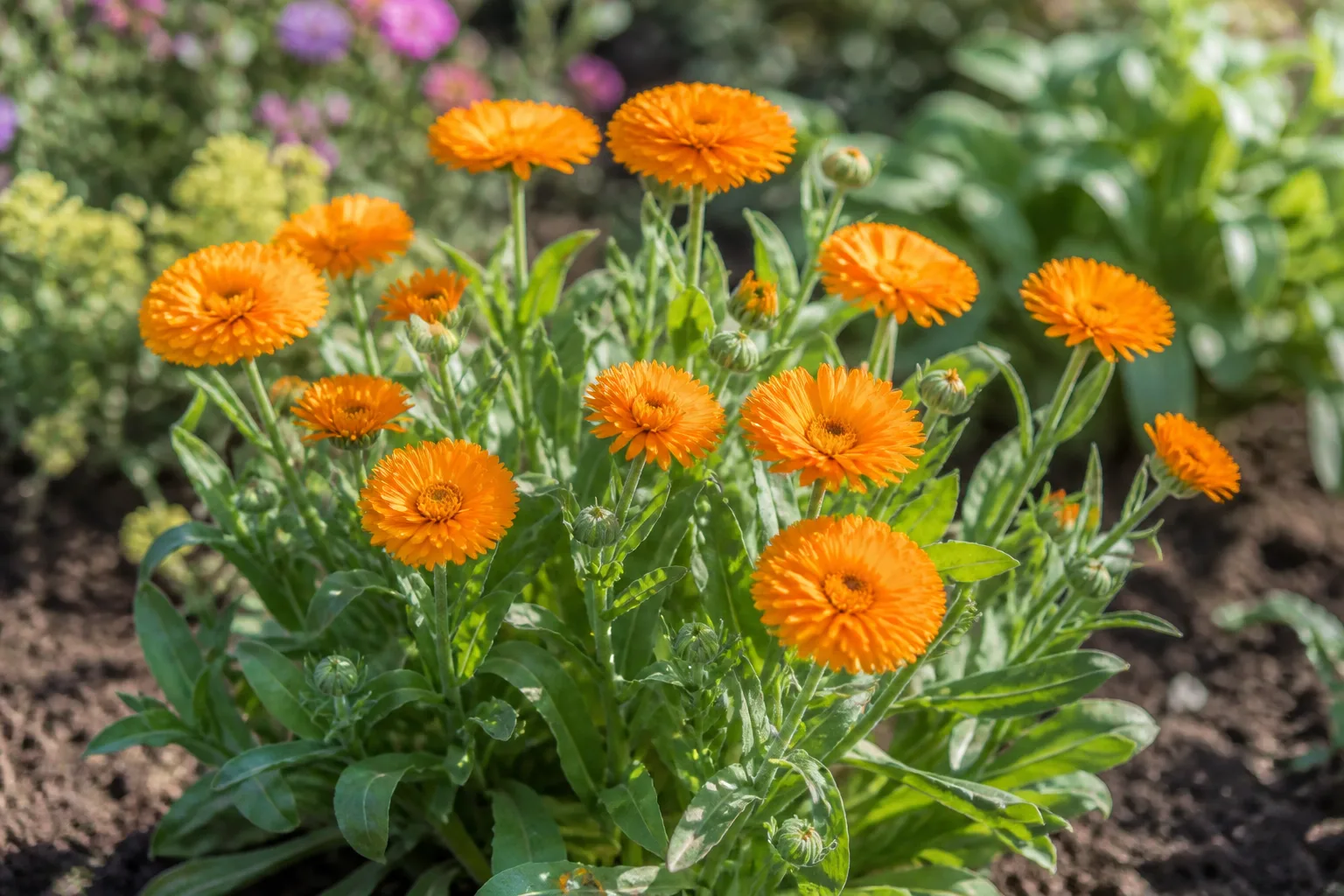
How to grow calendula for repeat blooms
Direct-sow calendula where you want it, or transplant a small nursery plant with minimal root disturbance. In a cool-season window, sow just before the last frost or as soon as the soil can be worked; in a hot region, sow when temperatures begin to moderate. Indoor starts can work, but calendula is usually simple enough to sow outdoors.
Choose a site with good drainage and keep the seedbed evenly damp until seedlings are established. Once plants have several sets of leaves, thin them so air can move between plants. Crowding encourages lanky growth and makes foliage diseases more likely.
Pinch young plants once if they are stretching, then deadhead regularly. Removing old flowerheads keeps the plant producing rather than putting all its energy into seed. Leave a few flowers at the end of the season if you want volunteer seedlings next year, but remove the rest before they drop if you need a tidy, predictable bed.
Nasturtium: edible color that spills or climbs
Nasturtium (Tropaeolum majus) is the list’s best all-purpose gap filler for warm weather. The round leaves are ornamental even before the red, orange, yellow, pink, or cream flowers appear, and the plant can trail from a container, mound along a border, or climb a support depending on the cultivar.
The North Carolina State profile for common nasturtium describes both bushy and climbing forms, with climbers capable of covering a fence or trellis quickly. It also makes the important practical point that rich feeding produces leaves at the expense of flowers. If you want blooms, do not treat nasturtium like a vegetable that needs constant nitrogen.
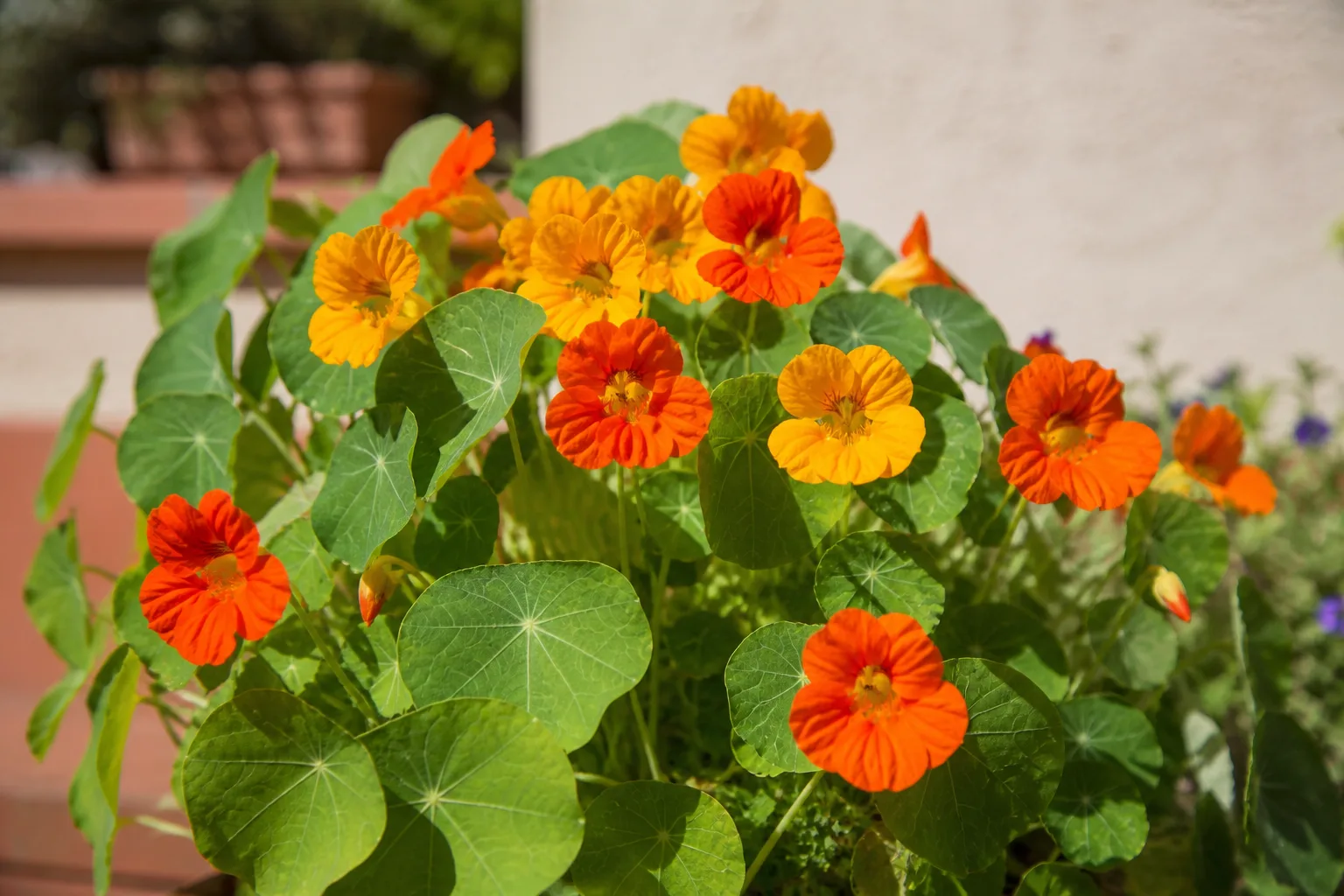
How to grow nasturtium without getting leaf-heavy
Direct-sow the large seeds after the risk of frost has passed and the soil is warming. Plant them where they will grow because nasturtium dislikes having its roots disturbed. Cover the seed according to the packet directions, water the row gently, and keep the top layer from drying out during germination.
Use full sun for the most flowers, with afternoon shade in climates where summer heat is severe. Lean to average, well-drained soil is usually better than a heavily amended bed. A light mulch layer can slow drying, but keep it away from the stem so the crown does not stay wet.
Decide whether you want a mound or a vine before buying seed. A trailing cultivar in a narrow bed can smother shorter plants, while a climber without a trellis will sprawl across paths. Deadheading is optional if you want seeds, but removing spent flowers usually keeps the plant looking fresher and shifts energy back toward more blooms.
The leaves and flowers are edible when the plant is correctly identified and grown without pesticides that are not approved for edible crops. They have a peppery flavor. Treat “edible” as an invitation to use a few clean petals in food, not as permission to eat an unknown garden flower or a plant sprayed with ornamental chemicals.
Columbine: a spring-flowering perennial worth planting now
Columbine (Aquilegia spp.) is a good example of why bloom timing deserves its own line in a flower list. Eastern columbine (Aquilegia canadensis) is a native herbaceous perennial with nodding, spurred flowers that attract hummingbirds, butterflies, and bumblebees. It is quick to reseed and can produce flowering plants from those seedlings in their second year, but its main bloom season is spring.
That makes columbine a smart summer purchase for a shady or partly shaded bed that needs a longer-term layer—not the best choice if a newly sown patch must look colorful next month. The NC State columbine profile recommends organically rich, moist soil and partial shade; it can take more sun when moisture is reliable.
Plant a nursery-grown columbine in a cool part of the day, water the root ball thoroughly, and give it a few weeks of consistent moisture while roots move into surrounding soil. Avoid burying the crown deeper than it was in the pot. Once established, the plant can self-sow into nearby gaps, which is useful in a naturalized border but less welcome in a tightly formal bed.
Expect foliage to decline after flowering and summer heat. That is normal for many columbines. Cut tired foliage back to the ground only after the plant has finished flowering and had time to replenish its roots; do not judge its summer dormancy as failure.
Golden Alexander: a native umbel for pollinators
Golden Alexander (Zizia aurea) is a native perennial for gardeners who want spring flowers, a useful pollinator plant, and a less common shape than the usual daisy. Flat-topped clusters of small yellow flowers rise above divided foliage, and the plant can look at home in a meadow edge, rain garden margin, or lightly shaded naturalized bed.
The NC State golden Alexander profile describes it as a low-maintenance plant of moist habitats that can also tolerate dry summer conditions once established. It grows in full to partial sun and serves as a larval host for the black swallowtail butterfly. Those details make it a better choice for a regionally grounded pollinator planting than a generic “flower for bees” label.
Buy a small established plant if you want predictable establishment. Seed is possible, but fall sowing often fits the plant’s natural rhythm better than trying to force a midsummer germination. Give it room to form a clump, keep competing weeds down while it settles, and do not overwater simply because it is associated with moist ground. Moist soil and soggy soil are not the same thing.
Golden Alexander generally earns its place through early-season structure and wildlife value. Use it near plants that take over in summer so the bed does not look empty after its bloom period ends.
Nigella: short-lived flowers with a second life as seed pods
Nigella (Nigella damascena), often called love-in-a-mist, is a cool-season annual with blue, white, pink, or purple flowers surrounded by finely divided foliage. It is quick from seed under the right conditions and adds ornamental seed capsules after the flowers fade, so a short bloom window can still provide a second season of interest in the same bed.
The plant does not like transplanting. The NC State nigella profile recommends fall planting or very early spring sowing in many climates, and notes that it can be sown in successive rounds where summers stay cool. That is a useful correction to the common assumption that every fast-growing annual should be planted in hot weather.
Direct-sow nigella in a sunny, well-drained bed. Cover the seeds lightly rather than burying them deeply, and keep the surface consistently damp until germination. Thin crowded seedlings early; a dense patch can look lush but will flower less evenly and may flop.
Extend nigella without losing the seed pods
Succession-sow a small amount every three to four weeks during the cool part of the growing season. The first patch gives the earliest flowers, the second keeps color moving forward, and the final patch can supply the dried pods that make nigella valuable in arrangements.
Deadheading extends the flower display, but it removes the developing pods. Choose the job before you cut: deadhead the plants closest to a path where you want more flowers, and leave a few back-of-border stems to form capsules and drop seed. If you let nigella self-sow, mark the area so spring seedlings are not mistaken for weeds.
Maypop: a fast vine with a big footprint
Maypop (Passiflora incarnata) is the dramatic choice on this list. It is a rapidly growing native passionflower vine with intricate white and purple blooms, tendrils for climbing, and a habit that can fill a fence line or trellis much faster than a young shrub.
The NC State maypop profile places it in well-drained soil from full sun to part shade and notes that it can die back to the ground in colder climates, then return from the roots. Under good conditions, it can spread by root suckers. That is the trade-off behind its speed: a plant that covers a support quickly may also appear several feet away from the original crown.
For the quickest first-year display, buy a healthy nursery plant rather than starting from seed. Plant after the soil has warmed, water deeply during establishment, and give the vine a sturdy support with enough height and width for its mature reach. Do not expect a small plant installed into cold soil or deep shade to behave like a mature vine in a warm, sunny bed.
Give maypop support and a boundary
Install the trellis before the vine needs it. Passionflower tendrils wrap around slender supports, but a flimsy decorative obelisk may not hold the mature mass. A fence, cattle panel, or strong arbor is more practical than a support that must be replaced each season.
Keep the root zone inside a mowing strip, deep edging, or a bed where occasional shoots can be removed. Pulling every new shoot can disturb the parent plant, so watch the perimeter and cut or dig unwanted suckers while they are small. This is not a vine for a narrow foundation bed or a place where it can climb into gutters and neighboring shrubs.
NC State lists medium-severity poison characteristics for maypop. Keep it away from areas where children or pets routinely chew plants, and do not assume that a passionflower image identifies every Passiflora species as safe to eat. Enjoy it as an ornamental and wildlife plant unless you have a reliable identification and appropriate local guidance.
Blue-eyed grass: grasslike foliage and jewel-toned flowers
Blue-eyed grass (Sisyrinchium angustifolium) is a small native perennial that looks like a tuft of grass until its violet-blue flowers with yellow centers appear. It suits the front of a border, a rock garden, a meadow edge, or a damp-but-draining site where a larger perennial would overwhelm the scale.
The NC State blue-eyed grass profile describes a clumping plant that handles full sun to partial shade and produces small blue-violet flowers over spring into early summer. It is therefore another “plant this summer for a future return” choice in many regions. A nursery clump may flower after planting if it is already in bud, but seed-grown plants need time.
Use blue-eyed grass as an edging plant rather than a specimen meant to fill a large bed. Water it consistently while it establishes, then avoid a soggy site. After flowering, light trimming can keep the clump tidy, while allowing some seed to mature can help it naturalize where that look suits the garden.
How to plant fast-growing flowers in summer without setting them back
Summer planting succeeds when the root zone gets a gentle transition rather than a hot, dry shock. Prepare the bed before bringing plants home, water the soil deeply, plant in the evening or on a cloudy day, and protect a new transplant from the harshest afternoon sun for several days if it is wilting.
Loosen compacted soil over a broad area, remove competing weeds, and check drainage before you add compost. A small pocket of rich mix in a heavy clay bed can hold water around a root ball while the surrounding soil stays dense. For most of these flowers, a level planting hole, good drainage, and a thin organic mulch layer are more useful than a heavy dose of fertilizer.
Direct sowing versus nursery plants
Choose direct sowing when a plant dislikes root disturbance, when you want many inexpensive plants, or when the species naturally grows from seed in place. Nasturtium and nigella are especially poor candidates for rough transplanting, while calendula can be direct-sown or moved as a small seedling.
Choose a nursery plant when the season is already advanced, the plant has a long juvenile period, or you need to see a known size and bloom color. A maypop starter gives you a real chance at vertical growth this year; columbine, golden Alexander, and blue-eyed grass are often better purchased as small plants when the goal is to establish a reliable clump.
Read the seed packet for days to maturity, but treat that number as a planning estimate, not a promise. “Days to maturity” may describe first flower under ideal conditions, and it may begin after germination or after transplanting depending on the crop. Temperature, daylight, moisture, fertility, and cultivar all move the finish line.
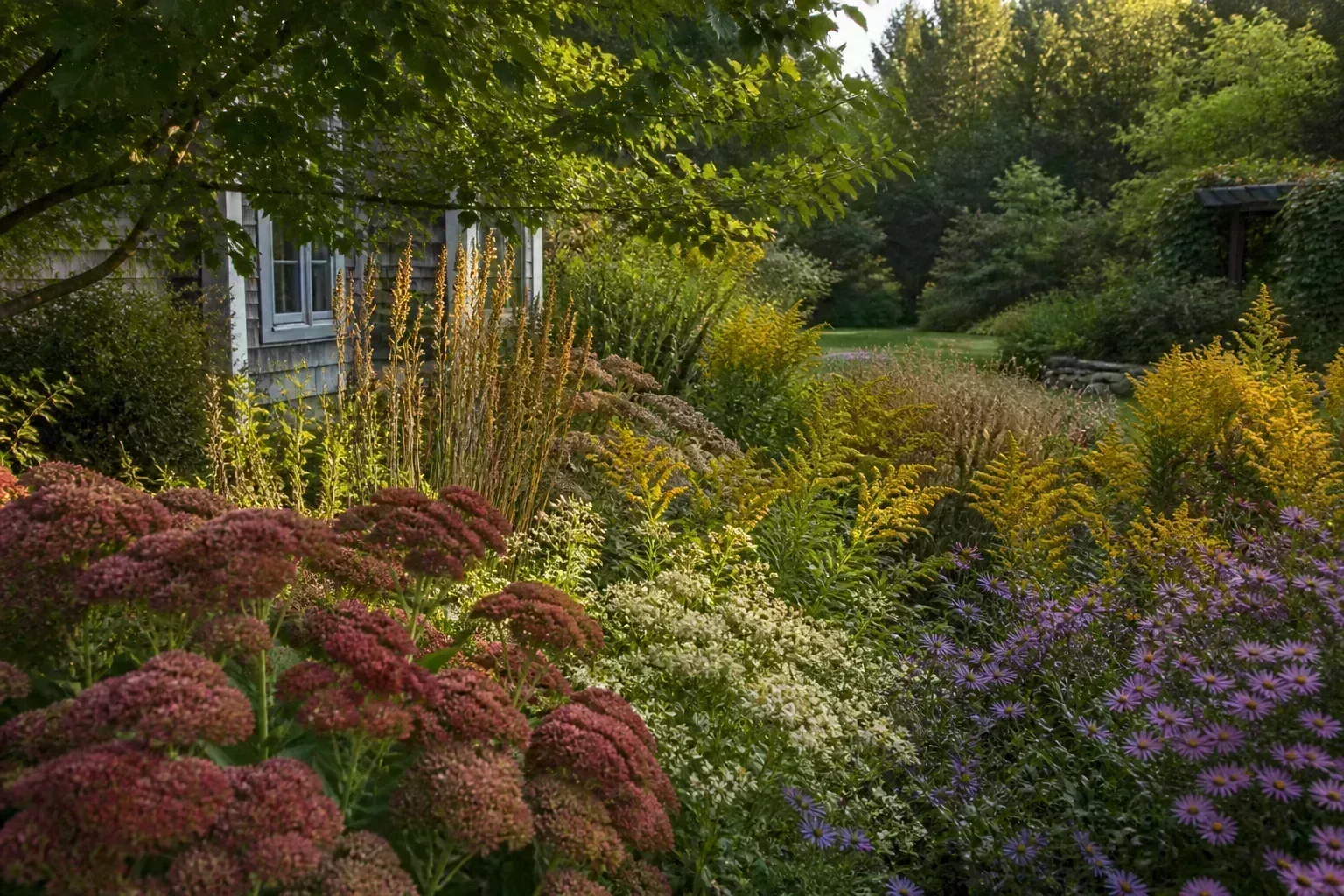
Water, spacing, and deadheading rules that actually matter
Newly sown seeds need a consistently moist surface until they germinate. That does not mean flooding them. Use a gentle spray or fine rose on a watering can, and check the bed at least once a day during hot, windy weather. Once seedlings have roots below the surface, water more deeply and less frequently so the root zone—not just the top crust—gets wet.
Container plants dry faster than plants in beds. Check small pots more often, especially on a sunny patio, and make sure drainage holes are open. A saucer that stays full can turn a quick-growing plant into a root-rot problem.
Spacing is a bloom decision, not just a tidy-garden preference. Give nasturtium room to trail, let maypop reach its support, and space compact annuals so foliage dries after rain. Crowding may produce a fast wall of green, but it also reduces airflow and makes it harder to deadhead, inspect, or water the root zone.
Deadheading helps calendula and many flowering annuals stay in production, but it is not universal. Leave nigella pods if you want dried material or volunteer seedlings, let golden Alexander finish its seasonal work, and avoid cutting back columbine before it has recovered from flowering. The broader principle is to remove a spent bloom only when you prefer more flowers over seed, fruit, or wildlife habitat.
Fine Gardening’s summer-blooming border guidance makes the same design point from another angle: a garden looks better for longer when bloom times are planned rather than concentrated in one season. Pair a quick annual with a perennial that will take over later, and the bed will feel intentional instead of briefly bright.
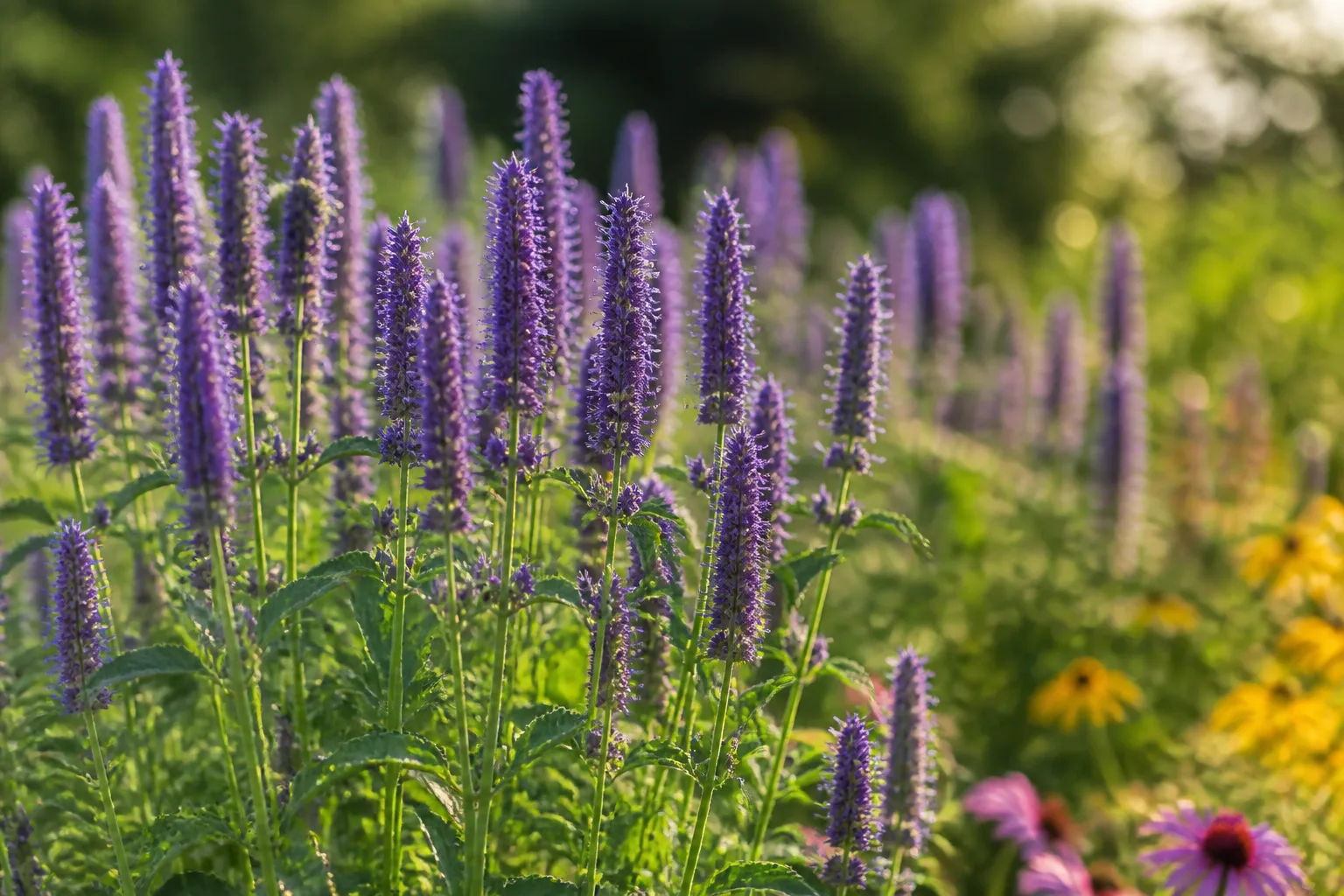
A seven-flower planting plan for a longer season
Use the seven flowers as layers rather than planting all of them in one undifferentiated patch.
- Front edge: plant blue-eyed grass in a small clump where its fine foliage and tiny flowers can be seen up close.
- Part-shade layer: place columbine beneath a light tree canopy or on the east side of taller plants, where its spring flowers can start the season.
- Moist-to-average transition: use golden Alexander at a bed edge that receives sun or light shade, especially where a native pollinator plant fits the regional planting palette.
- Quick annual color: direct-sow nasturtium in a sunny gap, choosing a mounding or climbing form based on the available space.
- Cool-window filler: sow calendula when temperatures suit it, then deadhead for color or leave selected heads for reseeding.
- Succession strip: sow nigella in two or three small rounds, keeping the last group for decorative seed pods.
- Vertical anchor: plant maypop at the back of the bed beside a strong trellis, with edging or mowing space to manage suckers.
The result is not seven plants blooming at the same time. It is a sequence: spring perennials begin the show, annuals fill gaps when conditions are right, and the vine supplies height and late-season drama. That is a more reliable way to get a garden that looks full than choosing seven plants solely because a list calls them fast.
Common mistakes that delay flowers
Sowing cool-season plants into hot, dry soil. Nigella and calendula may germinate poorly or fade quickly when the bed is too hot. Shift them to a cooler sowing window or buy a plant that is already established.
Assuming a perennial will flower on demand. Columbine, golden Alexander, and blue-eyed grass can be fast-growing in the right conditions, but their natural bloom windows and age at planting matter more than the word “fast.”
Planting a climber without measuring its reach. A maypop or climbing nasturtium can turn an empty fence into a green wall, but it can also cover a path, lean on a shrub, or escape the bed if you do not give it a planned support and boundary.
Overfeeding nasturtium. High nitrogen often creates beautiful leaves and disappointing flowers. Improve drainage and light before adding fertilizer, and feed only if a soil test or a clear deficiency gives you a reason.
Treating daily sprinkling as deep watering. A wet surface can coexist with a dry root zone. Water slowly enough to penetrate, then let excess drain; adjust frequency for pots, wind, heat, and rainfall.
Deadheading every flower automatically. Removing all spent flowers can eliminate nigella’s seed pods, prevent useful reseeding, and reduce food or shelter for wildlife. Deadhead selectively according to the result you want.
Conclusion: match the flower to the clock
For flowers this season, start with calendula or nasturtium when your temperatures fit their preferred window, and choose a nursery-grown maypop if you have room for a vigorous vine. For a garden that improves next year, plant columbine, golden Alexander, or blue-eyed grass now as establishment investments. Use nigella when you can give a cool-season annual a direct-sown bed and want both flowers and ornamental pods.
The useful question is not “Which flower grows fastest?” It is “What do I need this plant to do, and how many weeks can I give it?” Match that answer to the plant’s bloom cycle, space, moisture, and spread, and these overlooked flowers become dependable tools for filling gaps, feeding pollinators, and building a longer garden season.