Best Lawn Weed Killer: Pre-Emergent vs Post-Emergent Guide
One lawn pro swears by weed-and-feed pre-emergents for crabgrass—but only at the right time. Learn pre- vs post-emergent, selective vs non-selective, and a seasonal plan.
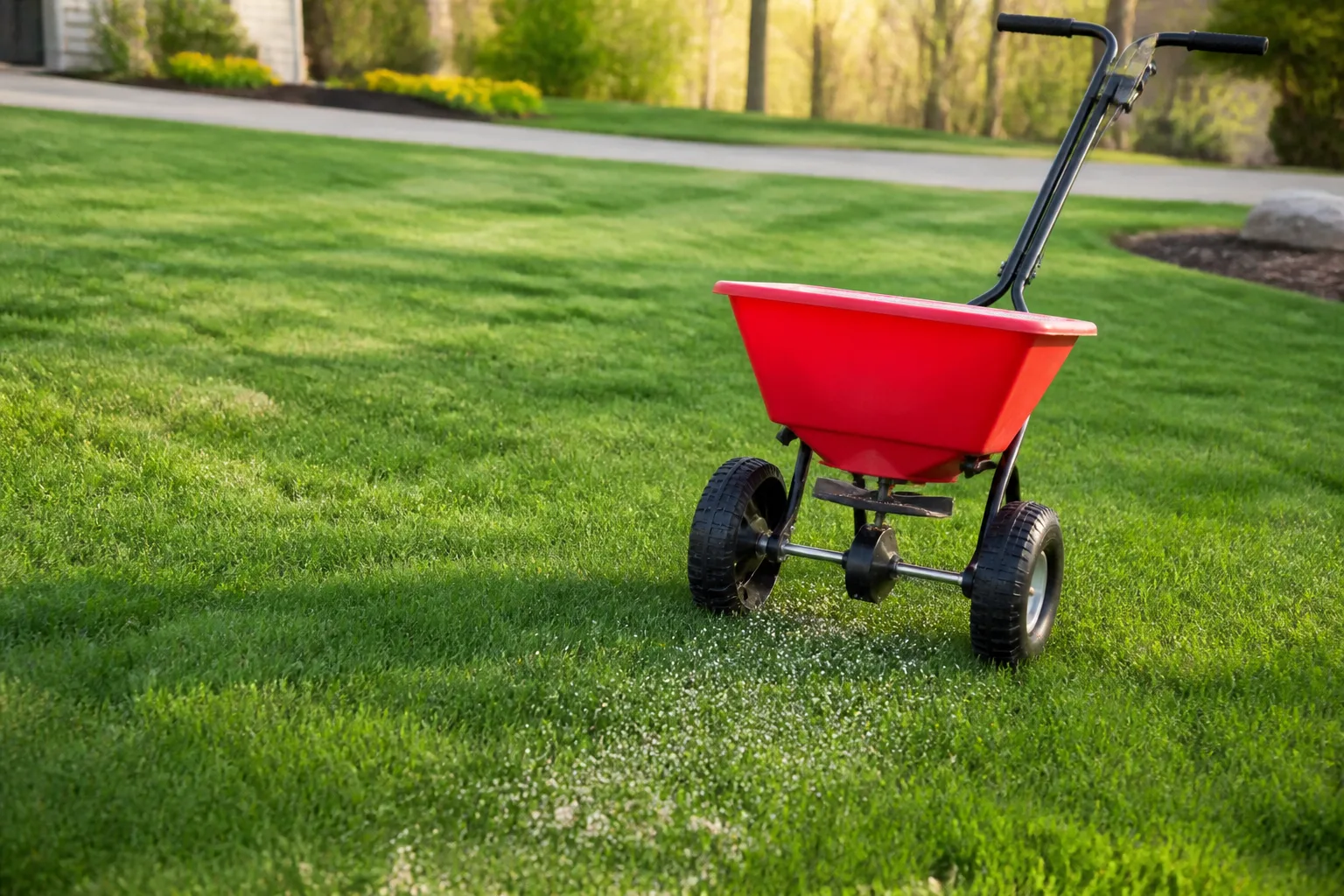
The weed killer a lawn pro reaches for first is usually a granular weed-and-feed with a pre-emergent crabgrass preventer—applied in early spring before soil temperatures hit about 55°F (13°C). That one-pass product fertilizes turf while blocking crabgrass seeds from germinating. It will not touch dandelions already blooming in May, and it will not replace a dense, well-maintained lawn. The real skill is knowing which product phase matches which weed, then reading the label like law.
The short answer: identify the weed, then match the product phase
Walk your lawn before you buy anything. Are you fighting seedlings that have not emerged yet, or plants you can already see? Are the offenders grassy (long narrow blades like crabgrass) or broadleaf (rounded leaves like dandelion and clover)? Those two answers determine whether you need a pre-emergent, a post-emergent, or neither—just better mowing and overseeding.
Pre-emergent herbicides sit in the soil and interrupt weed seeds as they germinate. Post-emergent products contact foliage on weeds that are already growing. Mix them up and you will either waste money on the wrong timing or damage turf you meant to protect. The University of Wisconsin–Madison Extension groups herbicides into exactly these phases and stresses that labels—not shelf promises—define where each product may legally be used.
Why a weed-and-feed pre-emergent is this pro’s first move
Radio host and hardware-store DIY expert Lou Manfredini—who has fielded lawn questions on Chicago’s WGN Radio for decades—tells callers he uses Jonathan Green Veri-Green Crabgrass Preventer plus Lawn Fertilizer on his own turf. That type of weed-and-feed pairs spring nitrogen with a crabgrass pre-emergent so you fertilize and block one major summer invader in a single broadcast pass. Manfredini’s practical tip: apply when grass is still damp from morning dew, then hope for rain that night—but do not skip the application if dew alone wet the blades.
That preference makes sense for cool-season lawns where crabgrass is the early-season threat and you already planned a spring feeding. It is not a universal answer for every yard, every weed, or every month.
What weed-and-feed products combine—and what they skip
Weed-and-feed granules typically deliver soluble or slow-release fertilizer plus a pre-emergent active ingredient such as pendimethalin, prodiamine, or dithiopyr. Those actives form a thin chemical barrier in the top layer of soil that stops crabgrass and several other annual grassy weeds from establishing roots as seeds sprout. You spread with a broadcast spreader, water in lightly, and let the barrier do its job for weeks to months depending on the label rate and rainfall.
What weed-and-feed does not do: kill mature dandelions, clover, plantain, or creeping Charlie already present. It does not replace hand-pulling in garden beds. It does not control weeds between patio pavers—that job belongs to non-selective contact treatments on hardscape, not turf products.
When weed-and-feed is the wrong purchase
Skip weed-and-feed if you plan to overseed or patch bare spots within 16 weeks—most pre-emergents also block desirable grass seed (Epic Gardening’s crabgrass guide notes typical four-month reseeding restrictions after pendimethalin-type preventers). Skip it if your lawn is already thick with broadleaf weeds; you need selective post-emergent broadleaf control, not more fertilizer feeding existing dandelions.
Also skip it if you missed the soil-temperature window and crabgrass is already visible. Pre-emergent applied to emerged crabgrass clumps wastes product. In those cases, spot-treat with a labeled selective post-emergent for grassy weeds, hand-pull small patches, or accept that prevention starts next spring.
Pre-emergent vs post-emergent weed killers
Pre-emergent herbicides prevent weed seeds from completing germination. They do not kill established plants, perennial roots, or rhizomes. UW-Madison Extension notes pre-emergents are most widely sold as granular soil-applied products and are ideal when you know which seeds typically invade your lawn each year.
Post-emergent herbicides control weeds already growing. Most lawn formulations are selective, meaning they injure broadleaf weeds or certain grassy weeds while leaving your turf species intact—when applied at labeled rates on calm days. Non-selective post-emergents kill nearly everything they touch and belong on driveways and patio cracks, not broadcast across turf.
Soil temperature timing for crabgrass preventers
Crabgrass (Digitaria sanguinalis) seeds germinate when soil at a 2-inch depth stays at or above about 55°F (13°C)—often before you notice green blades (Epic Gardening). Concrete edges and south-facing slopes warm first, so crabgrass often appears along sidewalks and driveways weeks before the open lawn.
Apply pre-emergent before that threshold, not after. A practical rule many pros use: spread preventer before your third or fourth spring mow, or when ornamental forsythia blooms in your area—whichever local extension guidance recommends for your zone. In warmer climates, a second fall pre-emergent may be warranted when soil cools but before winter annual weeds establish.
Use a soil thermometer or local extension soil-temp maps if you want precision. Applying too early is usually safer than applying too late; late preventer on visible crabgrass is money thrown away.
Treating weeds that are already visible
Once broadleaf weeds leaf out—dandelion rosettes, white clover mats, plantain paddles—you need a selective post-emergent broadleaf herbicide labeled for your grass type. These often contain combinations such as 2,4-D, dicamba, or MCPP. Spray or spread when weeds are actively growing, temperatures are moderate, and wind is calm enough to avoid drift onto garden beds.
For emerged crabgrass, look for a post-emergent labeled specifically for crabgrass in your turf species. Small seedlings pull easily when soil is moist; large matting clumps may need chemical spot treatment or will die with the first hard frost in northern zones—then you prevent next year’s crop with timely spring pre-emergent.
Selective vs non-selective herbicides on lawns
Selective herbicides target specific plant types. Lawn weed killers are selective toward broadleaf weeds or, in specialized products, toward crabgrass and other weedy grasses. Used correctly on labeled turf, they preserve your desired grass while clearing invaders.
Non-selective herbicides kill most plants they contact. Glyphosate, acetic-acid-based sprays, and salt-based contact products fall here. Manfredini mentions Harris sea salt spray for non-selective control—useful on weeds in places where you do not want any vegetation, not as a broadcast lawn treatment.
Where non-selective spot treatments belong
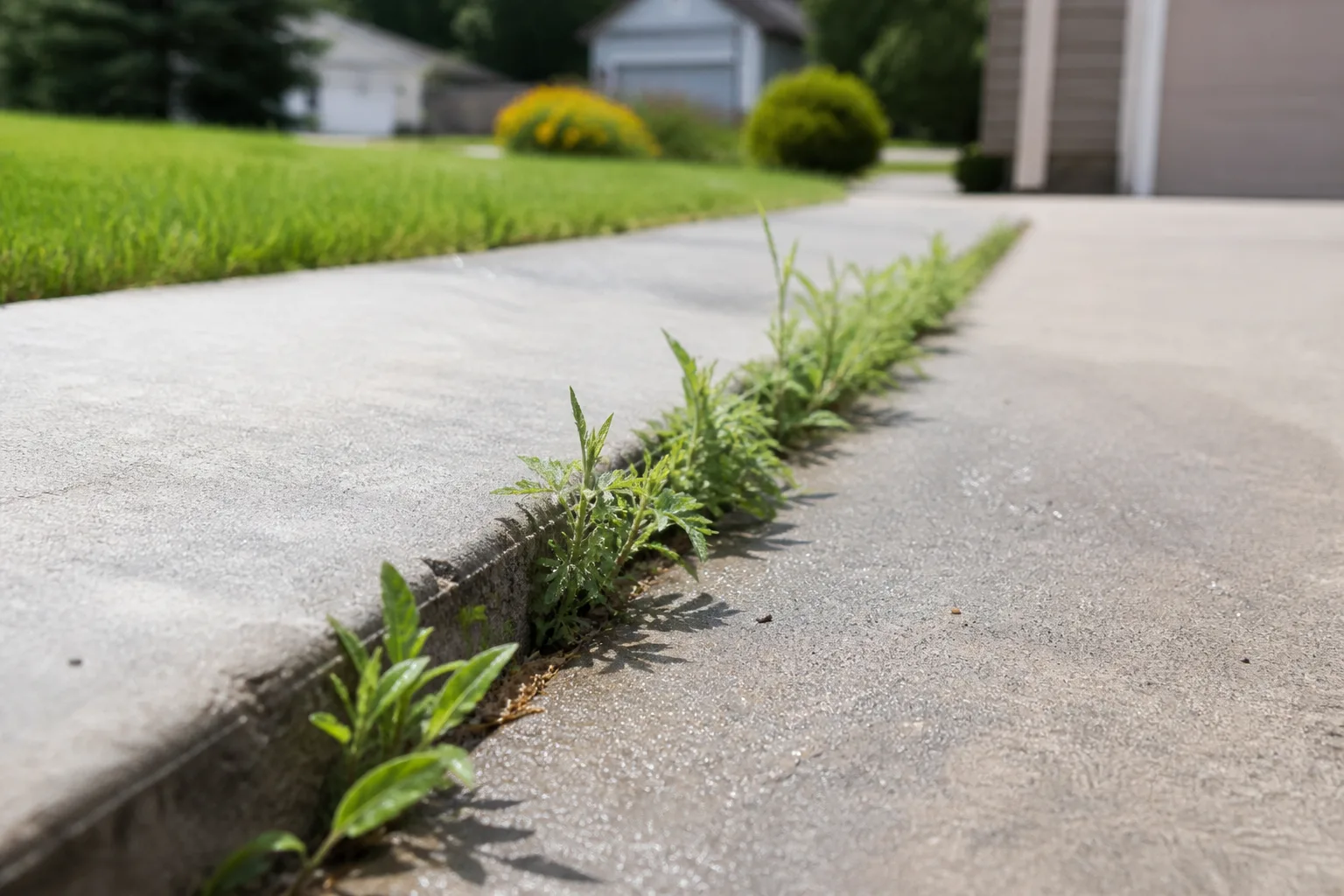
Reserve non-selective products for hardscape gaps, gravel paths, fence lines, and garden-bed edges where overspray will not reach desirable plants. Our DIY three-ingredient weed killer guide covers vinegar-salt-soap contact sprays for those isolated spots—and explains why they are a poor substitute for a full lawn program.
For patio weeds specifically, see natural patio weed control with kitchen items. Keep non-selective sprays off turf unless you are deliberately killing grass to renovate a section—and even then, read reseeding intervals on any prior pre-emergent applications.
Grassy weeds vs broadleaf weeds on turf
Weed killers fail most often because the product class does not match the plant. Split your invaders into two buckets before shopping.
Crabgrass and other annual grassy invaders
Crabgrass forms low, sprawling clumps with wide blades that radiate from a central point—nothing like the uniform upright blades of a healthy turf stand. It thrives in thin, heat-stressed lawn and along hot paved edges. Pre-emergent is the primary control; post-emergent options exist but are narrower and timing-sensitive.
Other grassy weeds—yellow nutsedge, quackgrass, annual bluegrass—need different actives and often different strategies than crabgrass preventers. If a grassy weed persists after pre-emergent, identify it with a local extension weed key before buying another bag labeled only for crabgrass.
Dandelions, clover, plantain, and creeping Charlie
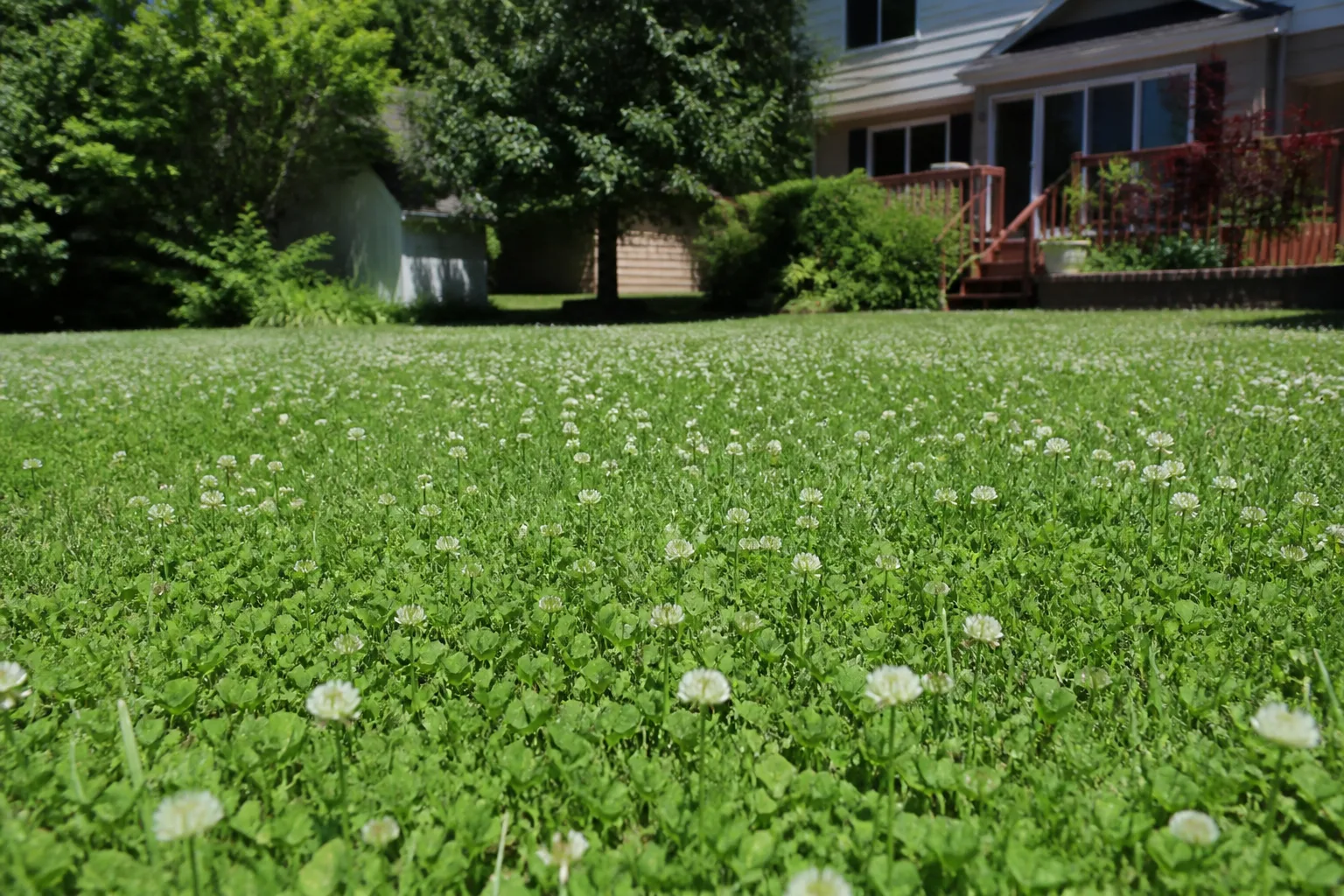
Broadleaf weeds carry net-veined, often wider leaves. Common lawn offenders include dandelion, white clover, broadleaf plantain, and creeping Charlie (ground ivy). Our clover and shamrock guide explains why some homeowners tolerate clover while others treat it—and either choice is valid if it matches your lawn goals.
Broadleaf weeds respond to selective post-emergent herbicides applied when plants are actively photosynthesizing—typically mid-spring through early fall, avoiding extreme heat stress. Pre-emergent crabgrass products generally do not control established broadleaf populations. If dandelions dominate your yard, a weed-and-feed pre-emergent bag is the wrong tool; you need a broadleaf post-emergent pass, possibly twice per season for perennial taproots.
How to apply granular pre-emergent for reliable results
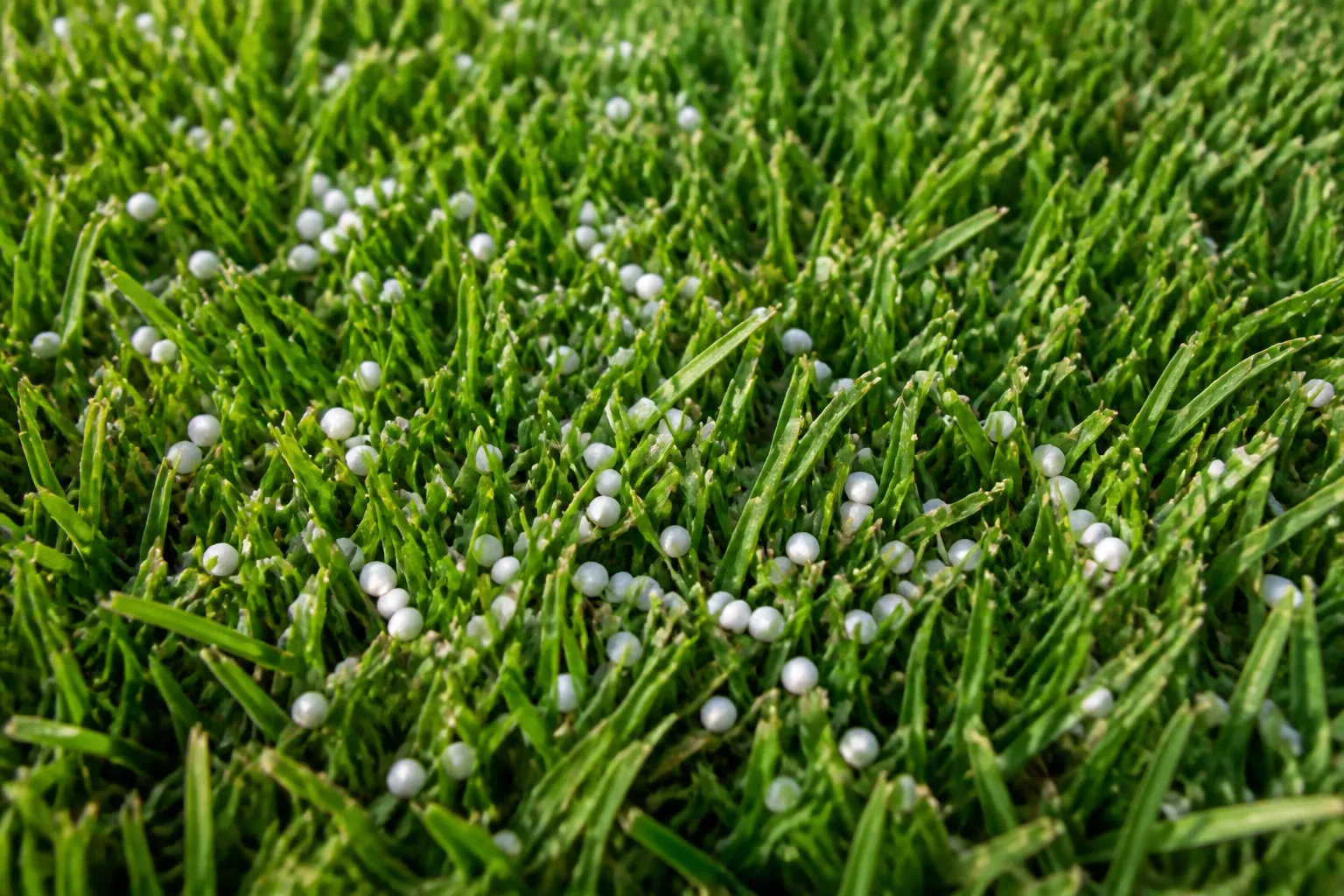
Read the entire EPA-registered label before opening the bag. Pesticide labels are legal documents; the EPA states that using a product inconsistent with its label is a violation of federal law. Confirm the product lists your turf species, the target weeds, the application rate per 1,000 square feet, and any water-in requirement after spreading.
Calibrate your broadcast spreader on a paved surface first. Walk at a steady pace with slight overlap on passes—skipping strips is how crabgrass wins along application lines. Apply to dry or dew-moist turf, then irrigate lightly if the label requires activation unless rain is forecast within 24 hours.
Do not rake, aerate, or seed immediately afterward unless the label permits it; disturbance breaks the chemical barrier. Store leftover granules in the original sealed bag away from moisture and out of reach of children and pets.
Build a lawn dense enough to outcompete weeds
The best weed killer is turf that leaves no bare soil. Crabgrass seeds need light and space; thick grass shades them out. Mow at the recommended height for your species—often 2.5 to 3.5 inches for cool-season lawns—rather than scalping, which stresses grass and opens gaps (Epic Gardening recommends maintaining height to suppress subsequent crabgrass).
Overseed thin areas in early fall when soil is warm and competition from summer weeds drops—but only if your pre-emergent window has passed or you chose a seed-safe program. Edge along sidewalks and beds so heat-loving weeds do not colonize pavement seams first.
In landscape beds, mulch suppresses many weed seeds when applied at adequate depth after pulling existing weeds—complementing lawn chemistry without doubling herbicide loads near ornamentals.
Common weed-killer mistakes that waste money and hurt turf
Applying pre-emergent after crabgrass is visible is the most common spring error. Once clumps mat, switch to post-emergent or mechanical removal and mark your calendar for earlier prevention next year.
Using non-selective spray on windy days creates dead patches in turf and injured shrubs. Doubling the rate does not double results—it increases runoff risk and may violate the label.
Weed-and-feed on a lawn that only needs weed control can over-fertilize, pushing lush top growth without root depth and feeding existing broadleaf weeds you never treated. Ignoring reseeding restrictions after pre-emergent leaves homeowners wondering why fall overseeding failed completely.
Expecting one product to solve every weed ignores biology. Grassy, broadleaf, annual, and perennial weeds need different tools in different seasons—exactly why integrated plans beat a single sensational product story.
A seasonal lawn weed calendar you can follow
Late winter to early spring: Soil approaches 55°F. Apply pre-emergent weed-and-feed or standalone preventer if crabgrass was a problem last year and you are not seeding within the label interval. First spring mow when turf is dry enough to avoid rutting.
Late spring: Broadleaf post-emergent if dandelions and clover are up and temperatures are moderate. Hand-pull isolated clumps in beds. Refresh mulch in beds after weeding.
Summer: Spot-treat escaped crabgrass or nutsedge with labeled selective products. Maintain mowing height; avoid fertilizing cool-season turf during heat drought unless soil moisture is adequate. Pull grass invading flower beds by the roots before it networks with lawn runners.
Early fall: Best window to overseed thin turf—if pre-emergent blackout has ended. Treat persistent broadleaf weeds while they still translocate herbicide to roots. A second pre-emergent may be useful in warm climates for winter annuals.
Late fall: Final mow, clean leaves that smother grass, and note problem areas for next spring’s earlier pre-emergent pass.
Conclusion
The weed killer a seasoned lawn pro keeps on the shelf is not a mystery formula—it is a timed pre-emergent weed-and-feed aimed at crabgrass before soil hits 55°F, backed by selective post-emergents for broadleaf weeds already growing, and non-selective spot treatments reserved for hardscape. Match product phase to weed type, respect label reseeding intervals, and invest in turf density so weeds have fewer places to start. Do that, and the “underrated” part of weed control is not a secret ingredient—it is doing the right step at the right week, every year.



