16 Fastest Growing Vegetables for Your Garden
Find fast-growing vegetables for spring, fall, or summer. Compare days to harvest for greens, roots, beans, cucumbers, zucchini, and okra in your climate.
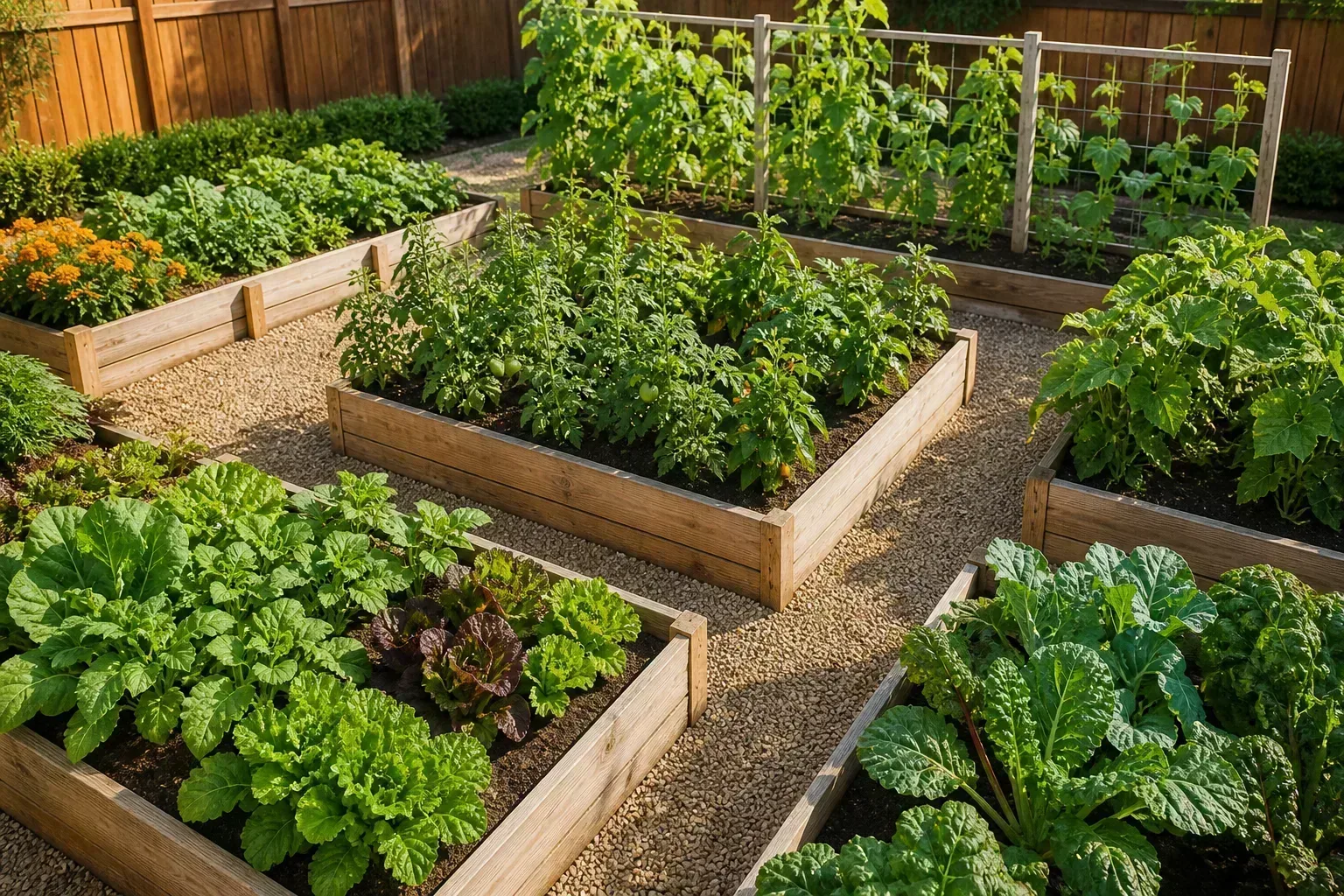
If you want dinner from a garden soon, start with crops you can eat young: garden cress, radishes, and baby greens can produce a first picking in a few weeks under good conditions. A full-size carrot, bean pod, or cucumber takes longer. “Fastest” depends on what counts as a harvest, the variety you sow, and whether your weather matches the crop. This guide compares 16 vegetables by a realistic first-use window and shows which ones belong in cool spring or fall soil and which must wait for summer warmth.
How to measure a fast harvest
A seed packet’s days to maturity (often abbreviated DTM) is an estimate tied to a stated crop stage and growing method. It is not a countdown that starts on the day you buy seeds, and two crops with the same number can mean very different meals: a small radish root versus a handful of lettuce leaves, for example. University calendars also vary by climate. The University of Maryland Extension planting guide lists crop-specific maturity estimates for central Maryland and cautions that variety, weather, and cultivation affect actual dates; its frost calendar is regional, not a calendar to copy elsewhere.
Days to maturity are estimates, not promises
Check the packet’s starting point: some varieties count from seeding, others from transplanting. The Oklahoma State University guide to cool-season greens notes that transplants may save 10–14 days in the garden because they have already grown in the nursery. Temperature, light, moisture, and crowding still affect the actual harvest. Treat DTM as a range and check the plant for its harvest cue.
Baby leaves arrive before full-size crops
An early harvest is often partial: young lettuce, mustard, or kale leaves are not a full head or bunch. Thinning can provide baby radishes, beets, or turnips while neighboring roots size up; pulling every root early means no later full crop from those plants. The ranges below estimate the first usable stage, not a guaranteed date. “Baby” means a leaf or root picked young; “mature” means the crop’s target size. Variety, season, and location matter.
Cool-season vegetables for spring and fall
These crops generally grow best in cool weather. Sow in workable spring soil or plan a fall crop from your local frost date and seed packet. Many tolerate light frost, but heat and long days can turn leaves bitter or trigger flowering.
Cress, radishes, arugula, spinach, and lettuce
1. Garden cress: about 20–30 days for young leaves. Garden cress (Lepidium sativum) is a quick, peppery leafy crop for a small patch, pot, or succession row. Utah State University Extension says leaves are ready about 2–3 weeks after emergence, at roughly 2 inches long (USU Extension); Cornell’s variety database lists an American cress at 12 days, showing how cultivar and harvest stage shift the estimate (Cornell Cooperative Extension). Sow shallowly in moist soil and clip young leaves, leaving the growing point for another flush. This is not watercress, an aquatic or semi-aquatic plant. Sprouts or microgreens are even earlier but are not a mature outdoor crop.
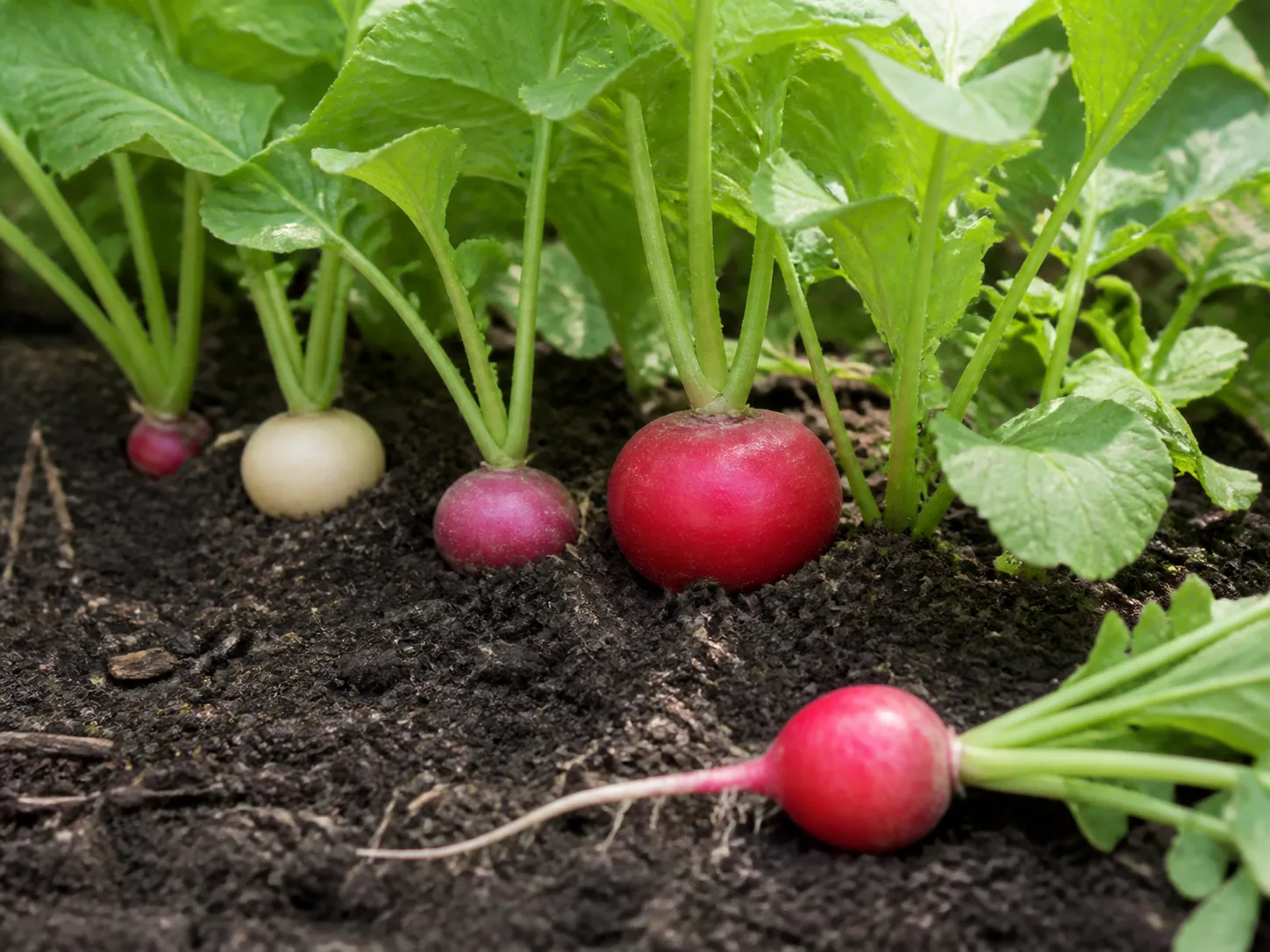
2. Radishes: about 21–30 days for many spring roots. Radishes are among the fastest true root crops, especially small round varieties harvested at roughly marble-to-golf-ball size. Direct-sow them where they will grow; transplanting can disturb the taproot. Keep the seed row evenly moist through germination, then thin seedlings to the packet spacing so roots have room to swell. The University of Illinois Extension radish guide recommends repeated sowings about 10 to 14 days apart in spring and explains that heat-sensitive varieties can become pithy or overly pungent. Pull roots promptly at usable size rather than leaving a ready crop in hot, dry soil.
3. Arugula: about 20–40 days for baby leaves; longer for a large bunch. Arugula is a fast salad green with a peppery flavor. Direct-sow a short row in cool weather, cover seed lightly, and begin snipping outer leaves once plants have enough growth to recover. A WVU Extension succession-planting chart gives an estimated 20- to 40-day window, depending on planting and harvest stage. Heat can make the leaves more pungent and encourage a flower stalk, so use a spring or fall sowing rather than expecting tender leaves through a hot midsummer. A light shade cloth can buy time in a warming garden, but it will not reverse a plant that has already bolted.
4. Spinach: about 30–45 days for young leaves; roughly 40–60 days for fuller plants. Spinach germinates and grows in cool soil, so sow it early in spring or as a fall crop. Harvest a few outer leaves once the plant has several, or cut a whole young plant if that is the intended stage. The Illinois Extension spinach guide recommends planting early and explains that long days and warm temperatures cause spinach to bolt. If seed germination is patchy, check both moisture and soil temperature rather than repeatedly covering the row with more seed. A fall planting can be productive, but allow time for slower growth as days shorten and temperatures drop.
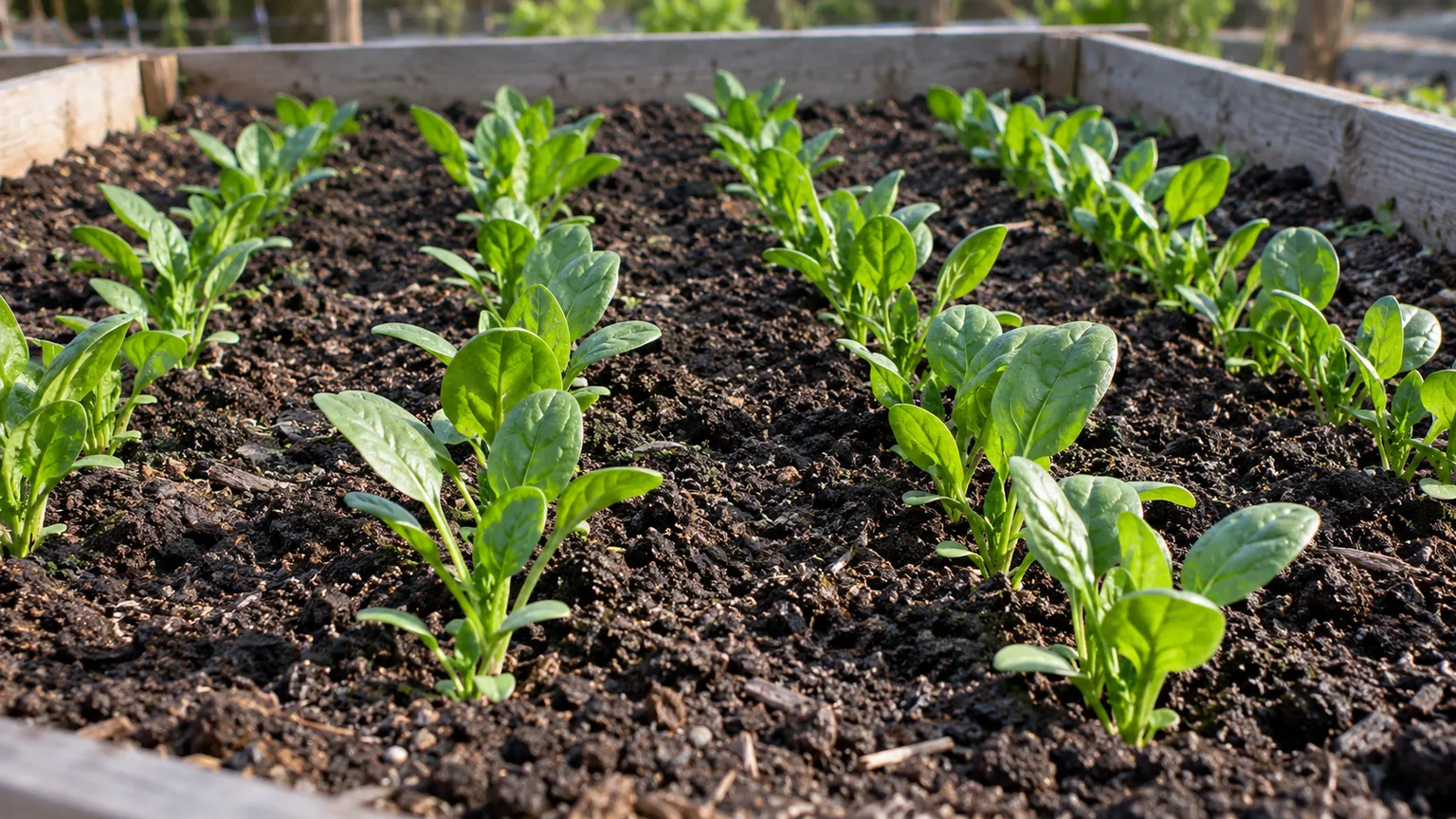
5. Lettuce: about 30–50 days for leaf types; head lettuce takes longer. Loose-leaf lettuce is the quicker choice because you can pick outer leaves or cut a small bunch before the plant forms a dense head. Sow in cool weather, thin crowded seedlings, and water consistently; stress can make leaves tough or bitter. Average temperatures around 60–70°F are favorable, while summer heat can stall plants and lead to bolting, according to Illinois Extension. Try a heat-tolerant variety, afternoon shade, or a fall sowing when spring turns warm. “Lettuce in 30 days” usually means baby leaves or a small loose-leaf plant, not every variety reaching a full head that quickly.
Turnips, mustard greens, bok choy, kale, and broccoli rabe
6. Turnips: about 25–35 days for greens; around 45–60 days for small roots. Turnips offer two harvests from one sowing: tender tops first, then roots if you leave enough foliage and time. Direct-sow into loose soil and thin seedlings, because crowded roots stay small and misshapen. Pick leaves when they are young, before they grow coarse; small roots around 2–3 inches across are usually tender. Illinois Extension’s turnip guide describes spring and fall sowings and gives a later maturity window for roots than for greens. Fall often delivers better root quality because cool weather reduces heat stress and the crop can be harvested before a hard freeze.
7. Mustard greens: about 25–40 days for baby leaves; 45–55 for fuller leaves. Mustard grows quickly and can be harvested leaf by leaf or as a bunch. Sow a short row in early spring or late summer, then take young leaves while they are tender. The Illinois Extension mustard guide notes that hot weather makes leaves tougher and more pungent, so the quickest route to good flavor is often a timely cool-season sowing, not more fertilizer. Keep the bed watered evenly, and do not let plants crowd each other. If you want repeated cuttings, leave the central growing point and remove only a portion of the outer leaves at a time.
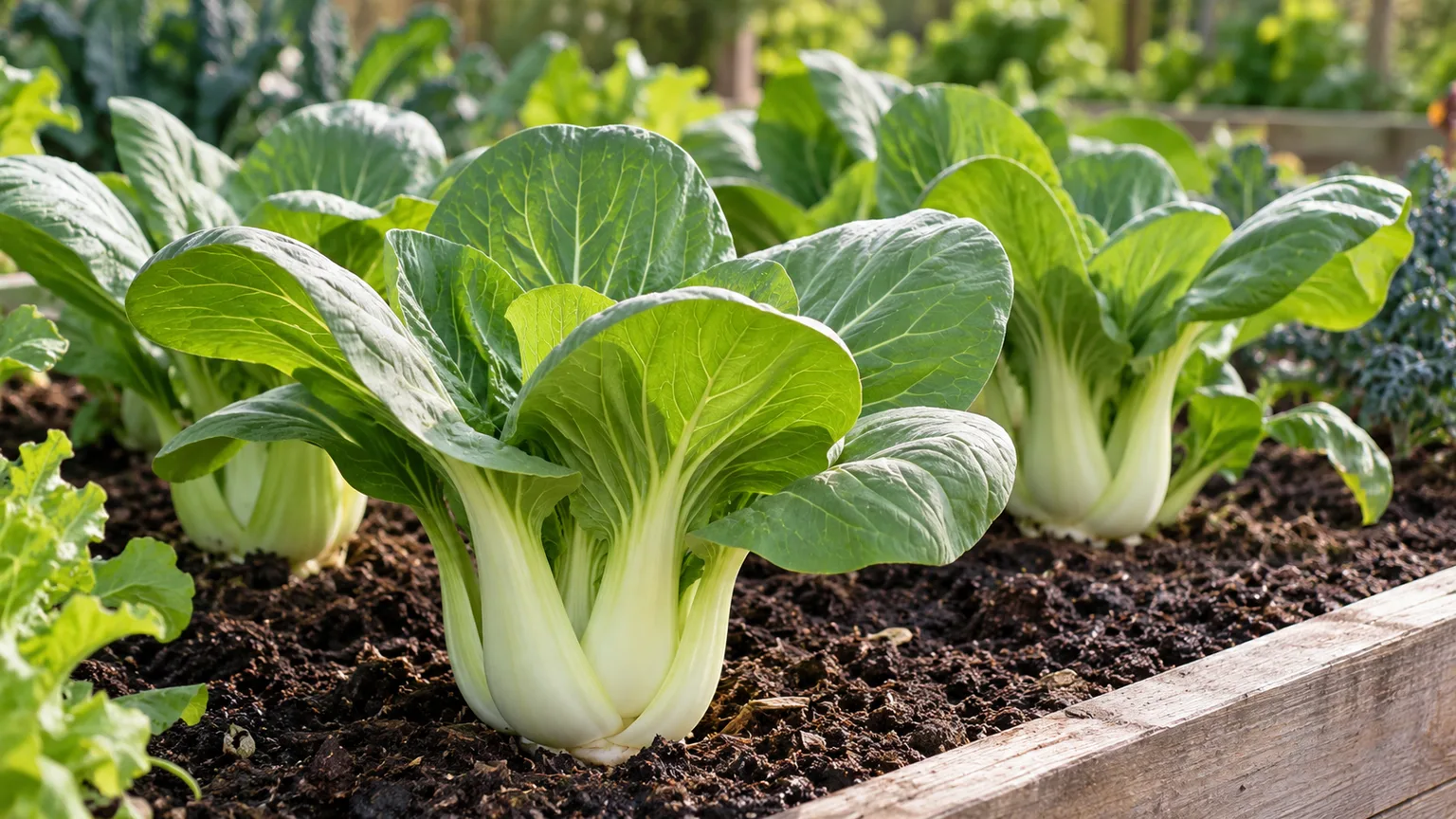
8. Bok choy: about 30–50 days for baby plants; 35–60 for fuller heads, depending on variety. This Asian brassica is commonly sold as baby bok choy or a larger stem-and-leaf head, so check the variety and target stage. Sow in cool conditions and give it fertile soil with regular moisture. A Rutgers Extension fact sheet places maturity broadly between 35 and 60 days, while the University of Guam Extension guide describes harvesting baby plants within about five weeks after germination. Warm conditions and long days may prompt flowering; harvest before the central stalk elongates if you want crisp stems.
9. Kale: about 25–35 days for baby leaves; 45–60 days for larger leaves. Kale can be planted for a quick leaf harvest or left to form a substantial plant that produces over a longer period. Direct-sow or transplant into cool spring or late-summer soil, spacing plants for their mature size. Pick the lower outer leaves and leave the center intact so the plant can continue growing. Oklahoma State Extension lists many kale varieties in the 45–55-day maturity range, but early leaf picking comes before that full-plant stage. Cold weather can improve flavor, while hot weather tends to make the crop less comfortable and more vulnerable to pests.
10. Broccoli rabe (rapini): about 40–60 days for stems and flower buds. Broccoli rabe is not a miniature broccoli head; it produces leafy stems with small buds that are harvested before flowers open. It is a cool-season crop: NC State Extension recommends spring or fall sowing and cutting mature plants just before buds open. Some cultivars reach harvest in about 40–45 days, while others take longer (UC ANR). If spring warms quickly, an early sowing or fall crop can be easier to time. Leave lower growth for side shoots, and use the cultivar instructions as your final guide.
Warm-season vegetables for frost-free weather
These crops need warm soil and frost-free weather. Cold ground can stall germination or damage seedlings, so wait until frost risk passes. The Maryland Extension calendar separates them from cool-season vegetables; use dates for your region. It notes that beans and cucumbers need soil of at least 60°F to germinate. A warm afternoon is not enough if a shaded bed remains cold.
Zucchini, bush beans, and cucumbers
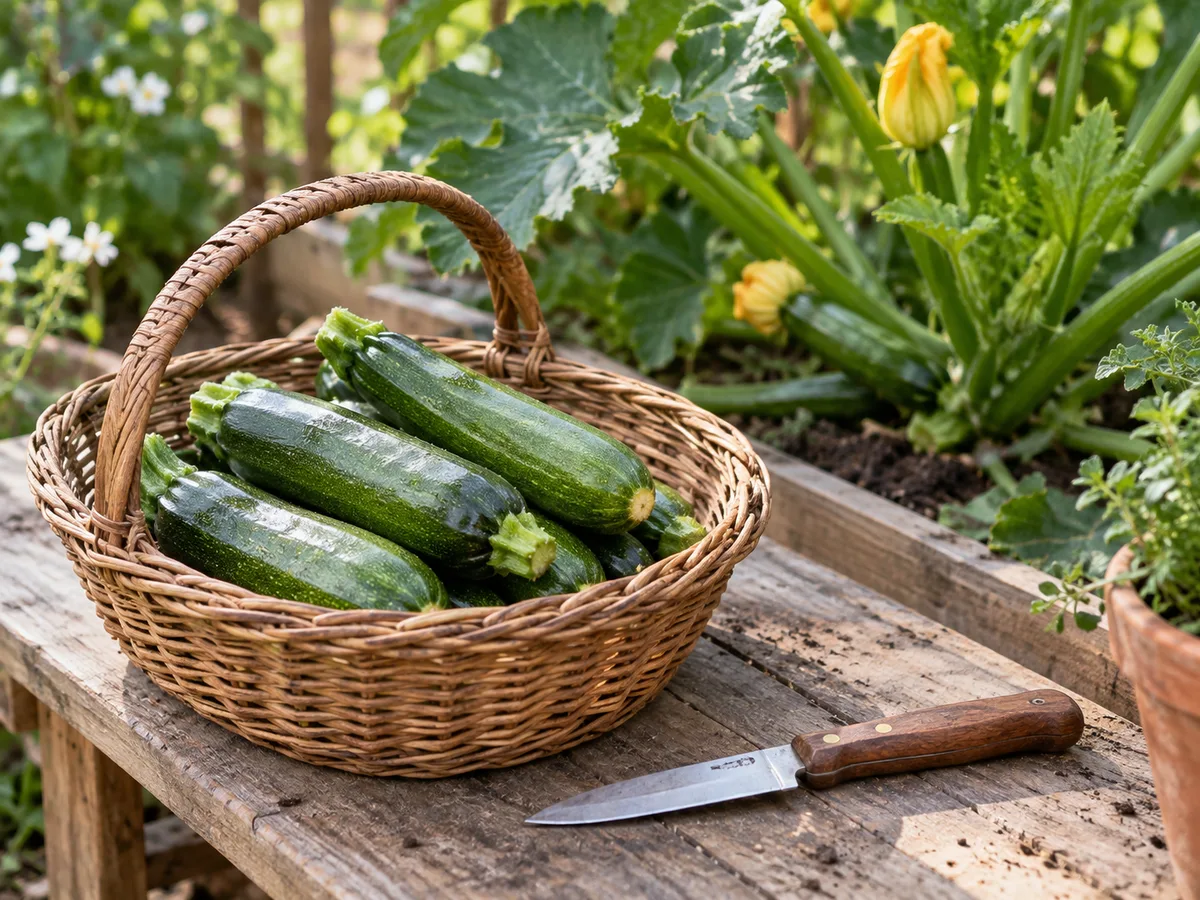
11. Zucchini: about 40–55 days to first fruit. Zucchini is a fast summer squash once plants establish and flowers are pollinated. Sow directly in warm ground or transplant carefully after frost, since squash roots dislike rough handling. Give it sun, fertile soil, and enough spacing for the broad leaves and airflow. Pick fruits while small and tender, often 6–8 inches long or at the size the variety recommends; oversized squash can be seedy and may slow continued production. If flowers appear but fruit does not grow, pollination may be limited early in the season. Keep harvesting rather than allowing several fruits to become oversized on the plant.
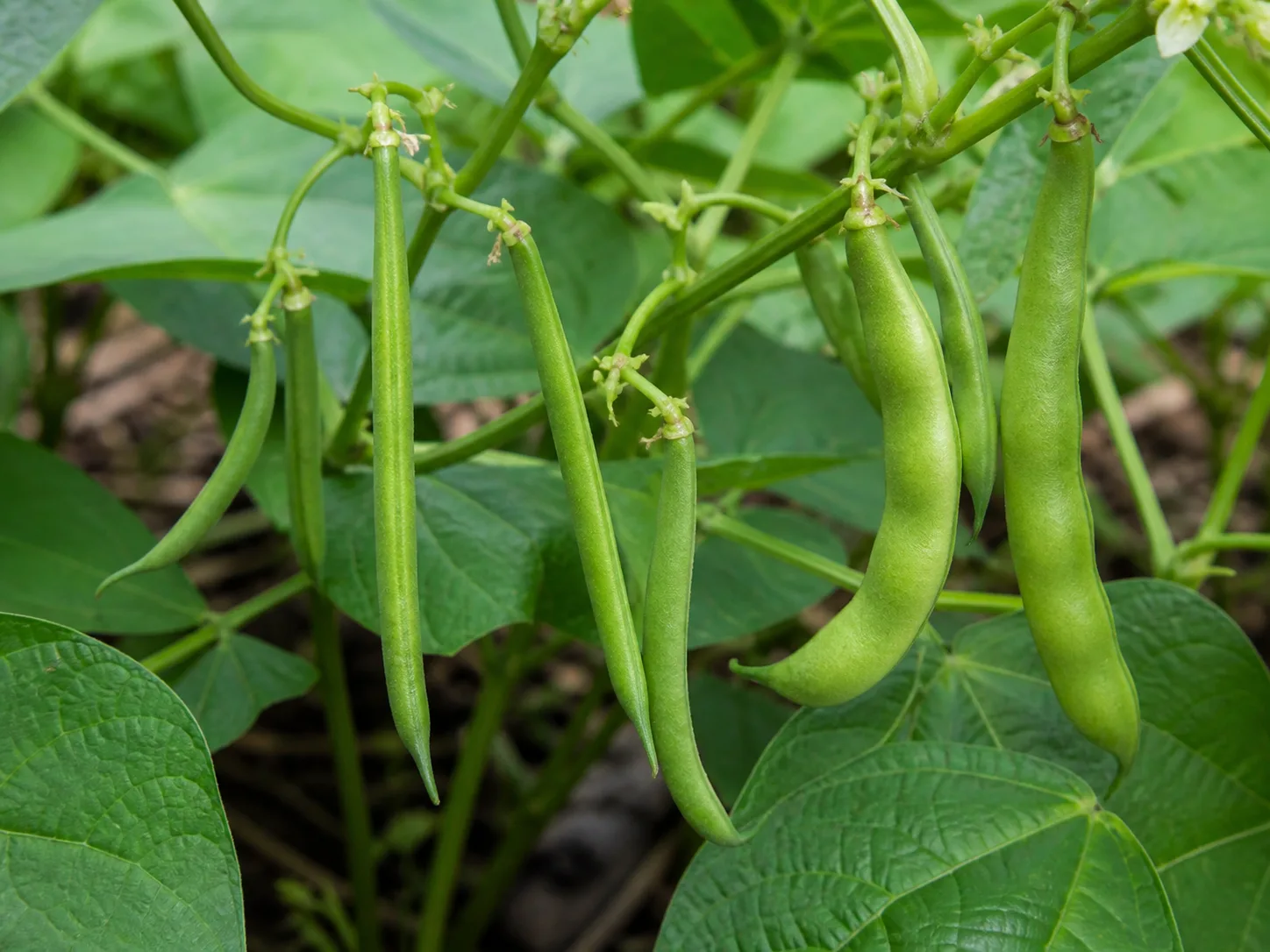
12. Bush snap beans: about 50–65 days to pods. Bush beans are a good choice when you want a concentrated harvest without building a tall trellis. Sow seed directly after frost in warm soil; beans do not transplant well, and cold wet ground can rot seed or stall growth. Keep the row evenly moist through flowering and pod fill, but avoid constantly wet foliage. Pick pods when they are firm and full-sized but before the seeds swell visibly. Frequent picking encourages the plant to keep producing over its natural harvest window. Pole beans often take longer to begin, but can yield over a longer period if you have vertical space.
13. Cucumbers: about 50–70 days to first fruit. Cucumbers are heat-loving vines that need warm soil, regular water, and either room to sprawl or a sturdy trellis. Sow after frost has passed; cold nights can set plants back even when the day feels warm. Pick slicing cucumbers while firm and at the variety’s recommended length, and harvest pickling types smaller. Fruits can enlarge quickly after pollination, so check every day or two once production begins. Illinois Extension notes that timely picking matters because overripe fruit can reduce continued production. Trellising improves access and airflow, but it does not remove the need to water deeply during hot weather.
Beets, carrots, and okra
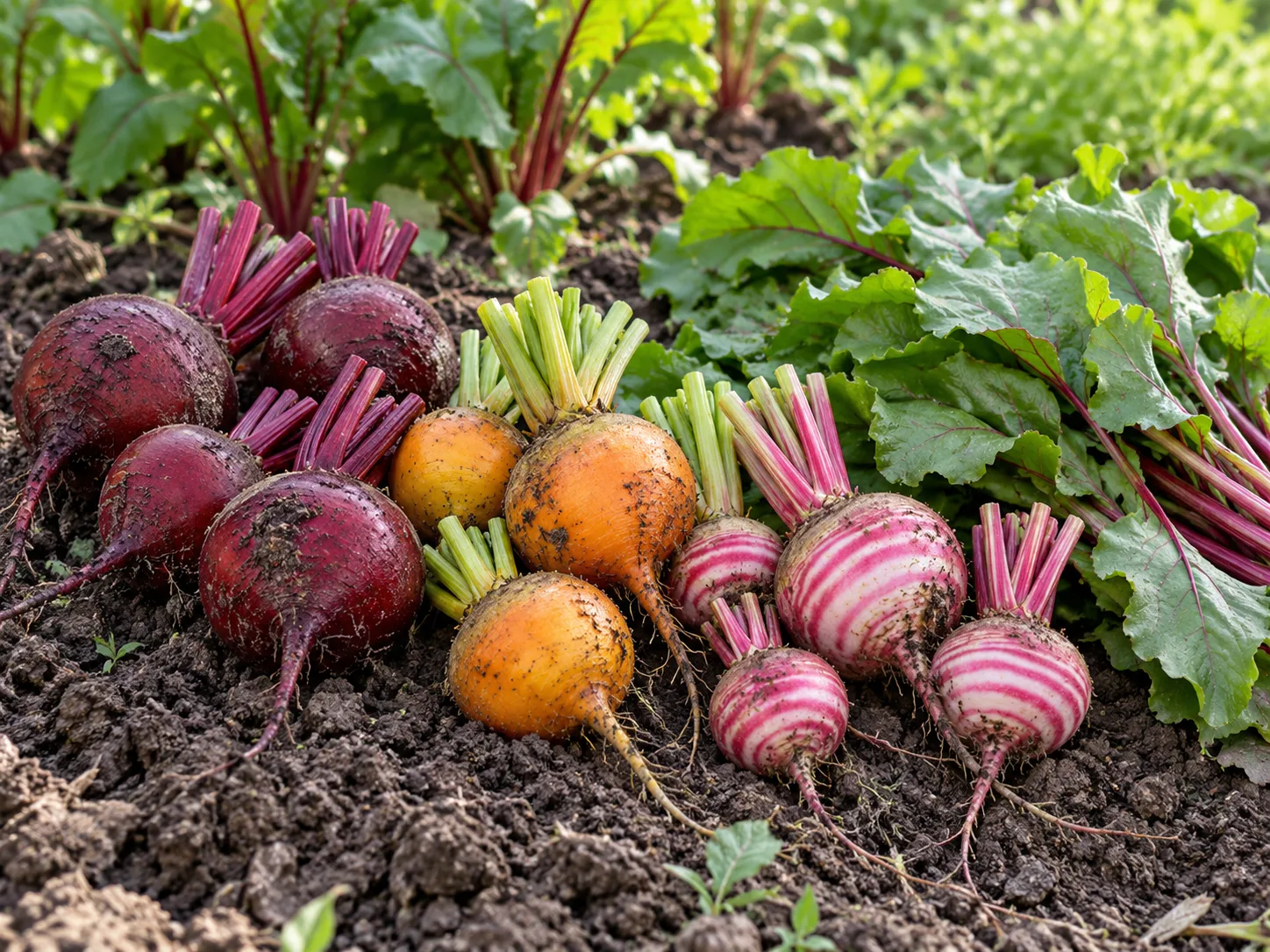
14. Beets: about 50–70 days for roots; thinnings sooner. Beet seedlings can be thinned for greens while the roots continue sizing. Each beet “seed” is usually a cluster that may produce multiple seedlings, so thin carefully rather than expecting a single sprout. Direct-sow in workable spring or late-summer soil, keep the seedbed moist while germination is uneven, and thin to the spacing on the packet. Small roots are tender and can be harvested before full maturity; Illinois Extension estimates that roots take around 60 days to reach a useful size. Do not let plants compete in a crowded row if you want round roots instead of mostly leafy tops.
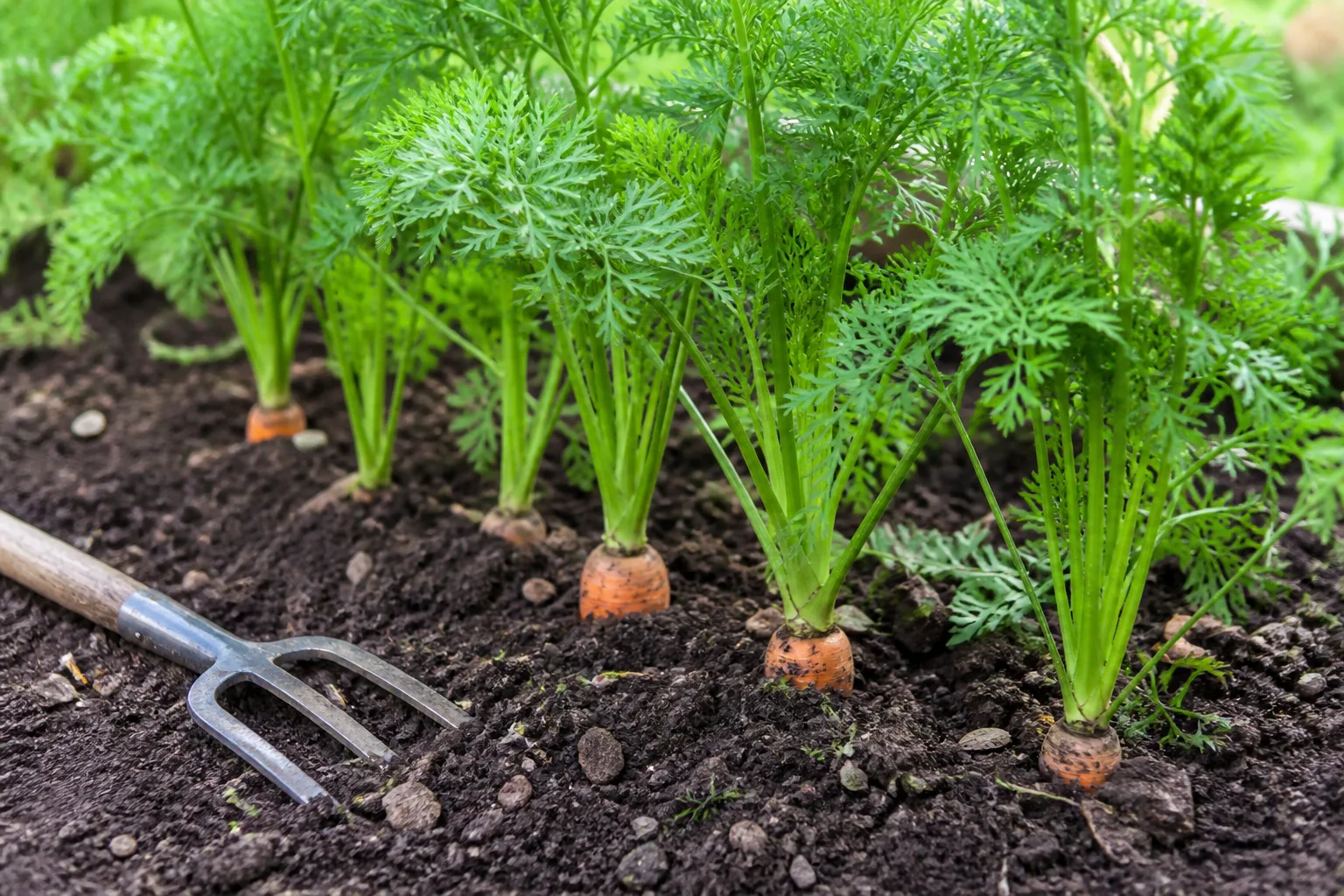
15. Carrots: about 50–75 days for small or finger roots; longer for large storage roots. Carrots are slower to emerge than many greens, so the first weeks can look like nothing is happening. Sow directly in loose, stone-free soil and keep the surface consistently moist until seedlings are established; crusted or dry soil can interrupt germination. Thin seedlings to the packet spacing so neighboring roots have room. Short, round, or finger varieties mature earlier than large storage carrots. Illinois Extension gives a 50–60-day window for finger carrots and longer for many other types. Harvest one test carrot when its shoulders reach the expected width, then decide whether the rest need more time.
16. Okra: about 50–70 days to first pods. Okra is the warmest-weather crop on this list. It grows best after the soil is thoroughly warm and needs a long, sunny, frost-free season. Direct-sow where summers are long, or start transplants carefully if your season is shorter; avoid disturbing the taproot. Harvest pods young and tender, often about 2–3 inches long, checking every day or two once the plant begins producing. The Illinois Extension okra guide emphasizes frequent picking because older pods quickly become tough. If your summer is short or cool, select an early variety and start it indoors only if you can transplant without root damage.
Compare harvest times for all 16 crops
Use this table to compare first usable stages, not to predict an exact picking date. The range is approximate and can vary by cultivar, planting method, weather, and whether the packet counts from sowing or transplanting. Extension calendars give useful local estimates: for example, WVU’s succession chart includes a broad range for crops such as arugula and okra, while the Oklahoma guide gives maturity estimates for cool-season greens. Follow your seed variety’s label first.
| Vegetable | Approximate first usable harvest | What you are harvesting | Best fit |
|---|---|---|---|
| Garden cress | 20–30 days | Young leaves | Cool to mild weather |
| Radish | 21–30 days | Small roots | Cool spring or fall |
| Arugula | 20–40 days | Baby leaves or small bunch | Cool spring or fall |
| Spinach | 30–45 days young; 40–60 fuller | Leaves | Cool spring or fall |
| Leaf lettuce | 30–50 days | Outer leaves or loose-leaf plant | Cool spring or fall |
| Turnip | 25–35 days greens; 45–60 roots | Leaves, then small roots | Cool spring or fall |
| Mustard greens | 25–40 days young; 45–55 fuller | Leaves | Cool spring or fall |
| Bok choy | 30–50 days baby; 35–60 fuller | Whole baby plant or head | Cool spring or fall |
| Kale | 25–35 days baby; 45–60 fuller | Leaves | Cool spring or fall |
| Broccoli rabe | 40–60 days | Tender stems and buds | Cool spring or fall |
| Zucchini | 40–55 days | Young summer squash | Warm, frost-free weather |
| Bush snap beans | 50–65 days | Tender pods | Warm, frost-free weather |
| Cucumber | 50–70 days | Young fruit | Warm, frost-free weather |
| Beet | 50–70 days; greens earlier | Small roots and leaves | Cool spring or fall |
| Carrot | 50–75 days; finger types earlier | Small roots | Cool spring or fall |
| Okra | 50–70 days | Tender young pods | Hot, frost-free weather |
“Fastest” depends on the meal: choose cress, radishes, or baby arugula for a quick salad; allow longer for storage roots. Zucchini may beat cucumber and beans to a summer harvest if soil is warm. Compare the stage you plan to eat, not a full fruit with baby leaves.
Choose crops for your season and space
Before buying seed, answer two questions: what is the next weather limit, and what kind of harvest fits the bed? Cool crops need a window before heat or long days make them bolt; warm crops need enough frost-free time after soil warms. A small patio can grow cress, radish, or loose-leaf lettuce in containers, while sprawling squash and cucumbers need more area unless trained vertically.
Plan a spring or fall cool-season window
In spring, direct-sow radishes, arugula, spinach, lettuce, turnips, and mustard as soon as the bed is workable, following local frost guidance for each crop. Kale and bok choy can be seeded or transplanted according to the variety label. Spring is often the easiest time to get tender greens, but wait for soil that is not saturated; working wet soil compacts it and makes a poor seedbed.
For fall, count backward from first frost using packet DTM and allow extra time for short days. The University of Maryland Extension fall-gardening guide notes that lettuce and spinach struggle to germinate above 70°F soil temperature. Start seed in shade during late-summer heat and move it as temperatures ease; do not plan late zucchini or okra.
Wait for warm soil for summer crops
Beans, cucumber, zucchini, and okra should go out after frost danger passes and soil warms. The calendar date depends on elevation, coastal influence, and local cold pockets, so use a nearby extension planting chart rather than a national date. Raised beds warm sooner than heavy ground but can also dry faster. If the forecast turns cold after planting, cover young plants overnight with a breathable row cover and remove it in daylight when conditions improve.
Choose bush beans when your space is limited and harvest is concentrated; choose pole beans or trellised cucumbers when you can use vertical space. Zucchini is productive but needs room for broad leaves; one healthy plant can provide more fruit than a small household wants. Okra is tall and thrives in heat, so it is a poor “fast crop” for a cool, short summer even if the packet lists a relatively short maturity range. A right-season crop usually beats an early sowing that sits cold for weeks.
Sow small amounts for a steady harvest
Avoid a glut by sowing a short row every 7–14 days while conditions suit that crop. University of Maryland Extension describes sequencing crops, and RHS sowing guidance recommends repeat sowing for continuity. This works for radish, lettuce, mustard, or beans. Stop when heat, frost, or short days make another sowing unlikely to mature. Note the variety, sowing date, and first harvest to refine next year’s timing.
Help seedlings grow quickly without stress
Prepare a fine seedbed, sow at packet depth, and keep the surface moist through germination; slow-emerging carrots are easy to lose in dry soil. Once seedlings establish, water deeply enough to moisten the root zone.
Thin promptly, once seedlings are easy to handle. Crowded radish, beet, turnip, and carrot roots stay small, so follow the variety’s spacing; leaf crops also need room for airflow and easy picking. Remove weeds while young, before they compete for light and water.
Use compost or fertilizer according to soil need instead of excess nitrogen, which can produce leaves without improving roots or fruit. Give fruiting crops several hours of direct sun. Containers need drainage and enough soil volume: shallow pots suit cress or baby greens, not full-size carrots or zucchini. A pot may also heat and dry faster than a garden bed, so check it more often in sunny weather.
Harvest at the right size and keep plants productive
Harvest cues matter more than the printed day. Pull radishes at the variety’s expected size; take turnip greens young and leave the central growing point when clipping leaves. Check carrot and beet shoulders, then pull one test root. Harvesting roots too early sacrifices yield, while leaving some too long in heat can make them woody.
Pick zucchini and cucumbers frequently as they size quickly in warm weather. Take beans before seeds bulge and okra while pods are tender. Use clean scissors for greens and check producing vines every day or two during peak harvest. Harvest in the cool part of the day when convenient, and refrigerate leafy crops promptly to limit wilting. If a plant is intended to keep producing, avoid stripping all its leaves at once.
Troubleshoot slow or disappointing crops
If seed has not emerged, check temperature and moisture. Cold soil stalls warm-season seed; dry or crusted soil can block small seed. If radishes or beets make tops but little root, check spacing and light before adding fertilizer.
If greens flower early, heat or day length has ended the window; harvest usable leaves and re-sow when it cools. If zucchini flowers without fruit, wait for pollination: early flowers may be male, and female flowers have a small swelling behind the petals. Keep cucumber moisture steady during fruit set. A microgreen, baby leaf, and mature vegetable are different harvests. Check the variety packet and trial a small sowing before filling a bed.
Conclusion
The quickest garden harvests usually come from cress, radishes, and young salad leaves, but each of the 16 vegetables can be fast when planted in its proper season and picked at the intended stage. Use cool weather for leafy greens and many roots; wait for warm soil and frost-free nights for zucchini, beans, cucumbers, and okra. Treat days to maturity as a range, thin seedlings, keep seed rows evenly moist, and sow small batches when the season allows. A realistic crop and harvest stage will get food to the table sooner than simply planting earlier.