When Does Lavender Bloom? Timing by Type and Climate
When does lavender bloom? Find real bloom windows by lavender type, what shifts the date in your garden, and how to encourage a second flush.
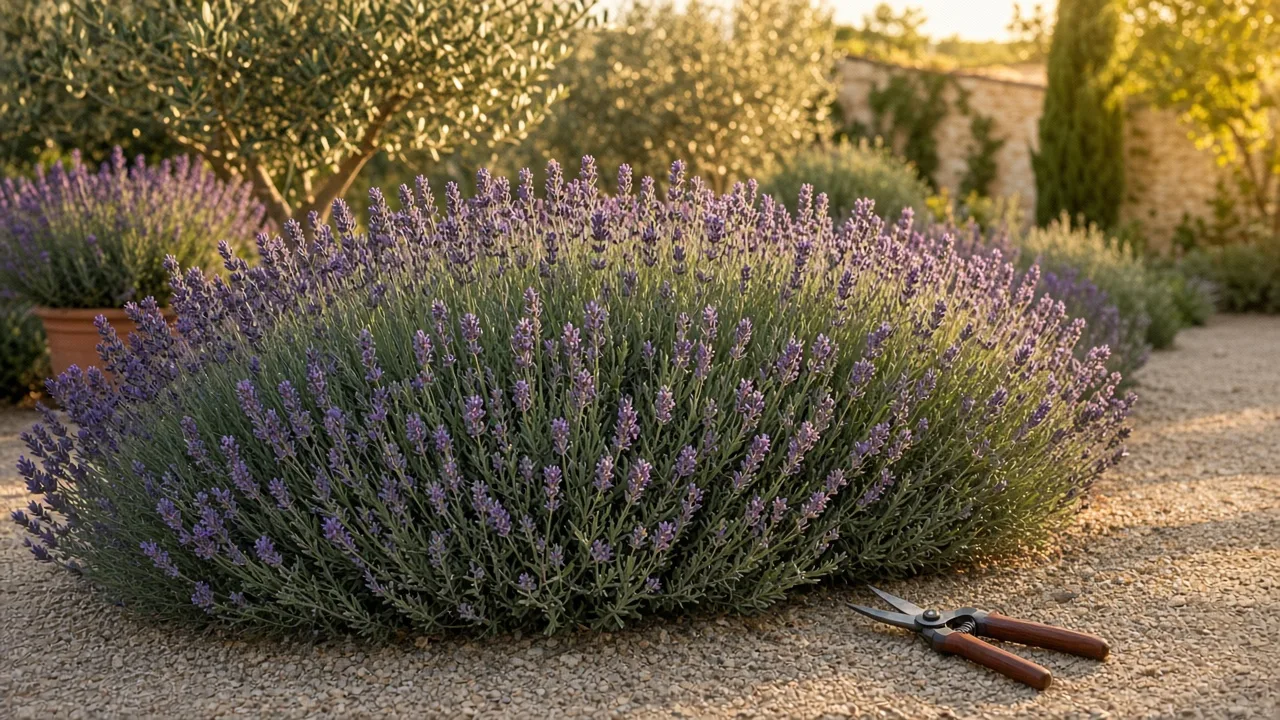
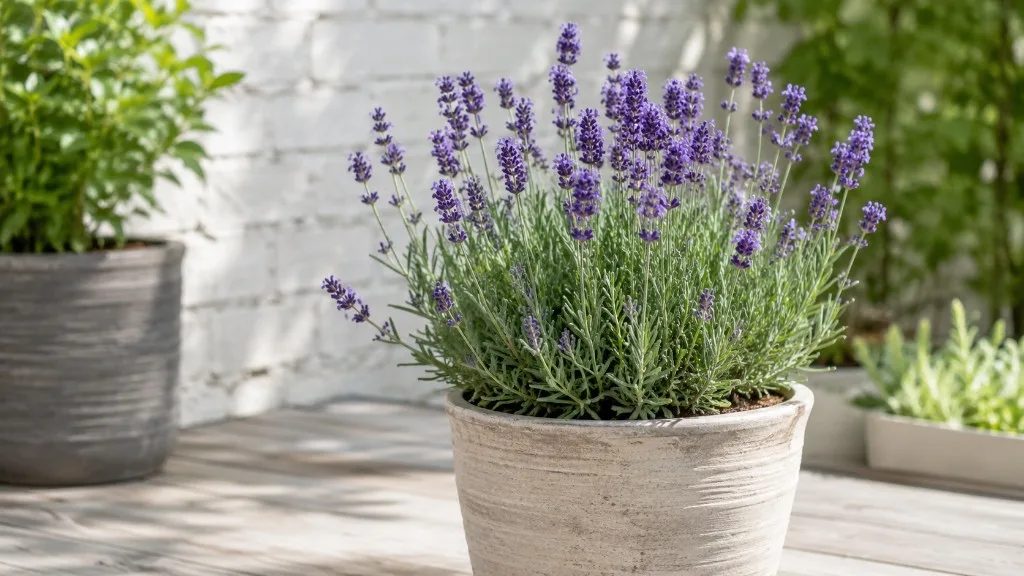
Lavender flowers between late May and August, with the heaviest bloom landing in June and July across most temperate climates. What moves the date is not the calendar but the plant: which species you grew, how warm and bright the spring was, and how old the plant is. English lavender and lavandin make up the main flush in cool climates, while Spanish and French lavender open earlier — from April in mild areas — and keep producing scattered flowers well into autumn.
Treat any specific date as a guide rather than a date to plan a party around. The calendar below is a synthesis of horticultural references and reported garden observations across regions, and your own garden will run a week or two either side of it depending on where you are. It is not a record from a single test plot, and pretending otherwise would be false precision.
When lavender usually blooms
Why “summer” is not a useful answer
“Bloom time” covers two different numbers, and most quick answers give you only one. The first is the bloom window — when flowering starts. The second is the bloom duration — how long the plant keeps producing new spikes. A single spike is finished in a few weeks, but a well-managed mound can hold color for a month or more because new stems open as older ones fade.
Those two numbers are what make a lavender garden confusing. If your first spikes opened in May, it does not mean the plant is finished in June, and it does not mean it has failed. It means you are looking at a window, not a switch.
Bloom calendar by lavender type
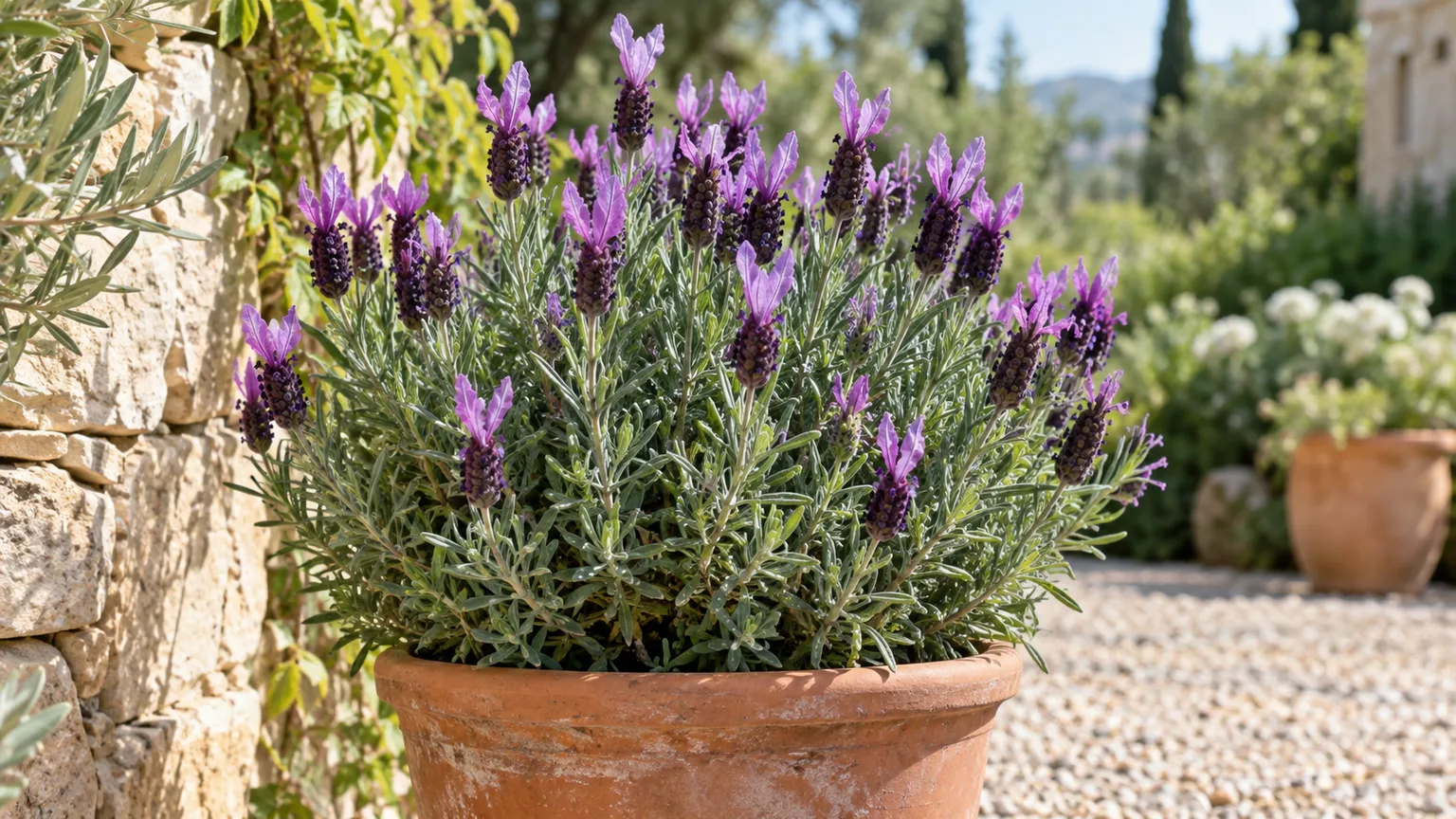
The species you planted is the biggest single factor. This table summarises the main garden types; the sections below cover each in more detail.
| Type | Typical window | Hardy to | Reblooms? |
|---|---|---|---|
| Spanish (L. stoechas) | April/May into autumn | Zone 8 | Often, intermittently |
| French (L. dentata) | Late spring into autumn | Zone 8 | Often |
| English (L. angustifolia) | Late May to July | Zone 5–8 | Sometimes, lightly |
| Spike (L. latifolia) | May into August | Zone 6–8 | Sometimes |
| Lavandin (L. × intermedia) | July into August | Zone 5–9 | Rarely |
English lavender
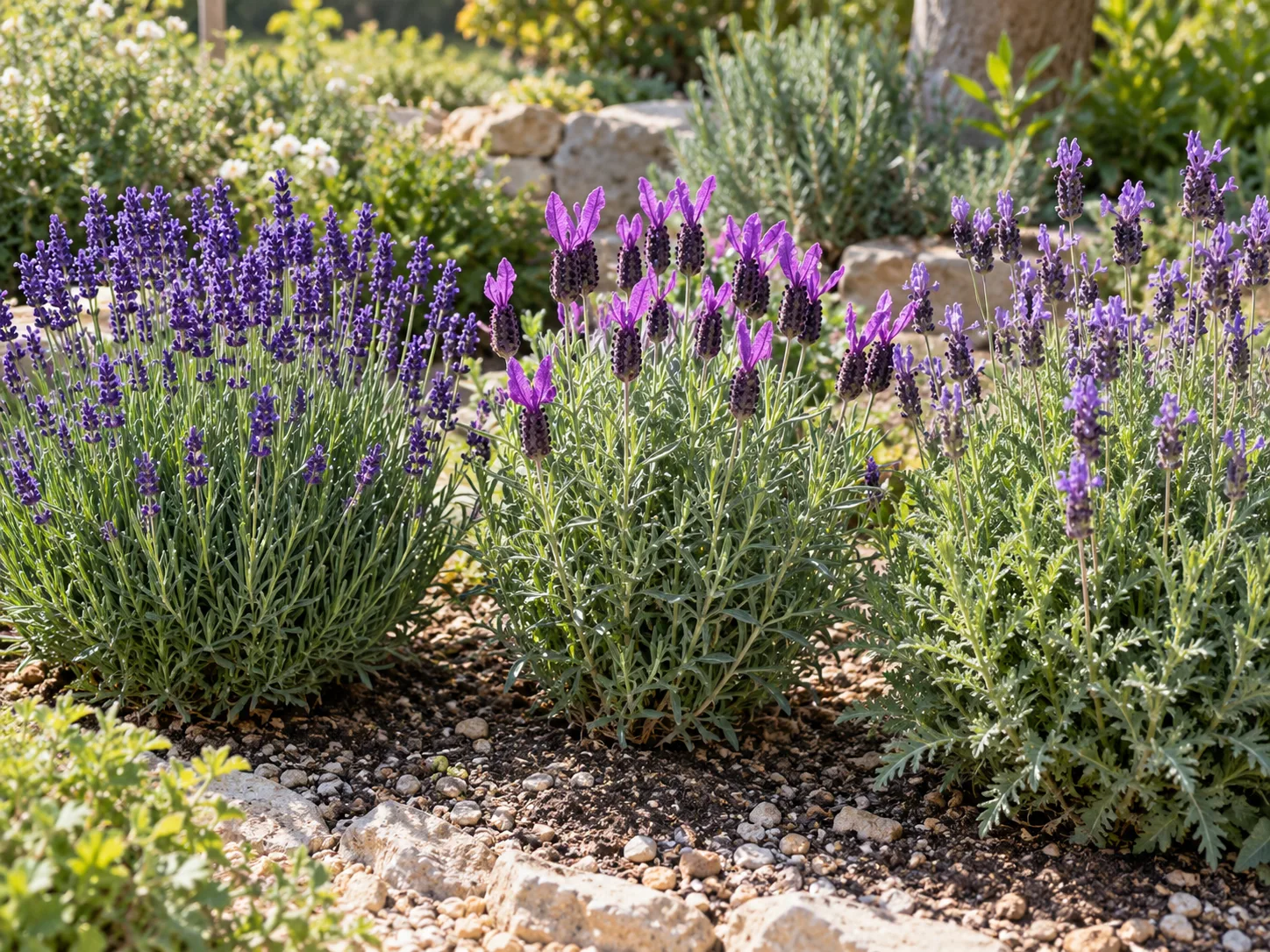
English lavender is the most widely grown type in cool climates and the earliest of the types that reliably tolerate cold winters. It opens in late May to July, with the main flush around late June in much of zones 5 through 8. It stays compact, roughly 0.5 to 1 metre tall and a little wider, with long unbranched stalks carrying short dense spikes.
The Royal Horticultural Society describes the species as flowering in “mid to late summer,” which sits later than the late-May-to-June timing many gardeners in the US and UK report. Rather than treat one as correct, the useful reading is that the species is genuinely variable and the regional difference is real. NC State describes it as a rounded 2 to 3 foot plant with dark purple flowerheads and light purple bracts, in well-drained soil and full sun.NC State Extension
Spanish lavender
Spanish lavender opens earlier than the rest and stays in flower longest. In mild climates it typically starts in early to mid-May, carries a heavier flush in June, and continues intermittently until frost. The “rabbit ear” bracts crowning each spike are sterile and purely decorative, but the smaller true flowers below them do set seed — Spanish lavender is widely grown from seed, and its long season comes from its extended flowering habit rather than from any inability to set seed.
It is the least fragrant of the group and less cold-hardy, generally to zone 8, so it suits a warm, sunny, sheltered spot. Expect an unruly, flowering plant rather than a tidy mound.
French lavender
French lavender, or gray lavender, has the serrated leaves that give it a silvery, lacy texture. It flowers from late spring into autumn and is among the more reliable repeat bloomers, producing further flushes when faded spikes are removed. It is among the least cold-hardy types, usually to zone 8, and gardeners in colder zones commonly grow it in a pot or treat it as an annual. The scent is more herbal and camphorous than English lavender and less sought after for fresh use.
Lavandin
Lavandin is the hybrid behind the large commercial lavender fields and the standard late-season choice. Cultivars such as ‘Grosso’, ‘Provence’, and ‘Phenomenal’ flower in midsummer, typically July into August, with long heavy spikes and high oil yield. ‘Grosso’ in particular starts later than English lavender and often runs noticeably longer.
This matters when you are choosing what to grow. If you want the earliest flowers and the best quality for fresh culinary use, plant English lavender. If you want the largest harvest and the most oil, plant lavandin.
Spike lavender
Portuguese lavender, or spike lavender, has broad evergreen leaves and a strong, camphor-forward scent. It blooms from May into August in zones 6 through 8 and is grown more for oil than for the kitchen. It is tall and vigorous, often around a metre, with long slender spikes rather than the compact heads of English lavender.
What shifts the date in your garden
Hardiness zones are not bloom calendars
A USDA hardiness zone tells you the average annual minimum winter temperature a plant survives. It is a useful survival guide and a poor flowering predictor. Two gardens in the same zone can be three weeks apart, and a zone tells you nothing at all about how warm March was.
What actually moves bloom timing is accumulated spring warmth and light, local frost dates, and the growing conditions in the year your plant is trying to flower. If you want a real prediction for your garden, the most reliable method is simply to note the date your own first plant opens each year and treat that as your baseline. Individual gardens are far more predictable than published calendars.
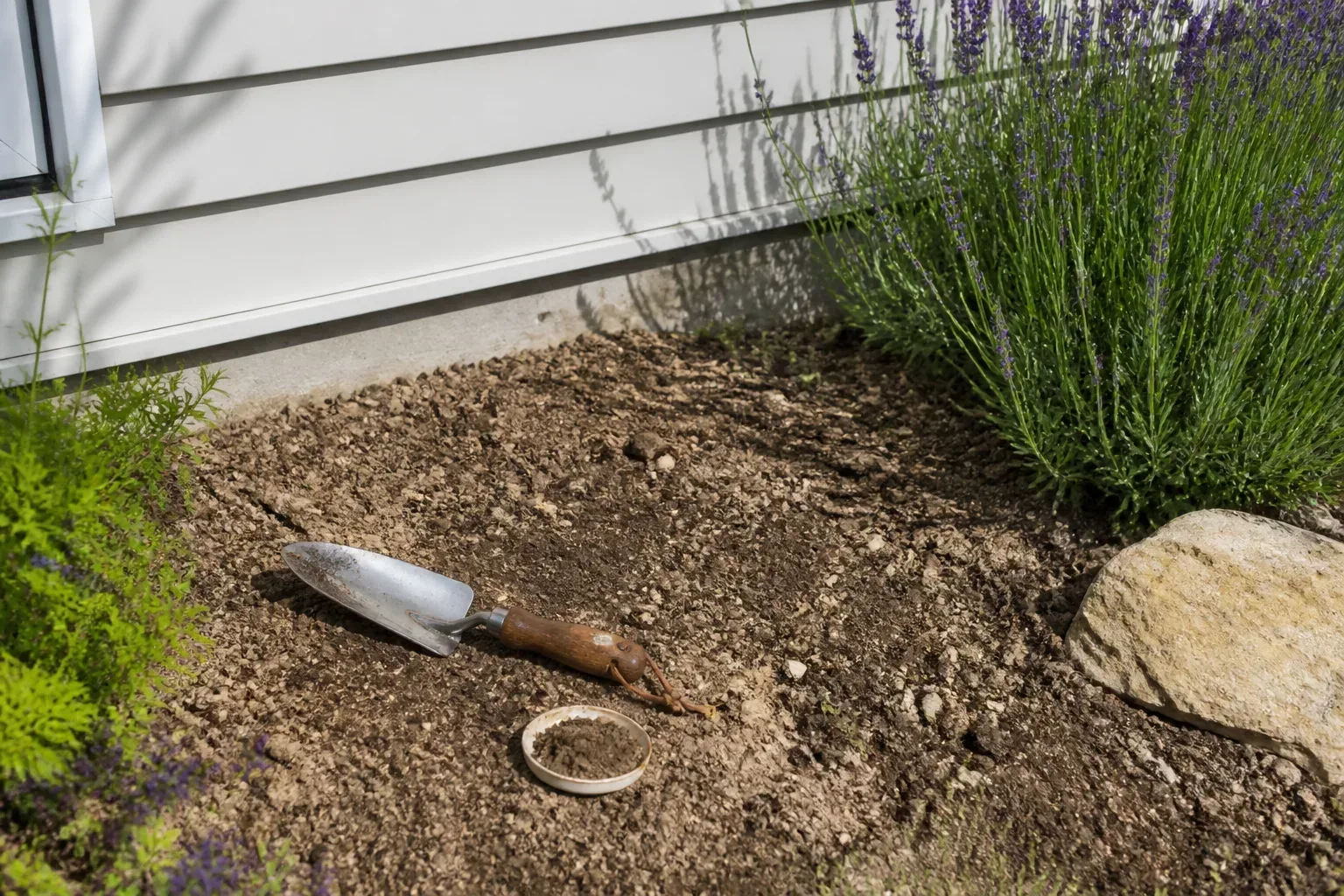
Spring warmth, cultivar, sun, and plant age
Winter cold. Lavender generally needs a winter before it flowers well, and a mild, wet winter in a marginal zone can delay spring growth and push bloom well into July. This is also why a plant that barely survived a severe winter flowers late — it spent its reserves on recovery. Purdue Extension notes that after a hard winter, spring growth is often delayed, which makes it easy to mistake dormant but live stems for dead ones.
Heat and sun. Lavender flowers on new growth and needs a long, sunny run-up to build a strong flush. A plant in partial shade, or crowded by neighbours, opens later and more sparsely. Six to eight hours of direct sun is the usual target.
Plant age. This is the most common reason a young lavender is not flowering, and it is usually not a problem. A plant in its first season is putting energy into roots and framework and may produce a few short spikes or none at all. Most lavenders need two to three years to put on a substantial, harvest-worthy display. A plant bought in flower during its first year will disappoint you the following spring, and that is normal rather than a fault.
Container versus ground. Pots warm and dry faster, so container-grown lavender often opens a little earlier in spring and can be coaxed into a second flush more easily. It is also far more prone to winter loss and to the stress that suppresses flowering. A potted plant that wilts hard in July heat may well drop buds it has already set, so check moisture more often than the calendar suggests during the run-up to bloom.
Cultivar. Even within one species, named cultivars open on noticeably different dates. If your English lavender started two weeks ahead of a neighbour’s in the same bed and the same soil, the difference is far more likely to be cultivar than anything either of you did. This is a good reason to grow several named varieties instead of one unnamed bundle.
Choosing between types is covered in more detail in our guide to lavender varieties, and site conditions matter as much as the plant — where not to plant lavender is worth reading before you commit.
Can lavender bloom twice?
Most lavender sends up one main flush, and a second is a bonus rather than an expectation. Whether you get one depends on the species and on what you do once the first flowers fade.
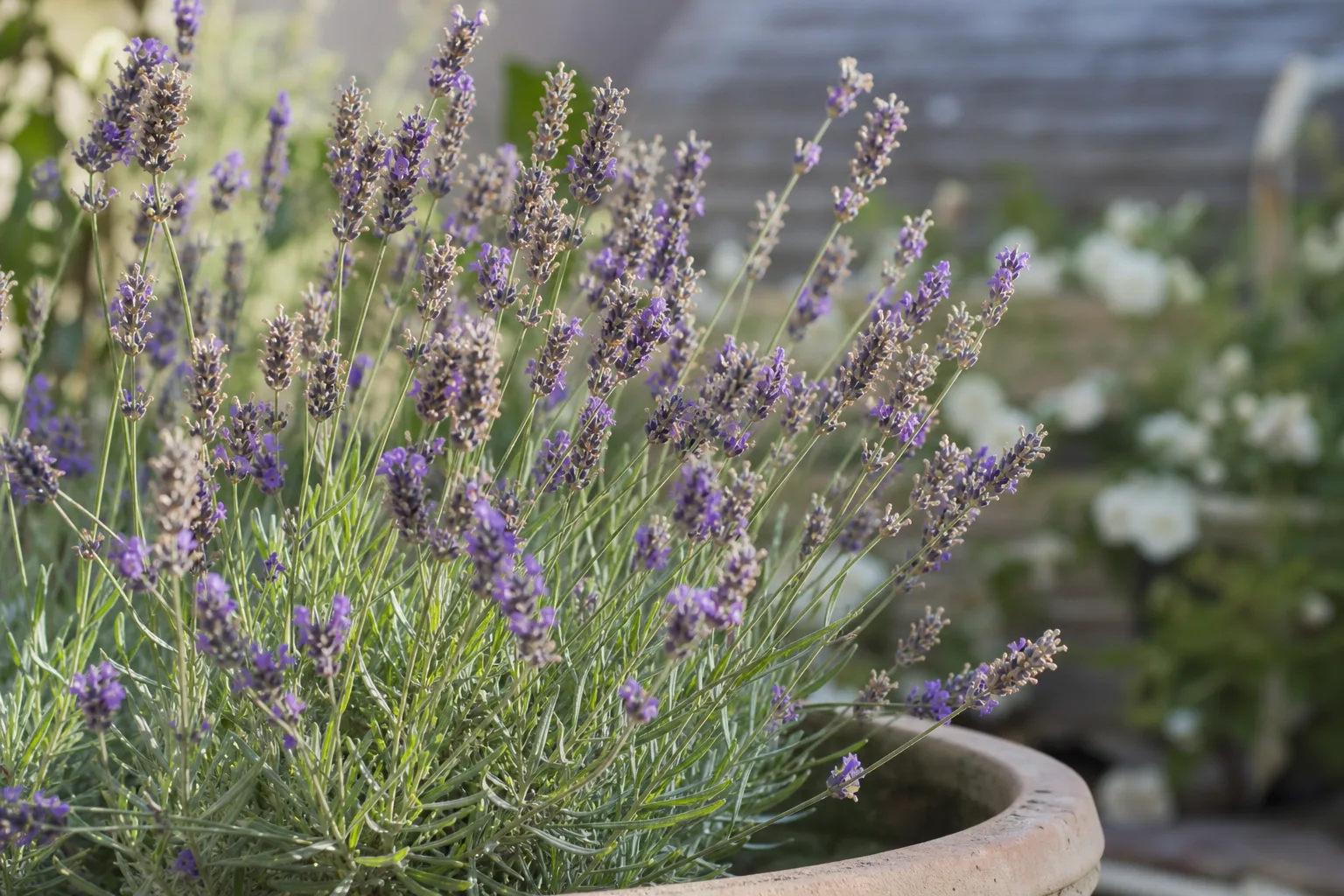
The mechanism is straightforward. Once a spike finishes flowering the plant begins directing energy into seed production. Removing the spent spike before it commits to that redirects energy into producing new shoots, and new shoots are what carry the next round of buds. That is the whole principle, and it is why plants that are never deadheaded tend to get progressively woodier and flower less densely each year.
Which types are most likely to try again varies. Spanish and French lavender are the most persistent, often producing several light flushes across a season. English lavender and spike lavender sometimes produce a smaller second round if deadheaded promptly. Lavandin rarely gives a meaningful second flush.
Be realistic about the size of it: a rebloom, when it happens, is smaller than the first and often over by the time the weather turns.
How to encourage another flush
When to cut
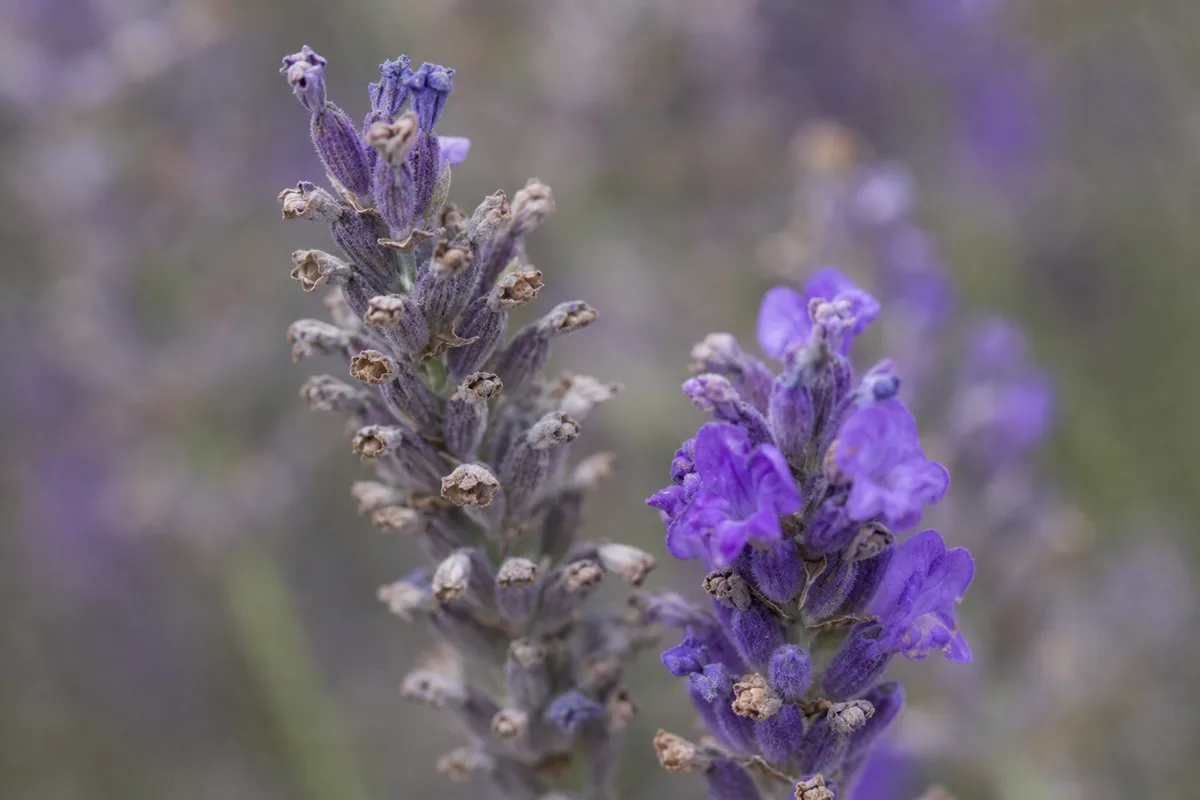
Timing matters more than technique. Wait until most of the flowers on a spike have faded and browned but the spike is not yet brittle along its whole length — roughly two-thirds spent is a reasonable guide.Our Wild Garden Cutting earlier risks removing buds that have not opened; cutting much later means the plant has already committed to seed.
Follow each stem down to the first set of leaves and cut just above that leafy node, a few millimetres is enough. Use clean, sharp snips or pruners, and repeat across the whole plant.
The one rule that genuinely matters is this: stay in green leafy growth. Lavender seldom resprouts from bare old wood, so a cut made below the leaves into grey, leafless stem usually does not come back. Repeated cuts like that are how a lavender ends up as a ring of dead sticks with a few green shoots on top. If a plant is already largely woody, take cuttings from healthy young growth and start a replacement rather than trying to force the old frame back to life. Our guide to pruning lavender covers how to work on a leggy plant without losing it.
What to do afterward
After cutting, give the plant the conditions that support a further flush. Start with light — the plant still needs full sun to build new buds.
Do not feed it heavily. Lavender grows in lean soil by nature, and pushing nutrients produces soft leafy growth at the expense of flowers. The RHS notes specifically that potash encourages flowering while high-nitrogen fertilisers and manure produce floppy, weak growth. If you feed at all, a light compost dressing in spring is plenty.
Water carefully. Colorado State University Extension advises watering slowly and deeply when there is no rain in summer and allowing the soil to dry between waterings, and stresses that very well-drained soil is essential to prevent root rot. The same guidance recommends a mineral mulch of sand or pea gravel rather than organic material, kept about six inches clear of the stems so air can move around the crown.
Then leave it alone. New shoots take several weeks to develop, and a second flush, if it comes, will be smaller than the first.
Why lavender is not flowering
Work through these causes before spending money on a product. The first two account for most cases, and neither takes more than a season to fix.
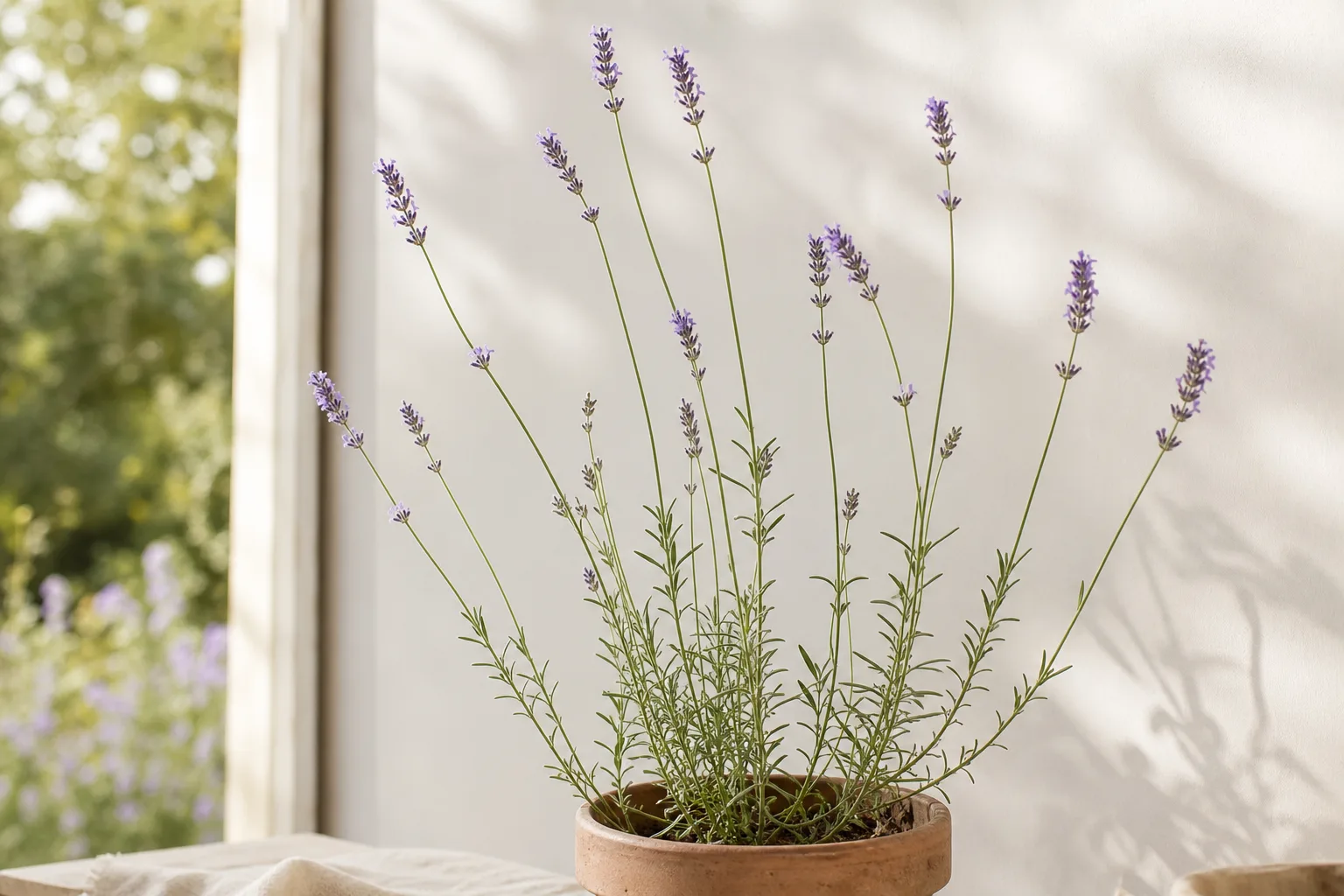
It is too young. Under two years old, this is the most likely explanation of all. Keep the plant growing steadily and expect a real display from year three.
It is not getting enough sun. Lavender wants full sun. A plant getting four hours instead of eight will grow leaves rather than flowers. Watch the site through a full day, and check whether a building, fence, or tree is shading it in the afternoon.
It has been over-fertilised. Rich soil and nitrogen-heavy feeds push leafy growth at the expense of flowers. An Oregon Extension adviser responding to a homeowner’s 7-9-5 feed recommended against fertilising at all, noting that lavender thrives in poor soils with little organic matter and that fertiliser can be detrimental.Ask Extension If your lavender looks lush and floppy with few flowers, this is worth checking first.
It is stressed. A plant that is rootbound, sitting in soggy soil, or recovering from transplant shock will often grow leaves and hold off on flowers until it has settled. Check drainage as a starting point, since root rot from wet soil is the most common killer of lavender, and readers often first notice it simply as a plant that stopped flowering and then died.
It has gone woody. A woody plant can still be alive but has fewer viable buds. This is a pruning history problem rather than a feeding problem, and it is addressed in our guide to pruning lavender.
Something is wrong with the foliage. If you see scorched, wilted leaves alongside stunted growth — rather than simply a lack of flowers — consider Xylella, a bacterial disease affecting many plant species that the RHS lists English lavender as a high-risk host for.RHS plant profile It blocks the plant’s ability to take up water, which is why affected growth looks scorched even when the soil is damp.Gardening Know How Where it has been confirmed in a region there is little to be done for an individual plant; the practical response is to control the sap-sucking insects that spread it and to keep plants vigorous. Rosemary beetle and cuckoo spit are far more common, far more treatable, and rarely affect flowering.RHS plant profile
If the rest of the plant looks healthy and only the flowers are missing, work through age and light first. One detail worth knowing: leggy growth with flowers only at the very tips is a light problem, not a feeding one. A plant reaching for light stretches and puts its energy into a few flowers on long bare stems, which looks like hunger and gets treated like it, making things worse.
When to harvest lavender
If you are cutting for the house rather than for reblooming, the timing shifts slightly. Cut when the first florets on a spike have just opened and the rest are still tight, which is generally considered the point of peak oil concentration. Cut in the morning after dew has dried, using clean, sharp shears, and keep the stems upright in a bucket of cool water while you finish.
The mechanics, including how to tell green growth from old wood while you cut, are covered in our guide to harvesting lavender.
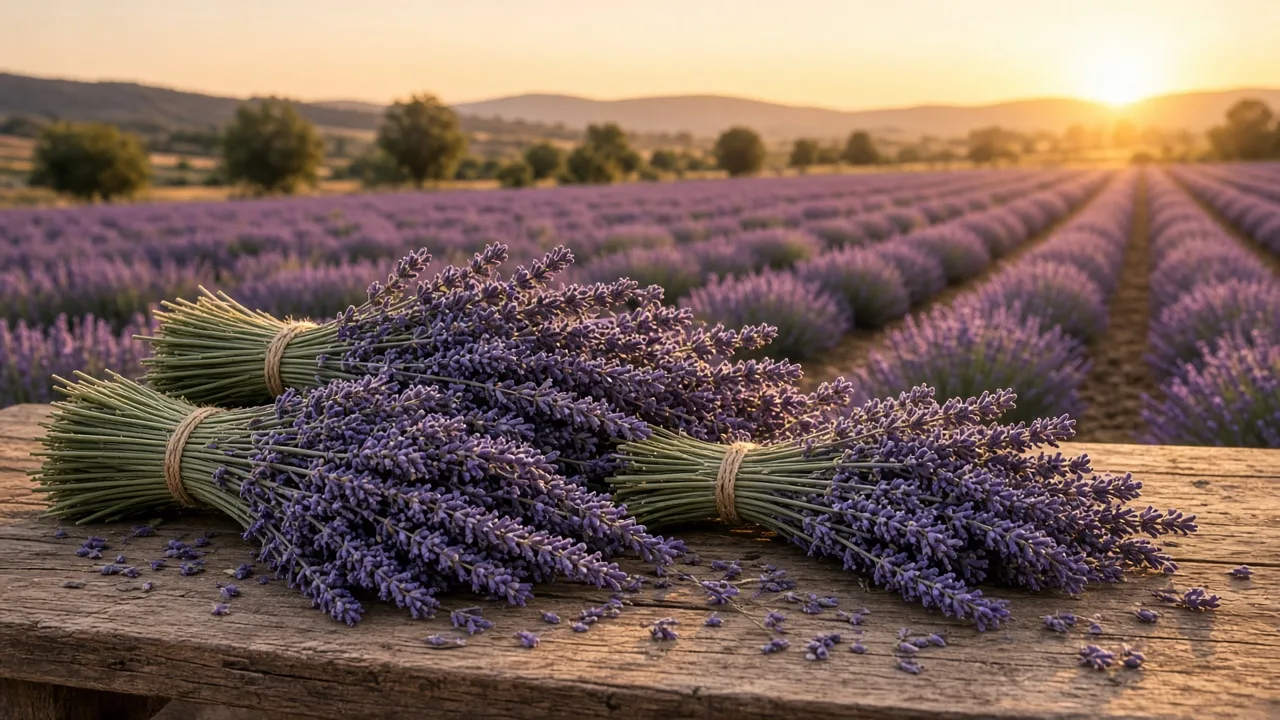
One practical note before you plant a large row. The ASPCA lists lavender as mildly toxic to dogs, cats, and horses, citing linalool and linalyl acetate, with nausea, vomiting, and reduced appetite as the reported signs.ASPCA That is a mild reaction rather than an emergency, but if your pets graze your borders it is worth knowing, and worth keeping dried bundles and essential oils out of reach.
Conclusion
Lavender flowers from late May into August, with the main flush in June and July in most temperate climates. English lavender and lavandin make up the core of that season, while Spanish and French types start earlier and keep going longer. Your actual dates will run a week or two either side of that, and your own recorded first-bloom date is more useful than any published chart.
To get a long season, plant for a sequence: Spanish and French types for the early flowers, English lavender through the middle, and a late lavandin to close it out. Deadhead once most of each spike has faded, cutting just above the first set of leaves and staying in green growth. Skip the fertiliser, keep the drainage sharp, and give it full sun. Expect a possible second, smaller flush rather than a reliable one, and remember that a young plant not flowering is usually just being patient.



