Do Mothballs Repel Mice? What Pest Experts Say
Mothballs will not keep mice out of your home. Pest experts explain why the myth persists, the health and legal risks, and what exclusion and trapping actually work.
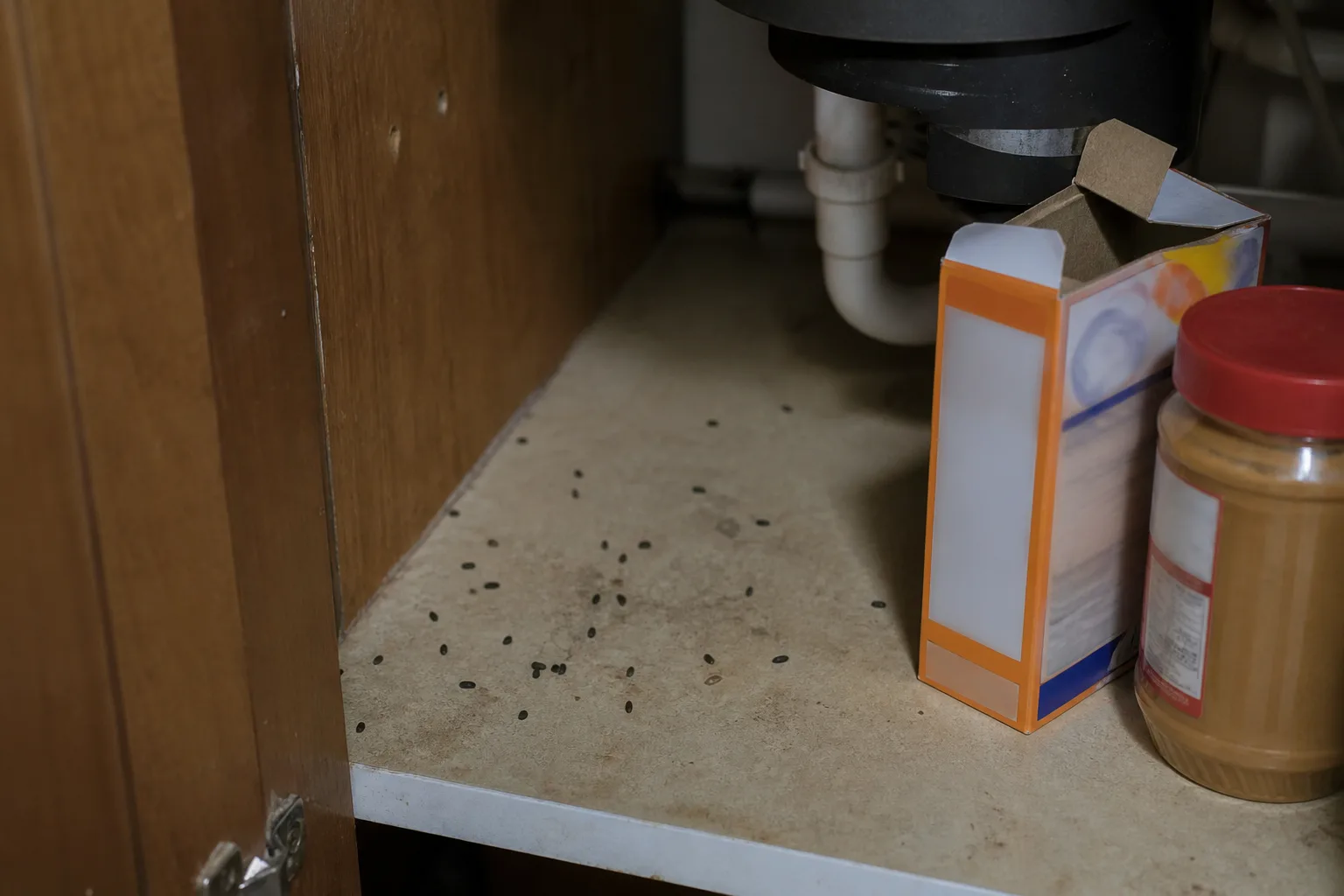
No — mothballs do not keep mice away. They are EPA-regulated pesticides labeled to kill clothes moths and other fabric pests inside airtight storage containers, not to repel house mice roaming your kitchen, attic, or garage. Scattering them in living spaces creates a strong odor, exposes people and pets to toxic vapor, and often violates federal pesticide law — without delivering reliable rodent control.
That blunt answer surprises people who grew up seeing mothballs tucked in crawl spaces or under sinks. The smell feels like it should work. Pest professionals and extension toxicologists see the same story every winter: homeowners delay sealing and trapping because they believe the white balls are doing something useful. They are not.
The Short Answer: Mothballs Are Not a Mouse Repellent
House mice (Mus musculus) enter heated buildings for food, warmth, and nesting material. A few mothballs on a pantry shelf or along a baseboard do not produce enough naphthalene or paradichlorobenzene vapor in an open room to drive mice out — and mice routinely tolerate odors humans find overwhelming when shelter and calories are nearby.
The National Pesticide Information Center (NPIC) states plainly that mothballs are not wildlife repellents. They are insecticides meant to release a trapped gas that kills clothes moth larvae in sealed bins. Using them to repel mice is off-label, frequently illegal, and a poor substitute for the integrated pest management (IPM) steps the CDC recommends: seal entry points, remove food and clutter, trap along runways, and monitor for new activity.
If you are hearing scratching at night, start with our signs you have mice checklist — then move to exclusion and traps, not mothballs.
What Mothballs Actually Are (and What They Are Labeled to Kill)
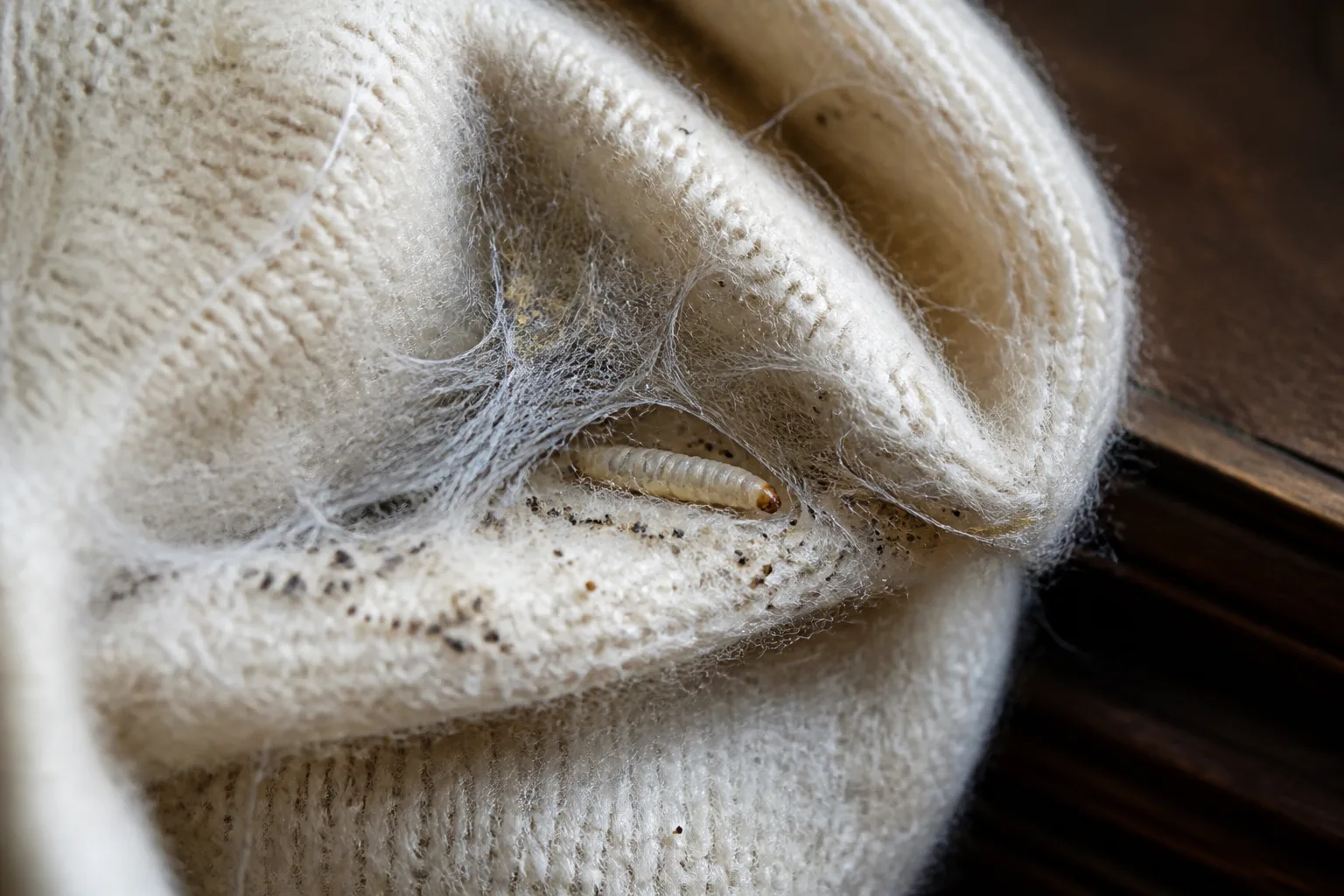
Mothballs, flakes, crystals, and bars are solid pesticides that sublimate — they slowly turn from solid to gas without melting. In a tightly closed, airtight container holding wool, cashmere, or other animal-fiber clothing, the vapor builds to concentrations high enough to kill clothes moths and their larvae.
That is the entire design. Mothballs are not slow-release air fresheners for pest control. They are fumigants for enclosed fabric storage.
Naphthalene vs Paradichlorobenzene
Most U.S. mothballs contain either naphthalene or paradichlorobenzene (PDB) at high active-ingredient concentrations. Both chemicals carry serious health warnings when people or pets breathe fumes or swallow pieces.
Naphthalene can damage red blood cells, causing anemia and organ stress; it is banned for mothballs in the European Union because of human and environmental toxicity. Paradichlorobenzene is more common in U.S. retail mothballs today and is somewhat less acutely toxic by ingestion, but chronic vapor exposure still causes headaches, nausea, and — in large exposures — neurological and blood effects, according to Poison Control.
Neither ingredient is formulated or labeled at rates meant to fill a bedroom, attic, or crawl space with rodent-repelling gas.
Why Airtight Storage Is the Only Legal Indoor Use
NPIC’s regulation guidance is explicit: labels direct users to place mothballs inside containers that prevent fumes from accumulating in living spaces where people and pets breathe them for long periods. Using mothballs in containers that are not airtight — or loose in a closet, drawer, or under appliances — lets vapor escape into your home while failing to reach kill levels for fabric pests.
Mothballs must also stay away from food and food-prep areas. That alone rules out most kitchen and pantry “mouse deterrent” placements people attempt.
For the pest mothballs are actually meant to control, see our guide on do mothballs repel spiders — the same label logic applies: open-room use does not work and creates risk.
Why the Mothball-and-Mice Myth Won’t Die
The idea feels intuitive: mice have sharp noses; mothballs smell terrible; problem solved. Pest educators at Oregon State University Extension regularly field calls from people using mothballs against squirrels, mice, snakes, and other animals — a misuse extension staff describe as both common and ineffective.
Rodenticide Labels vs Real-World Behavior
Some mothball products have historically carried rodenticide registrations, which fuels confusion online. Labeling a chemical class as rodenticidal is not the same as making scattered mothballs a practical mouse control method.
A mouse would need to eat enough naphthalene to suffer poisoning. In a home with pet food, birdseed, pantry goods, and compost, rodents simply choose real calories. They do not gnaw mothballs like bait. Even if a curious mouse tasted one, the amount of active ingredient in a few balls spread across a basement floor is nowhere near a reliable lethal dose — while still enough to sicken a toddler or cat who mistakes a ball for candy.
Professionals who handle rodent IPM daily report the same pattern: odor avoidance is temporary. Mice route around an intense smell if convenient, or nest on the other side of a wall where vapor is weaker. They do not abandon a structure that still offers heat and food.
Social Media, Old Advice, and Garage “Hacks”
Mothball myths spread through inherited habits — grandparents’ attics, farm outbuildings, and “just toss some under the deck” advice. Short-form videos recycle the tip without mentioning EPA label law or pediatric poisoning cases.
The result is a dangerous false economy: mothballs cost little upfront, so they feel cheaper than steel wool, hardware cloth, and multiple traps. Delaying real exclusion lets populations grow while vapor accumulates in insulation and stored textiles.
What Happens When You Scatter Mothballs for Mice
Indoors: Strong Smell, Weak Results
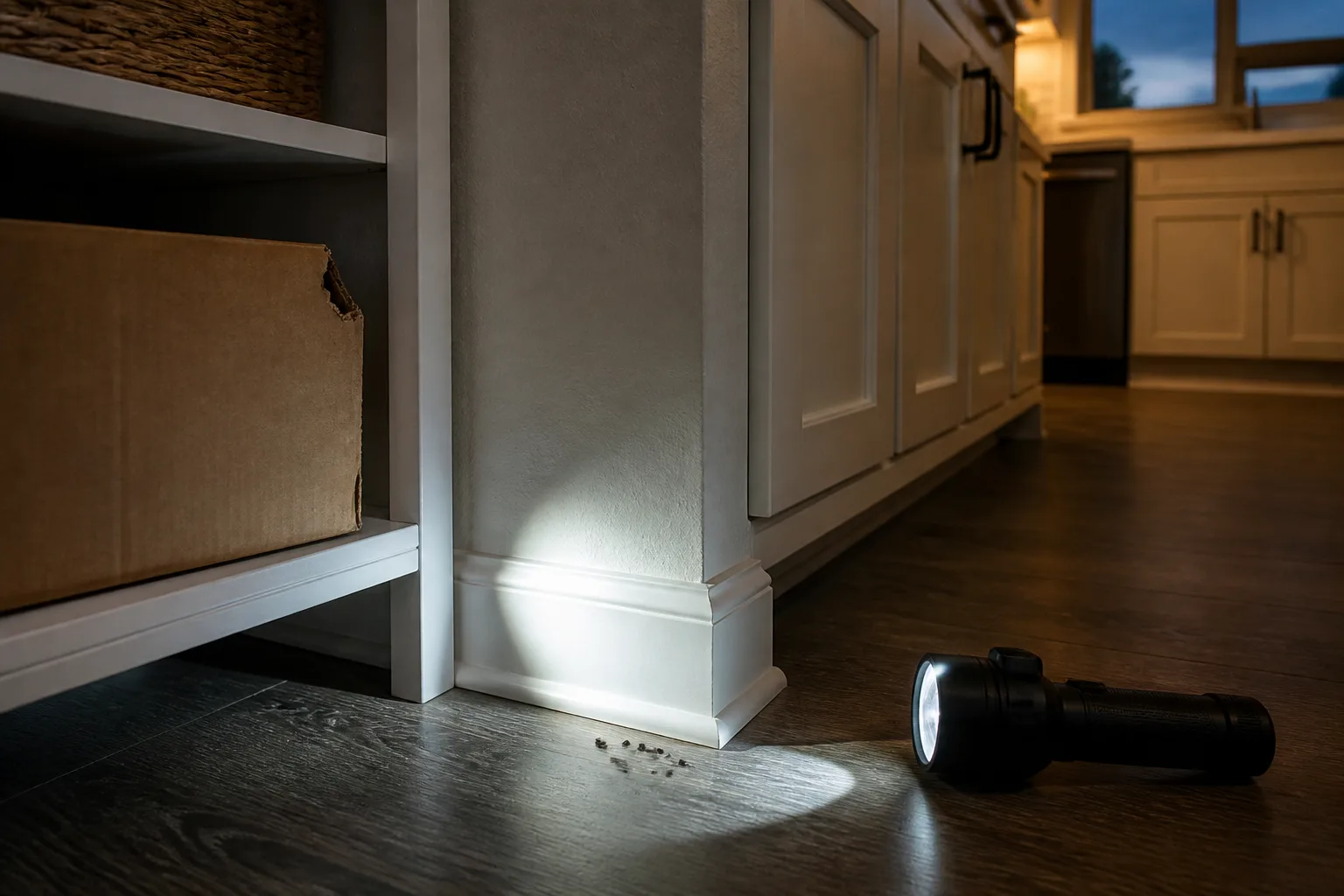
Inside a house, loose mothballs mainly offend human noses and embed odor in fabrics. NPIC warns that open use harms people, pets, and wildlife that touch, eat, or inhale the products. Children have been poisoned after swallowing mothballs; Poison Control documents hemolytic anemia cases from paradichlorobenzene exposure in toddlers.
Meanwhile, mice continue along wall edges and through gaps larger than ¼ inch — about the width of a pencil eraser — which is the exclusion threshold cited in CDC rodent guidance and university extension publications. A smell stripe on the floor does not close those holes.
Attics and crawl spaces are especially poor sites. Vapor drifts into living areas through recessed lights and HVAC paths. Insulation absorbs the chemical smell for months. You trade a mouse problem for an air-quality problem.
Outdoors: Soil, Water, and Wildlife Risk
Yard, garden, and foundation placements are equally ineffective and more environmentally reckless. NPIC states that outdoor mothball use can contaminate soil, plants, and water and harm children, pets, and wildlife.
Rain dissolves or relocates balls. Wind scatters them where curious animals ingest them. Mice entering from outside simply choose another gap along the sill plate — one that does not have a few chalky spheres in front of it.
Never use mothballs in vegetable beds, compost piles, or near storm drains. If burrowing rodents are the issue, address habitat and exclusion; do not fumigate your soil with closet pesticides.
Health and Legal Risks of Off-Label Mothball Use
Children, Pets, and Inhalation Exposure
Mothballs look like small candies or mints. That visual similarity drives preventable emergencies. Symptoms of naphthalene or PDB poisoning can include nausea, vomiting, abdominal pain, headache, weakness, yellowing skin, dark urine, tremors, and breathing difficulty — and Pet Poison Helpline lists mothballs as a serious hazard for dogs and cats who ingest or heavily inhale fumes in enclosed spaces.
People with G6PD deficiency face higher risk from naphthalene-related red blood cell destruction, often discovered only after exposure. Pregnant women and infants should avoid chronic inhalation of either chemical.
If you suspect ingestion or heavy exposure, contact Poison Control at 1-800-222-1222 or use the online triage tool immediately.
EPA Label Law and Illegal Imports
Under U.S. law, the pesticide label is the law. NPIC notes that using mothballs in ways not specified on the label — including repelling mice, snakes, or squirrels — is illegal and can harm people, pets, and the environment.
Some mothballs sold online or at discount stores are illegal imports without valid EPA registration. Their ingredient concentrations and labeling may not match U.S. standards, adding unknown risk on top of already hazardous chemistry.
Registered products list exactly which pests they target (fabric insects), where they may be applied (inside airtight containers), and how much to use. Rodent control is not on that list.
What Pest Pros Use Instead of Mothballs
Effective mouse control follows IPM: exclude, sanitize, trap, monitor. Scent products — peppermint oil, balsam sachets, or mothballs — are at best a minor supplement after holes are sealed and food is secured. Our natural mouse repellent guide walks through the winter sequence pros use when they want low-toxicity options.
Seal Quarter-Inch Gaps First
Inspection comes before any trap or scent. Walk the interior perimeter with a flashlight and mirror, focusing on:
- Pipe and wire penetrations under sinks and behind appliances
- Dryer vents, utility entries, and crawl-space access doors
- Garage-to-house door sweeps and warped thresholds
- Gaps around basement window wells and sill plates
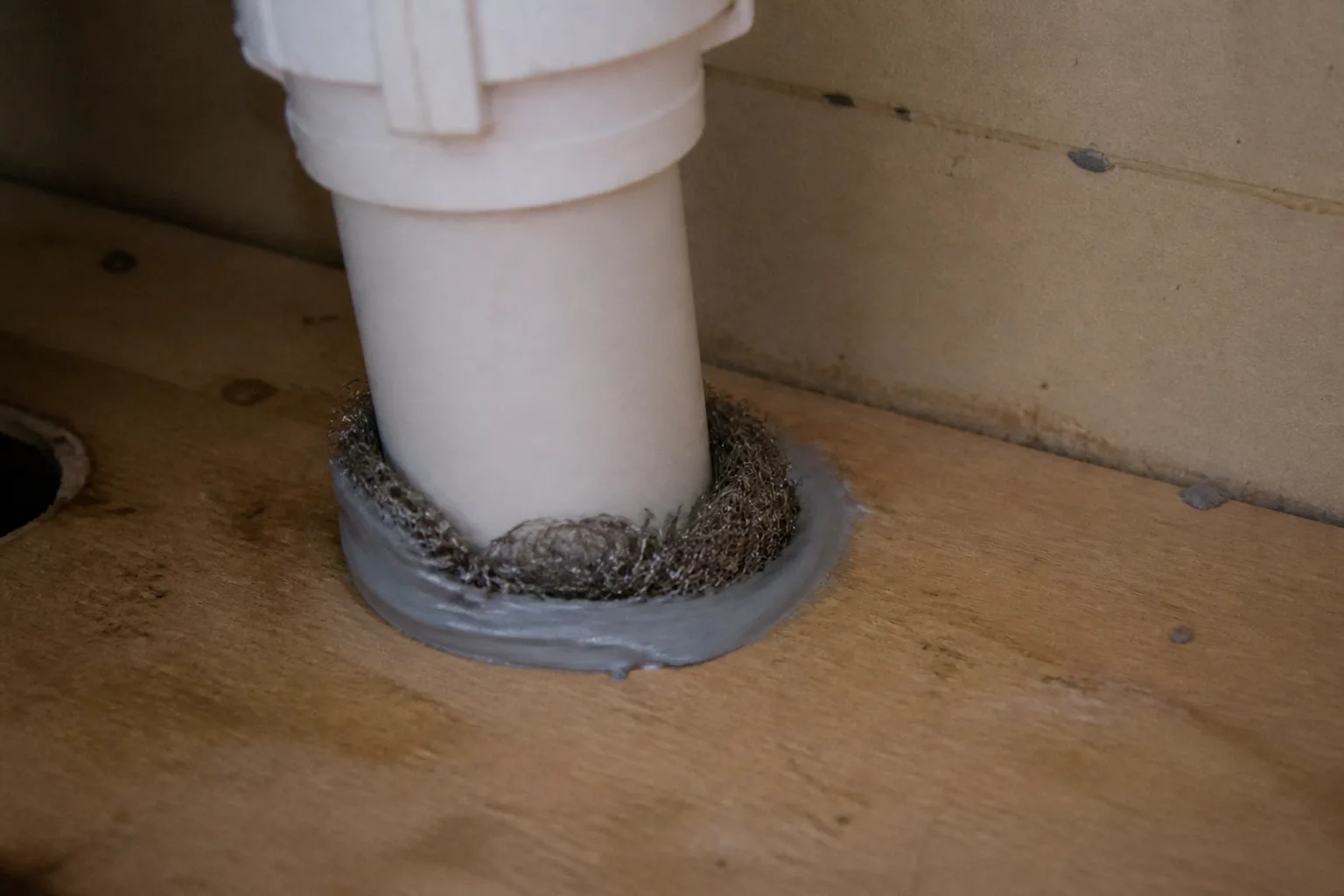
Pack gaps with stainless or copper steel wool tight enough that no fiber pulls free, then cap with caulk, foam rated for pests (where appropriate), or ¼-inch hardware cloth over larger openings. Mice chew through rubber, plastic, and wood over time — metal mesh lasts.
This is the same steel-wool exclusion method detailed in our mouse-proofing guides. Sealing is not optional. Without it, traps only thin the population while new mice enter.
Remove Food and Nesting Sites
Mice need calories and hidden nesting material more than they fear smell. Inside:
- Store pantry goods, pet kibble, and birdseed in glass or metal containers with tight lids
- Wipe counters nightly and empty pet bowls in the garage or mudroom
- Replace cardboard storage with plastic totes; mice shred cardboard for nests
- Pull clutter away from exterior walls so runways are visible
In the pantry and closet, focus on sealed food and reduced hiding spots before any scent sachet.

Outdoors, cover compost, latch trash lids, and move firewood at least 3 feet from the foundation. Trim vines and shrubs that create ladders to rooflines.
Trap Along Wall Runways
Once exclusion is underway, set snap traps or covered humane traps perpendicular to walls where you see droppings, rub marks, or grease trails. Mice travel edges, not open floors. Use multiple traps — a single device rarely matches reproduction speed.
Bait with a pea-sized smear of peanut butter or a nutmeat; check traps daily, reset after kills, and wear gloves when handling carcasses. The CDC trap-up guidance emphasizes consistent monitoring.
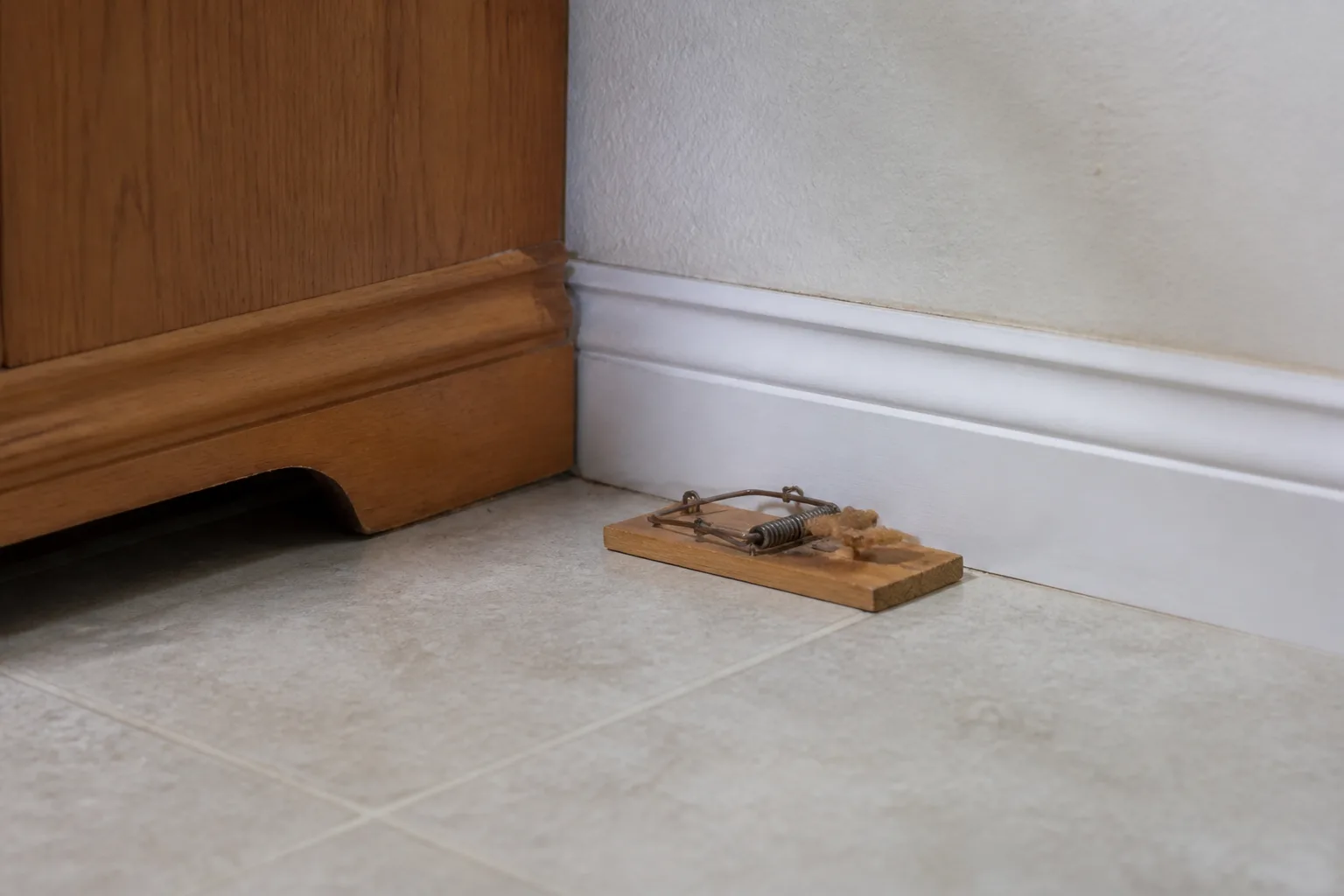
For discreet placement in living areas, see how to hide mouse traps without reducing effectiveness.
Do not rely on poison baits indoors unless a licensed applicator manages them. Rodents can die in walls, causing odor and secondary poisoning risk for pets and wildlife.
Peppermint or rosemary scent can line sealed baseboards after gaps are closed — refresh weekly in dry winter air. Treat scent as a nudge, not a fence.
When to call a professional: DIY IPM handles many single-family infestations. Call a licensed pest control operator if you see daytime mice repeatedly, find heavy fresh droppings in multiple rooms, hear activity in several wall zones at once, cannot safely access attics or crawl spaces, or suspect rats instead of mice (larger droppings, burrows outdoors). Also seek help if two weeks of sealing, sanitation, and trapping do not stop new droppings after cleanup.
Indoors vs Outdoors: A Practical Prevention Checklist
Indoors priority order
- Confirm activity with droppings, gnaw marks, or sounds — use our signs you have mice page
- Seal ¼-inch and larger gaps with steel wool and metal-backed repairs
- Move food and pet feed into chew-proof containers; declutter along walls
- Set traps on active runways; check daily
- Add ventilated scent sachets only along already-sealed perimeters if desired
Outdoors priority order
- Latch trash and compost; remove spilled birdseed
- Clear debris, leaf piles, and stacked lumber near the foundation
- Install door sweeps and repair damaged screens
- Seal foundation cracks and utility penetrations with mortar and hardware cloth
- Never scatter mothballs along the drip line or in garden beds
Seasonal timing matters. Fall temperature drops push mice indoors — start inspection in late summer before heating season, when exclusion materials still set cleanly in moderate weather.
If You Already Used Mothballs Indoors
Maybe you inherited mothballs in an attic, or you tried the hack before reading this. Here is how to undo the damage safely:
- Ventilate — open windows and run exhaust fans; leave the space if you feel headache, nausea, or eye irritation
- Wear gloves — pick up intact balls and visible flakes with nitrile gloves; do not sweep dry dust that can become airborne
- Double-bag and dispose — place mothballs in sealed bags and take them to a household hazardous waste facility; do not toss them in household trash if your locality restricts pesticide disposal
- Wash affected textiles — launder clothing and bedding stored near mothballs before use; dry-clean wool if odor persists
- Clean hard surfaces — wipe shelves and floors with mild detergent and water; avoid mixing cleaners that could react with residual chemicals
- Switch to real IPM — begin sealing and trapping; monitor with snap traps instead of odor
If anyone in the home — child, adult, or pet — shows vomiting, unusual fatigue, yellowing skin, or breathing trouble after mothball exposure, contact Poison Control immediately.
Conclusion
Mothballs are closet pesticides for airtight fabric storage, not mouse repellents for open rooms, attics, garages, or yards. Pest experts and pesticide regulators agree: scattered mothballs fail to keep mice away, expose families to naphthalene or paradichlorobenzene vapor, and often break EPA label law.
What works is less dramatic and more durable — seal quarter-inch entry points, remove food and nesting clutter, trap along wall runways, and monitor for fresh droppings. Scent tricks, including mothballs and peppermint oil, cannot overcome open holes and accessible kibble.
Skip the white balls. Inspect like a pro, repair like a pro, and trap what is already inside. Your lungs, your pets, and your pantry will thank you.



